Category
page 1Components of chocolate

cacao
tree native to tropical South America producing cocoa beans - the source plant of cacao and chocolate

caffeine
Caffeine is a central nervous system (CNS) stimulant of the methylxanthine class and is the most commonly consumed psychoactive substance globally. It is mainly used for its eugeroic (wakefulness promoting), ergogenic (physical performance-enhancing), or nootropic (cognitive-enhancing) properties; it is also used recreationally or in social settings. Caffeine acts by blocking the binding of adenosine at a number of adenosine receptor types, inhibiting the centrally depressant effects of adenosine and enhancing the release of acetylcholine. Caffeine has a three-dimensional structure similar to

theobromine
Theobromine, also known as xantheose, is the principal alkaloid of Theobroma cacao (cacao plant). Theobromine is slightly water-soluble (330 mg/L) with a bitter taste. In industry, theobromine is used as an additive and precursor to some cosmetics. It is found in chocolate and several other foods, including tea (Camellia sinensis), some American hollies (yaupon and guayusa) and the kola nut. It is a white or colourless solid, but commercial samples can appear yellowish.
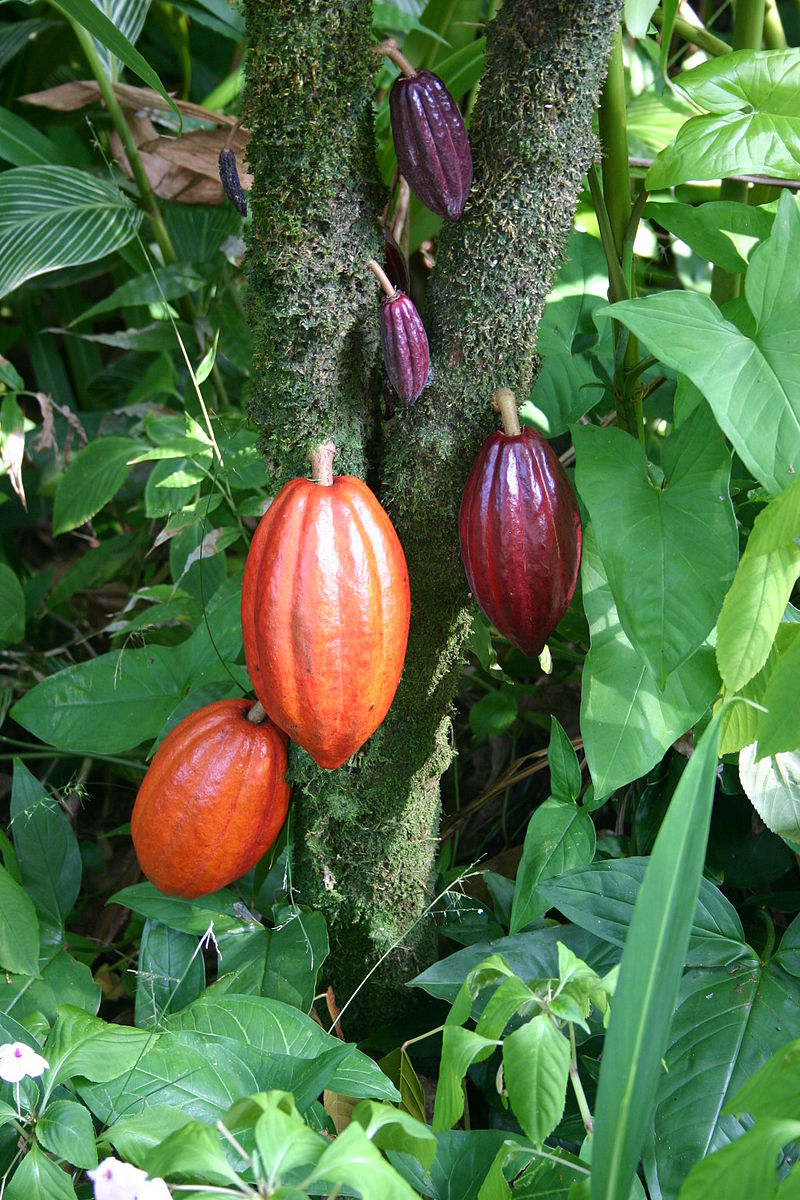
cocoa bean
fatty seed of Theobroma cacao which is the basis of chocolate
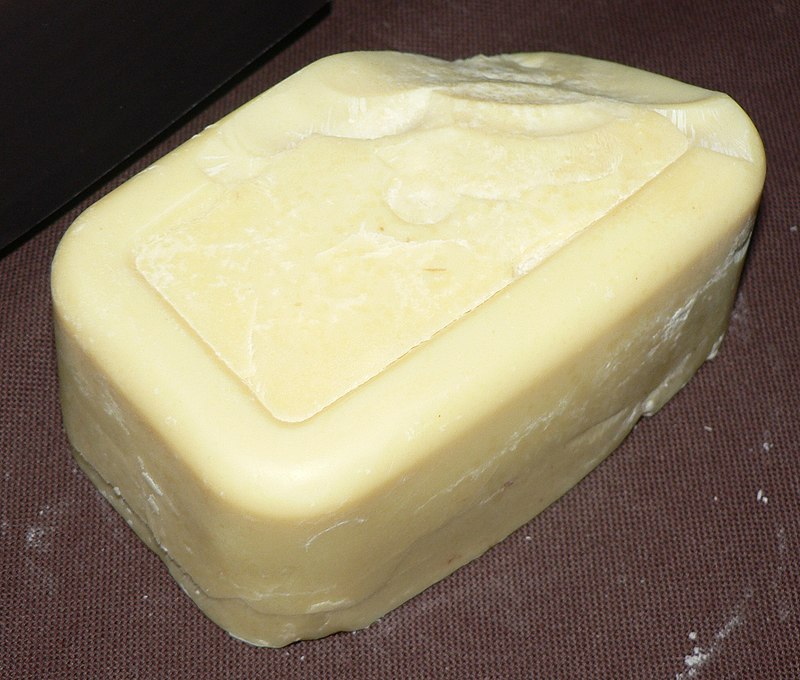
cocoa butter
pale-yellow, edible vegetable fat extracted from the cocoa bean
cocoa powder
mixture of many substances remaining after cocoa butter is extracted from cacao beans
chocolate liquor
pure cocoa mass in liquid, semi-liquid, solid or semi-solid form
ligustrazine
Tetramethylpyrazine, also known as ligustrazine, is a chemical compound found in nattō and in fermented cocoa beans. In an observational study, tetramethylpyrazine was the dominant volatile organic compound in one sourdough starter. When purified, tetramethylpyrazine is a colorless solid. It is classified as an alkylpyrazine. Its biosynthesis involves amination of acetoin, the latter derived from pyruvate. It exhibits potential nootropic and antiinflammatory activities in rats.