Category
page 1Counter-Reformation

Peter Paul Rubens
Flemish painter (1577–1640)
.jpg)
Erasmus
Desiderius Erasmus Roterodamus ( ; ; 28 October c. 1466 – 12 July 1536), commonly known in English as Erasmus of Rotterdam or simply Erasmus, was a Dutch humanist, Christian theologian, and pioneering philologist and educationalist. He was, through his writings and translations, one of the most influential scholars of the Northern Renaissance and a major figure of Western culture.

Society of Jesus
The Society of Jesus (; abbreviation: S.J. or SJ), also known as the Jesuit Order or the Jesuits ( ; ), is a religious order of clerics regular of pontifical right for men in the Catholic Church. Headquartered in Rome, it was founded in 1540 by Ignatius of Loyola and six companions, with the approval of Pope Paul III. The Society of Jesus is the largest Catholic religious male order and has played a significant role in education, charity, humanitarian acts and global policies. Jesuits are engaged in evangelization and apostolic ministry in 112 countries, including education, research, and cult

Giovanni Pierluigi da Palestrina
Italian Renaissance composer (c. 1525–1594)

Philip II of Spain
King of Spain, Portugal, Naples and Sicily; King consort of England, lived 1527-1598

Teresa of Ávila
Roman Catholic saint (1515-1582)
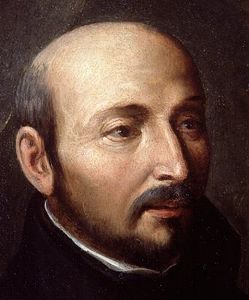
Ignatius of Loyola
Spanish Catholic priest and theologian (1491–1556)

Armand-Jean du Plessis, duc de Richelieu
French clergyman, cardinal, noble and statesman (1585-1642)

Inquisition
thumb|upright=1.7|A 19th-century depiction of Galileo Galilei before the Holy Office, by [[Joseph-Nicolas Robert-Fleury]]

Mary I
Queen of England and Ireland from 1553 to 1558

Pius V
pope of the Catholic Church from 1566 to 1572, saint

Catherine de' Medici
queen-consort and regent of France (1519–1589)

Sixtus V
pope of the Catholic Church from 1585 to 1590

Counter-Reformation
The Counter-Reformation (), also sometimes called the Catholic Revival, was the period of Catholic resurgence that was initiated in response to, and as an alternative to or from similar insights as, the Protestant Reformations at the time. It was a comprehensive effort arising from the decrees of the Council of Trent.

Fulda
Fulda (; historically in English called Fuld) is a city in Hesse, Germany, on the river Fulda and is the administrative seat of the Fulda district (Kreis). In 1990 the city hosted the 30th Hessentag state festival.

John of the Cross
Spanish mystic and Roman Catholic saint (1542–1591)

Council of Trent
19th Ecumenical Council of the Catholic Church

Francis de Sales
French bishop, saint, writer and Doctor of the Church (1567-1622)

St. Bartholomew's Day massacre
massacre of the Huguenots (French Calvinist Protestants) by the French government, 1572

Ferdinand II, Holy Roman Emperor
Holy Roman Emperor

Luis de Góngora
Spanish Baroque lyric poet (1561-1627)

Joseph of Anchieta
Spanish Jesuit missionary (1534-1597)

Index Librorum Prohibitorum
list of publications prohibited by the Catholic Church from 1559 to 14 June 1966

Life is a Dream
play by Pedro Calderón de la Barca (1635)
French Wars of Religion
religious and military conflicts between Protestants and Catholics in France from 1562 to 1598
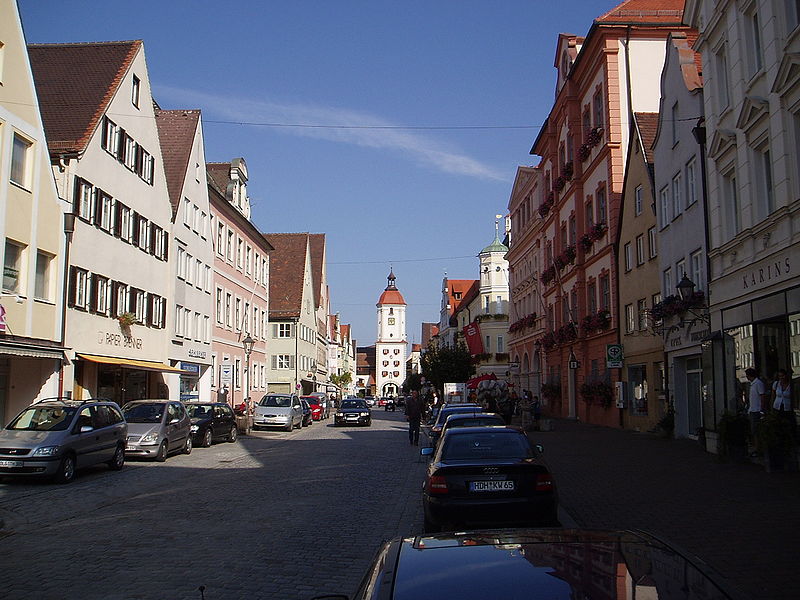
Dillingen an der Donau
town in Bavaria, Germany

Philip Neri
Italian Roman Catholic saint and founder

Maximilian I, Elector of Bavaria
Wittelsbach ruler of Bavaria and prince-elector (Kurfürst) of the Holy Roman Empire (1573–1651)

Joost van den Vondel
Dutch poet and writer (1587-1679)
Louis de Montfort
French Catholic saint, priest, and confessor

Francis Borgia, 4th Duke of Gandía
Grandee of Spain and Jesuit priest (1510–1572)
Luis de León
Spanish poet

Henry I of Lorraine, duke of Guise
Duke of Guise (1551-1588)
.webp)
Carlism
thumb|Carlist flag from the Third Carlist War (c. 1875), with the Carlist motto [[Dios, patria y rey ("God, Fatherland and King")]]
Carlism (; ; ; ) is a traditionalist and legitimist political movement in Spain aimed at establishing an alternative branch of the Bourbon dynasty, one descended from Don Carlos, Count of Molina (1788–1855), on the Spanish throne.

Reginald Pole
English cardinal, the last Roman Catholic Archbishop of Canterbury

Thomas Cajetan
Catholic cardinal
Catholic League
organization
Péter Pázmány
Hungarian Catholic cardinal, theologian and statesman (1570–1637)
Pilgrimage of Grace
1536 uprising against Henry VIII in England
Cologne War
war
Fidelis of Sigmaringen
Capuchin friar
Nicolaus Olahus
Roman Catholic archbishop
Stephen Gardiner
English bishop (1483-1555)
William Allen
English Cardinal of the Roman Catholic Church
Douay–Rheims Bible
First complete English language Catholic Bible
Prayer Book Rebellion
popular revolt in Devon and Cornwall in 1549

Richard Gwyn
Welsh Catholic martyr and bard
The Cheese and the Worms
1976 essay by Carlo Ginzburg

English College
Catholic seminary in Douai
François de La Rochefoucauld
Catholic cardinal (1558-1645)
Julius Echter von Mespelbrunn
German bishop (1545-1617)
The Company of Our Lady Mary
Roman Catholic religious order founded by Jeanne de Lestonnac
Richard Rowlands
Anglo-Dutch antiquary, publisher, humorist and translator (1550–1640)
Eltz
former noble family
Basilica of Our Lady of Scherpenheuvel
Belgian religious monument
Spanish mystics
Early modern Catholic mystics
Laurentius Nicolai Norvegus
Jesuit
Florimond de Raemond
Historian, Counter-Reformator, Jurist
Nikolaas Rockox
Flemish art collector, numismatist and mayor of Antwerp (1560-1640)
Spiritual Canticle
Book by Johannes van het Kruis