Category
page 1Cryosphere

ice
Ice is water that is frozen into a solid state, typically forming at or below temperatures of 0 °C, 32 °F, or 273.15 K. It occurs naturally on Earth, on other planets, in Oort cloud objects, and as interstellar ice. As a naturally occurring crystalline inorganic solid with an ordered structure, ice is considered to be a mineral. Depending on the presence of impurities such as particles of soil or bubbles of air, it can appear transparent or a more or less opaque bluish-white color.
.jpg)
permafrost
Permafrost () is soil or underwater sediment which continuously remains below for two years or more; the oldest permafrost has been continuously frozen for around 700,000 years. Whilst the shallowest permafrost has a vertical extent of below a meter (3 ft), the deepest is greater than . Similarly, the area of individual permafrost zones may be limited to narrow mountain summits or extend across vast Arctic regions. The ground beneath glaciers and ice sheets is not usually defined as permafrost, so on land, permafrost is generally located beneath a so-called active layer of soil which free

cryosphere
thumb|right|300px|Overview of the cryosphere and its larger components
The cryosphere is an umbrella term for those portions of Earth's surface where water is in solid form. This includes sea ice, ice on lakes or rivers, snow, glaciers, ice caps, ice sheets, and frozen ground (which includes permafrost). Thus, there is an overlap with the hydrosphere. The cryosphere is an integral part of the global climate system. It also has important feedbacks on the climate system. These feedbacks come from the cryosphere's influence on surface energy and moisture fluxes, clouds, the water cycle, atmospher
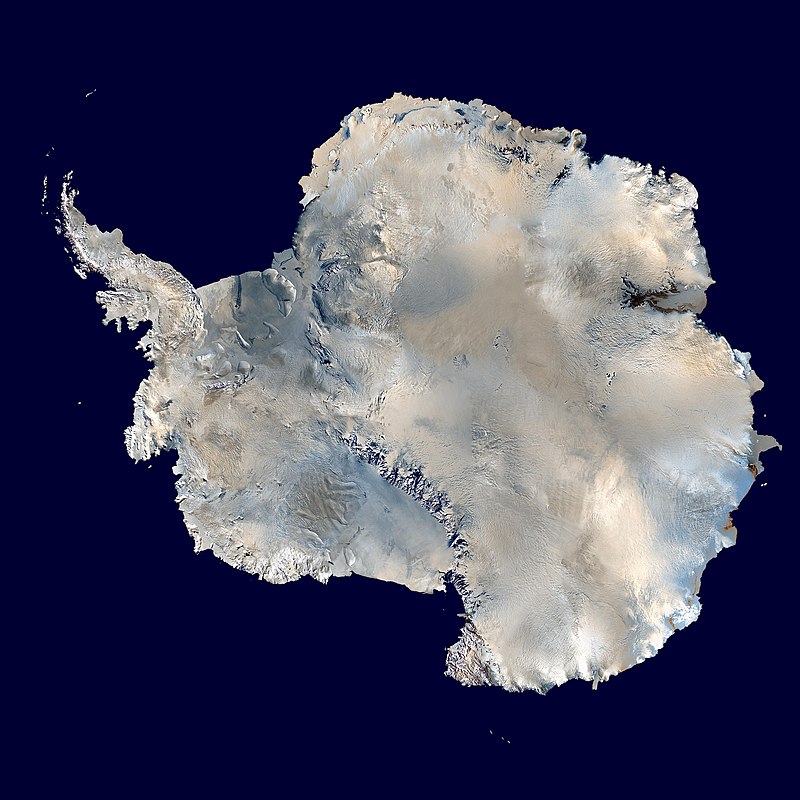
ice sheet
large mass of glacier ice

sea ice
ice formed from frozen seawater
International Centre for Integrated Mountain Development
organization