Category
page 6Dioecious plants

Allanblackia
Allanblackia is a genus of flowering plant in the family Clusiaceae. Molecular phylogenetic analyses indicate that is it nested in the dioecious Garcinia. The genus name commemorates Allan Black.

Endospermum
Endospermum is a genus of plants, under the family Euphorbiaceae and the monotypic subtribe Endosperminae first described as a genus in 1861 They are dioecious, rarely monoecious trees. It is native to E + S + SE Asia, Papuasia, Queensland, and certain islands of the W Pacific.

Nyssa yunnanensis
species of plant

Daphnopsis
Daphnopsis is a plant genus in the family Thymelaeaceae. It includes 72 species native to the Neotropics. They are shrubs and small trees with tubular or bell-shaped flowers. Individuals are dioecious, with male and female flowers produced on separate trees.
.jpg)
Broussaisia arguta
thumb|left|Staminate (male) flowers
Broussaisia arguta, the kanawao, is a species of perennial flowering plant in the Hydrangea family, Hydrangeaceae, that is endemic to Hawaii. It is the only species in the monotypic genus Broussaisia.
Pherosphaera
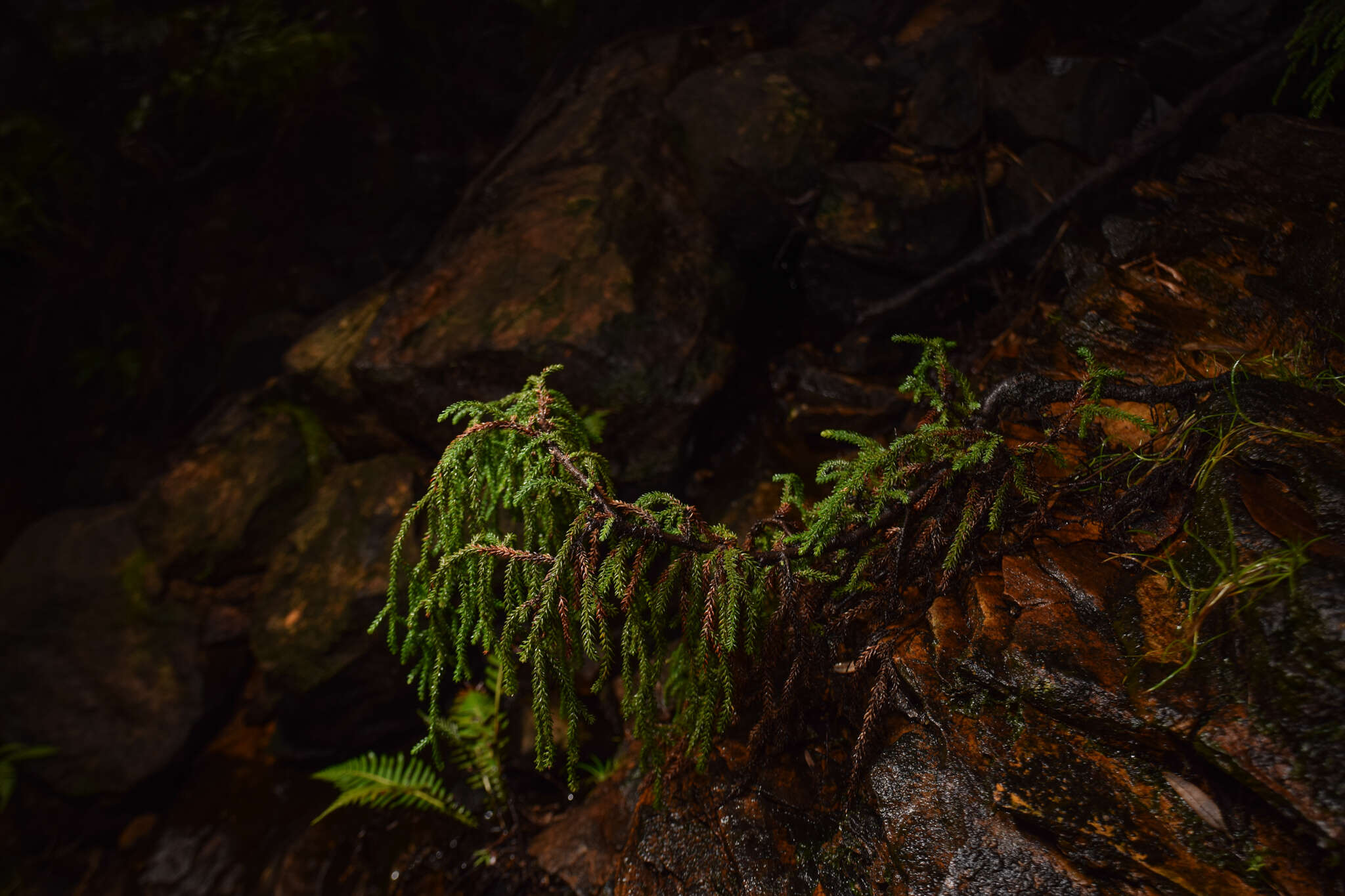
Pherosphaera is a genus of conifers belonging to the family Podocarpaceae.

Amaranthus tuberculatus
species of plant
Xylosma
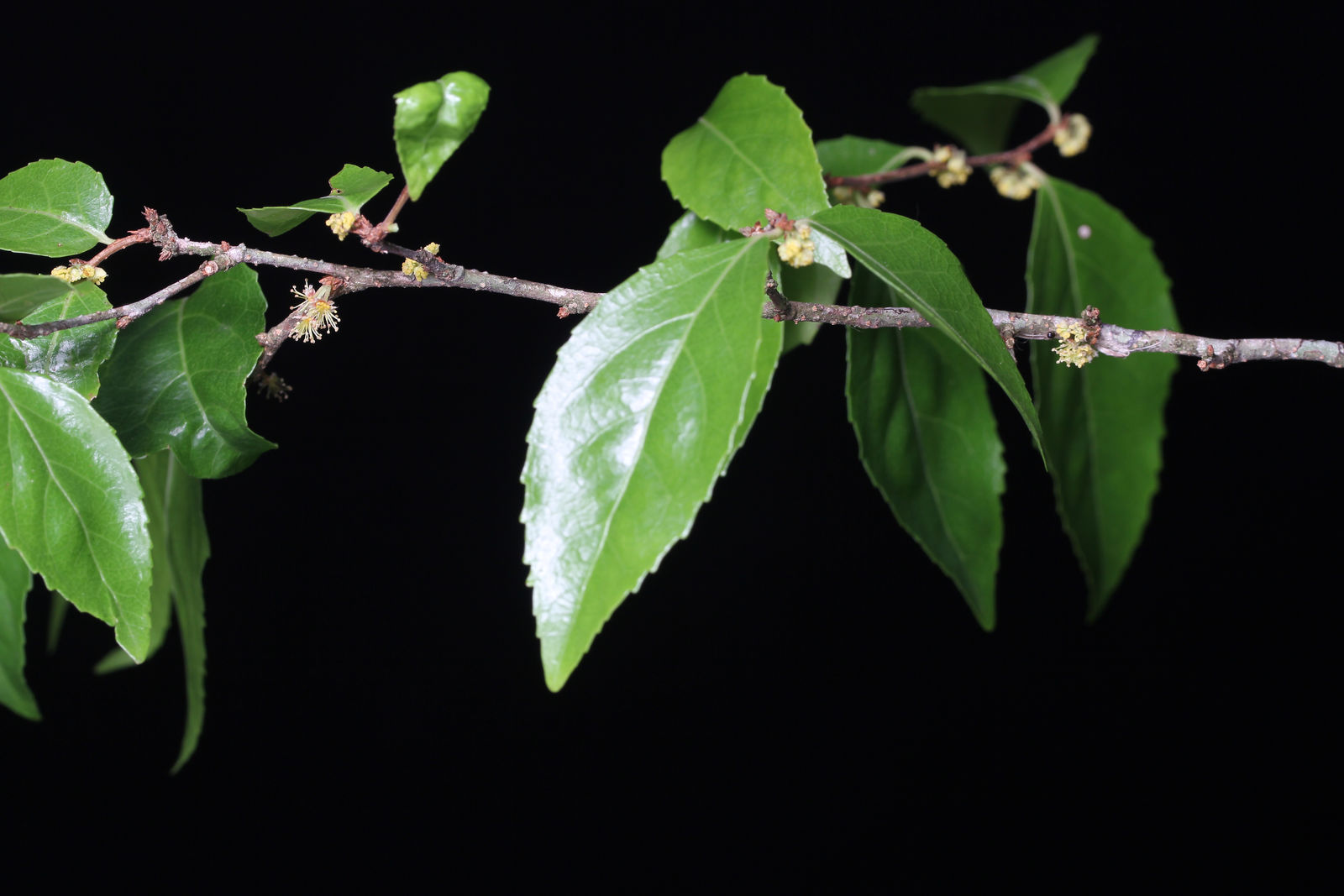
Xylosma is a genus of flowering plants in the family Salicaceae. It contains around 100 species of evergreen shrubs and trees commonly known as brushhollies, xylosmas, or, more ambiguously, "logwoods". The generic name is derived from the Greek words ξύλον (xylon), meaning "wood, tree", and ὀσμή (osmé), meaning "smell", referring to the fragrant wood of some of the species. The Takhtajan system places it in the family Flacourtiaceae, which is considered defunct by the Angiosperm Phylogeny Group.

Dactylanthus taylorii
species of plant endemic to New Zealand

Ficus exasperata
species of plant

Buddleja cordata
shrub native to Mexico

Asparagus persicus
species of plant
Tannodia
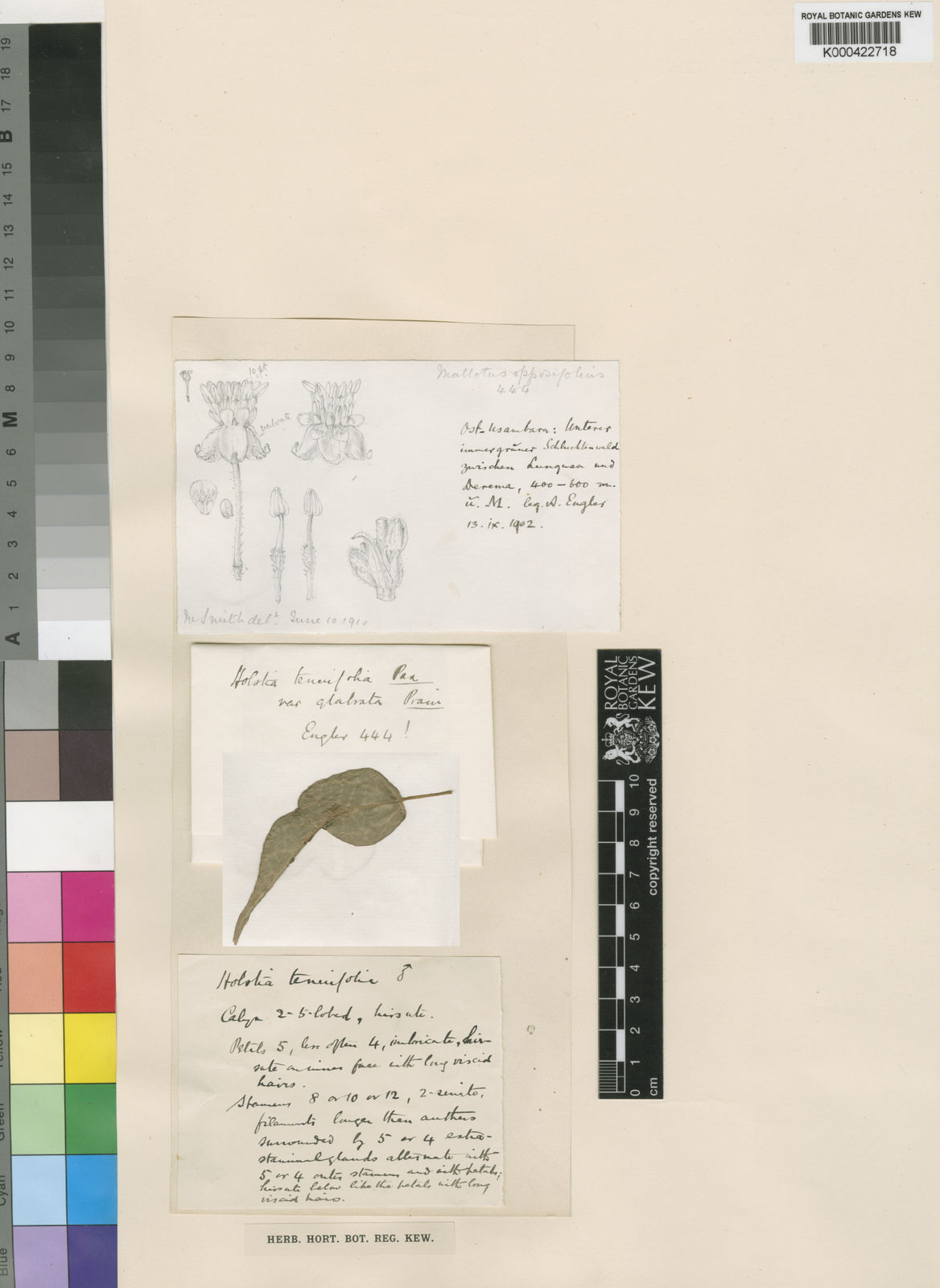
Tannodia is a plant genus of the family Euphorbiaceae first described as a genus in 1861. It is native to Africa, Madagascar, and Comoros. It is dioecious.

Urera
Urera is a genus of flowering plants in the nettle family, Urticaceae. It has a pantropical distribution.

Casuarina junghuhniana
species of plant

Fraxinus profunda
species of plant

Arctopus
thumb|Arctopus echinatus, male plant in flower.
Arctopus is a genus of flowering plants in the Apiaceae, with three species. The genus is endemic to Southern Africa. The genus name means "bears foot" (from "bear" and pous "foot") in reference to the curious growth habit, resembling a large footprint, if not to the fact that the leaves are fringed with formidable prickles that punish bare feet and grazing.

Chersodoma
Chersodoma is a genus of South American flowering plants in the daisy family. Members of this genus or dioecious shrubs or subshrubs.

Ricinodendron
Ricinodendron is a plant genus in the family Euphorbiaceae first described as a genus in 1864. It includes only one known species, Ricinodendron heudelotii, native to tropical Africa from Senegal + Liberia east to Sudan and Tanzania and south to Mozambique and Angola. It produces an economically important oilseed. The tree is known as munguella (Angola), njangsa (Cameroon), bofeko (Democratic Republic of Congo), wama (Ghana), okhuen (Nigeria), kishongo (Uganda), akpi (Ivory Coast), djansang, ọrùnmọdò (Yorubaland), essang, ezezang and njasang. Two varieties of the tree species are recognized R.
Ozoroa paniculosa
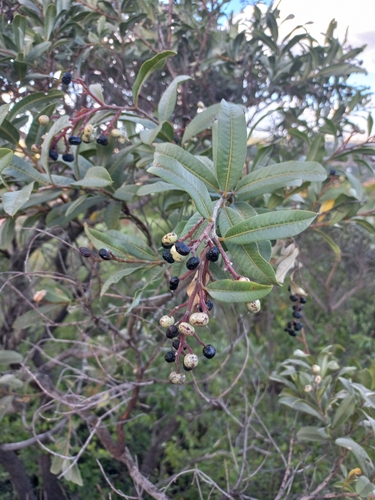
African tree species

Clematis ligusticifolia
species of plant
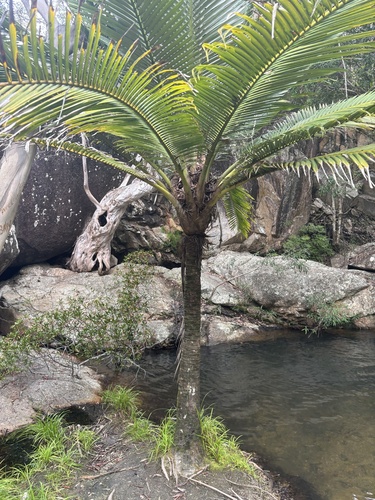
Oraniopsis appendiculata
Oraniopsis is a monotypic genus of flowering plant in the palm family from Queensland, Australia, where the only known species, Oraniopsis appendiculata, grows in mountainous rainforest. Dioecious and extremely slow growing, the name means "similar to Orania" and the Latin epithet translates to "appendaged".
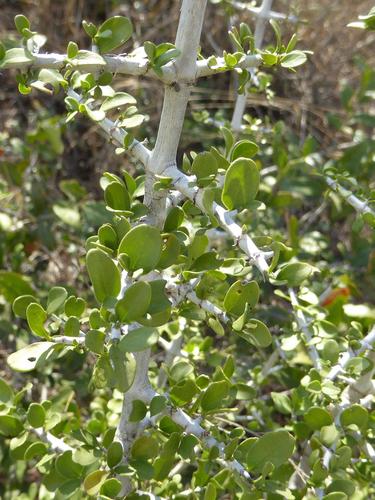
Pyrostria
Pyrostria is a genus of dioecious flowering plants in the family Rubiaceae. Most of the species are endemic to Madagascar, others occur on islands in the western Indian Ocean (Mauritius, Comoros, Réunion, Rodrigues, Socotra), a few are found in continental Africa, and only six species occur in tropical Southeast Asia. The formerly recognized genus Leroya, containing two species endemic to Madagascar, L. madagascariensis and L. richardiae, was sunk into synonymy with Pyrostria.
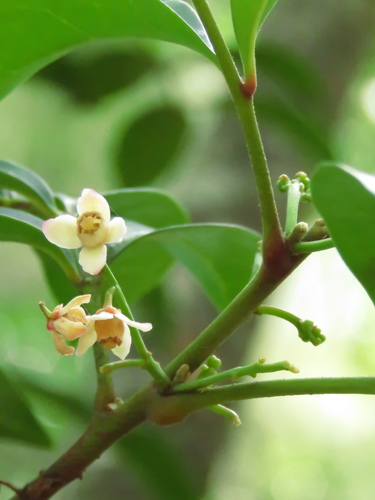
Synoum glandulosum
Synoum is a monotypic genus of evergreen tree belonging to the family Meliaceae. It is endemic to Australia where it is found along the eastern sub-tropical to tropical coast, usually on the margins of rainforests, in Queensland and New South Wales.

Acer sinopurpurascens
species of plant
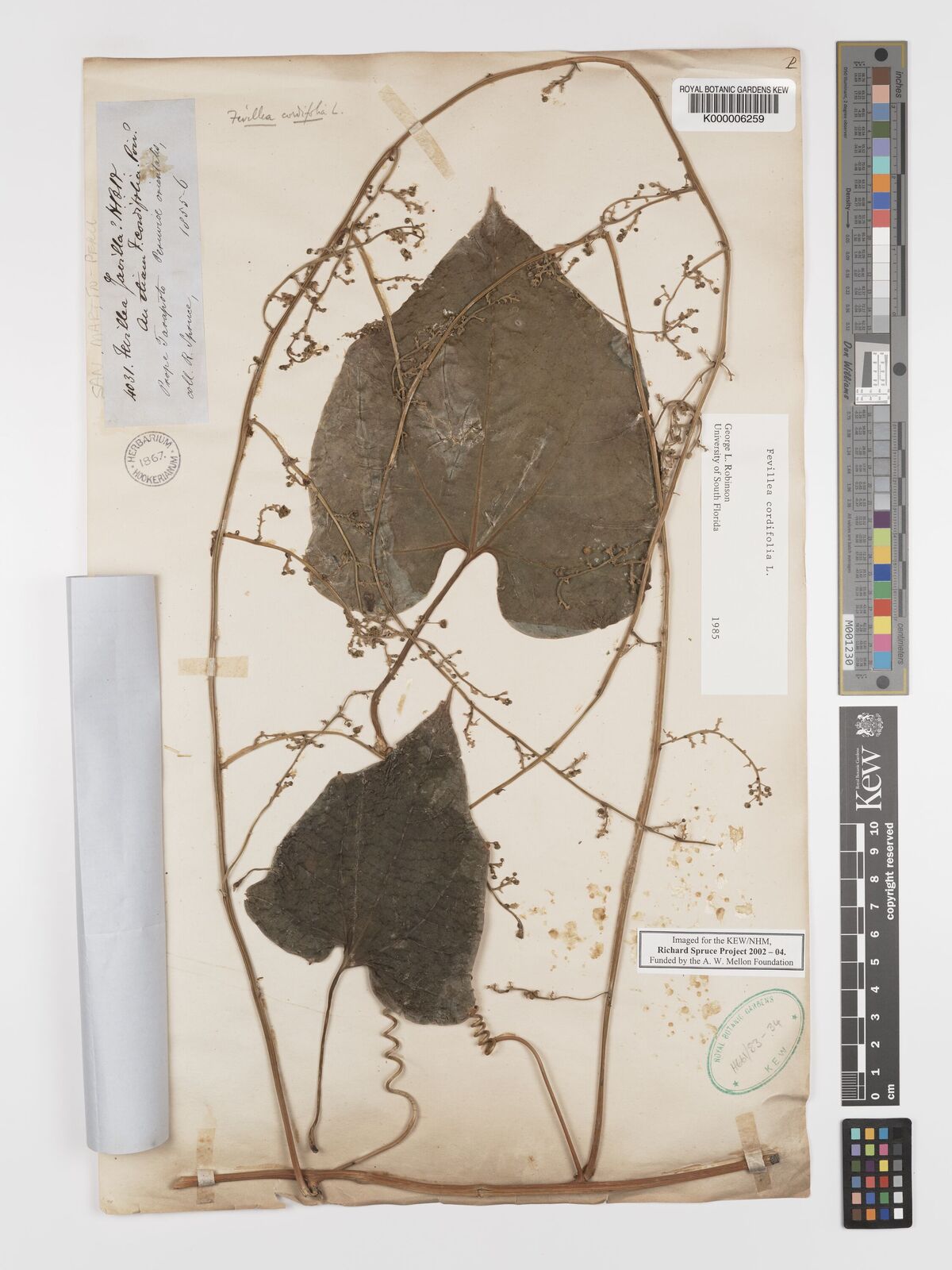
Fevillea
Fevillea is a genus of the plant family Cucurbitaceae (the cucumber, squash, and pumpkin family). Some references suggest that there is only one member of this genus, Fevillea cordifolia (antidote vine). Other online sources make reference to Fevillea pedatifolia (formerly Fevillea peruviana), Fevillea trilobata, and to Fevillea passiflora.
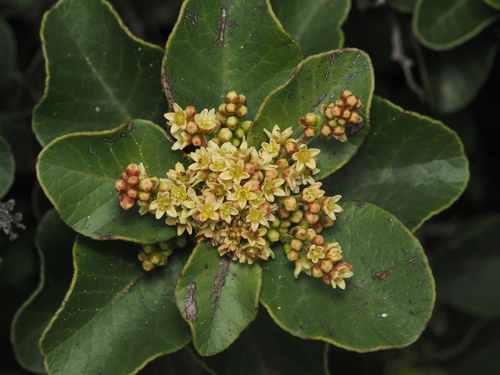
Lithraea
Lithraea is a genus of three species of flowering plants in the cashew family, Anacardiaceae. It is native to Argentina, Bolivia, Brazil, Chile, Paraguay, and Uruguay. They are dioecious trees with poisonous sap that can induce contact dermatitis.
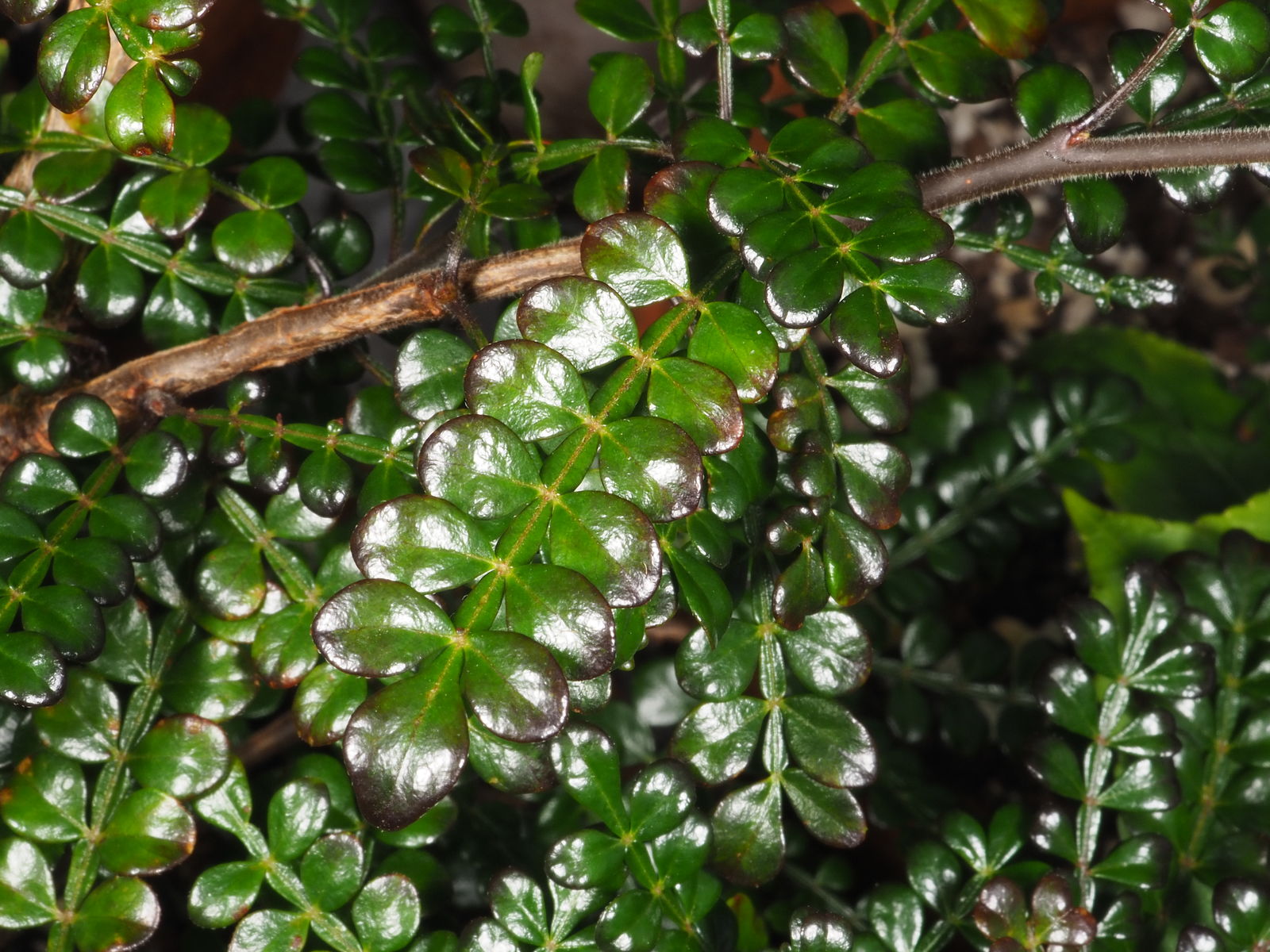
Operculicarya
Operculicarya (also Operculicaria) is a plant genus in the family Anacardiaceae, native to Madagascar, the Comoro Islands, and Aldabra. They are small dioecious pachycaul trees which mainly grow in dry, rocky areas.
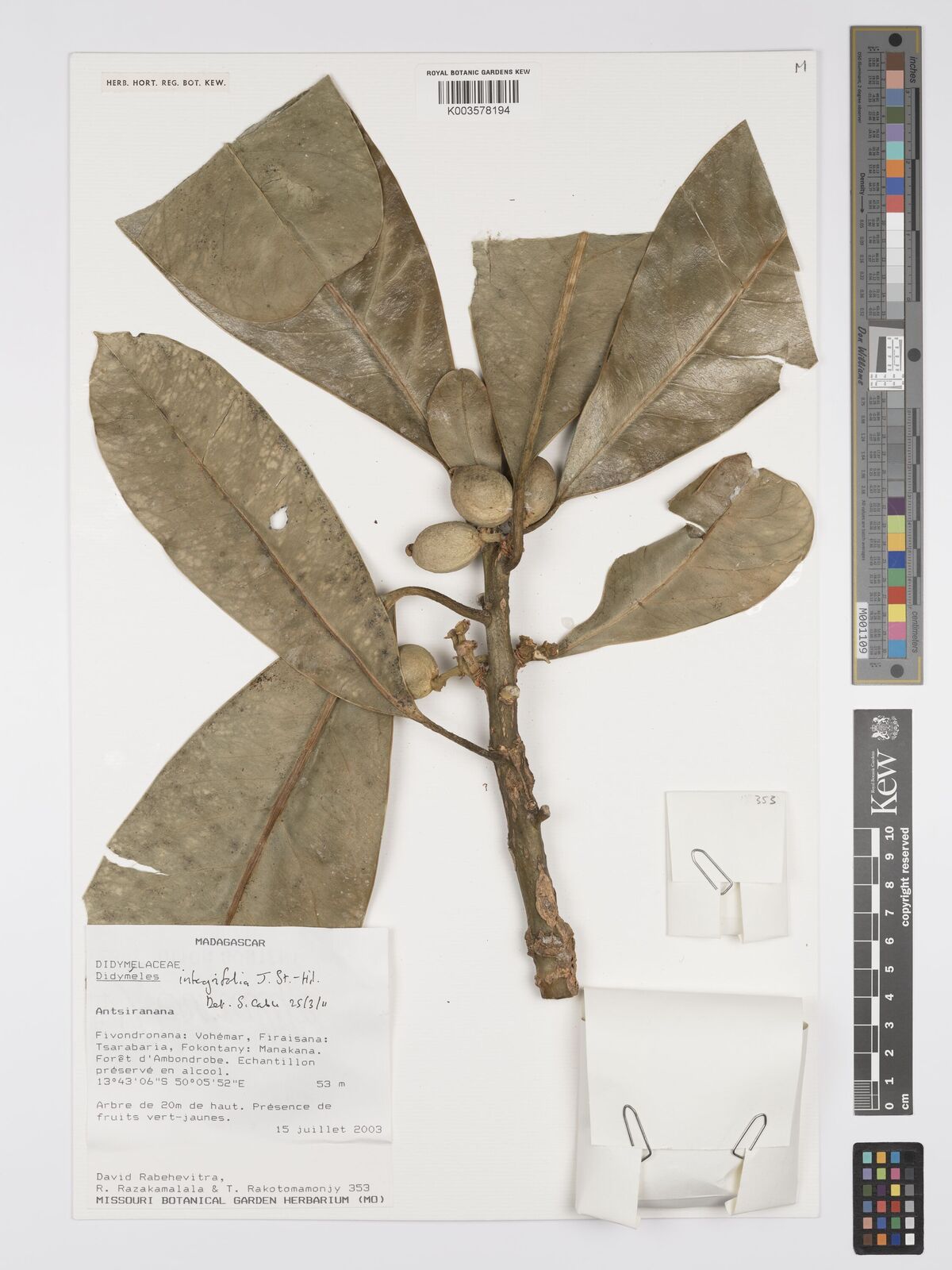
Didymeles
Didymeles is a genus of flowering plants. It is variously treated as the only genus of the family Didymelaceae — or in the family Buxaceae, as in the APG IV system.
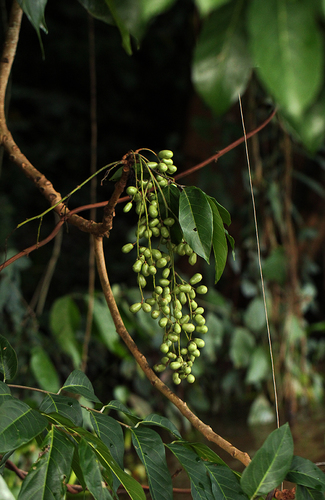
Pseudospondias
Pseudospondias is a genus of plants in the subfamily Spondiadoideae of the cashew and sumac family Anacardiaceae. They grow as dioecious shrubs or trees and are found in forests of Sub-Saharan Africa.

Androlepis skinneri
species of plant
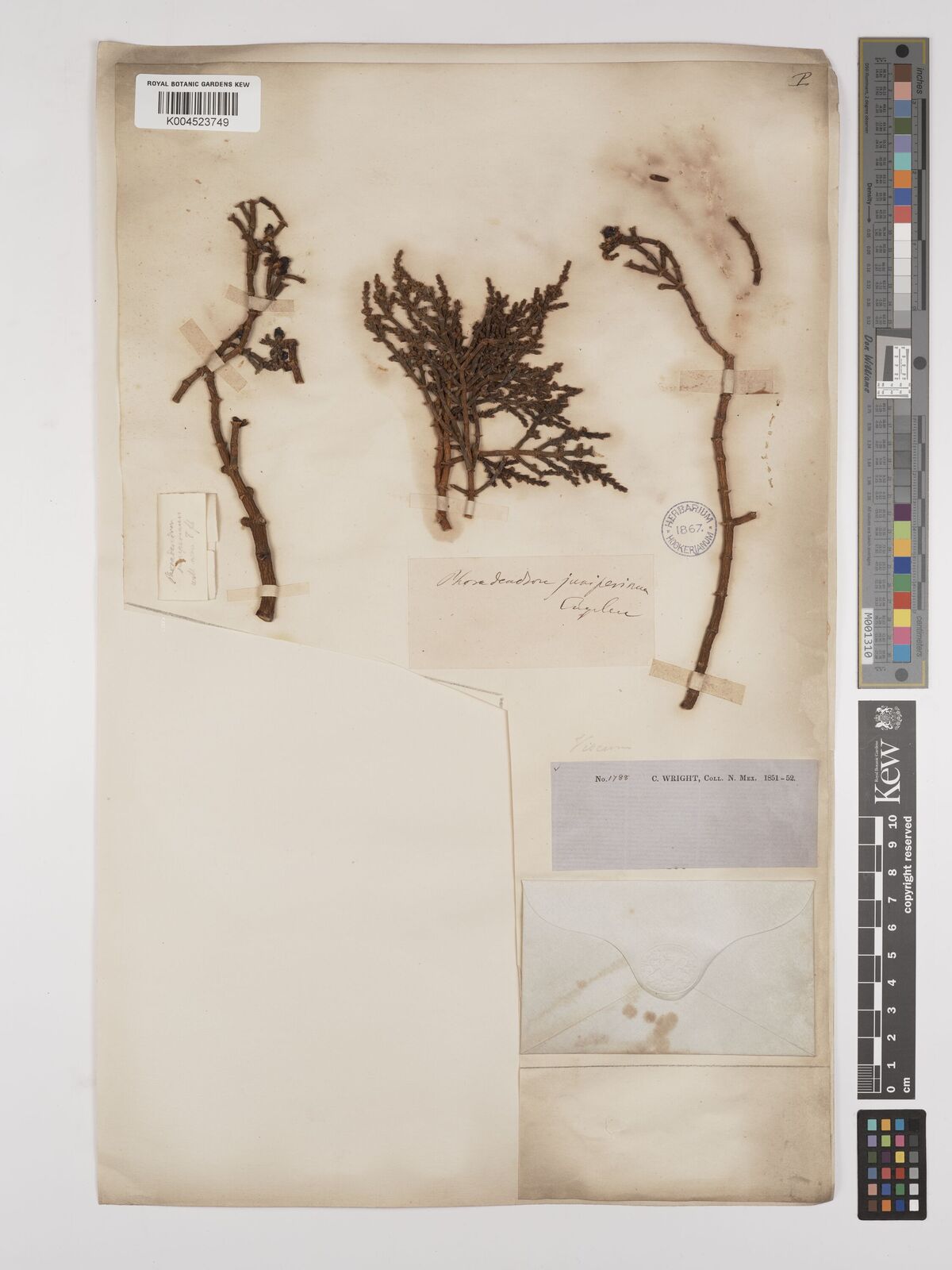
Phoradendron juniperinum
species of plant
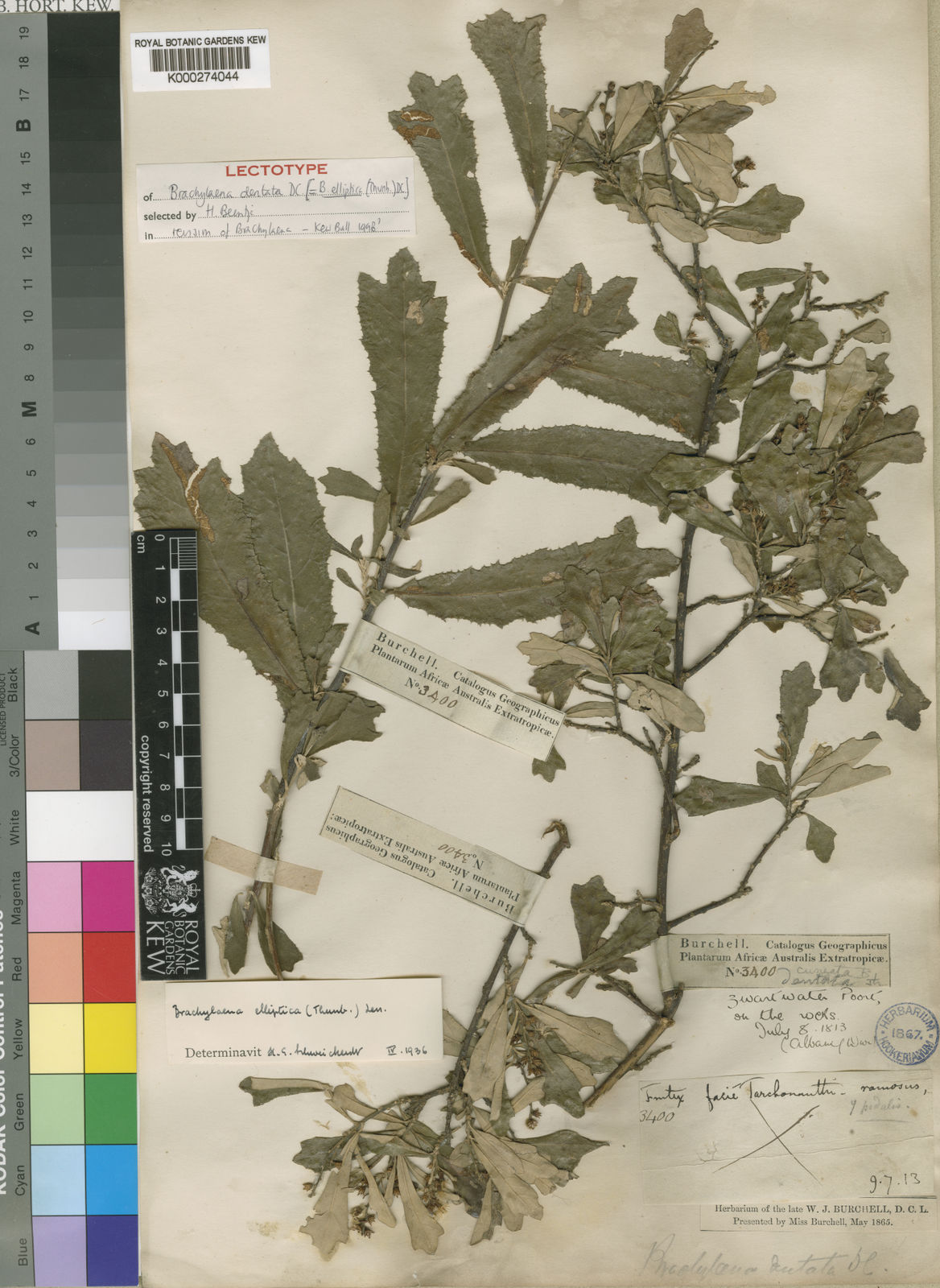
Tarchonanthus camphoratus
species of plant

Myrianthus
Myrianthus is a genus of flowering plants in the nettle family (Urticaceae). They are mainly found in Tropical Africa. They are mostly tropical trees, shrubs, or lianas. Leaves are simple and pinnately veined or with a palmate structure. It is dioecious, with separate male and female plants.
Mayna
genus of plants
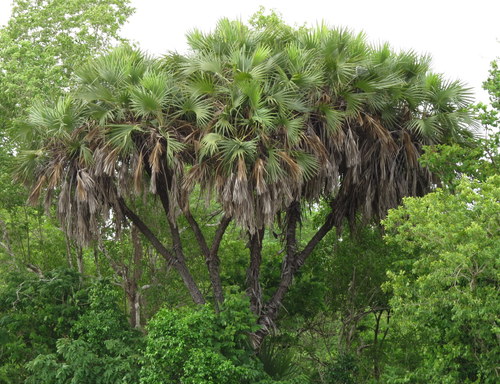
Hyphaene compressa
species of plant
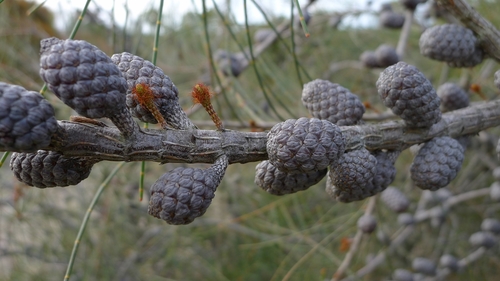
Allocasuarina distyla
species of plant
.jpg)
Ceratolobus
thumb|Calamus glaucescens, formerly Ceratolobus glaucescens
Hieronyma
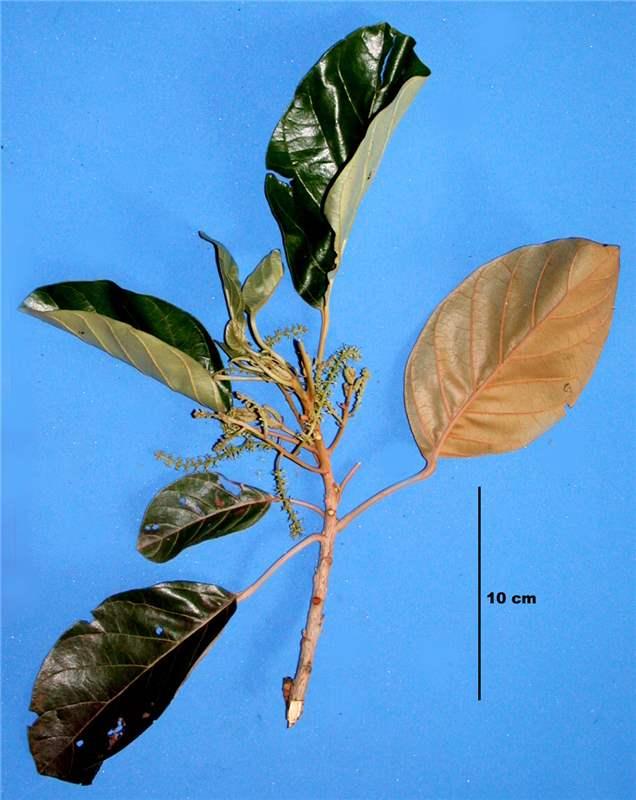
Hieronyma is a genus in the plant family Phyllanthaceae. It was first described as a genus in 1848. This family was formerly united with spurges, crotons, copperleaves, etc. (Euphorbiaceae), but have turned out to be well distinct. The genus is native to South America, Central America, southern Mexico, and the West Indies. It is dioecious, with male and female flowers on separate plants.
Chisocheton
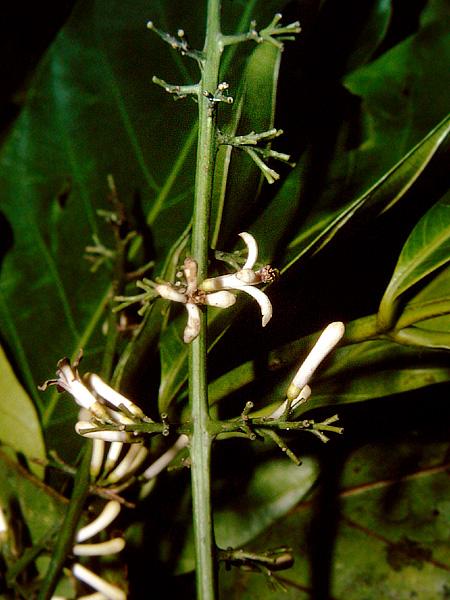
Chisocheton is a genus of trees in the family Meliaceae. The genus name comes from the Greek ' and ' meaning "split tunic", referring to the lobed staminal tube of C. patens. Their range is from India and tropical China, throughout Malesia and south to New South Wales and Vanuatu.
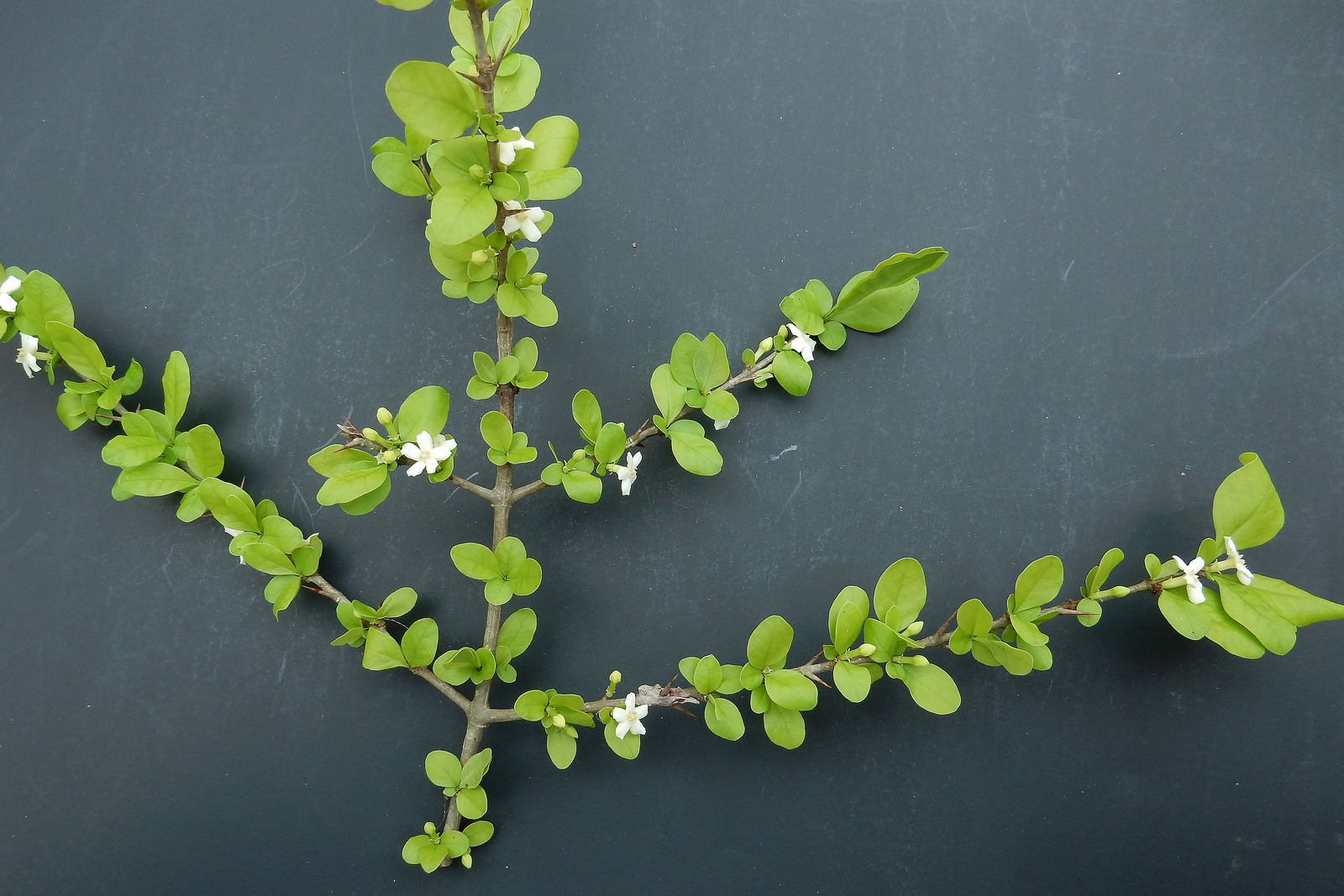
Randia
genus of plants
Castela
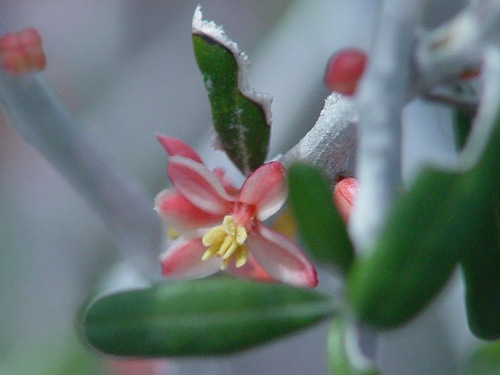
Castela is a genus of thorny shrubs and small trees in the family Simaroubaceae. Members of the genus are native to the Americas, especially the tropical regions. The generic name honours the French naturalist René Richard Louis Castel. Castela is dioecious, with male and female flowers on separate plants.

Nymphoides aquatica
species of plant

Chamaerops
thumb|right|Transactions of the Linnean Society of London, vol. 10: t. 8 (1815)
Heckeldora
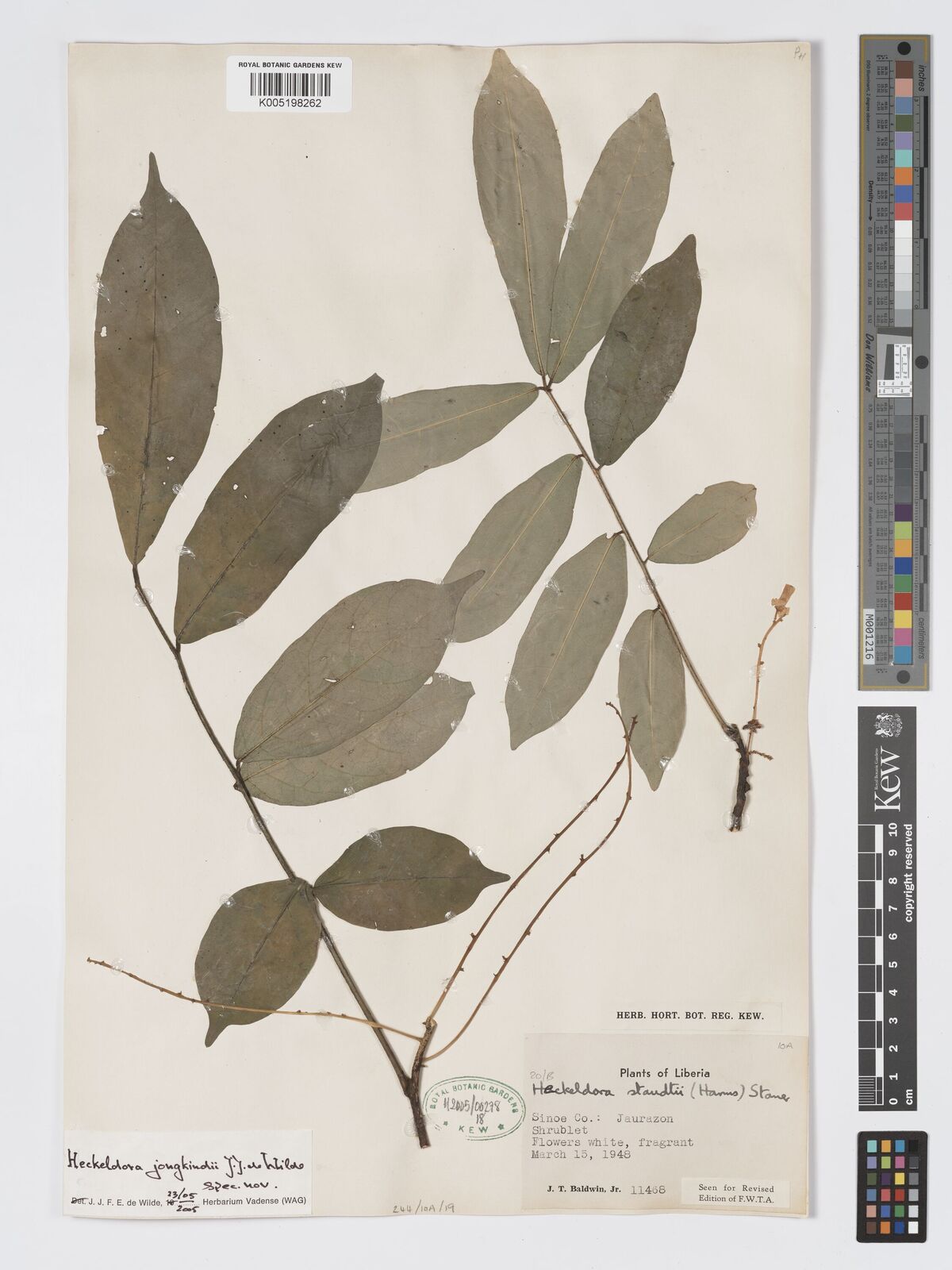
Heckeldora is a genus of flowering plants belonging to the family Meliaceae. They are shrubs or small trees with odd-pinnate leaves. Plants are dioecious, with male and female flowers on separate plants.

Medemia
Medemia argun is a rare species of the palm tree family (Arecaceae) native to Egypt and Sudan. It is the only species in the genus Medemia.
The palm's dried dates have been found in ancient Egyptian tombs.

Allocasuarina inophloia
species of plant
Euphorbia tuberosa
species of plant

Pourouma
Pourouma is a genus of at least 20–25 species of flowering plants in the family Urticaceae, or alternately, the Cecropiaceae, native to tropical regions of Central and South America.
Euphorbia hedyotoides
species of plant
Obetia
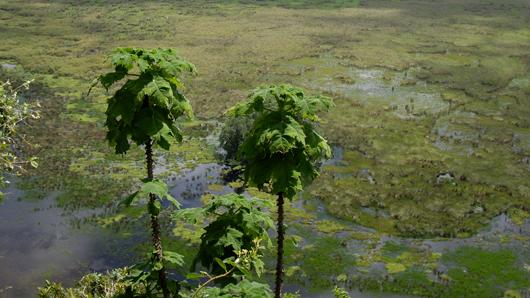
Obetia is a genus of dioecious plants in the family Urticaceae, with stinging hairs. The genus contains the following species:
Obetia carruthersiana (Hiern) Rendle
Obetia ficifolia Gaudich.
Obetia madagascariensis (Juss. ex Poir.) Wedd.
Obetia radula (Baker) Baker ex B.D. Jacks. stinging-nettle tree
Obetia tenax Friis
Alluaudiopsis
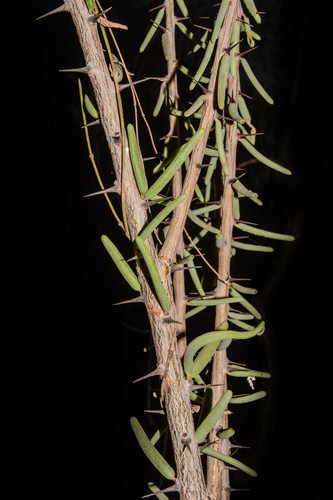
Alluaudiopsis is a genus of shrubby flowering plants belonging to the family Didiereaceae. Species of Alluaudiopsis are dioecious, with male and female flowers on separate plants.
Euclea natalensis
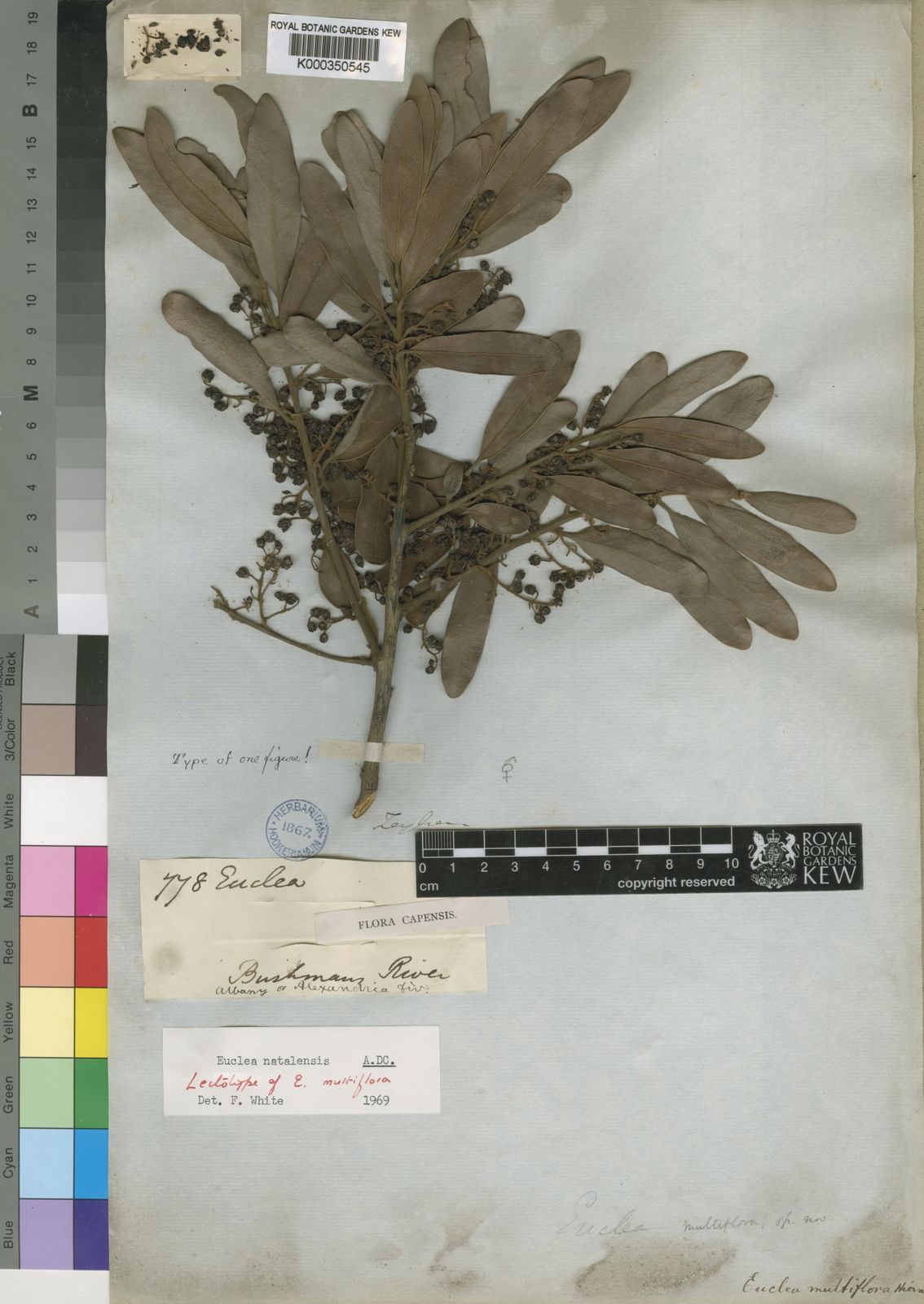
species of tree native to southern Africa

Ekebergia
Ekebergia is a genus of flowering plants belonging to the family Meliaceae. They are dioecious trees or shrubs, with odd-pinnate leaves.

Carex scirpoidea
species of plant
Bagassa
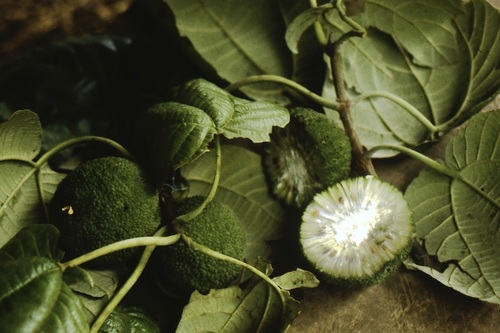
Bagassa guianensis is a tree in the plant family Moraceae which is native to the Guianas and Brazil. It is valued as a timber tree and as a food tree for wildlife. The juvenile leaves are distinctly different in appearance from the mature leaves, and were once thought to belong to different species.

Ficus semicordata
species of plant

Elaeodendron australe
species of plant
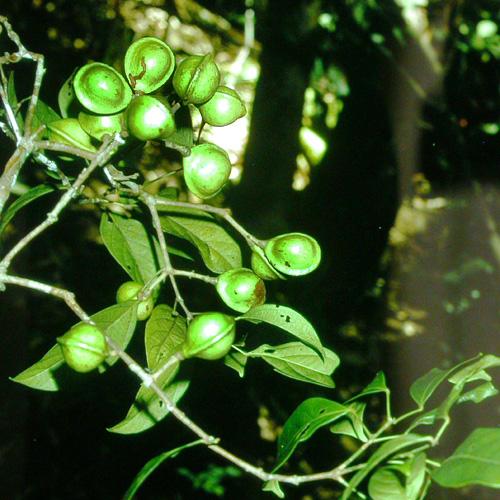
Blumeodendron
Blumeodendron is a genus of dioecious trees of the family Euphorbiaceae first described as a genus in 1873. It is widespread across much of Southeast Asia and Papuasia.

Anthobolus
Anthobolus is a genus of flowering shrubs in the sandalwood family, Santalaceae. The genus comprises 3 species, all endemic to Australia. They are dioecious, with male and female flowers on separate plants.