Category
page 1Euphorbiaceae genera

Euphorbia
thumb|right|Euphorbia as a small tree: Euphorbia dendroides

Jatropha
Jatropha is a genus of flowering plants in the spurge family, Euphorbiaceae. The name is derived from the Greek words ἰατρός (iatros), meaning "physician", and τροφή (trophe), meaning "nutrition", hence the common name physic nut. Another common name is nettlespurge. It contains approximately 180 species of succulent plants, shrubs and trees (some are deciduous, like Jatropha curcas). Most of these are native to the Americas, with 66 species found in the Old World. Plants produce separate male and female flowers. As with many members of the family Euphorbiaceae, Jatropha contains compounds tha

Manihot
Manihot is a genus in the diverse milkspurge family, Euphorbiaceae. It was described as a genus in 1754.

Croton
genus of plants

Mercurialis
genus of plants

Acalypha
thumb|right|Acalypha capitata
thumb|Firetail Chenille Plant, Acalypha pendula
thumb|right|Acalypha fruticosa
thumb|right|Acalypha cuneata
thumb|right|Acalypha indica
Acalypha is a genus of flowering plants in the family Euphorbiaceae. It is the sole genus of the subtribe Acalyphinae. It is one of the largest euphorb genera, with approximately 450 to 462 species. The genus name Acalypha is from the Ancient Greek () ("nettle"), an alternative form of (), and was inspired by the nettle-like leaves. General common names include copperleaf and three-seeded mercury. Native North American species are

Aleurites
Aleurites is a small genus of arborescent flowering plants in the Euphorbiaceae, first described as a genus in 1776. It is native to China, the Indian subcontinent, Southeast Asia, Papuasia, and Queensland. It is also reportedly naturalized on various islands (Pacific and Indian Oceans, plus the Caribbean) as well as scattered locations in Africa, South America, and Florida.
Hevea
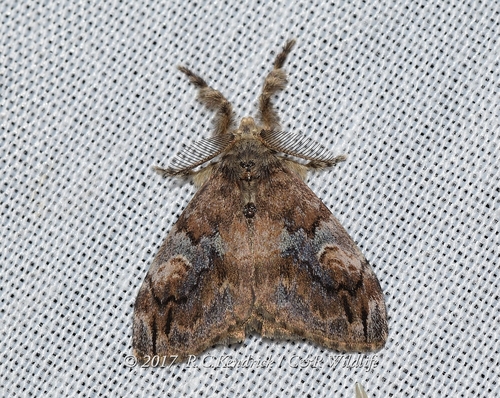
Hevea is a genus of flowering plants in the spurge family, Euphorbiaceae, with about ten members. It is also one of many names used commercially for the wood of the most economically important rubber tree, H. brasiliensis. The genus is native to tropical South America but is widely cultivated in other tropical countries and naturalized in several of them. It was first described in 1775.

Codiaeum
Codiaeum is a genus of plants under the family Euphorbiaceae first described as a genus in 1824. It is native to insular Southeast Asia, northern Australia and Papuasia.
Chrozophora
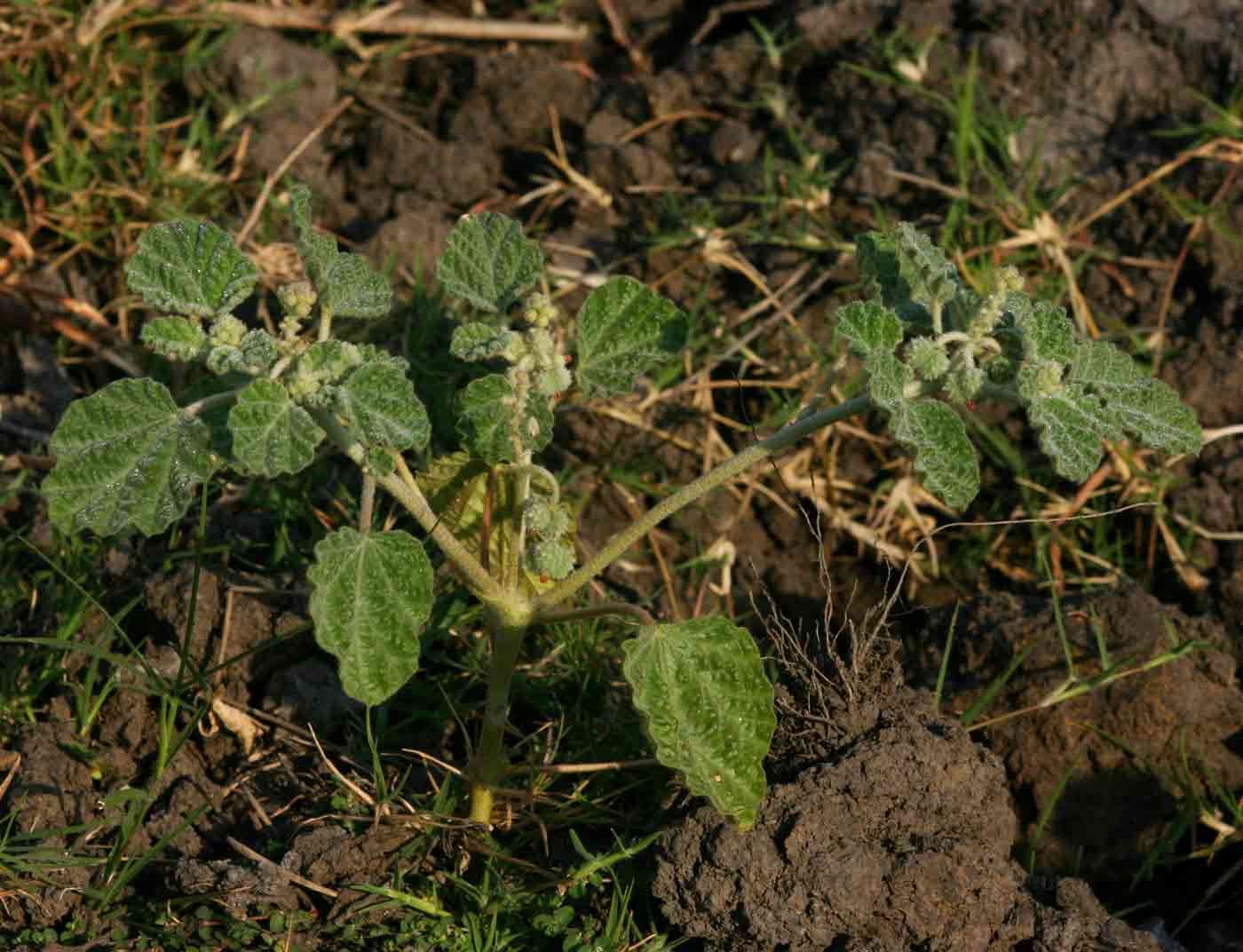
Chrozophora is a plant genus of the family Euphorbiaceae first described as a genus in 1824. It comprises monoecious herbs or undershrubs. The genus is widespread across Europe, Africa, and Asia.

Macaranga
Macaranga is a large genus of Old World tropical trees of the family Euphorbiaceae and the only genus in the subtribe Macaranginae (tribe Acalypheae). Native to Africa, Australasia, Asia and various islands of the Indian and Pacific Oceans, the genus comprises over 300 different species. It was first described as a genus in 1806, based on specimens collected on the Island of Mauritius. Many species, such as Macaranga gigantea have uncommonly large leaves, and many are peltate.
Excoecaria
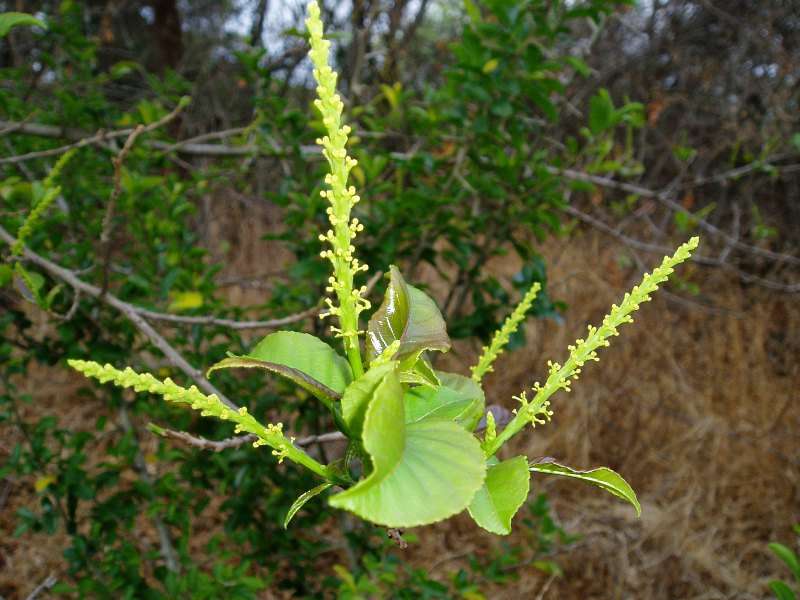
Excoecaria is a plant genus of the family Euphorbiaceae, formally described by Linnaeus in 1759. The genus is native to the Old World Tropics (Africa, southern Asia, northern Australia, and assorted oceanic islands).

Hura
genus of plants

Mallotus
genus of plants
Sapium
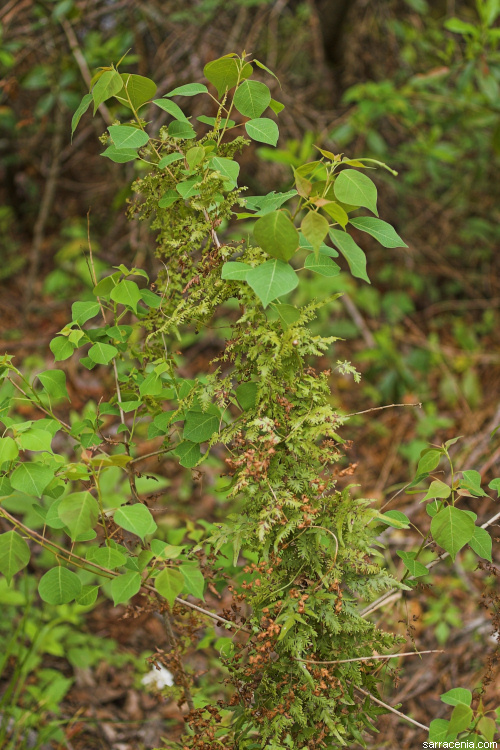
Sapium is a genus of flowering plants in the family Euphorbiaceae. It is widespread across most of Latin America and the West Indies. Many Old World species were formerly included in the genus, but recent authors have redistributed all the Old World species into other genera.
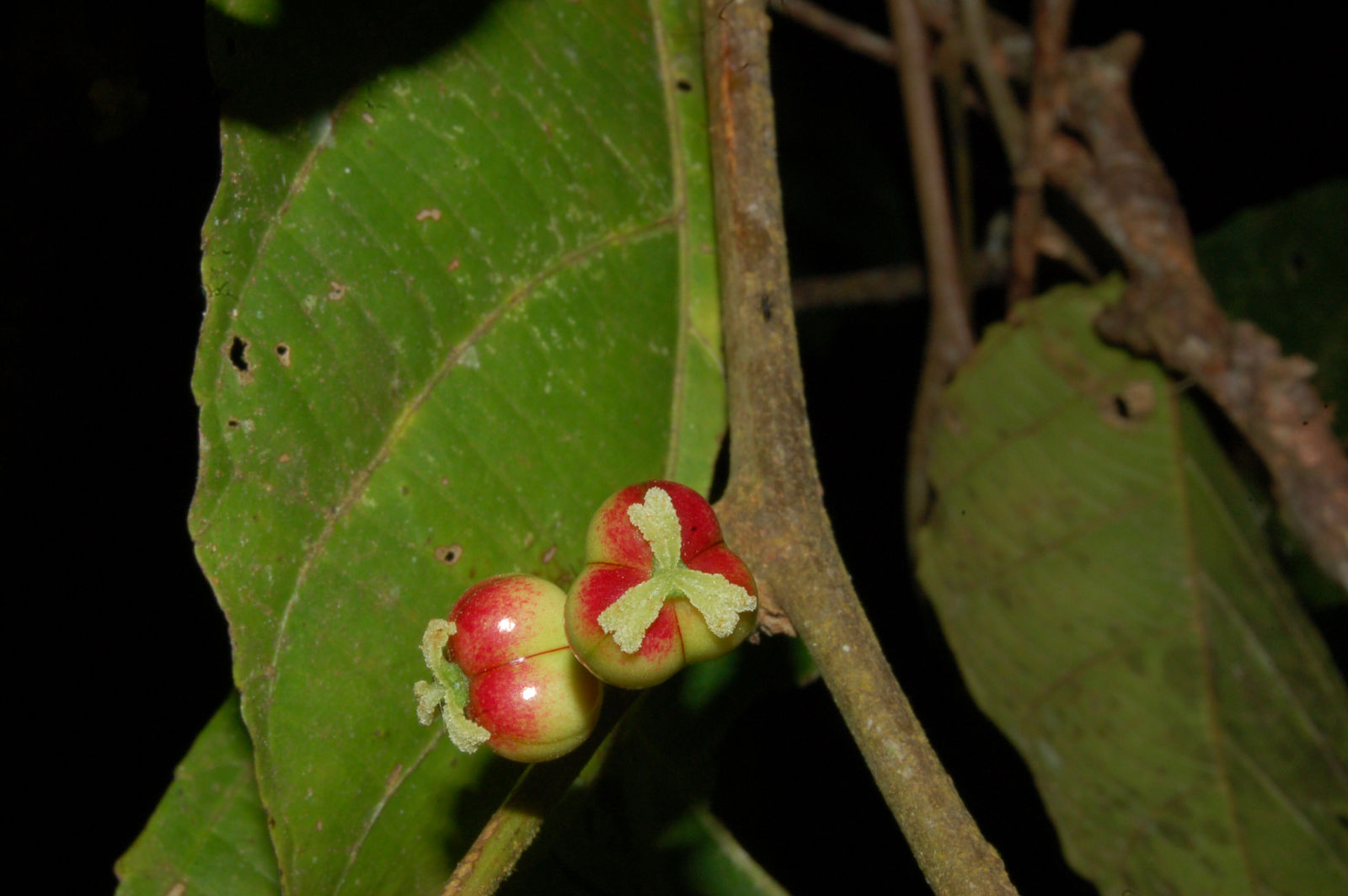
Alchornea
Alchornea is a plant genus of the family Euphorbiaceae first described as a genus in 1788. It is widespread in tropical and subtropical regions of Africa, South Asia, Australia, Latin America, and various oceanic islands. Molecular phylogenetic analyses suggest that Bocquillonia from New Caledonia is nested in Alchornea.
.jpg)
Vernicia
Vernicia is a genus in the spurge family Euphorbiaceae, first described as a genus in 1790. It is native to China, Japan, India, and Indochina. The species have often been included within the related genus Aleurites.

Triadica
Triadica is a plant genus of the family Euphorbiaceae first described as a genus in 1790. It is native to eastern, southeastern, and southern Asia.
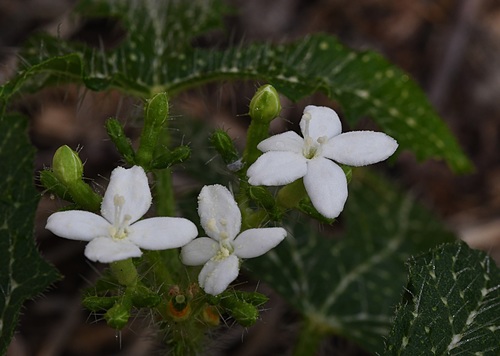
Cnidoscolus
Cnidoscolus is a genus of plants in the family Euphorbiaceae that was erected in 1827. The group is widespread across much of North and South America, including the West Indies.
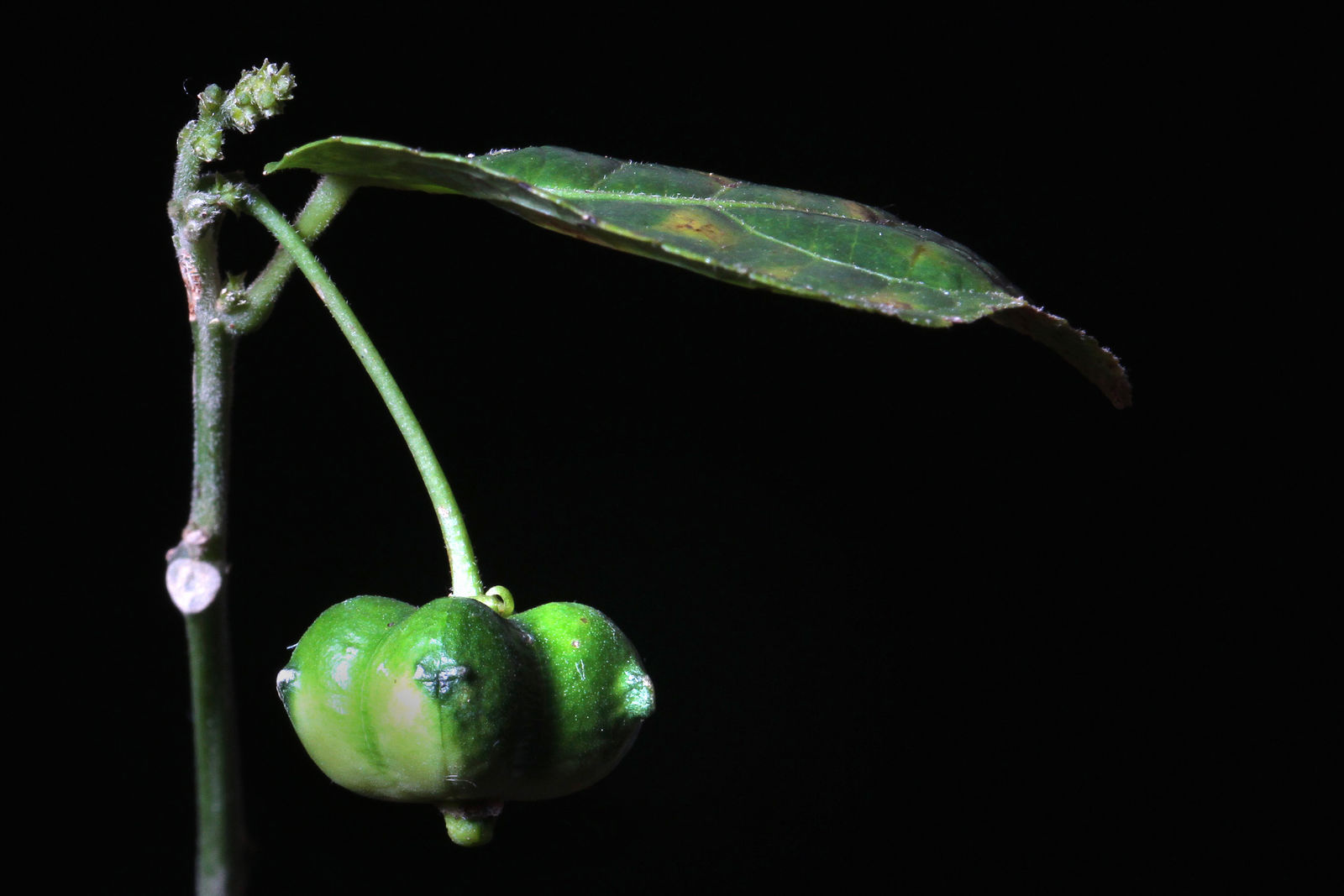
Plukenetia
Plukenetia is a genus of plant of the family Euphorbiaceae. It is widespread in tropical regions of Africa, the Indian subcontinent, Southeast Asia, and the Americas.
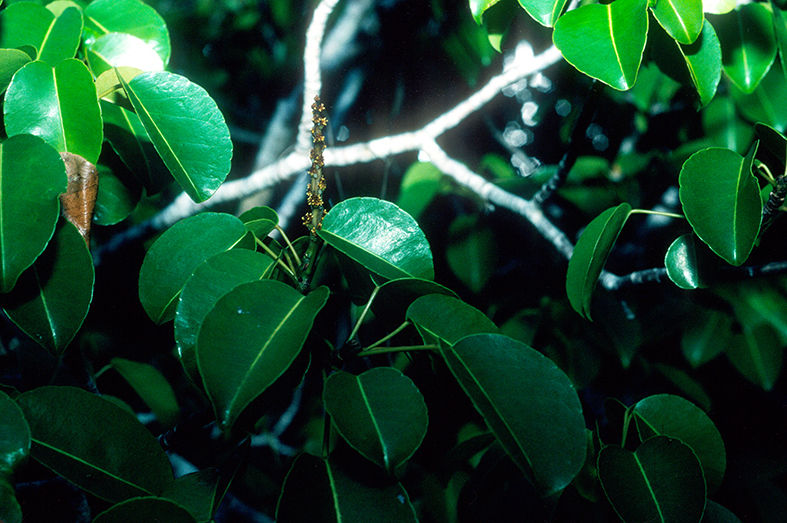
Hippomane
Hippomane is a genus of plants in the Euphorbiaceae described by Linnaeus in 1753. It is native to the West Indies, Central America, Mexico, Florida, Venezuela, Colombia, and Galápagos.

Sebastiania
Sebastiania is a genus of flowering plants in the family Euphorbiaceae first described in 1821. It is native to North and South America from Arizona and the West Indies south to Uruguay.

Homalanthus
Homalanthus is a genus of plants in the family Euphorbiaceae, first described in 1824. It is the only genus in the subtribe Carumbiinae. It is native to mainland Southeast Asia, Malesia, Papuasia, northern and eastern Australia, and various islands in the Pacific.

Adelia
Adelia is a genus of flowering plants in the spurge family, Euphorbiaceae, subfamily Acalyphoideae. It is native to Latin America and the Caribbean, with one species extending northward into the southernmost part of Texas.
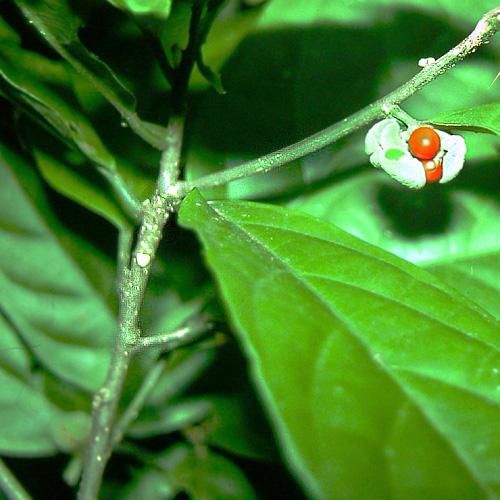
Claoxylon
Claoxylon is a flowering plant genus in the spurge family, Euphorbiaceae, comprising dioecious subshrubs to small trees. It was first described as a genus in 1824. The genus is distributed in paleotropical areas: Madagascar through South and Southeast Asia, Malesia to Melanesia, Hawaii, and Australia. Half of the species are in Malesia.
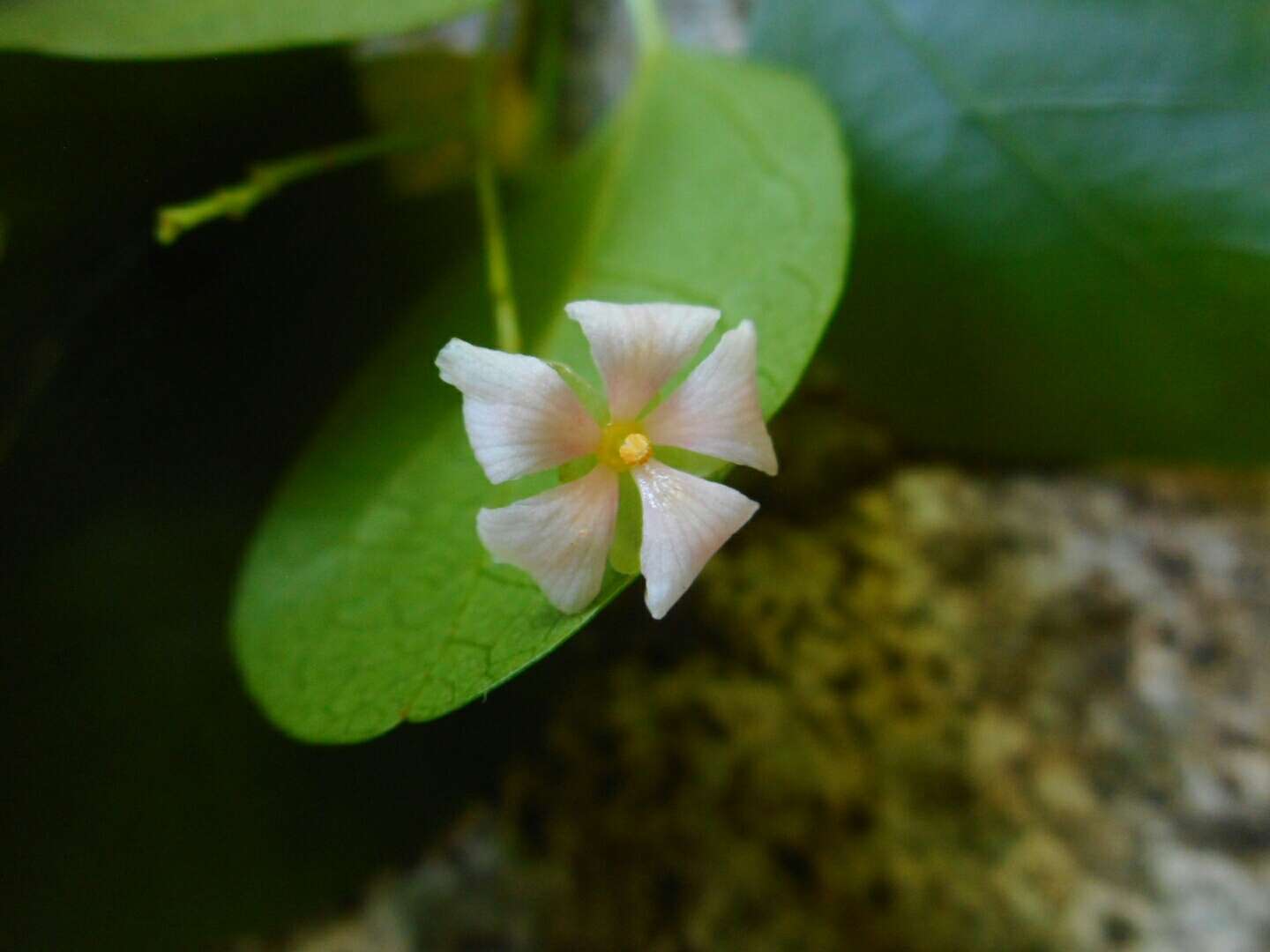
Trigonostemon
Trigonostemon is a plant genus of the family Euphorbiaceae and the sole member of its tribe (Trigonostemoneae). It was first described as a genus in 1826. It is native to Southeast Asia, southern China, the Indian subcontinent, Queensland, and a few islands in the western Pacific.
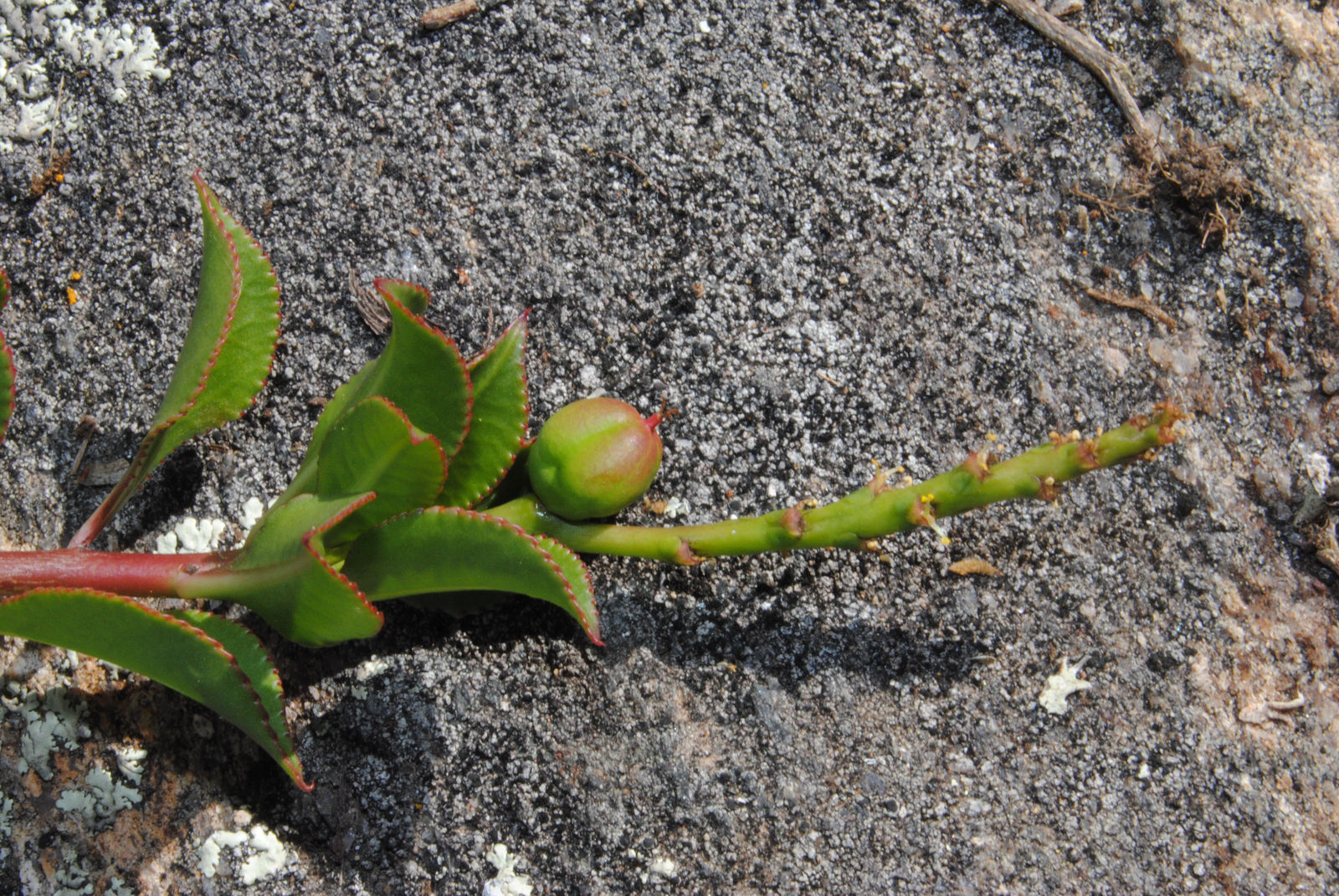
Stillingia
Stillingia is a plant genus of the family Euphorbiaceae, first described for modern science as a genus in 1767. The genus is native to Latin America, the southern United States, and various islands in the Pacific and Indian Oceans. Toothleaf is a common name for plants in this genus.

Dalechampia
Dalechampia is a genus of plant of the family Euphorbiaceae and of the monogeneric subtribe Dalechampiinae. It is widespread across lowland tropical areas (generally below 2,000 m ASL) primarily in the Americas with smaller numbers of species in Africa, Madagascar, and southern Asia. Additional new species are still being described and several are very rare and at risk of extinction.

Homonoia
genus of plants
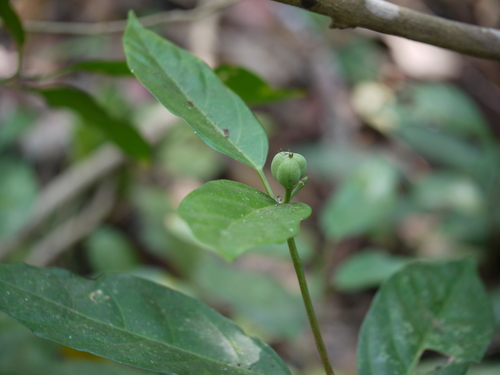
Blachia
genus of plants
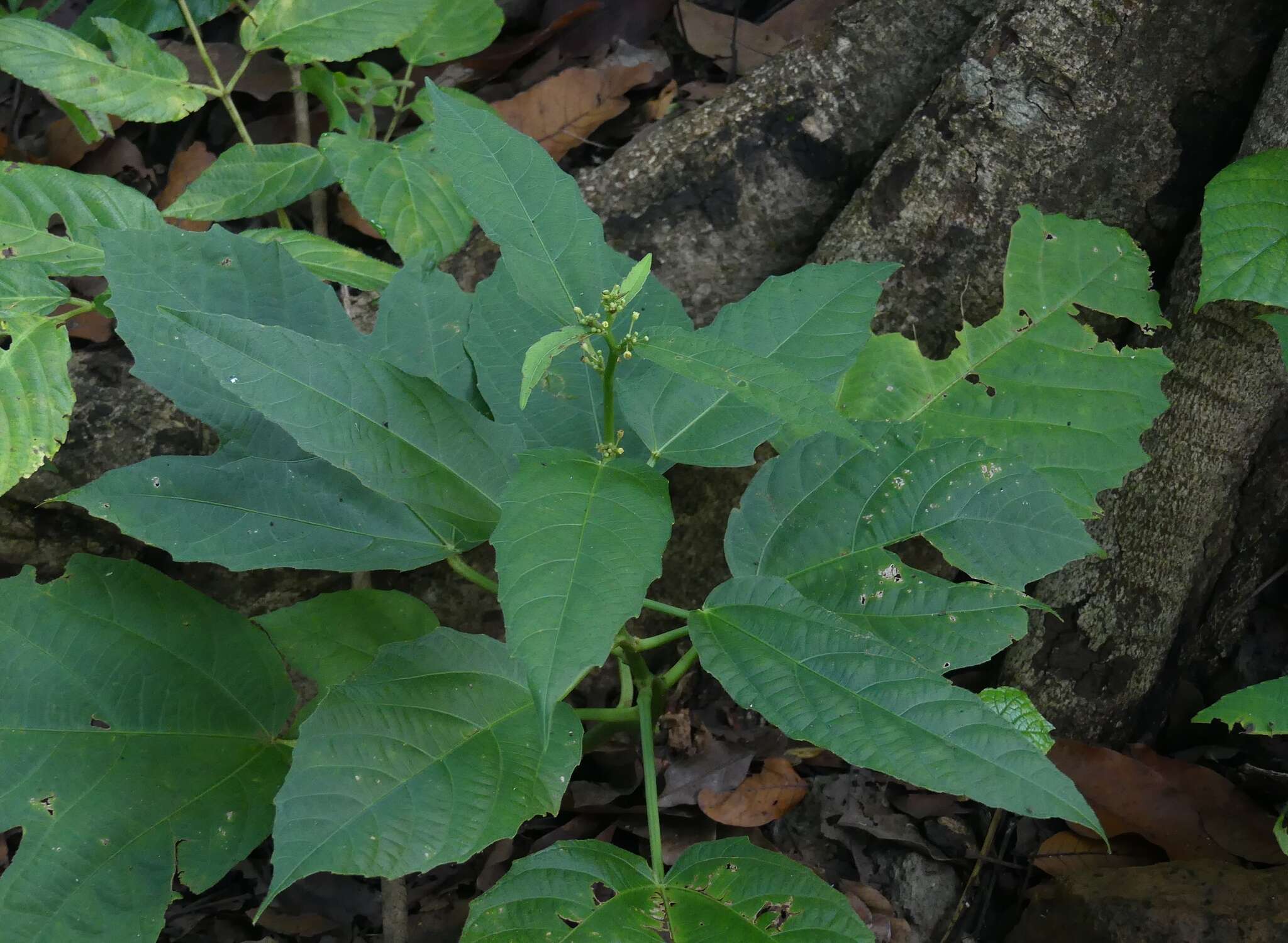
Baliospermum
Baliospermum is a genus of plants under the family Euphorbiaceae first described as a genus in 1825. It is native to Southeast Asia and the Himalayas.

Omphalea
thumb|125px|Distribution of the four Madagascan species of Omphalea

Spirostachys
Spirostachys is a plant genus of the family Euphorbiaceae first described as a genus in 1850. It is native to Africa.
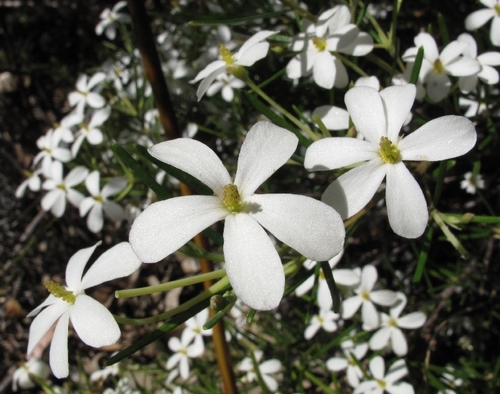
Ricinocarpos
Ricinocarpos is a genus of evergreen flowering plants in the family Euphorbiaceae and is endemic to Australia. Plants in the genus Ricinocarpos are monoecious shrubs with leaves arranged alternately along the branches, the edges curved downwards or rolled under. Male flowers are arranged singly or in racemes at the ends of branchlets, with four to six sepals that are fused at the base. There are four to six petals that are longer than the sepals, with many stamens fused to form a central column. Female flowers are arranged singly and are similar to male flowers but with three styles fused at t
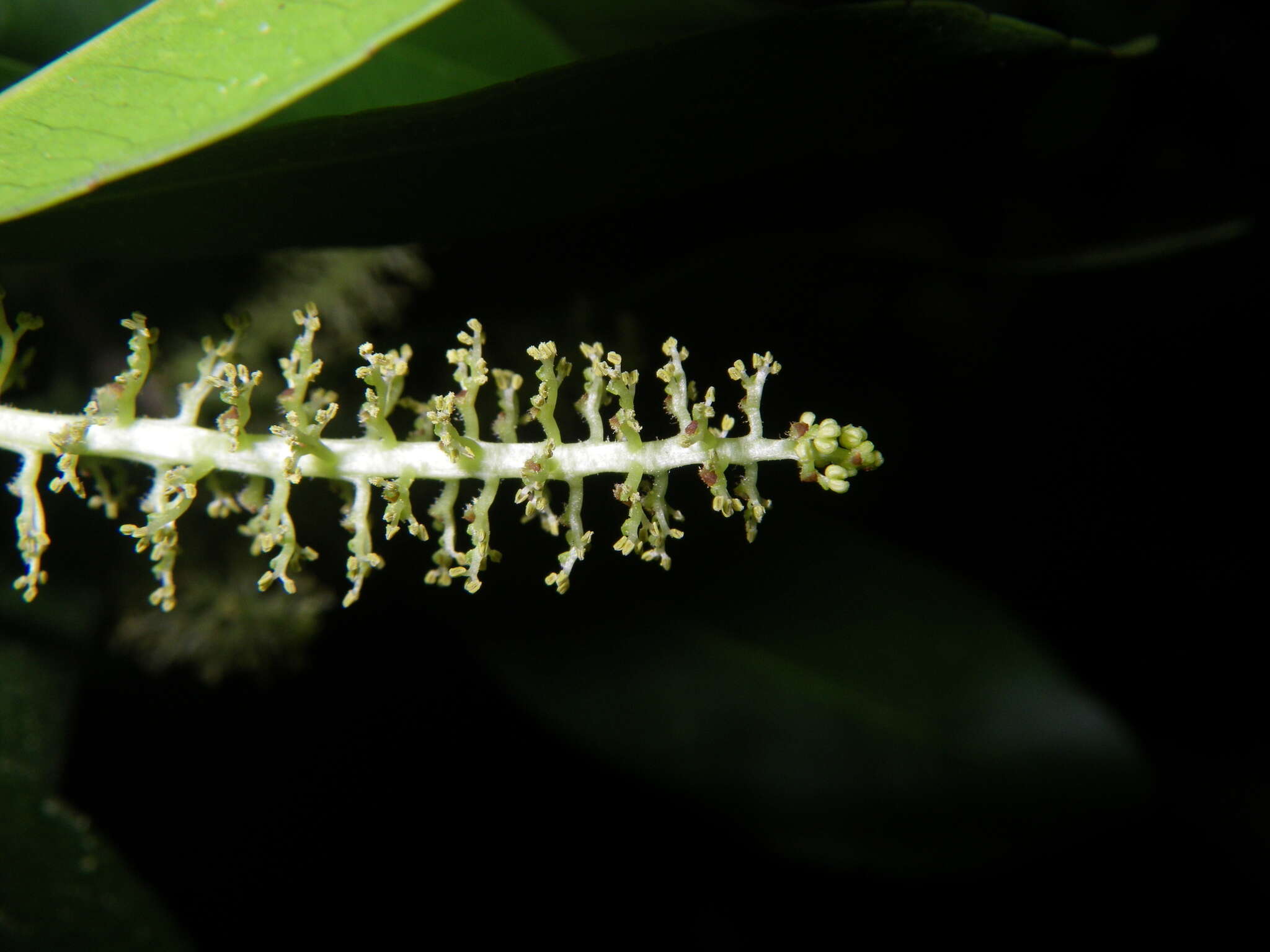
Gymnanthes
Gymnanthes is a genus of flowering plants in the spurge family, Euphorbiaceae, first described as a genus in 1788. It is found primarily in the warmer parts of the Western Hemisphere (from Florida and Mexico south to Argentina), but with some species in central Africa and southwestern Southeast Asia.
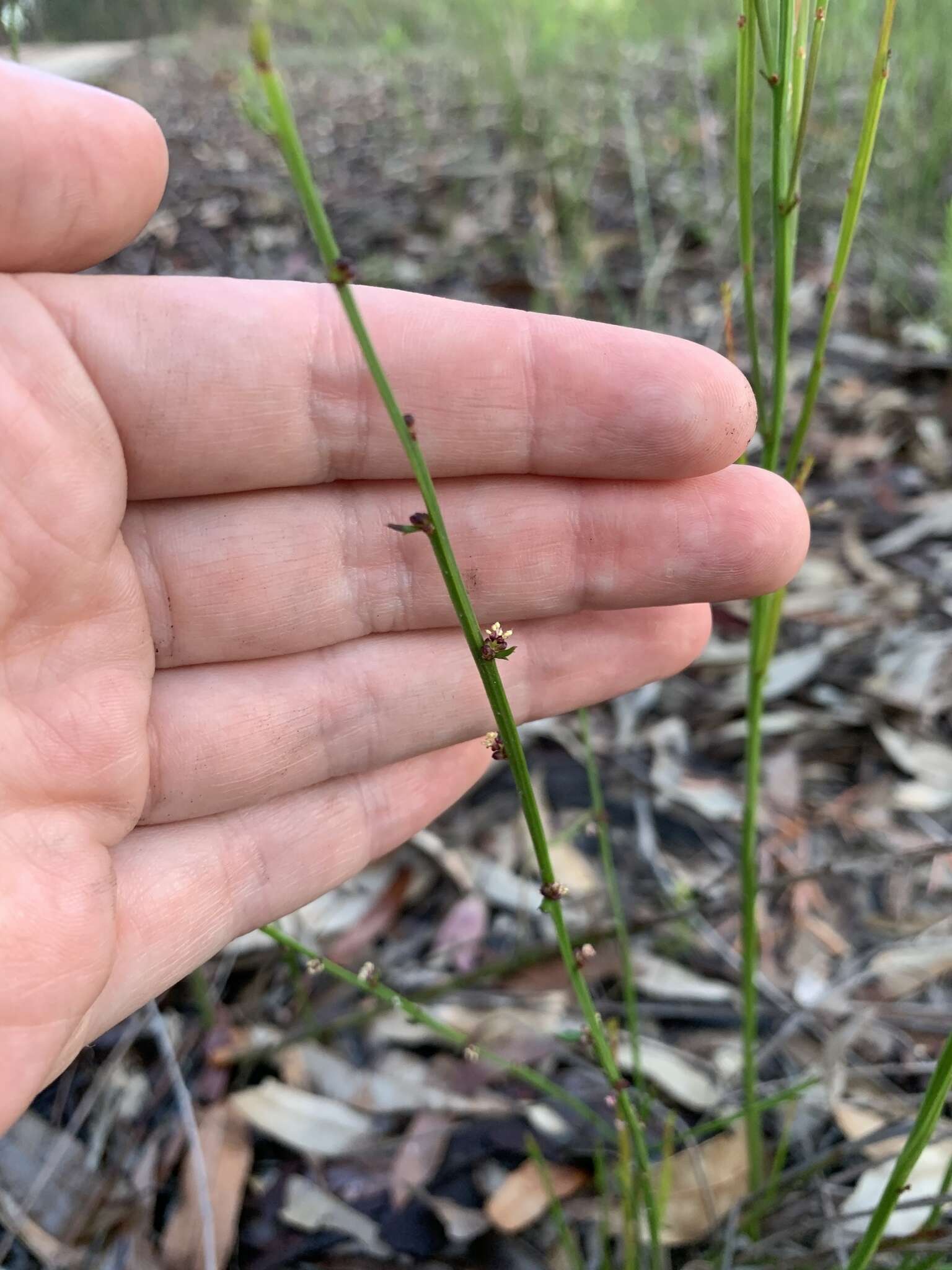
Amperea
Amperea is a plant genus of the family Euphorbiaceae first described in 1824. The entire genus is endemic to Australia.

Acidoton
Acidoton is a genus of plant of the family Euphorbiaceae first described as a genus in 1788. It is native to the Greater Antilles, Central America, and tropical South America.
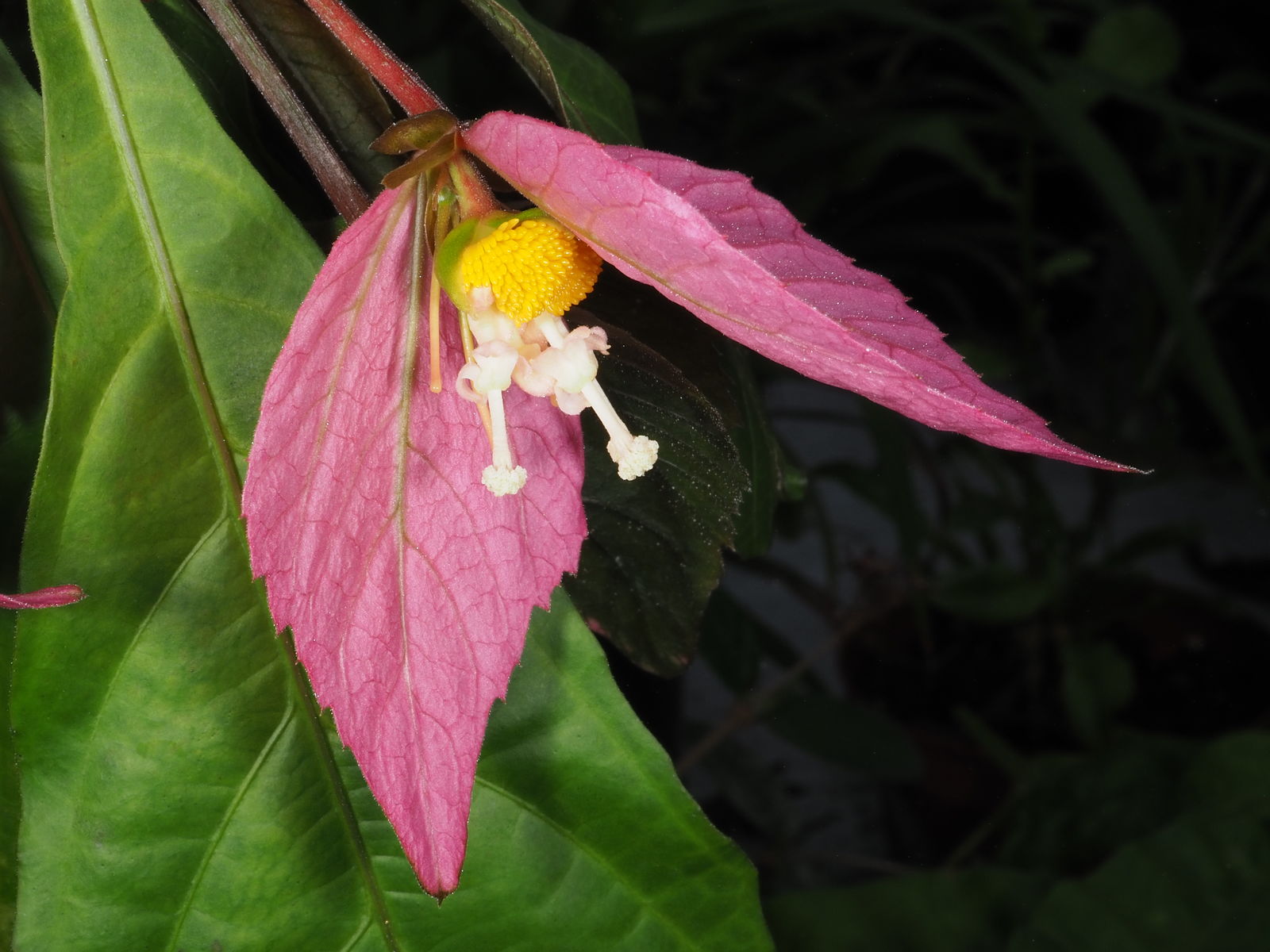
Tragia
Tragia is a genus of flowering plants in the spurge family, Euphorbiaceae. It is widespread across North and South America, Africa, the Arabian Peninsula, the Indian subcontinent, northern Australia, and to various islands in the Caribbean and in the Indian Ocean.
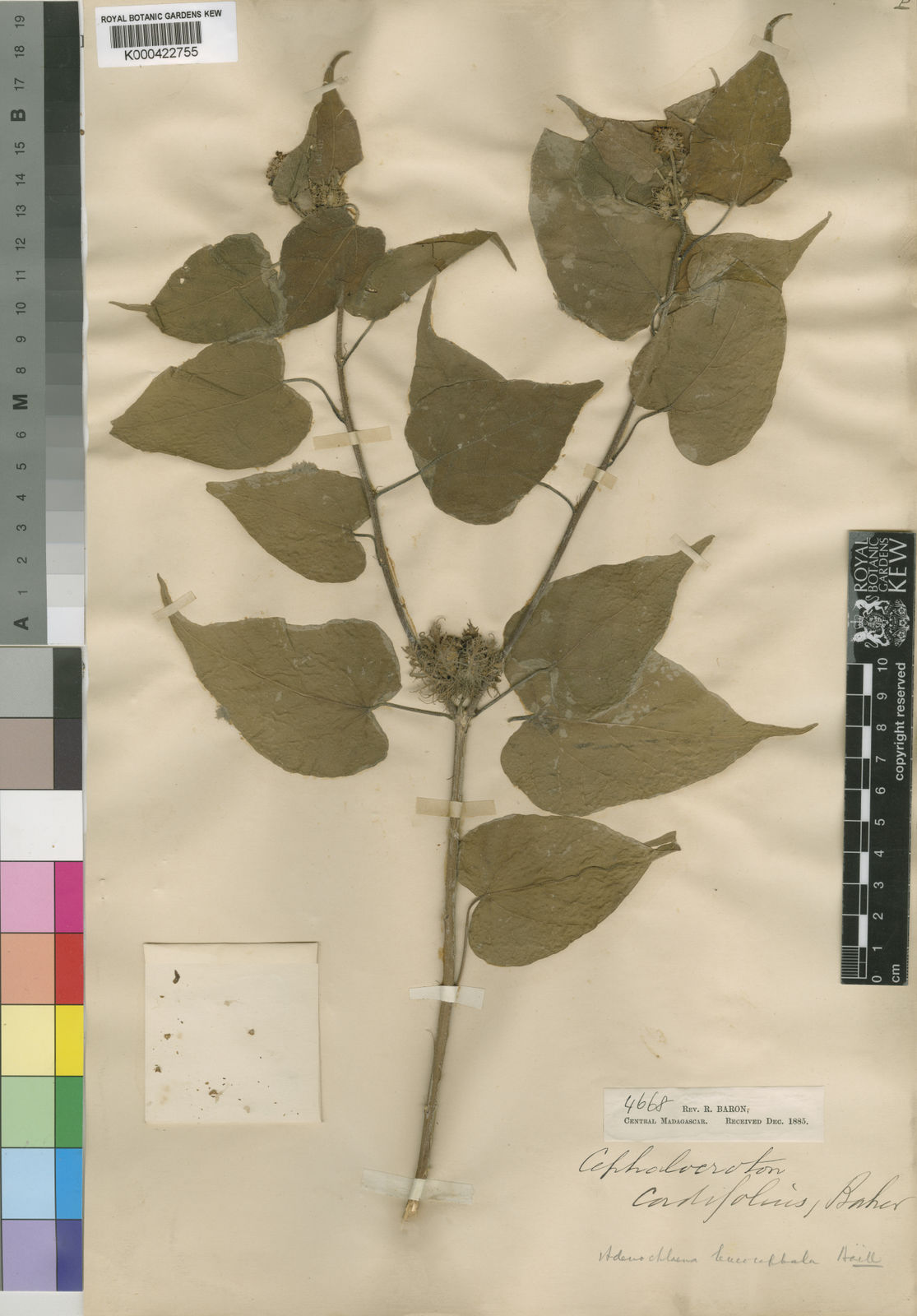
Adenochlaena
Adenochlaena is a genus of plant of the family Euphorbiaceae first described as a genus in 1858. It is native to certain islands in the Indian Ocean.
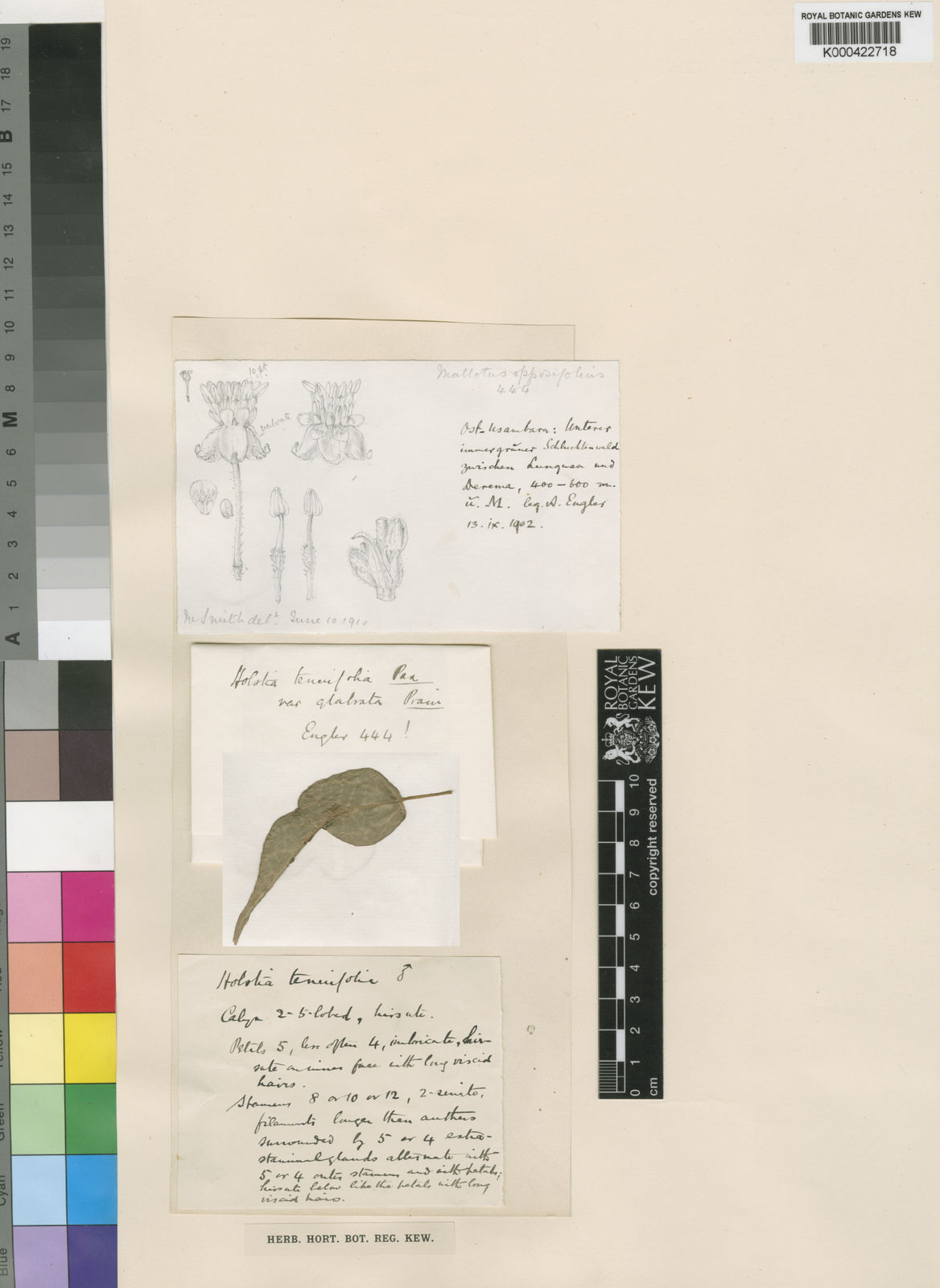
Tannodia
Tannodia is a plant genus of the family Euphorbiaceae first described as a genus in 1861. It is native to Africa, Madagascar, and Comoros. It is dioecious.
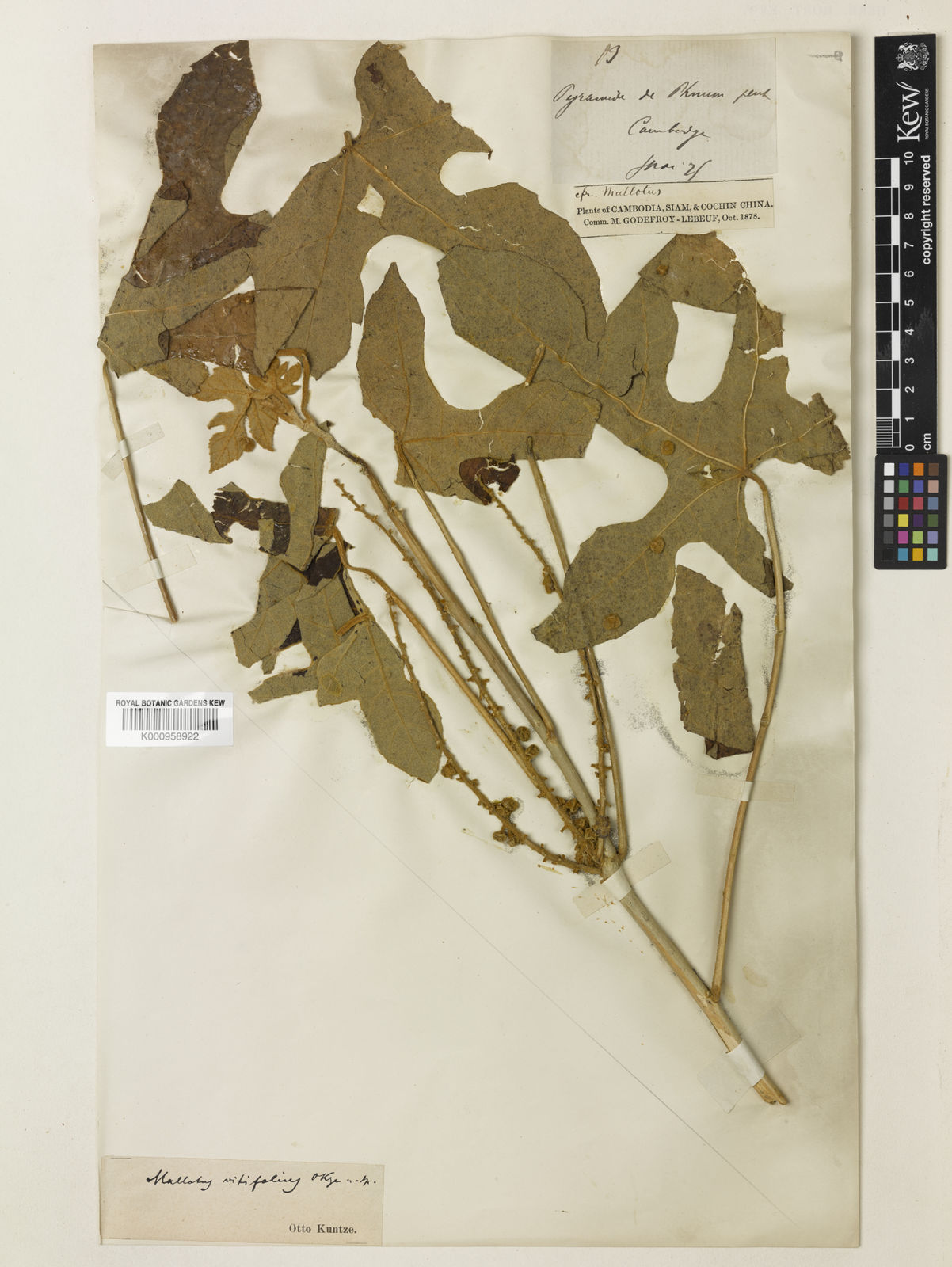
Melanolepis
Melanolepis is a plant genus of the family Euphorbiaceae, first described as a genus in 1856. It is native to Southeast Asia, New Guinea, and some islands of the western Pacific.
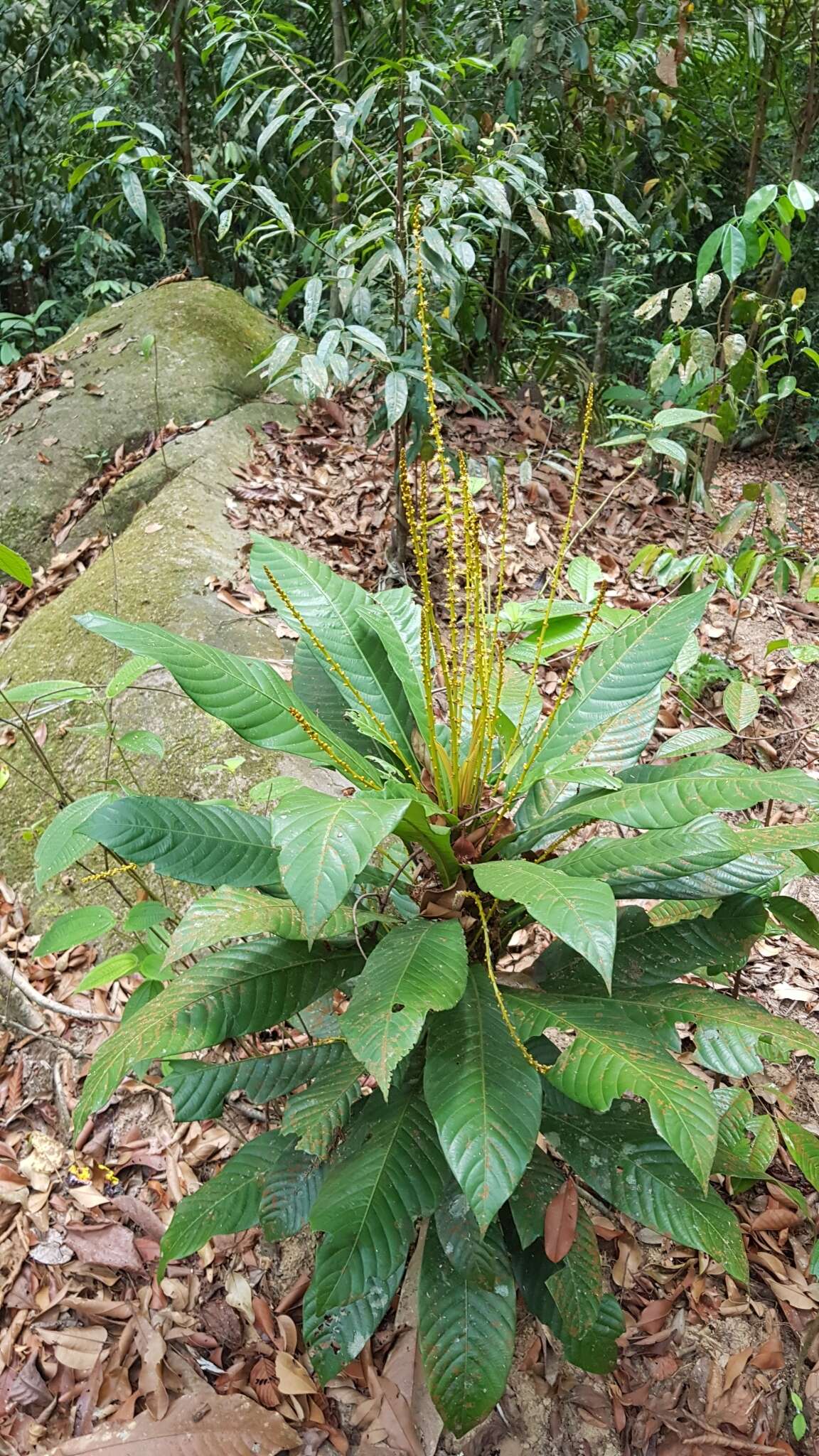
Agrostistachys
Agrostistachys is a plant genus of the family Euphorbiaceae first described as a genus in 1850. It is native to Southeast Asia, New Guinea, India, and Sri Lanka.
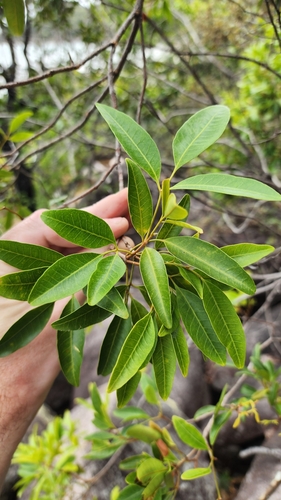
Erythrococca
Erythrococca is a plant genus of the family Euphorbiaceae, first described in 1849. It is native to Africa and the Arabian Peninsula.

Acidocroton
Acidocroton is a genus of plants under the family Euphorbiaceae first described with this name in 1859. It is native to Colombia, Mexico and the Greater Antilles.

Endospermum
Endospermum is a genus of plants, under the family Euphorbiaceae and the monotypic subtribe Endosperminae first described as a genus in 1861 They are dioecious, rarely monoecious trees. It is native to E + S + SE Asia, Papuasia, Queensland, and certain islands of the W Pacific.
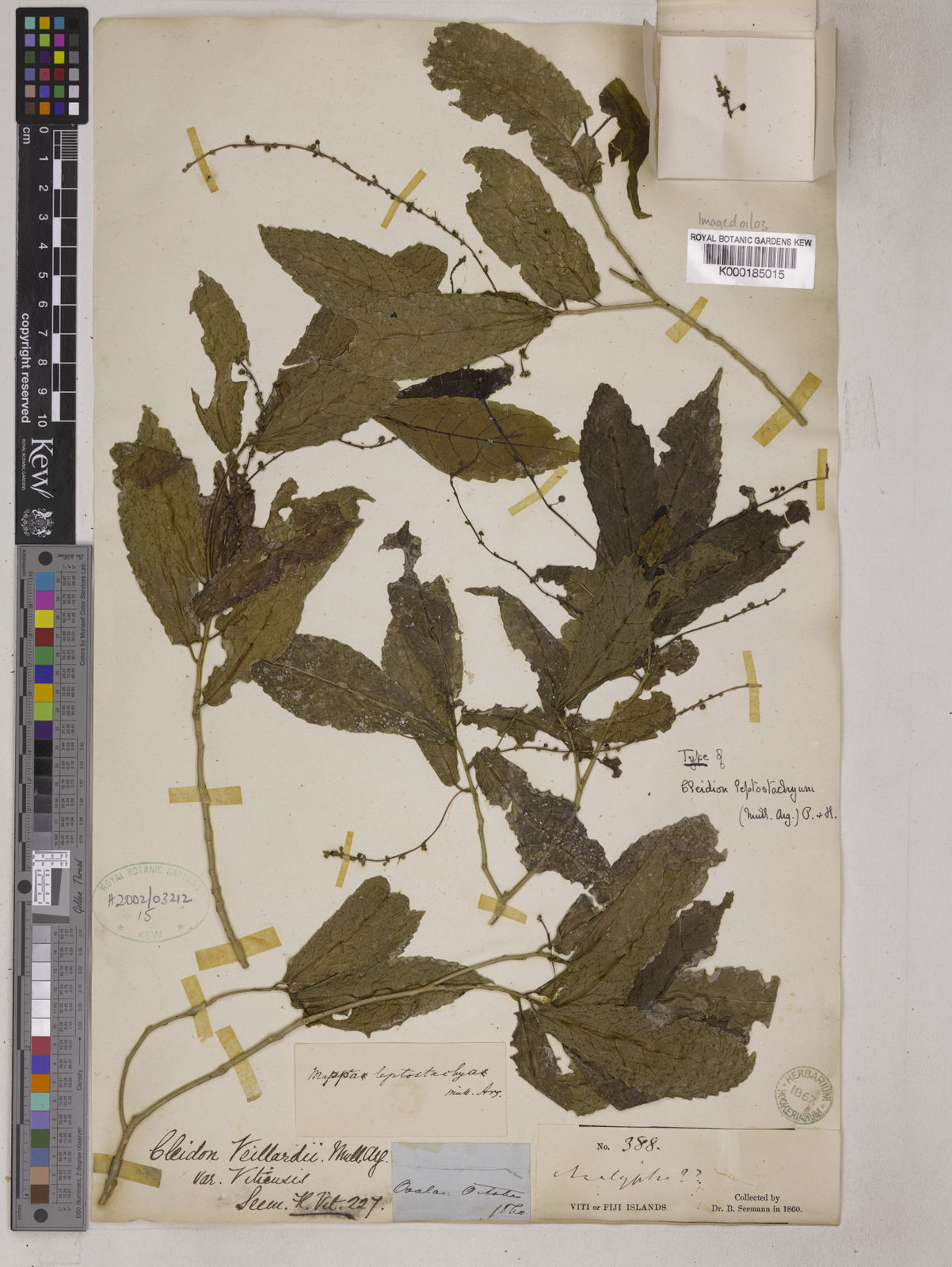
Cleidion
Cleidion is a plant genus of the family Euphorbiaceae, first described in 1826. It is found in tropical and subtropical regions in Asia, Africa, Australia, Latin America, and various islands of the Pacific and Indian Oceans.

Joannesia
Joannesia is a genus of plants in the family Euphorbiaceae, first described as a genus in 1798. The entire genus is endemic to Brazil.

Anthostema
Anthostema is a flowering plant genus in the Family Euphorbiaceae (spurge family) first described as a genus in 1824. It is native to Africa and Madagascar.
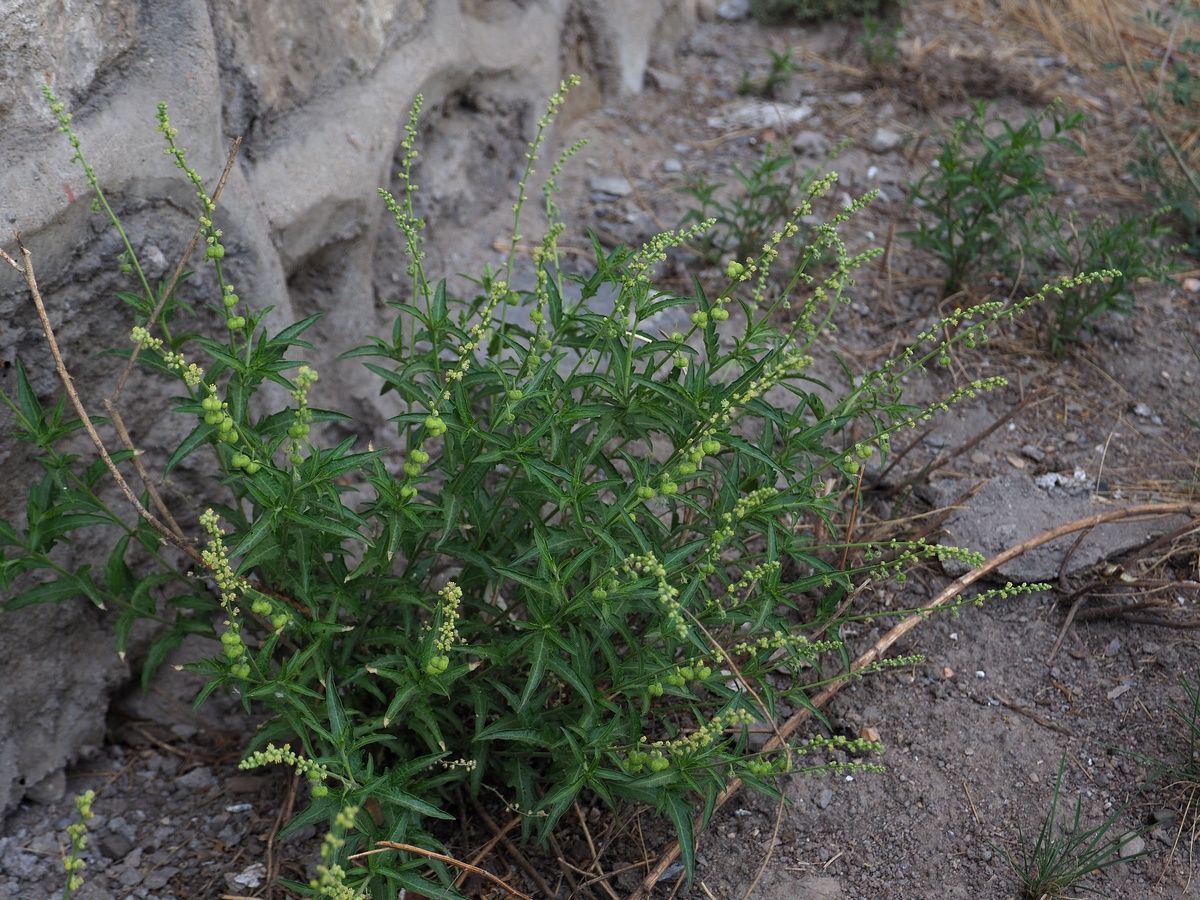
Speranskia
Speranskia is a plant genus of the family Euphorbiaceae first described in 1858. It is the only genus of the subtribe Speranskiinae. The entire genus is endemic to China.
Bocquillonia
Bocquillonia is a plant genus of the family Euphorbiaceae first described as a genus in 1862. The entire genus is endemic to New Caledonia (including smaller islands that are part of the territory). Molecular phylogenetic analyses suggest that Bocquillonia is nested in Alchornea.
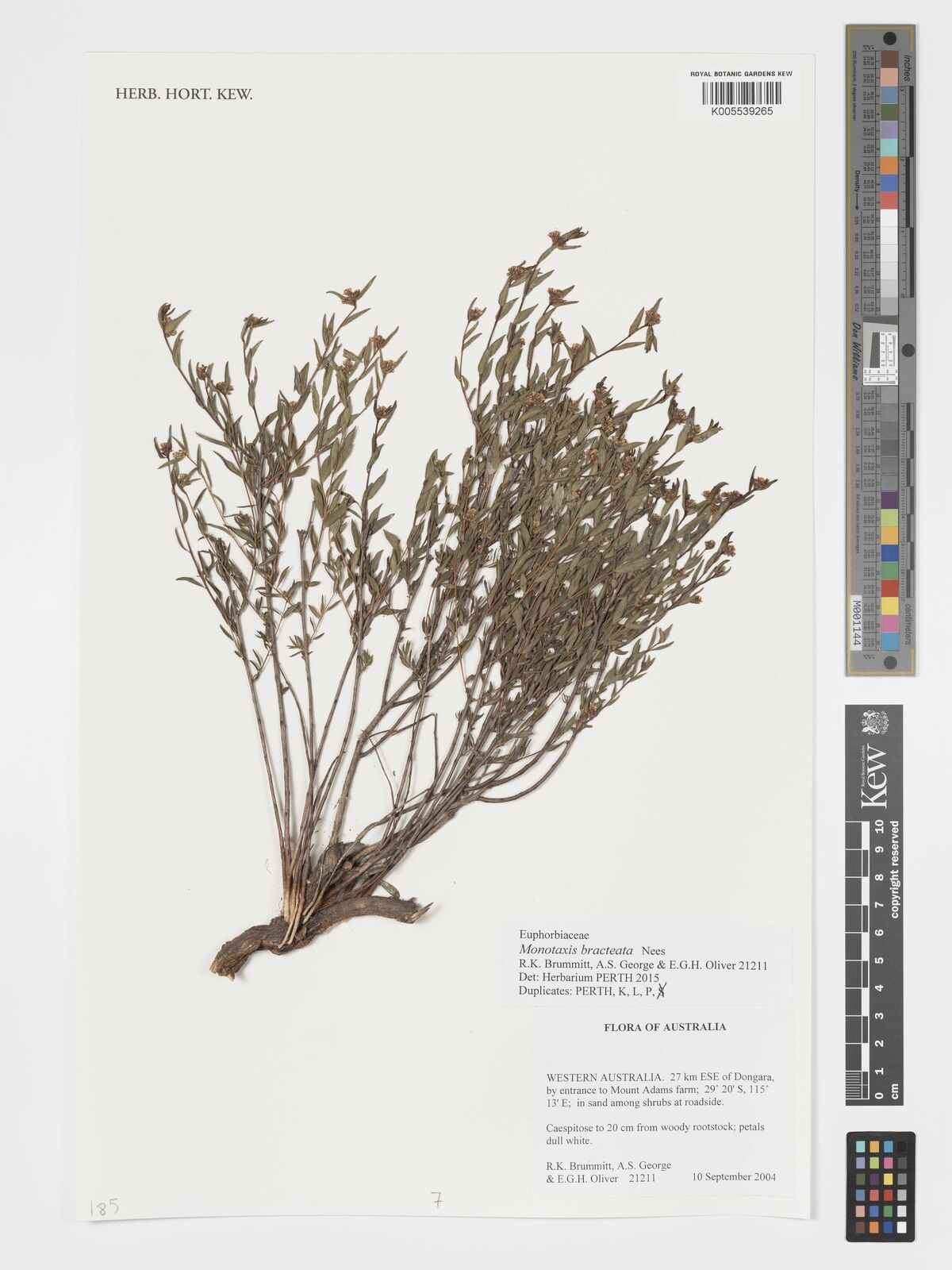
Monotaxis
genus of plants
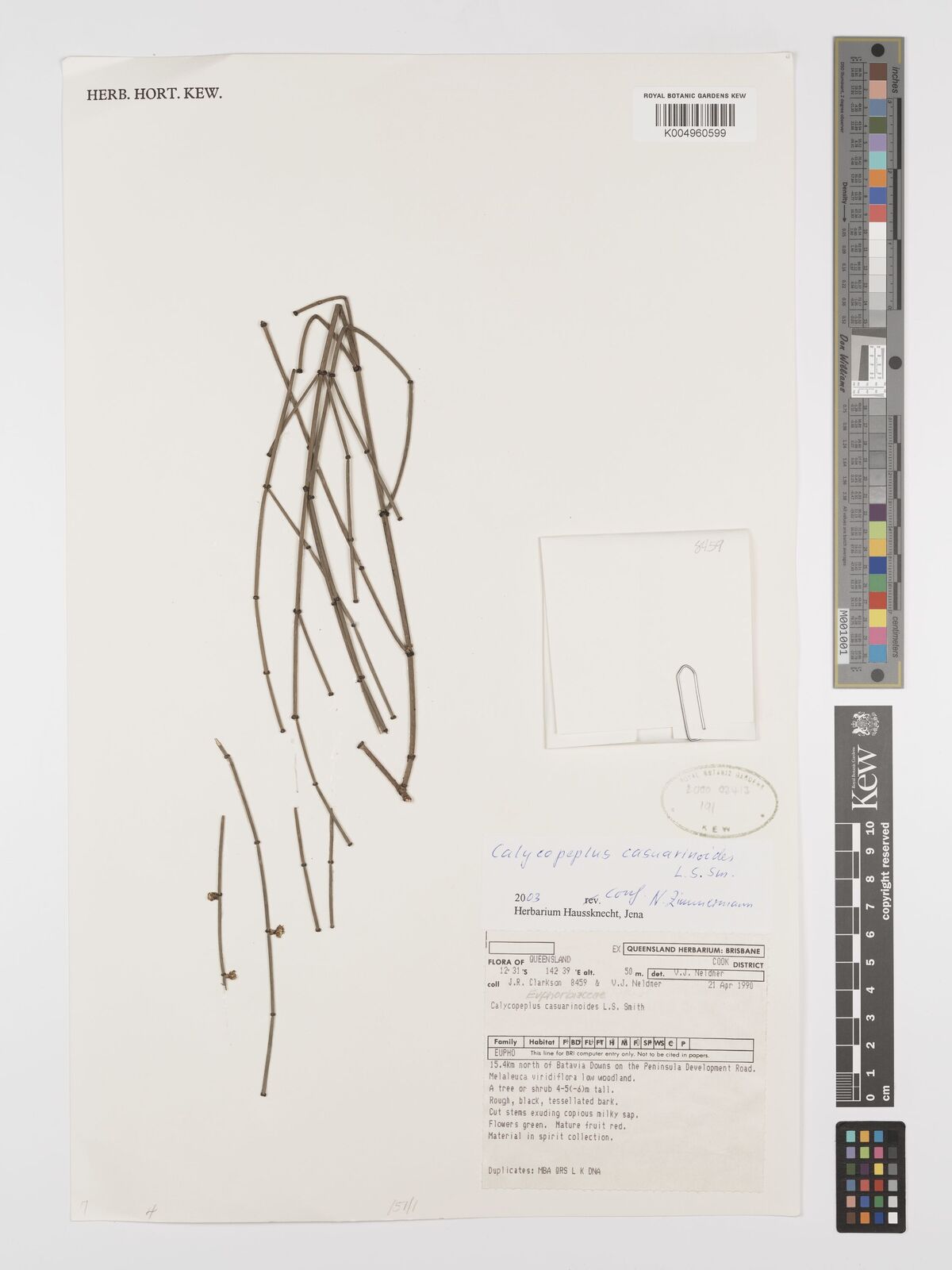
Calycopeplus
Calycopeplus is a plant genus of the family Euphorbiaceae first described by Jules Émile Planchon as a genus in 1861. The entire genus is endemic to Australia. Its closest relative is Neoguillauminia from New Caledonia.

Alchorneopsis
Alchorneopsis is a genus of flowering plants in the family Euphorbiaceae first described as a genus in 1865. It is native to Central America, the Greater Antilles, and northern South America.
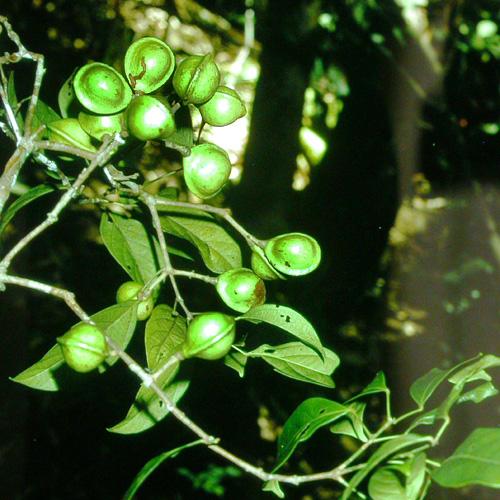
Blumeodendron
Blumeodendron is a genus of dioecious trees of the family Euphorbiaceae first described as a genus in 1873. It is widespread across much of Southeast Asia and Papuasia.

Amyrea
Amyrea is a plant genus of the family Euphorbiaceae first described as a genus in 1941. It is native to Madagascar and to nearby Mayotte Island in the Indian Ocean.

Ditta
Ditta is a genus of plants, under the family Euphorbiaceae first described as a genus in 1861. It is native to the Greater Antilles in the Caribbean.
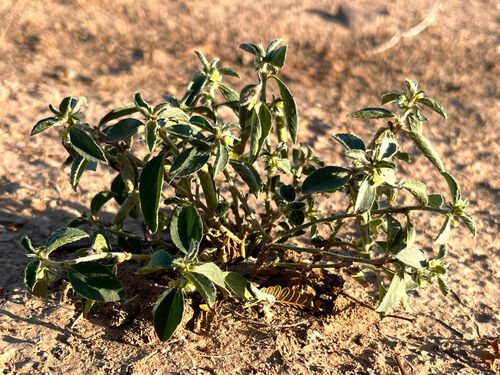
Micrandra
Micrandra is a plant genus of the family Euphorbiaceae first described in 1854. It is native to South America.
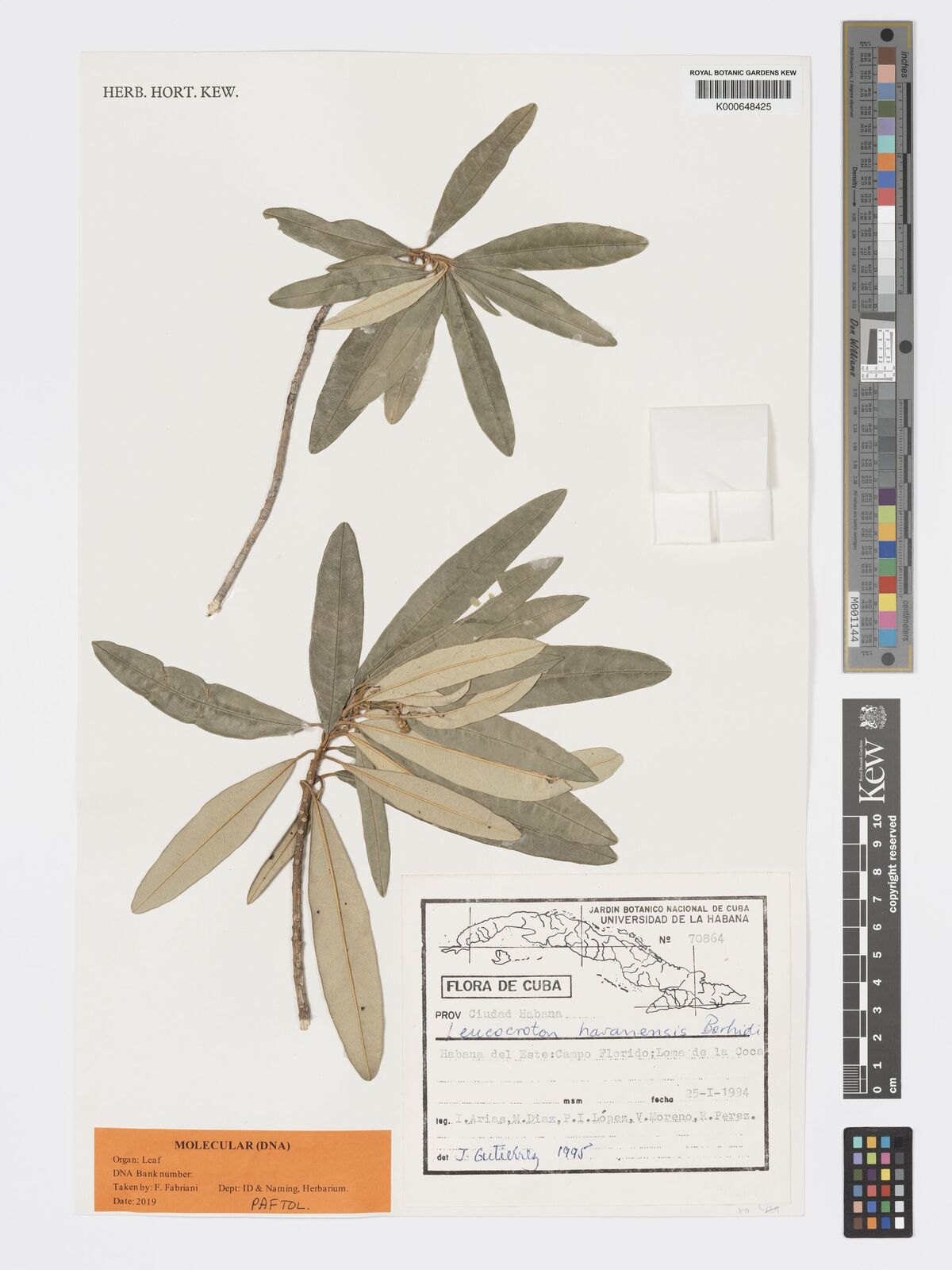
Leucocroton
Leucocroton is a plant genus of the family Euphorbiaceae first described as a genus in 1861. The entire genus is endemic to Cuba. It is a member of the Leucocroton alliance, which also includes Garciadelia and Lasiocroton. Species in this alliance are dioecious.
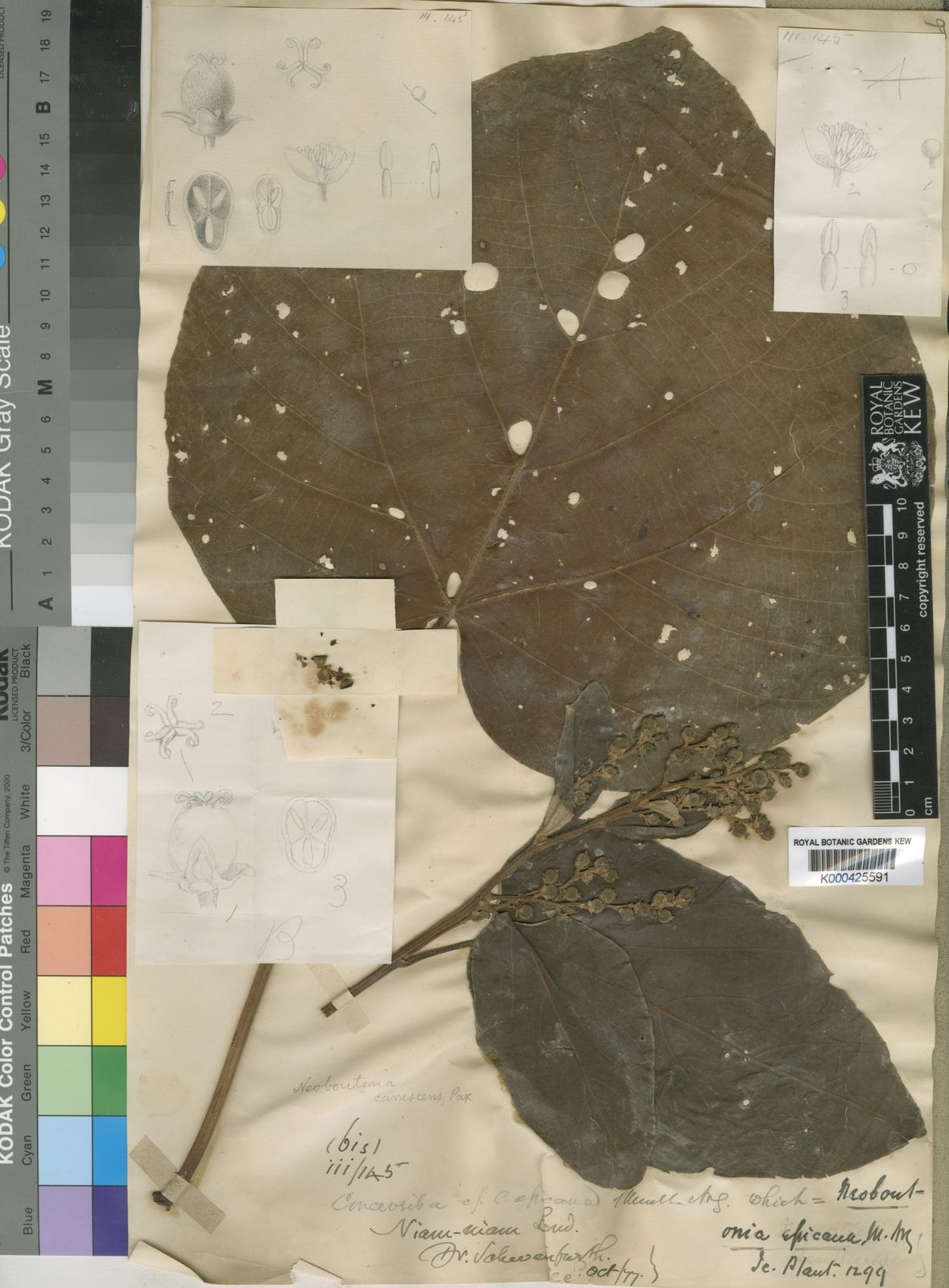
Neoboutonia
Neoboutonia is a plant genus of the family Euphorbiaceae first described as a genus in 1864. It is the only genus in subtribe Neoboutoniinae, and native to tropical Africa. It is dioecious.

Suregada
Suregada is a plant genus of the family Euphorbiaceae, first described as a genus in 1803. It is native to tropical and subtropical regions of Africa, the Indian subcontinent, China, Southeast Asia, Australia, and certain oceanic islands.