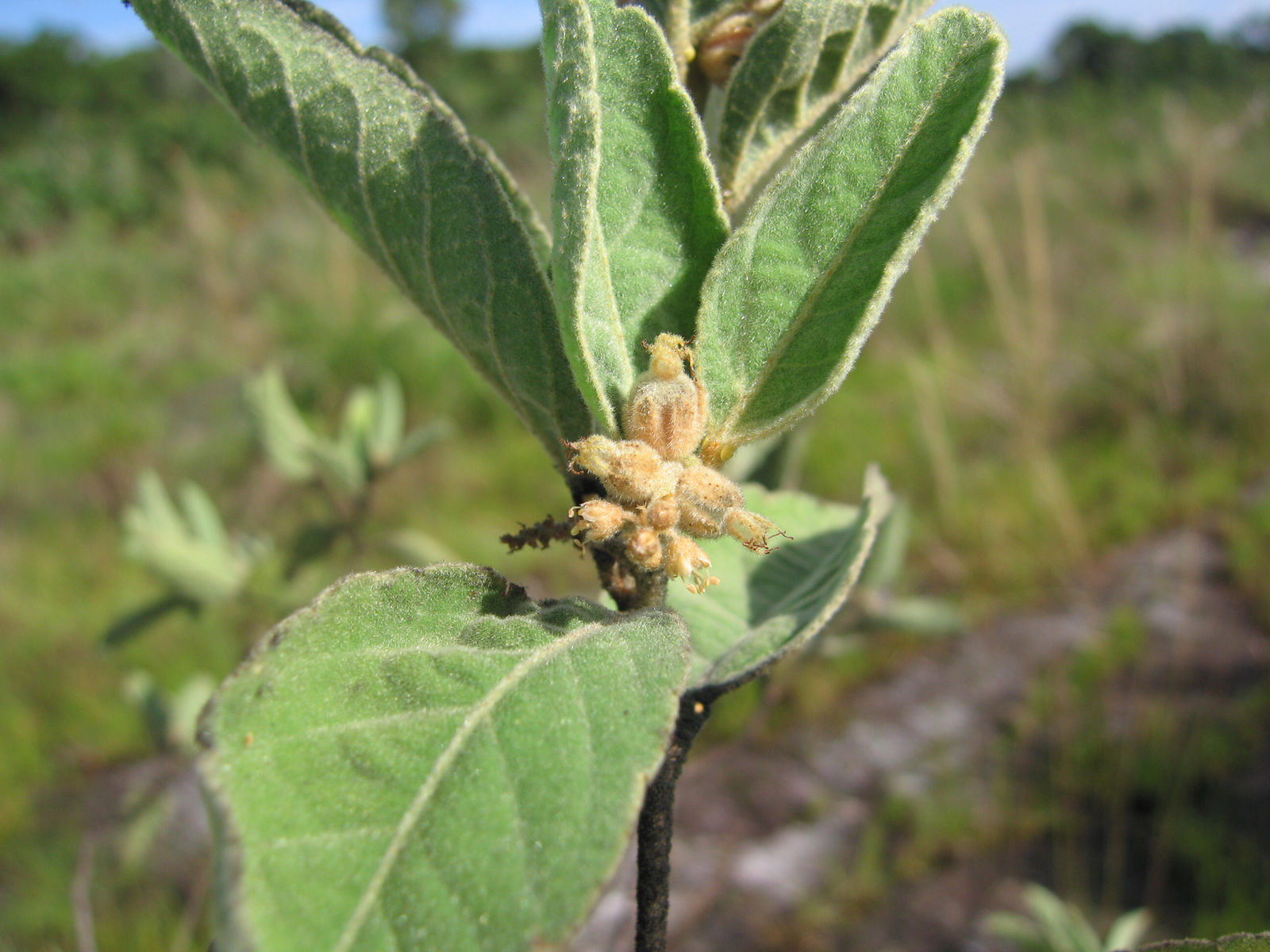
Croton · Kew POWO · Kew Plants of the World Online
Species
GENUS
- KingdomPlantae
- PhylumTracheophyta
- ClassMagnoliopsida
- OrderMalpighiales
- FamilyEuphorbiaceae
General: Members of Croton are found in the subcanopy of primary Use: value. The horticultural crotons are properly called Codiaeum. Common Name: croton bark
via GBIF · Kew POWO
Museum specimens
- Specimen records
- 16,377
- With media
- 8,338
- Family
- Euphorbiaceae
- Collections
- ECOSUR, CICY, GH, IBUNAM
- Recorded in
- Mexico
Research
3,109 papers- Croton cajucara: Patents and Nanotechnological Advances.Recent patents on nanotechnology · 2024
- Diterpenoids from the genus Croton and their biological activities.Archives of pharmacal research · 2025
- Chemical Constituents from Croton Species and Their Biological Activities.Molecules (Basel, Switzerland) · 2018
- Cytotoxic Tigliane Diterpenoids from Croton damayeshu.Journal of natural products · 2019
- Botany, traditional uses, phytochemistry, pharmacological and toxicological effects of Croton tiglium Linn.: a comprehensive review.The Journal of pharmacy and pharmacology · 2022
via PubMed
Wikidata facts
Show 7 more facts
- taxon rank
- genus
- taxon name
- Croton
- Commons category
- Croton
- topic's main category
- Category:Croton (plant)
- taxon common name
- حب المُلوك
- taxonomic type
- Croton tiglium
via Wikidata · CC0
~5 min read
Encyclopedic overview
Croton is an extensive plant genus in the spurge family, Euphorbiaceae. The plants of this genus were described and introduced to Europeans by Georg Eberhard Rumphius. The common names for this genus are rushfoil and croton, but the latter also refers to Codiaeum variegatum. The generic name comes from the Greek κρότος (krótos), which means "tick" and refers to the shape of the seeds of certain species.
Description
Excerpted from Wikipedia’s “Croton” article, available under the CC BY-SA 4.0 licence.