Category
page 4Evolutionary biology
neoteny in humans
retention of juvenile traits into adulthood
Intragenomic conflict
Differential transmission of genes residing in the same genome
evolutionary suicide
evolutionary phenomenon in which the process of adaptation causes the population to become extinct
chemical defense
strategy employed by many organisms to avoid consumption by producing toxic or repellent metabolites

Life on Earth
television series
Urmetazoan
The Urmetazoan is the hypothetical last common ancestor of all animals. The name derives from metazoa, an old biological term for animals. It is universally accepted to have been a multicellular heterotroph — with the novelties of a germline and oogamy, an extracellular matrix (ECM) and basement membrane, cell-cell and cell-ECM adhesions and signaling pathways, collagen IV and fibrillar collagen, different cell types (as well as expanded gene and protein families), spatial regulation and a complex developmental plan, and relegated unicellular stages.
Ohno's law
Selection coefficient
Measure used in population genetics
de novo mutation
genetic mutation not inherited from a parent
evolution of cells
evolutionary origin and subsequent development of cells
reciprocity
in evolutionary biology
Hill–Robertson effect
evolutionary advantage for genetic recombination
evolution of butterflies
origin and diversification of butterflies through geologic time
Trivers–Willard hypothesis
Ability of female mammals to adjust the sex ratio of their offspring
safety in numbers
group protection theory
evolution of bacteria
development of bacteria throughout time
biological robustness
persistence of a characteristic or trait in a biological system under perturbations or conditions of uncertainty

multifunctional protein
class of proteins that combine several autonomous functions on a single polypeptide chain
inbreeding avoidance
evolutionary biology concept of prevention of negative inbreeding effects
Cross-resistance
thumb|321x321px
Cross-resistance is when something develops resistance to several substances that have a similar mechanism of action. For example, if a certain type of bacteria develops antimicrobial resistance to one antibiotic, that bacteria will also have resistance to several other antibiotics that target the same protein or use the same route to get into the bacterium. A real example of cross-resistance occurred for nalidixic acid and ciprofloxacin, which are both quinolone antibiotics. When bacteria developed resistance to ciprofloxacin, they also developed resistance to nalidixic acid b
Pithecometra principle
term
Adaptive behavior
ecology term indicating that behavior which increases reproductive success
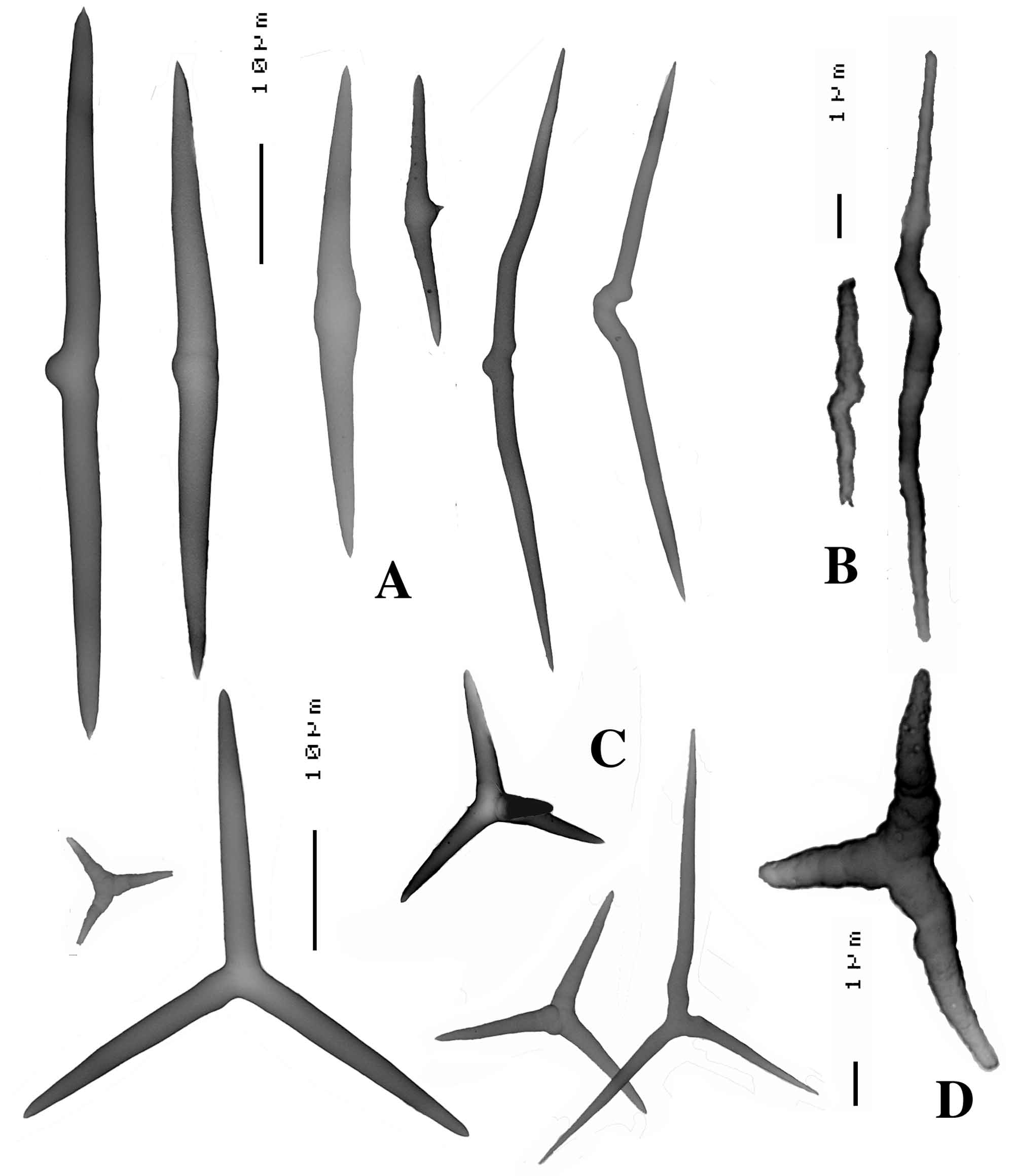
Oscarella carmela
species of sponges
Haldane's dilemma
limit on the speed of beneficial evolution, first calculated by J. B. S. Haldane in 1957, and clarified further by later commentators
Organisms at high altitude
organisms capable of living at high altitudes
quantum evolution
component of George Gaylord Simpson's multi-tempoed theory of evolution
Plant evolutionary developmental biology
study of developmental programs and patterns in plants from an evolutionary perspective
Hybrid Iguana
hybrid lizard
Turkana Basin
large endorheic basin mainly in Kenya and Ethiopia
Heterotopy
Heterotopy is an evolutionary change in the spatial arrangement of an organism's embryonic development, complementary to heterochrony, a change to the rate or timing of a development process. It was first identified by Ernst Haeckel in 1866 and has remained less well studied than heterochrony.
co-adaptation
In biology, co-adaptation is the process by which two or more species, genes or phenotypic traits undergo adaptation as a pair or group. This occurs when two or more interacting characteristics undergo natural selection together in response to the same selective pressure or when selective pressures alter one characteristic and consecutively alter the interactive characteristic. These interacting characteristics are only beneficial when together, sometimes leading to increased interdependence. Co-adaptation and coevolution, although similar in process, are not the same; co-adaptation refers to
sexual coercion among animals
sexual coercion among non-human animals
Homo consumericus
mock Latin phrase referring to a consumerist society
evolution of ageing
study of the evolutionary development of ageing processes
Index of evolutionary biology articles
Wikimedia list article
history of speciation
Wikimedia history article
genetic resistance to malaria
human disease
vaccine resistance
adaptation of pathogens to reduce the protection of vaccines
megaevolution
Megaevolution is the most dramatic events in evolution. It is no longer suggested that the evolutionary processes involved are necessarily special, although in some cases they might be. Whereas macroevolution can apply to relatively modest changes that produced diversification of species and genera and are readily compared to microevolution, "megaevolution" is used for great changes. Megaevolution has been extensively debated because it has been seen as a possible objection to Charles Darwin's theory of gradual evolution by natural selection.
Shifting balance theory
theory suggesting that adaptive evolution may proceed most quickly when subpopulations have restricted gene flow
High-altitude adaptation in humans
evolutionary adaptation of some poulations
sickness behavior
coordinated view of behavioral changes, due to feeling sick, bedridden, or under the weather
attractant
substances, signals or objects that attract living organisms