Category
page 1Executed monarchs

Nicholas II of Russia
the 14th and last Emperor of Russia (1894–1917)

Louis XVI of France
King of France and Navarre from 1774 to 1791, then King of the French from 1791 to 1792 (1754-1793)

Mary, Queen of Scots
Mary, Queen of Scots, also known as Mary Stuart or Mary I of Scotland, was Queen of Scotland from 14 December 1542 until her forced abdication on 24 July 1567.

Charles I of England
Charles I was King of England, Scotland, and Ireland from 27 March 1625 until his execution in 1649.

Lady Jane Grey
Queen of England and Ireland in July 1553

Saul
thumb|The Kingdom of Saul, according to the biblical account
thumb|300px|David and Saul, by Julius Kronberg, 1885
thumb|upright=1.13|David Plays the Harp for Saul, by Rembrandt|Rembrandt van Rijn, c. 1650
thumb|upright=1.3|Saul threatening David, by José Leonardo, c. 1640s
Saul (; , ; ; , ) was a monarch of ancient Israel and Judah and, according to the Hebrew Bible and Old Testament, the first king of the United Monarchy, a polity of uncertain historicity. His reign, traditionally placed in the late eleventh century BC, marked the transition of the Israelites from a scattered tribal society r

Osman II
16th Sultan of the Ottoman Empire (1618–1622)
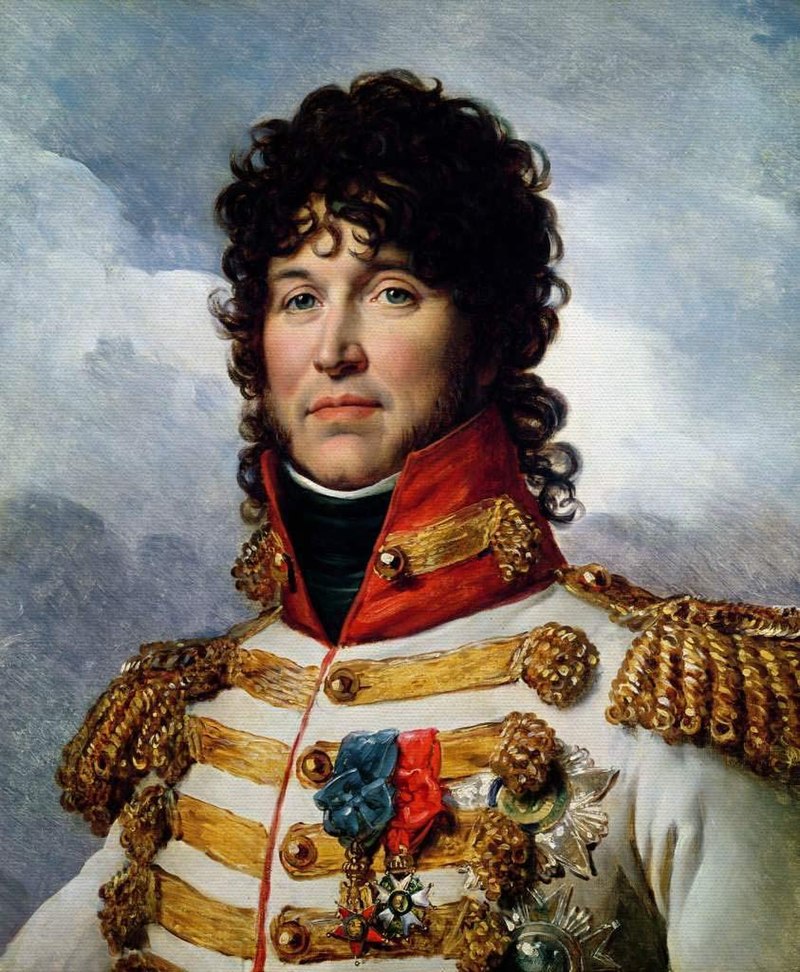
Joachim Murat
Grand Duke of Berg and Cleves, The king of Naples (1767-1815)
%2C%20%C3%B3leo%20sobre%20lienzo.%20An%C3%B3nimo.jpg)
Atahualpa
Atawallpa (), also Atahualpa or Ataw Wallpa (, ) ( 150229 August 1533), whose regnal name was Caccha Pachacuti Inca Yupanqui Inca (from the caccha idol and to honour the emperor Pachacuti), was the last effective Inca emperor, reigning from April 1532 until his capture and execution in July of the following year, as part of the Spanish conquest of the Inca Empire.

Vercingetorix
Vercingetorix (; ; ; – 46 BC) was a Gallic nobleman and chieftain of the Arverni who united the Gauls in a failed revolt against Rome during the Gallic Wars (58–50 BC).

Maurice
Byzantine Emperor (539-602)
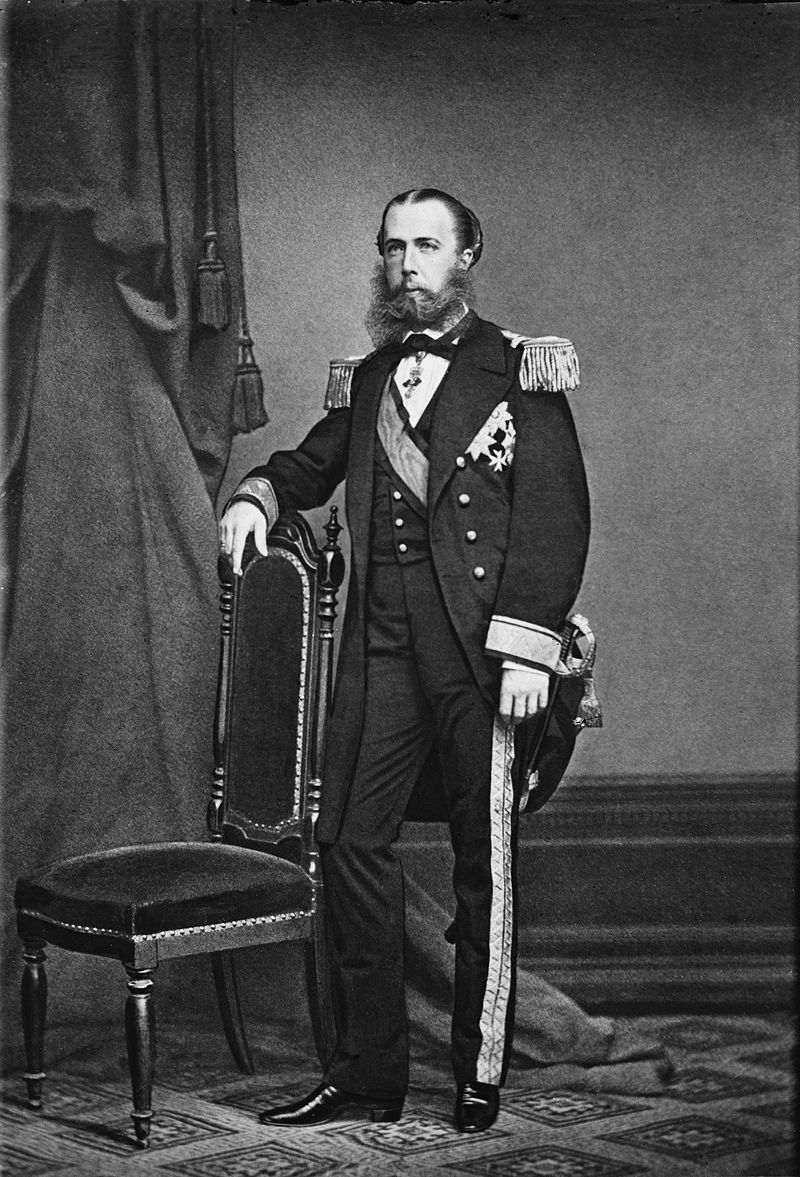
Maximilian I of Mexico
emperor of Mexico (1832-1867)

Khosrow II
The 24th Sassanid emperor (590–628)

Caesarion
Ptolemy XV Caesar (; , ; 47 BC – late August 30 BC), nicknamed Caesarion (, , "Little Caesar"), was the last pharaoh of the Ptolemaic Kingdom of Egypt, reigning with his mother Cleopatra VII from 44 BC to 30 BC. He nominally reigned as sole pharaoh for a few days after his mother's death, although Alexandria had already fallen and Caesarion remained in hiding until his execution by Octavian, who would become the first Roman emperor as "Augustus".

Phocas
Phocas (; ; 5475 October 610) was Eastern Roman emperor from 602 to 610. Initially a middle-ranking officer in the Roman army, Phocas rose to prominence as a spokesman for dissatisfied soldiers in their disputes with the court of the Emperor Maurice. When the army rebelled in 602, Phocas emerged as the leader of the mutiny. The revolt led to the overthrow and execution of Maurice in November 602.

Andronikos I Komnenos
Byzantine emperor (1118–1185)

Agustín I of Mexico
first constitutional emperor of Mexico (1783-1824)

Tiberios III
Byzantine emperor from 698 to 705
.jpg)
Jehoiakim
Jehoiakim (also sometimes spelled Jehoikim; – 598 BC) was the eighteenth and third-from-last King of Judah from 609 to 598 BC. He was the second son of King Josiah () and Zebidah, the daughter of Pedaiah of Rumah. His birth name was Eliakim.

Leontius
Leontius (; died 15 February 706) was Byzantine emperor under the regnal name Leo from 695 to 698. Little is known of his early life, other than that he was born in Isauria in Asia Minor. He was given the title of patrikios, and made strategos of the Anatolic Theme under Emperor Constantine IV. He led forces against the Umayyads during the early years of Justinian II's reign, securing victory and forcing the Umayyad caliph, Abd al-Malik ibn Marwan, to sue for peace.

Anastasios II
Byzantine Emperor

Alexios V Doukas
Byzantine emperor

Faisal II of Iraq
King of Iraq from 4 April 1939 until 1958

Philip III of Macedon
king of Macedonia

Marwan II
Last Umayyad Caliph (691-750) (r. 744-750)

Jugurtha
Jugurtha or Jugurthen ( c. 160 – 104 BC) was a king of Numidia, the ancient kingdom of the Numidians in northwest Africa. When the Numidian king Micipsa, who had adopted Jugurtha, died in 118 BC, Micipsa's two sons, Hiempsal and Adherbal, along with Jugurtha, were in line for succession. Jugurtha arranged to have Hiempsal killed in 117 BC and, after a civil war, defeated and killed Adherbal in 112 BC.
.png)
Cuauhtémoc
Cuauhtémoc (, ), also known as Cuauhtemotzín, Guatimozín, or Guatémoc, was the Aztec ruler (tlatoani) of Tenochtitlan from 1520 to 1521, and the last Aztec Emperor. The name Cuauhtemōc means "one who has descended like an eagle", commonly rendered in English as "Descending Eagle", evoking a raptor diving toward its prey.

Bessus
Bessus or Bessos (; ), also known by his throne name Artaxerxes V ( ; ; died summer 329 BC), was a Persian satrap of the eastern Achaemenid satrapy of Bactria, as well as the self-proclaimed King of Kings of the Achaemenid Empire from 330 to 329 BC.

Baldwin I of Constantinople
Latin Emperor of Constantinople (1172 - c.1205)

Samuel Aba
King of Hungary (born: c. 990 death: 1044)

Sogdianus
Sogdianus ( or ; ) was briefly a ruler of the Achaemenid Empire for a period in 424–423 BC. His short rule—lasting not much more than six months—and the little recognition of his kingdom are known primarily from the writings of Ctesias; who is known to be unreliable. He was reportedly an illegitimate son of Artaxerxes I by his concubine Alogyne of Babylon.

Conradin
Conrad III (25 March 1252 – 29 October 1268), called the Younger or the Boy, but usually known by the diminutive Conradin (, ), was the last direct heir of the House of Hohenstaufen. He was Duke of Swabia (1254–1268) and nominal King of Jerusalem (1254–1268) and Sicily (1254–1258). After his attempt to reclaim the Kingdom of Sicily for the Hohenstaufen dynasty failed, he was captured and beheaded.

Al-Musta'sim
'''Abu Ahmad Abdallah ibn al-Mustansir bi'llah (), better known by his regnal title Al-Mustaʿṣim bi-llāh''' (; 1213 – 20 February 1258), was the 37th and last caliph from the Abbasid dynasty ruling from Baghdad. He held the title from 1242 until his death in 1258.

Amyrtaeus
Amyrtaeus of Sais ( , a Hellenization of the original Egyptian name Amenirdisu) is the only pharaoh of the Twenty-eighth Dynasty of Egypt and is thought to be related to the royal family of the Twenty-sixth Dynasty (664–525 BC). He ended the first Persian occupation of Egypt (i.e. the Twenty-seventh Dynasty: 525–404 BC) and reigned from 404 BC to 399 BC. Amyrtaeus' successful insurrection inaugurated Egypt's last significant phase of independence under native sovereigns, which lasted for about 60 years until the Persians conquered the country again.

Prithviraj Chauhan
12th century Indian king

Túpac Amaru
4th and last Inca Emperor of the Kingdom of Vilcabamba

Hormizd III
The 17th Sassanid Emperor (457–459)

Emperor Yang of Sui
emperor of the Sui Dynasty

Antigonus II Mattathias
king of Judea

Mithridates IV of Parthia
Parthian king from to 57 to 54 BC

Cleopatra Selene of Egypt and Syria
queen of Egypt and Syria

Artavasdes II of Armenia
king of Armenia

David II of Trebizond
last Emperor of Trebizond

Amyntas IV of Macedon
King of Macedonia (c.365 BC-335 BC)
.jpg)
Zumbi
Zumbi ( – November 20, 1695), also known as Zumbi dos Palmares (), was a Brazilian quilombola leader and one of the pioneers of resistance to enslavement of Africans by the Portuguese in colonial Brazil. He was also the last of the kings of the Quilombo dos Palmares, a settlement of Afro-Brazilian people who liberated themselves from enslavement in the present-day state of Alagoas, Brazil. He is revered in Afro-Brazilian culture as a symbol of African freedom.
Habibullāh Kalakāni
Reaver of Afghan Nation (1929)
Ivan Sratsimir of Bulgaria
Bulgarian tsar

Rhadamistus
Rhadamistus (died 58) was a royal prince of the Pharnavazid dynasty of the Iberia who reigned over the Kingdom of Armenia from 51 to 53 and 54 to 55. He was considered a usurper and tyrant, who was overthrown in a rebellion supported by the Parthian Empire.

Ariarathes I of Cappadocia
4th-century BC king of Cappadocia

Ivan Shishman of Bulgaria
Bulgarian tsar
Liuva II
Visigothic king
Manuel II of Trebizond
Emperor of Trebizond

Sambhaji
Sambhaji (Sambhajiraje Shivajiraje Bhonsle, ; 14 May 1657 – 11 March 1689), also known as Shambhuraje, ruled from 1681 to 1689 as the second king (Chhatrapati) of the Maratha Empire, a prominent state in early modern India. He was the eldest son of Shivaji, the founder of the Maratha Empire.
Lotf Ali Khan
The seventh and last Khan of Zand Dynasty (1789–1794)
Stephen Tomašević of Bosnia
King of Bosnia

Radagaisus
thumb|upright=1.35|Giorgio Vasari, Defeat of Radagaiso below Fiesole, 1563–1565
Radagaisus (died 23 August 406) was a Gothic king who led an invasion of Roman Italy in late 405 and the first half of 406. A committed pagan, he was executed after being defeated by the general Stilicho.
Argaeus II of Macedon
4th-century BC pretender to the Macedonian throne
Li Yu
ruler of the Southern Tang Kingdom in ancient China
Constantin Brâncoveanu
Prince of Wallachia

Adil Shah
The second Afsharid king (1747–1748)