Category
page 1Executed revolutionaries
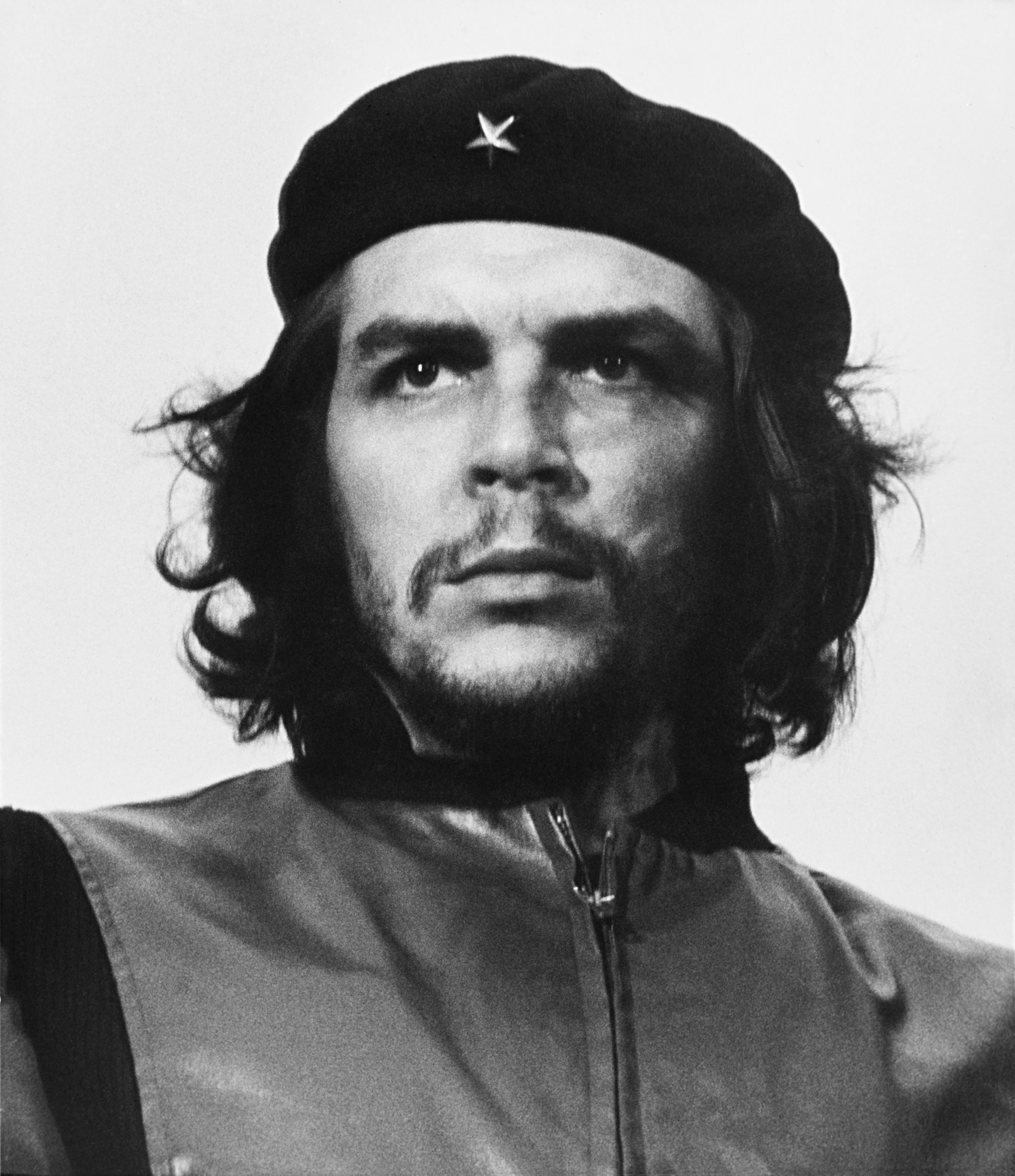
Che Guevara
Ernesto "Che" Guevara de la Serna was an Argentine Marxist revolutionary, author, guerrilla leader, diplomat, politician, and military theorist. A major figure of the Cuban Revolution, his stylized visage has become a countercultural symbol of rebellion and global insignia in popular culture.

Benito Mussolini
Benito Amilcare Andrea Mussolini was an Italian politician, journalist, and dictator who led Italy as Il Duce from 1922 until his overthrow in 1943. He founded the fascist movement in 1919, with the creation of the Fasci Italiani di Combattimento, which became the National Fascist Party (PNF) in 1921. Mussolini was appointed Prime Minister of Italy after the March on Rome in 1922, establishing a totalitarian dictatorship. He oversaw Italy's participation in World War II as a prominent member of the Axis Powers, and was summarily executed near the end of the war in 1945.
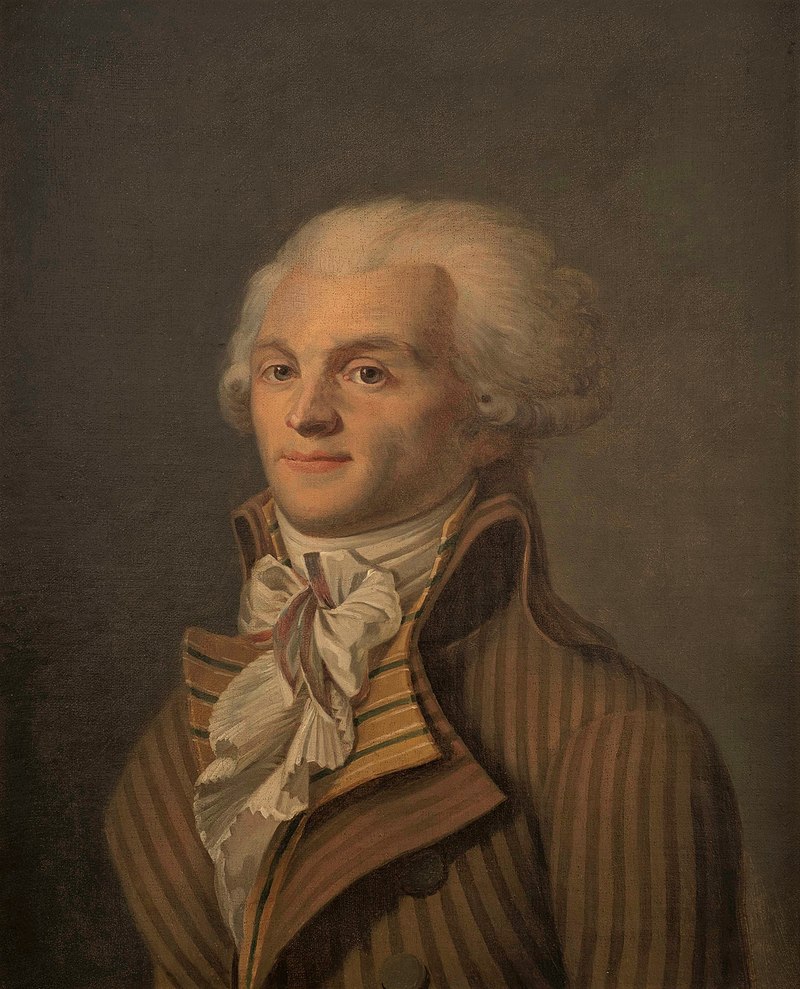
Maximilien Robespierre
French revolutionary lawyer and politician (1758–1794)

Patrice Lumumba
Patrice Émery Lumumba was a Congolese politician and independence leader who served as the first prime minister of the First Congolese Republic from June until September 1960, following the May 1960 election. Lumumba was the leader of the Congolese National Movement (MNC) from 1958 until his assassination in 1961. Ideologically an African nationalist and pan-Africanist, he played a significant role in the transformation of the Congo from a colony of Belgium into an independent republic.

Georges Danton
French revolutionary (1759–1794)

José Rizal
Filipino nationalist, writer and polymath (1861–1896)

Nikolai Bukharin
Russian revolutionary and politician (1888–1938)

Imre Nagy
Hungarian politician (1896-1958)

Ernst Röhm
German Nazi politician, military officer and leader of the Sturmabteilung (1887-1934)

Grigory Zinoviev
Ukrainian revolutionary (1883-1936)

Lev Kamenev
Russian revolutionary and Soviet politician (1883–1936)

Louis Antoine de Saint-Just
Philosopher, military and political leader (1767-1794)

Sayyid Qutb
Egyptian political theorist and revolutionary (1906–1966)

Thomas Müntzer
early Reformation-era German pastor who was a rebel leader during the German Peasants' War

Omar al-Mukhtar
Leader of the Senussi resistance against the Italian fascist occupation (1858–1931)

Charlotte Corday
figure of the French Revolution (1768-1793)

Stepan Razin
Cossack leader (c. 1630 - 1671)

Vasil Levski
Bulgarian revolutionary (1837–1873)

Camille Desmoulins
French journalist, politician and revolutionary (1760-1794)

Park Hon-young
North Korean politician (1900–1955)

Louis Riel
Métis leader in Canada (1844–1885)

Túpac Amaru II
leader of a large Andean uprising against the Spanish in Peru (1738-1781)

Fanny Kaplan
Russian assassin (1890-1918)

Alexander Ulyanov
Russian revolutionary and activist (1866–1887)

Gregor Strasser
German politician, rival of Adolf Hitler inside the Nazi Party (1892-1934)

Corneliu Zelea Codreanu
Romanian politician (1899-1938)
Maria Spiridonova
Russian terrorist and politician (1884-1941)

William Walker
American filibuster, physician, lawyer, journalist and mercenary (1824-1860)
Dragutin Dimitrijević
Serbian military commander (1876–1917)

Maurice Bishop
Revolutionary and Grenada 's second Prime Minister (1979-1983)

Christian Rakovsky
Soviet diplomat (1873-1941)
Sophia Perovskaya
Russian revolutionary and assassin of Alexander II (1853–1881)

Nikolai Kibalchich
Ukrainian revolutionary and scientist (1853-1881)
Policarpa Salavarrieta
heroine of the Colombian Independence Movement (1795–1817)
Johan van Oldenbarnevelt
Dutch statesman and revolutionary (1547-1619)

Robert Emmet
Irish nationalist and Republican, orator and rebel leader (1780-1803)

Salvador Puig Antich
Spanish militant anarchist (1948–1974)

Tiradentes
Joaquim José da Silva Xavier (; 12 November 1746 – 21 April 1792), known as Tiradentes (), was a leading member of the colonial Brazilian revolutionary movement known as the Inconfidência Mineira, whose aim was full independence from Portuguese rule and the creation of a republic. When the conspirators plot was uncovered by authorities, Tiradentes was arrested, tried and publicly hanged.

Tan Malaka
communist Indonesian politician (1897-1949)
György Dózsa
Szekler leader of peasant revolt (1470-1514)

Ravachol
François Claudius Ravachol (; born Koenigstein; 14 October 1859 – 11 July 1892), also known as the Christ of Anarchy, was a French illegalist anarchist mainly known for his terrorist activism, impact, the myths that developed around his figure, and his influence on the anarchist movement, French society and art. He is also credited as being one of the main launchers of the Ère des attentats (1892-1894).
Túpac Katari
indigenous Aymara leader of a major insurrection in colonial-era Upper Peru
Pál Maléter
Hungarian soldier, Minister of Defence (1917-1958)
Qu Qiubai
Chinese litterateur (1899-1935)
Farabundo Martí
Salvadoran revolutionary (1893-1932)
Shūsui Kōtoku
Japanese anarchist (1871–1911)
İbrahim Kaypakkaya
Turkish Marxist–Leninist revolutionary (1949-1973)
Deniz Gezmiş
Turkish political activist (1947-1972)
Ikki Kita
Japanese philosopher and right-wing activist
Theudas
Theudas (; ; died ) was a Jewish rebel of the 1st century AD. Scholars attribute to his name a Greek etymology and according to Thayer, is a contraction of Theodore, and Hitchcock, for his part, says it means "flowing with water" , although with a Hellenist-styled ending. At some point between 44 and 46 CE, Theudas led his followers in a short-lived revolt.
Athanasios Diakos
Greek general
Muhamed Mehmedbašić
Muslim revolutionary and conspirator
Micaela Bastidas
martyr of Peruvian independence
Olga Kameneva
Russian revolutionary
Bartolina Sisa
Bolivian revolutionary
Andrei Zhelyabov
Russian revolutionary (1851-1881)
Ali Aaltonen
Lieutenant in the Imperial Russian army, journalist, and Finnish socialist leader (1884-1918)
Francisco del Rosario Sánchez
Dominican Republic politician (1817-1861)
Larbi Ben M'hidi
Algerian revolutionary (1923-1957)
Dedan Kimathi
Kenyan leader during the Mau Mau Uprising (1920–1957)