Category
page 1Extant Maastrichtian first appearances

bird
Birds are a group of warm-blooded theropod dinosaurs constituting the class Aves, characterised by feathers, toothless beaked jaws, the laying of hard-shelled eggs, a high metabolic rate, a four-chambered heart, and a strong yet lightweight skeleton. Birds live worldwide and range in size from the bee hummingbird to the common ostrich. There are over 11,000 living species and they are split into 44 orders. More than half are passerine or "perching" birds. Birds have wings whose development varies according to species; the only known groups without wings are the extinct moa and elephant birds.

Anseriformes
Anseriformes is an order of birds also known as waterfowl that comprises 178 living species of birds in three families: Anhimidae (three species of screamers), Anseranatidae (the magpie goose), and Anatidae, the largest family, which includes the other 174 species of waterfowl, among them the ducks, geese, and swans. Most modern species in the order are highly adapted for an aquatic existence at the water surface. With the exception of screamers, males have penises, a trait that has been lost in the Neoaves, the clade consisting of all other modern birds except the galliformes and paleognaths.

Liliaceae
The lily family, Liliaceae, consists of about 15 genera and 610 species of flowering plants within the order Liliales. They are monocotyledonous, perennial, herbaceous geophytes, often growing from bulbs although some have rhizomes. The leaves are linear in shape, with their veins usually arranged parallel to the edges, single and arranged alternating on the stem, or in a rosette at the base. The flowers are large with six colored or patterned petaloid tepals (undifferentiated petals and sepals) arranged in two whorls of three, six stamens and a superior ovary. The fruit can be a berry or caps

Gruiformes
The Gruiformes are an order containing a considerable number of living and extinct bird families, with a widespread geographical diversity. Gruiform means 'crane form'.

Araceae
The Araceae are a family of monocotyledonous flowering plants in which flowers are borne on a type of inflorescence called a spadix. The spadix is usually accompanied by, and sometimes partially enclosed in, a spathe (or leaf-like bract). Also known as the arum family, members are often colloquially known as aroids. This family of 114 genera and about 3,750 known species is most diverse in the New World tropics, although also distributed in the Old World tropics and northern temperate regions.

Boidae
The Boidae, commonly known as boas or boids, are a family of nonvenomous snakes primarily found in the Americas, as well as Africa, Europe, Asia, and some Pacific islands. Boas include some of the world's largest snakes, with the green anaconda of South America being the heaviest and second-longest snake known; in general, adults are medium to large in size, with females usually larger than the males. Six subfamilies comprising 14-15 genera and 54-67 species are currently recognized.
.jpg)
sturgeon
”Sturgeon” is the common name for the 27 species of fish belonging to the family Acipenseridae. The earliest sturgeon fossils date to the Late Cretaceous, and are descended from other, earlier acipenseriform fish, which date back to the Early Jurassic period, some 174 to 201 million years ago. They are one of two living families of the Acipenseriformes alongside paddlefish (Polyodontidae). The family is grouped into five genera: Acipenser, Huso, Scaphirhynchus, Sinosturio, and Pseudoscaphirhynchus. Two species (H. naccarii and S. dabryanus) may be extinct in the wild, and one (P. fedtschenkoi)

Betulaceae
thumb|Catkins of the hazel (Corylus avellana)

Poales
.jpg)
Cypriniformes
Cypriniformes is an order of ray-finned fish which contains many sister families and genera of cypriniform fish split into several suborders, including the barbs, loaches, botias, carps, danionins, and minnows, amongst others. Cypriniformes is an "order-within-an-order", placed under the superorder Ostariophysi—which is also made up of cyprinid, ostariophysin fishes. The order contains 11–12 families (with some authorities having listed as many as 23), over 400 genera, and more than 4,250 named species; new species are regularly described, and new genera are recognized frequently. Cyprinids ar

Neognathae
Neognathae (; ) is an infraclass of birds, called neognaths, within the class Aves of the clade Archosauria. Neognathae includes the majority of living birds; the exceptions being the tinamous and the flightless ratites, which belong instead to the sister taxon Palaeognathae. There are nearly 10,000 living species of neognaths.

Typhaceae
The Typhaceae () are a family of flowering plants, sometimes called the cattail family. The botanical name for the family has been recognized by most taxonomists.

Gadiformes
Gadiformes , also called the Anacanthini, are an order of ray-finned fish that include the cod, hakes, pollock, haddock, burbot, rocklings and moras, many of which are food fish of major commercial value. They are mostly marine fish found throughout the world and the vast majority are found in temperate or colder regions (tropical species are typically deep-water) while a few species may enter brackish estuaries. Pacific tomcods, one of the two species that makes up the genus Microgadus, are able to enter freshwater, but there is no evidence that they breed there. Some populations of landlocke

Gaviiformes
Gaviiformes () is an order of aquatic birds containing the loons or divers and their closest extinct relatives. Modern gaviiformes are found in many parts of North America and northern Eurasia (Europe, Asia and debatably Africa), though prehistoric species were more widespread.

Chelydridae
The Chelydridae is a family of turtles that has seven extinct and two extant genera. The extant genera are the snapping turtles, Chelydra and Macrochelys. Both are endemic to the Western Hemisphere. The extinct genera are Acherontemys, Chelydrops, Chelydropsis, Emarginachelys, Macrocephalochelys, Planiplastron, and Protochelydra.
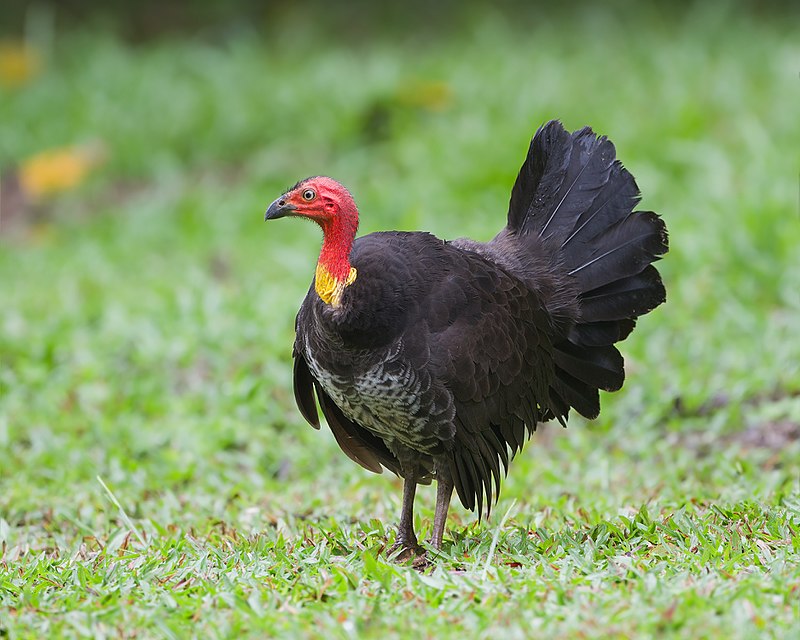
Galloanserae
Azolla
Azolla (commonly called mosquito fern, water fern, and fairy moss) is a genus of seven species of aquatic ferns in the family Salviniaceae. They are extremely reduced in form and specialized, having a significantly different appearance to other ferns and more resembling some mosses or even duckweeds. Azolla filiculoides is one of two fern species for which a reference genome has been published. It is believed that this genus grew so prolifically during the Eocene (and thus absorbed such a large amount of carbon) that it triggered a global cooling event that has lasted to the present.
.JPG)
Amphisbaenidae
The Amphisbaenidae (common name: worm lizards) are a family of amphisbaenians, a group of limbless reptiles. There are 12 genera, containing 183 species.
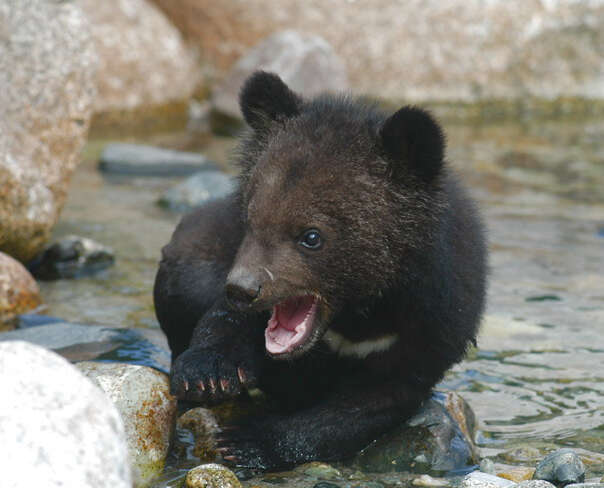
Boreoeutheria
Boreoeutheria () is a magnorder of placental mammals that groups together superorders Euarchontoglires and Laurasiatheria. The clade includes groups as diverse as giraffes, pigs, zebras, rhinoceroses, dogs, cats, rabbits, mice, bats, whales, dolphins, and primates (monkeys, apes, and humans).

Restionaceae
The Restionaceae, also called restiads and restios, are a family of flowering plants native to the Southern Hemisphere; they vary from a few centimeters to 3 meters in height. Following the APG IV (2016): the family now includes the former families Anarthriaceae, Centrolepidaceae and Lyginiaceae, and as such includes 51 genera with 572 known species. Based on evidence from fossil pollen, the Restionaceae likely originated more than 65 million years ago during the Late Cretaceous period, when the southern continents were still part of Gondwana.
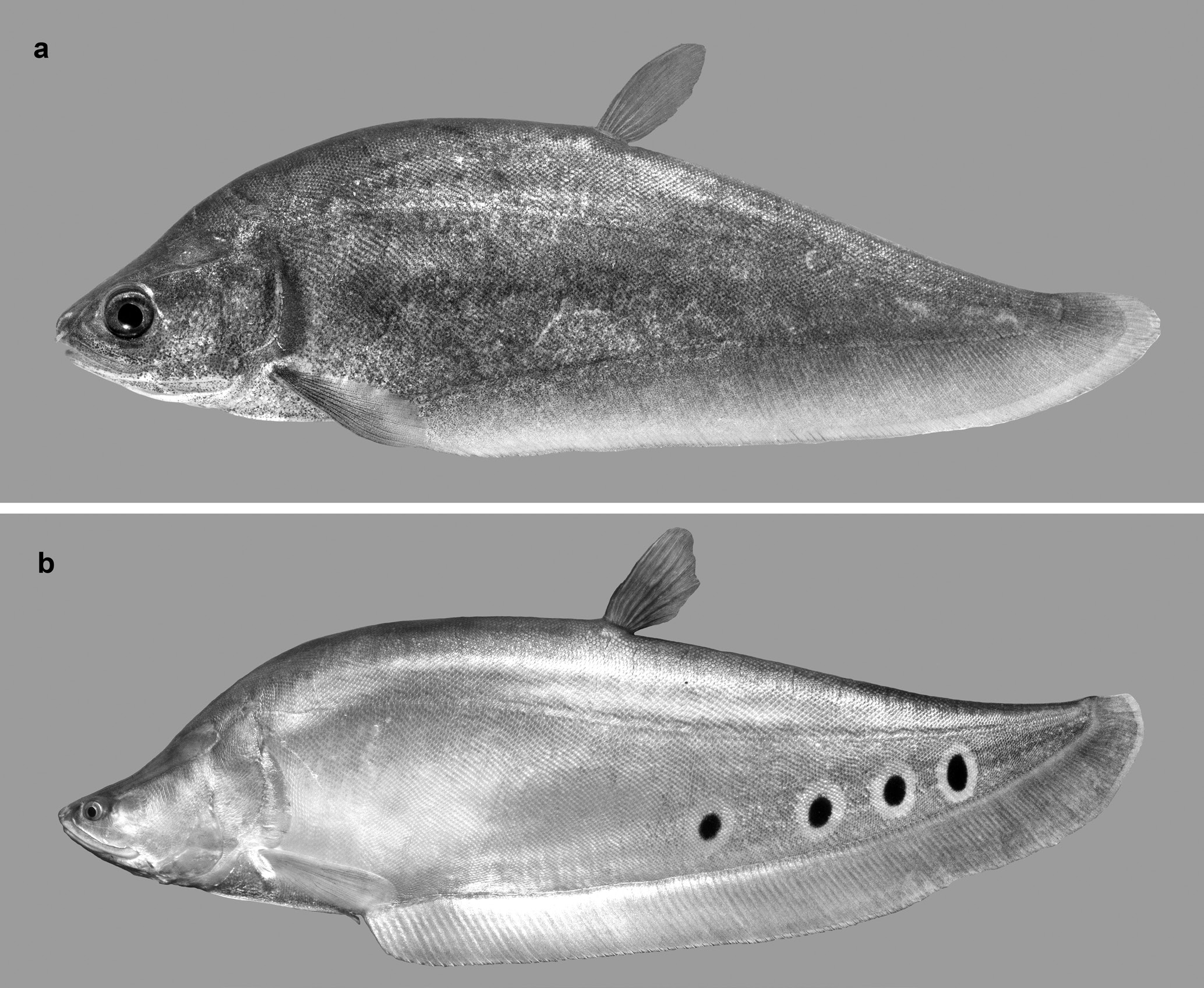
Notopteridae
The family Notopteridae contains 11 species of osteoglossiform (bony-tongued) fishes, commonly known as featherbacks and knifefishes. These fishes live in freshwater or brackish environments in Africa and West, South, East and Southeast Asia.
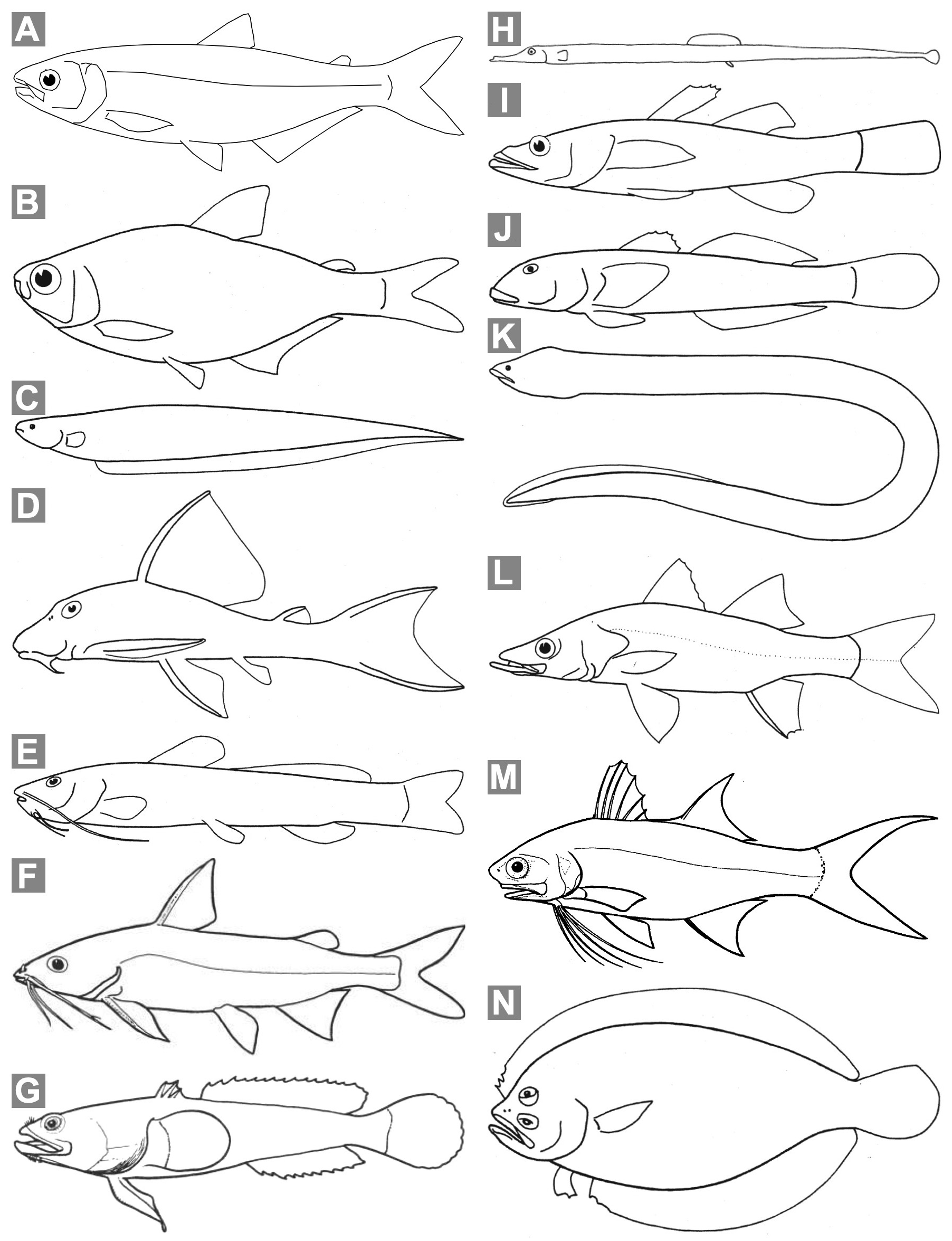
Batrachoididae
Batrachoididae is the only family in the ray-finned fish order Batrachoidiformes . Members of this family are usually called toadfish or frogfish: both the English common name and scientific name refer to their toad-like appearance (batrakhos is Greek for frog).
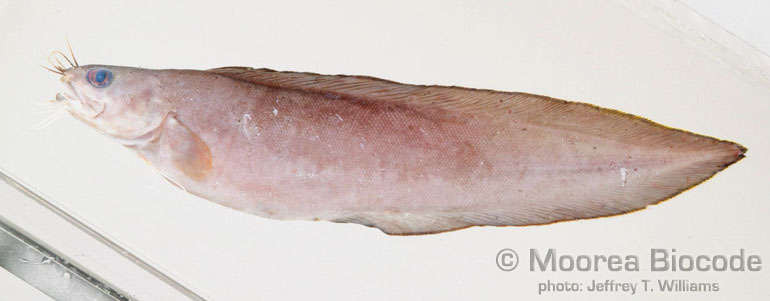
Ophidiidae
The cusk-eel family, Ophidiidae, is a group of marine bony fishes in the Ophidiiformes order. The scientific name is from the Greek ophis meaning "snake", and refers to their eel-like appearance. True eels diverged from other ray-finned fish during the Jurassic, while cusk-eels are part of the Percomorpha clade, along with tuna, perch, seahorses, and others.
Heterenchelyidae
The Heterenchelyidae or mud eels are a small family of eels native to the Atlantic, Mediterranean, and eastern Pacific.
Ceratophryidae
The Ceratophryidae, also known as common horned frogs, are a family of frogs found in South America. It is a relatively small family with three extant genera and 12 species. Despite the common name, not all species in the family have the horn-like projections at the eyes. They have a relatively large head with big mouth, and they are ambush predators able to consume large prey, including lizards, other frogs, and small mammals. They inhabit arid areas and are seasonal breeders, depositing many small eggs in aquatic habitats. Tadpoles are free-living and carnivorous (Ceratophrys and Lepidobatra

Arius
genus of fishes
Aequornithes
Aequornithes (, from Latin aequor, expanse of water + Greek ornithes, birds), or core water birds, are defined in the PhyloCode as "the least inclusive crown clade containing Pelecanus onocrotalus and Gavia immer", that is, the last common ancestor of the great white pelican and the common loon, as well as its descendants, extinct and extant.

Metasequoia
Metasequoia, or dawn redwood, is a genus of fast-growing coniferous trees. It contains one extant (living) species, Metasequoia glyptostroboides, which is one of three extant species of conifers known as redwoods in the world. Metasequoia glyptostroboides is native to Lichuan county in Hubei, China. Although the shortest of the redwoods, it grows to at least in height. Local villagers refer to the original tree from which most others derive as Shuǐshān (水杉), or "water fir", which is part of a local shrine. Since its rediscovery in 1944, the dawn redwood has become a popular ornamental, with ex
Hippoidea
Hippoidea is a superfamily of decapod crustaceans known as mole crabs or sand crabs.

Argentina
genus of fishes

Percopsidae
thumb|Amphiplaga brachyptera
Pilumnoidea
Pilumnoidea is a superfamily of crabs, whose members were previously included in the Xanthoidea. The three families are unified by the free articulation of all the segments of the male crab's abdomen and by the form of the gonopods. The earliest fossils assigned to this group are of Eocene age.
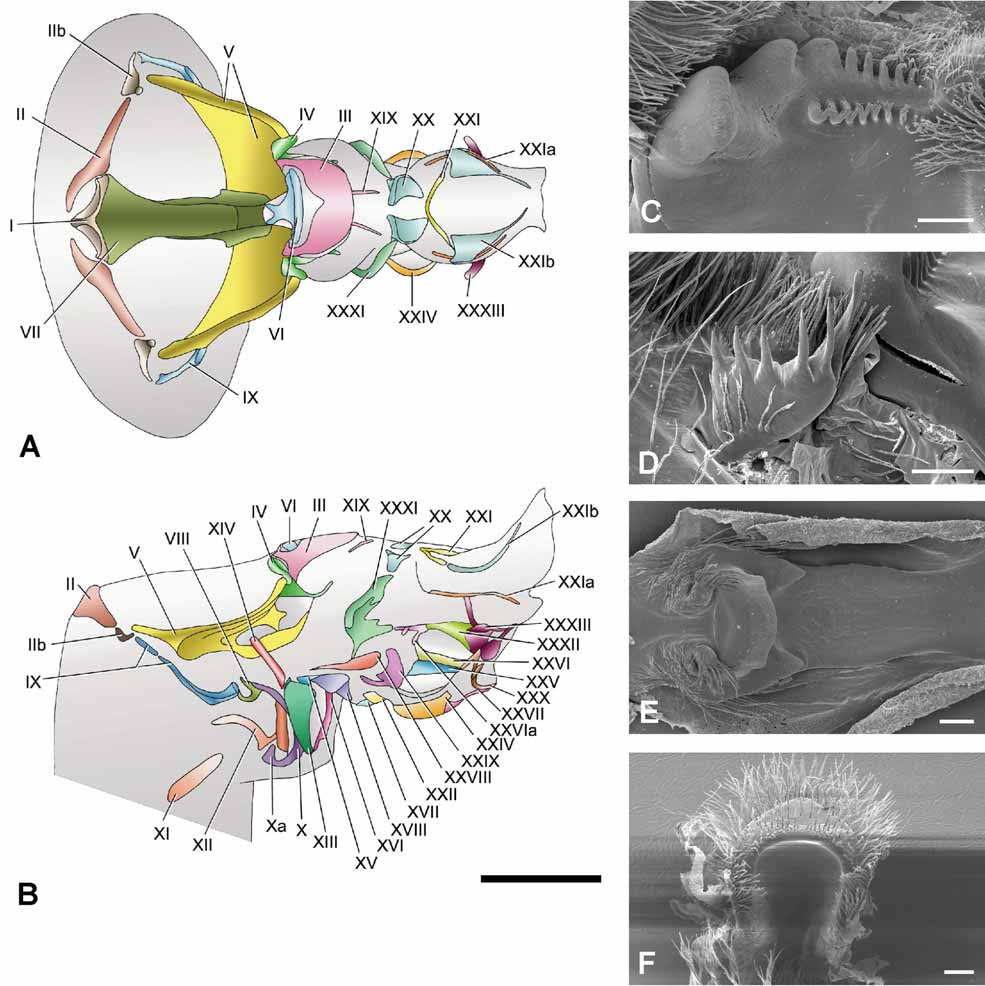
Retroplumidae
Retroplumidae is a family of heterotrematan crabs, placed in their own (monotypic) superfamily, Retroplumoidea.
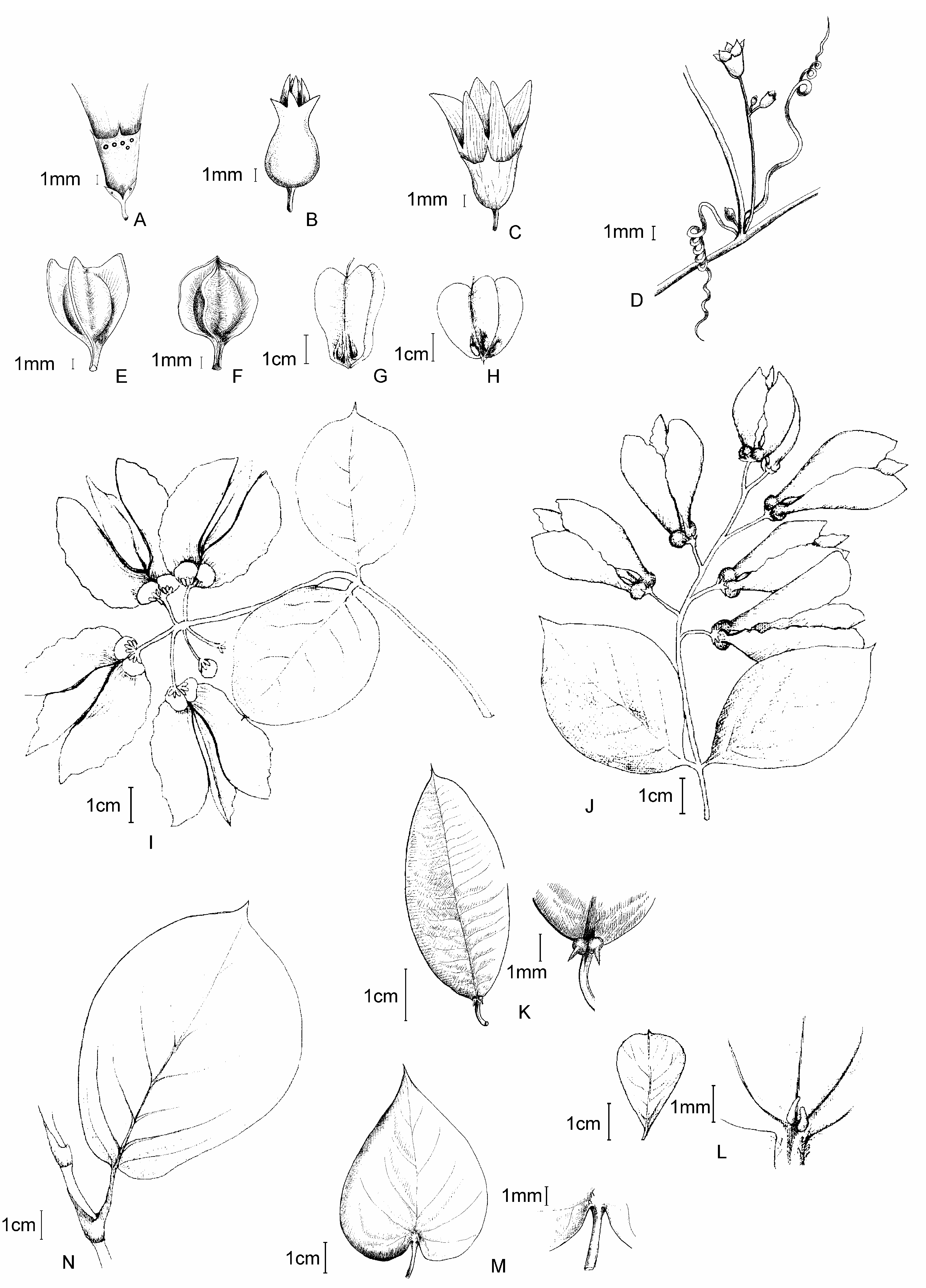
Orontium
Orontium , sometimes called golden-club, is a genus of flowering plants in the family Araceae. The single living species in the genus is Orontium aquaticum, while the two other described species, Orontium mackii and Orontium wolfei, are known from fossils.

Myriotrochus
Myriotrochus is a genus of sea cucumbers in the family Myriotrochidae.
Odontoanserae
The Odontoanserae is a proposed clade that includes the family Pelagornithidae (pseudo-toothed birds) and the clade Anserimorphae (the order Anseriformes and their stem-relatives). The placement of the pseudo-toothed birds in the evolutionary tree of birds has been problematic, with some supporting the placement of them near the orders Procellariiformes and Pelecaniformes based on features in the sternum.
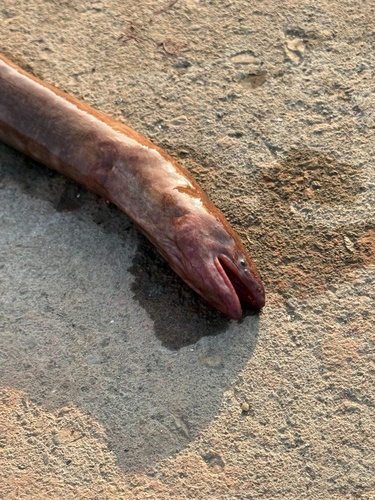
Pythonichthys
Pythonichthys is a genus of eels of the family Heterenchelyidae that occur in tropical waters of the eastern Pacific Ocean off of Panama and in the Atlantic Ocean near the Caribbean Sea and the west coast of Africa. It contains the following described species:
Pangalloanserae
Pangalloanserae is a clade of birds defined in a 2001 study by Jacques Gauthier and Kevin de Queiroz as "most inclusive clade containing Galloanserae but not Neoaves". It contains crown Galloanserae as well as all stem-galloanserans.

Turricula
genus of molluscs
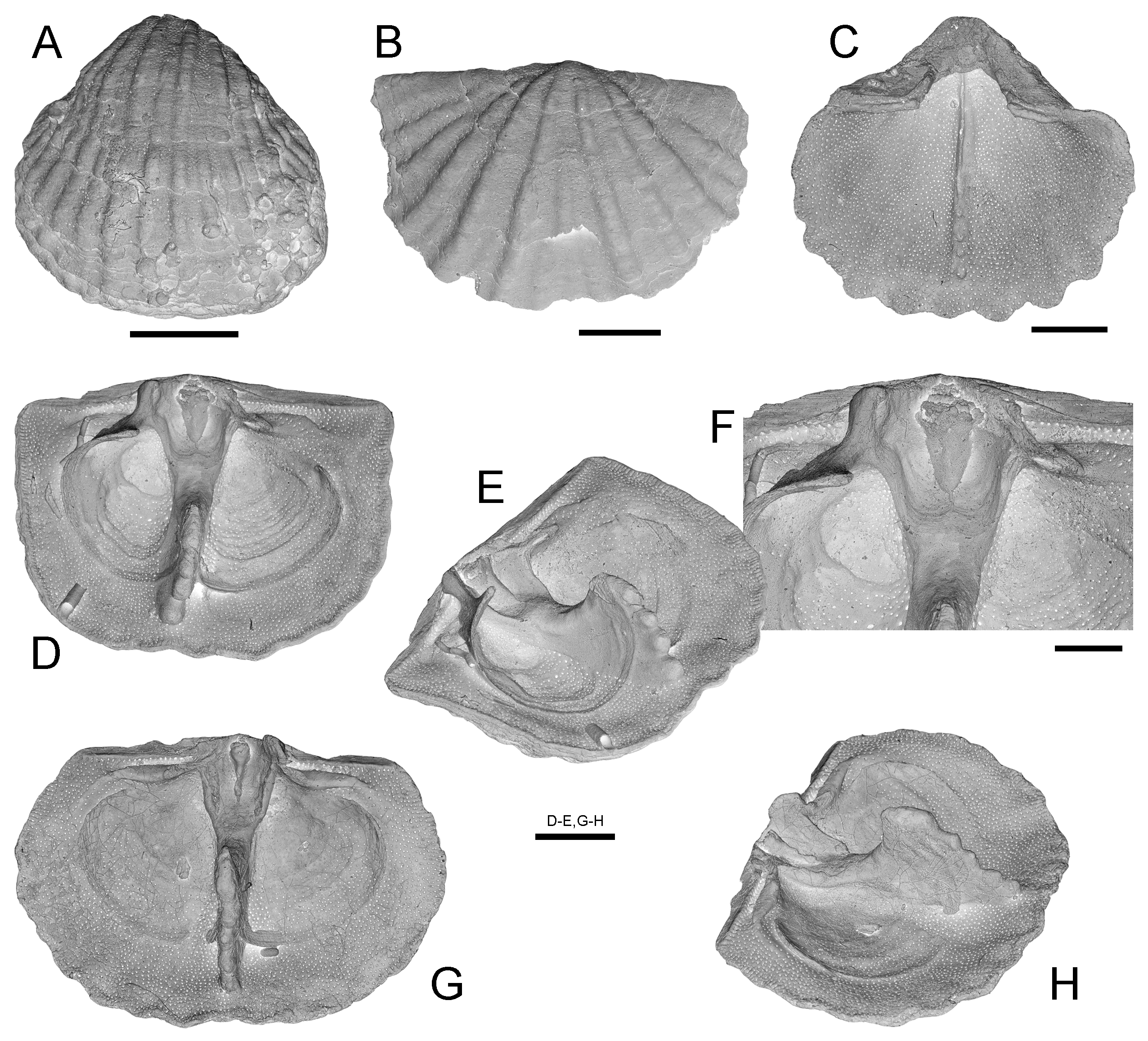
Argyrotheca
Argyrotheca is a genus of very small to minute lampshells (maximum long). All species share a large pedicel opening (or foramen), one ridge on the inside of the pedunculate valve, pits in a diamond pattern on the inside of both valves, and without radial ridges that end in tubercles. It occurs in depths between 6 and 1300 m. It is known since the latest Cretaceous.