Category
page 1Extant Ordovician first appearances
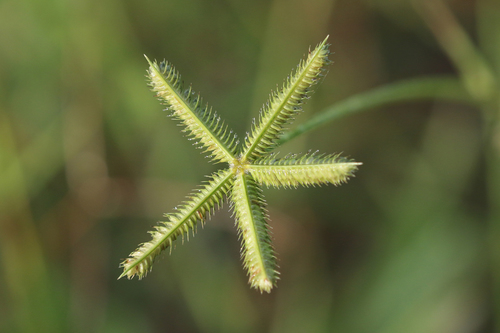
starfish
Starfish or sea stars are a class of marine invertebrates generally shaped like a star polygon. (In common usage, these names are also often applied to ophiuroids, which are correctly referred to as brittle stars or basket stars.) Starfish are also known as asteroids because they form the taxonomic class Asteroidea (). About 1,900 species of starfish live on the seabed, and are found in all the world's oceans, from warm, tropical zones to frigid, polar regions. They can occur from the intertidal zone down to abyssal depths, at below the surface.

Echinoidea
class of marine invertebrates

Platyhelminthes
Platyhelminthes () is a phylum of relatively simple bilaterian, unsegmented, soft-bodied invertebrates commonly called flatworms or flat worms. Being acoelomates (having no body cavity), and having no specialised circulatory and respiratory organs, they are restricted to having flattened shapes that allow oxygen and nutrients to pass through their bodies by diffusion. The digestive cavity has only one opening for both ingestion (intake of nutrients) and egestion (removal of undigested wastes); as a result, the food can not be processed continuously.

Holothuroidea
class of echinoderms
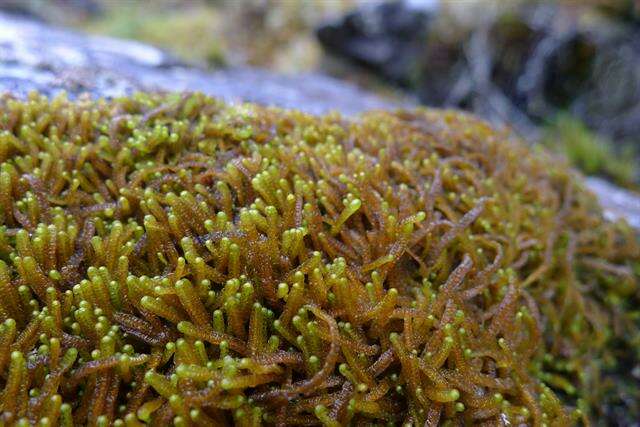
liverwort
Liverworts are a group of non-vascular land plants forming the division Marchantiophyta (). They may also be referred to as hepatics. Like mosses and hornworts, they have a gametophyte-dominant life cycle, in which cells of the plant carry only a single set of genetic information. The division name was derived from the genus name Marchantia, named after his father by French botanist Jean Marchant.

Gnathostomata
Gnathostomata (; from Ancient Greek: ('''') 'jaw' + ('''') 'mouth') are jawed vertebrates. Gnathostome diversity comprises roughly 60,000 species, which accounts for 99% of all extant vertebrates, including all living bony fishes (both ray-finned and lobe-finned, including the terrestrial tetrapods) and cartilaginous fishes, as well as extinct prehistoric fish such as placoderms and acanthodians. Most gnathostomes have retained ancestral traits like true teeth, a stomach, and paired appendages (pectoral and pelvic fins, limbs, wings, etc.). Other traits are elastin, horizontal semicircular can

Bryozoa
Bryozoa (also known as the Polyzoa, Ectoprocta or commonly as moss animals) are a phylum of simple, aquatic invertebrate animals, nearly all living in sedentary colonies. Typically about long, they have a special feeding structure called a lophophore, a "crown" of tentacles used for filter feeding. The bryozoans are classified as the marine bryozoans (Stenolaemata), freshwater bryozoans (Phylactolaemata), and mostly-marine bryozoans (Gymnolaemata), a few members of which prefer brackish water. Most marine bryozoans live in tropical waters, but a few are found in oceanic trenches and polar wate

Embryophytes
The embryophytes () are plants of the clade Embryophyta, also known as 'Plantae sensu strictissimo (, "plant in the strictest sense") or land plants'. They are complex multicellular eukaryotes with haplodiplontic life cycles, all have specialized reproductive organs called sporangia, and reproduce sexually via alternation of generations using spores or seeds. The name "embryophyte" derives from their innovative characteristic of nurturing the embryonic sporophytes within the tissues of the parent gametophytes during the early stages of multicellular development. They are the dominant group of
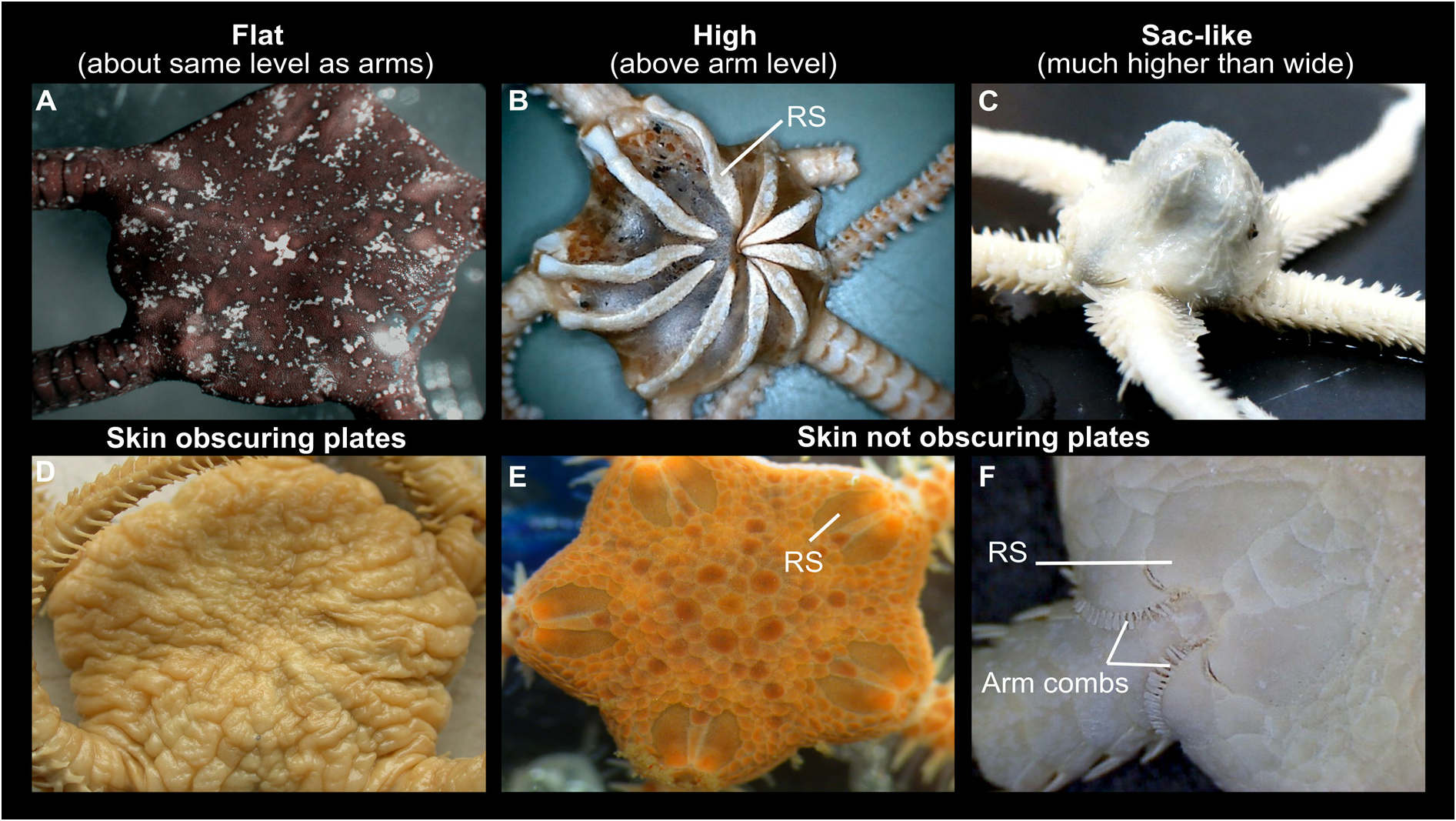
Ophiuroidea
class of echinoderms

Crinoidea
Crinoids are marine invertebrates that make up the class Crinoidea. Crinoids that remain attached to the sea floor by a stalk in their adult form are commonly called sea lilies, while the unstalked forms, called feather stars or comatulids, are members of the largest crinoid order, Comatulida. Crinoids are echinoderms in the phylum Echinodermata, which also includes the starfish, brittle stars, sea urchins, and sea cucumbers. They live in both shallow water and at depths over .

Chelicerata
The subphylum Chelicerata (from Neo-Latin, , ) constitutes one of the major subdivisions of the phylum Arthropoda. Chelicerates include the sea spiders, horseshoe crabs, and arachnids (including harvestmen, scorpions, spiders, solifuges, ticks, and mites, among many others), as well as a number of extinct lineages, such as the eurypterids (sea scorpions) and chasmataspidids.

Nemertea
Nemertea is a phylum of animals also known as ribbon worms or proboscis worms, consisting of about 1300 known species. Most ribbon worms are very slim, usually only a few millimeters wide, although a few have relatively short but wide bodies. Many have patterns of yellow, orange, red and green coloration.
The foregut, stomach and intestine run a little below the midline of the body, the anus is at the tip of the tail, and the mouth is under the front. A little above the gut is the , a cavity which mostly runs above the midline and ends a little short of the rear of the body. All species have

Ostracoda
Ostracods, or ostracodes, are a class of the Crustacea (class Ostracoda), sometimes known as seed shrimp. Some 33,000 species (only 13,000 of which are extant) have been identified, grouped into 7 valid orders. They are small crustaceans, typically around in size, but varying from , the latter in the case of the marine Gigantocypris. The largest known freshwater species is Megalocypris princeps, which reach 8 mm in length. In most cases, their bodies are flattened from side to side and protected by a bivalve-like valve or "shell" made of chitin, and often calcium carbonate. The family Ent

Limulidae
family of arthropods
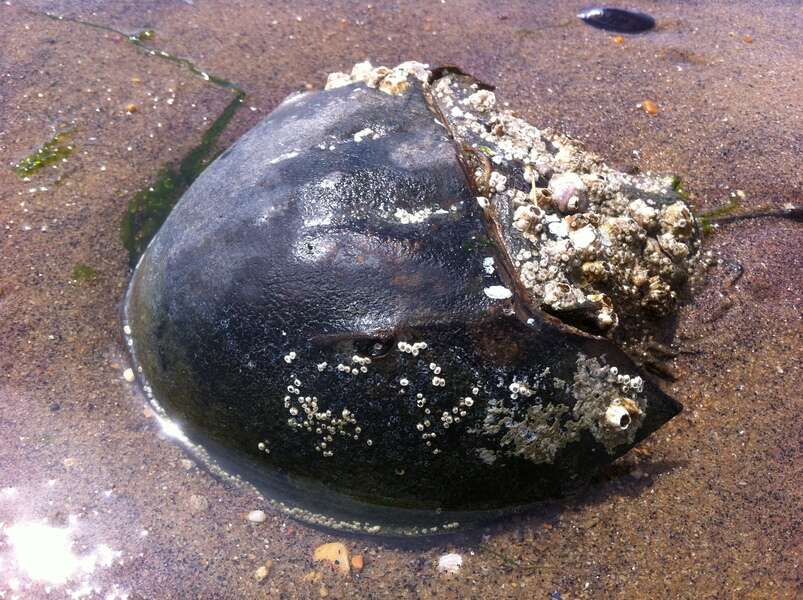
Merostomata
Merostomata is a class of chelicerate arthropods that contains the extinct Eurypterida (sea scorpions) and the extant Xiphosura (horseshoe crabs). The term was originally used by James Dwight Dana to refer to Xiphosura only, but was emended by Henry Woodward to cover both groups.

Anostraca
Anostraca is one of the four orders of crustaceans in the class Branchiopoda; its members are referred to as fairy shrimp. They live in vernal pools and hypersaline lakes across the world, and they have even been found in deserts, ice-covered mountain lakes, and Antarctic ice. They are usually long (exceptionally up to ). Most species have 20 body segments, bearing 11 pairs of leaf-like phyllopodia (swimming legs), and the body lacks a carapace. They swim "upside-down" and feed by filtering organic particles from the water or by scraping algae from surfaces, with the exception of Branchinecta
Teleostomi
Teleostomi (from Greek τελεος, complete + Greek στόμα, mouth) is an obsolete taxon of jawed vertebrates that supposedly includes the tetrapods, bony fish, and the wholly extinct acanthodian fish. Key characters of this group include an operculum and a single pair of respiratory openings, features which were lost or modified in some later representatives. The teleostomes include all jawed vertebrates except the chondrichthyans and the extinct class Placodermi.
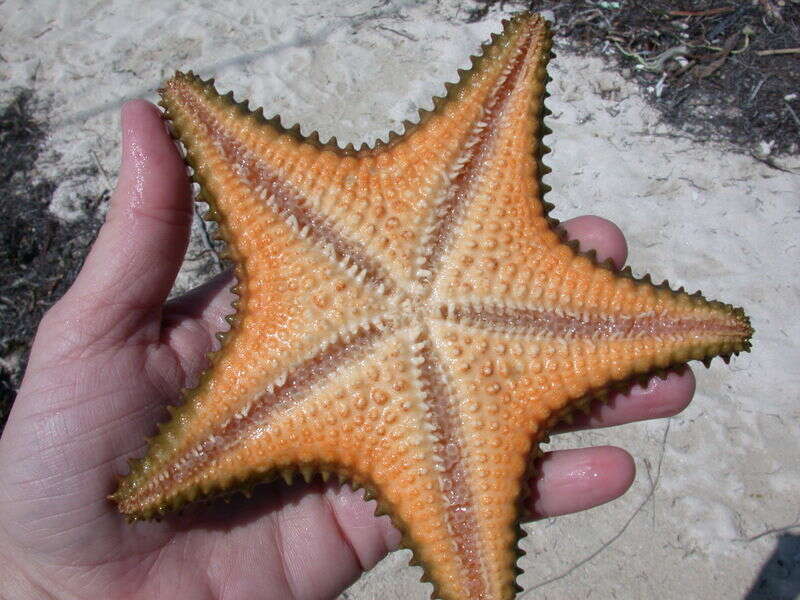
Asterozoa
The Asterozoa are a subphylum in the phylum Echinodermata, within the Eleutherozoa. Characteristics include a star-shaped body and radially divergent axes of symmetry. The subphylum includes the classes Asteroidea (the starfish or sea stars), Ophiuroidea (the brittle stars and basket stars), Somasteroidea (early asterozoans from which the other classes most likely evolved), and Stenuroidea (early asterozoans with unclear relationships to extant classes). A fifth class, Concentricycloidea, was proposed for the unusual genus Xyloplax (sea daisies), but was later demoted to the status of infracla

coralline algae
order of algae
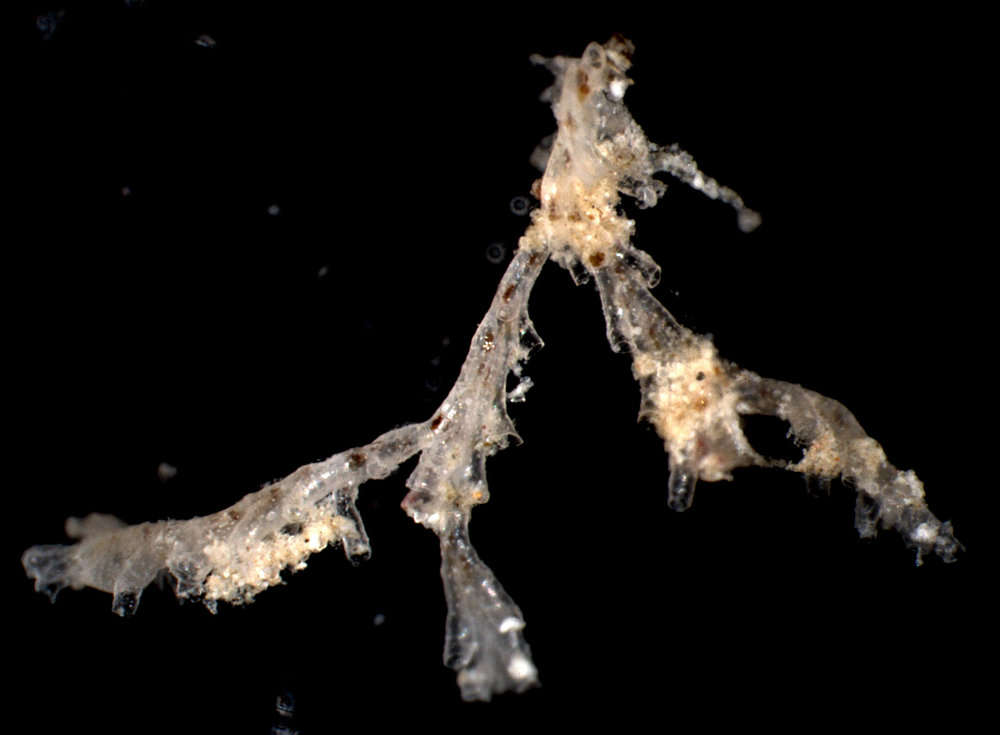
Stenolaemata
Stenolaemata are a class of exclusively marine bryozoans. Stenolaemates originated and diversified in the Ordovician, and more than 600 species are still alive today. All extant (living) species are in the order Cyclostomatida, the third-largest order of living bryozoans.
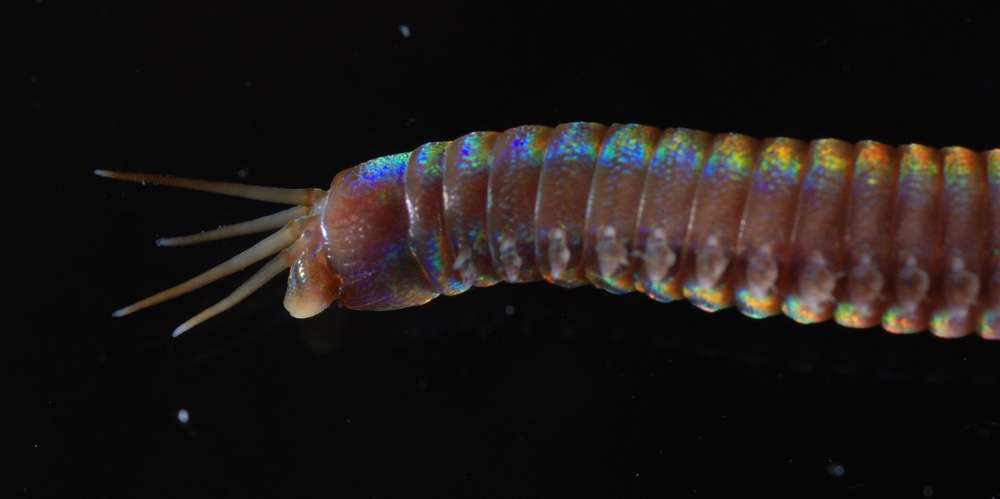
Eunicidae
Eunicidae is a family of marine polychaetes (bristle worms), inhabiting diverse benthic habitats across Oceania, Europe, South America, North America, Asia and Africa.

Rhynchonellida
thumb|Hemithiris psittacea, a living rhynchonellide
thumb|Ladogia sp., a rhynchonellid brachiopod from the Devonian of western [[Russia (side view).]]

Nucula
Nucula is a genus of very small saltwater clams. They are part of the family Nuculidae.
Perischoechinoidea
Perischoechinoidea is a subclass of primitive sea urchins that were abundant in the Palaeozoic seas. However, the great majority of species died out during the Mesozoic, as the more advanced euechinoid sea urchins became common. Today, only a single order, the Cidaroida, survives.
Craniidae
The Craniidae are a family of brachiopods, the only surviving members of the subphylum Craniiformea. They are the only members of the order Craniida, the monotypic suborder Craniidina, and the superfamily Cranioidea; consequently, the latter two taxa are at present redundant and rarely used. There are three living genera within Craniidae: Neoancistrocrania, Novocrania, and Valdiviathyris. As adults, craniids either live freely on the ocean floor or, more commonly, cement themselves onto a hard object with all or part of the ventral valve.
Cribrospongiidae
Cribrospongiidae is a family of glass sponges in the order Sceptrulophora.