Category
page 1Flavors

acetic acid
chemical compound
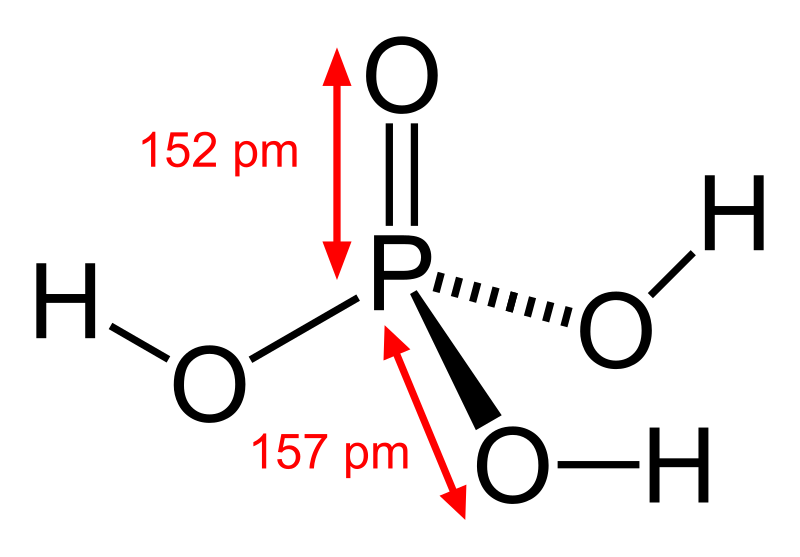
phosphoric acid
chemical compound

acetaldehyde
Acetaldehyde (IUPAC systematic name ethanal) is an organic chemical compound with the formula . It is a colorless liquid or gas, boiling near room temperature. It is one of the most important aldehydes, occurring widely in nature and being produced on a large scale in industry. Acetaldehyde occurs naturally in coffee, bread, and ripe fruit, and is produced by plants. It is also produced by the partial oxidation of ethanol by the liver enzyme alcohol dehydrogenase and is a contributing cause of hangover after alcohol consumption. Pathways of exposure include air, water, land, or groundwater, as

ethyl acetate
chemical compound

butyric acid
chemical compound

benzaldehyde
Benzaldehyde (C6H5CHO) is an organic compound consisting of a benzene ring with a formyl substituent. It is among the simplest aromatic aldehydes and one of the most industrially useful.

Limonene
Limonene () is a colorless liquid aliphatic hydrocarbon classified as a cyclic monoterpene, and is the major component in the fragrance and essential oil of citrus fruit peels, taking its name from Italian limone ("lemon").

vanillin
Vanillin is an organic compound with the molecular formula . It is a phenolic aldehyde. Its functional groups include aldehyde, hydroxyl, and ether. It is the primary component of the ethanolic extract of the vanilla bean. Synthetic vanillin is now used more often than natural vanilla extract as a flavoring in foods, beverages, and pharmaceuticals.
(E)-cinnamic acid
chemical compound

flavoring
thumb|A flavoring
A flavoring (or flavouring), also known as flavor (or flavour) or flavorant, is a food additive that is used to improve the taste or smell of food. It changes the perceptual impression of food as determined primarily by the chemoreceptors of the gustatory and olfactory systems. Along with additives, other components, like sugars, determine the taste of food.
furfural
Furfural is an organic compound with the formula C4H3OCHO. It is a colorless liquid, although commercial samples are often brown. It has an aldehyde group attached to the 2-position of furan. It is a product of the dehydration of sugars, as occurs in a variety of agricultural byproducts, including corncobs, oat, wheat bran, and sawdust. The name furfural comes from the Latin word , meaning bran, referring to its usual source. Furfural is derived only from dried biomass. In addition to ethanol, acetic acid, and sugar, furfural is one of the oldest known organic chemicals available readily purif
benzyl alcohol
chemical compound

thymol
Thymol (also known as 2-isopropyl-5-methylphenol, IPMP), , is a monoterpenoid, phenol derivative of p-cymene, isomeric with carvacrol. It occurs naturally in oil of thyme and is extracted from Thymus vulgaris (common thyme), ajwain, and various other plants, as a white crystalline substance with a pleasant aromatic odor.
volatile organic compound
organic chemical with appreciable vapor pressure at room temperature
geraniol
Geraniol is a monoterpenoid and an alcohol. It is the primary component of citronella oil and is a primary component of rose oil and palmarosa oil. It is a colorless oil, although commercial samples can appear yellow. It has low solubility in water, but it is soluble in common organic solvents.
ethanethiol
Ethanethiol, commonly known as ethyl mercaptan, is an organosulfur compound with the formula CH3CH2SH. It is a colorless liquid with a distinct odor. Abbreviated EtSH, it consists of an ethyl group (Et), CH3CH2, attached to a thiol group, SH. Its structure parallels that of ethanol, but with sulfur in place of oxygen. The odor of EtSH is infamous. Ethanethiol is more volatile than ethanol due to a diminished ability to engage in hydrogen bonding. Ethanethiol is toxic in high concentrations. It occurs naturally as a minor component of petroleum, and may be added to otherwise odorless gaseous pr
eugenol
Eugenol is an allyl chain-substituted guaiacol, a member of the allylbenzene class of chemical compounds. It is a colorless to pale yellow, aromatic oily liquid extracted from certain essential oils especially from clove, nutmeg, cinnamon, basil and bay leaf. It is present in concentrations of 80–90% in clove bud oil and at 82–88% in clove leaf oil. Containing eugenol, clove essential oil is obtained from unopened clove buds. Eugenol has a pleasant, spicy, clove-like scent. The name is derived from Eugenia caryophyllata, the former Linnean nomenclature term for cloves. The currently accepted n

(E)-cinnamaldehyde
Cinnamaldehyde is an organic compound with the formula or . Occurring naturally as predominantly the trans (E) isomer, it gives cinnamon its flavor and odor. It is a phenylpropanoid that is naturally synthesized by the shikimate pathway. This pale yellow, viscous liquid occurs in the bark of cinnamon trees and other species of the genus Cinnamomum. It is an found in high concentrations in cinanamon essential oil.
geosmin
Geosmin ( ) is an irregular sesquiterpenoid with a distinct earthy or musty odor, which most people can easily smell. The geosmin odor detection threshold in humans is very low, ranging from 0.006 to 0.01 micrograms per liter in water. Geosmin, along with 2-methylisoborneol, are the major biological causes of taste and odor outbreaks in drinking water worldwide and in farmed fish. Geosmin is also responsible for the earthy taste of beetroots and a contributor to the strong scent, known as petrichor, that occurs when rain falls after a spell of dry weather or when soil is disturbed.
butyl acetate
chemical compound

(+/-)-linalool
Linalool (), also called linalol refers to two enantiomers of a naturally occurring terpene alcohol found in many flowers and spice plants. Together with geraniol, nerol, and citronellol, linalool is one of the rose alcohols. Linalool has multiple commercial applications, the majority of which are based on its pleasant scent (floral, with a touch of spiciness).
anisole
Anisole, or methoxybenzene, is an organic compound with the formula . It is a colorless liquid with a smell reminiscent of anise seed, and in fact many of its derivatives are found in natural and artificial fragrances. The compound is mainly made synthetically and is a precursor to other synthetic compounds. Structurally, it is an ether () with a methyl () and phenyl () group attached. Anisole is a standard reagent of both practical and pedagogical value.
%20phthalate.svg)
butyraldehyde
Butyraldehyde, also known as butanal, is an organic compound with the formula CH3(CH2)2CHO. This compound is the aldehyde derivative of butane. It is a colorless flammable liquid with an unpleasant smell. It is miscible with most organic solvents.
rose oil
essential oil
amyl acetate
chemical compound
citral
Citral is an acyclic monoterpene aldehyde. Being a monoterpene, it is made of two isoprene units. Citral is a collective term which covers two geometric isomers that have their own separate names; the E-isomer is named geranial (trans-citral; α-citral) or citral A. The Z-isomer is named neral (cis-citral; β-citral) or citral B. These stereoisomers occur as a mixture, often not in equal proportions; e.g. in essential oil of Australian ginger, the neral to geranial ratio is 0.61.

anethole
Anethole (also known as anise camphor) is an organic compound that is widely used as a flavoring substance. It is a derivative of the aromatic compound allylbenzene and occurs widely in the essential oils of plants. It is in the class of phenylpropanoid organic compounds. It contributes a large component of the odor and flavor of anise and fennel (both in the botanical family Apiaceae), anise myrtle (Myrtaceae), liquorice (Fabaceae), magnolia blossoms, and star anise (Schisandraceae). Closely related to anethole is its isomer estragole, which is abundant in tarragon (Asteraceae) and basil (Lam
phenylacetic acid
chemical compound

1-hexanol
1-Hexanol (IUPAC name hexan-1-ol) is an organic alcohol with a six-carbon chain and a condensed structural formula of CH3(CH2)5OH. This colorless liquid is slightly soluble in water, but miscible with diethyl ether and ethanol. Two additional straight chain isomers of 1-hexanol, 2-hexanol and 3-hexanol, exist, both of which differing by the location of the hydroxyl group. Many isomeric alcohols have the formula C6H13OH. It is used in the perfume industry.
methyl salicylate
chemical compound

(2E/Z,6E/Z)-farnesol
Farnesol is a natural 15-carbon organic compound which is an acyclic sesquiterpene alcohol. Under standard conditions, it is a colorless liquid. It is hydrophobic, and thus insoluble in water, but miscible with oils. As the pyrophosphate ester, farnesol is a precursor to many terpenes and terpenoids. It is a constitutional isomer of Nerolidol.

pungency
thumb|300px|A display of hot peppers and the Scoville scale at a supermarket in [[Houston, Texas]]

butane-2,3-dione
Diacetyl ( ; IUPAC systematic name: butanedione or butane-2,3-dione) is an organic compound with the chemical formula (CH3CO)2. It is a yellow liquid with an intensely buttery flavor. It is a vicinal diketone (two C=O groups, side-by-side). Diacetyl occurs naturally in alcoholic beverages and some cheeses and is added as a flavoring to some foods to impart its buttery flavor. Chronic inhalation exposure to diacetyl fumes is a causative agent of the lung disease bronchiolitis obliterans, commonly known as "popcorn lung".

ionone
The ionones, from greek ἴον ion "violet", are a series of closely related chemical substances that are part of a group of compounds known as rose ketones, which also includes damascones and damascenones. Ionones are aroma compounds found in a variety of essential oils, including rose oil. β-Ionone is a significant contributor to the aroma of roses, despite its relatively low concentration, and is an important fragrance chemical used in perfumery. The ionones are derived from the degradation of carotenoids.

salicylaldehyde
Salicylic aldehyde (2-hydroxybenzaldehyde) is an organic compound with the formula . Along with 3-hydroxybenzaldehyde and 4-hydroxybenzaldehyde, it is one of the three isomers of hydroxybenzaldehyde. This colorless oily liquid has a bitter almond odor at higher concentration. Salicylaldehyde is a precursor to coumarin and a variety of chelating agents.

(±)-carvone
Carvone is a member of a family of chemicals called terpenoids. Carvone is found naturally in many essential oils, but is most abundant in the oils from seeds of caraway (Carum carvi), spearmint (Mentha spicata), and dill.
methyl benzoate
chemical compound
p-anisaldehyde
4-Anisaldehyde, or '''p-Anisaldehyde', is an organic compound with the formula CH3OC6H4CHO. The molecule consists of a benzene ring with a formyl and a methoxy group. It is a colorless liquid with a strong aroma. It provides sweet, floral and strong aniseed odor. Two isomers of 4-anisaldehyde are known, ortho-anisaldehyde and meta''-anisaldehyde. They are less commonly encountered.
p-cymene
'''p-Cymene' is a naturally occurring aromatic organic compound. It is classified as an alkylbenzene related to monocyclic monoterpenes. Its structure consists of a benzene ring para-substituted with a methyl group and an isopropyl group. p''-Cymene is insoluble in water, but miscible with organic solvents.
guaiacol
Guaiacol () is an organic compound with the formula C6H4(OH)(OCH3). It is a phenolic compound containing a methoxy functional group. Guaiacol appears as a viscous colorless oil, although aged or impure samples are often yellowish. It occurs widely in nature and is a common product of the pyrolysis of wood.
fusel alcohol
mixtures of several alcohols (chiefly amyl alcohol) produced as a by-product of alcoholic fermentation; from the German word Fusel (“bad liquor”)
phenylethyl alcohol
chemical compound
ethyl acetoacetate
chemical compound

camphene
Camphene is a bicyclic organic compound. It is one of the most pervasive monoterpenes. As with other terpenes, it is insoluble in water, flammable, colorless, and has a pungent smell. It is a minor constituent of many essential oils such as turpentine, cypress oil, camphor oil, citronella oil, neroli, ginger oil, valerian, and mango. It is produced industrially by isomerization of the more common alpha-pinene using a solid acid catalyst such as titanium dioxide.
(RS)-citronellal
Citronellal or rhodinal (C10H18O) is a monoterpenoid aldehyde, the main component in the mixture of terpenoid chemical compounds that give citronella oil its distinctive lemon scent.
benzyl acetate
chemical compound
aroma compound
chemical compound that has a smell or odor
isoamyl acetate
chemical compound

myrcene
Myrcene, or β-myrcene, is a monoterpene. A colorless oil, it occurs widely in essential oils. It is produced mainly semi-synthetically from Myrcia, from which it gets its name. It is an intermediate in the production of several fragrances. A less-common isomeric form, having one of the three alkene units in a different position, is α-myrcene.
nerol
Nerol is a monoterpenoid alcohol found in many essential oils such as lemongrass and hops. It was originally isolated from neroli oil, hence its name. This colourless liquid is used in perfumery. Like geraniol, nerol has a sweet rose odor but it is considered to be fresher. Esters and related derivatives of nerol are referred to as neryl, e.g., neryl acetate.
(RS)-acetoin
Acetoin, also known as 3-hydroxybutanone or acetyl methyl carbinol, is an organic compound with the formula CH3CH(OH)C(O)CH3. It is a colorless liquid with a pleasant, buttery odor. It is chiral. The form produced by bacteria is (R)-acetoin.
propyl acetate
chemical compound
diethyl malonate
chemical compound
(±)-β-citronellol
Citronellol, or dihydrogeraniol, is a natural acyclic monoterpenoid. Both enantiomers occur in nature. (+)-Citronellol, which is found in citronella oils, including Cymbopogon nardus (50%), is the more common isomer. (−)-Citronellol is widespread, but particularly abundant in the oils of rose (18–55%) and Pelargonium geraniums.
isovaleric acid
chemical compound
ethyl benzoate
chemical compound
maltol
Maltol is a naturally occurring organic compound that is used primarily as a flavor enhancer. It is found in nature in the bark of larch trees and in the needles of pine trees, and is produced during the roasting of malt (from which it gets its name) and in the baking of bread.
It has the odor of caramel and is used to impart a pleasant aroma to foods and fragrances.
(E)-cinnamyl alcohol
chemical compound

ethyl vanillin
Ethylvanillin is the organic compound with the formula (C2H5O)(HO)C6H3CHO. This colorless solid consists of a benzene ring with hydroxyl, ethoxy, and formyl groups on the 4, 3, and 1 positions, respectively. It is a homologue of vanillin, differing on the 3 position.
isobutyl acetate
chemical compound