Category
page 1Flora of the Australasian realm

Cocos nucifera
The coconut (Cocos nucifera) is a member of the palm family (Arecaceae) and the only living species of the genus Cocos. The term "coconut" (or the archaic "cocoanut") can denote the whole coconut palm tree or the large hard fruit. Originally native to Central Indo-Pacific, they are ubiquitous in coastal tropical regions.
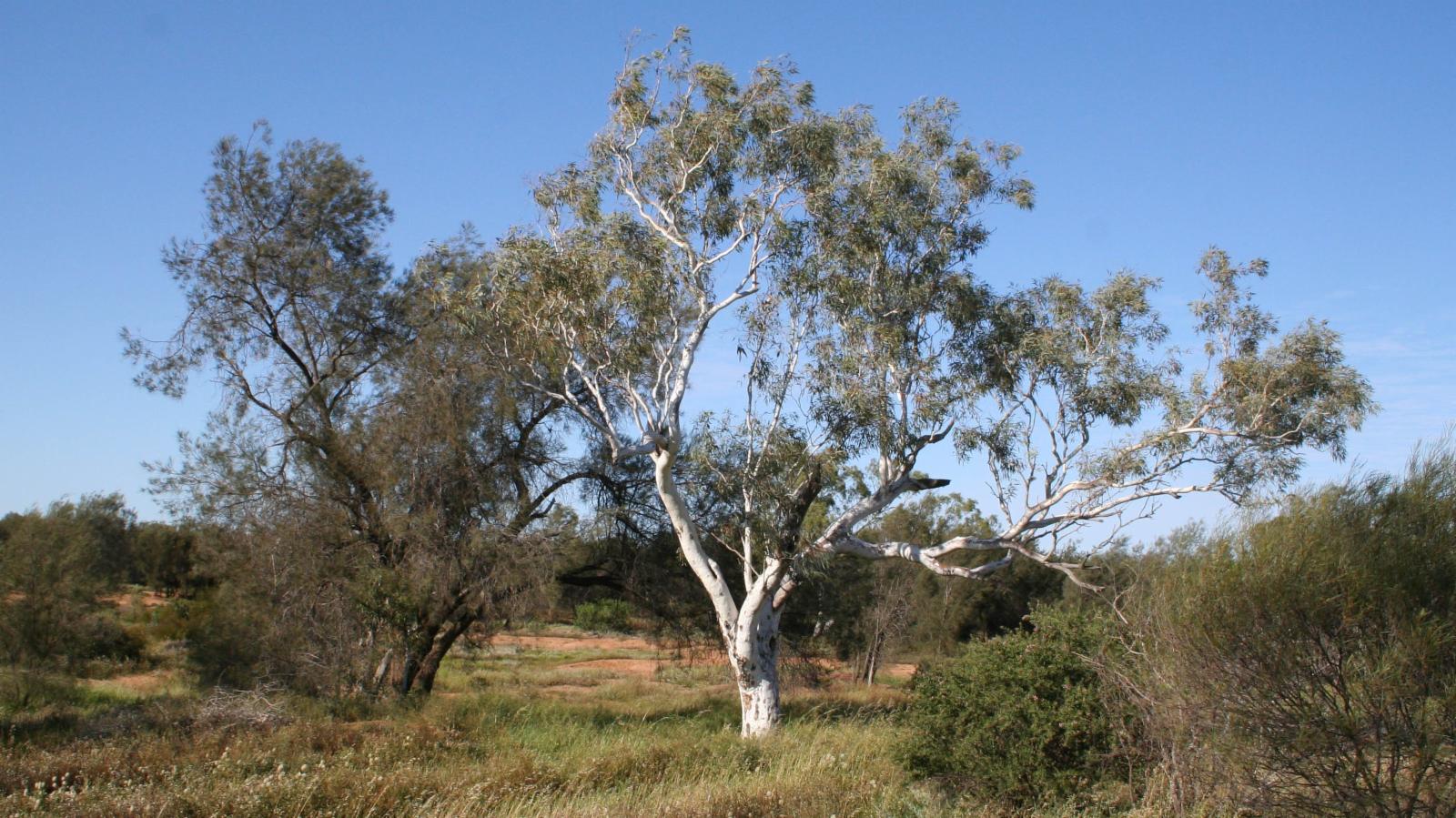
Eucalyptus
Eucalyptus () is a genus of more than 700 species of flowering plants in the family Myrtaceae. Most species of Eucalyptus are trees, often mallees, and a few are shrubs. Along with several other genera in the tribe Eucalypteae, including Corymbia and Angophora, they are commonly known as eucalypts or "gum trees". Species of Eucalyptus have bark that is either smooth, fibrous, hard, or stringy and leaves that have oil glands. The sepals and petals are fused to form a "cap" or operculum over the stamens, hence the name from Greek eû 'well' and kaluptós 'covered'.

Ficus benjamina
species of flowering plant
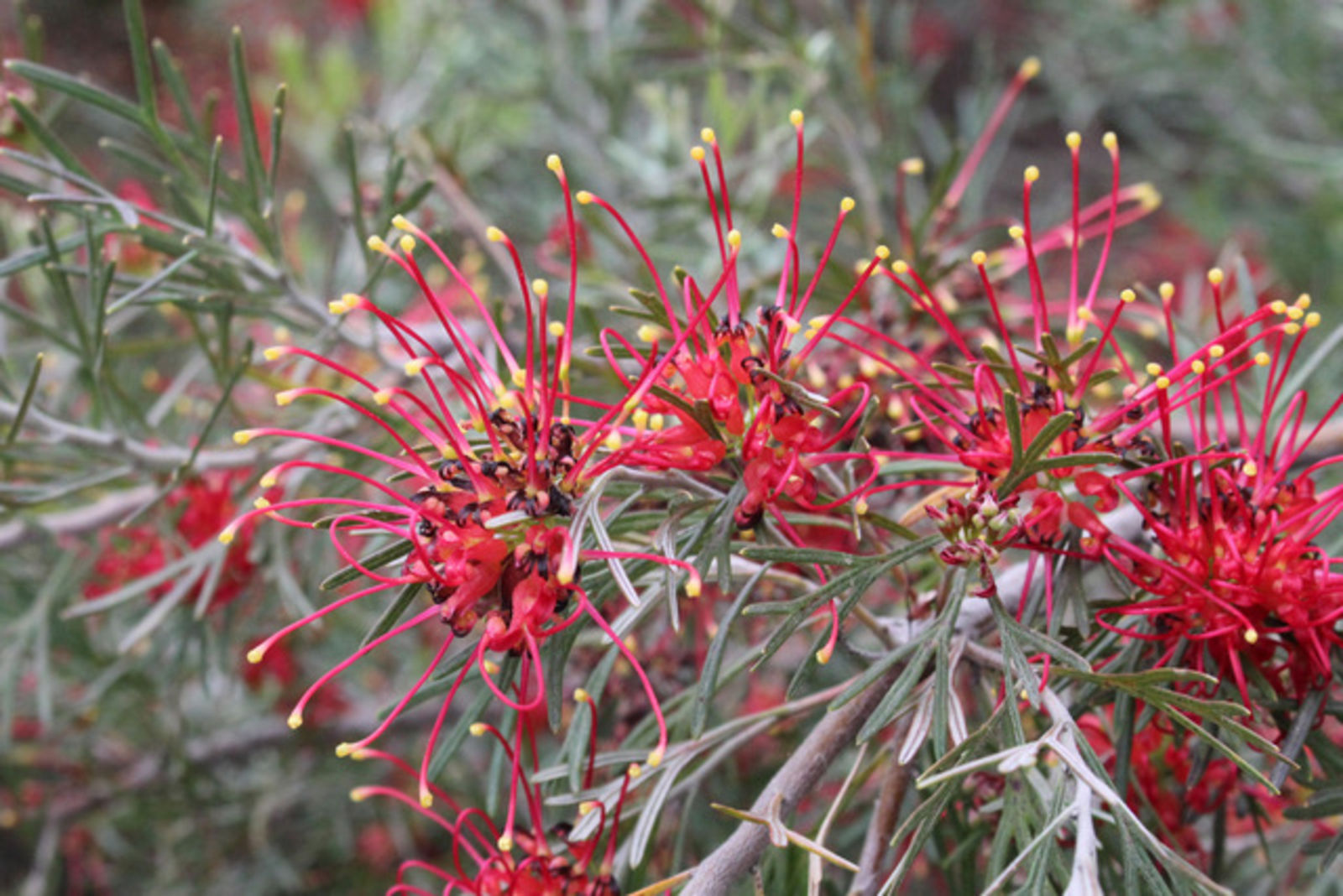
Grevillea
Grevillea (), commonly known as spider flowers, is a genus of about 360 species of evergreen flowering plants in the family Proteaceae. Plants in the genus Grevillea are shrubs, rarely trees, with the leaves arranged alternately along the branches, the flowers zygomorphic, arranged in racemes at the ends of branchlets, and the fruit a follicle that splits down one side only, releasing one or two seeds.
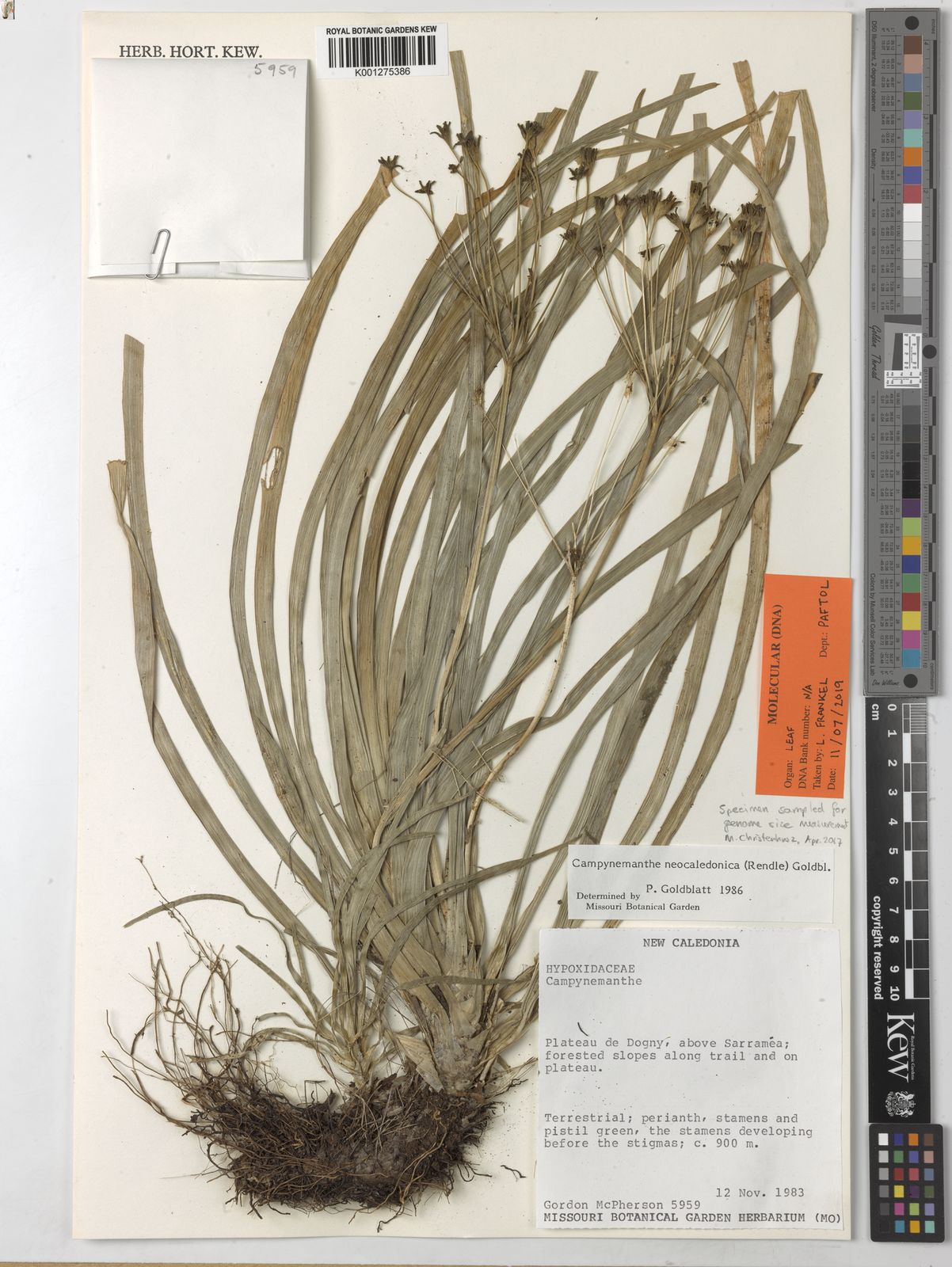
Campynemataceae
Campynemataceae (Campynemaceae) is a family of flowering plants. The family consists of two genera and four species of perennial herbaceous plants endemic to New Caledonia and Tasmania.
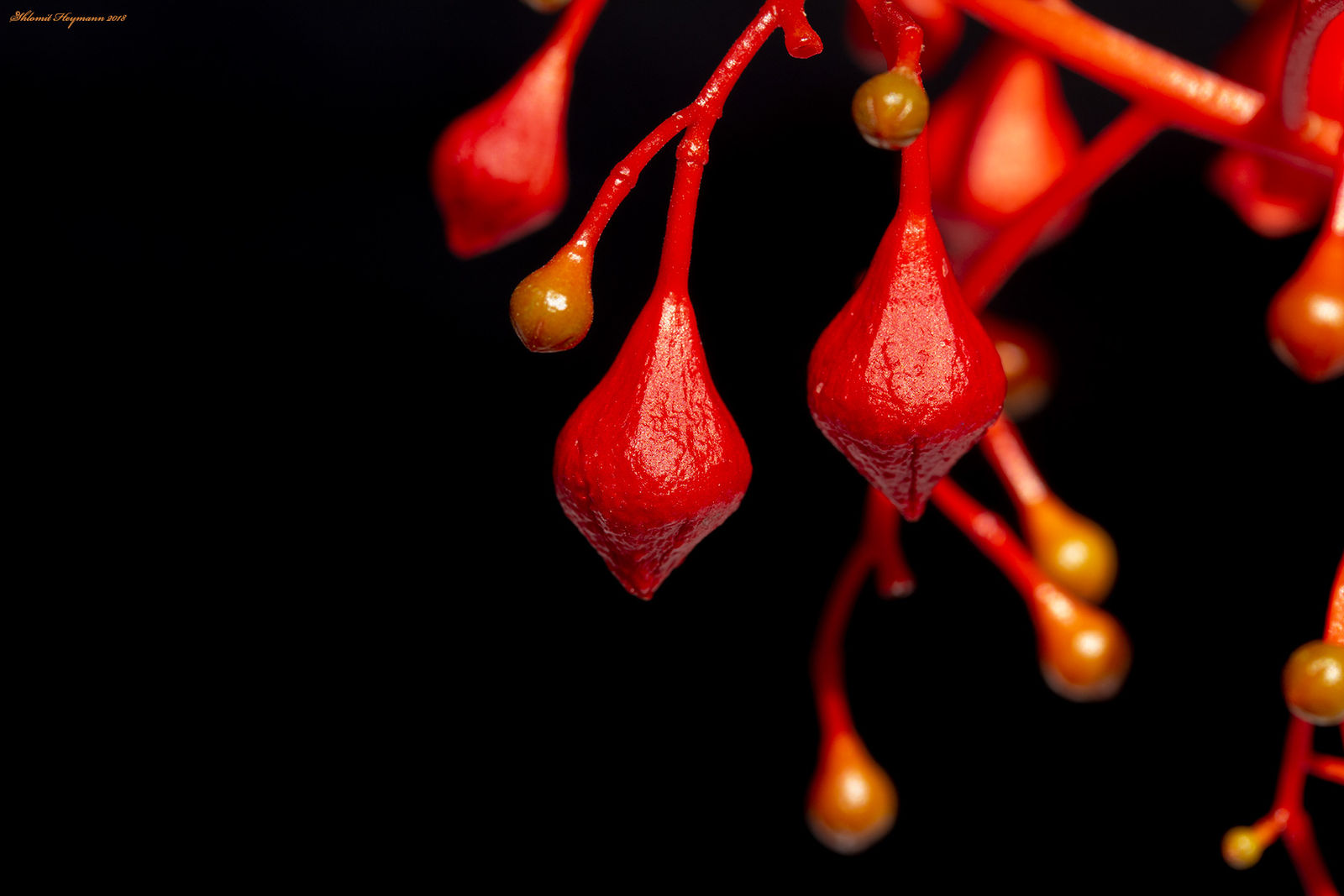
Brachychiton
Brachychiton (kurrajong, bottletree) is a genus of 31 species of trees and large shrubs, native to Australia (the centre of diversity, with 30 species) and New Guinea (one species). Fossils from New South Wales and New Zealand are estimated to be 50 million years old, corresponding to the Paleogene.
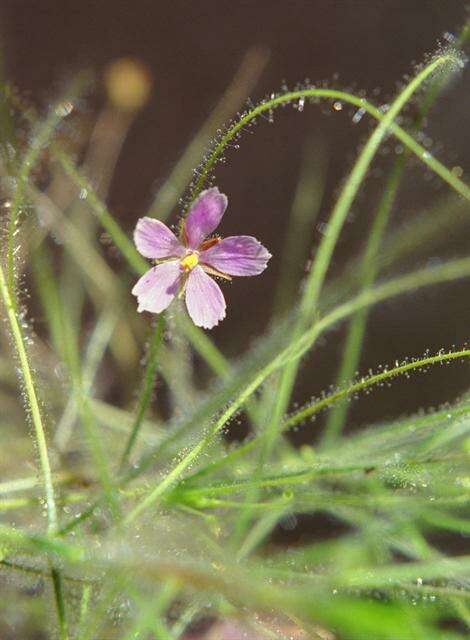
Byblis
genus of plants
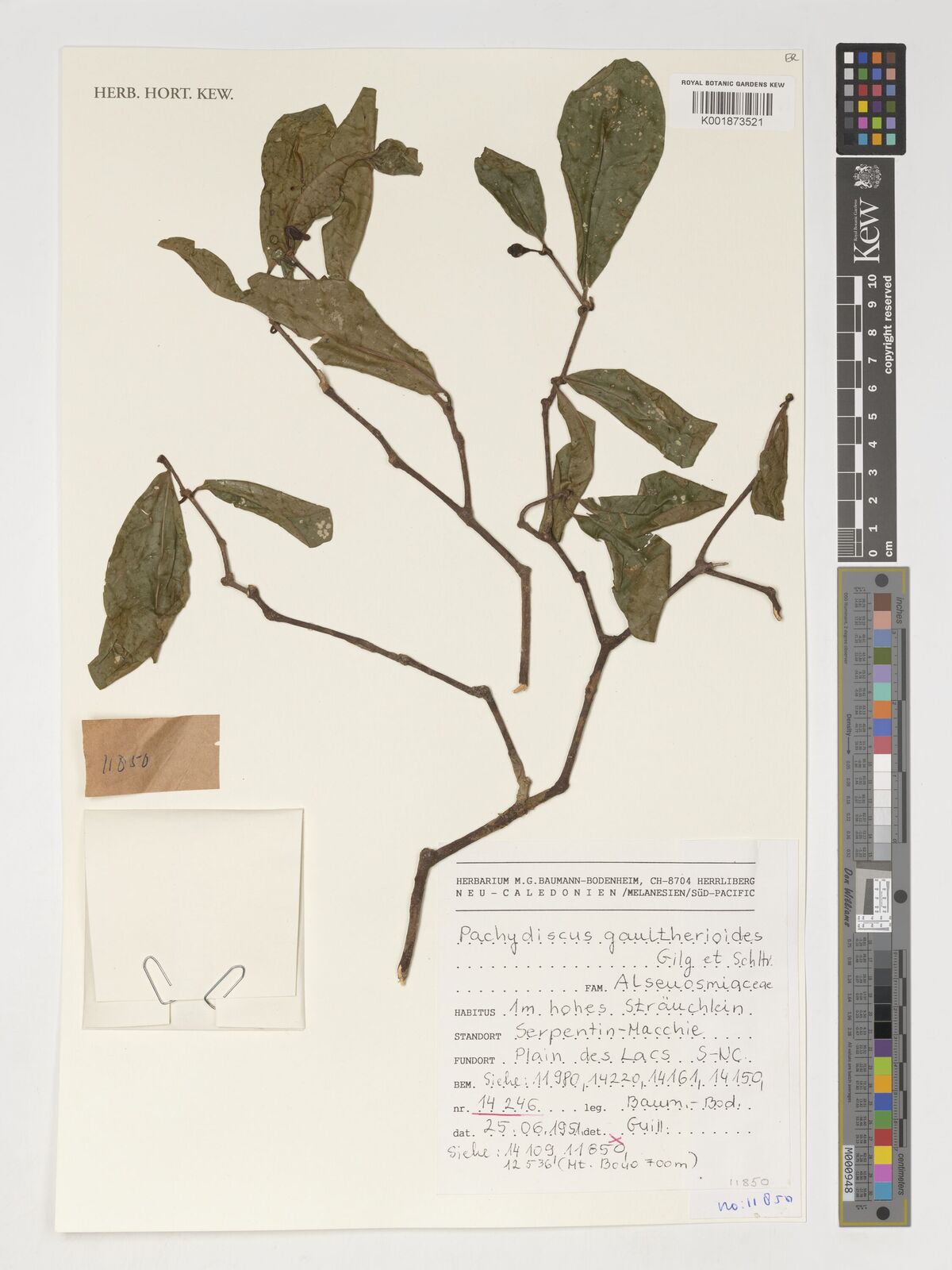
Alseuosmiaceae
Alseuosmiaceae is a plant family of the order Asterales found in Australia, New Caledonia, New Zealand, and New Guinea.
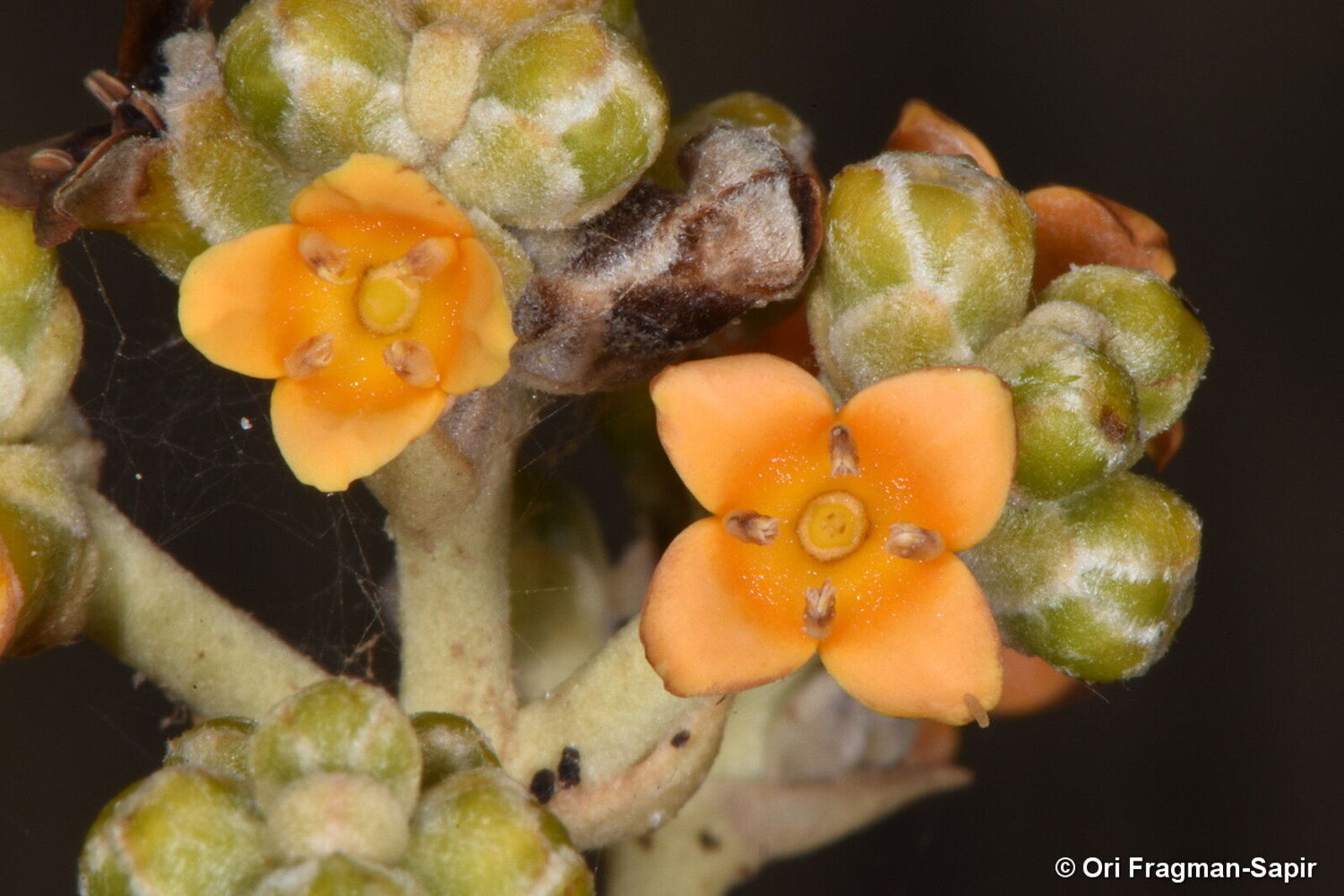
Avicennia marina
species of plant
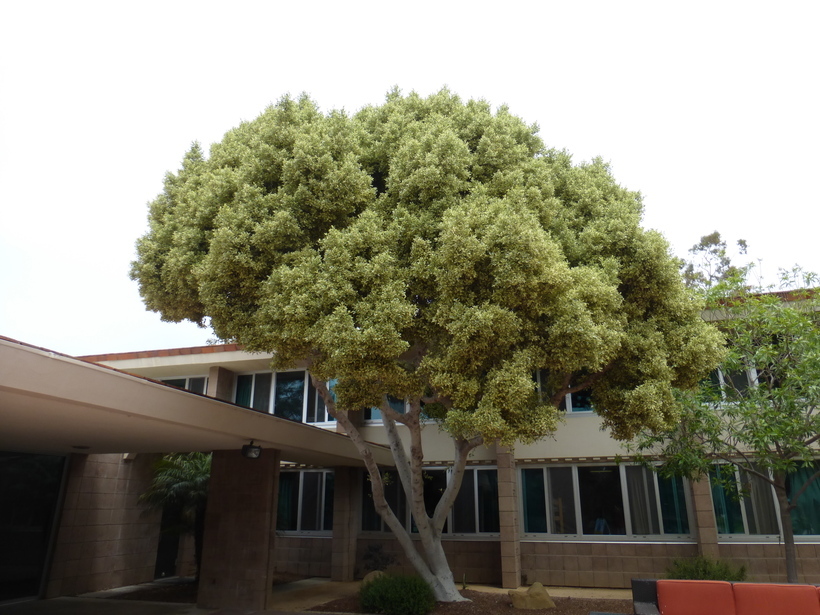
Ficus microcarpa
species of fig
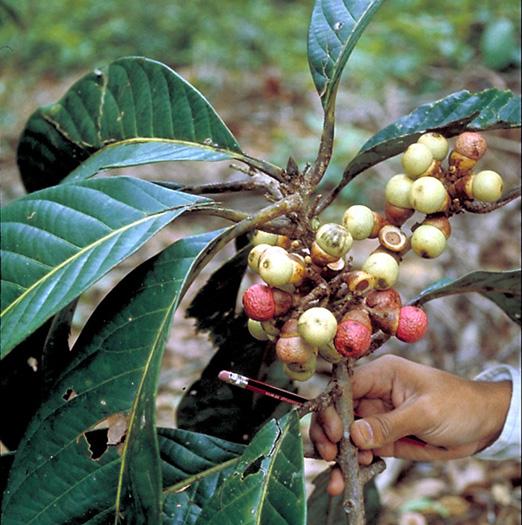
Litsea
Litsea is a genus of evergreen or deciduous trees or shrubs belonging to the laurel family, Lauraceae. The genus includes a large number of accepted species in tropical and subtropical areas of Asia, Australasia, the western Pacific, and North and Central America.

Heliotropium arboreum
species of plant

Olearia
Olearia, most commonly known as daisy-bush, is a genus of flowering plants belonging to the family Asteraceae, the largest of the flowering plant families in the world. Olearia are found in Australia, New Guinea and New Zealand. The genus includes herbaceous plants, shrubs and small trees. The latter are unusual among the Asteraceae and are called tree daisies in New Zealand. All bear the familiar daisy-like composite flowerheads in white, pink, mauve or purple.
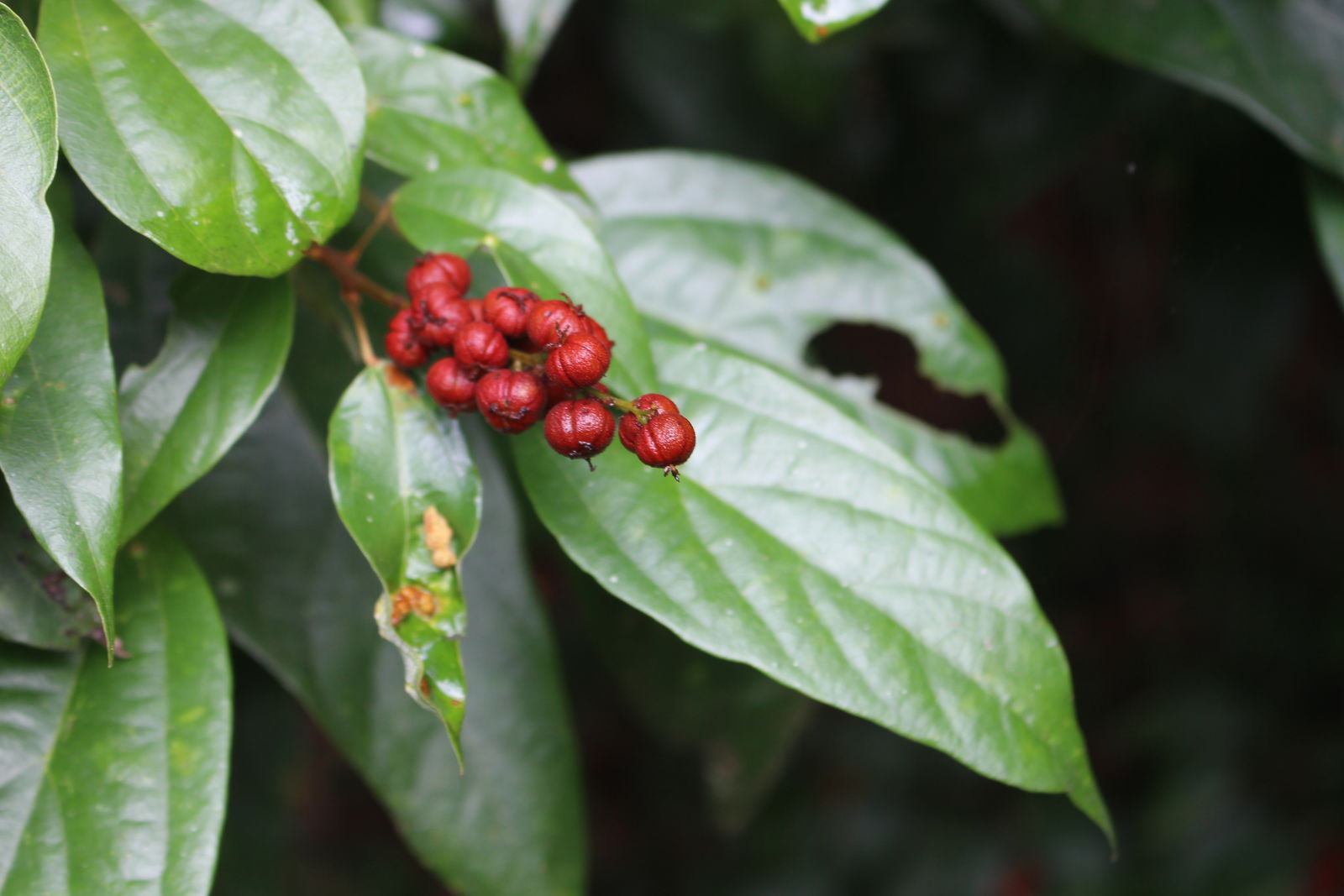
Mallotus philippensis
species of plant
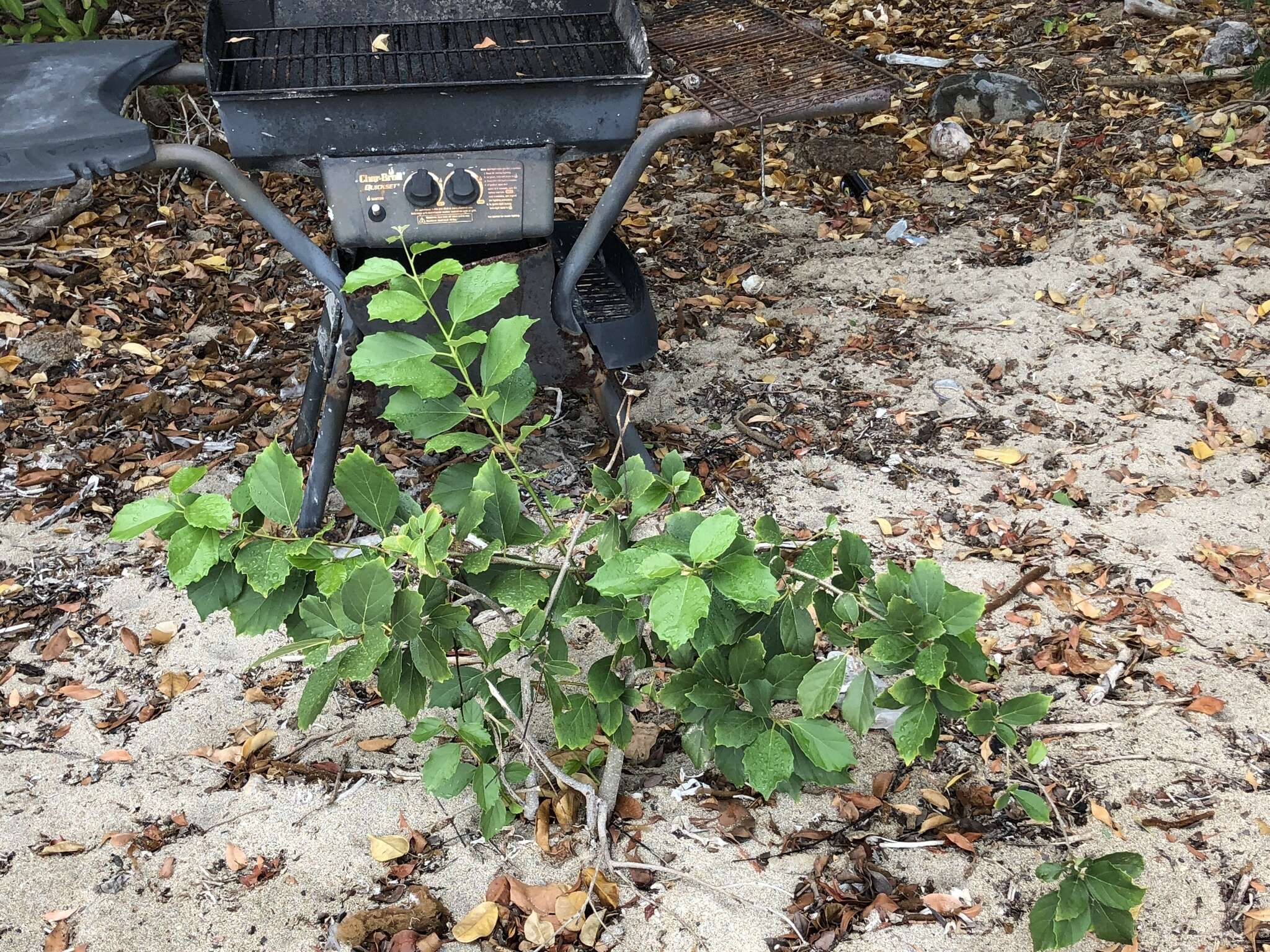
Cordia dichotoma
species of plant in the family Boraginaceae
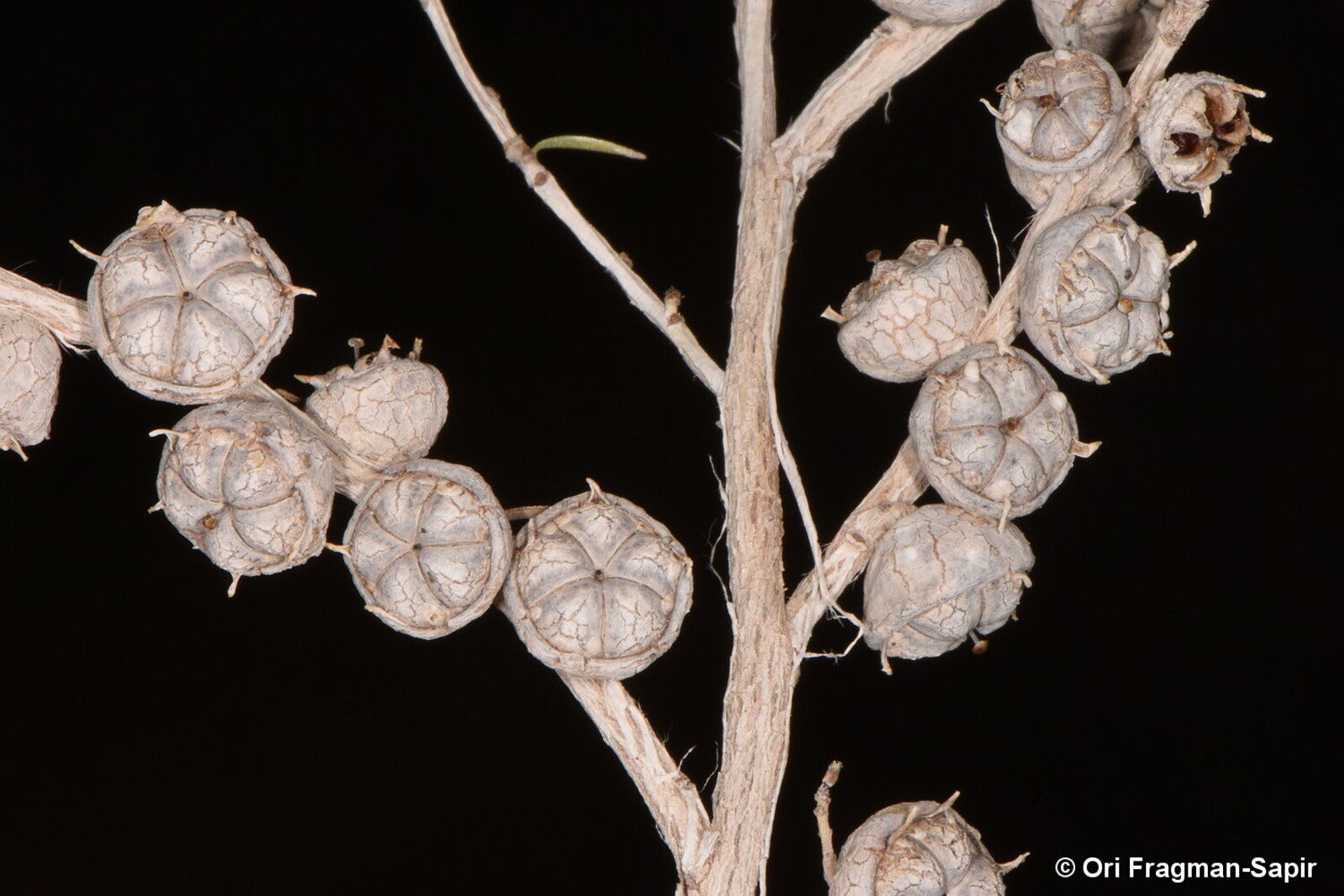
Kunzea
Kunzea is a genus of plants in the family Myrtaceae and is endemic to Australasia. They are shrubs, sometimes small trees and usually have small, crowded, rather aromatic leaves. The flowers are similar to those of plants in the genus Leptospermum but differ in having stamens that are longer than the petals. Most kunzeas are endemic to Western Australia but a few occur in eastern Australia and a few are found in New Zealand. The taxonomy of the genus is not settled and is complicated by the existence of a number of hybrids.

Alloxylon
Alloxylon is a genus of four species in the family Proteaceae of mainly small to medium-sized trees. They are native to the eastern coast of Australia, with one species, A. brachycarpum, found in New Guinea and the Aru Islands. The genus is a relatively new creation, being split off from Oreocallis in 1991. The name is derived from Ancient Greek "other" or "strange" and or "wood" due to their unusual cell architecture compared with the related genera Telopea and Oreocallis. In Australia, they are known as tree waratahs due to similarities in the inflorescences between them and the closely

Ptilotus
Ptilotus is a genus of approximately 125 species of flowering plants in the family Amaranthaceae, and is endemic to Australia, apart from Ptilotus conicus that also occurs in Malesia. Plants in the genus Ptilotus are annual or perennial herbs or shrubs with usually hairy spikes of compact spherical, oval or cylindrical flowers.

Austrosteenisia
Austrosteenisia is a genus of flowering plants in the family Fabaceae. It belongs to the subfamily Faboideae. It includes four species native to New Guinea and eastern Australia.
Austrosteenisia blackii – eastern New Guinea, Queensland, and New South Wales
Austrosteenisia glabristyla – southeastern Queensland and northeastern New South Wales
Austrosteenisia mollitricha – Queensland
Austrosteenisia stipularis – Queensland
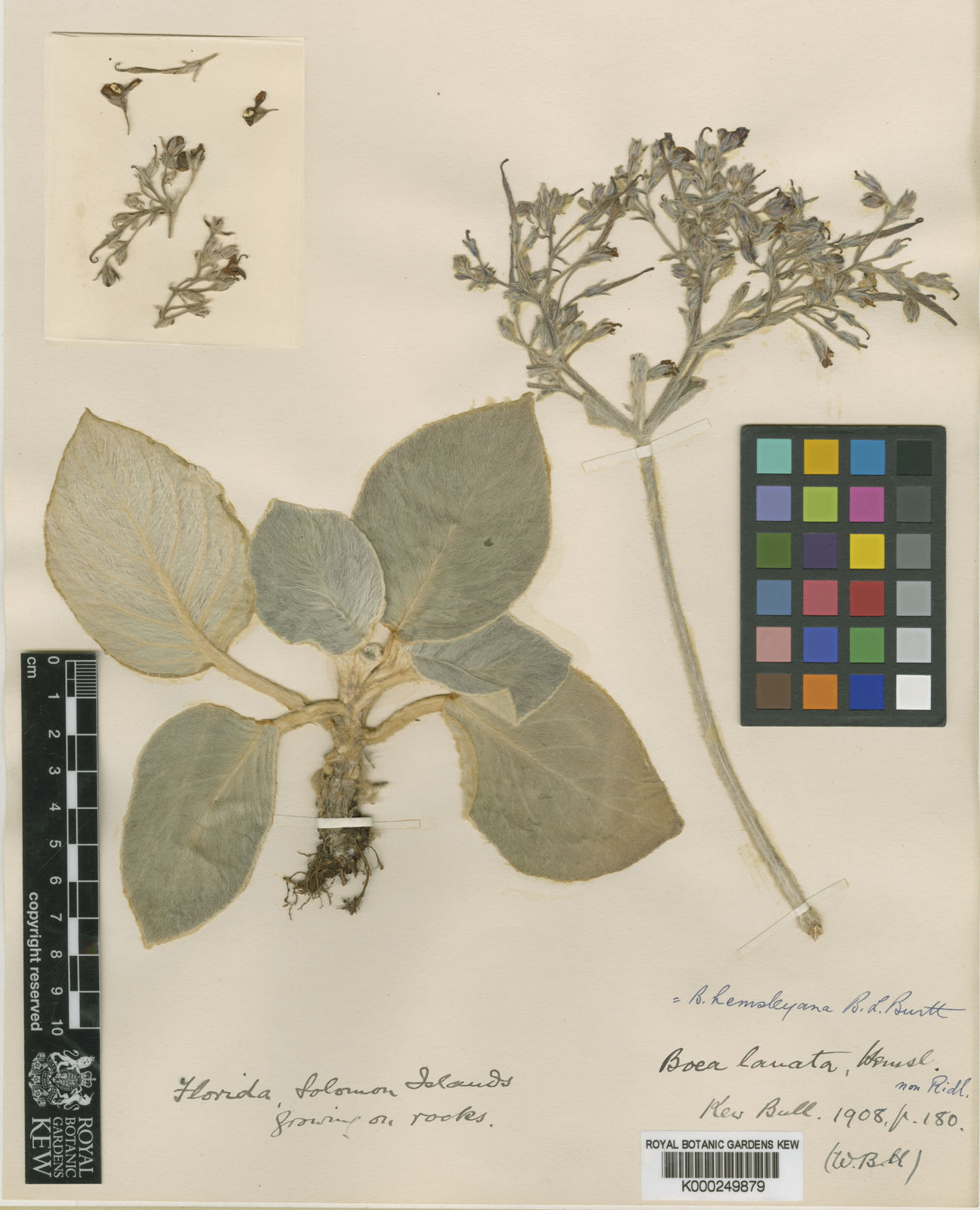
Boea
Boea is a genus of plants in the family Gesneriaceae, with species originating from Australia, China, India, Malaysia, Myanmar, Philippines, Polynesia, Solomon Islands, Thailand, Papua New Guinea, Indonesia, Nepal, Bhutan, Cambodia, Vietnam and Laos.
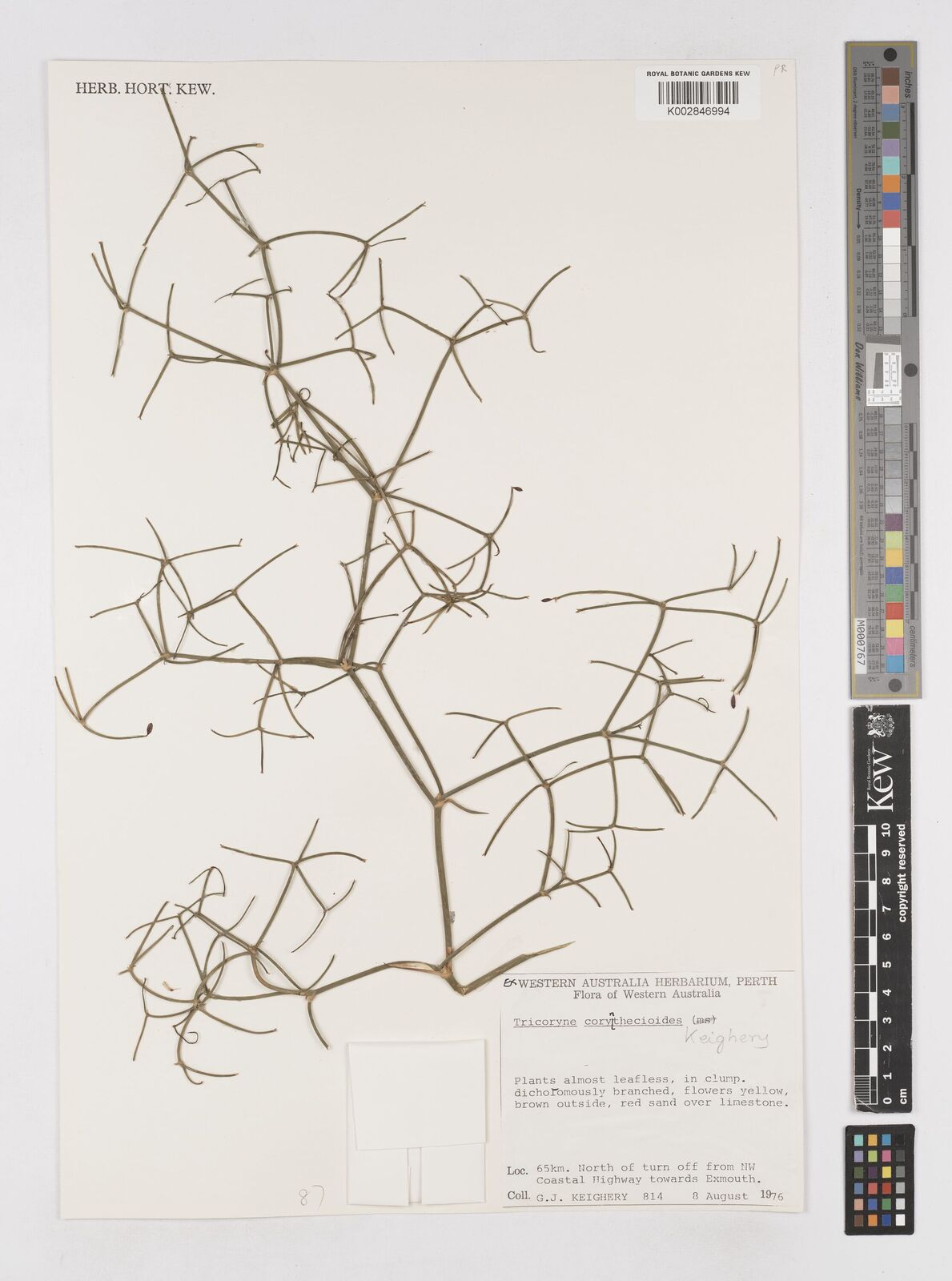
Tricoryne
Tricoryne is a genus of perennial herbs in the family Asphodelaceae, subfamily Hemerocallidoideae. All species are native to Australia with two species extending to New Guinea; within Australia they occur in all 6 states and the Northern Territory.

Stenocarpus
thumb|Stenocarpus angustifolius foliage, flowers and fruit
thumb|Stenocarpus cryptocarpus
thumb|Stenocarpus davallioides
thumb|Stenocarpus salignus

Falcataria
thumb|Japanese container made of Falcata
Falcataria is a genus of flowering plants in the family Fabaceae. It belongs to the monophyletic Mimosoid clade in the subfamily Caesalpinioideae. The genus has three species previously classified in the Falcataria section of the genus Paraserianthes by I.C. Neilsen. The distribution of these closely related species within the genus Falcataria links the wet tropics of north-east Australia to New Guinea, the Moluccas, Bismarck Archipelago, and the Solomon Islands east of Wallace's line similar to other plant taxa from the region.

Avicennia alba
species of plant
Cartonema
Cartonema is a genus of perennial or annual monocotyledonous flowering plants in the dayflower family. It is restricted to Australia and nearby Trangan Island, one of Indonesia's Aru Islands. It is the earliest diverging member of its family and has a number of traits that are unique within it, such as non-succulent leaves and a lack of raphides (a particular form of calcium oxalate). Its distinctive features led to the genus to once be considered part of its own separate family, Cartonemataceae. However, analysis of DNA sequences, as well as many common anatomical characters, has supported it
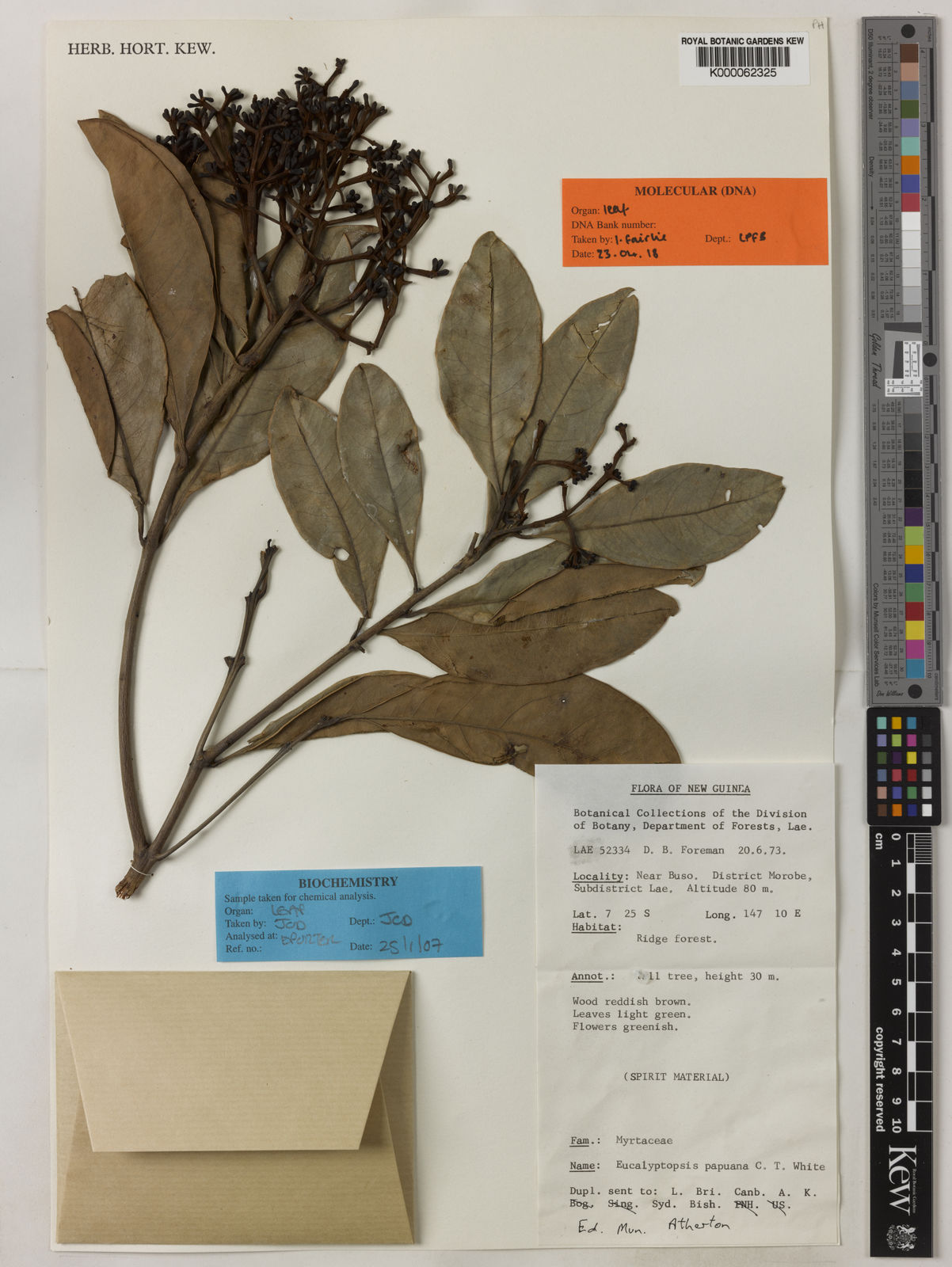
Eucalyptopsis
Eucalyptopsis is a genus of two species of trees in the Eucalypteae tribe of the family Myrtaceae. They are native to New Guinea and the Moluccas, and their closest relatives are the species Stockwellia quadrifida and Allosyncarpia ternata, both of which are the sole species in their respective genera.
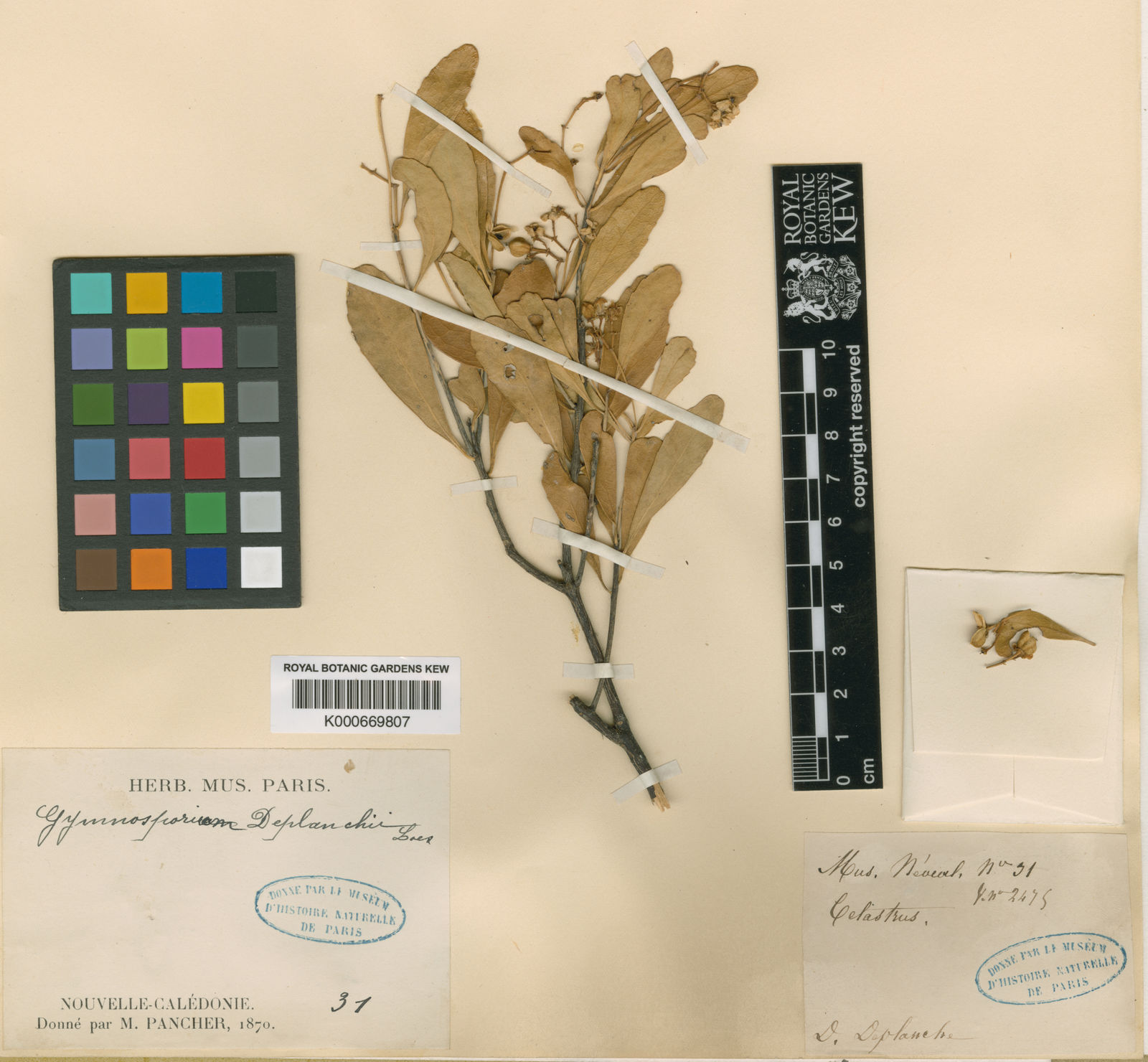
Denhamia
Denhamia is a genus of plants within the family Celastraceae, with species in Australia, New Guinea, and New Caledonia. The species inhabit a variety of environments, from rainforest to semi-arid savanna. All species grow as shrubs or small trees up to 10 metres in height. 18 species are currently accepted. Based on a molecular and morphological analysis, the genus was enlarged in 2011 to include several Australian and Pacific island species formerly classified as Maytenus – Denhamia bilocularis, D. cunninghamii, D. cupularis, D. disperma, D. fasciculiflora, D. ferdinandii, D.fournieri, and D.
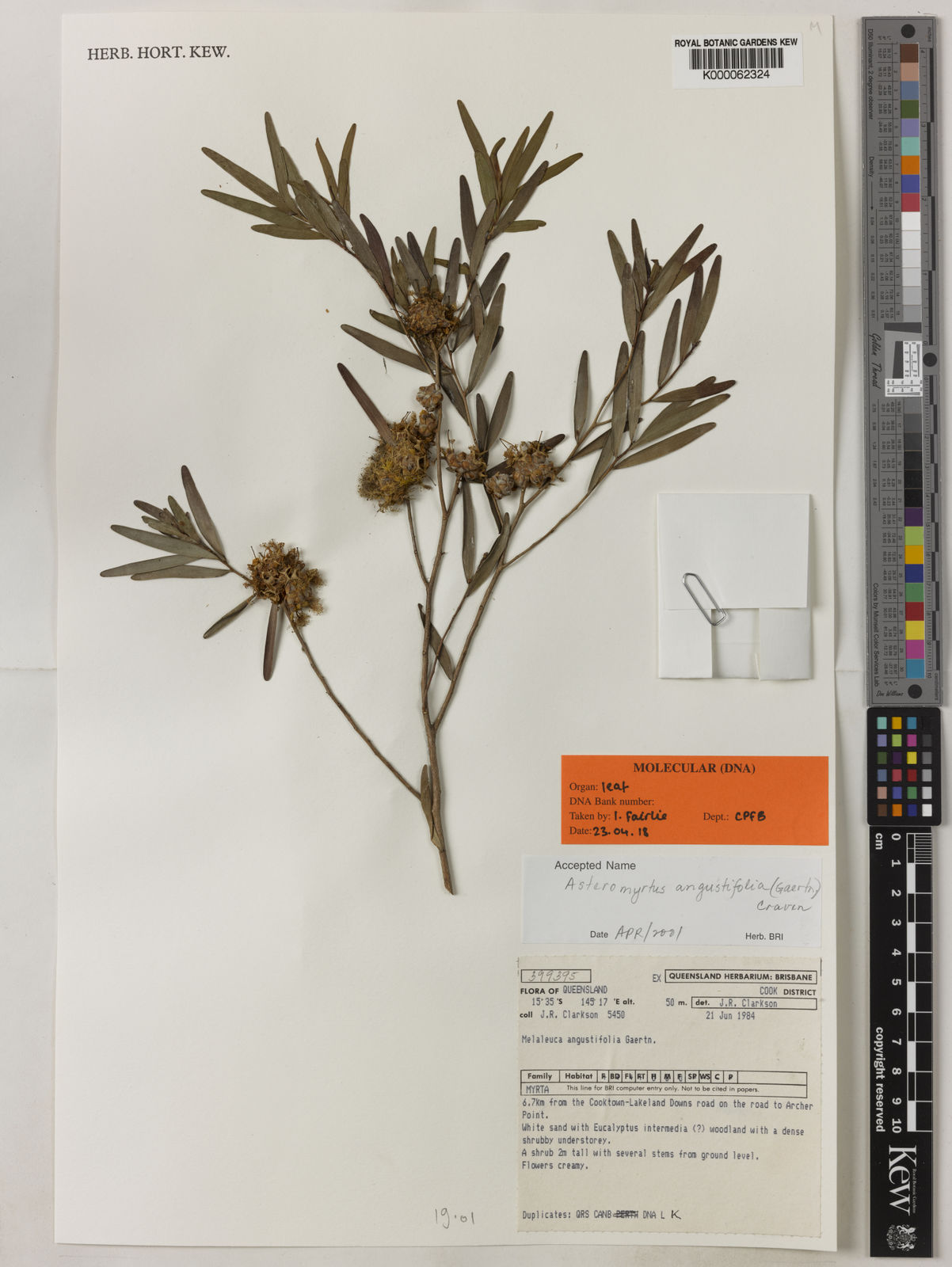
Asteromyrtus
Asteromyrtus is a genus of flowering plants in the Myrtaceae family. It is closely related to Callistemon and Melaleuca.
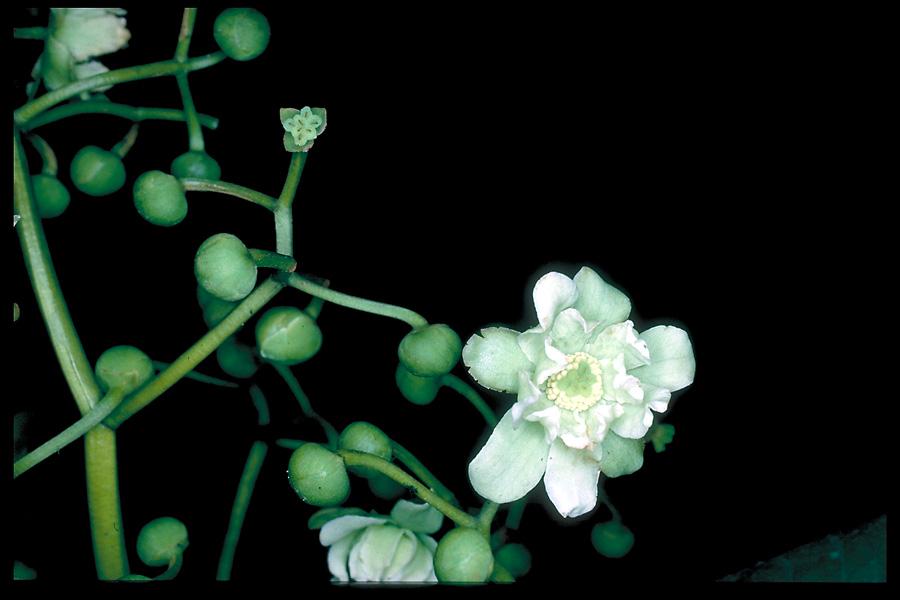
Zygogynum
Zygogynum is a genus of plants in the family Winteraceae with 47 species . They are native to areas from Borneo through New Guinea and Queensland to New Caledonia, with 22 species in New Guinea. Initially, the genus was thought to be endemic to New Caledonia, but in 1985 Willem Vink transferred the related genera Bubbia and Exospermum to Zygogynum, thus extending the range westward. More recently, new species have been identified and described which again extends the range of the genus such that it now includes Borneo. It is one of the few angiosperm genera in which the wood lacks xylem vessel
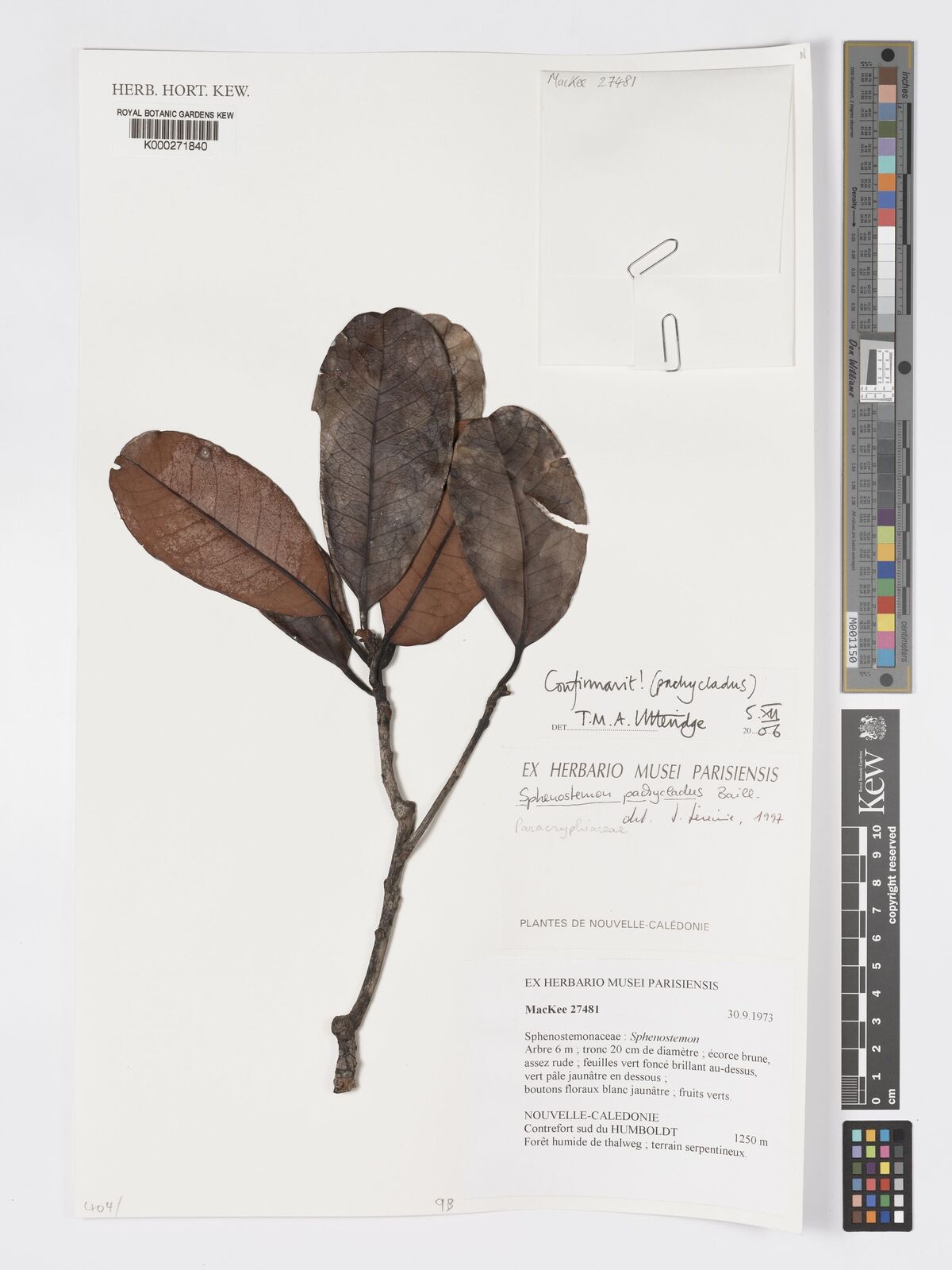
Quintinia
Quintinia is a genus of about 25 evergreen trees and shrubs in the family Paracryphiaceae, native to the Philippines, New Guinea, New Zealand, New Caledonia, Vanuatu and Australia. Plants have alternate leaves. White or lilac flowers form at the end of stalks or on leaf axils. The fruiting body is a capsule, usually containing a large number of tiny seeds. The genus is named after the gardener Jean-Baptiste de la Quintinie.
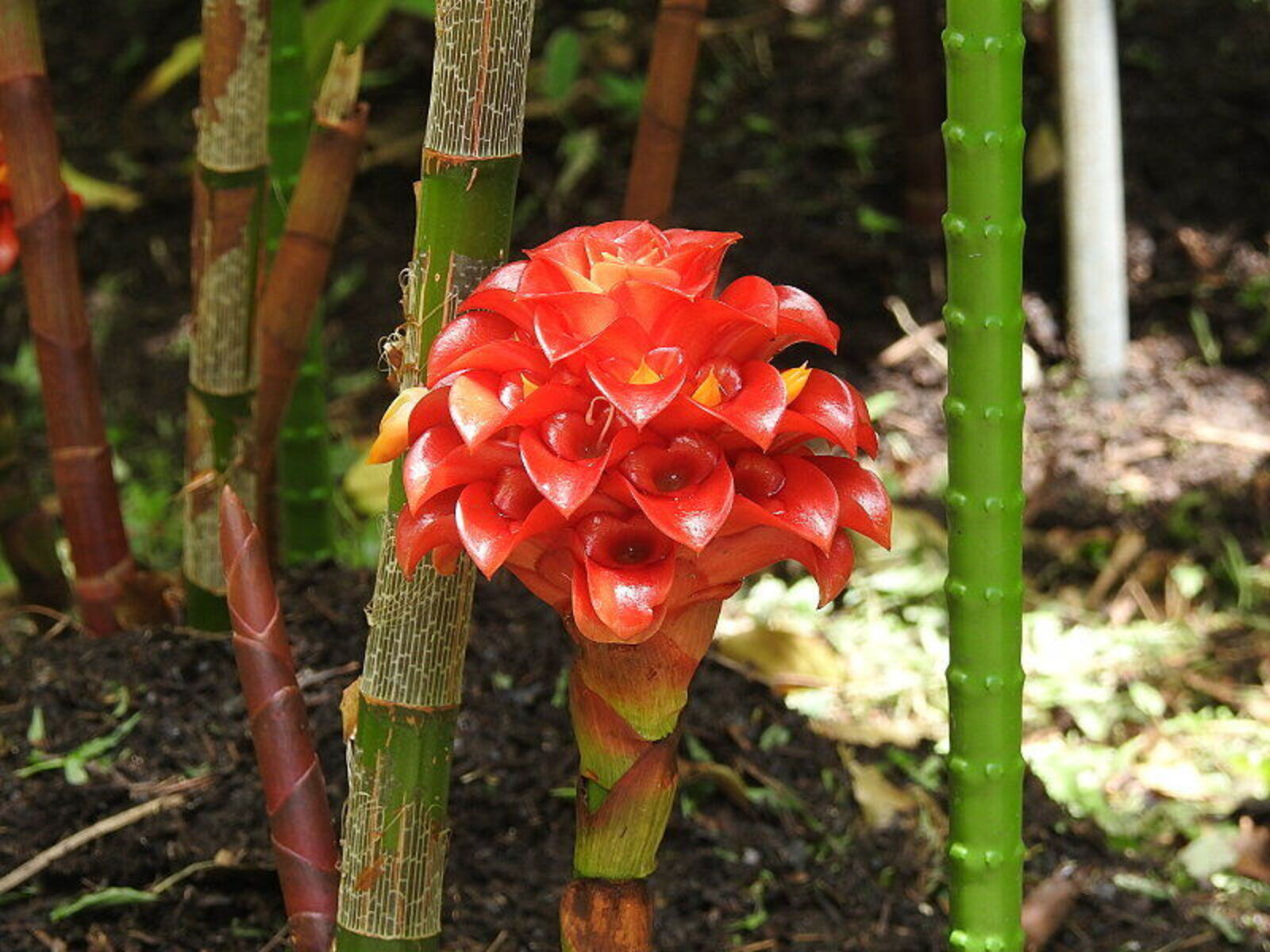
Tapeinochilos
Tapeinochilos is a group of plants in the Costaceae described as a genus in 1869. It is native to Queensland, Papuasia, and the Indonesian Province of Maluku. Centered in Papua New Guinea, only three of the approximately 16 species occur outside of the country.
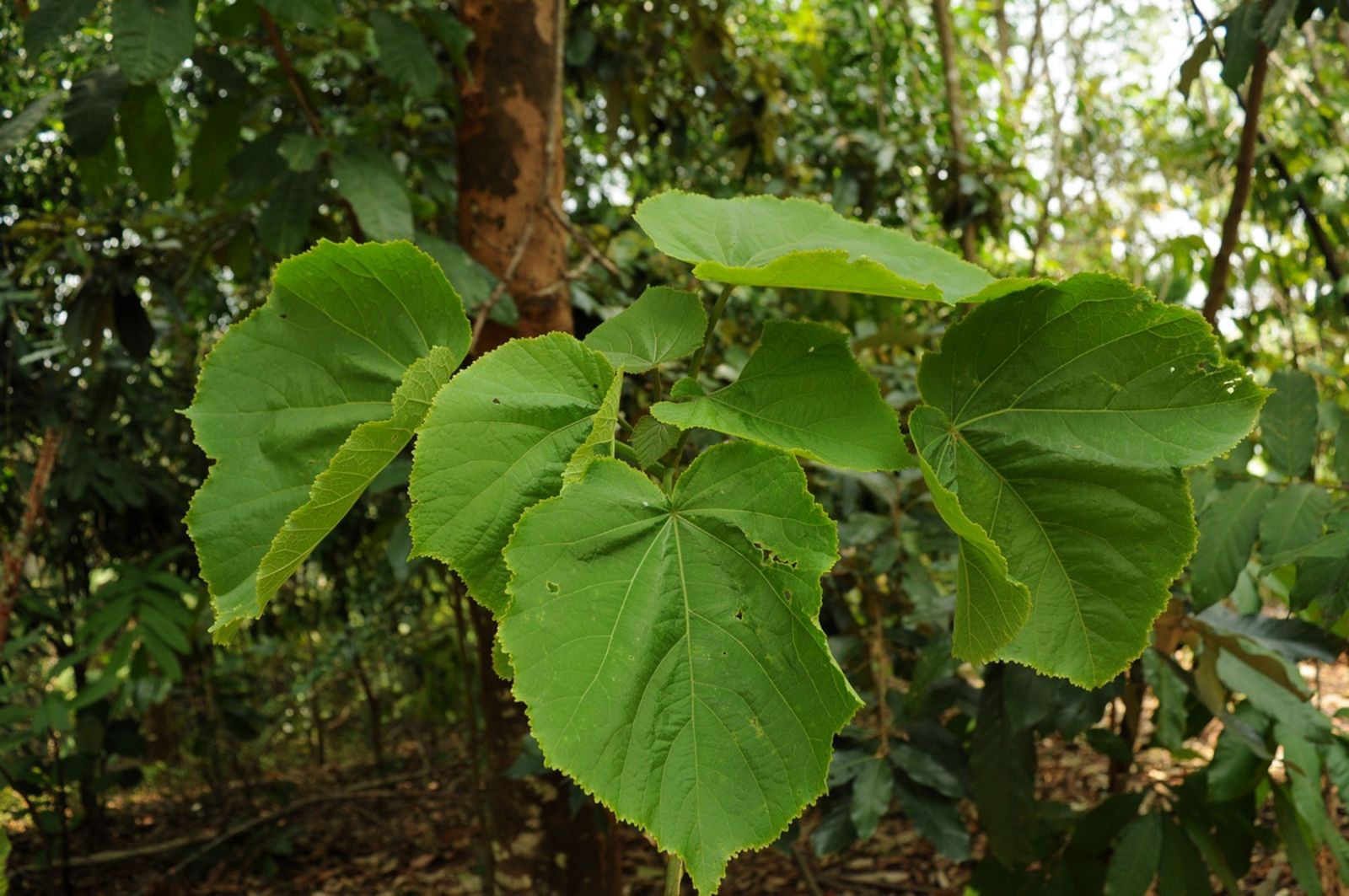
Tetrameles
Tetrameles is a genus of flowering plants in the family Tetramelaceae with one species, Tetrameles nudiflora. It grows as a large deciduous tree and is found across southern Asia from India through southeast Asia, Malesia, and into northern Australia.
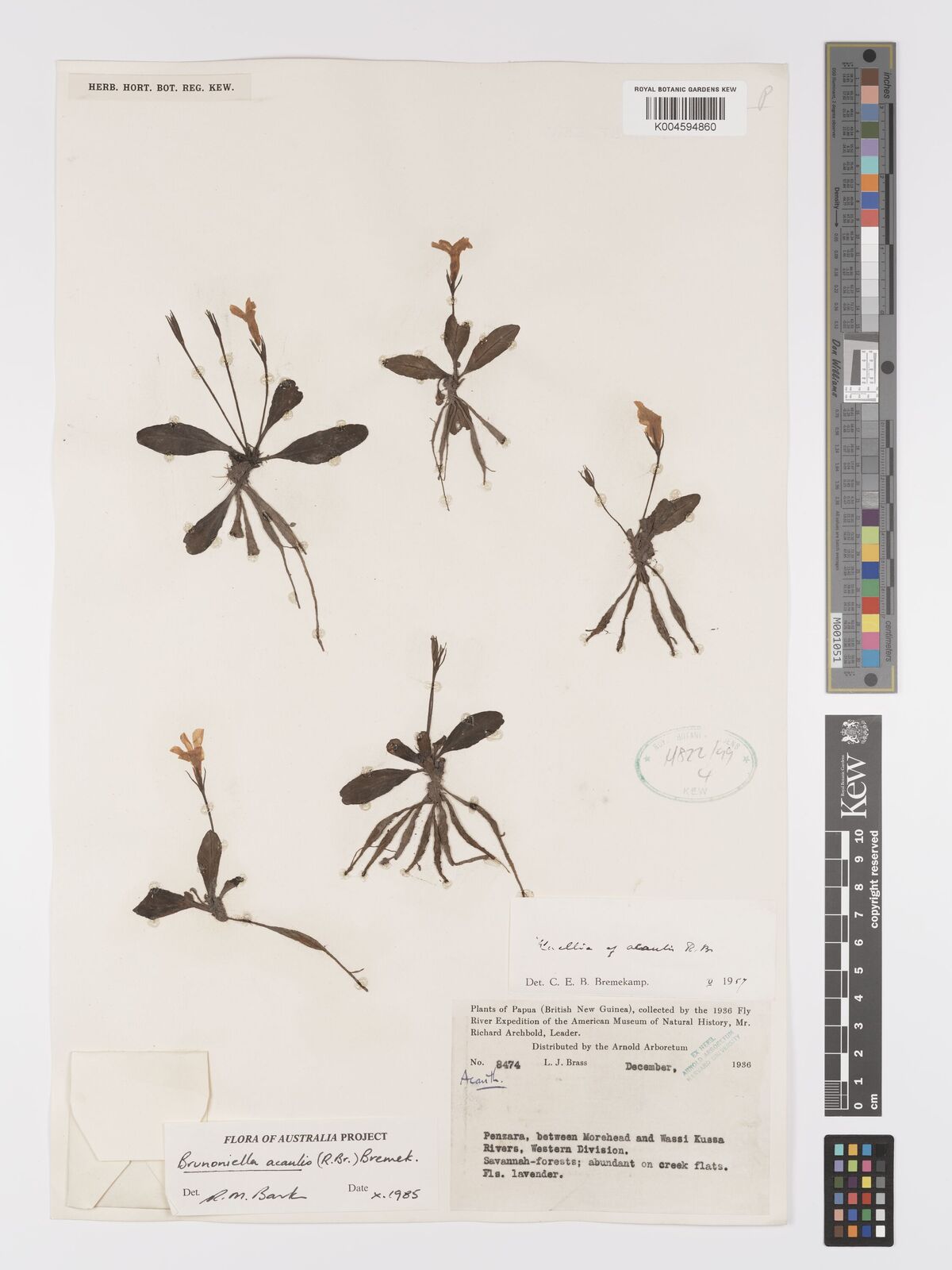
Brunoniella
Brunoniella is a genus of flowering plants in the family Acanthaceae. It includes six species native to Australia and New Caledonia.
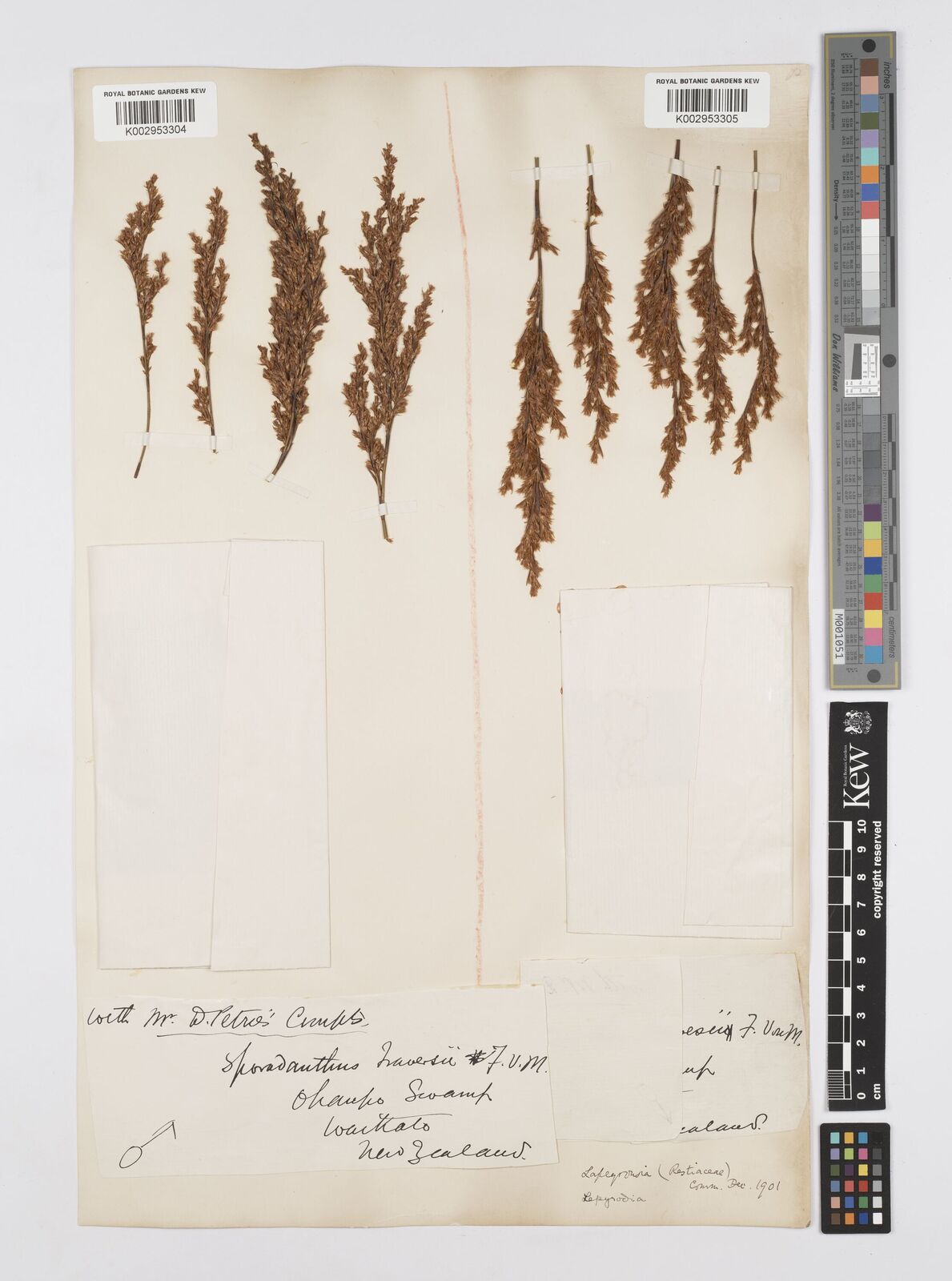
Sporadanthus
Sporadanthus is a group of plants in the Restionaceae first described as a genus in 1874 by Ferdinand von Mueller. It is native to Australia and New Zealand.
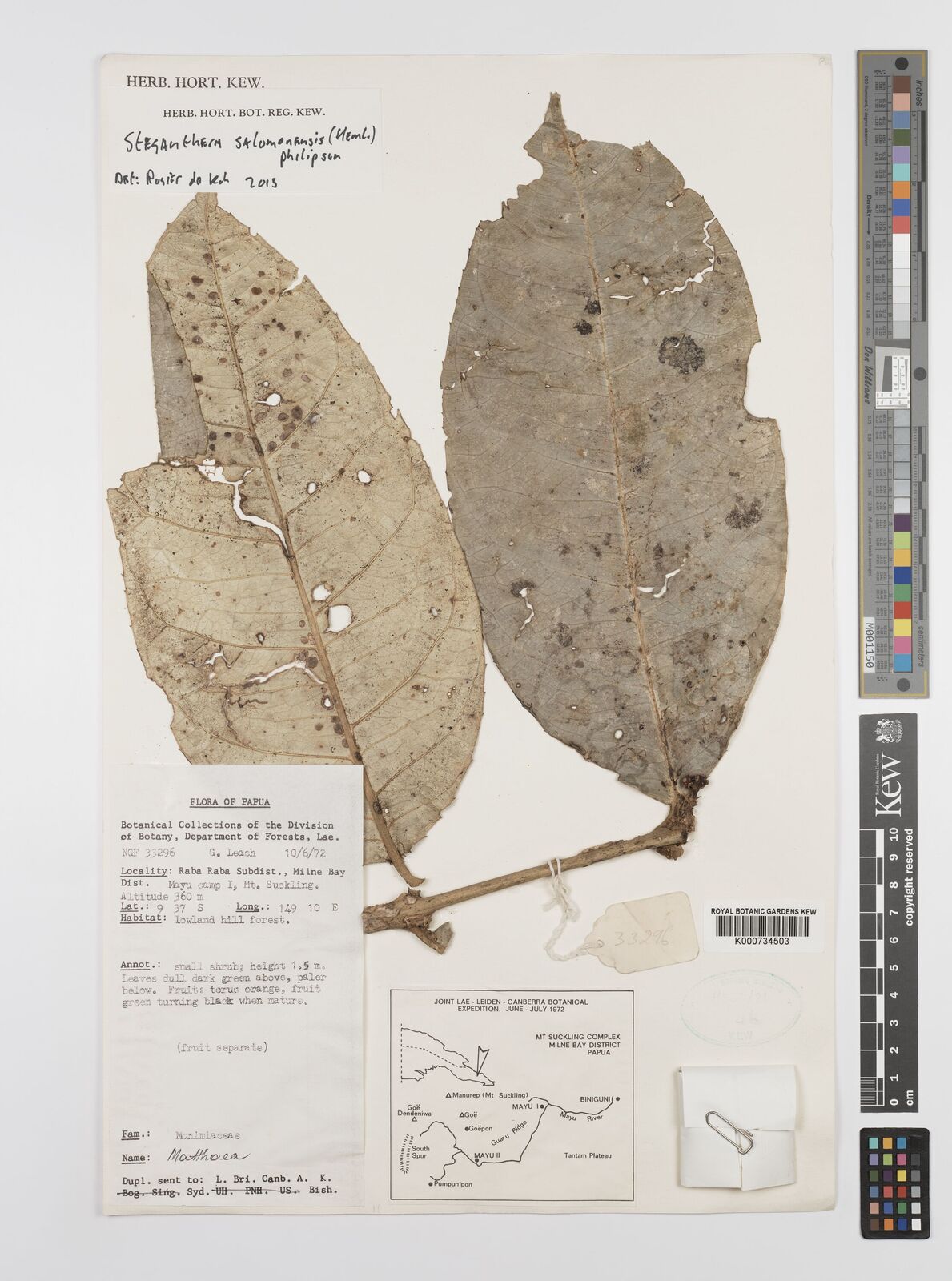
Steganthera
Steganthera is a genus of flowering plants belonging to the family Monimiaceae. Its native range is from Sulawesi through Maluku Islands, New Guinea, the Bismarck Archipelago, and Solomon Islands to Queensland.
Archontophoenicinae
Archontophoenicinae is a botanical subtribe consisting of several genera of palms, namely Archontophoenix from Queensland and New South Wales and Actinokentia, Chambeyronia and Kentiopsis from New Caledonia. NCBI Taxonomy Browser also includes the monotypic genus Wallaceodoxa from the western New Guinea. Two other genera, Hedyscepe from Lord Howe Island and Rhopalostylis from Norfolk Island, Australia, and New Zealand (including the Kermadec Islands) were formerly included in this subtribe, but have now been separated out to form the subtribe Rhopalostylidinae (Dransfield, Uhl et al., 2005). P
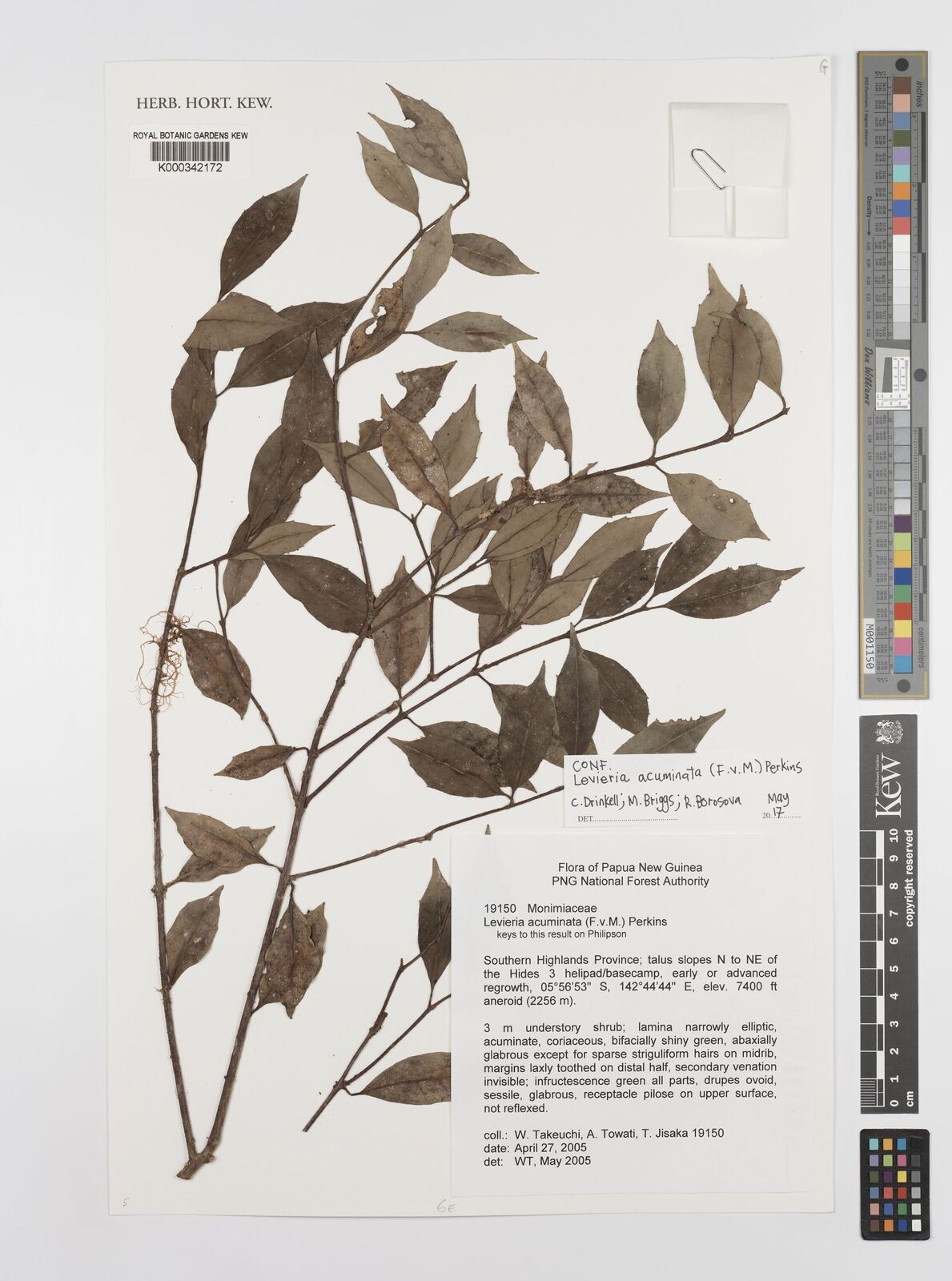
Levieria
Levieria is a genus of flowering plants belonging to the family Monimiaceae. They are dioecious trees or shrubs.

Tecomanthe
Tecomanthe is a genus of 5 species of tropical or subtropical forest lianes in the family Bignoniaceae. They have attractive trumpet-like flowers and glossy leaves. They are native to Australia, Indonesia, New Guinea, New Zealand, and the Solomon Islands.
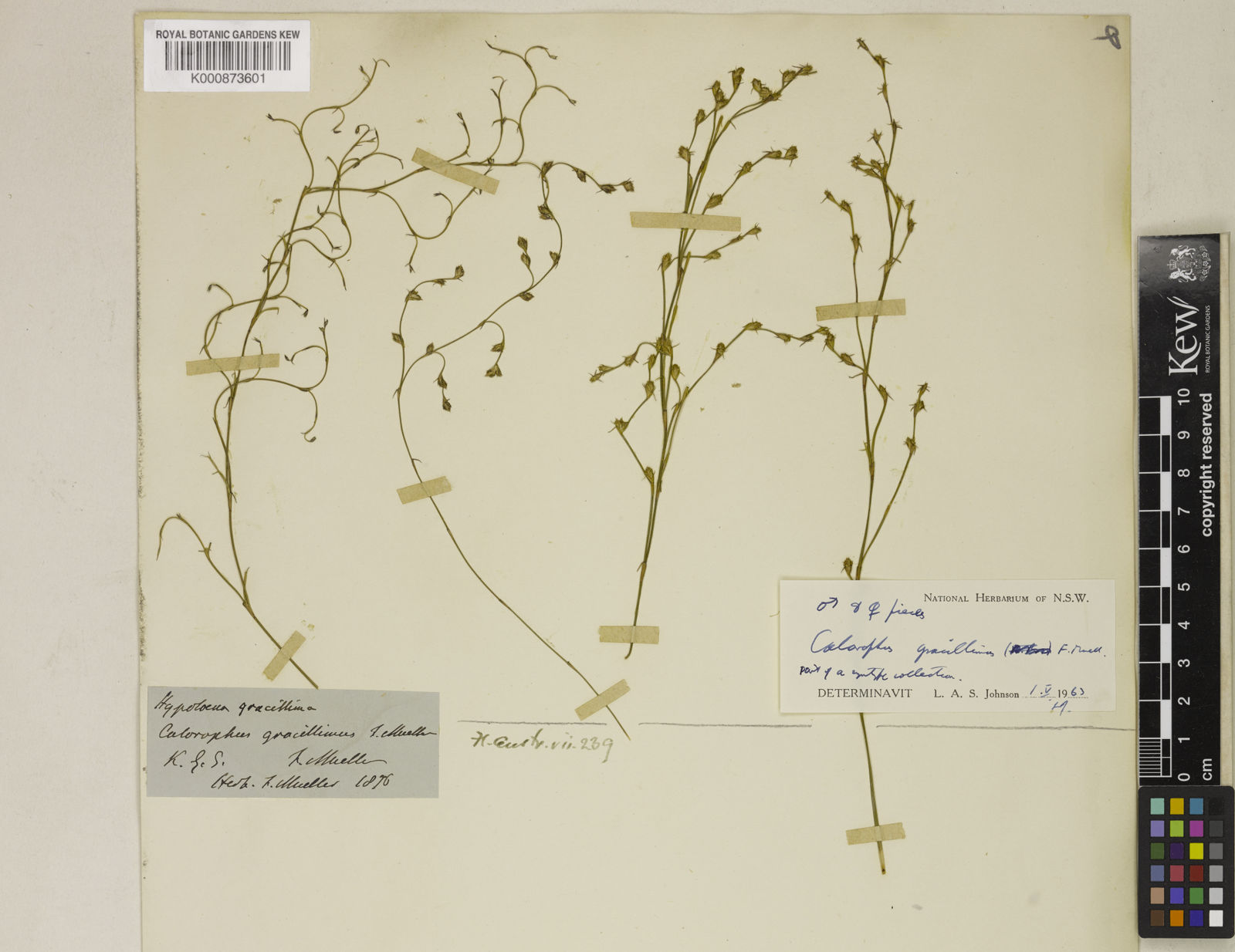
Empodisma
Empodisma is a genus of herbaceous rush-like plants in the family Restionaceae first described in 1974. It is native to Australia and New Zealand.
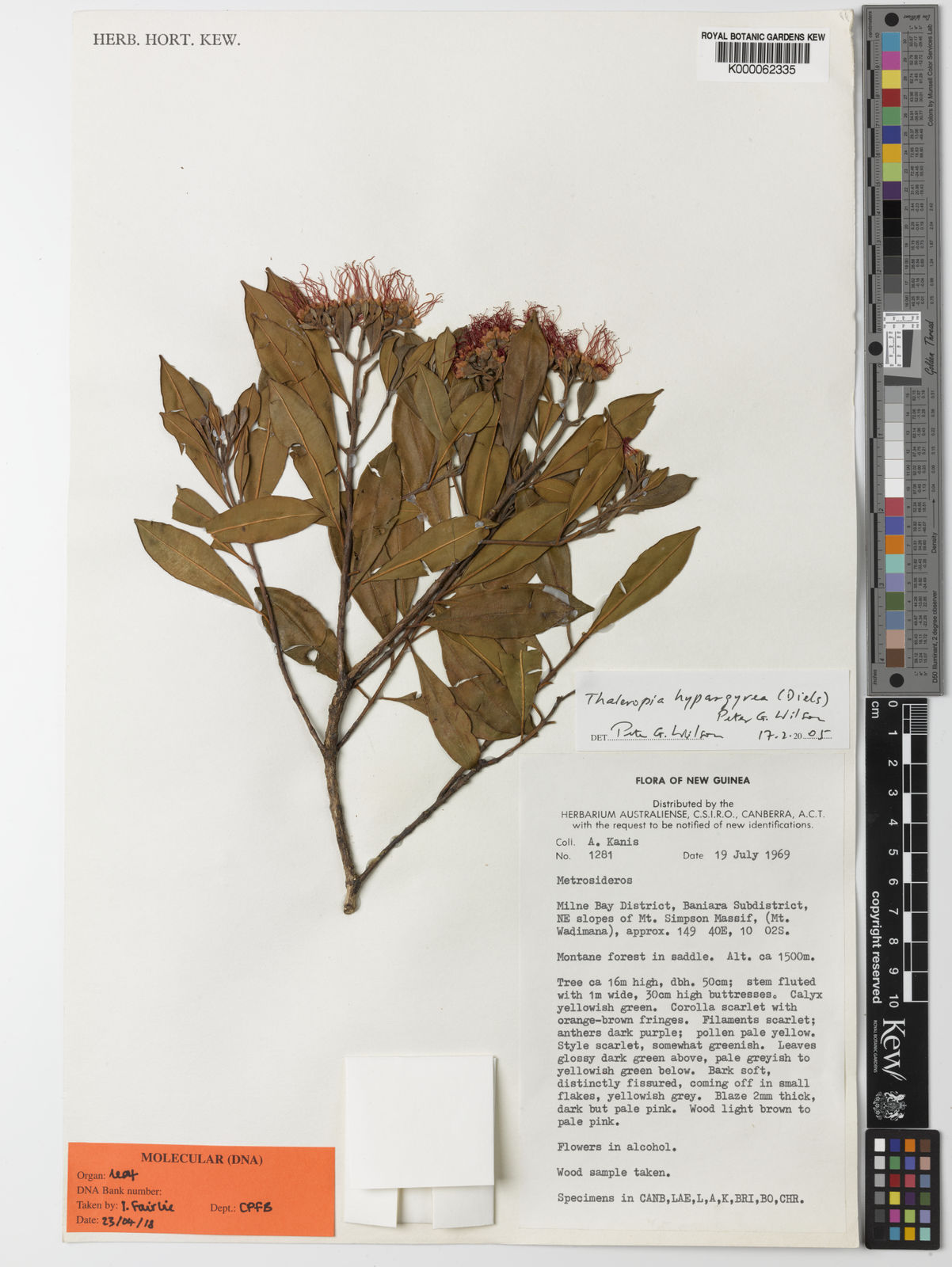
Thaleropia
Thaleropia is a genus of flowering plants in the family Myrtaceae first described as a genus in 1993. It is native to Queensland and Papuasia.
Petalostigma
Petalostigma is a genus of plants under the family Picrodendraceae and the monogeneric subtribe Petalostigmatinae, first defined by von Mueller in 1857. It is native to New Guinea and Australia. They are evergreen, dioecious shrubs or trees.
Persoonioideae
The Persoonioideae are a subfamily of closely related genera within the large and diverse family Proteaceae and incorporates such genera as Persoonia, Acidonia, Garnieria, Toronia and Placospermum.
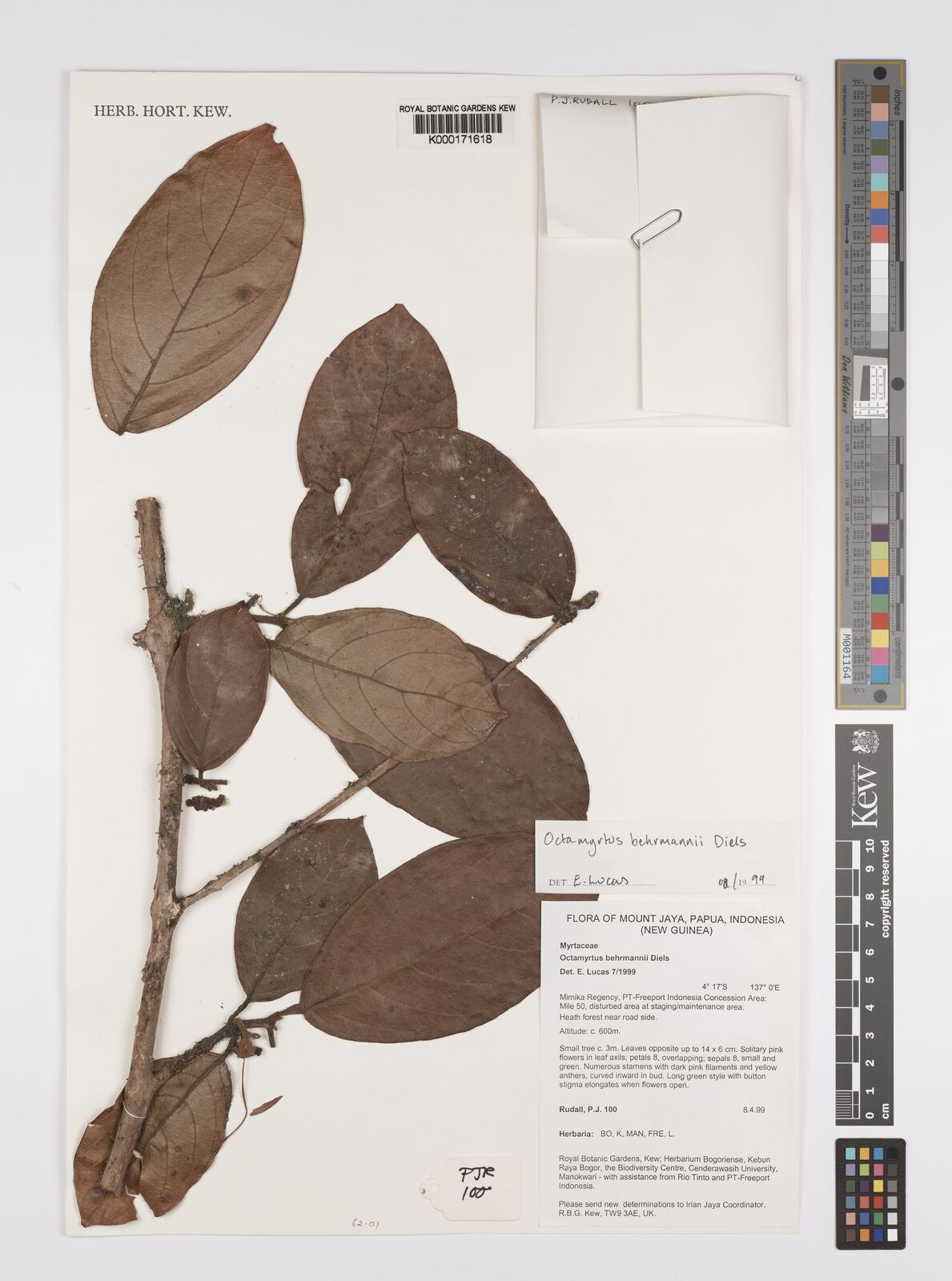
Octamyrtus
Octamyrtus is a group of plants in the myrtle family Myrtaceae described as a genus in 1922. It is native to New Guinea and to the nearby Indonesian Province of Maluku.
Choriceras
Choriceras is a genus of plants in the family Picrodendraceae first described as a genus in 1874.
Wilkiea
Wilkiea is a genus of flowering plants in the family Monimiaceae, and is native to Australia and New Guinea. Plants in this genus are monoecious or sometimes dioecious trees and shrubs, the leaves with many fine oil dots, male and female flowers in cymes or panicles, and oval black drupes.
Parakeelya
Parakeelya is a genus of plants in the family Montiaceae with species native to Australia and New Guinea. These species were formerly classed in genus Calandrinia, which was discovered to be paraphyletic.
Palmeria
genus of plants
Schizacme
Schizacme is a genus of flowering plants in the family Loganiaceae. It includes five species native to southeastern Australia (Victoria), Tasmania, and the South Island of New Zealand.
Schizacme archeri
Schizacme ciliata
Schizacme helmsii
Schizacme montana
Schizacme novae-zelandiae
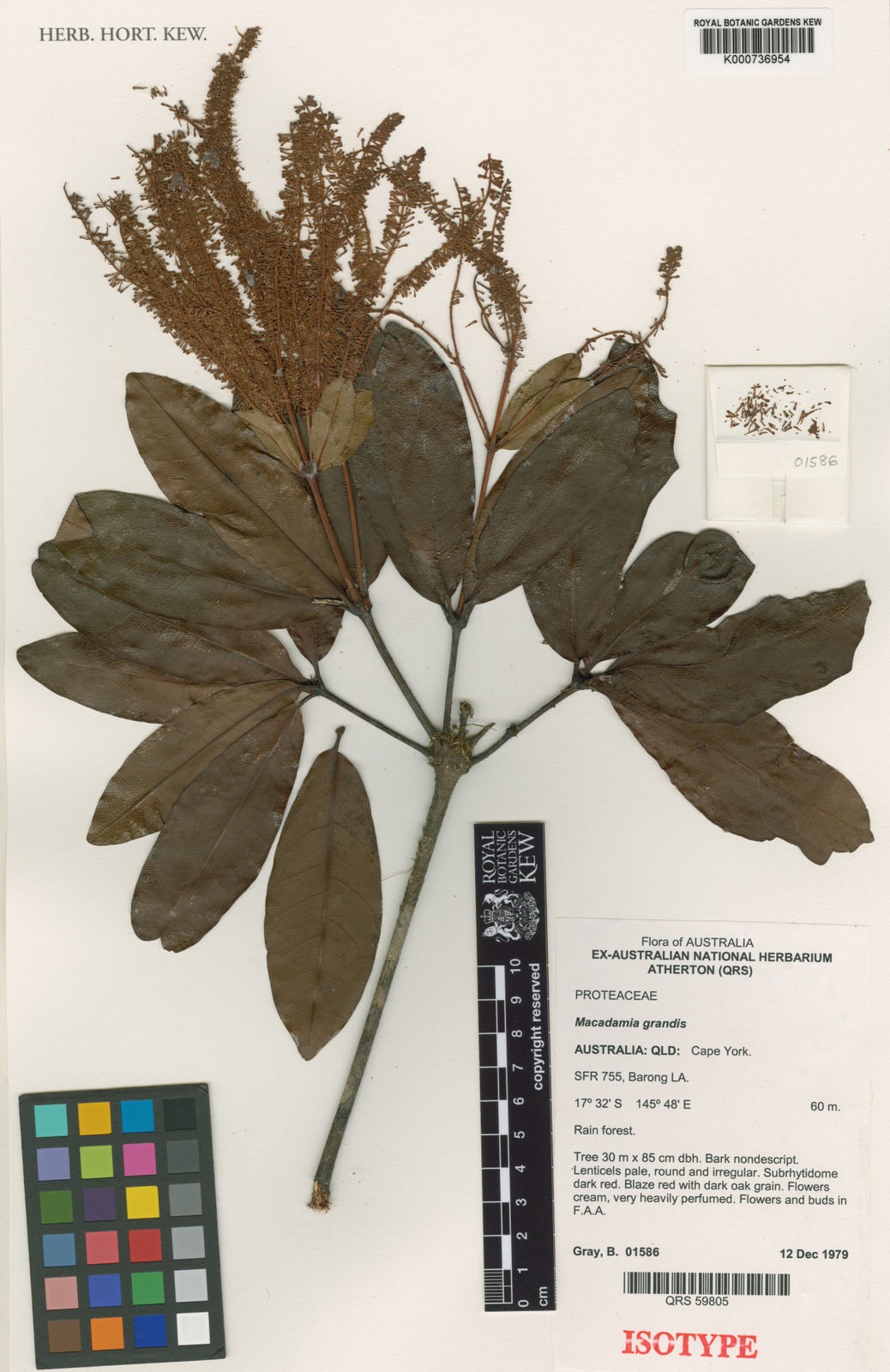
Lasjia
Lasjia is a genus of six species of trees of the family Proteaceae. Three species grow naturally in northeastern Queensland, Australia, and three species in Sulawesi, Indonesia. Descriptively they are the tropical or northern macadamia trees group. Lasjia species characteristically branched compound inflorescences differentiate them from the Macadamia species, of Australia, which have characteristically unbranched compound inflorescences and only grow naturally about further to the south, in southern and central eastern Queensland and in northeastern New South Wales.