Category
page 1Food microbiology

Staphylococcus aureus
species of bacterium

Claviceps purpurea
species of fungus
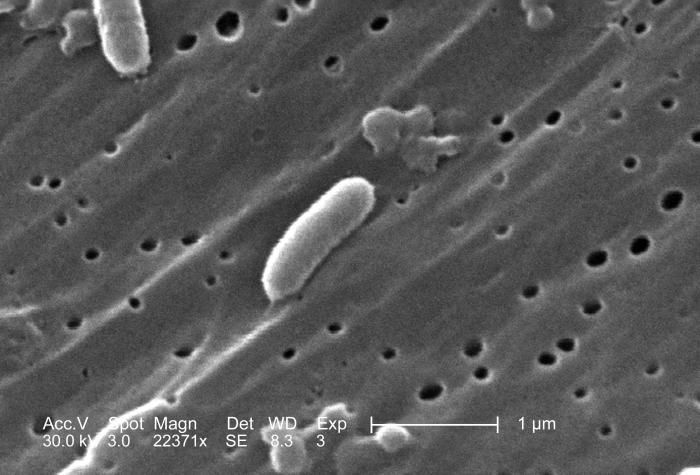
Vibrio cholerae
species of bacterium

Lactobacillus
Lactobacillus is a genus of gram-positive bacteria within the Lactobacillaceae family. Members of the genus are aerotolerant anaerobes or microaerophilic, rod-shaped, and do not form endospores. Until 2020, the genus Lactobacillus comprised 261 phylogenetically, ecologically, and metabolically diverse species; a taxonomic revision of the genus reassigned many former Lactobacillus species to 25 genera (see below).

Shigella
Shigella is a genus of bacteria that is Gram negative, facultatively anaerobic, non–spore-forming, nonmotile, rod shaped, and is genetically nested within Escherichia coli. The genus is named after Japanese physician Kiyoshi Shiga, who discovered it in 1897.

Clostridium botulinum
species of bacterium

Clostridium perfringens
species of bacteria

Vibrio
Vibrio is a genus of Gram-negative bacteria, which have a characteristic curved-rod (comma) shape, several species of which can cause foodborne infection or soft-tissue infection called Vibriosis. Infection is commonly associated with eating undercooked seafood. Being highly salt tolerant, Vibrio spp. are commonly found in various salt water environments, but some species are found in freshwater. Vibrio spp. are facultative anaerobes that test positive for oxidase and do not form spores. All members of the genus are motile. They are able to have polar or lateral flagellum with or without sheat

Bacillus subtilis
catalase-positive bacterium
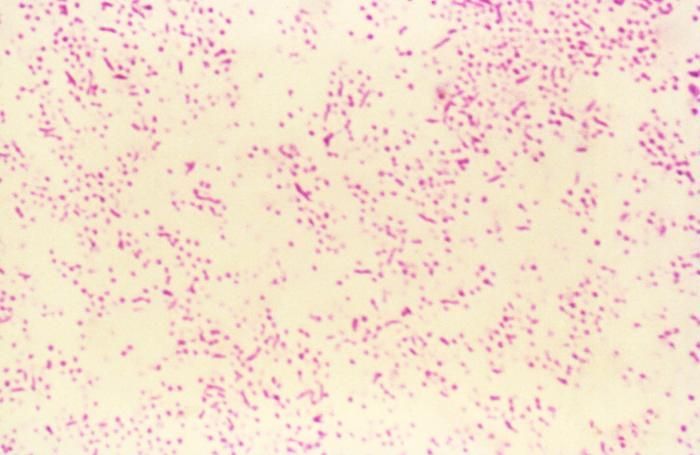
Campylobacter
Campylobacter is a type of bacteria that can cause a diarrheal disease in people. Its name means 'curved bacterium' because the germ typically appears in a comma or s shape. According to its scientific classification, it is a genus of gram-negative bacteria that is motile.

Bacillus cereus
species of bacterium
Yersinia
Yersinia is a genus of bacteria in the family Yersiniaceae. Yersinia species are Gram-negative, coccobacilli bacteria, and are facultative anaerobes. Three members of Yersinia are pathogenic in humans: Y. pestis causes the plague and Y. enterocolitica and Y. pseudotuberculosis cause gastrointestinal syndromes. Rodents are the natural reservoirs of Yersinia; less frequently, other mammals serve as the host. Infection may occur either through blood (in the case of Y. pestis) or in an alimentary fashion, occasionally via consumption of food products (especially vegetables, milk-derived products,

Acinetobacter baumannii
species of bacterium
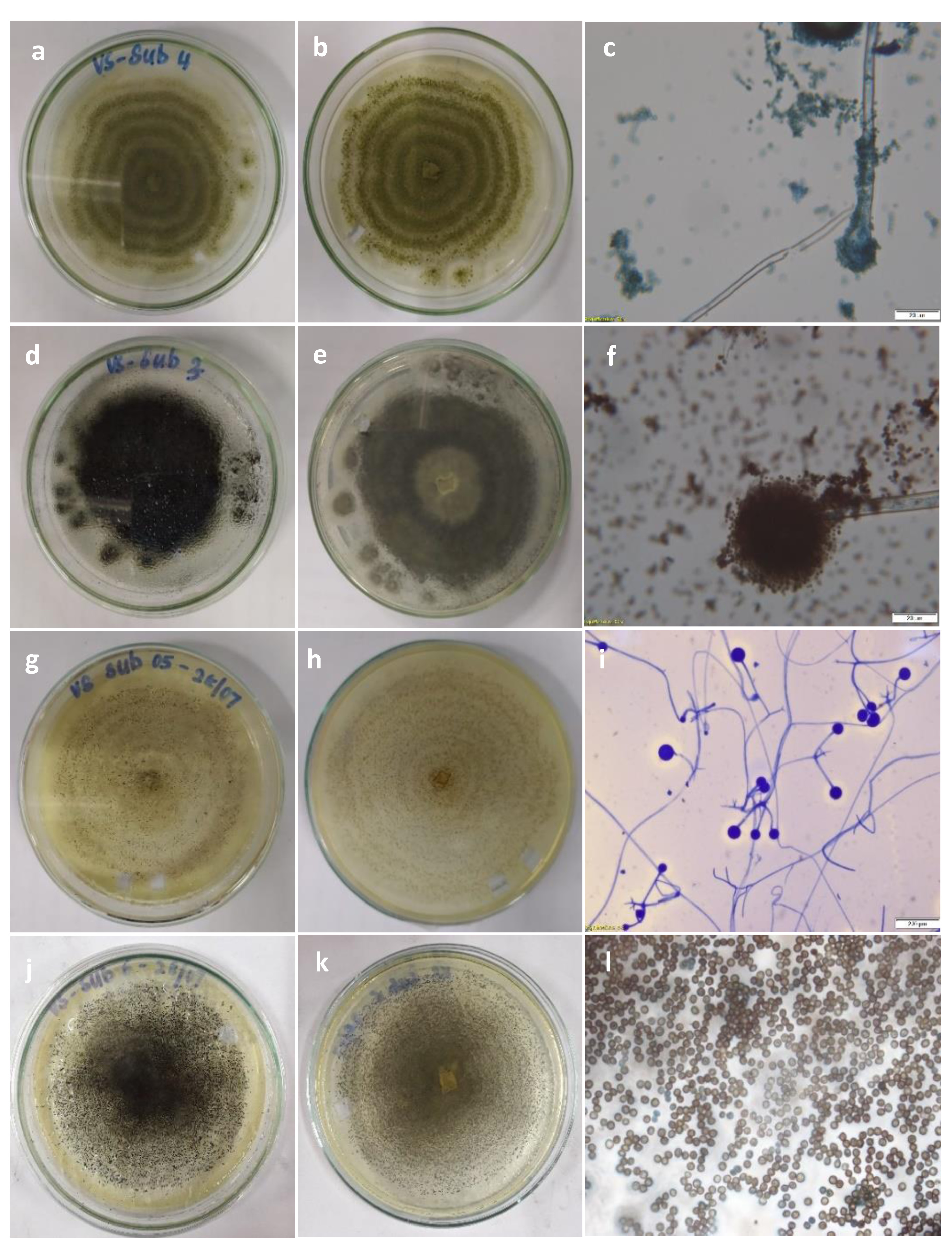
Aspergillus flavus
aspergillus flavus
.jpg)
Trichinella
Trichinella is the genus of parasitic roundworms of the phylum Nematoda that cause trichinosis (also known as trichinellosis). Members of this genus are often called trichinella or trichina worms. A characteristic of Nematoda is the one-way digestive tract, with a pseudocoelom (body cavity made up of only an ectoderm and endoderm).
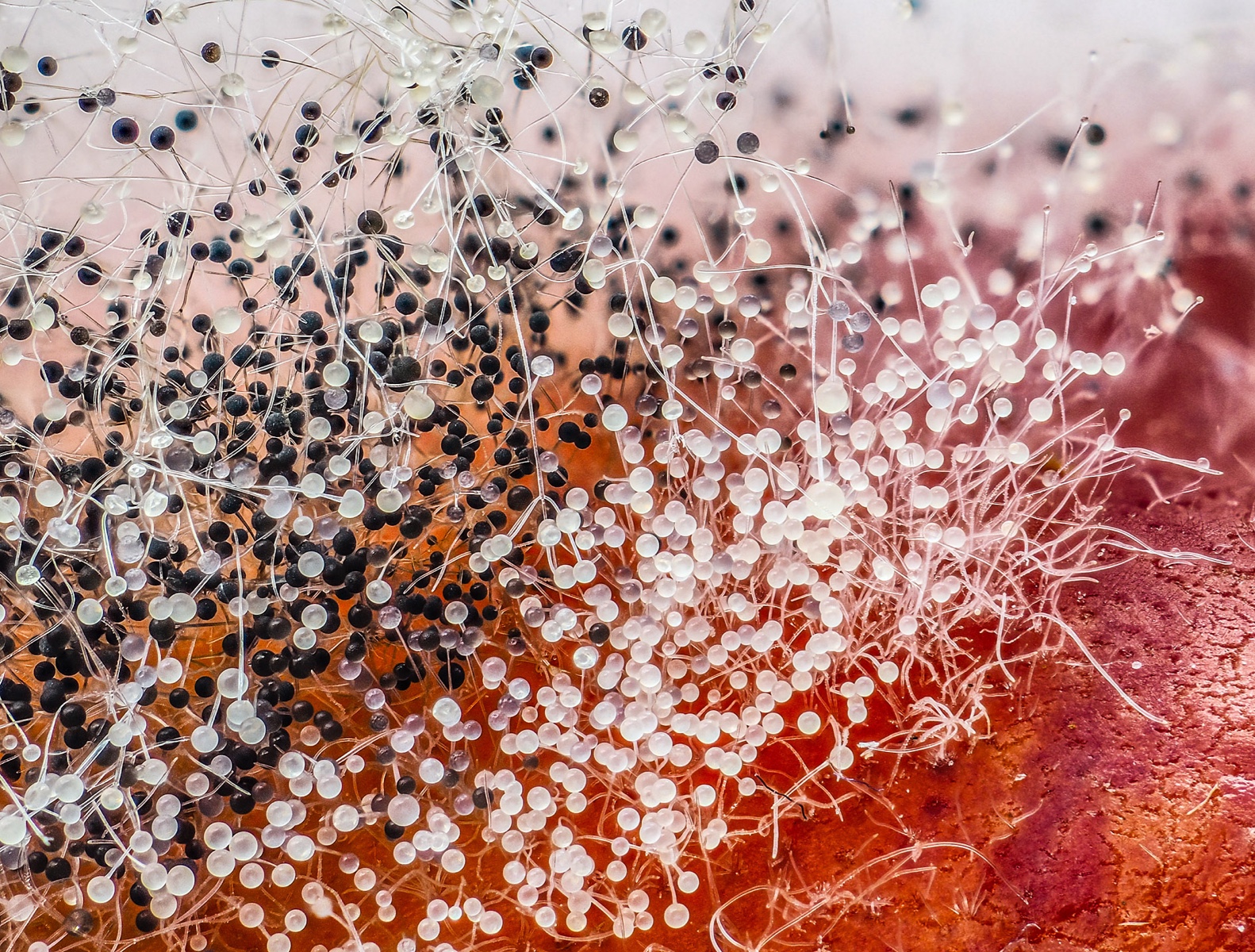
Rhizopus stolonifer
species of fungus
Campylobacter jejuni
species of bacterium
Yersinia enterocolitica
species of bacterium
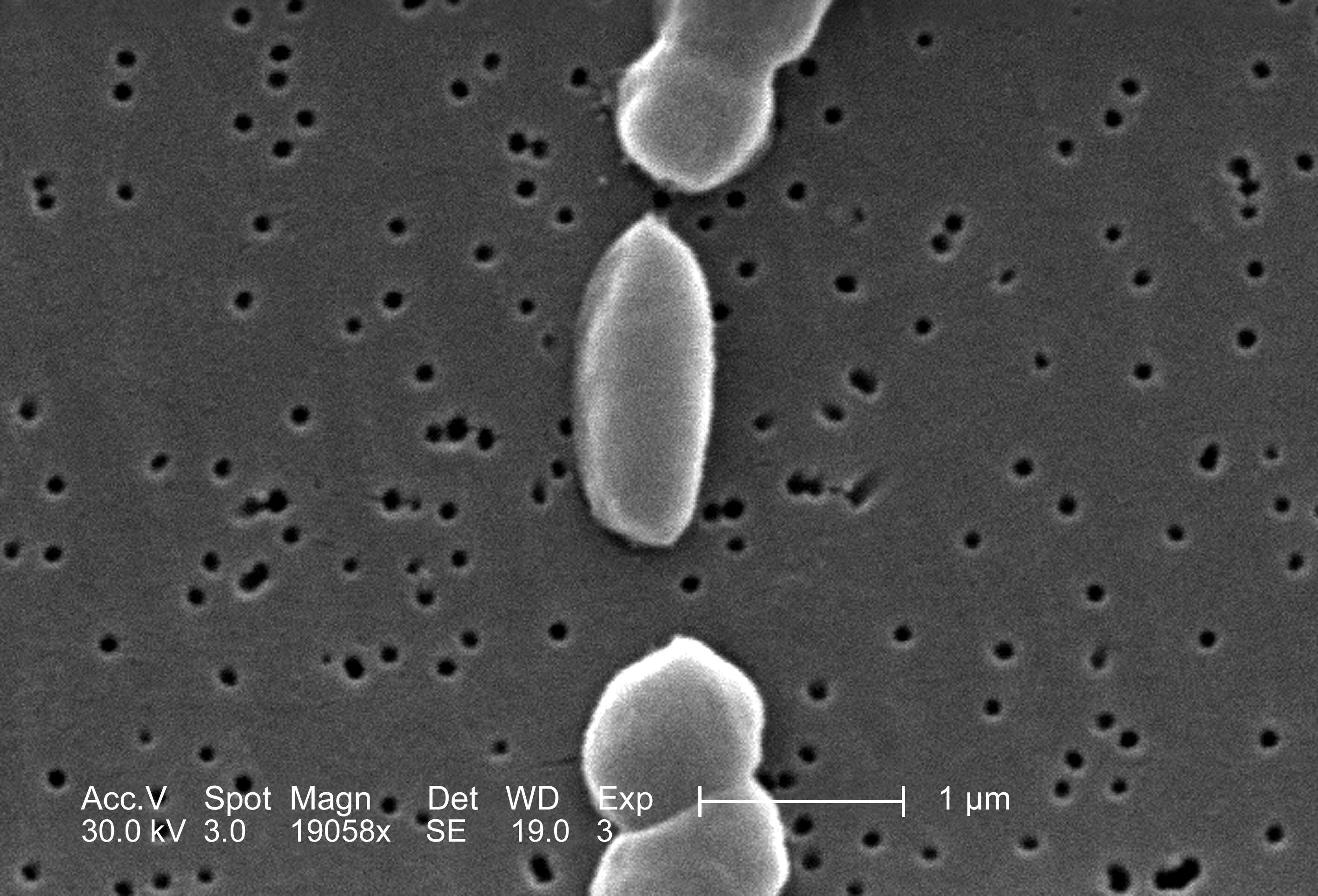
Vibrio parahaemolyticus
species of bacterium
Aeromonas
Aeromonas is a genus of Gram-negative, facultative anaerobic, rod-shaped, bacteria that morphologically resemble members of the family Enterobacteriaceae. Most of the 14 described species have been associated with human diseases. The most important pathogens are A. hydrophila, A. caviae, and A. veronii biovar sobria. The organisms are ubiquitous in fresh and brackish water.
Vibrionaceae
The Vibrionaceae are a family of Pseudomonadota given their own order, Vibrionales. Inhabitants of fresh or salt water, several species are pathogenic, including the type species Vibrio cholerae, which is the agent responsible for cholera. Most bioluminescent bacteria belong to this family, and are typically found as symbionts of deep-sea animals.
food microbiology
study of the microorganisms that inhibit, create, or contaminate food

Clostridium butyricum
species of bacterium

Micrococcus luteus
species of bacterium

Penicillium expansum
species of fungus

Aspergillus clavatus
species of fungus
Cyberlindnera jadinii
Cyberlindnera jadinii, commonly known as torula in the food industry, is a species of yeast. It is used as a savory, protein-rich food ingredient as well as a food bait for insects. It is also commonly known as the anamorphic name Candida utilis, which has been discarded under the "one fungus, one name" change.
Debaryomyces hansenii
species of fungus
Aspergillus tubingensis
aspergillus niger
Lactobacillus brevis
species of bacterium

Streptococcus suis
species of bacterium
yeast in winemaking
yeasts used for alcoholic fermentation of wine
Cronobacter sakazakii
species of Gammaproteobacteria

Clostridium pasteurianum
species of bacterium
Candida krusei
species of fungus
Zymomonas mobilis
species of bacterium

Clostridium tyrobutyricum
species of bacterium
Carnobacterium
Carnobacterium is a genus of Gram-positive bacteria within the family Carnobacteriaceae. C. divergens and C. maltaromaticum are found in the wild and in food products and can grow anaerobically. These species are not known to be pathogenic in humans, but may cause disease in fish.
Clostridium sporogenes
species of bacterium
Bacillus licheniformis
species of bacterium
Lactobacillus kefiranofaciens
species of bacterium
postbiotic
Postbiotics are preparations of dead microorganisms and/or their components that are believed to confer a health benefit on the host. Most such preparations are derived from bacteria believed to be beneficial (so-called probiotics), with most purported benefits having to do with the digestive tract.
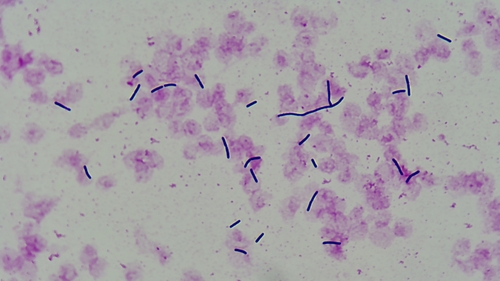
Bacillus pumilus
species of bacterium
Clostridium estertheticum
species of bacterium
Bacillus mycoides
species of bacterium
Alicyclobacillus acidocaldarius
species of bacterium