Category
page 1Game Boy games
.png)
Pac-Man
Pac-Man, originally titled in Japan, is a 1980 maze video game developed and published by Namco for arcades. It was released in Japan on May 22, 1980 and by Midway Manufacturing in North America in August 1980. The player controls Pac-Man, who must eat all the dots inside an enclosed maze while avoiding four colored ghosts. Eating large flashing dots called "Power Pellets" causes the ghosts to temporarily turn blue and vulnerable, allowing Pac-Man to eat the ghosts for bonus points.
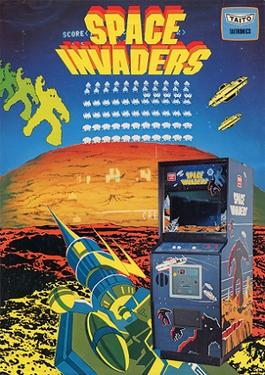
Space Invaders
1978 fixed shooter video game
Pokémon Red and Blue
1998 video game
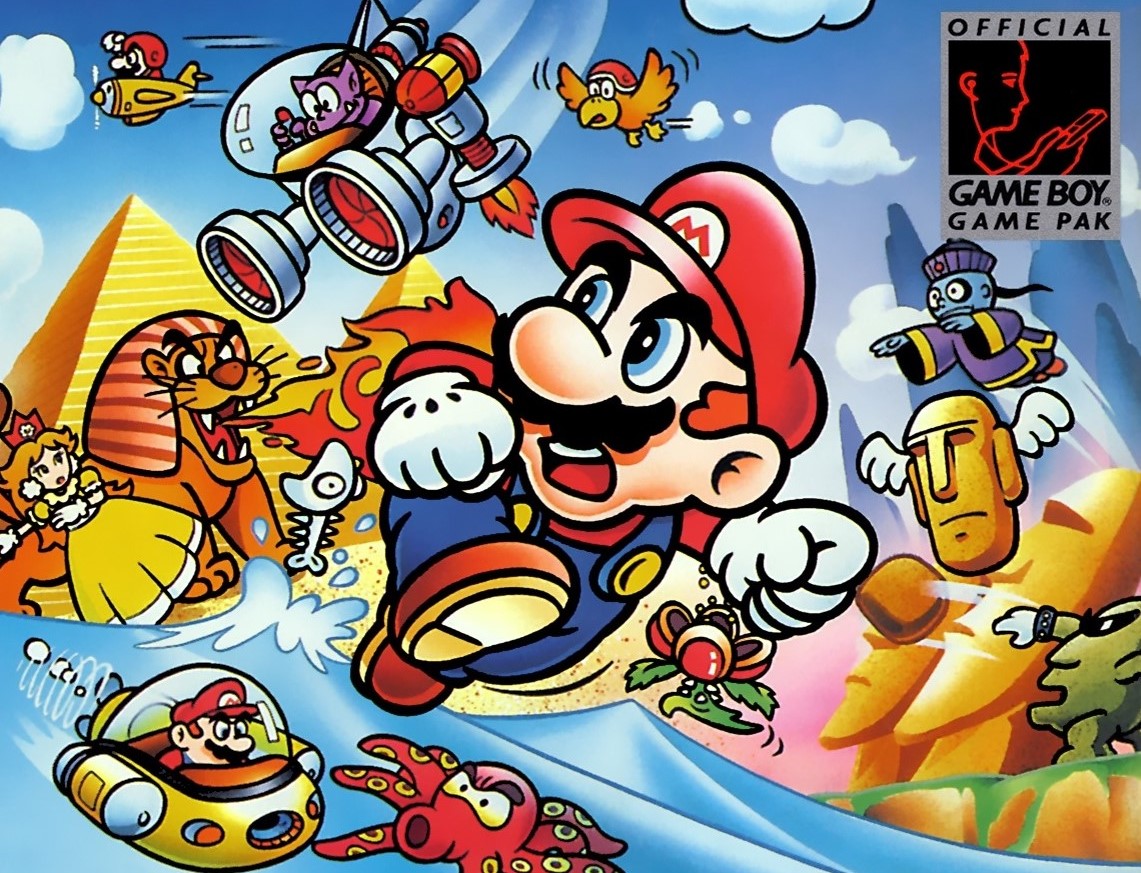
Super Mario Land
1989 video game for the Game Boy
Prince of Persia
1989 video game
Asteroids
1979 video game

Sokoban
is a puzzle video game created in 1981 by Hiroyuki Imabayashi. In Sokoban, the player pushes boxes in a warehouse to get them onto storage locations. The game is viewed from a top-down perspective. Boxes can only be pushed, never pulled, and only one box can be pushed at a time. The principal challenge is planning moves correctly to avoid causing a deadlock, a situation where a box or the player becomes permanently trapped, making the puzzle unsolvable.
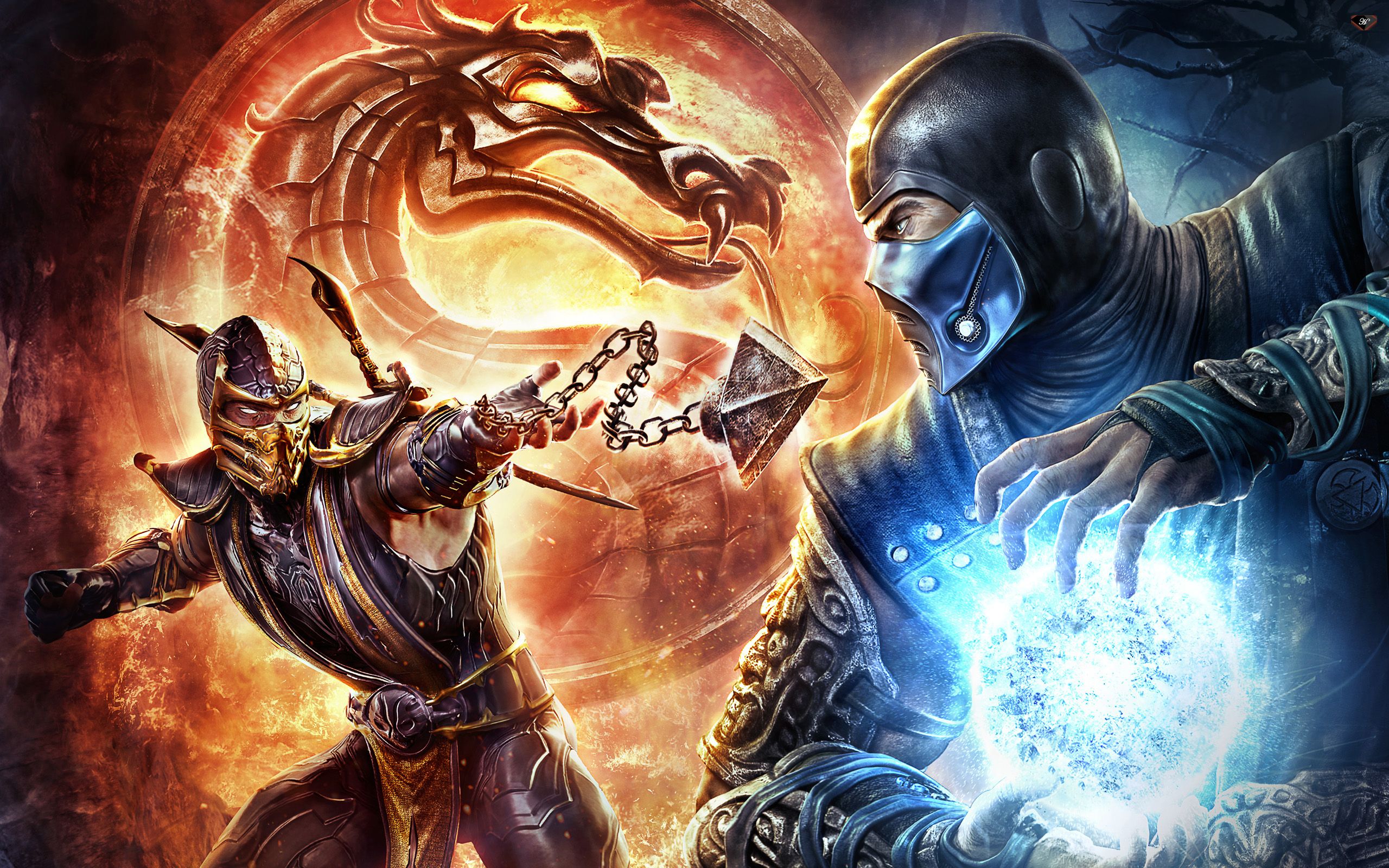
Mortal Kombat
1992 video game
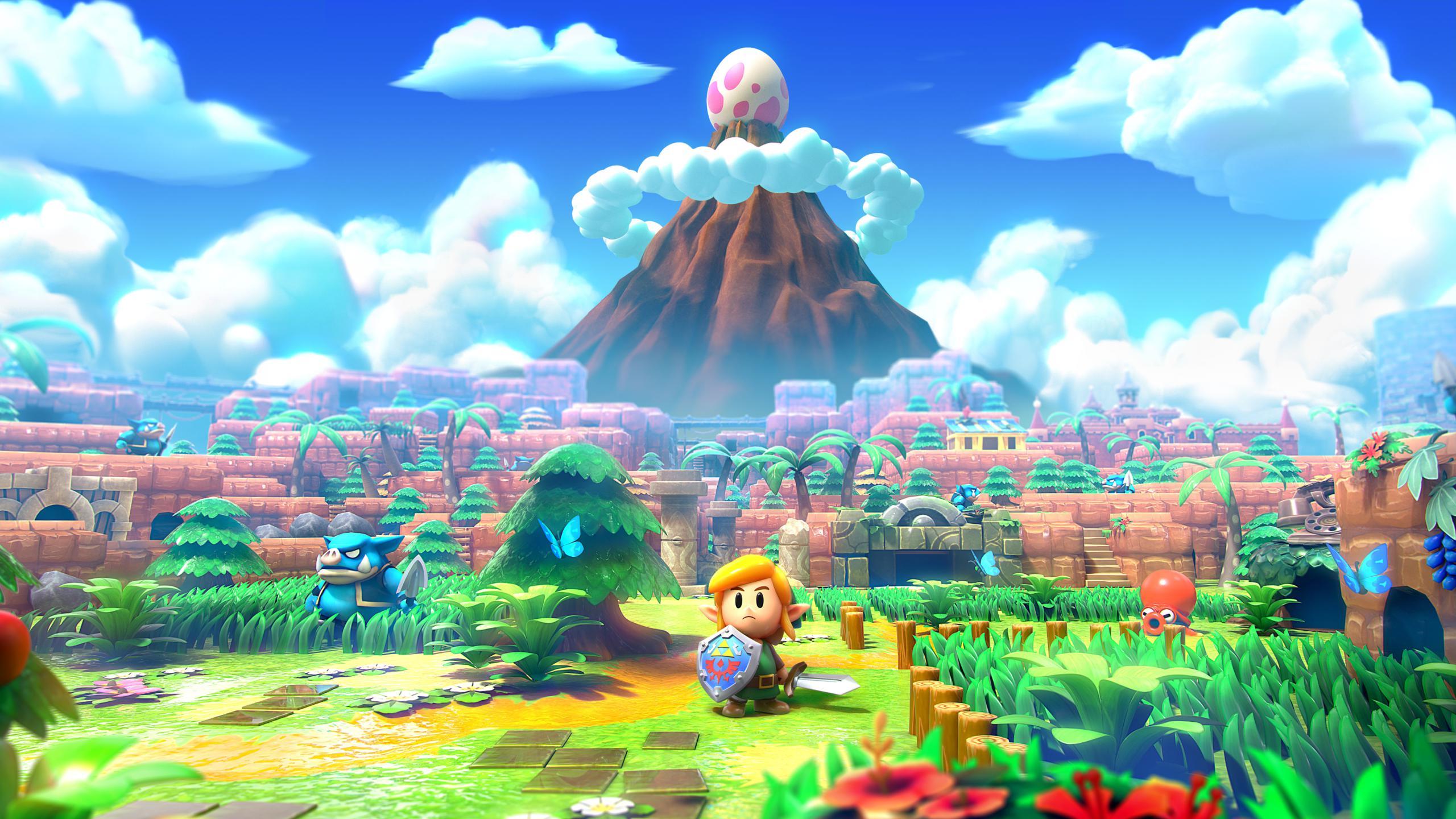
The Legend of Zelda: Link's Awakening
1993 video game released by Nintendo
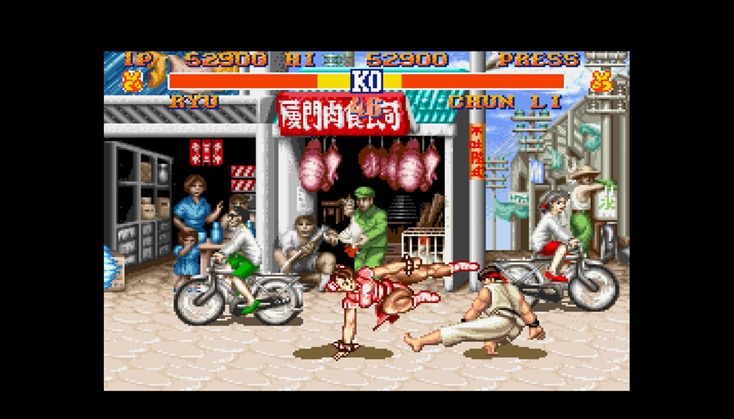
Street Fighter II
1991 video game developed by Capcom

Super Mario Land 2: 6 Golden Coins
1992 video game for the Game Boy
Bubble Bobble
1986 video game
Lemmings
1991 puzzle-platformer video game

Mortal Kombat II
1993 competitive fighting game
Dr. Mario
1990 arcade action puzzle video game
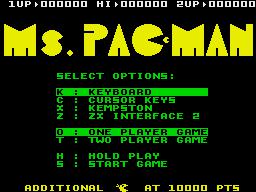
Ms. Pac-Man
1982 video game
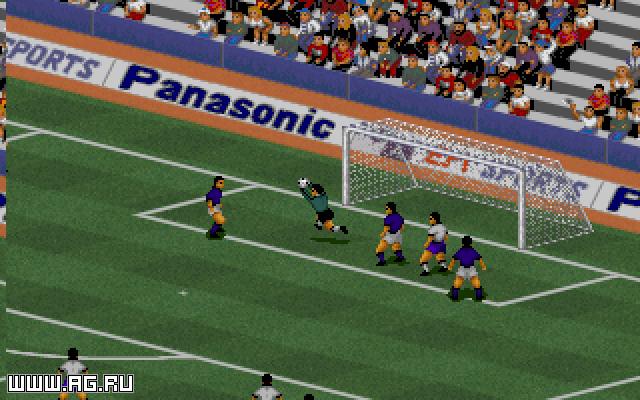
FIFA International Soccer
1993 sports video game
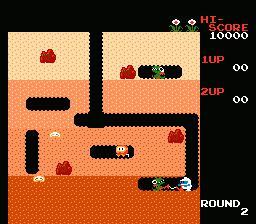
Dig Dug
1982 arcade game created by Namco
Battle City
1985 video game
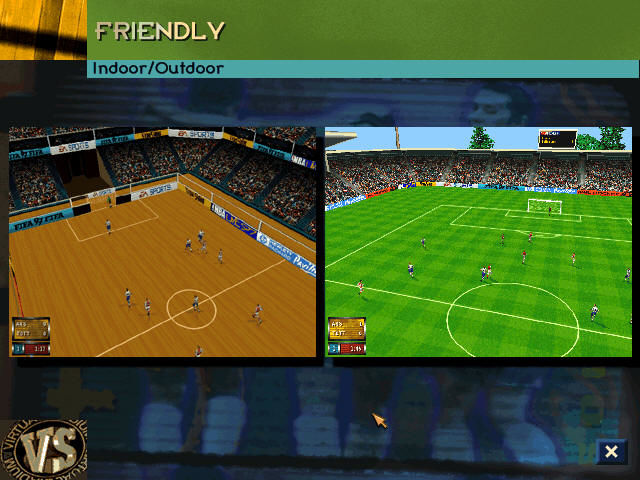
FIFA 97
1996 association football video game
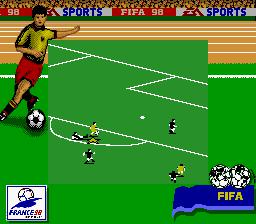
FIFA: Road to World Cup 98
1997 association football video game
Mortal Kombat 3
1995 video game
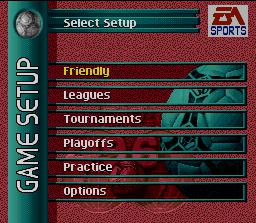
FIFA Soccer 96
1996 association football video game
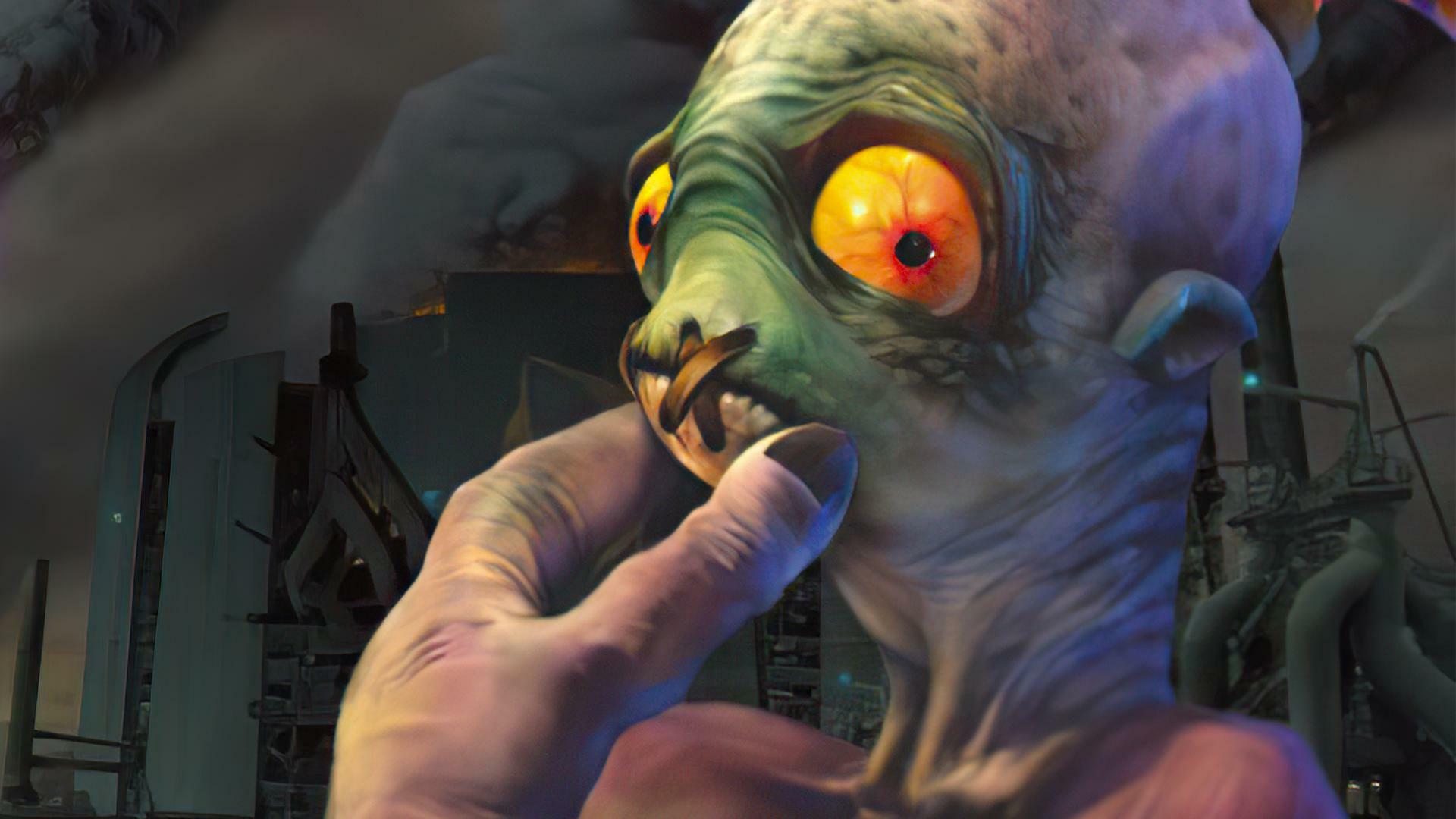
Oddworld: Abe's Oddysee
1997 video game
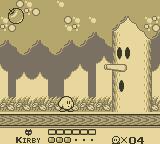
Kirby's Dream Land
1992 action platform video game
Game Boy Camera
Game Boy accessory
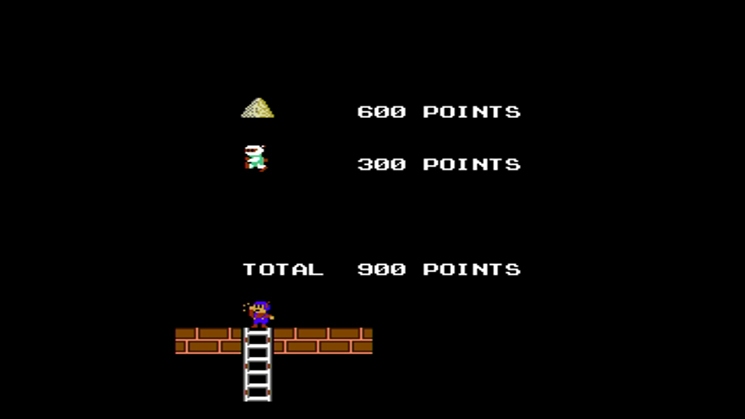
Lode Runner
1983 video game
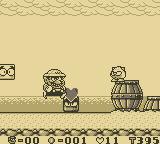
Wario Land: Super Mario Land 3
1994 platform video game for the Game Boy
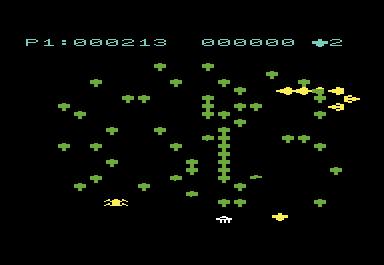
Centipede
1981 video game
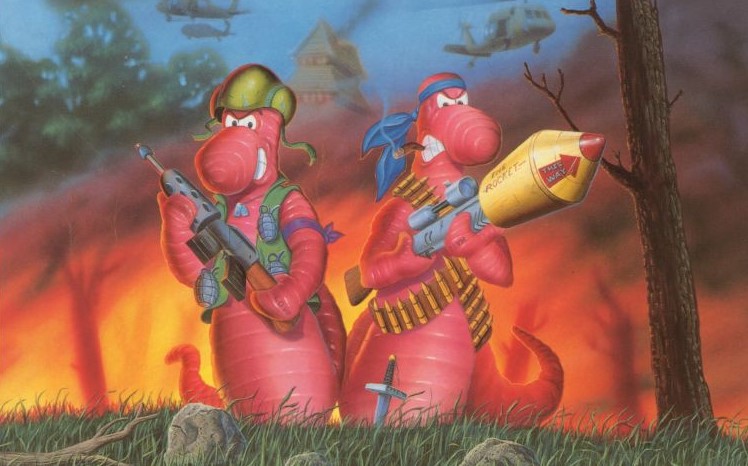
Worms
1995 video game
Double Dragon
1987 video game
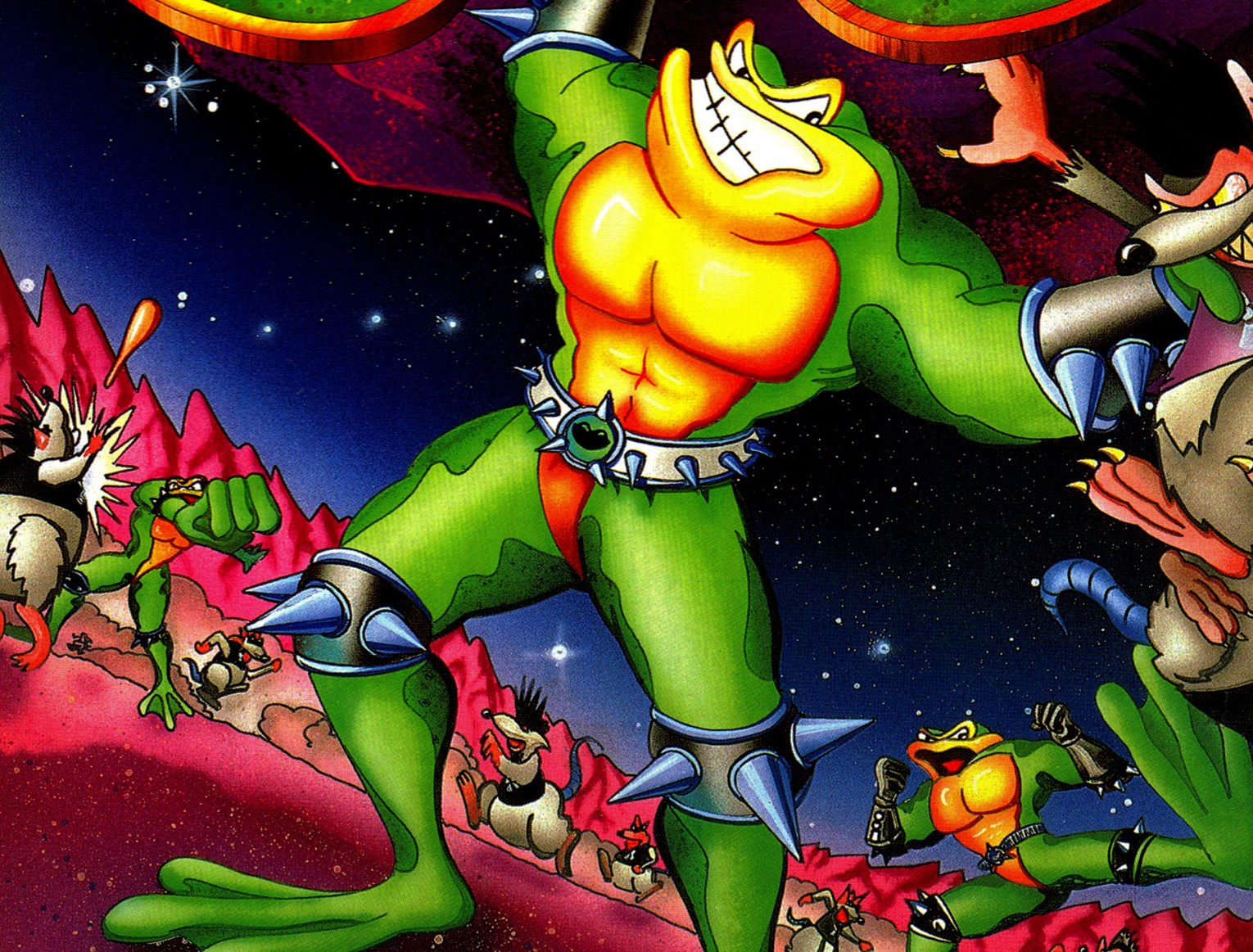
Battletoads
1991 beat 'em up video game developed by Rare
Boulder Dash
1984 video game

Q*bert
Q*bert () is a 1982 action video game developed and published by Gottlieb for arcades. It is a 2D action game with puzzle elements that uses isometric graphics to create a pseudo-3D effect. The objective of each level in the game is to change every cube in a pyramid to a target color by letting Q*bert, the on-screen character, hop on top of the cube while avoiding obstacles and enemies. Players also use a joystick to control the character.
Metroid II: Return of Samus
1991 action-adventure video game developed by Nintendo
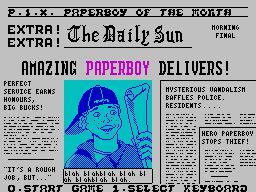
Paperboy
1985 arcade game
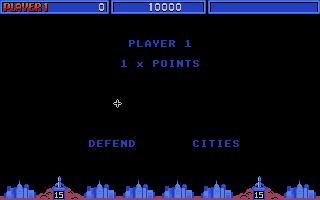
Missile Command
1980 video game
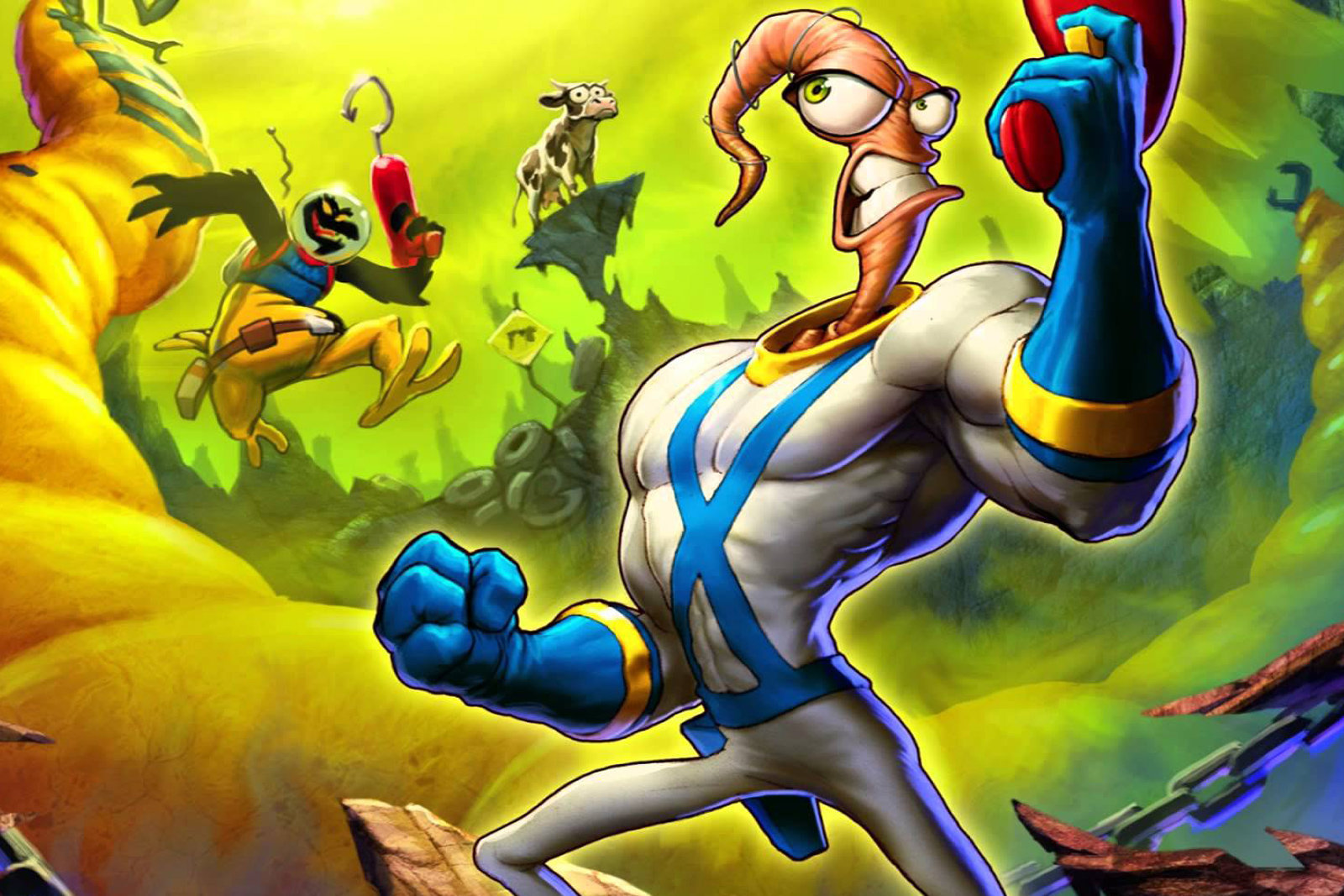
Earthworm Jim
1994 video game
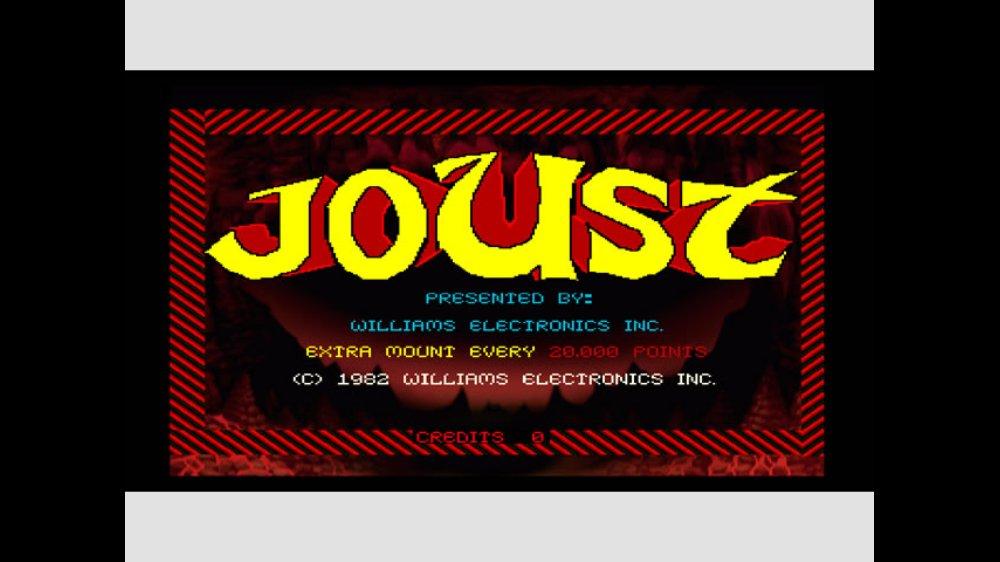
Joust
1982 video game
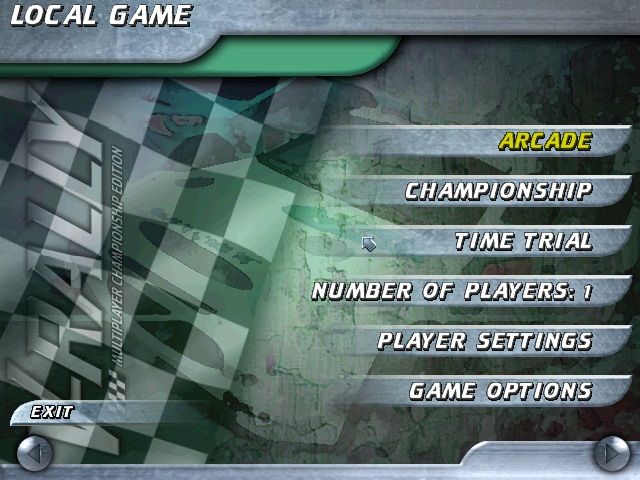
V-Rally
1997 video game
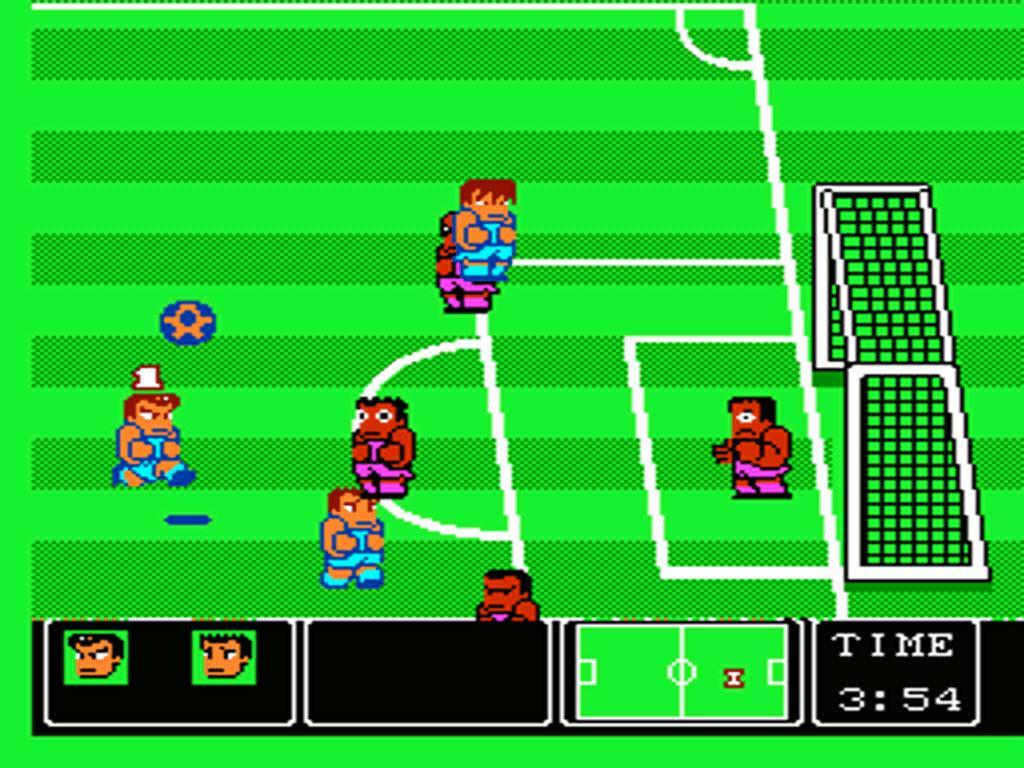
Nintendo World Cup
1990 NES association football video game
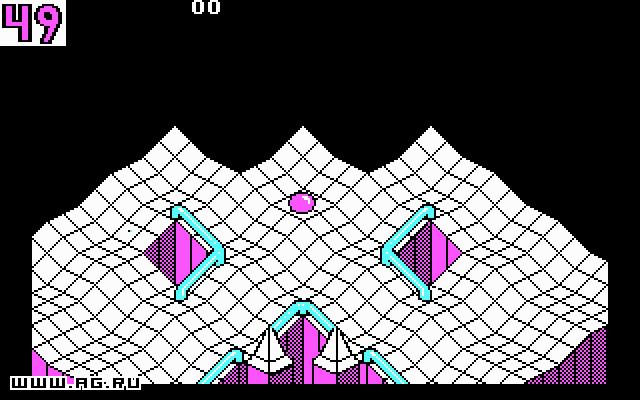
Marble Madness
1984 arcade video game
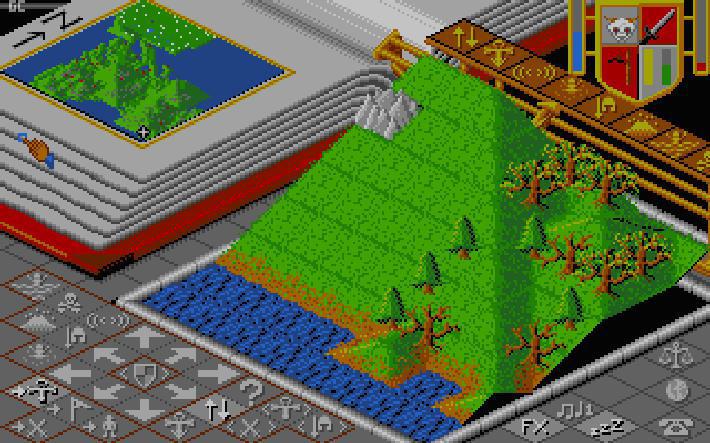
Populous
1989 video game
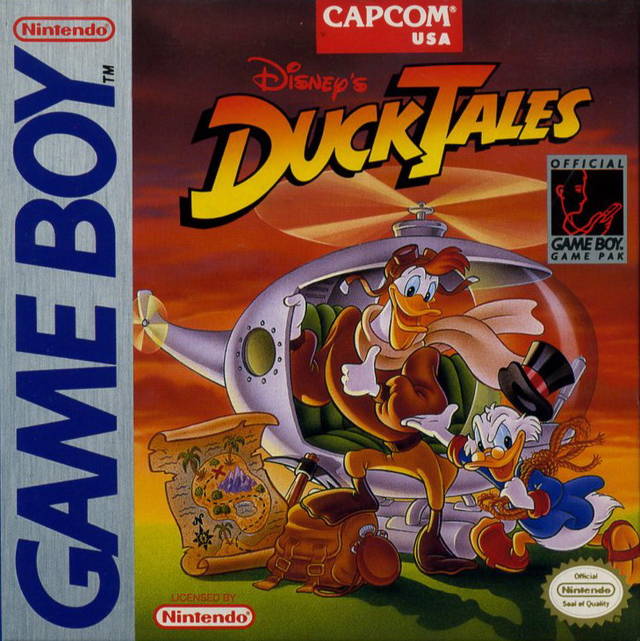
DuckTales
1989 video game
Kirby's Dream Land 2
side-scroller platform video game released by Nintendo for the Game Boy in 1995
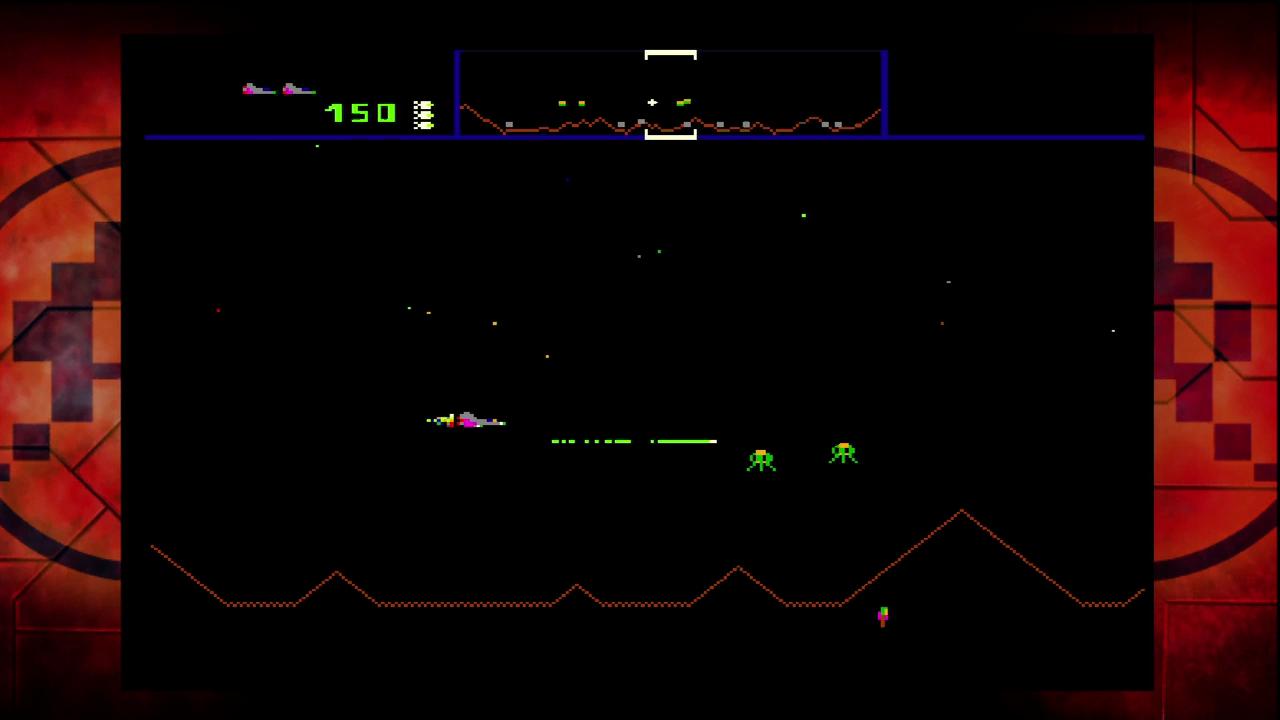
Defender
1981 video game
Wario Land II
1998 video game
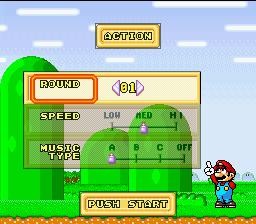
Yoshi's Cookie
1992 puzzle game
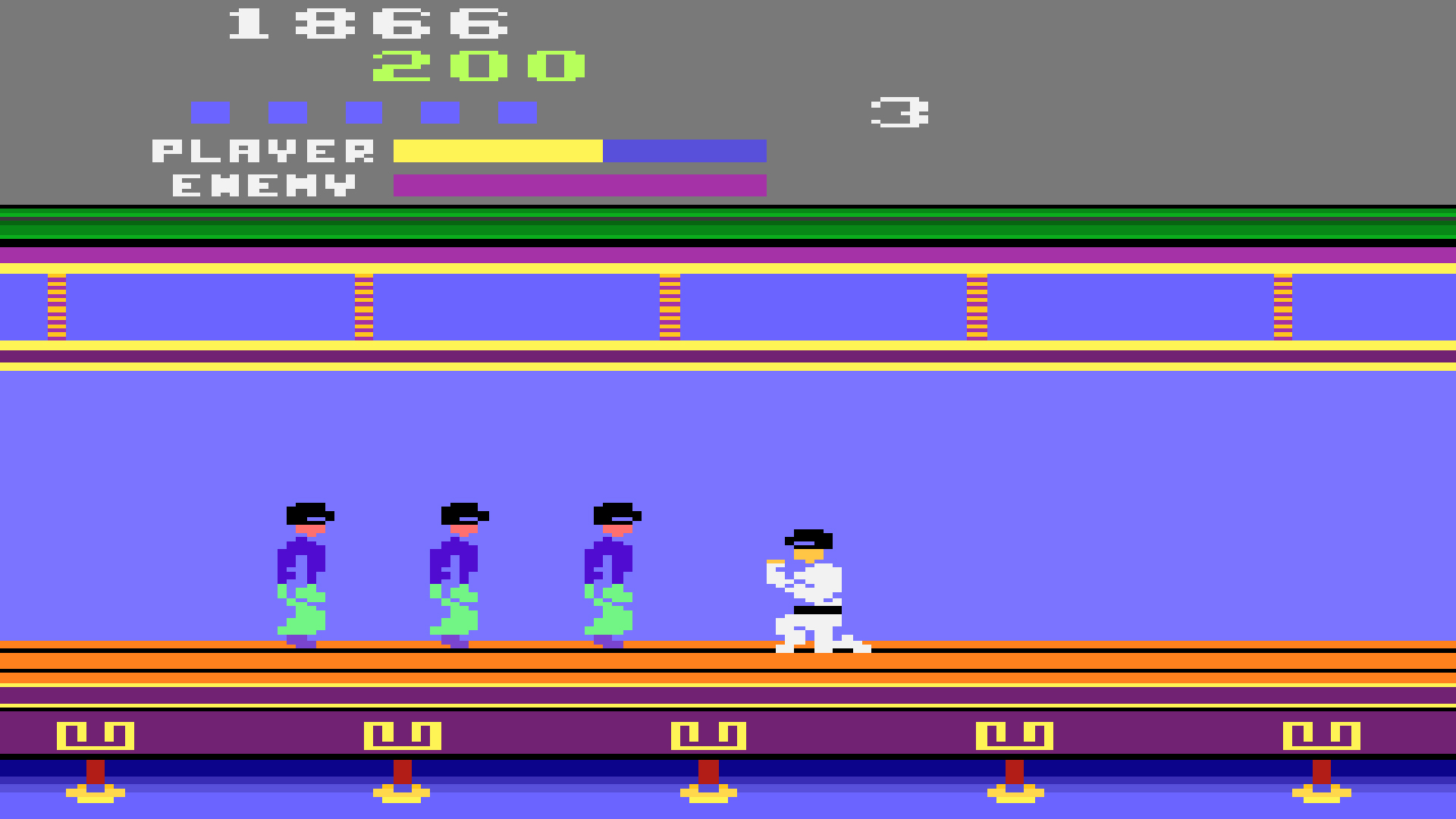
Kung-Fu Master
1984 video game

R-Type
is a 1987 horizontally scrolling shooter video game developed and published by Irem for arcades. The player controls the R-9 "Arrowhead" starship in its efforts to destroy the Bydo, a powerful alien race bent on wiping out all of mankind. The R-9 can acquire a glowing orb called a "Force", giving limited protection from enemy fire and providing additional firepower.

Qix
( ) is a 1981 puzzle video game developed and published by Taito for arcades. Designed by husband and wife team Randy and Sandy Pfeiffer, Qix is one of a handful of games made by Taito's American division (another is Zoo Keeper). At the start of each level, the playing field is a large, empty rectangle, containing the Qix, an abstract stick-like entity that performs graceful but unpredictable motions within the confines of the rectangle. The objective is to draw lines that close off parts of the rectangle to fill in a set amount of the playfield.
Samurai Shodown
1993 video game
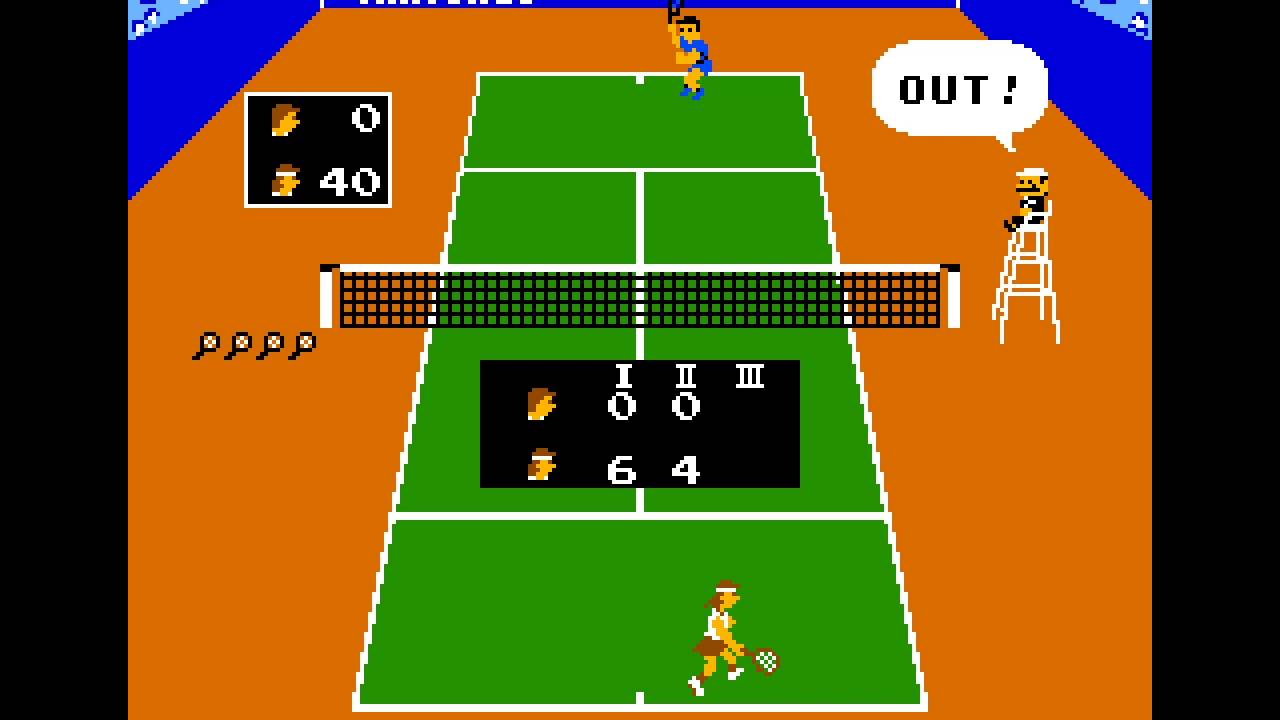
Tennis
1984 sports video game

Baseball
1983 baseball video game for the NES
Final Fantasy Adventure
1991 Game Boy game
Disney's Aladdin
1993 video game based on the film of the same name
Yoshi
1991 puzzle video game

The Lion King
1994 video game
Donkey Kong
1994 platform game for the Game Boy

Turrican
Turrican is a 1990 run and gun video game developed by Factor 5 and published by Rainbow Arts. Designed by Manfred Trenz, it was released for the Commodore 64, and was ported to other systems later. In addition to concept design and character creation, Trenz programmed Turrican on the Commodore 64. A sequel, Turrican II: The Final Fight, followed in 1991 for the Commodore 64 and other platforms.