Category
page 1Historical eras

Cold War
1947–1991 tension between the Soviet Union and the United States and their respective allies

Middle Ages
period of European history from the 5th to the late 15th-century

Renaissance
The Renaissance ( , ) is a European period of history and cultural movement, very roughly defined as covering the 14th through 17th centuries, though sometimes more narrowly defined for instance as only covering the 15th through 16th centuries. It marked the transition from the Middle Ages to modernity and was characterized by the European rediscovery and revival of the literary, philosophical, and artistic achievements of classical antiquity. Associated with great social change in most fields and disciplines, including art, architecture, politics, literature, exploration and science, the Rena

Bronze Age
prehistoric period and age studied in archaeology, part of the Holocene Epoch

Age of Enlightenment
period of European history and cultural movement of the 17th and 18th centuries

Iron Age
archaeological period

ancient history
human history from the earliest records to the end of the classical periods

Neolithic

Paleolithic
thumb|Hunting a Glyptodon. Painting by [[Heinrich Harder .]]
thumb|The oldest known figurative painting is a depiction of a bull that was discovered in the Lubang Jeriji Saléh cave in [[Indonesia. It was painted 40,000–52,000 years ago or earlier.]]

Holocene
The Holocene () is the current geological epoch, beginning approximately 11,700 years ago. It follows the Last Glacial Period, which concluded with the Holocene glacial retreat. The Holocene and the preceding Pleistocene together form the Quaternary period. The Holocene is an interglacial period within the ongoing glacial cycles of the Quaternary, and is equivalent to Marine Isotope Stage 1.
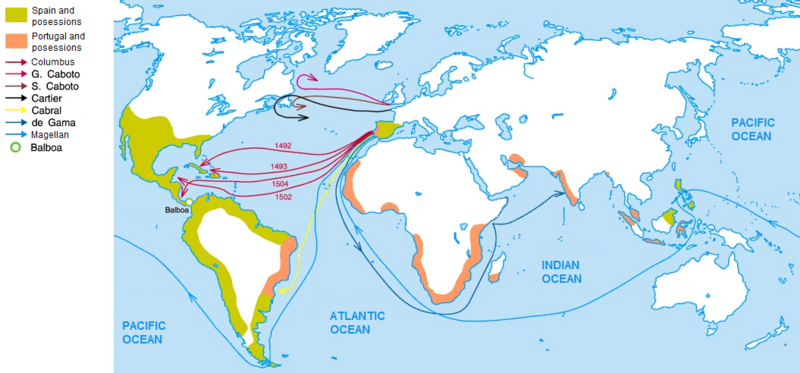
Age of Discovery
period of European global exploration from early 15th century to 17th century
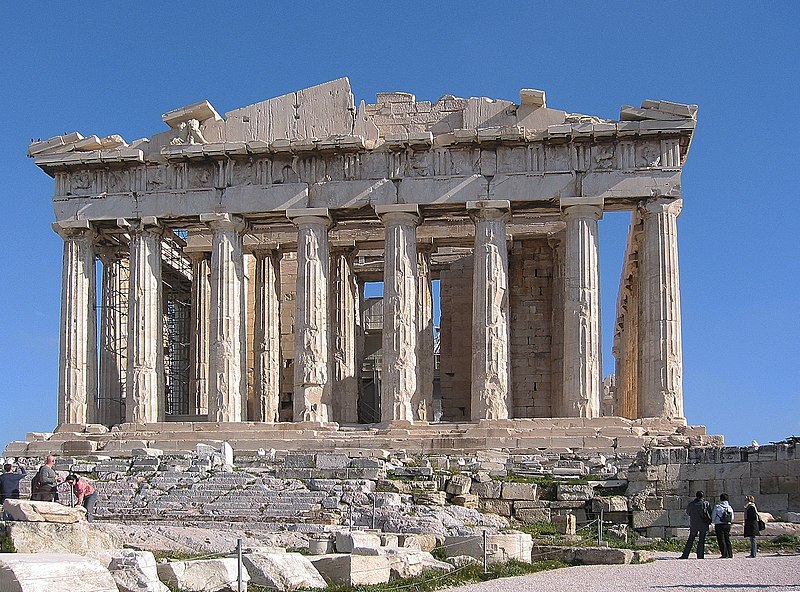
classical antiquity
age of the ancient Greeks and Romans

Chalcolithic
The Chalcolithic ( ) (also called the Copper Age and Eneolithic) was an archaeological period characterized by the increasing use of smelted copper. It followed the Neolithic and preceded the Bronze Age. It occurred at different periods in different areas, but was absent in some parts of the world, such as Russia, where there was no well-defined Copper Age between the Stone and Bronze Ages. Stone tools were still predominantly used during this period.
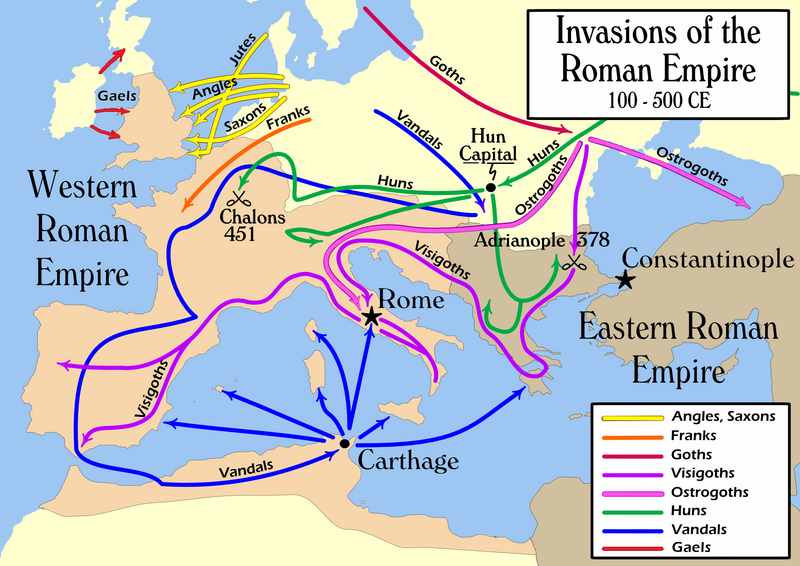
Migration Period
period in European history with large migration of peoples, from the 4th to the 6th centuries

early modern period
the era from ca. 1500 to ca. 1800
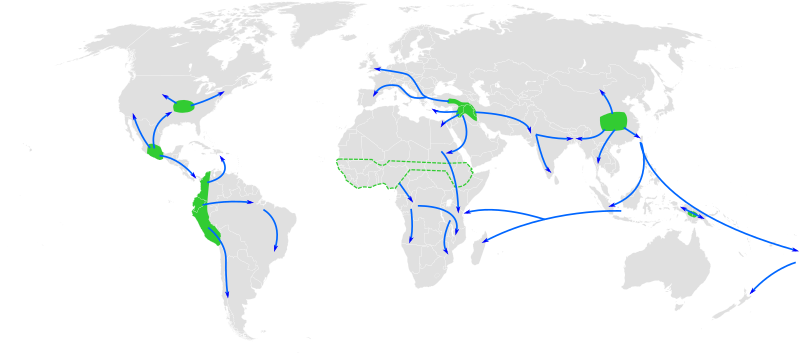
neolithic revolution
transition from hunter gatherer to settled peoples
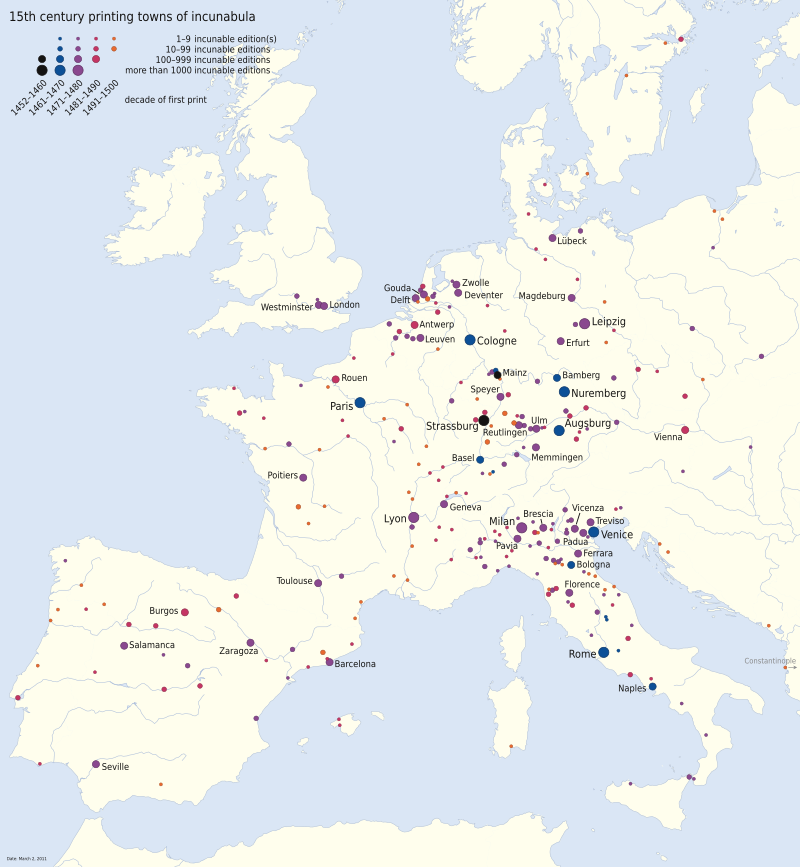
modern period
era from ca. 1500 until present

Mycenaean Greece
late Bronze Age Greek civilization

exploration
act of searching or traveling around a terrain for the purpose of discovery

Little Ice Age
period of cooling that occurred after the Medieval Warm Period, usually defined as between the 14th (or the 16th) to the 19th centuries

pre-Columbian era
historical era of the Americas before significant European contact

Early Middle Ages
period of European history lasting from the 5th century to the 10th century

Five Dynasties and Ten Kingdoms Period
Period of Chinese history (907–979)

Viking Age
the period of European history characterised by Viking raids and trading

late antiquity
period of transition from classical antiquity to the Middle Ages

Greek Dark Ages
period of time in ancient Greece

Upper Paleolithic
subdivision of the Paleolithic or Old Stone Age

Information Age
historical period

Dark Ages
historical period
Protohistory
Protohistory is the period between prehistory and written history, during which a culture or civilization has not yet developed writing, but other cultures that have developed writing have noted the existence of those pre-literate groups in their own writings.

modernity
Modernity, a topic in the humanities and social sciences, is both a historical period (the modern era) and the ensemble of particular socio-cultural norms, attitudes, and practices that arose in the wake of the Renaissancein the Age of Reason of 17th-century thought and the 18th-century Enlightenment. Commentators variously consider the era of modernity to have ended by 1930, with World War II in 1945, or as late as the period falling between the 1980s and 1990s; the following era is often referred to as "postmodernity". The term "contemporary history" is also used to refer to the post-1945 ti
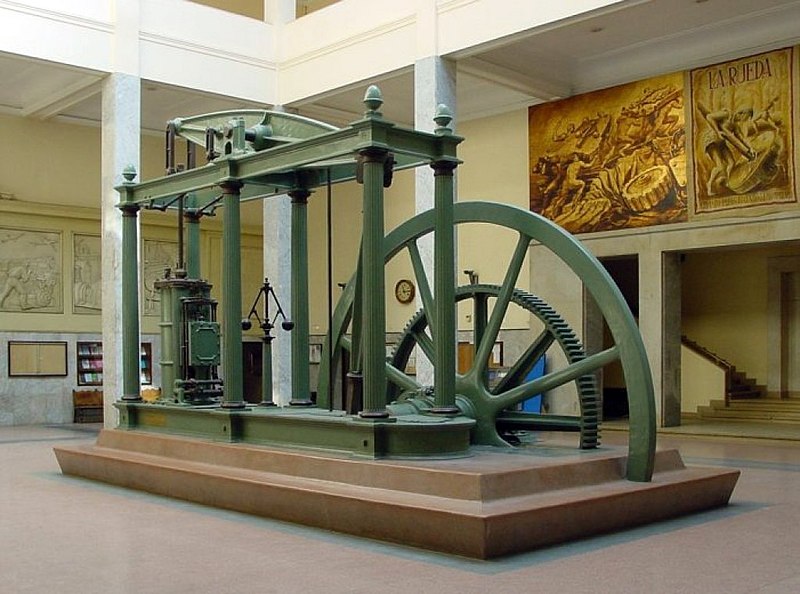
late modern period
the era from ca. 1800 until the present

Elizabethan era
epoch in English history marked by the reign of Queen Elizabeth I

periodization
In historiography, periodization is the process or study of categorizing the past into discrete, quantified, and named blocks of time for the purpose of study or analysis. This is usually done to understand current and historical processes, and the causality that might have linked those events.
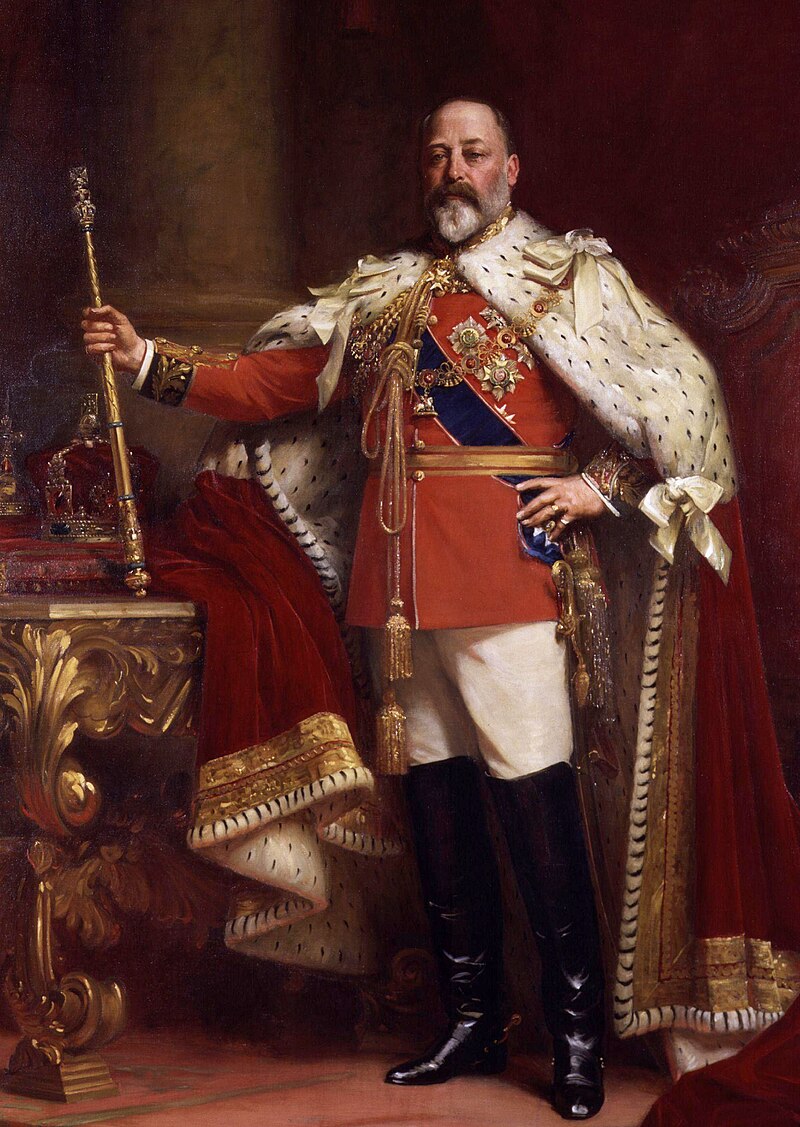
Edwardian era
period of British history spanning the reign of the king Edward VII, from 1901 to 1910
Gilded Age
era in the history of the USA between the late 1860's and the 1890's
Younger Dryas
return to glacial conditions after the last glacial maximum, which temporarily reversed the gradual climatic warming
Georgian era
period of British history encompassing the years 1714–1830 (or –1837)
Space Age
historical period started in 1957
Century of Humiliation
Historiographical concept for a period of intervention and subjugation of China by foreign powers
Axial Age
pivotal age characterizing history and philosophy from the 8th to 3rd centuries BCE
Postmodernity
Postmodernity (post-modernity or the postmodern condition) is the economic or cultural state or condition of society which is said to exist after modernity. The idea of the postmodern condition is sometimes characterized as a culture stripped of its capacity to function in any linear or autonomous state like regressive isolationism, as opposed to the progressive mind state of modernism.
Saeculum obscurum
period of corrupt papal appointments in the 10th century
Postclassical Era
period between ancient history and modern history
Golden Age of Piracy
maritime piracy from the 1650s to the 1730s
Age of Sail
era dominated by sailing vessels out at sea
contemporary history
subset of modern history that describes the historical period from approximately 1945 to the present, common in English-language historiography
Atomic Age
period of history (1945–)
Regency era
era in the United Kingdom during the early 19th Century

Gründerzeit
thumb|Tempo der Gründerjahre (Tempo of the Founder's Years) by Friedrich Kaiser, depicting tenement construction in the rapidly-expanding Berlin in 1865
The '''''' (; ) was a period of European economic history in mid- and late-19th century Germany and Austria-Hungary between industrialization and the great stock market crash of 1873. Its name is derived from the many incorporations of companies that occurred in the years between the Franco-Prussian War and the panic of 1873.
Amarna Period
historical period of ancient Egypt
Tudor period
historical era in England coinciding with the rule of the Tudor dynasty
Ages of Man
stages of human existence according to Greco-Roman mythology
long nineteenth century
term for the period 1789–1914 (from the French Revolution to the outbreak of WW1)
Chinese era name
name given to a year in East Asian cultures
post–Cold War era
time period after the Cold War in the 1990's and early 21st century

Régence
The Régence (, Regency) was the period in French history between 1715 and 1723 when King Louis XV was considered a minor and the country was instead governed by Philippe II, Duke of Orléans (a nephew and son-in-law of Louis XIV of France) as prince regent. This was not the only regency in French history, but the name is nevertheless associated with this period.
Jacobean era
period in English and Scottish culture corresponding to the reign of James VI and I
Napoleonic era
era in the history of Europe and France
Oldest Dryas
climatic period