Category
page 1Historical negationism

Nineteen Eighty-Four
1949 dystopian social science fiction novel by George Orwell

censorship
Censorship is the suppression of speech, public communication, or other information. This may be done on the basis that such material is considered objectionable, harmful, sensitive, or "inconvenient". Censorship can be conducted by governments and private institutions. When an individual such as an author or other creator engages in censorship of their own works or speech, it is referred to as self-censorship. General censorship occurs in a variety of different media, including speech, books, music, films, and other arts, the press, radio, television, and the Internet for a variety of claimed

Croatian Wikipedia
Croatian-language edition of Wikipedia
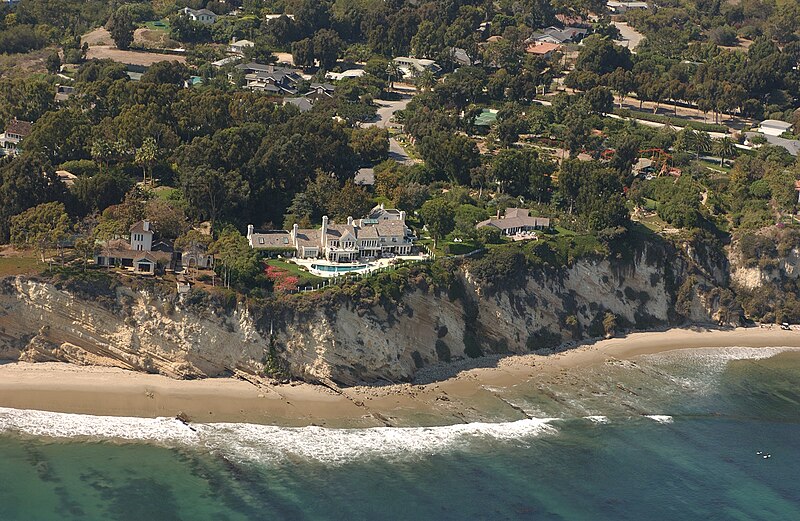
Streisand effect
phenomenon whereby an attempt to hide, remove, or censor a piece of information has the unintended consequence of publicizing the information more widely, usually facilitated by the Internet
.jpg)
Herostratus
thumb||alt=Herostratus portrait

Holocaust denial
negation, distortion or minimization of the Holocaust
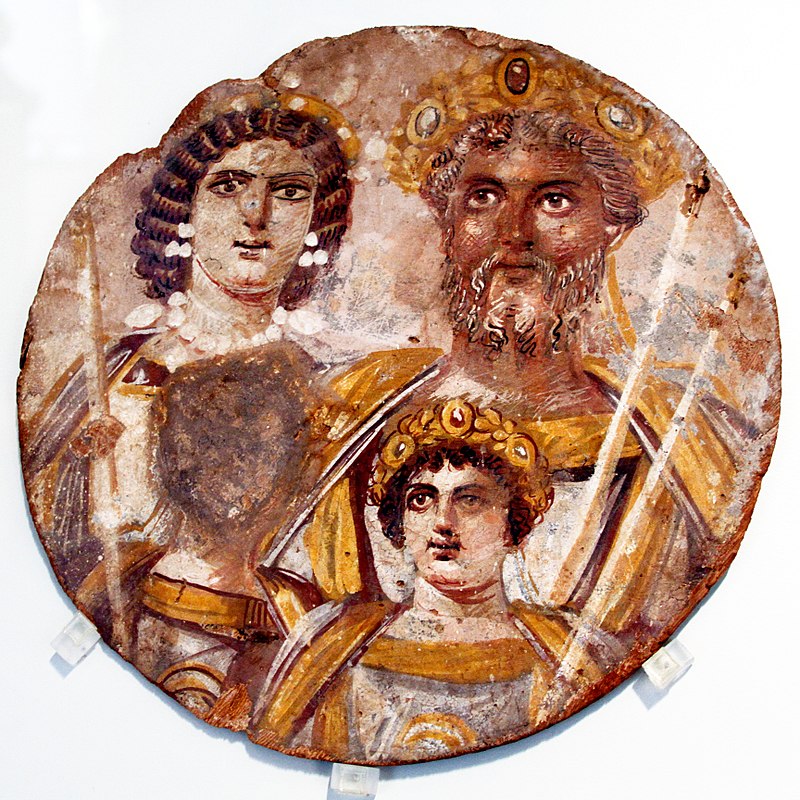
damnatio memoriae
ancient Roman punishment by removing a person's name, depictions, and reference to them from official records, up to rewritings of histories
Newspeak
In the 1949 dystopian novel Nineteen Eighty-Four (also published as 1984), by George Orwell, Newspeak is the fictional language of Oceania, a totalitarian superstate. To meet the ideological requirements of Ingsoc (English Socialism) in Oceania, the Party created Newspeak, a controlled language of simplified grammar and restricted vocabulary designed to prevent people from being able to think critically. The Newspeak language thus limits the person's ability to articulate and communicate abstract concepts, such as personal identity, self-expression, and free will, which are thoughtcrimes, acts
Ruhnama
The Ruhnama, or Rukhnama, translated into English as Book of the Soul or Book of the Spirit, is a two-volume work written by Saparmurat Niyazov, the president of Turkmenistan from 1990 to 2006. The book explores the philosophical relationship between ethics and the success of states, using Turkmenistan as a case study. Turkmenistan is presented as a modern continuation of the historical nation-states of the Seljuk Empire, Oghuz Yabgu State, and other Turkmen-founded states. It offers an overview of Turkmen history, religion, and culture. The book was designed to serve as a form of state propag
book burning
practice of destroying, often ceremoniously, books or other written material
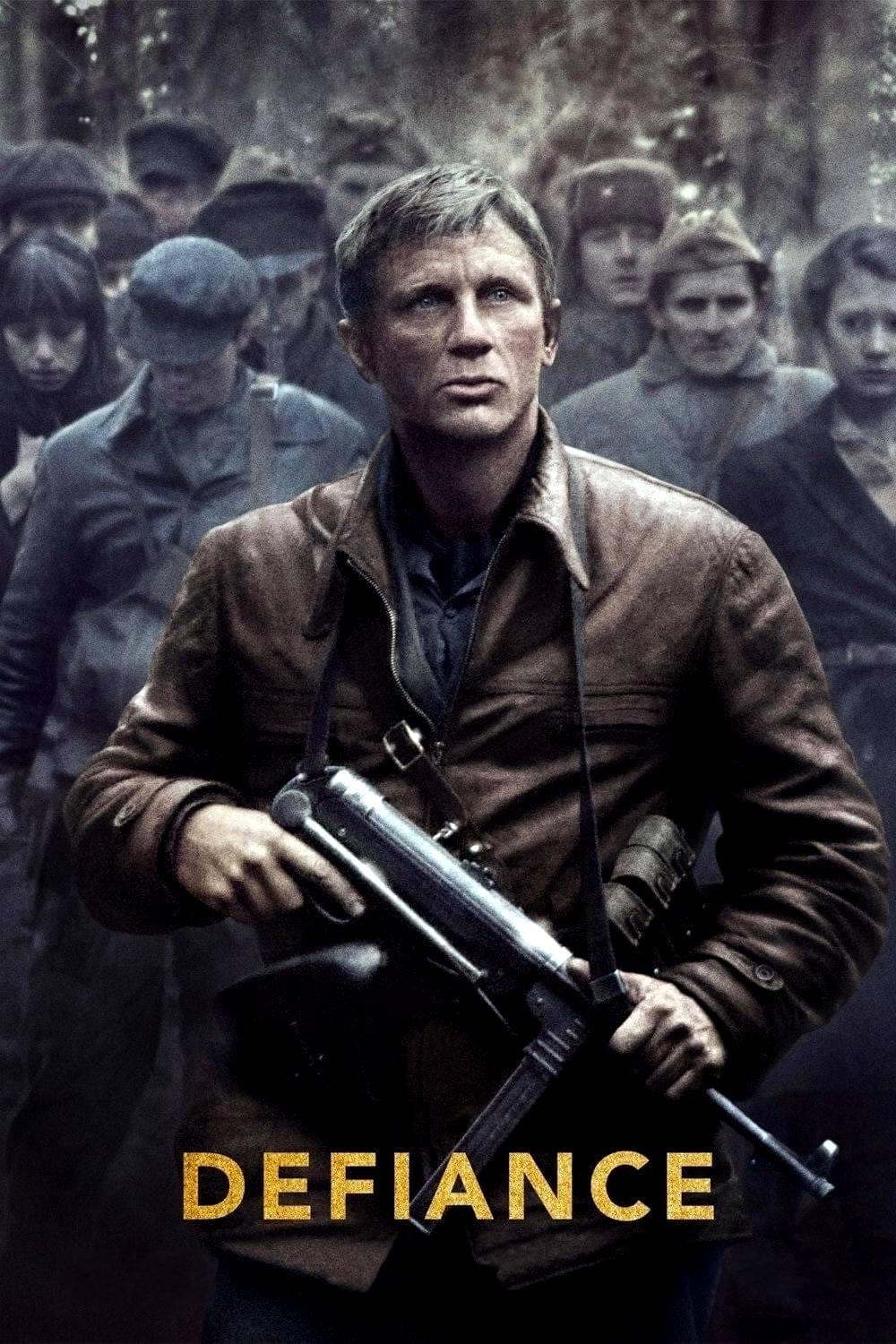
Defiance
2008 film directed by Edward Zwick
historical negationism
denial or purposeful revision of history to falsehood in order to fit a political purpose

purge
thumb|Russian Count Nikolay Yevdokimov, who organized the extermination campaigns of "[[Tsitsekun", designated Russian military operations targeting Circassian natives by the term ochishchenie ("cleansing").]]
In history, religion and political science, a purge is a position removal or execution of people who are considered undesirable by those in power from a government, another, their team leaders, or society as a whole. A group undertaking such an effort is labeled as purging itself.
phantom time conspiracy theory
conspiracy theory that Otto Ⅲ and Pope Sylvester Ⅱ fabricated the Carolingian period (614–911)

neo-Stalinism
thumb|upright=1.25|May Day procession with Joseph Stalin's portrait in [[London, 2010]]
destruction of cultural heritage by the Islamic State
monuments destroyed by the Islamic State
On the historical unity of Russians and Ukrainians
July 2021 essay by Russian president Vladimir Putin
Ludo Martens
Belgian activist (1946–2011)
Saint Patrick's Battalion
battalion
Epistemic injustice
concept from social epistemology pertaining to ethics and theory of knowledge
genocide denial
attempt to deny or minimize statements of the scale and severity of an incidence of genocide
Béla Biszku
Hungarian politician (1921-2016)

Johan Bäckman
Finnish political author, legal sociologist and criminologist (born 1971)

Prosvita
right|thumb|Early publication cover
Holodomor denial
claim that the 1932–1933 Holodomor, a man-made famine in Soviet Ukraine, was not a genocide, or diminishment of the scale or significance of the famine
nationalistic historiography
historiography based on nationalist principles
Nakba denial
historical negationism pertaining to the 1948 Palestinian expulsion and flight
Holocaust trivialization
inappropriate comparison of the Holocaust to any perceived undesirable phenomena
memory hole
mechanism for the alteration or disappearance of inconvenient or embarrassing documents, photographs, transcripts or other records
The Erased
people in Slovenia who were not entered in the permanent population register of Slovenia from 26 February 1992 (after independence from Yugoslavia) and were therefore denied a number of economic and social rights
denial of the October 7 attacks
negationism of the 2023 Hamas attack on Israel
Temple Denial
assertion that none of the Temples in Jerusalem ever existed or were not located on the Temple Mount
historiography in the Soviet Union
Study of history in the Soviet Union
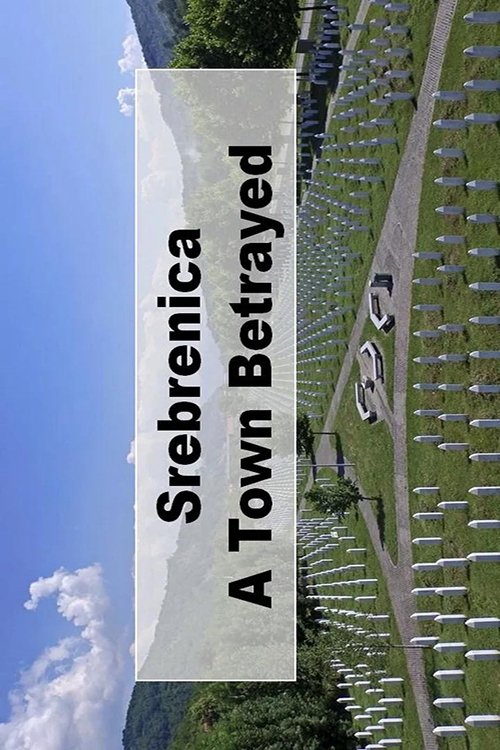
A town betrayed
2010 film
Historiography in North Macedonia
Study methodologies of Macedonian historians
There was no such thing as Palestinians
statement by Israeli Prime Minister Golda Meir considered to be the most famous example of Israeli denial of a distinct Palestinian identity
Lechina Empire
fictitious country
Bosnian genocide denial
denial of Bosnian genocide

Philip R. Davies
British Biblical scholar (1945–2018)
Ma Lik
Hong Kong politician