Category
page 1Hymenoptera of Asia

Apis mellifera
species of insect
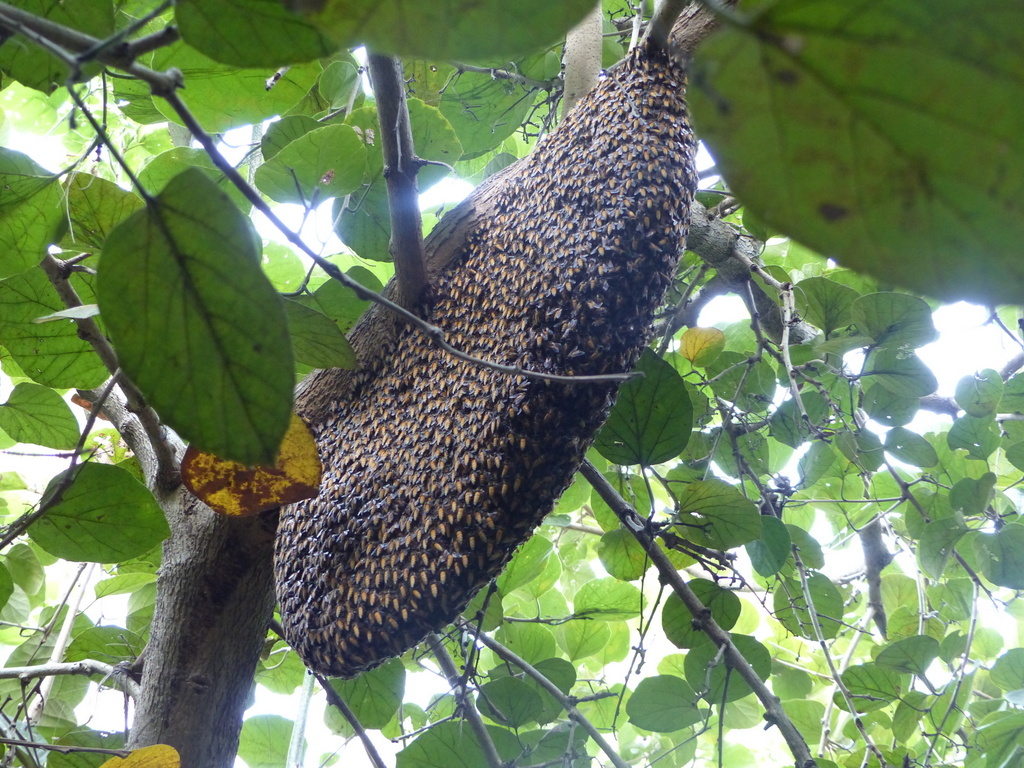
Apis dorsata
species of insect

Vespa velutina
species of insect

Asian giant hornet
species of insect
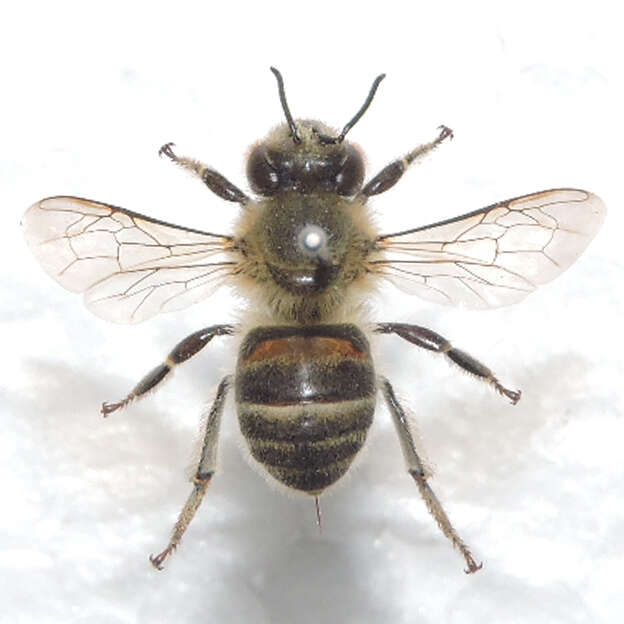
Apis cerana
species of insect
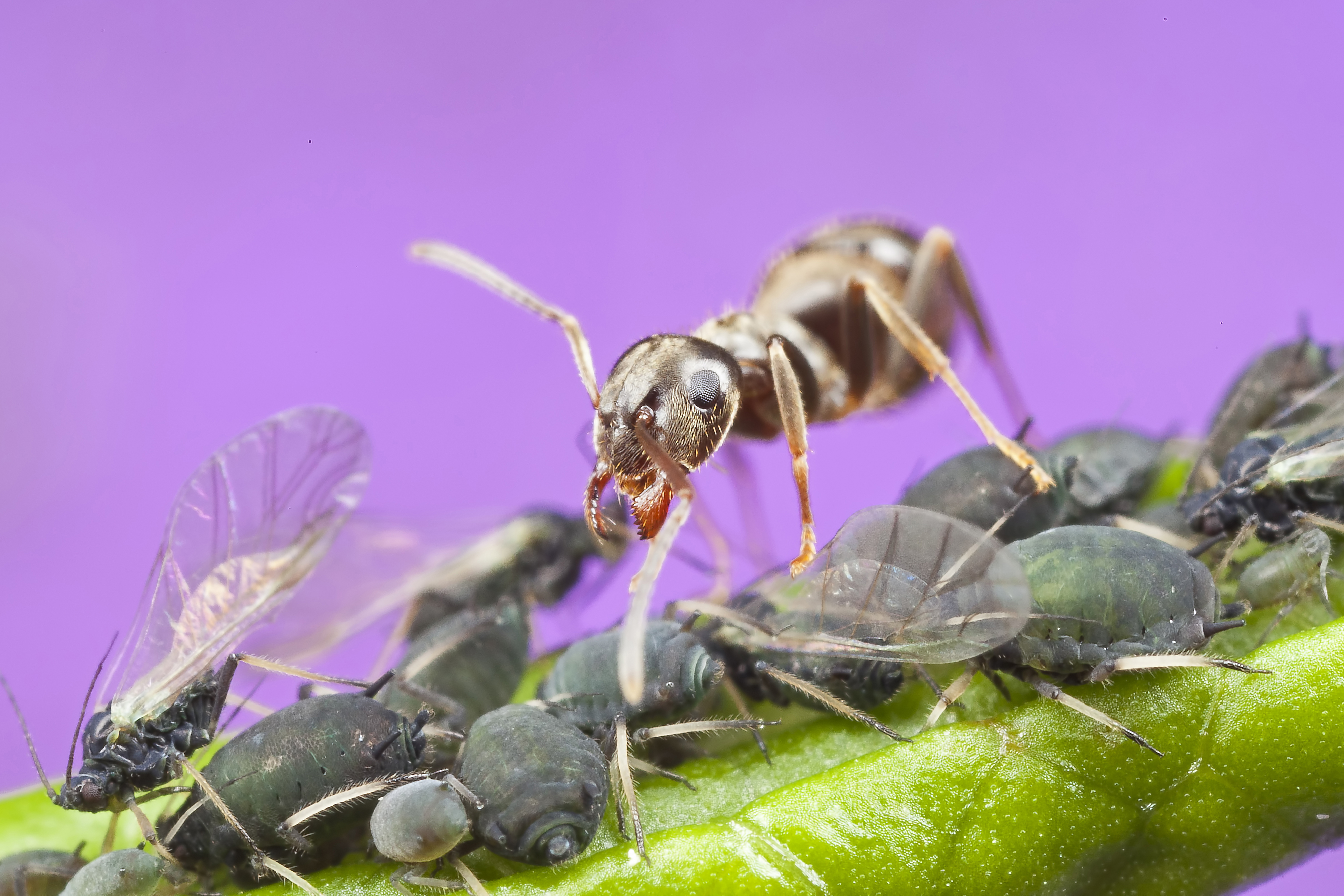
Lasius niger
species of insect
Apis florea
species of insect

Vespa orientalis
species of insect

Megachile pluto
species of insect

Xylocopa violacea
species of insect

Solenopsis invicta
species of ant

Yellow meadow ant
species of insect

Formica fusca
species of insect

Camponotus enculus
species of insect
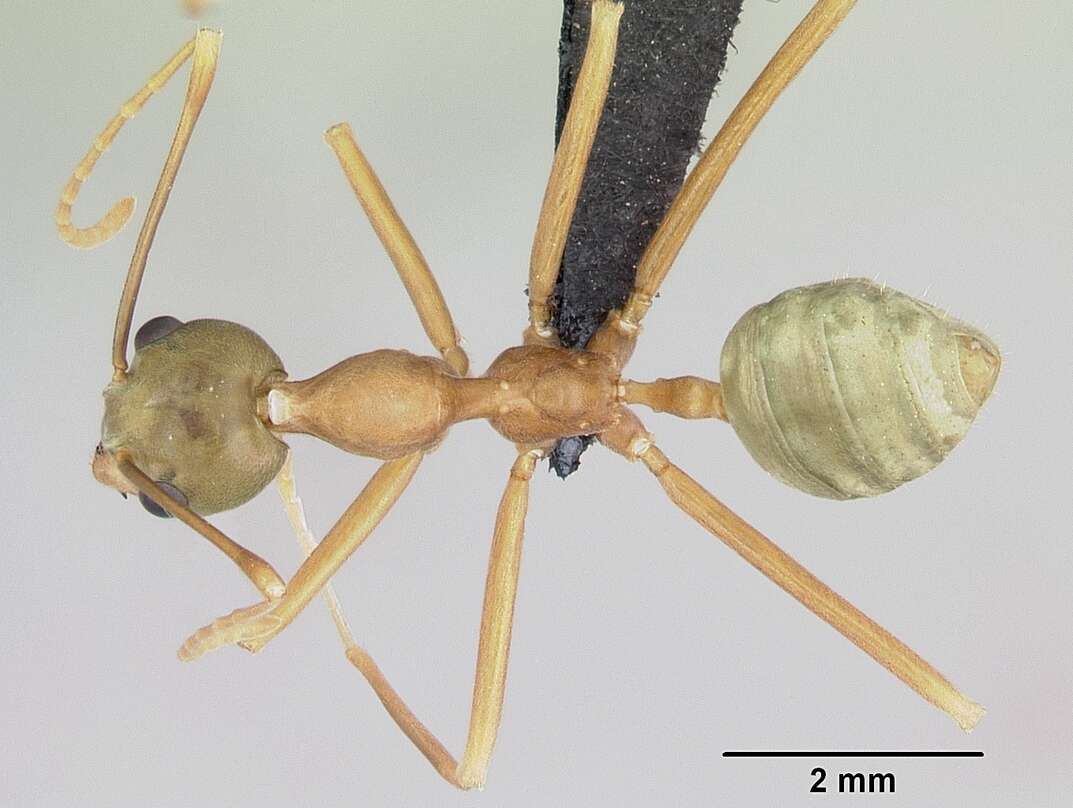
Oecophylla smaragdina
species of insect

Polistes dominula
species of insect

Formica sanguinea
species of insect

Bombus hypnorum
species of insect

Osmia rufa
species of insect

broken-belted bumblebee
species of insect

Formica aquilonia
species of insect
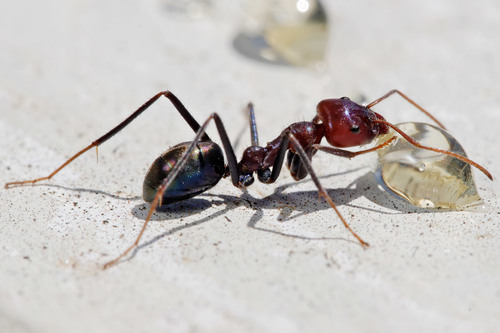
Iridomyrmex
Iridomyrmex is a genus of ants called rainbow ants (referring to their blue-green iridescent sheen) first described by Austrian entomologist Gustav Mayr in 1862. He placed the genus in the subfamily Dolichoderinae of the family Formicidae. It has 79 described species and five fossil species. Most of these ants are native to Australia; others are found in Asia and Oceania, and they have been introduced to Brazil, New Zealand, and the United Arab Emirates. Fossil species are known from China, France, and the United States.

Dryocosmus kuriphilus
species of insect
Apis dorsata laboriosa
species of insect

Vespa affinis
species of insect

Camponotus saundersi
species of insect

Apis koschevnikovi
species of insect
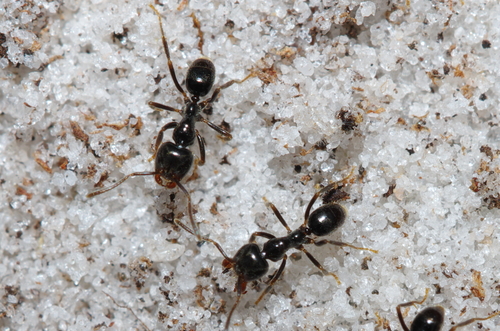
Anonychomyrma
Anonychomyrma is a genus of ants in the subfamily Dolichoderinae.
Apis andreniformis
species of insect
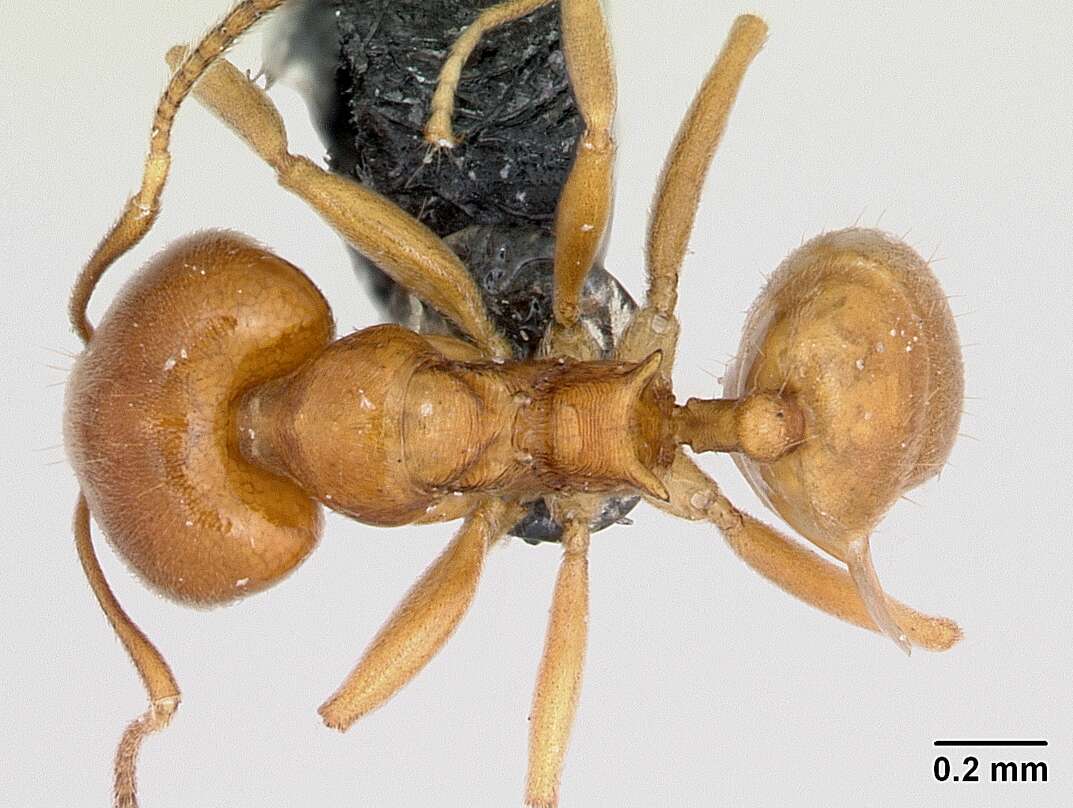
Sri Lankan relict ant
species of ant
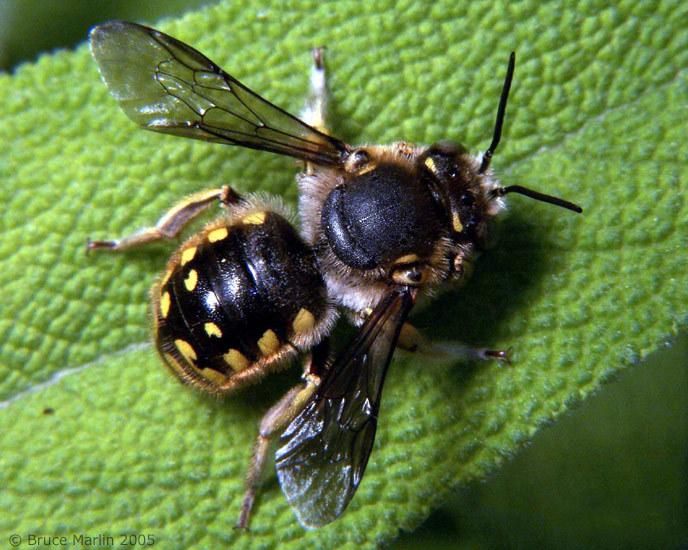
Anthidium manicatum
species of insect
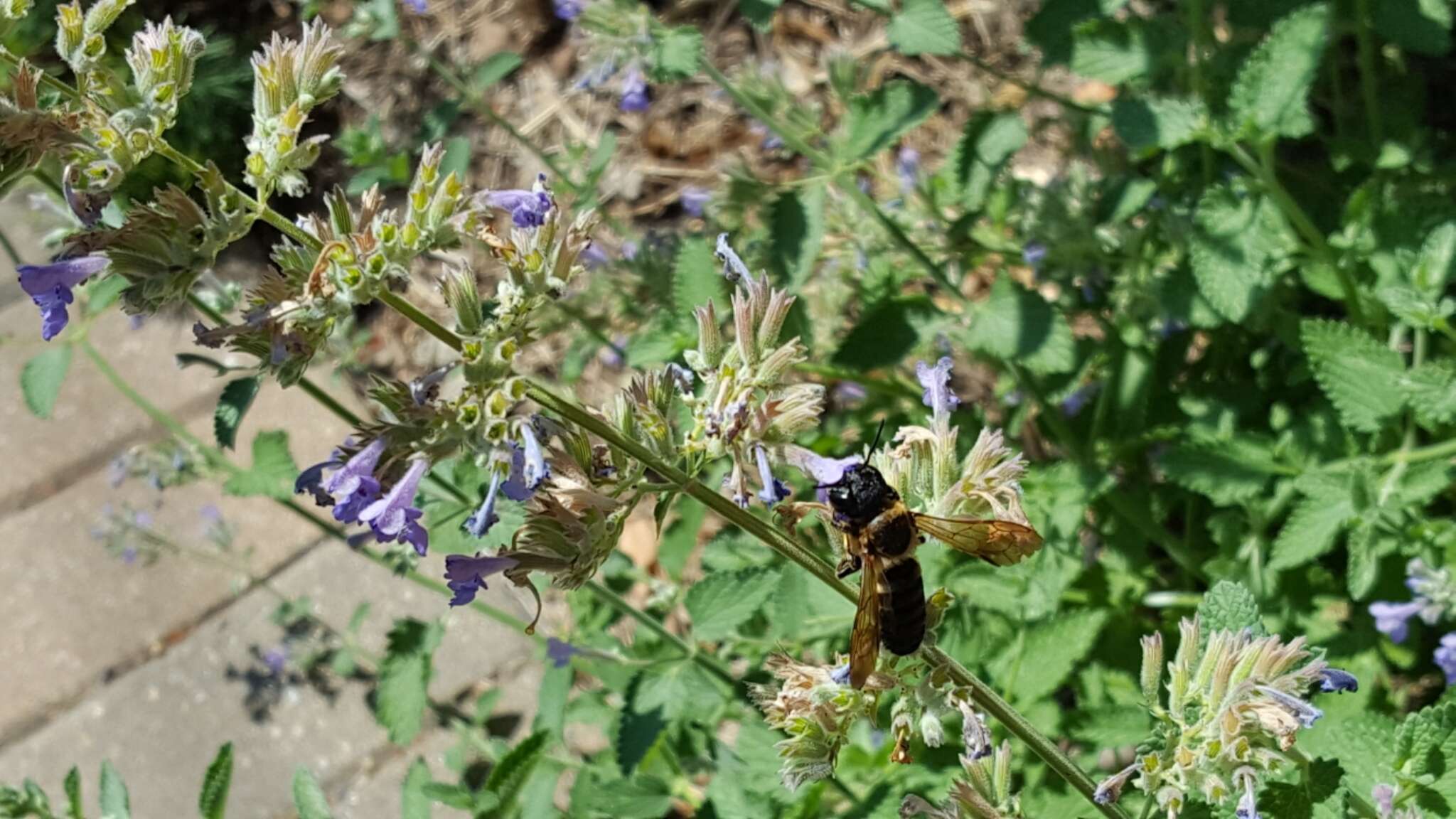
Sculptured resin bee
species of insect

Hairy-footed flower bee
species of insect

Leptomyrmex
Leptomyrmex, or spider ants, is a genus of ants and a distinctive member of the ant subfamily Dolichoderinae. Commonly known as "spider ants" for their long legs and spider-like movements, these orange and black ants are prominent residents of intact wet forest and sclerophyll habitats throughout their range. One extant species, Leptomyrmex relictus, is known from central Brazil; otherwise, the global distribution of this genus is restricted to eastern Australia, New Caledonia and New Guinea, as well as the nearby Indonesian islands of Aru and Seram.

Bombus ruderarius
species of insect
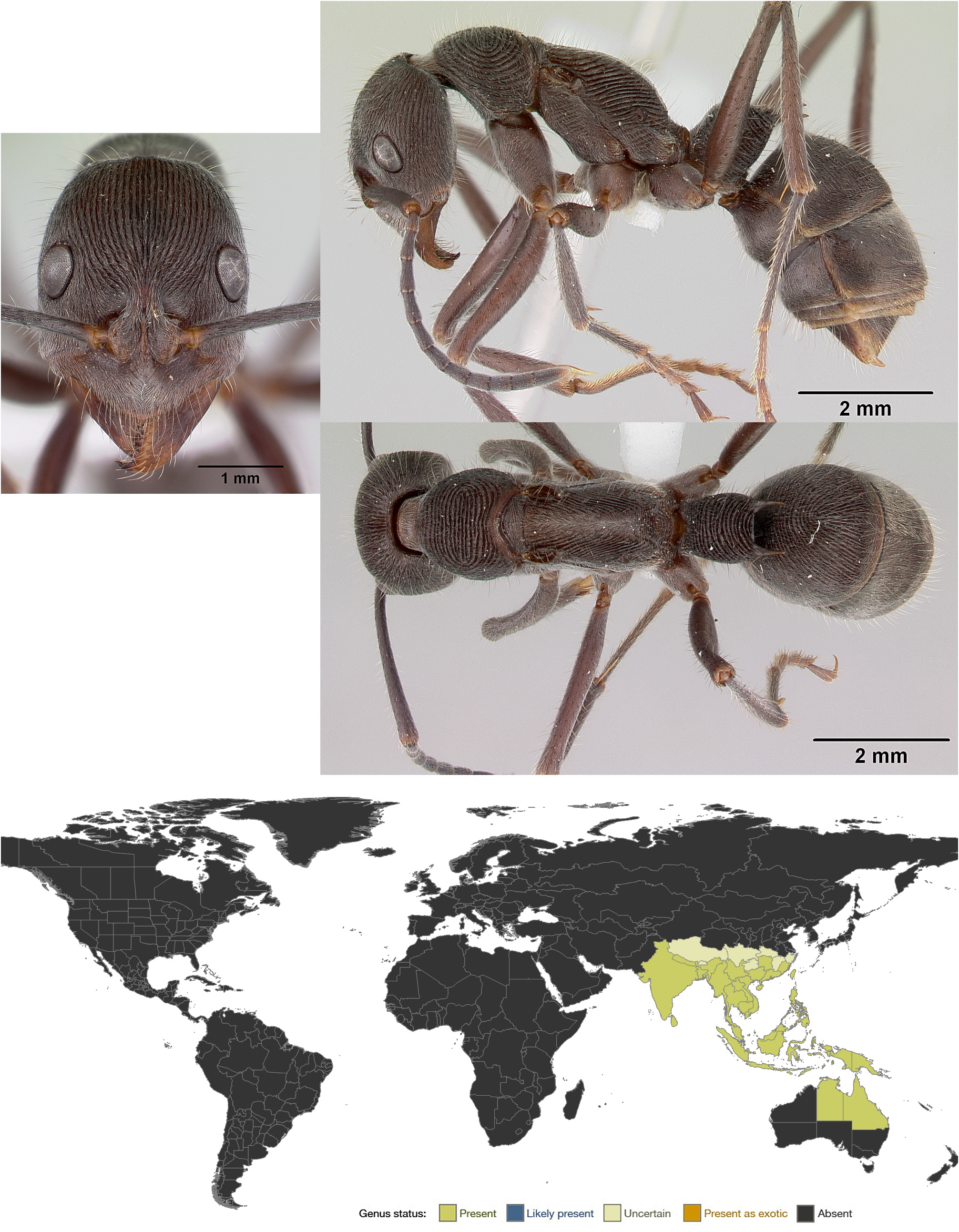
Diacamma
Diacamma is a genus of queenless ants belonging to the subfamily Ponerinae. It is distributed from India to Australia and contains about 24 species.
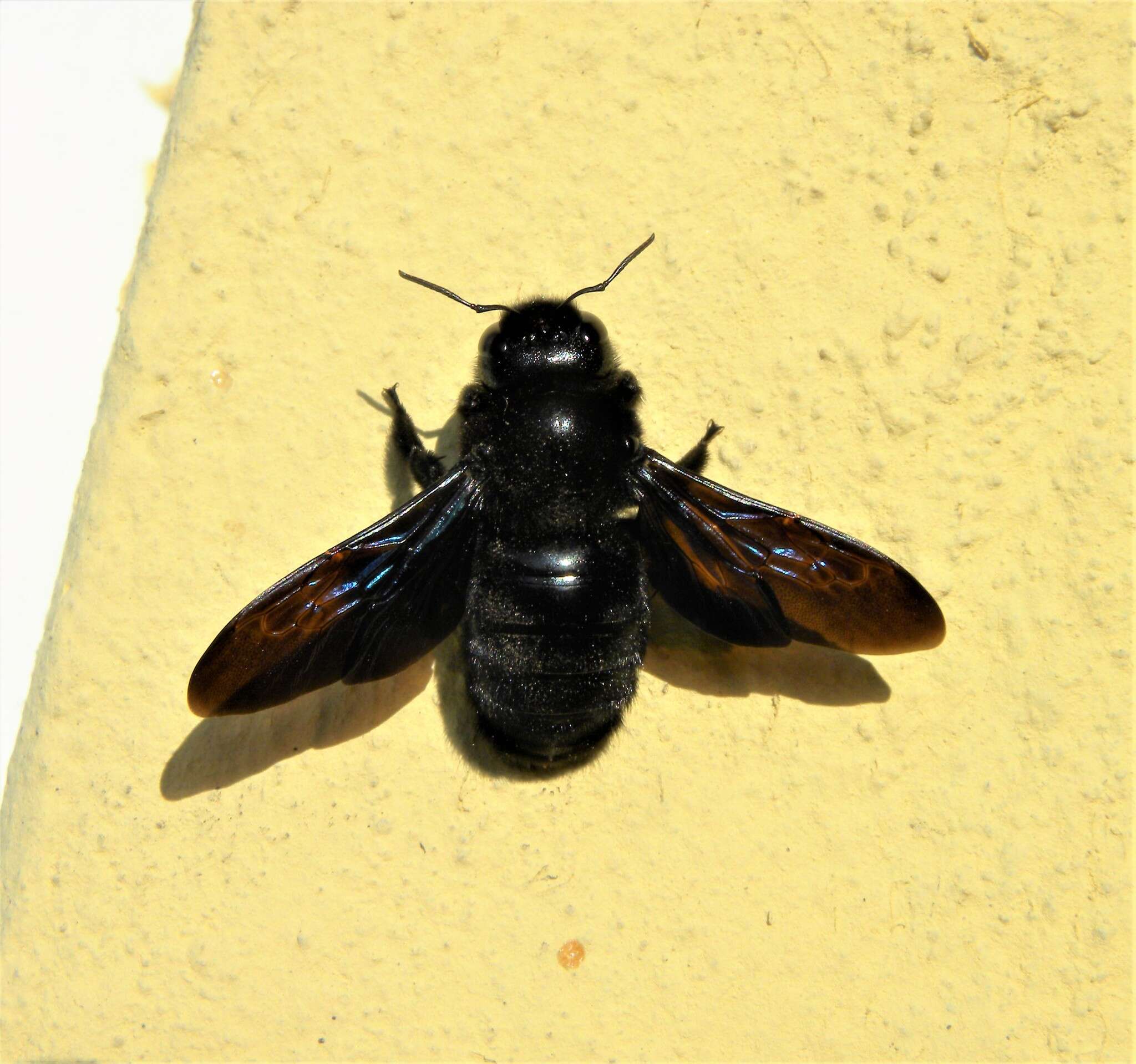
Xylocopa valga
species of insect
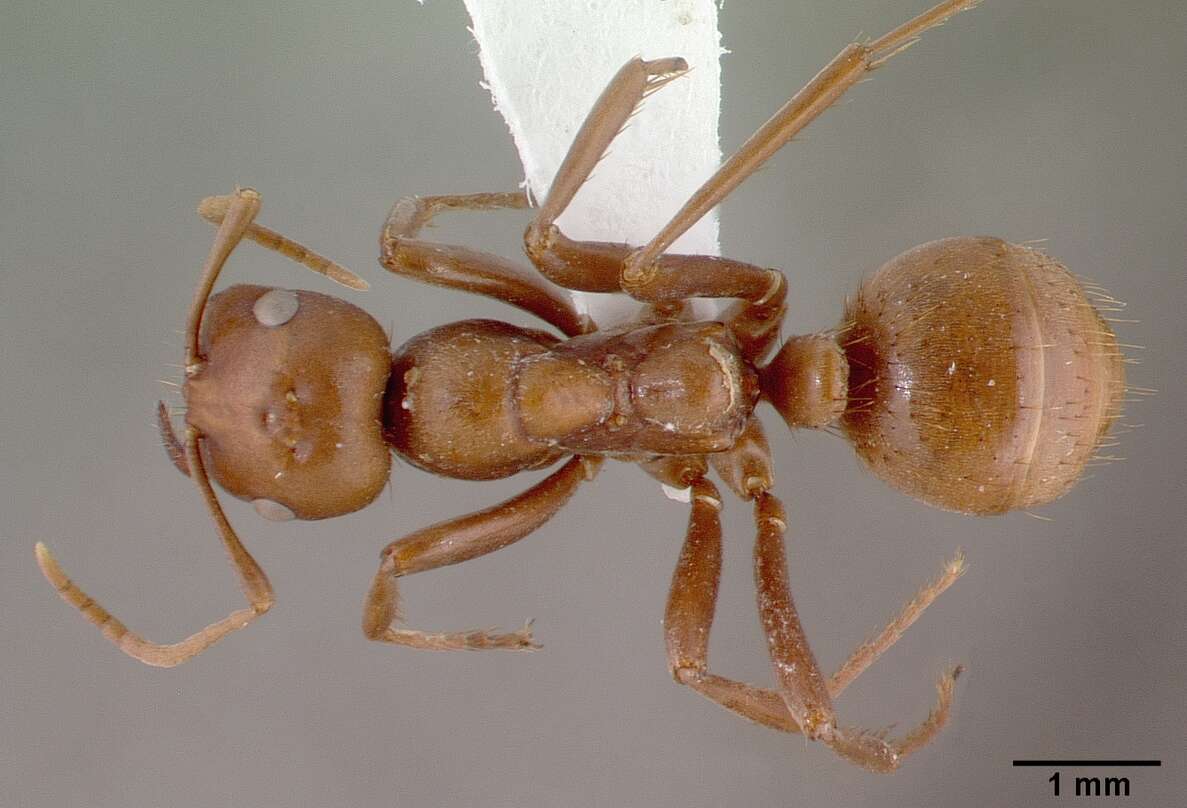
Polyergus rufescens
species of insect
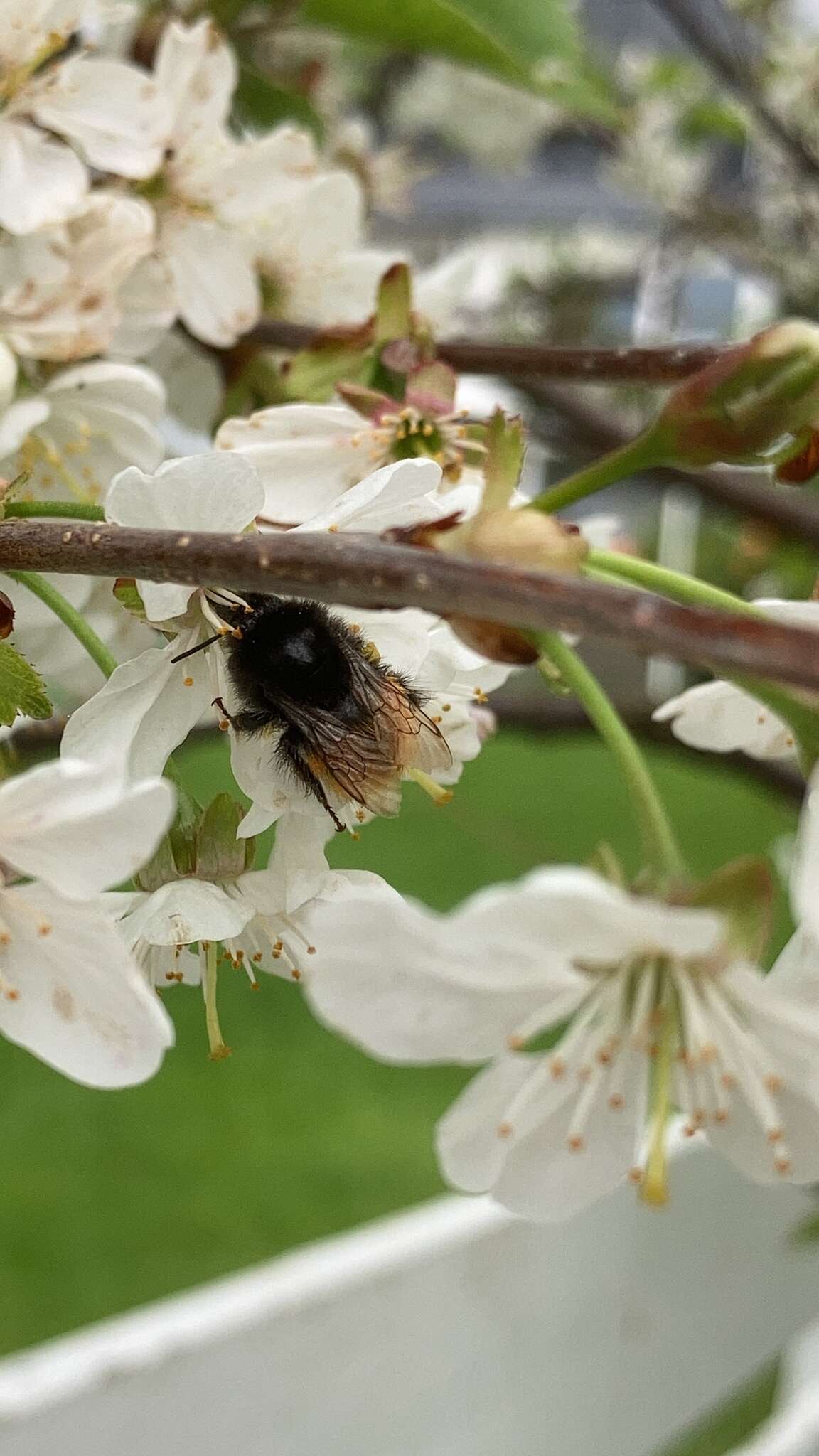
Q2066089
species of insect

Lasius fuliginosus
species of insect
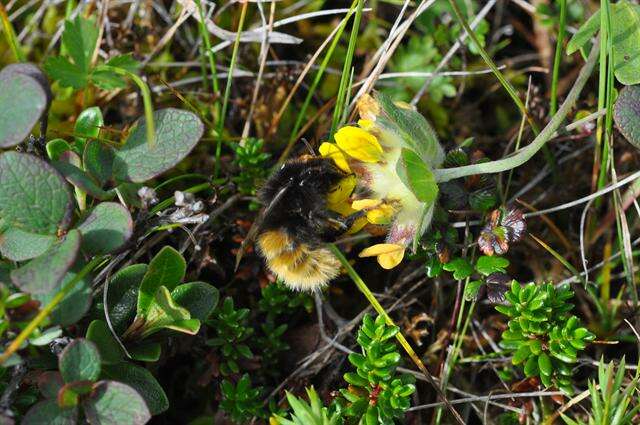
Q1924172
species of insect

Greater banded hornet
species of insect

Camponotus schmitzi
species of insect

Apis nigrocincta
species of insect
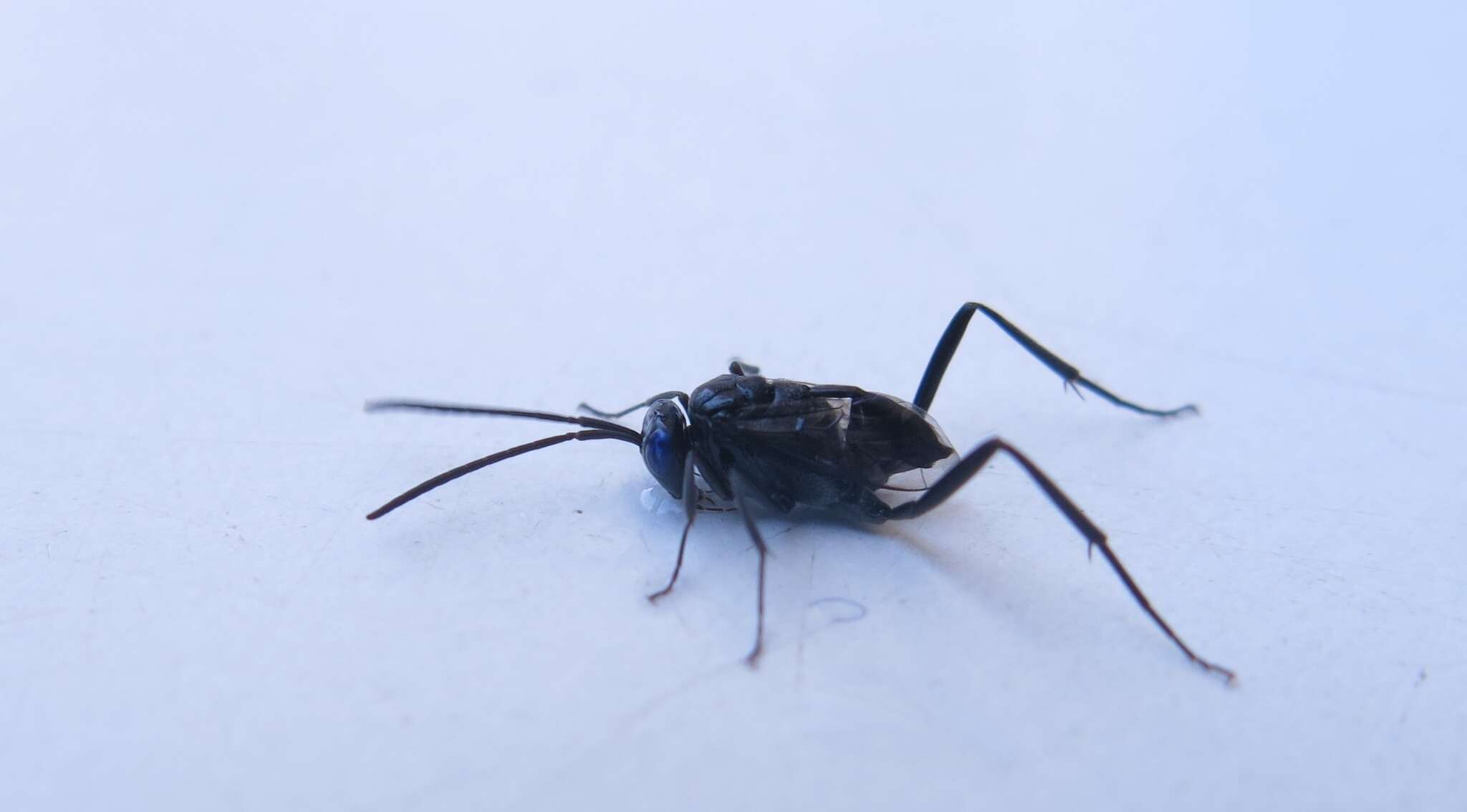
Evania appendigaster
species of insect

Dolichoderus quadripunctatus
species of insect

Bombus armeniacus
species of insect
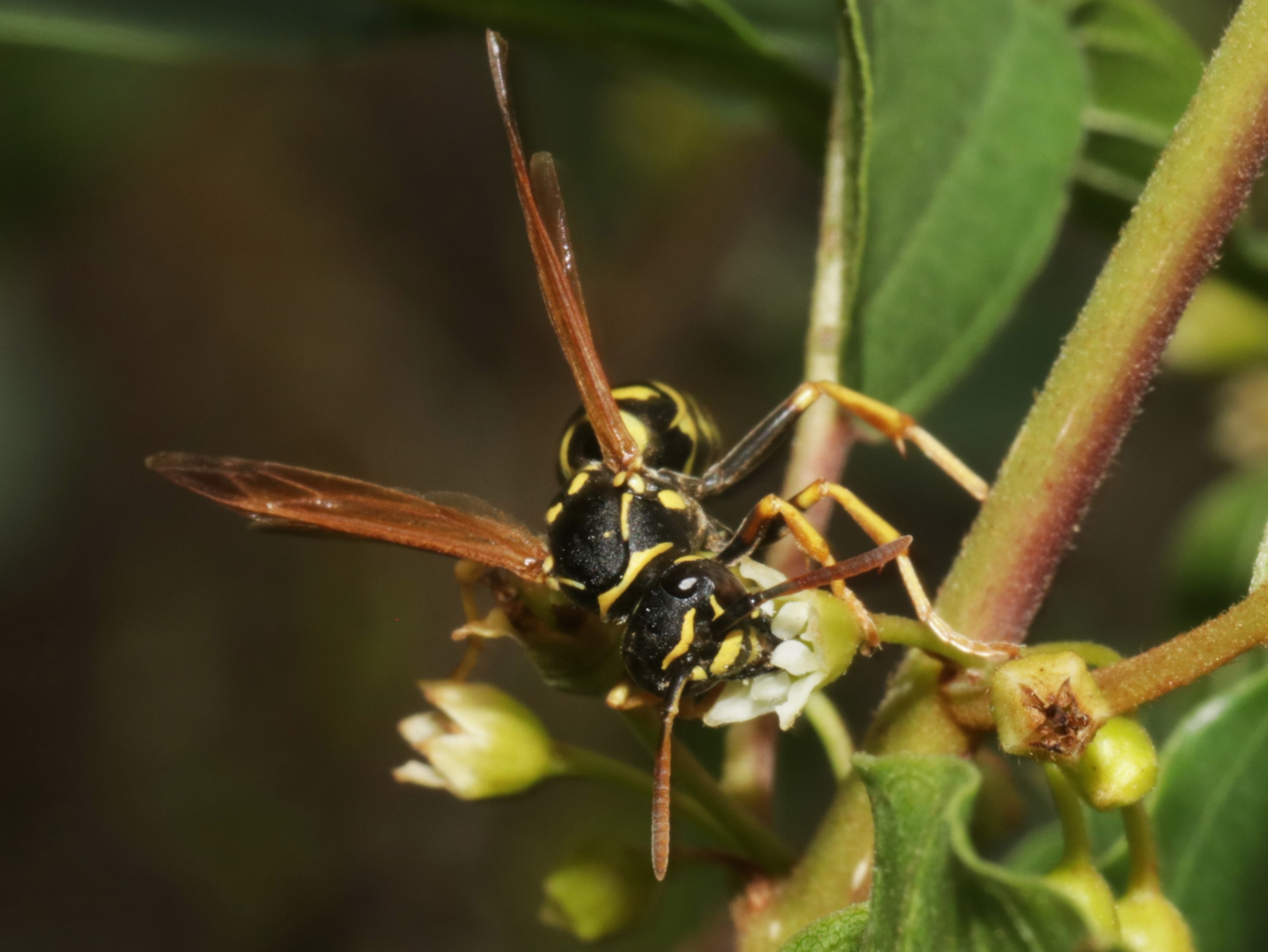
Polistes nimpha
species of insect

Dolichovespula sylvestris
species of insect

Vespula austriaca
species of insect
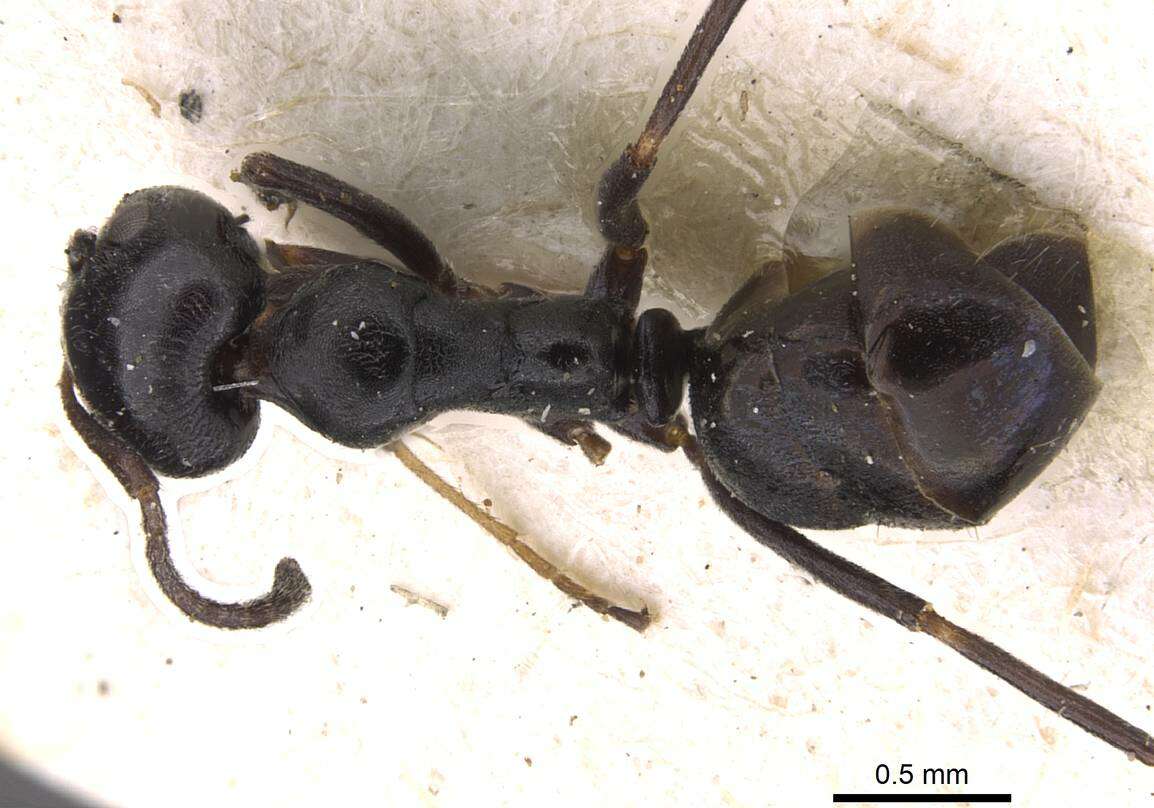
Ochetellus
Ochetellus is a genus of ants first described by Steve Shattuck in 1992. He placed it in the subfamily Dolichoderinae of the family Formicidae. The ants in this genus are small and black in colour; workers measure in length, the males at around are smaller, and the queens are the largest, reaching . There are seven described species and three described subspecies that mostly live in Australia in a wide variety of habitats, but some species are found in Asia. One species, Ochetellus glaber, has been introduced into New Zealand and the United States.

Polyergus samurai
species of insect
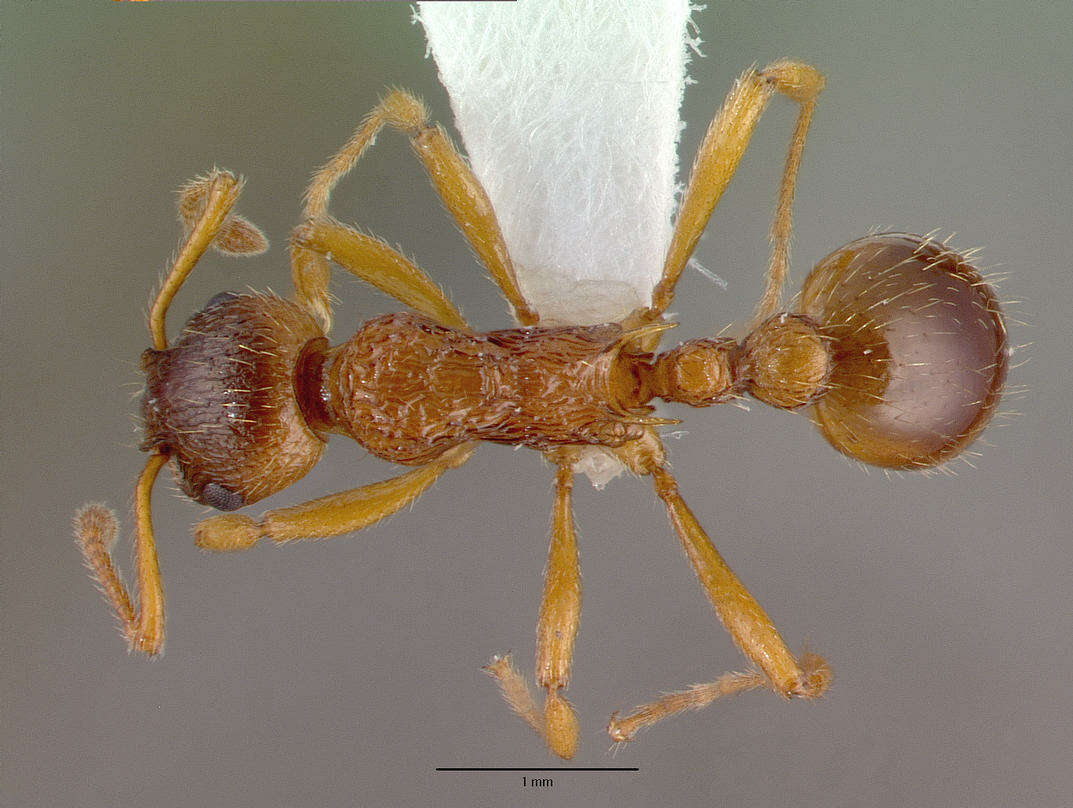
Myrmica ruginodis
species of ant
Pristomyrmex
Pristomyrmex is a genus of ants in the subfamily Myrmicinae.
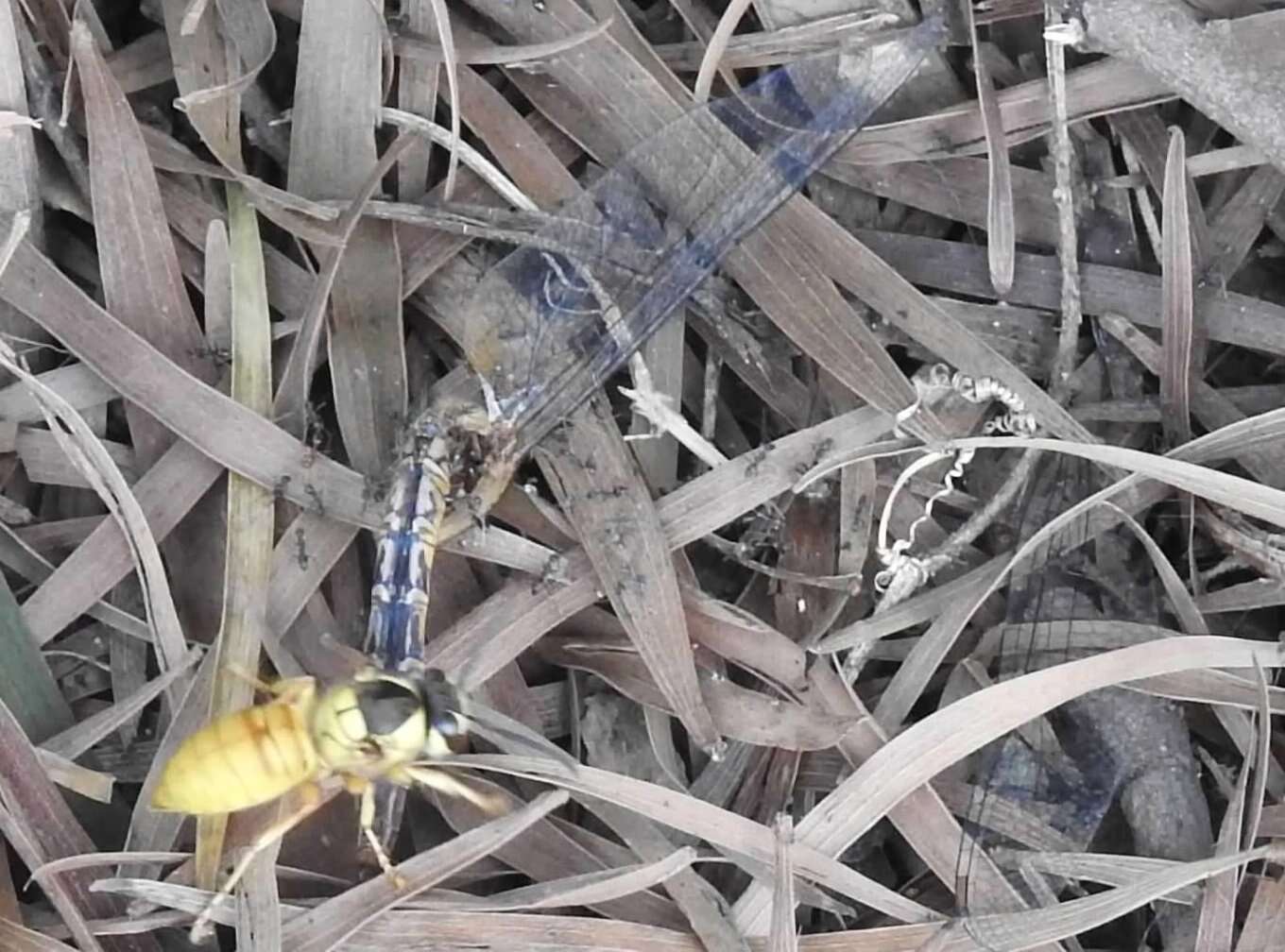
Vespa bicolor
species of insect

Asian Mud-dauber Wasp
species of insect

Eucera longicornis
species of insect

Formica exsecta
species of insect
Q1965309
species of insect

Formica japonica
species of insect