Category
page 1Hypocreales genera

Ophiocordyceps
Ophiocordyceps is a genus of fungi within the family Ophiocordycipitaceae. The widespread genus, first described scientifically by British mycologist Tom Petch in 1931, contains about 140 species that grow on insects. Anamorphic genera that correspond with Ophiocordyceps species are Hirsutella, Hymenostilbe, Isaria, Paraisaria, and Syngliocladium.

Stachybotrys
Stachybotrys () is a genus of molds, hyphomycetes or asexually reproducing, filamentous fungi, now placed in the family Stachybotryaceae. The genus was erected by August Carl Joseph Corda in 1837. Historically, it was considered closely related to the genus Memnoniella, because the spores are produced in slimy heads rather than in dry chains. Recently, the synonymy of the two genera is generally accepted. Most Stachybotrys species inhabit materials rich in cellulose. The genus has a widespread distribution and contained about 50 species in 2008. There are 88 records of Stachybotrys on Species

Epichloe
Epichole, also known as Epichloë, is a genus of ascomycete fungi forming an endophytic symbiosis with grasses. Grass choke disease is a symptom in grasses induced by some Epichloë species, which form spore-bearing mats (stromata) on tillers and suppress the development of their host plant's inflorescence. For most of their life cycle however, Epichloë grow in the intercellular space of stems, leaves, inflorescences, and seeds of the grass plant without incurring symptoms of disease. In fact, they provide several benefits to their host, including the production of different herbivore-deterring
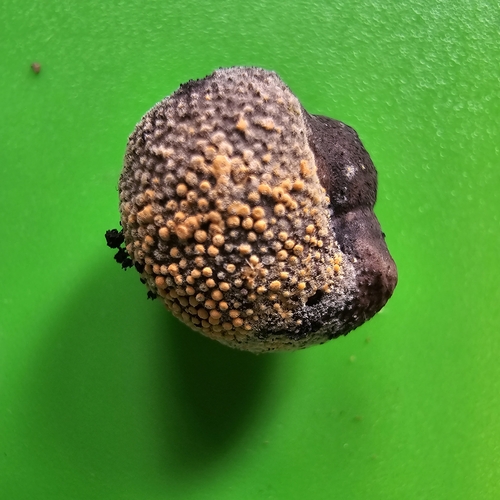
Clonostachys
genus of fungi
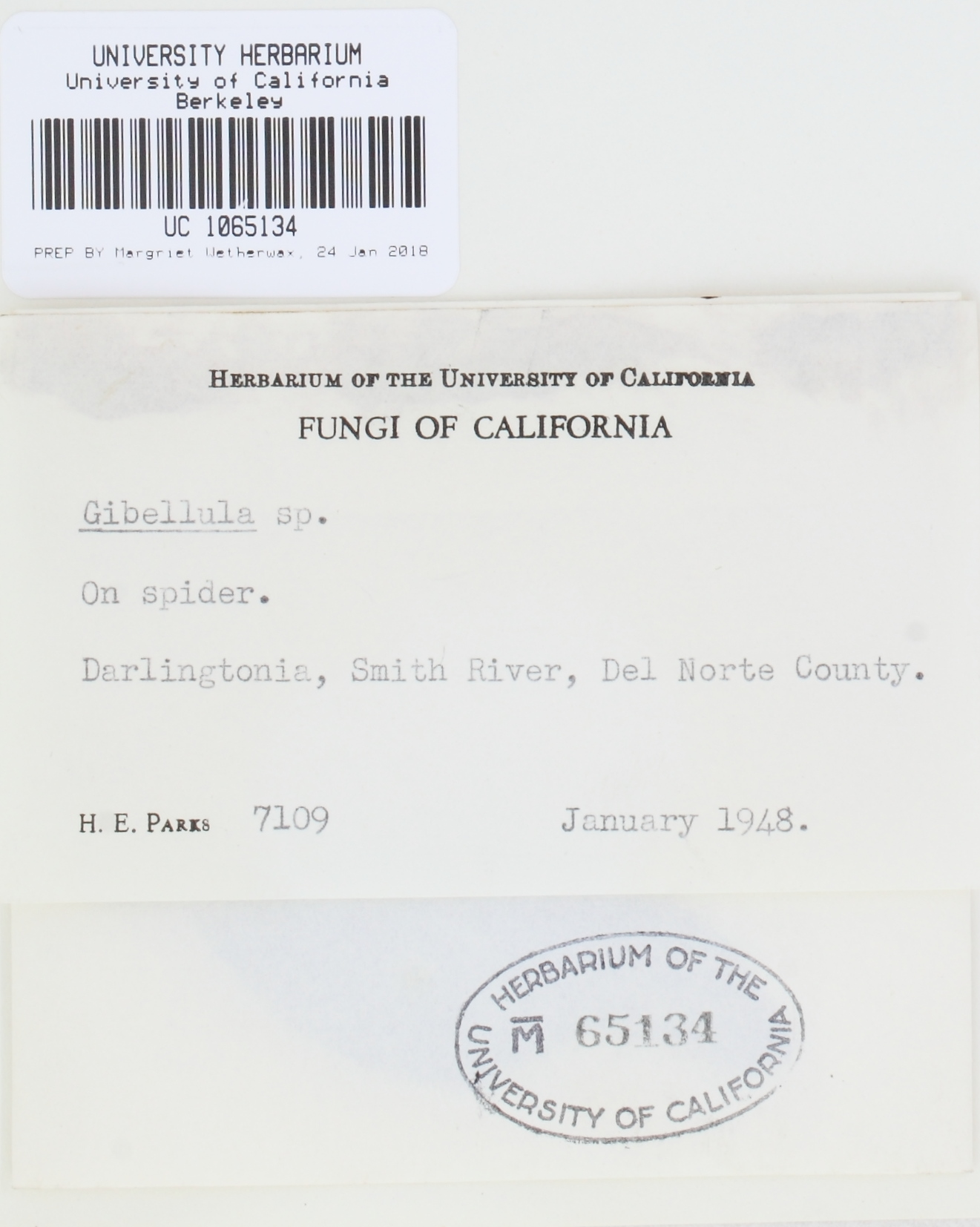
Gibellula
Gibellula is a genus of parasitic fungi which attacks arachnids.
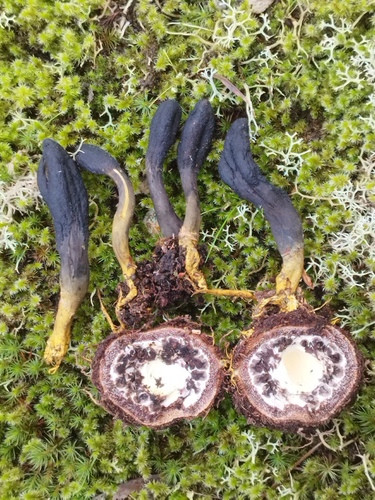
Tolypocladium
Tolypocladium is a genus of fungi within the family Ophiocordycipitaceae. It includes species that are parasites of other fungi, insect pathogens, rotifer pathogens and soil inhabiting species with uncertain ecological roles.
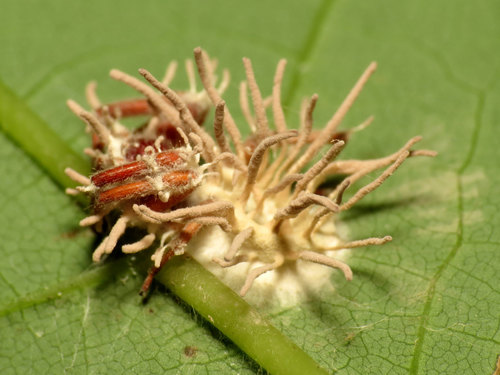
Torrubiella
Torrubiella is a genus of fungi in the family Cordycipitaceae. The genus was circumscribed by mycologist Jean Louis Émile Boudier in 1885.
Trichothecium
Trichothecium is a genus of fungi with unknown place in classification.
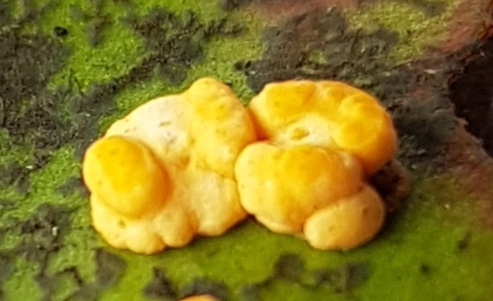
Hypocrella
Hypocrella is a genus of fungi in the family Clavicipitaceae.

Pronectria
Pronectria is a genus of fungi in the family Bionectriaceae. It consists of 44 species, all of which are lichenicolous. The genus was circumscribed by American plant ecologist Frederic Clements in 1931.
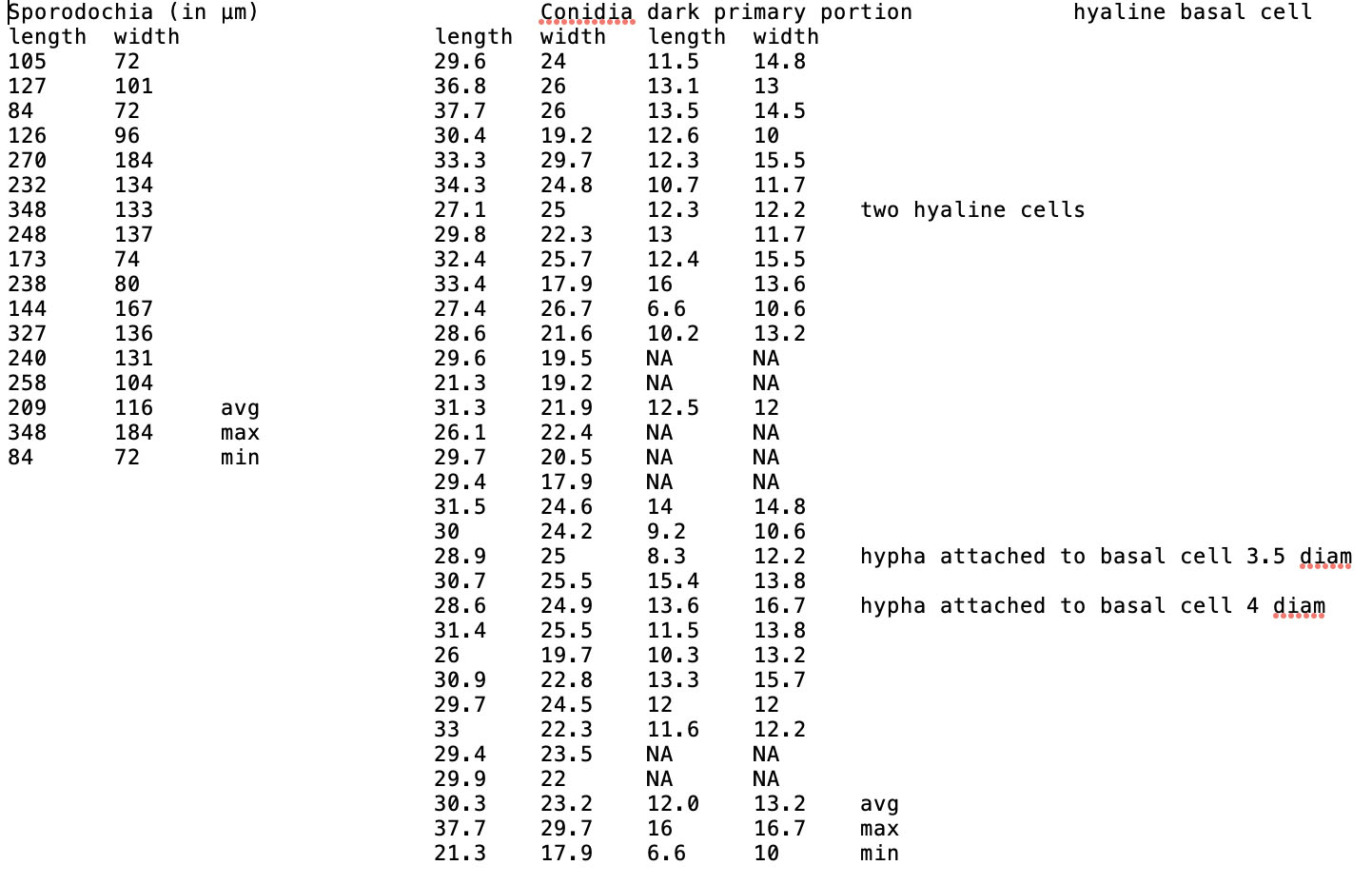
Berkleasmium
Berkleasmium is a genus of fungi belonging to the family Dematiaceae.

Acremoniella
Acremoniella is a genus of fungus with unknown family.
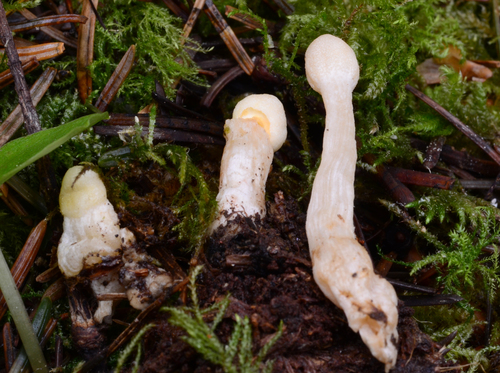
Podostroma
Podostroma is a genus of fungi in the family Hypocreaceae, circumscribed by the Finnish mycologist Petter Karsten in 1892 and containing eleven species (at least one being highly toxic) with a widespread distribution.
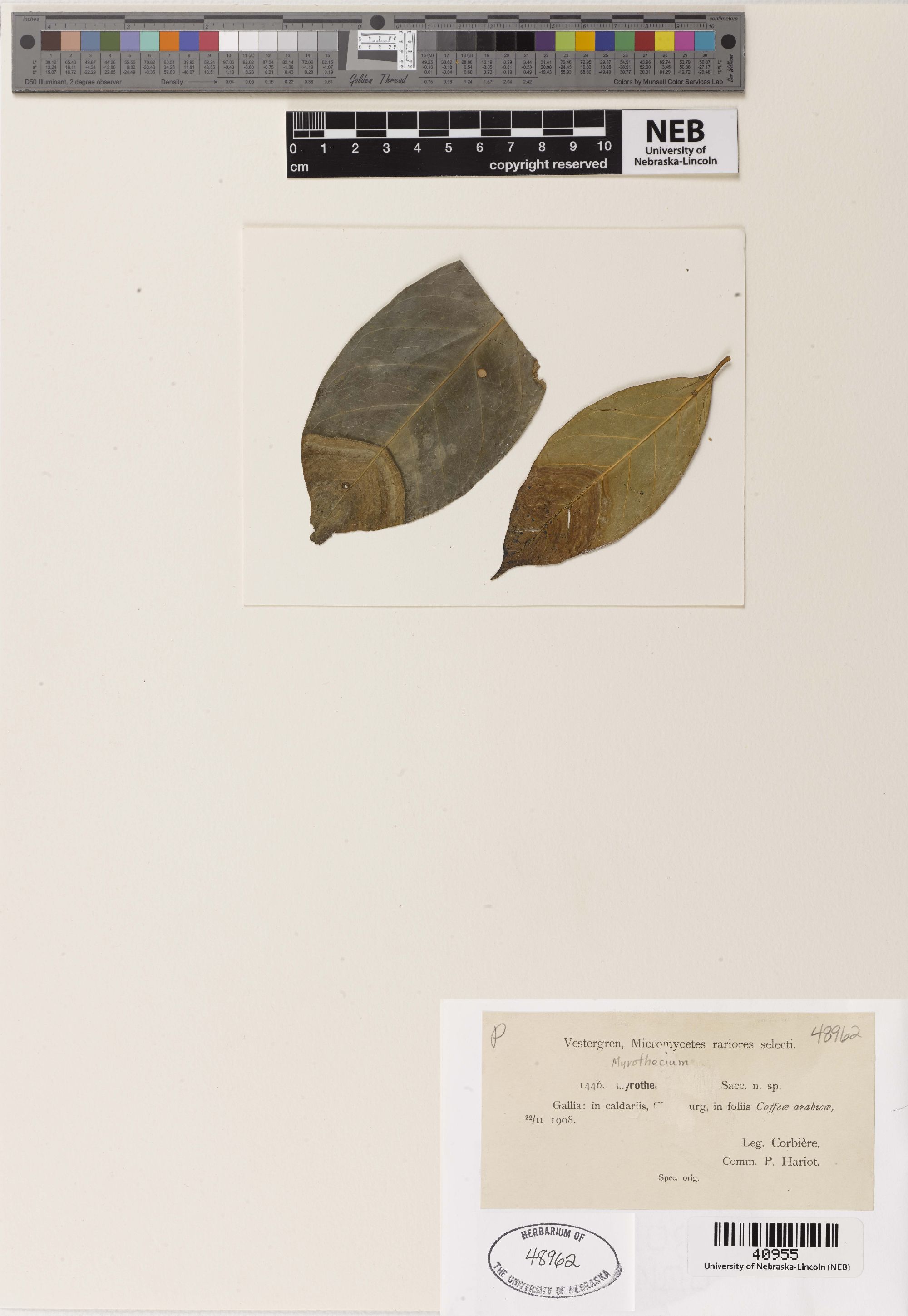
Myrothecium
Myrothecium is a genus of fungi in the order Hypocreales and is now placed in the family Stachybotryaceae.

Cladobotryum
Cladobotryum is a genus of fungi in the family Hypocreaceae.

Paranectria
Paranectria is a genus of fungi in the class Sordariomycetes. It consisted of three species in 2008, in 2023 it had 8 species.

Trichonectria
Trichonectria is a genus of fungi in the class Sordariomycetes.

Aschersonia
Aschersonia is a genus of fungi in the order Hypocreales and family Clavicipitaceae. The genus name was erected in honour of Paul Friedrich August Ascherson (1834–1913), a German botanist. Species in this genus include entomopathogenic fungi: for example, A. aleyrodis may be used for biological control of whitefly pests.
Engyodontium
Engyodontium is a genus of fungi belonging to the group Hyphomycetes and contains about 6 species. This fungus was formerly included in Beauveria, but is now recognized as a distinct genus.
Gliomastix
Gliomastix is a genus of fungi belonging to the family Bionectriaceae.
Sarocladium
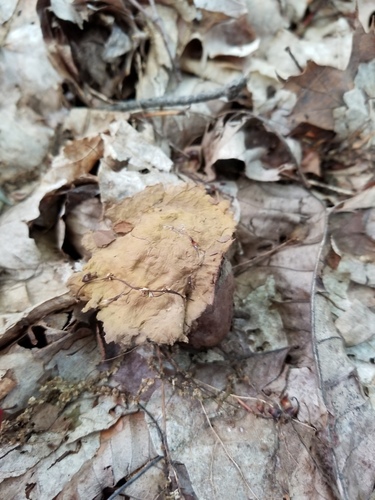
Sarocladium is a genus of saprotrophic fungi found in crops, soil, plant debris, and rotting mushrooms. It was created by Walter Gams and David Leslie Hawksworth for the species of rice fungus, Sarocladium oryzae, in 1976. The species are most notable as a causative pathogens of sheath rot of rice and blight in bamboo. Species like S. strictum can cause infection in humans called hyalohyphomycosis (skin, nail and tissue infection) that can lead to fatal disease if improperly treated.

Calcarisporium
Calcarisporium is a genus of fungi in the order Hypocreales. Species are typically fungicolous, parasitizing other fungal fruit bodies.
Acrostalagmus
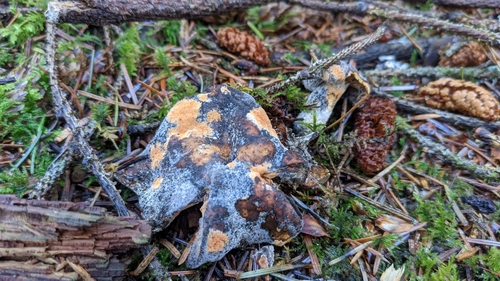
Acrostalagmus is a genus of fungi belonging to the family Plectosphaerellaceae.

Ustilaginoidea
Ustilaginoidea is a genus of fungi in the family Clavicipitaceae. The genus contains 19 species. Ustilaginoidea was circumscribed by German botanist Julius Oscar Brefeld in 1895, with Ustilaginoidea oryzae assigned as the type species. Ustilaginoidea virens causes the disesase known alternatively as rice false smut, pseudosmut, or green smut.

Polycephalomyces
Polycephalomyces is a genus of fungi in the family Ophiocordycipitaceae.
Drechmeria
Drechmeria is a genus of fungi in the family Clavicipitaceae.

Ephelis
genus of fungi
Roumegueriella
Roumegueriella is a genus of fungi in the class Sordariomycetes. It consists of three species.
Pseudopezicula
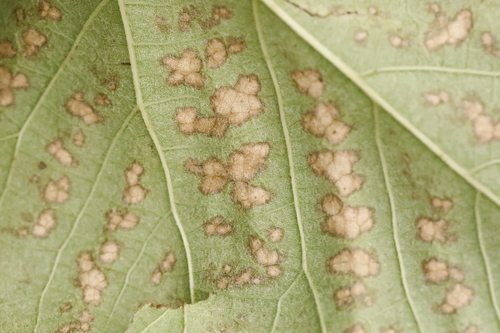
Pseudopezicula is a genus of fungi in the family Helotiaceae. Circumscribed by mycologist Richard P. Korf in 1986, the genus contains two species that cause angular leaf scorch disease on grapes.

Protocreopsis
Protocreopsis is a genus of fungi in the class Sordariomycetes. It consisted of nine species in 2008, and up to 11 species in 2023.
Mycogone
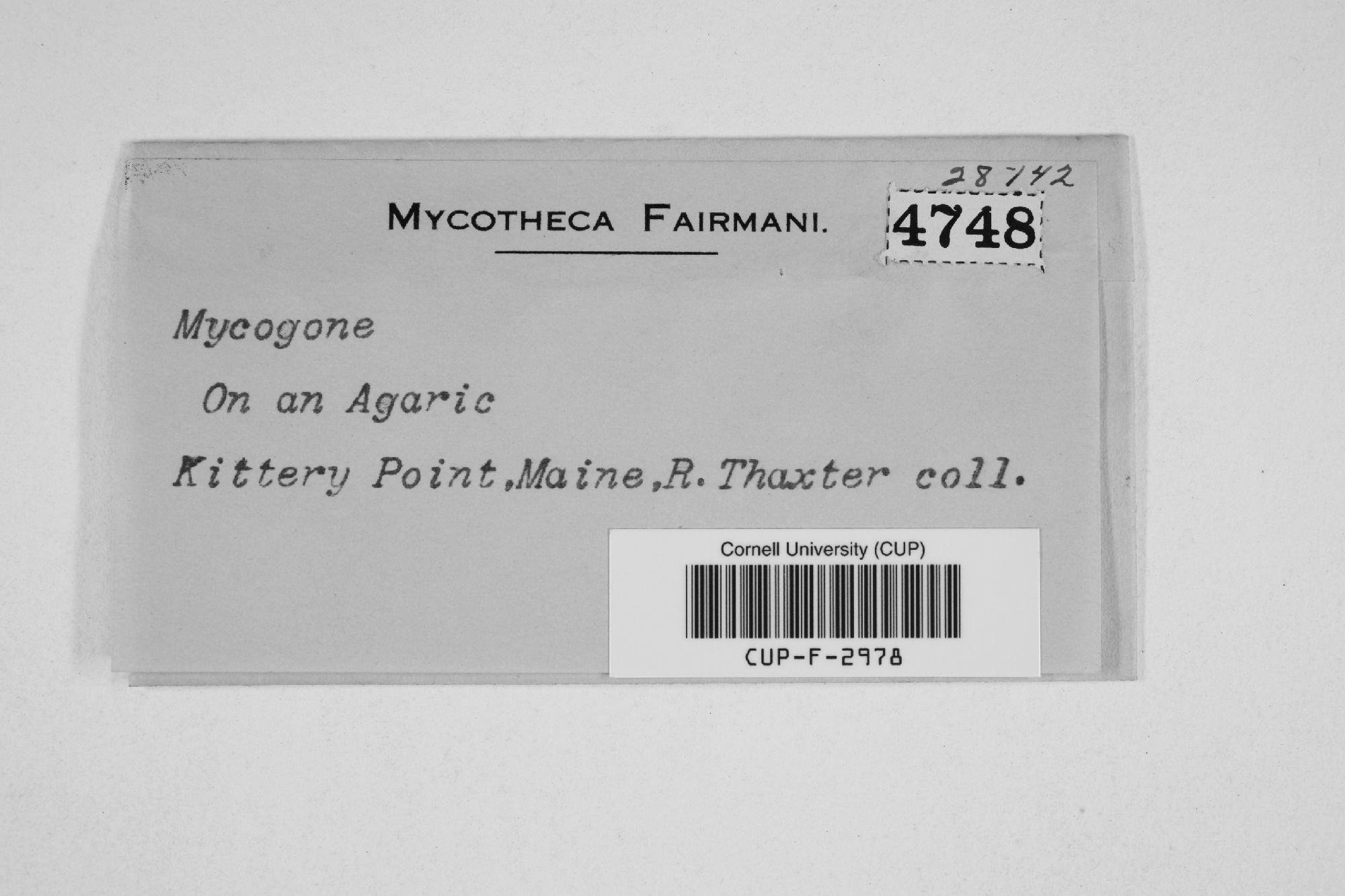
Mycogone is a genus of fungi belonging to the family Hypocreaceae.

Tilachlidium
Tilachlidium is a genus of fungi in the family Tilachlidiaceae.
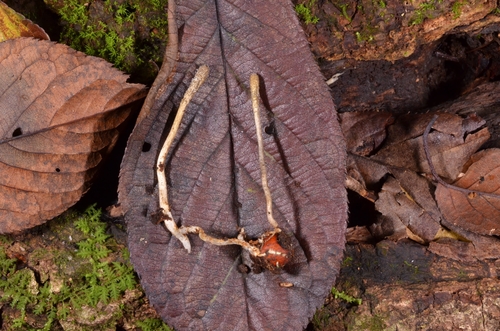
Shimizuomyces
Shimizuomyces is a genus of fungi within the family Clavicipitaceae.
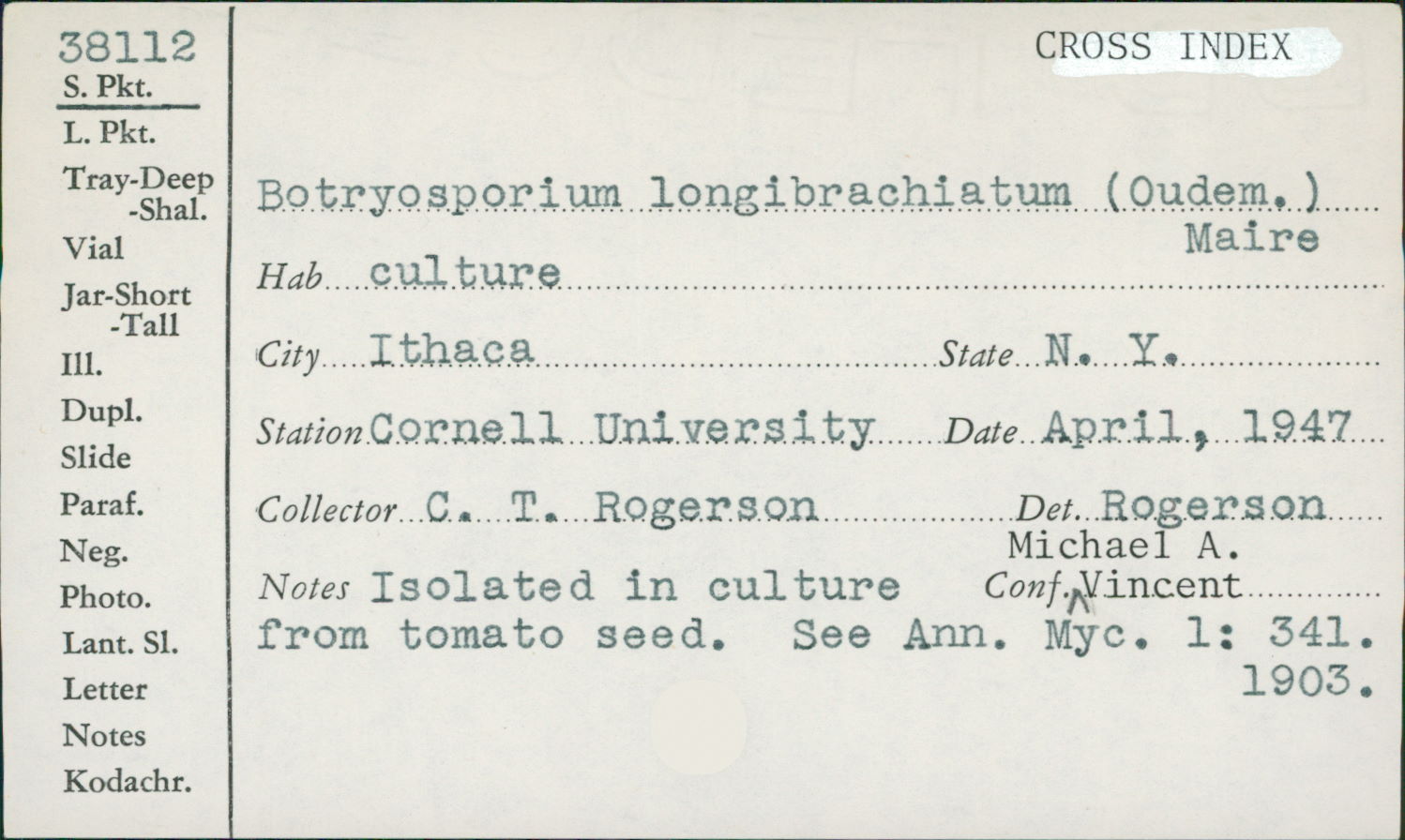
Botryosporium
Botryosporium is a genus of fungi belonging to the order Hypocreales, family unknown.