Category
page 1Indian humanists
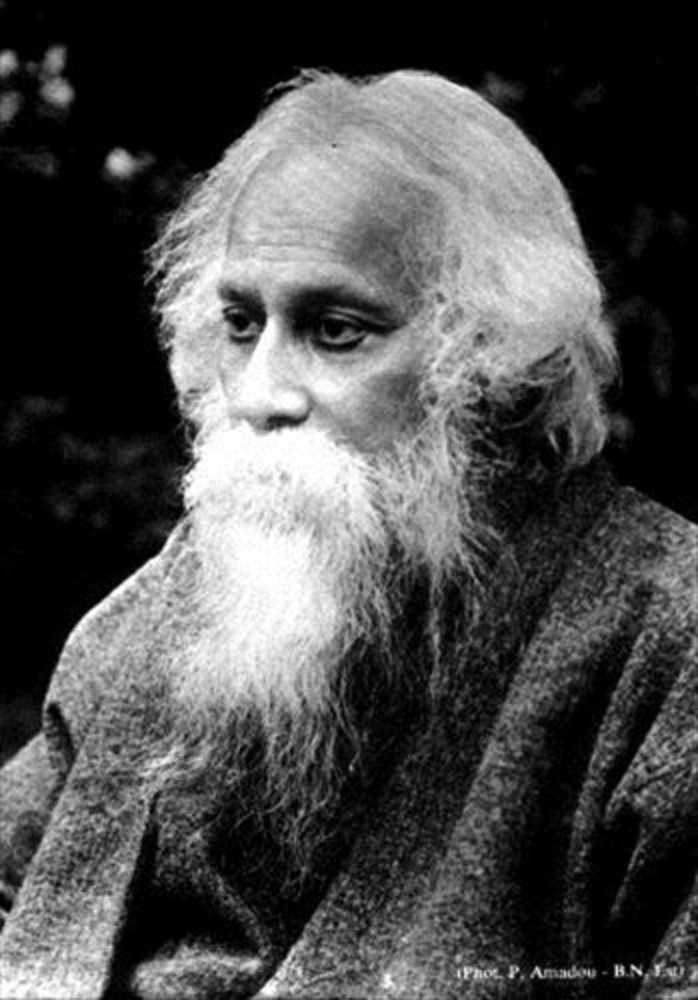
Rabindranath Tagore
Bengali poet, philosopher and polymath (1861–1941)

Jawaharlal Nehru
Jawaharlal Nehru was an Indian anti-colonial nationalist, secular humanist, social democrat, and statesman who was a central figure in India during the middle of the 20th century. Nehru was a principal leader of the Indian nationalist movement in the 1930s and 1940s. Upon India's independence in 1947, he served as the country's first prime minister for 16 years. Nehru promoted parliamentary democracy, secularism, and science and technology during the 1950s, powerfully influencing India's arc as a modern nation. In international affairs, he steered India clear of the two blocs of the Cold War. A well-regarded author, he wrote books such as Letters from a Father to His Daughter (1929), An Autobiography (1936) and The Discovery of India (1946), that have been read around the world.
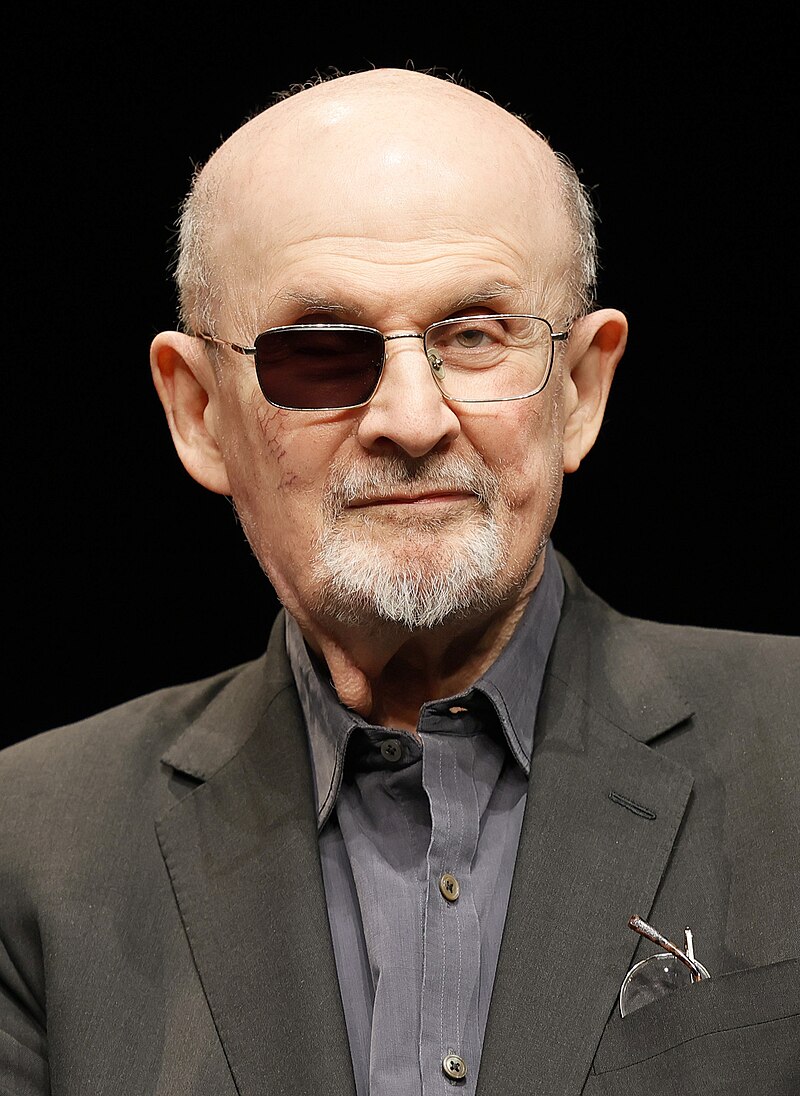
Salman Rushdie
Indian-born British-American novelist (born 1947)

Amitav Ghosh
Indian writer

M. N. Roy
Indian political activist and intellectual

Prabhat Rainjan Sarkar
Indian spiritual Guru, philosopher, social reformer and composer (1921–1990)
Arun Manilal Gandhi
Indian-American social activist (1934–2023)
Sanal Edamaruku
Indian rationalist
Kusumagraj
Vishnu Vaman Shirwadkar (27 February 1912 – 10 March 1999), popularly known by his pen name, Kusumāgraj, was a Marathi poet, playwright, novelist and short story writer, who wrote of freedom, justice and emancipation of the deprived.
Brajendra Nath Seal
Indian academic and scholar
Malladi Subbamma
Indian activist and Telugu writer (1924-2014)

V. M. Tarkunde
Indian activist (1909-2004)
Khushdeva Singh
an Indian physician and social worker
Kamal Kumari Barooah
matriarch of the Khongiya Barooah family of Thengal, Assam