Category
page 1Insect superorders

Dictyoptera
thumb|upright|Termite queen with soldiers
Dictyoptera (from Greek δίκτυον diktyon "net" and πτερόν pteron "wing") is an insect superorder that includes two extant orders of polyneopterous insects: the order Blattodea (termites and cockroaches together) and the order Mantodea (mantises). All modern Dictyoptera have short ovipositors and typically lay oothecae. The oldest fossils of Dictyoptera from the Late Carboniferous, referred to as "roachoids" have long ovipositors and did not lay oothecae. The oldest modern oothecae-laying dictyopterans date to the Late Triassic.
__TOC__
==Classification
Exopterygota
The Exopterygota (Ancient Greek ἔξω (éxō, "outside") + πτερόν (pterón, "wing") + Neo-Latin -ota ("having")), also known as Hemimetabola, are a superorder of insects of the subclass Pterygota in the infraclass Neoptera, in which the young resemble adults but have externally developing wings. They undergo a modest change between immature and adult, without going through a pupal stage. The nymphs develop gradually into adults through a process of moulting.
.jpg)
Neuropterida
The Neuropterida are a clade of holometabolous insects, sometimes placed at the superorder level. The clade contains the orders Neuroptera (lacewings, antlions), Megaloptera (alderflies, dobsonflies), and Raphidioptera (snakeflies), and includes over 5,700 described species.

Paraneoptera
Paraneoptera or Acercaria is a superorder of insects which includes lice (bark lice and true lice), thrips, and hemipterans, the true bugs. It also includes the extinct order Permopsocida, known from fossils dating from the Early Permian to the mid-Cretaceous.
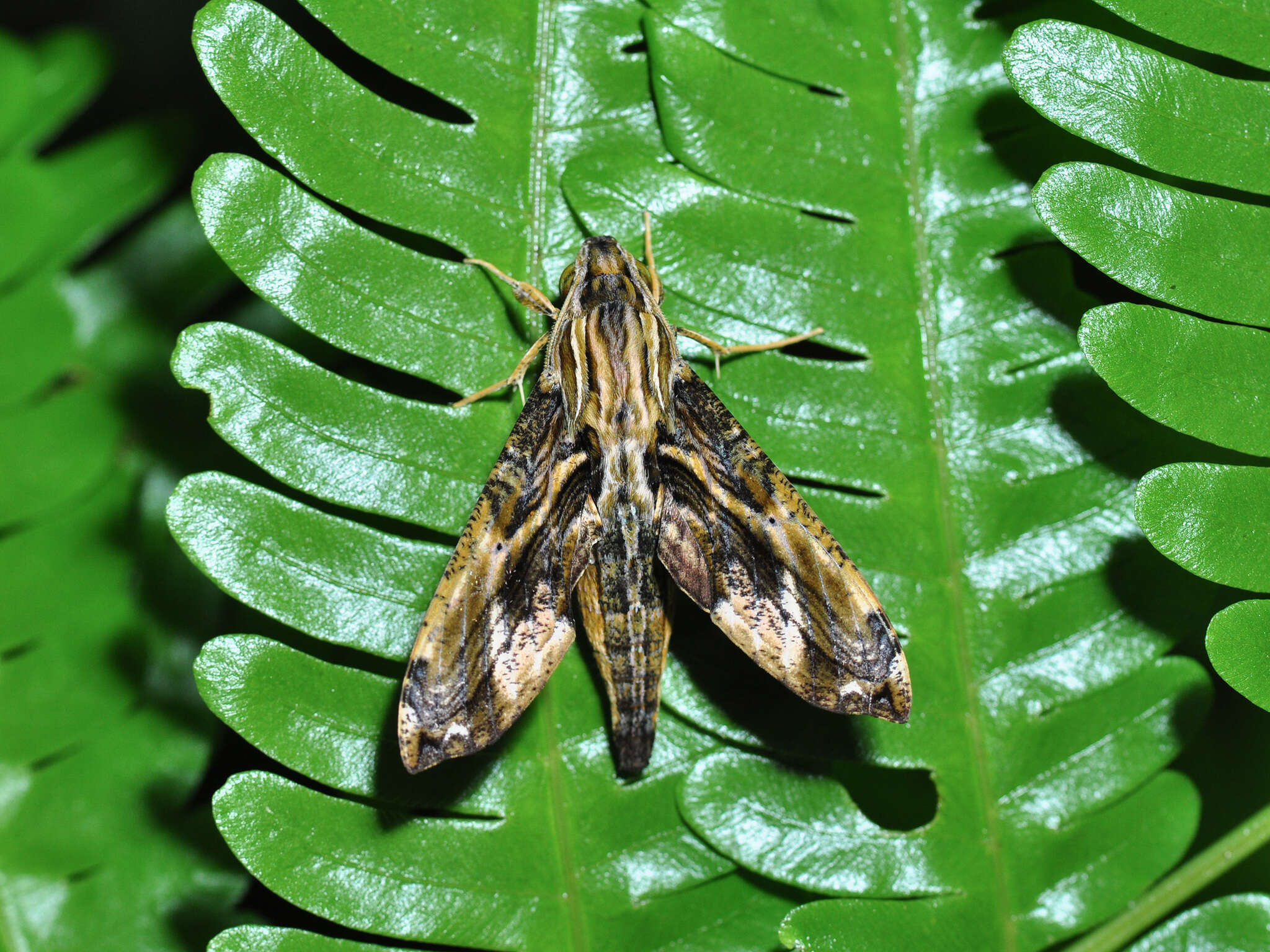
Amphiesmenoptera
Amphiesmenoptera is an insect superorder, established by S. G. Kiriakoff, but often credited to Willi Hennig in his revision of insect taxonomy for two sister orders: Lepidoptera (butterflies and moths) and Trichoptera (caddisflies). In 2017, a third fossil order was added to the group, the Tarachoptera.
Odonatoptera
The Odonatoptera are a superorder (sometimes treated as an order) of ancient winged insects, placed in the probably paraphyletic group Palaeoptera. The dragonflies and damselflies (which are placed in the subgroup Odonata) are the only living members of this group, which was far more diverse in the late Paleozoic and contained gigantic species, including the griffinflies (colloquially called "giant dragonflies", although they were not dragonflies in the strict sense) of the order Meganisoptera (formerly Protodonata). The oldest members of Odonatoptera are known from the latest part of the Serp

Holometabola
Holometabola (from Ancient Greek "complete" + "change"), also known as Endopterygota (from "inner" + "wing" + Neo-Latin "-having"), is a supra-ordinal clade of insects within the infraclass Neoptera that go through distinctive larval, pupal, and adult stages. They undergo a radical metamorphosis, with the larval and adult stages differing considerably in their structure and behaviour. This is called holometabolism, or complete metamorphism.
Panorpida
Panorpida or Mecopterida is a Superorder of Holometabola. The conjectured monophyly of the Panorpida is historically based on morphological evidence, namely the reduction or loss of the ovipositor and several internal characteristics, including a muscle connecting a pleuron and the first axillary sclerite at the base of the wing, various features of the larval maxilla and labium, and basal fusion of CuP and A1 veins in the hind wings. The monophyly of the Panorpida is supported by recent molecular data.
Hymenopterida
Hymenopterida is a superorder of holometabolous (metamorphosing) insects. As originally circumscribed, it included Hymenoptera and the orders in Panorpida (Mecoptera, Siphonaptera, Diptera, Trichoptera and Lepidoptera). However, more recent studies find Hymenoptera as sister to the other members of Holometabola and the superorder is restricted to Hymenoptera.
Palaeodictyopteroidea
The Paleodictyopterida or Palaeodictyopteroidea are an extinct superorder of Palaeozoic beaked insects, characterised by unique mouthparts consisting of 5 stylets. They represent the first important terrestrial herbivores, and the first major group of herbivorous insects. They appear during the Carboniferous (Serpukhovian stage) and continue through to the Late Permian. This large and diverse group includes 50% of all known Paleozoic insects. Palaeodictyopteroidea nymphs possessed movable wing pads and appear to have been able to perform simple flapping flight.
Condylognatha
Condylognatha or Panhemiptera is a monophyletic grouping (superorder) that contains Hemiptera (true bugs) and Thysanoptera (thrips). Condylognatha belongs to Paraneoptera, which include its sister group, lice (Psocodea).
Coleopterida
Coleopterida is a superorder of insects consisting of the orders Coleoptera and Strepsiptera. It is established as the sister group of Neuropterida based on phylogenetic analysis of DNA sequence data. The grouping is also supported by morphological data. The Coleopterida are estimated to have first appeared during the Carboniferous period, but the earliest confirmed fossils of the group date to the Permian. The Carboniferous insect species Stephanastus polinae has been interpreted by some authors as the sister group of Coleoptera and Strepsiptera (as its own extinct order, Skleroptera), but th