Category
page 1Insect vectors of human pathogens

Mosquito
Mosquitoes, the Culicidae, are a family of small flies consisting of 3,600 species. The word mosquito (formed by mosca and diminutive -ito) is Spanish and Portuguese for little fly. Mosquitoes have a slender, segmented body, one pair of wings, three pairs of long hair-like legs, and specialized, highly elongated, piercing-sucking mouthparts. All mosquitoes drink nectar from flowers; females of many species have adapted to also drink blood. The group diversified during the Cretaceous period. Evolutionary biologists view mosquitoes as micropredators, small animals that parasitise larger ones by
%3B%20adult%2C%20pupa%2C%20egg%20and%20lar%20Wellcome%20V0022501EL.jpg)
flea
Flea, the common name for the order Siphonaptera, includes 2,500 species of small flightless insects that live as external parasites of mammals and birds. Fleas live by ingesting the blood of their hosts. Adult fleas grow to about long, are usually dark in color, and have bodies that are "flattened" sideways or narrow, enabling them to move through their hosts' fur or feathers. They lack wings; their hind legs are extremely well adapted for jumping. Their claws keep them from being dislodged, and their mouthparts are adapted for piercing skin and sucking blood. Some species can leap 50 times t
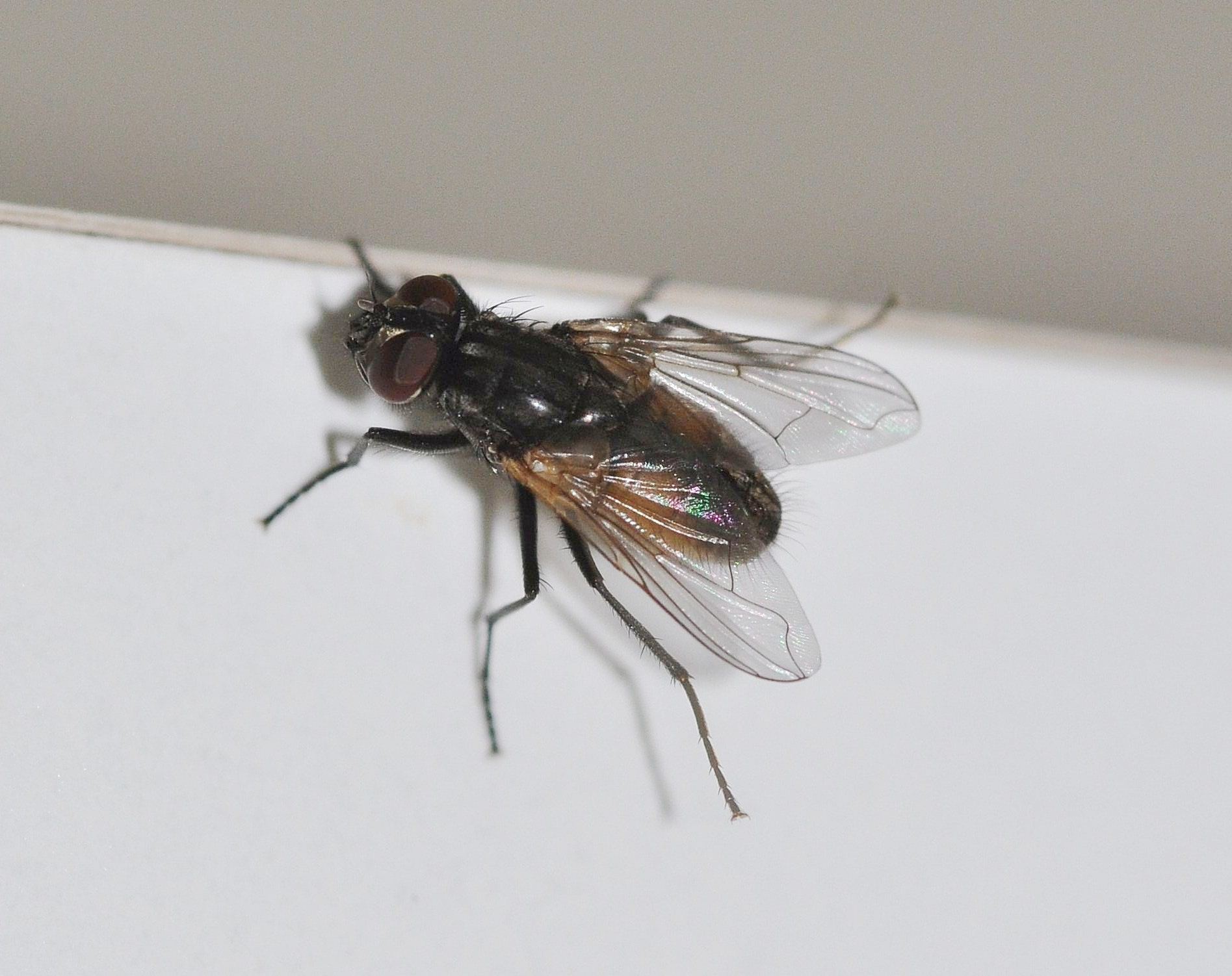
Musca domestica
The housefly (Musca domestica) is a fly of the suborder Cyclorrhapha. It possibly originated in the Middle East, and spread around the world as a commensal of humans. Adults are gray to black, with four dark, longitudinal lines on the thorax, slightly hairy bodies, and a single pair of membranous wings. They have red compound eyes, set farther apart in the slightly larger female.

Tsetse fly
genus of insects

Anopheles
Anopheles () is a genus of mosquito first described by the German entomologist J. W. Meigen in 1818, and are known as nail mosquitoes and marsh mosquitoes. Many such mosquitoes are vectors of the parasite Plasmodium, a genus of protozoans that cause malaria in birds, reptiles, and mammals, including humans. The Anopheles gambiae mosquito is the best-known species of marsh mosquito that transmits the Plasmodium falciparum, which is a malarial parasite deadly to human beings; no other mosquito genus is a vector of human malaria.
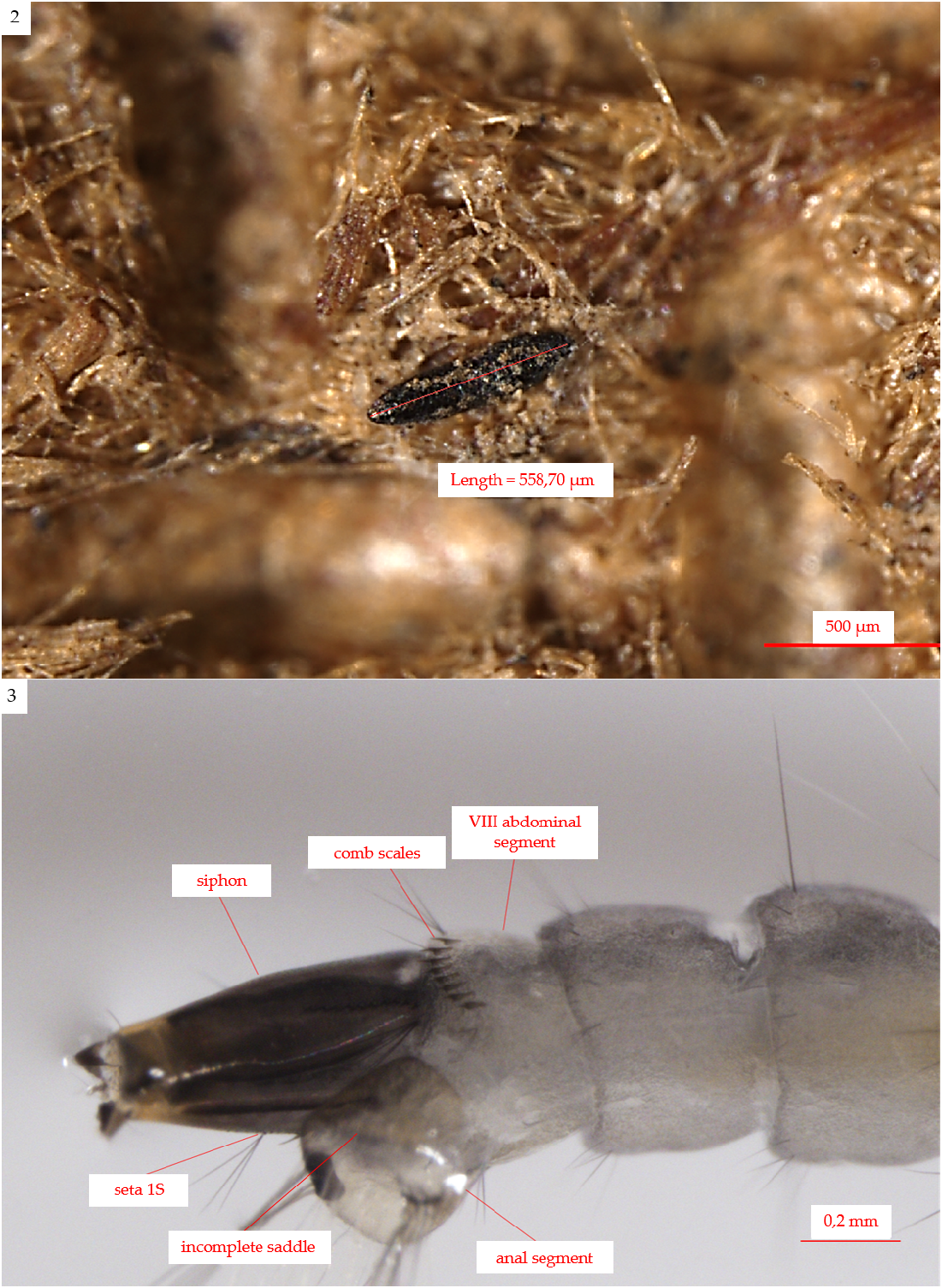
Aedes aegypti
mosquito species, a vector for diseases including yellow fever and Zika fever
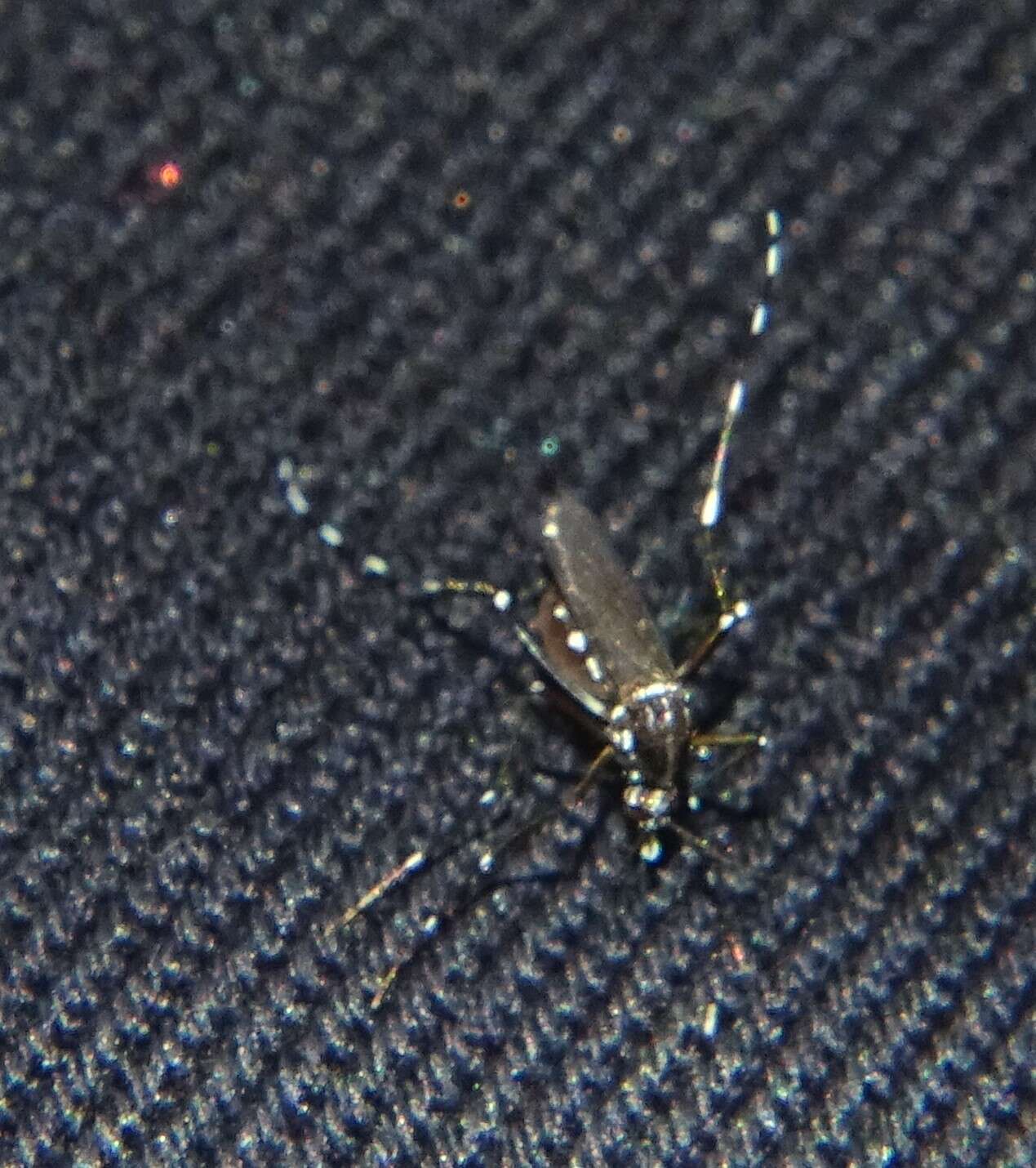
Asian tiger mosquito
species of insect

Simuliidae
family of flies

Calliphoridae
The Calliphoridae (commonly known as blowflies, blow flies, blow-flies, carrion flies, bluebottles, or greenbottles) are a family of insects in the order Diptera, with almost 1,900 known species. The maggot larvae, often used as fishing bait, are known as gentles. The family is known to be polyphyletic, but much remains disputed regarding proper treatment of the constituent taxa, some of which are occasionally accorded family status (e.g., Bengaliidae and Helicoboscidae).

Culex
thumb|alt=Diagram of larva body with parts labeled |Anatomy of a Culex larva
thumb|alt=Diagram of adult mosquito body with parts labeled |Anatomy of a Culex adult
Phlebotomus
Phlebotomus is a genus of "sand flies" in the Diptera family Psychodidae. In the past, they have sometimes been considered to belong in a separate family, Phlebotomidae, but this alternative classification has not gained wide acceptance.

Oriental rat flea
species of fleas

Triatominae
The members of the Triatominae , a subfamily of the Reduviidae, are also known as conenose bugs, kissing bugs (so-called from their habit of feeding from around the mouths of people), or vampire bugs. Other local names for them, used in Latin America and by Latinos generally, include barbeiros, vinchucas, pitos, chipos and chinches. Most of the 130 or more species of this subfamily feed on vertebrate blood; a very small portion of species feed on invertebrates. They are mainly found and widespread in the Americas, with a few species present in Asia and Africa. These bugs usually share shelter
Anopheles gambiae
species of insect
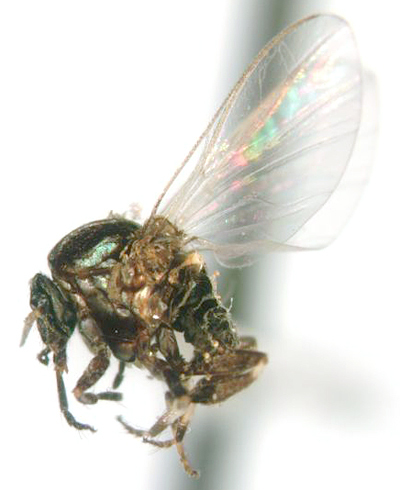
Simulium
thumb
thumb
thumb|Blackfly Larvae from United Arab Emirates
%20panamensis.jpeg)
Lutzomyia
Lutzomyia is a genus of phlebotomine sand flies consisting of nearly 400 species, at least 33 of which have medical importance as vectors of human disease. Species of the genus Lutzomyia are found only in the New World, distributed in southern areas of the Nearctic and throughout the Neotropical realm. Lutzomyia is one of the two genera of the subfamily Phlebotominae to transmit the Leishmania parasite, with the other being Phlebotomus, found only in the Old World. Lutzomyia sand flies also serve as vectors for the bacterial Carrion's disease and a number of arboviruses.

Triatoma
Triatoma is a genus of assassin bug in the subfamily Triatominae (kissing bugs). The members of Triatoma (like all members of Triatominae) are blood-sucking insects that can transmit serious diseases, such as Chagas disease. Their saliva may also trigger allergic reactions in sensitive individuals, up to and including severe anaphylactic shock.
thumb|Triatoma infestans

Aedes japonicus
species of insect

Triatoma infestans
species of insect

Anopheles claviger
species of insect

Rhodnius
thumb|Rhodnius prolixus
Rhodnius is a genus of assassin bugs in the subfamily Triatominae (the kissing bugs), and is an important vector in the spread of Chagas disease. The Rhodnius species were important models for Sir Vincent Wigglesworth's studies of insect physiology, specifically growth and development.

Aedes koreicus
species of insect

Musca sorbens
species of insect
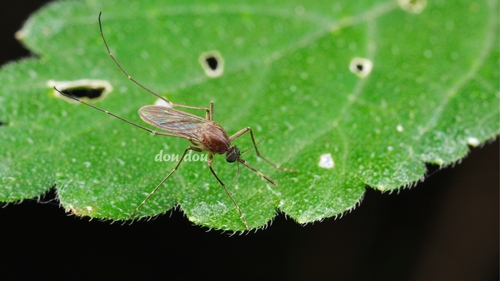
Culex tritaeniorhynchus
species of mosquito

Anopheles earlei
species of insect
Rhodnius prolixus
species of insect
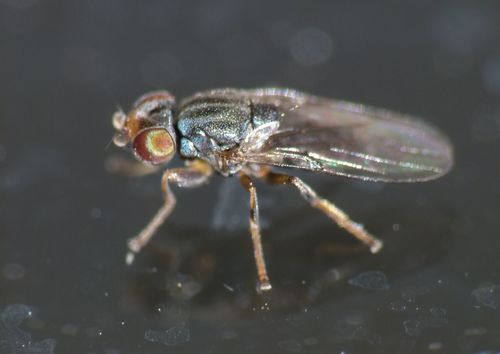
Hippelates
Hippelates is a genus of flies in the family Chloropidae that are often referred to as eye gnats or eye flies (the name is also used for members of the Old World genus Siphunculina).
Anopheles punctipennis
species of insect
Aedes taeniorhynchus
species of insect

Anopheles crucians
species of insect
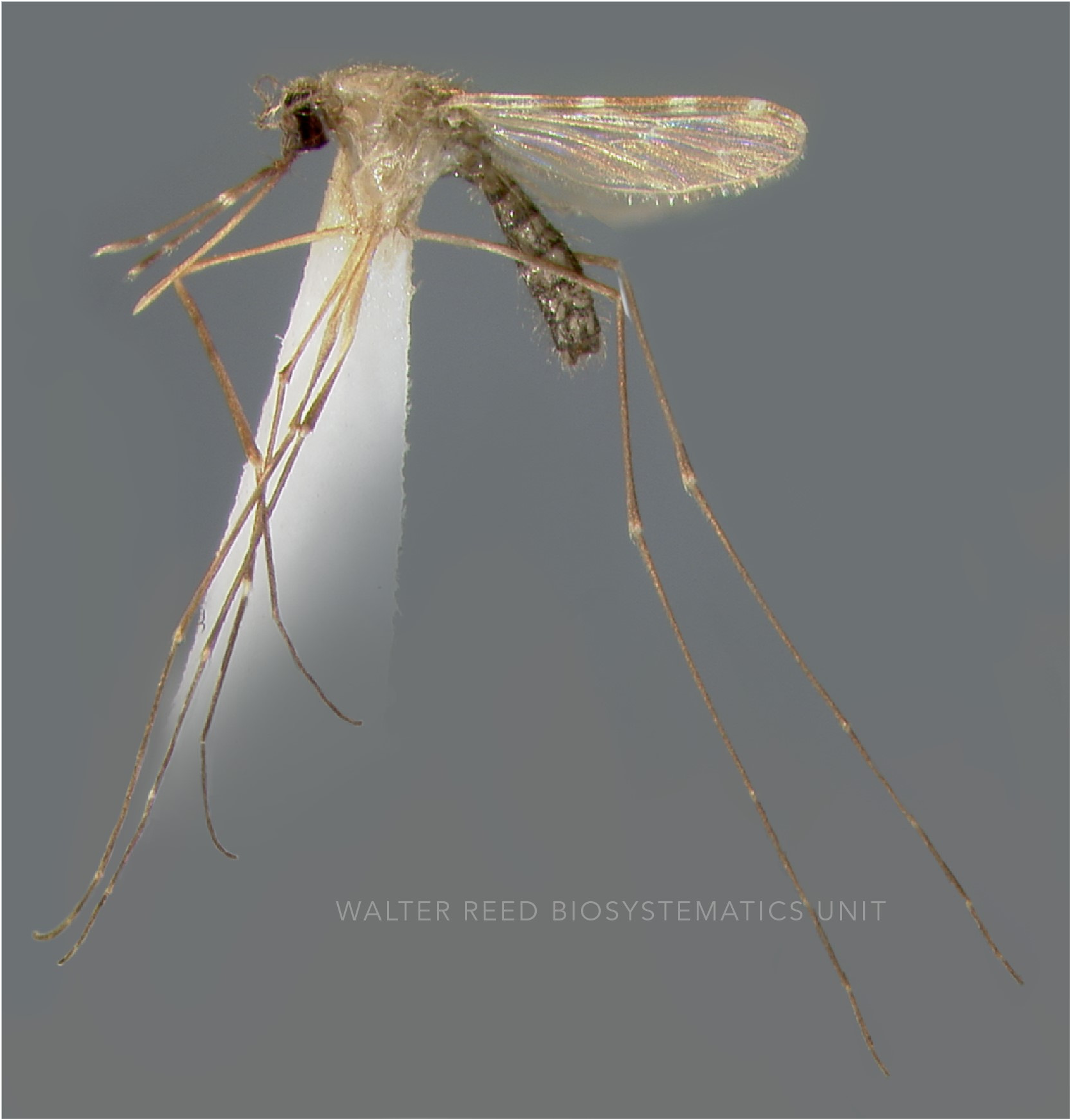
Anopheles culicifacies
species of insect

Aedes punctor
species of insect

Anopheles sinensis
species of insect
Culex annulirostris
species of insect
Anopheles barberi
species of insect

Anopheles funestus
species of insect
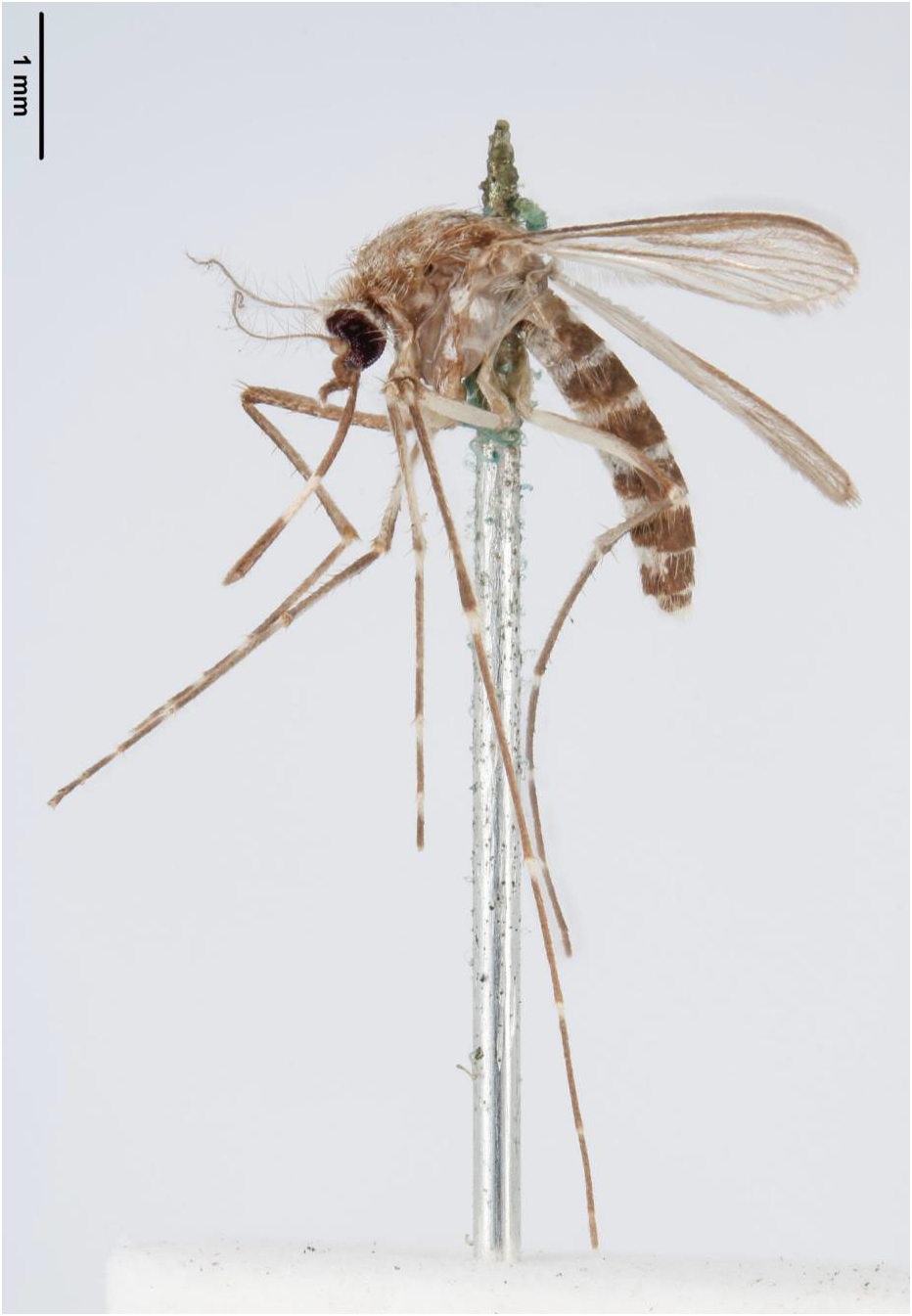
Culex sitiens
species of insect
Glossina palpalis
species of insect

Sabethes cyaneus
Sabethes (Sabethes) cyaneus is a species of mosquito native to Central America and South America. It is recognized for its striking iridescent blue scales and leg paddles, which are involved in courtship. The larvae are facultative predators, using their siphon to capture prey, often other mosquito larvae, in their aquatic habitats.
Glossina morsitans
species of insect

Aedes scapularis
species of insect
Anopheles dirus
species of insect

Aedes excrucians
species of insect
Aedes infirmatus
species of insect
Triatoma sanguisuga
species of insect
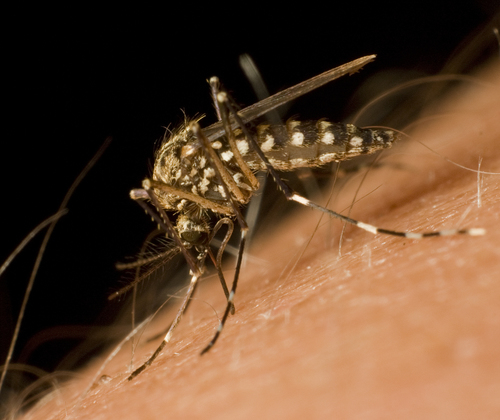
Aedes sierrensis
species of insect
Aedes squamiger
species of insect
Triatoma protracta
species of insect
Aedes luteocephalus
species of insect
Triatoma nigromaculata
species of insect
Culex erythrothorax
species of insect

Triatoma gerstaeckeri
species of insect
Panstrongylus
Panstrongylus is a genus of insects that belongs to the subfamily Triatominae. Its members are found from Mexico into South America.
Simulium yahense
species of insect
Triatoma brasiliensis
species of insect
Haemagogus soperi
species of insect
Evandromyia
Evandromyia is a genus of sand fly first circumscribed in 1941. It is subdivided into three subgenera, which are further subdivided into series.
Culex perfuscus
species of insect
Coquillettidia perturbans
species of insect
Mepraia
Mepraia is a genus in the subfamily Triatominae, endemic in Chile, and vectors of Chagas disease.