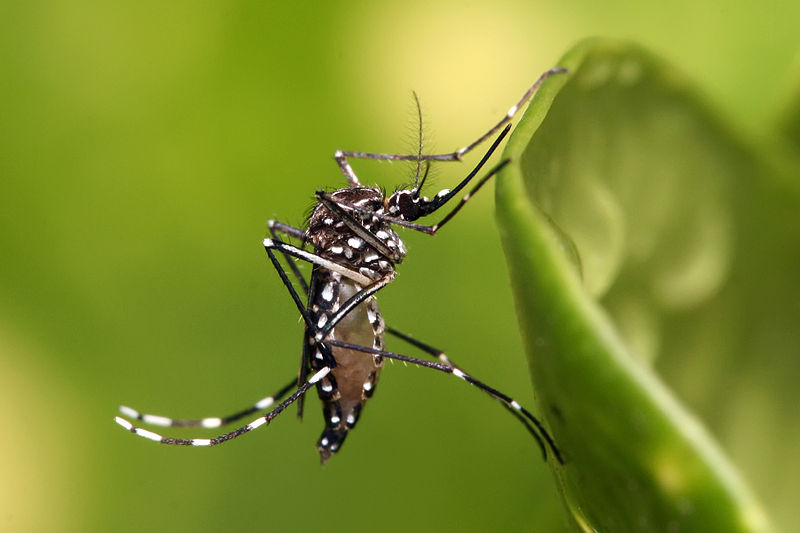
File:Aedes_aegypti.jpg · Wikimedia Commons · See Wikimedia Commons
Aedes aegypti
Sign in to saveAlso known as Yellow fever mosquito, Aedes ægypti
mosquito species, a vector for diseases including yellow fever and Zika fever
OverviewAI-generated
*Aedes aegypti* is a species of insect classified within the family Culicidae, order Diptera, class Insecta, and phylum Arthropoda. The scientific name is attributed to Linnaeus, 1762, and the taxon is accepted under the genus *Aedes*. Common names for this organism include the yellow fever mosquito, dengue fever mosquito, Gelbfiebermücke, and Nyamuk Aedes.
Records of this species are held by institutions such as INDRE-SSA in Mexico. The taxon has an occurrence count of 83,862 and a record count of 15,211, with 74 associated media items. The genome of *Aedes aegypti* has been sequenced, and the species is referenced by 273 other encyclopedia articles.
Synthesized by Vinony from 32 facts across 6 sources: Wikidata, GBIF, Gbif Occ, WoRMS, iDigBio, Vinony graph. Generated from structured data (not the Wikipedia text) and checked against those facts — may still contain errors.
Species
Aedes aegypti
SPECIES
- KingdomAnimalia
- PhylumArthropoda
- ClassInsecta
- OrderDiptera
- FamilyCulicidae
via GBIF
Museum specimens
- Specimen records
- 15,211
- With media
- 74
- Family
- Culicidae
- Collections
- INDRE-SSA
- Recorded in
- Mexico
Wikidata facts
Show 7 more facts
- short name
- A. aegypti
- taxon name
- Aedes aegypti
- Commons category
- Aedes aegypti
- taxon rank
- species
- Commons gallery
- Aedes aegypti
- taxon common name
- egiptovski tigrasti komar
- sequenced genome URL
- metazoa.ensembl.org/Aedes_aegypti_lvpagwg
via Wikidata · CC0
~17 min read
Encyclopedic overview
Aedes aegypti (/ˈiːdiːz eɪˈdʒɪpti/; US: /eɪdz -, ˈeɪdiːz -/; from Ancient Greek αηδής (aēdḗs) 'unpleasant' and Latin aegyptī 'Egyptian') – sometimes called the Egyptian mosquito, dengue mosquito, or yellow fever mosquito – is a mosquito that spreads diseases such as dengue fever, yellow fever, and chikungunya. The mosquito can be recognized by black and white markings on its legs and a marking in the form of a lyre on the upper surface of its thorax. The mosquito is native to north Africa, but is now a common invasive species that has spread to tropical, subtropical, and temperate regions throughout the world.
Biology
Excerpted from Wikipedia’s “Aedes aegypti” article, available under the CC BY-SA 4.0 licence.