Category
page 1Islam in India
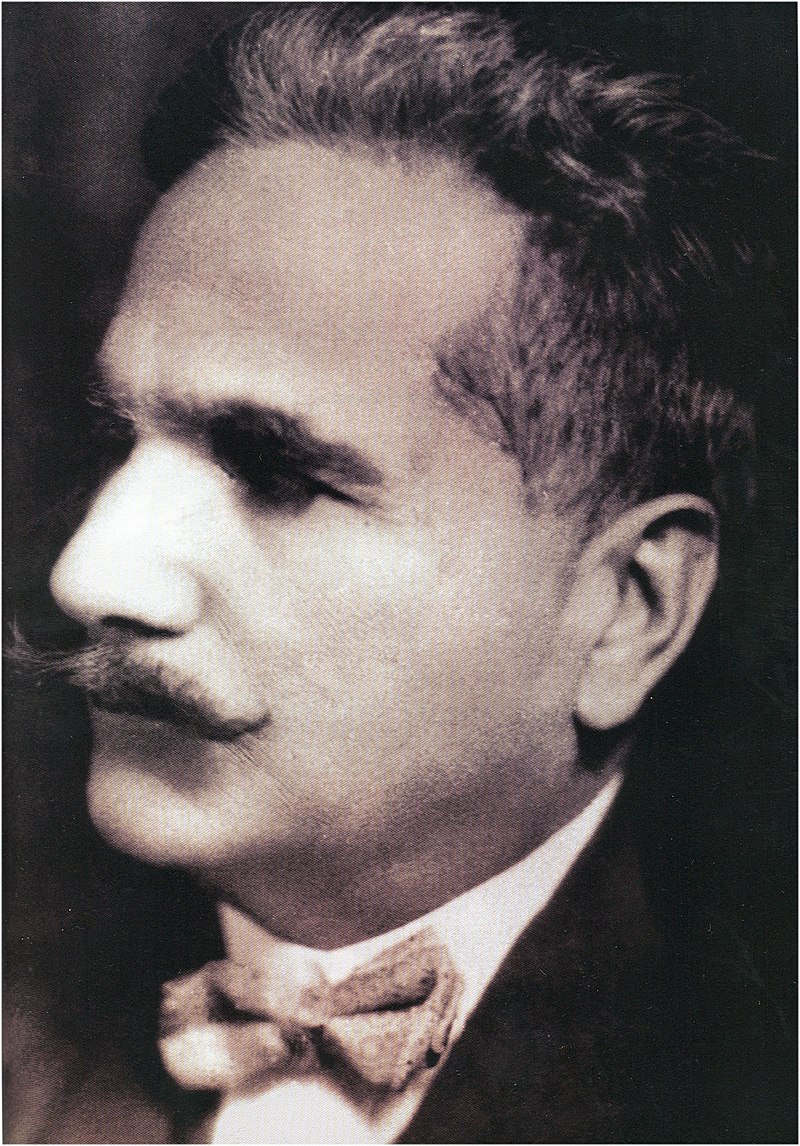
Muhammad Iqbal
South Asian Islamic philosopher, poet and politician
%20in%20Eastern%20Bengal%20in%20the%201860s.jpg)
Fakir
thumb|A Sufism|Sufi Muslim ascetic (fakir) in [[Bengal during the 1860s]]

Islam in India
overview of Islam, an Arabian (Abrahamic) religion in India
Deobandi
revivalist movement within Sunni Islam

Ahmed Raza Khan Barelvi
Indian Islamic scholar and reformer, regarded as a founder of the Barelvi movement (1856–1921)
unani
traditional medicine from the Mughal empire
Ashraf Ali Thanwi
Indian Muslim scholar (1863–1943)

mushaira
thumb|Depiction of Ghalib at a Mushaira
Mushaira () is a traditional Urdu poetry gathering in which poets publicly recite their work, often engaging in forms of improvisation and competitive performance. Mushairas, also known as mehfil or mushairi, have been a defining institution of Urdu literary culture in North India, Pakistan, and the Deccan, particularly among Hyderabadi Muslims. It is often regarded as a forum for free self-expression.
Shibli Nomani
Indian Islamic Scholar (1857–1914)

Zenana
thumb|Ladies of the zenana on a roof terrace by Ruknuddin. Bikaner, 1675
Abul Hasan Ali Hasani Nadwi
Indian Islamic scholar, thinker, author, orator and critic of Arab Nationalist (1913–1999)
Ahl-i Hadith
Salafi reform movement that emerged in North India in the mid-nineteenth century from the teachings of Sayyid Ahmad Shahid, Syed Nazeer Husain and Nawab Siddiq Hasan Khan
Indo-Islamic architecture
Islamic architecture in India

dargah
thumb|The Tomb of Salim Chishti at [[Fatehpur Sikri, India was built in 1581 during the reign of Mughal Emperor Akbar.]]

Urs
thumb|right|218px|Urs of Islamic Naqshbandi saints of Allo Mahar is celebrated on 23 March every year
Urs (from ‘Urs) or Urus (literal meaning wedding in Arabic), is the death anniversary of a Sufi saint, usually held at the saint's dargah (shrine or tomb). In most Sufi orders such as Naqshbandiyyah, Suhrawardiyya, Chishtiyya, Qadiriyya, etc. the concept of Urs exists and is celebrated with enthusiasm. The devotees refer to their saints as lovers of God, the beloved.
Malik, son of Dinar
Islamic missionary
Muḥammad Ḍiyāʼ al-Raḥmān al-Aʻẓamī
muslim writer
Islam in Assam
islam in the Indian state of Assam
violence against Muslims in independent India
anti-Muslim violence in India
Raza Library
a repository of Indo-Islamic cultural heritage and a treasure-house of knowledge
Cattle slaughter in India
slaughter of cows and bulls in India
Qalandar
Qalandar is a title given to a saint who is at a very high level of spirituality

Abdul Majid Daryabadi
Indian Islamic scholar, philosopher, writer, critic, researcher, journalist and exegete of the Quran (1892–1977)
Muslim Women (Protection of Rights on Marriage) Act, 2019
Act of the Parliament of India. Criminalises triple talaq, repeals Ordinance 4 of 2019
Muslims Rajput
They are sons of tribes living in western, central and northern India and eastern Pakistan. They converted to Islam during the Islamic conquests
Sufism in India
Islamic mysticism in India
Chaar Bayt
poetic artform in India

Mufti Amjad Ali Aazmi
Grand Mufti of India (1882-1948)
Ramadan in India
religious observance in India
Muslim nationalism in South Asia
the political and cultural expression of nationalism founded upon the religious tenets and identity of Islam of the Muslims of South Asia
Khan Sahib
Formal title for Muslim, Parsi and Jewish subjects of the British Indian Empire
Shah Ahmad Noorani
Spiritual and political leader (1926–2003)
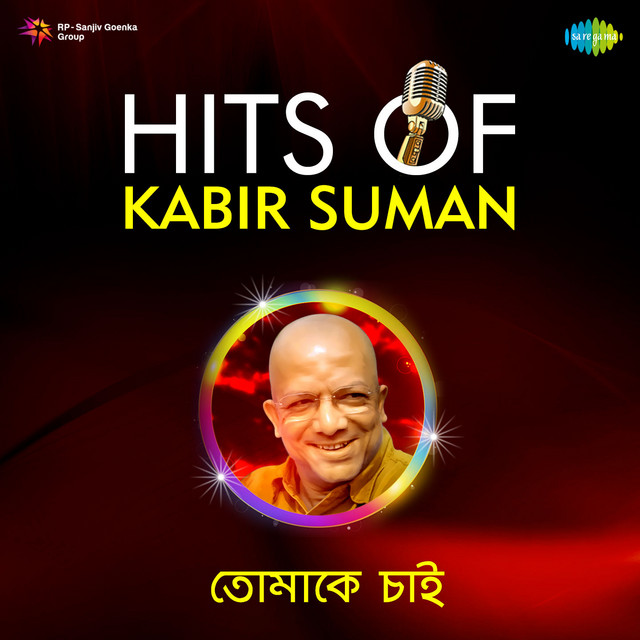
Kabir Suman
Bengali singer
Caste system among South Asian Muslims
social system in South Asia
Muslim Women Rights Day
Shah Najaf Imambara
Imambara in Lucknow
Hindu–Muslim unity
religiopolitical concept in the Indian subcontinent
Madrasah-i Rahimiyah
school in Delhi, India

Bharatiya Muslim Mahila Andolan
Indian Muslim women's organisation in India
Persian inscriptions on Indian monuments
book by Hekmat E Shirazi
Indian Institute of Islamic Studies
organization
Jama'at Khana
term used by some Muslim communities for a place of gathering
Imambara Ghufran Ma'ab
Husayniyya in Nasirabad, Rajasthan, India
Muslim Women (Protection of Rights on Divorce) Act, 1986
Act of the Parliament of India
Dār al-ʿUlūm
Islamic seminary or educational institution
mehfil
thumb|400x400px|A Mehil-e-Mushaira at Hyderabad, in the presence of the courtiers
Mehfil or mahfil (Urdu: محفل), alternatively known as Bazm (Urdu: بزم) is a formal venue where indoor recreational activities such as poetic symposiums (mushaira), singing, music, and dance are entertained in parts of the Indian subcontinent. It is part of Ganga-Jamuni tehzeeb culture.

Jammat Ali Shah
Pakistani saint
Madinatul Uloom Bagbari
Majlis Khuddam-ul-Ahmadiyya
an auxiliary organisation of the Ahmadiyya Muslim Community

National Commission for Minorities
Indian government commission
Raja Nahar Khan
Wali-e-Mewat
Naqsh e Hayat
Naqsh-e-Hayat () is the autobiography of Hussain Ahmad Madani, originally published in two volumes between 1953 and 1954. It provides a glimpse into his daily life, exposing the exploitative colonial practices that burdened Indians with economic hardship, eroded their cultural identity, and influenced their faith. Madani's unwavering commitment to his cause shines through, unswayed by Western-centric vested interests and hierarchical notions. The narrative delves into the reasons behind his imprisonment by the British in Malta, Sabarmati prison, and Nene Jail in Allahabad, where he endured ard