Category
page 1Jesus and history

Pontius Pilatus
fifth Prefect of the Roman province of Judaea, from AD 26–36

Galilee
thumb|300px|Map showing the Lower and Upper Galilee. The narrow "Galilee Panhandle" to the east may be seen geologically and geographically as a separate area (as part of the Jordan Rift Valley), or as part of historical Galilee. The same applies to the western shore of the [[Sea of Galilee and the Jordan Valley down to Beit She'an, as well as the Jezreel Valley in the south and the coastal strip bordering the Galilee to the west.]]
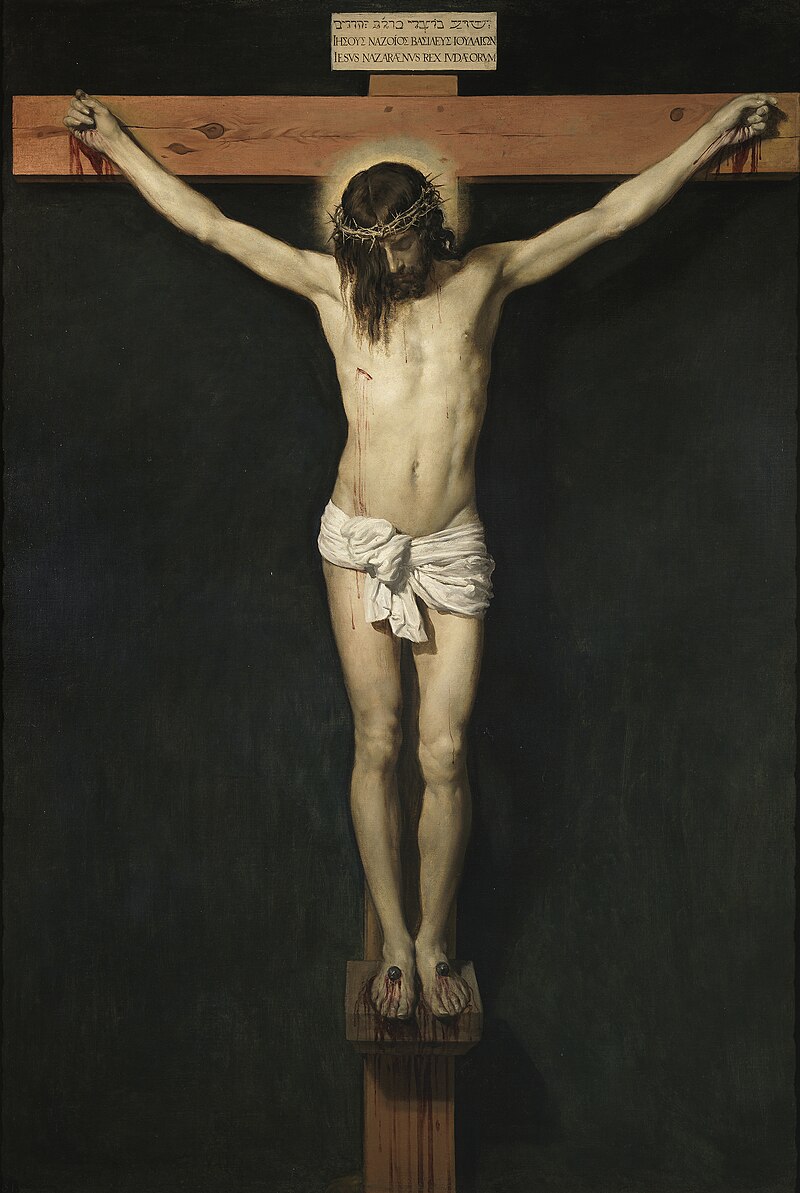
crucifixion of Jesus
Jesus' crucifixion as described in the four canonical gospels

Herod Antipas
1st century AD tetrarch of Galilee and Perea

True Cross
concept of the cross upon which Jesus was crucified

Caiaphas
Joseph ben Caiaphas () was the High Priest of Israel during the first century. In the New Testament, the Gospels of Matthew, Luke and John indicate he was an organizer of the plot to kill Jesus. He is portrayed as presiding over the Sanhedrin trial of Jesus. The primary sources for Caiaphas' life are the New Testament and the writings of Josephus. The latter records he was made high priest by the Roman procurator Valerius Gratus after Simon ben Camithus had been deposed.

genealogy of Jesus
accounts of the ancestry of Jesus found in the Gospel of Matthew and in the Gospel of Luke
historicity of Jesus
debate whether Jesus was a historical figure
Holy Prepuce
relic of the foreskin of Jesus Christ
census of Quirinius
enrollment of the Roman provinces of Syria and Judaea for tax purposes taken in 6/7 CE
tomb of Jesus
holy site, burial site in Jerusalem where Jesus body was placed after the death on the cross; according to the Gospels, it was found empty after three days, which was interpreted as the resurrection and confirmed by apparitions to the disciples
Pilate's court
Trial of Jesus in praetorium before Pontius Pilate
crucifixion darkness
Christian gospel episode of darkened sky
Herodians
The Herodians (; ) were a sect of Hellenistic Jews mentioned in the New Testament on two occasions – first in Galilee and later in Jerusalem – being hostile to Jesus (, ; ; cf. also , ). In each of these cases their name is coupled with that of the Pharisees.