Category
page 1Language articles with Linglist code

Esperanto
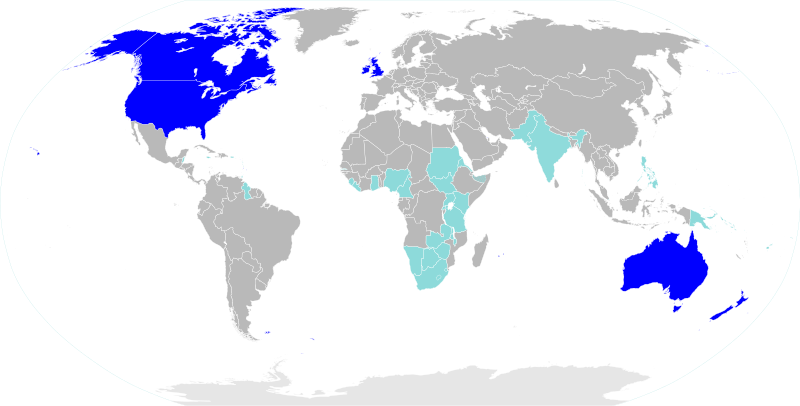
Esperanto () is the world's most widely spoken constructed auxiliary language. Created by L. L. Zamenhof in 1887 as "the International Language" (), it is intended to be a universal second language for international communication. He described the language in ''Dr. Esperanto's International Language'' (known as , the "first book"), which he published under the pseudonym . Early adopters of the language liked the name and soon used it to describe his language. The word translates into English as "one who hopes".
Template:Infobox language
Wikimedia template
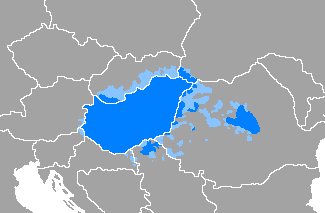
Hungarian
Uralic language

Sylheti
Indo-Aryan language

Interlingue
Interlingue (; ISO 639 ie, ile), originally Occidental (), is an international auxiliary language created in 1922 and renamed in 1949. Its creator, Edgar de Wahl, sought to achieve maximal grammatical regularity and natural character. The vocabulary is based on pre-existing words from various languages and a derivational system which uses recognized prefixes and suffixes.

Tamil
Dravidian language native to South India and Sri Lanka

Lingua Franca Nova
auxiliary constructed language, originally created by C. George Boeree, and largely based on a Romance substrate partially creolized then modified by some evolutive rules of simplification

Telugu
Dravidian language native to South India

Nepali
official language of Nepal
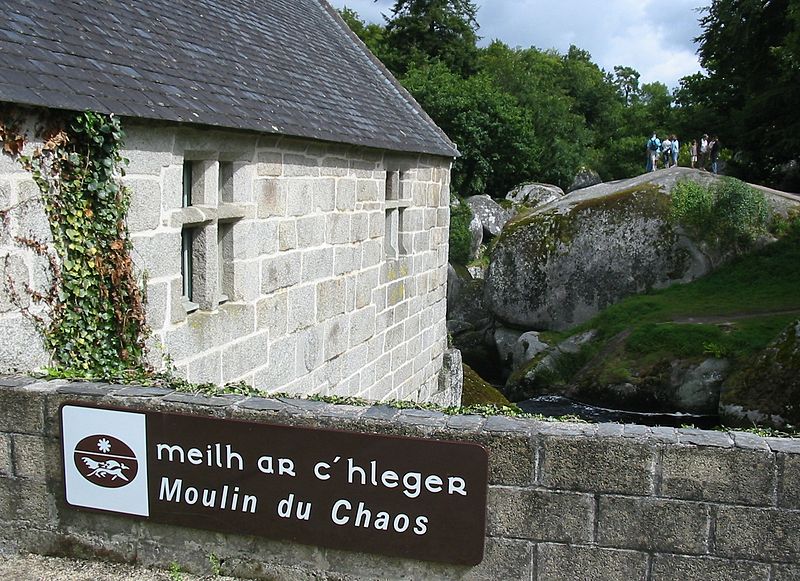
Breton
Celtic language spoken in France

Marathi
Indo-Aryan language

Cornish
Brythonic Celtic language indigenous to Cornwall

Pali
Pāli (; IAST: ) is a Middle Indo-Aryan language that is widely studied as the sacred language of Theravada Buddhism and the language of the Tipiṭaka. Pali was designated a classical language of India by the Government of India on 3 October 2024.

Coptic
latest stage of the Egyptian language

Avar
language belonging to the Avar–Andic group of the Northeast Caucasian language family

Akkadian
extinct Semitic language of Mesopotamia

Ottoman Turkish
language that was used in the Ottoman Empire

Novial
Novial is an international auxiliary language (IAL) created by Danish linguist Otto Jespersen in 1928. It was designed to facilitate communication between speakers of different native languages. The name of the language is a blend of the Novial word novi (meaning 'new") and IAL.

Sumerian
language of ancient Sumer

Newar
Sino-Tibetan language of central-eastern Nepal

Kalmyk
register of the Oirat language, natively spoken by the Kalmyk people of Kalmykia

Etruscan
ancient Mediterranean language

Hittite
extinct Bronze Age Indo-European language

Phoenician
ancient Semitic language of the Mediterranean

Koine Greek
common dialect of Greek spoken and written in the ancient world

Gaulish
Gaulish is an extinct Celtic language spoken in parts of Continental Europe before and during the period of the Roman Empire. In the narrow sense, Gaulish was the language of the Celts of Gaul (now France, Luxembourg, Belgium, most of Switzerland, Northern Italy, as well as the parts of the Netherlands and Germany on the west bank of the Rhine). In a wider sense, it also comprises varieties of Celtic that were spoken across much of central Europe ("Noric"), parts of the Balkans, and Anatolia ("Galatian"), which are thought to have been closely related. The more divergent Lepontic of Northern I

Chagatai
extinct Turkic language of Central Asia
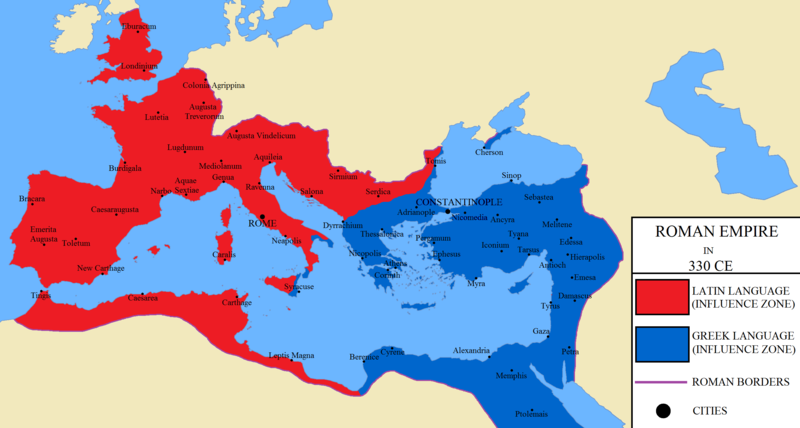
Vulgar Latin
non-standard Latin variety spoken by the people of Ancient Rome

Dalmatian
extinct Romance language
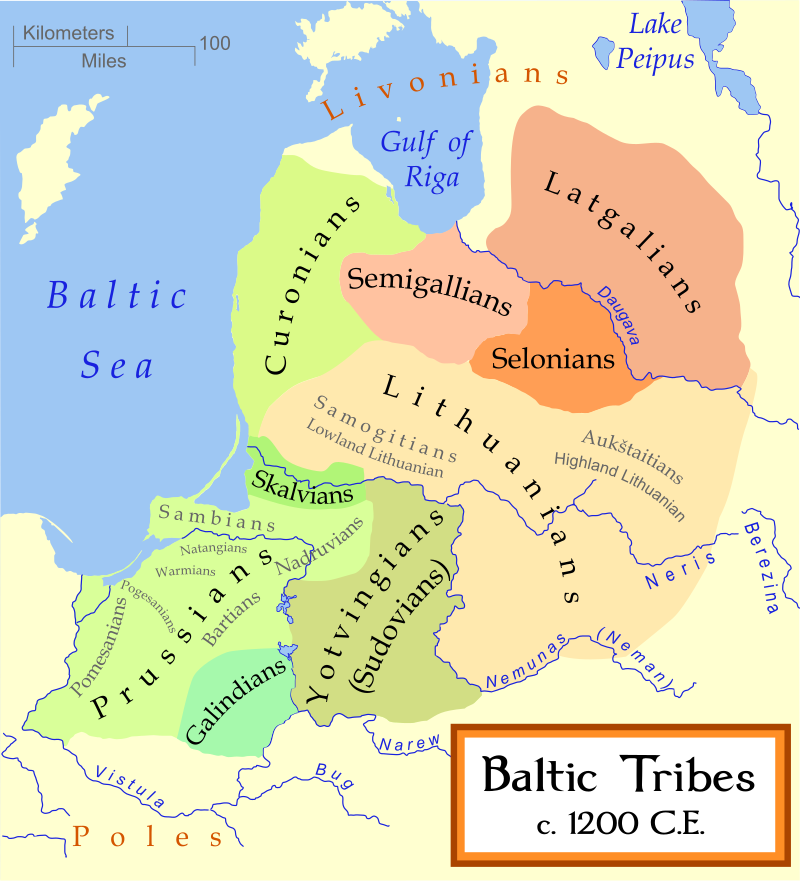
Old Prussian
extinct Western Baltic language

Quenya
Quenya () is a constructed language, one of those devised by J. R. R. Tolkien for the Elves in his Middle-earth fiction.

Norn
extinct Germanic language spoken in the Northern Isles of Scotland

Polabian
extinct West Slavic language

Cimmerians
The Cimmerians were an ancient Eastern Iranic equestrian nomadic people originating in the Pontic–Caspian steppe, part of whom subsequently migrated into West Asia. Although the Cimmerians were culturally Scythian, they were ethnically distinct from the Scythians proper, to whom the Cimmerians were related and who displaced and replaced the Cimmerians.

Elamite
ancient language in Mesopotamia

Old Persian
language of Achaemenid Empire and ancestor of Middle Persian
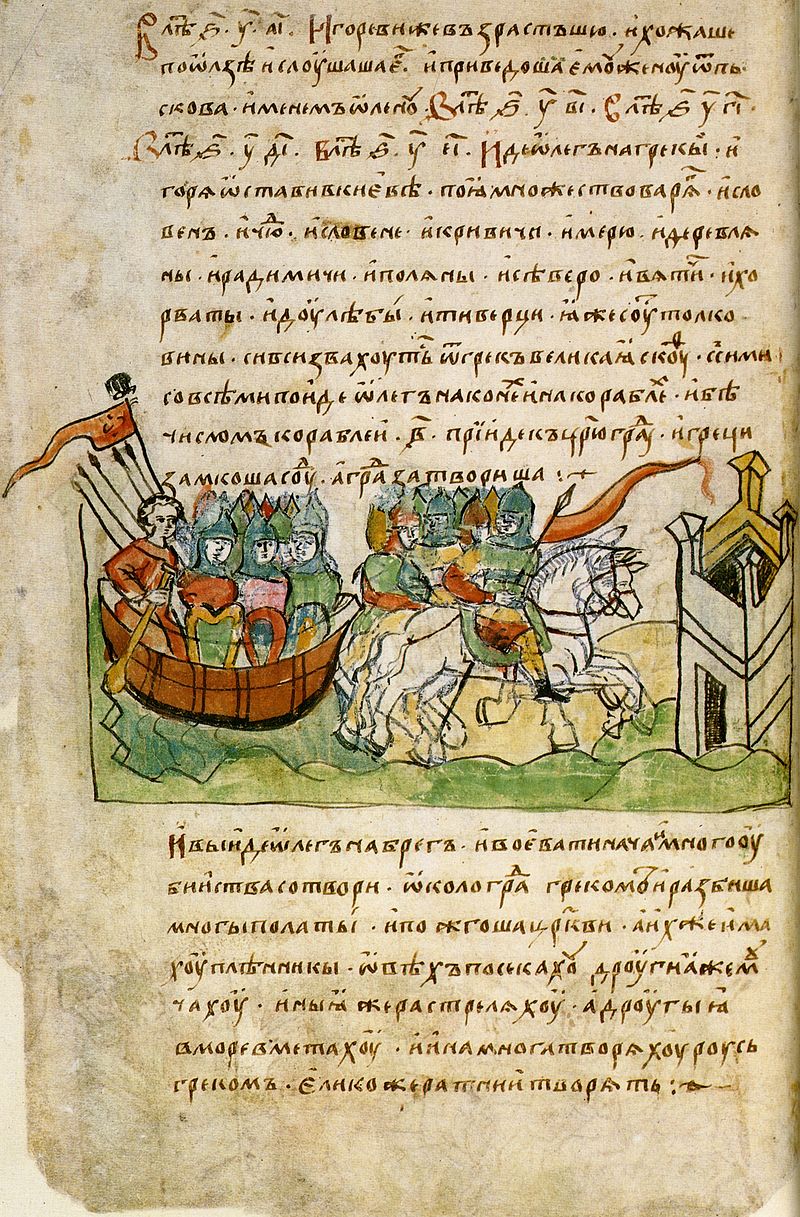
Old East Slavic
language (or a group of dialects) used by the East Slavs from the 7th or 8th century to the 13th or 14th century

Ugaritic
Ugaritic ( ) is an extinct Northwest Semitic language known through the Ugaritic texts discovered by French archaeologists in 1928 at Ugarit, including several major literary texts, notably the Baal cycle. The script is described as “a special alphabetic Cuneiform,” reflecting an idiom related to Canaanite and Hebrew languages.

Na'vi
constructed science-fiction language

Mon
Austroasiatic language spoken by the Mon in Myanmar and Thailand

Luwian
extinct ancient Indo-European language

Oscan
extinct language of southern Italy

Capraia Isola
Italian comune

Biblical Hebrew
archaic form of the Hebrew language
Parthian
language

Early Middle Japanese
stage of the Japanese language during the Heian period (794–1185)

Ruthenian
historical Slavic language, ancestor of Belarusian, Rusyn, and Ukrainian; official, literary and spoken language of the Grand Duchy of Lithuania, Moldavian principality and East Slavic voivodeships of the Polish-Lithuanian Commonwealth

Cumbric
Cumbric is an extinct Celtic Brythonic language or dialect that was spoken during the Early Middle Ages in the Hen Ogledd or "Old North", in what is now Northern England and the southern Scottish Lowlands. Place-name evidence suggests Cumbric may also have been spoken as far south as Pendle and the Yorkshire Dales. The prevailing view is that it became extinct in the 12th century, around the incorporation of the Kingdom of Strathclyde into the Kingdom of Scotland.

Sabines
thumb|Amiternum, an ancient city founded by the Sabines
right|thumb|Map showing the location of the Sabines. The border with Latium to the south was the Aniene river; however, it is possible that Sabines extended to Lake [[Regillus slightly to the south of it near Gabii.]]
Thracian
extinct Indo-European language

Kotava
Kotava (sometimes also spelled Kodava) is an international auxiliary language (IAL) created by Staren Fetcey in 1978 that focuses on the principle of cultural neutrality. The name means "the language of one and all", and the Kotava community has adopted the slogan "a project humanistic and universal, utopian and realistic". The language is mainly known in French-speaking countries and most learning materials for it are in French.

Old Turkic
earliest attested form of Turkic, found in Göktürk and Uyghur inscriptions dating from about the 7th century to the 13th century
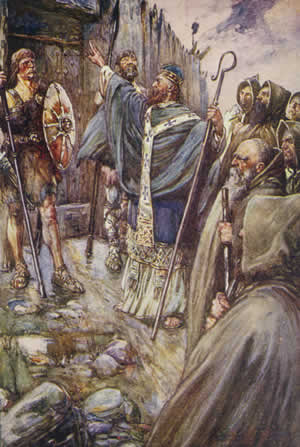
Pictish
extinct language spoken by the Picts
Punic
extinct dialect of the Phoenician language spoken in North Africa and the Western Mediterranean

Phrygian
dialect of Indo-European language spoken by the Phrygians

Modern Standard Arabic
the standardized and literary variety of Arabic used in writing and in most formal speech

Sindarin
Sindarin is one of the constructed languages devised by J. R. R. Tolkien for use in his fantasy stories set in Arda, primarily in Middle-earth. Sindarin is one of the many languages spoken by the Elves.

Bactrian
extinct Eastern Iranian language of Central Asia

Andalusi Romance
Romance language formerly spoken in the Iberian Peninsula

Vandalic
extinct East Germanic language