Category
page 1Language articles with unreferenced extinction date

Latin
Latin ( or ) is a classical language belonging to the Italic branch of the Indo-European languages. Latin was originally spoken by the Latins in Latium (now known as Lazio), the lower Tiber area around Rome, Italy. Through the expansion of the Roman Republic, it became the dominant language in the Italian Peninsula and subsequently throughout the Roman Empire. It has greatly influenced many languages, including English, having contributed many words to the English lexicon, particularly after the Christianisation of the Anglo-Saxons and the Norman Conquest. Latin roots appear frequently in the

Sanskrit
Sanskrit (; stem form ; nominal singular , ,) is a classical language belonging to the Indo-Aryan branch of the Indo-European languages. It arose in northwestern South Asia, deriving from Indo-Aryan languages that diffused from the northwest in the late Bronze Age. Sanskrit is the sacred language of Hinduism and classical Hindu philosophy and religion and the liturgical language of Buddhism and Jainism. It was a lingua franca in ancient and medieval South Asia, and, as Hindu and Buddhist culture spread to Southeast East and Central Asia in the early medieval era, it became a language of religi

Cornish
Brythonic Celtic language indigenous to Cornwall

Coptic
latest stage of the Egyptian language

Old English
earliest historical form of English

Gothic
extinct East Germanic language spoken by the Goths

Egyptian
extinct language spoken in ancient Egypt

Akkadian
extinct Semitic language of Mesopotamia

Avestan
Avestan ( ) is the liturgical language of Zoroastrianism. It belongs to the Iranian branch of the Indo-European language family and was originally spoken during the Avestan period ( BCE) by the Iranians living in eastern Greater Iran as evidenced from names in Avestan geography.

Ottoman Turkish
language that was used in the Ottoman Empire

Sumerian
language of ancient Sumer

Old Church Slavonic
medieval Slavic literary language, without ISO codes, preceding Church Slavonic (Q33251, cu, chu)

Old Norse
North Germanic language

Etruscan
ancient Mediterranean language

Hittite
extinct Bronze Age Indo-European language

Phoenician
ancient Semitic language of the Mediterranean

Koine Greek
common dialect of Greek spoken and written in the ancient world

Chagatai
extinct Turkic language of Central Asia
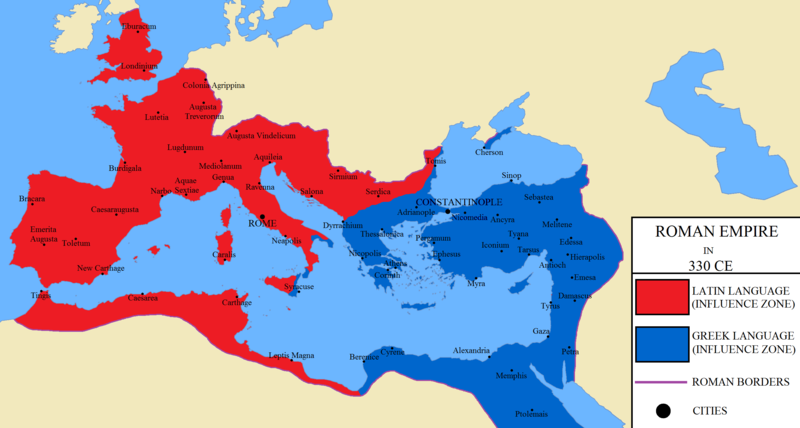
Vulgar Latin
non-standard Latin variety spoken by the people of Ancient Rome

Middle English
stage of the English language from about the 12th through 15th centuries

Pannonian Avars
alliance of various Eurasian nomads – 6th to 9th centuries

Dalmatian
extinct Romance language

Norn
extinct Germanic language spoken in the Northern Isles of Scotland

Old French
Gallo-Romance dialect continuum spoken from the 9th century to the middle of the 14th century

Cimmerians
The Cimmerians were an ancient Eastern Iranic equestrian nomadic people originating in the Pontic–Caspian steppe, part of whom subsequently migrated into West Asia. Although the Cimmerians were culturally Scythian, they were ethnically distinct from the Scythians proper, to whom the Cimmerians were related and who displaced and replaced the Cimmerians.

Elamite
ancient language in Mesopotamia

Classical Chinese
language of the Sino-Tibetan language family in written form (ISO 639-3: lzh) as opposed to the spoken, known as Old Chinese (ISO 639-3: och) or Middle Chinese (ISO 639-3: ltc)

Old Persian
language of Achaemenid Empire and ancestor of Middle Persian
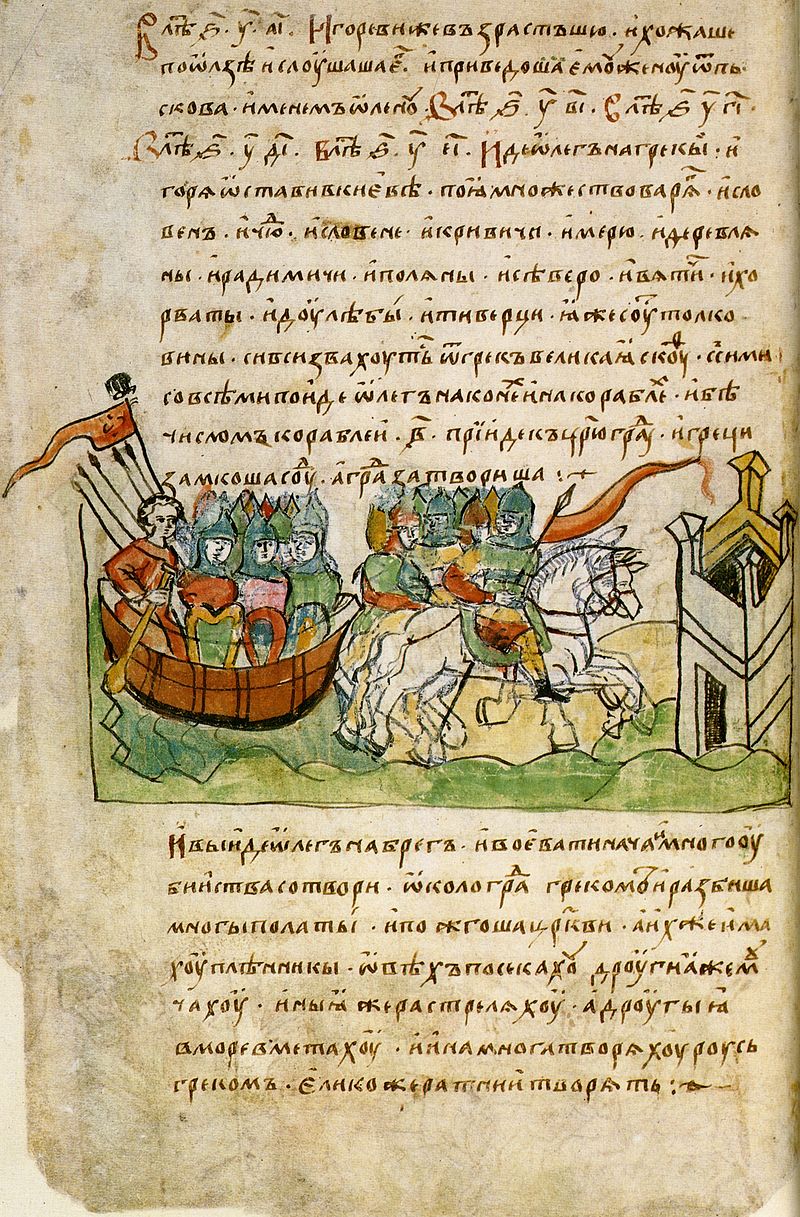
Old East Slavic
language (or a group of dialects) used by the East Slavs from the 7th or 8th century to the 13th or 14th century
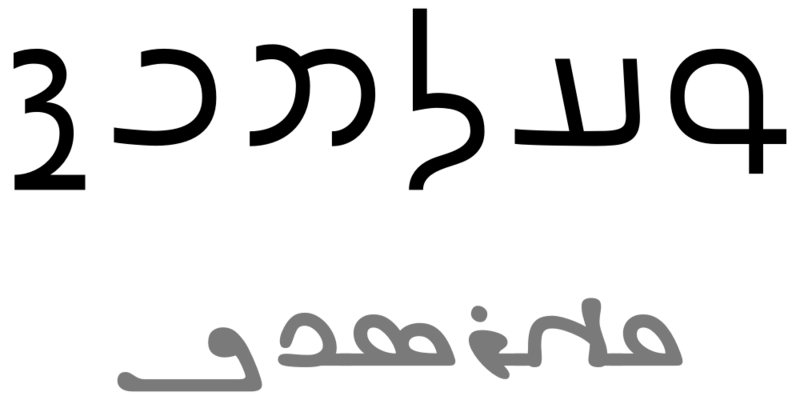
Middle Persian
southwestern Iranian language, predecessor to New Persian

Ugaritic
Ugaritic ( ) is an extinct Northwest Semitic language known through the Ugaritic texts discovered by French archaeologists in 1928 at Ugarit, including several major literary texts, notably the Baal cycle. The script is described as “a special alphabetic Cuneiform,” reflecting an idiom related to Canaanite and Hebrew languages.

Luwian
extinct ancient Indo-European language

Oscan
extinct language of southern Italy

Capraia Isola
Italian comune

Biblical Hebrew
archaic form of the Hebrew language

Old High German
earliest stage of the German language, spoken from 500/750 to 1050 AD

Ubykh
extinct Northwest Caucasian language once spoken by the Ubykh people
Parthian
language

Early Middle Japanese
stage of the Japanese language during the Heian period (794–1185)

Ruthenian
historical Slavic language, ancestor of Belarusian, Rusyn, and Ukrainian; official, literary and spoken language of the Grand Duchy of Lithuania, Moldavian principality and East Slavic voivodeships of the Polish-Lithuanian Commonwealth

Illyrian
language or group of languages

Cumbric
Cumbric is an extinct Celtic Brythonic language or dialect that was spoken during the Early Middle Ages in the Hen Ogledd or "Old North", in what is now Northern England and the southern Scottish Lowlands. Place-name evidence suggests Cumbric may also have been spoken as far south as Pendle and the Yorkshire Dales. The prevailing view is that it became extinct in the 12th century, around the incorporation of the Kingdom of Strathclyde into the Kingdom of Scotland.

Sabines
thumb|Amiternum, an ancient city founded by the Sabines
right|thumb|Map showing the location of the Sabines. The border with Latium to the south was the Aniene river; however, it is possible that Sabines extended to Lake [[Regillus slightly to the south of it near Gabii.]]

Vedic Sanskrit
archaic language in the Vedas (2nd millennium BCE)

Old Turkic
earliest attested form of Turkic, found in Göktürk and Uyghur inscriptions dating from about the 7th century to the 13th century

Phrygian
dialect of Indo-European language spoken by the Phrygians
Punic
extinct dialect of the Phoenician language spoken in North Africa and the Western Mediterranean
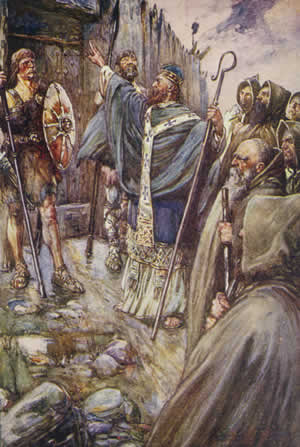
Pictish
extinct language spoken by the Picts

Andalusi Romance
Romance language formerly spoken in the Iberian Peninsula
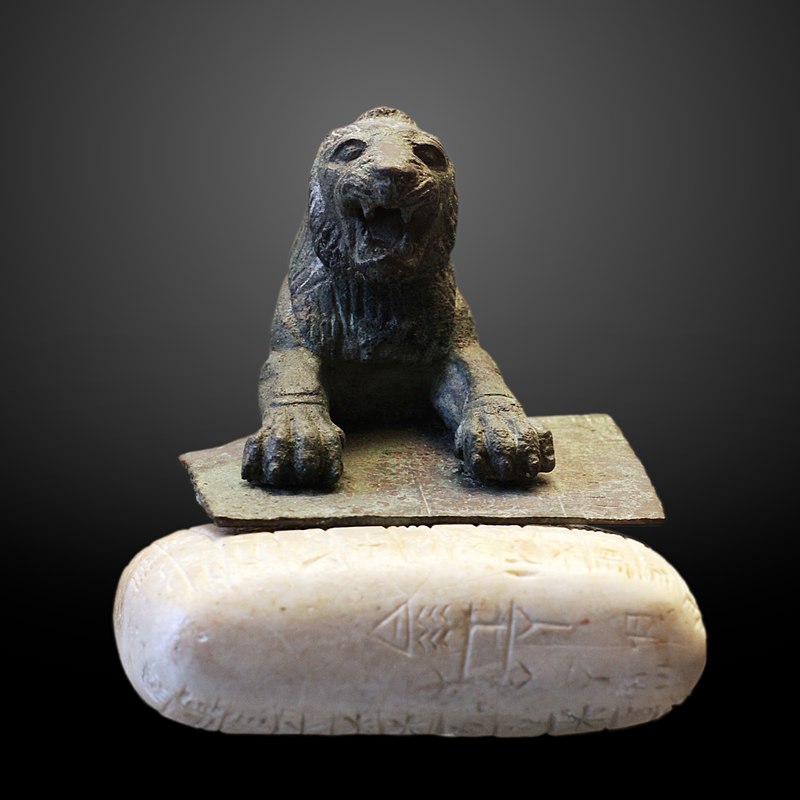
Hurrian
extinct ancient Hurro-Urartian language spoken in Mesopotamia in the 2nd millenium BC

Xianbei
The Xianbei (Mongolian:Сүнбэ; ; ) were an ancient nomadic people in northern East Asia who developed a distinct cultural and political identity by the 1st century BC. They inhabited regions spanning parts of present-day northeastern China, Inner Mongolia, and the eastern Eurasian steppe. Several Xianbei groups formed ruling regimes, with early political center around present-day Datong in Shanxi. The Xianbei were likely not of a single ethnicity, but rather a multilingual, multi-ethnic confederation consisting of mainly Proto-Mongols (who spoke either pre-Proto-Mongolic, or Para-Mongolic langu

Vandalic
extinct East Germanic language
.jpg)
Dilmun
Dilmun, or Telmun, (Sumerian: 15px, later , = ; ) was an ancient East Semitic–speaking civilization in Eastern Arabia mentioned from the 3rd millennium BC onwards, covering the transition from Prehistoric Arabia into the historic period. Based on contextual evidence, it was located in the Persian Gulf, on a trade route between Mesopotamia and the Indus Valley Civilisation, close to the sea and to artesian springs. Dilmun encompassed Bahrain, Kuwait, and eastern Saudi Arabia.
Old Saxon
Germanic language spoken 8C – 12C
Old Irish
oldest widely attested Goidelic Celtic language (c. 600 – c. 900); extinct language with ISO 639-3 code sga

Lydian
language
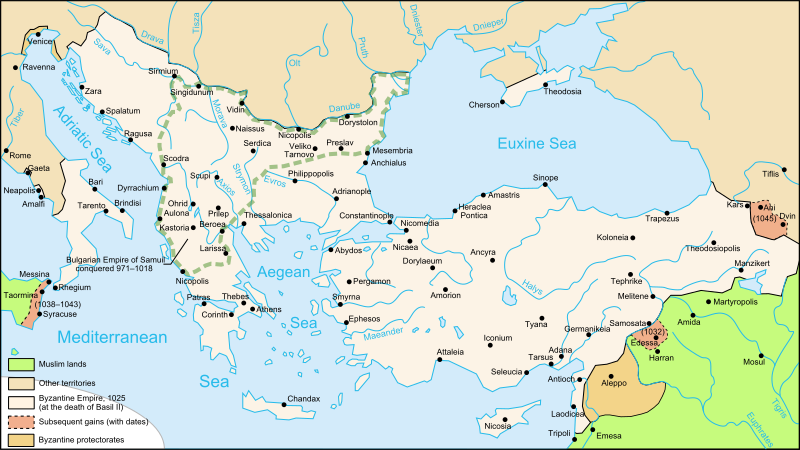
medieval Greek
medieval stage of the Greek language
Crimean Gothic
dialect

Galatian
extinct Celtic language from Asia Minor
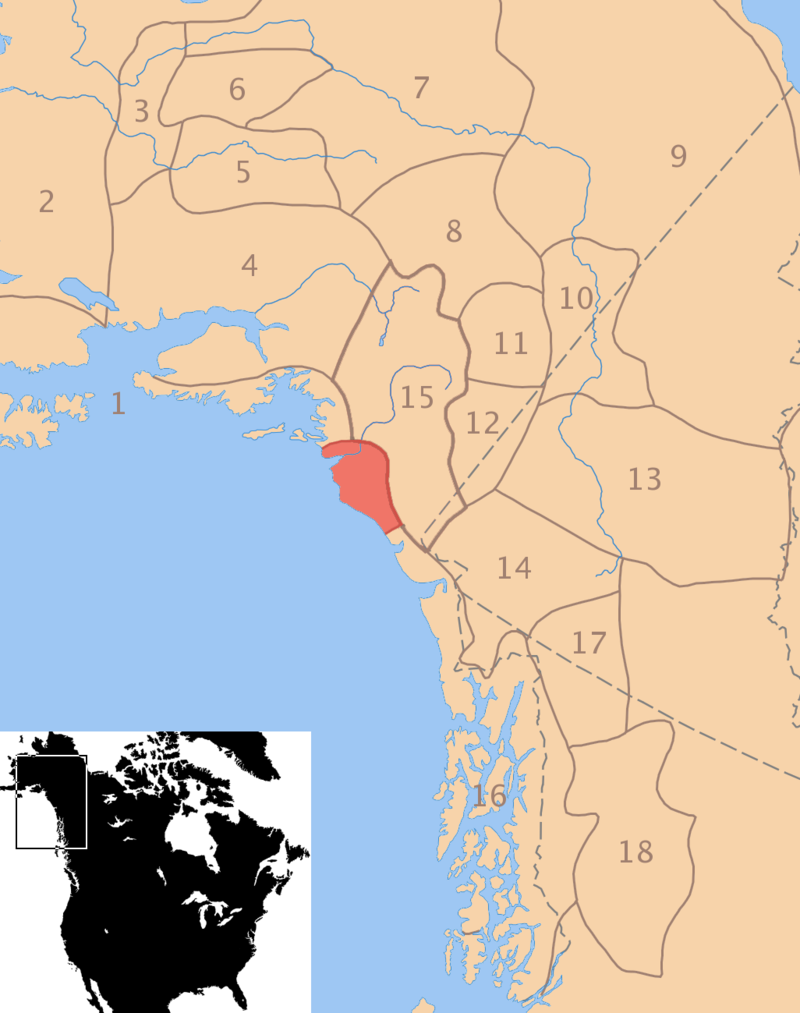
Eyak
indigenous language of North America