Category
page 1Lichen orders

Agaricales
The Agaricales are an order of fungi in the division Basidiomycota. As originally conceived, the order contained all the agarics (gilled mushrooms), but subsequent research has shown that not all agarics are closely related and some belong in other orders, such as the Russulales and Boletales. Conversely, DNA research has also shown that many non-agarics, including some of the clavarioid fungi (clubs and corals) and gasteroid fungi (puffballs and false truffles) belong within the Agaricales. The order has 46 extant families, more than 400 genera, and over 25,000 described species, along with s

Lecanorales
The Lecanorales are an order of mostly lichen-forming fungi belonging to the class Lecanoromycetes in the division Ascomycota. The order contains 26 families, 269 genera, and 5695 species.
Cantharellales
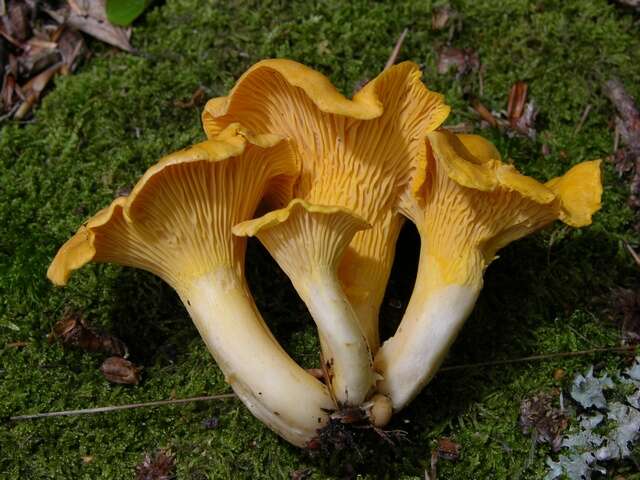
The Cantharellales are an order of fungi in the class Agaricomycetes. The order includes not only the chanterelles (Cantharellaceae), but also some of the tooth fungi (Hydnaceae), clavarioid fungi (Aphelariaceae and Clavulinaceae), and corticioid fungi (Botryobasidiaceae). Species within the order are variously ectomycorrhizal, saprotrophic, associated with orchids, or facultative plant pathogens. Those of economic importance include edible and commercially collected Cantharellus, Craterellus, and Hydnum species as well as crop pathogens in the genera Ceratobasidium and Thanatephorus/Rhizocton

Xylariales
The Xylariales are an order of fungi within the class Sordariomycetes (also known as Pyrenomycetes), subdivision Pezizomycotina, division Ascomycota. It was the original order of the subclass Xylariomycetidae. Xylariales was circumscribed in 1932 by Swedish mycologist John Axel Nannfeldt, and Xylariomycetidae by Ove Erik Eriksson and Katarina Winka in 1997.

Pleosporales
The Pleosporales is the largest order in the fungal class Dothideomycetes. By a 2008 estimate, it contained 23 families, 332 genera and more than 4700 species. The majority of species are saprobes on decaying plant material in fresh water, marine, or terrestrial environments, but several species are also associated with living plants as parasites, epiphytes or endophytes. The best studied species cause plant diseases on important agricultural crops e.g. Cochliobolus heterostrophus, causing southern corn leaf blight on maize, Phaeosphaeria nodorum (Stagonospora nodorum) causing glume blotch on
Peltigerales
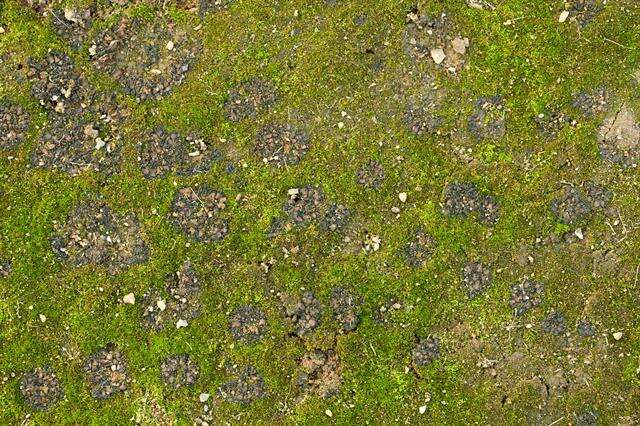
Peltigerales is an order of lichen-forming fungi belonging to the class Lecanoromycetes in the division Ascomycota. The taxonomy of the group has seen numerous changes; it was formerly often treated as a suborder of the order Lecanorales. It contains two suborders, eight families and about 45 genera such as Lobaria and Peltigera.

Capnodiales
Capnodiales is a diverse order of Dothideomycetes, initially based on the family Capnodiaceae, also known as sooty mold fungi. Sooty molds grow as epiphytes, forming masses of black cells on plant leaves and are often associated with the honeydew secreted by insects feeding on plant sap. This diverse order has been expanded by the addition of several families formerly thought unrelated and now also includes saprobes, endophytes, plant pathogens, lichens and rock-inhabiting fungi. The new additions include the genus Mycosphaerella containing the causal agents of several economically important c
.jpg)
Arthoniales
The Arthoniales is the second largest order of mainly crustose lichens, but fruticose lichens are present as well. The order contains around 1500 species, while the largest order with lichenized fungi, the Lecanorales, contains more than 14000 species.

Baeomycetales
The Baeomycetales are an order of mostly lichen-forming fungi in the subclass Ostropomycetidae, in the class Lecanoromycetes. It contains 8 families, 33 genera and about 170 species. As a result of molecular phylogenetics research published in the late 2010s, several orders were folded into the Baeomycetales, resulting in a substantial increase in the number of taxa.
Teloschistales
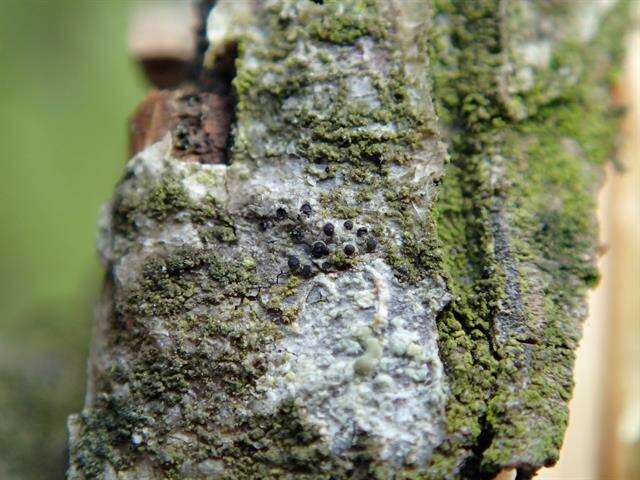
The Teloschistales are an order of mostly lichen-forming fungi belonging to the class Lecanoromycetes in the division Ascomycota. According to one 2008 estimate, the order contains 5 families, 66 genera, and 1954 species. The predominant photobiont partners for the Teloschistales are green algae from the genera Trebouxia and Asterochloris.

Pertusariales
The Pertusariales are an order of fungi in the class Lecanoromycetes, comprising 8 families, 31 genera, and over 600 species, many of which form lichens. This diverse group is characterized by complex taxonomic history and ongoing phylogenetic revisions. Originally proposed by Maurice Choisy in 1949 and later formally published by the lichenologists David L. Hawksworth and Ove Eriksson in 1986, Pertusariales has undergone significant reclassification due to molecular phylogenetics studies. The order includes well-known genera such as Pertusaria and Ochrolechia, as well as families like Megaspo

Chaetothyriales
The Chaetothyriales are an order of ascomycetous fungi in the class Eurotiomycetes and within the subclass Chaetothyriomycetidae. The order was circumscribed in 1987 by mycologist Margaret Elizabeth Barr-Bigelow.
Umbilicariales
The Umbilicariales are an order of lichenized fungi in the subclass Umbilicariomycetidae, class Lecanoromycetes. It contains five families: Elixiaceae, Fuscideaceae, Ophioparmaceae, Ropalosporaceae, and Umbilicariaceae. Umbilicariales was proposed as a new order in 2007, while the subclass Umbilicariomycetidae was proposed in 2013.
Verrucariales
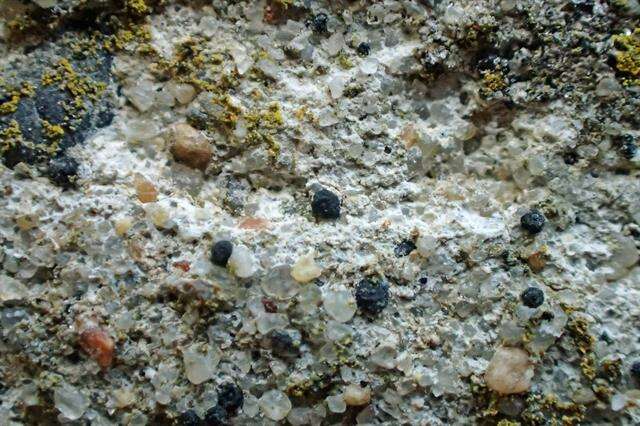
Verrucariales is an order of ascomycetous fungi within the subclass Chaetothyriomycetidae of the class Eurotiomycetes. Although most of the Verrucariales are lichenised, the family Sarcopyreniaceae consists of 11 species of lichenicolous (lichen-dwelling) fungi.
Ostropales
The Ostropales are an order of fungi in the class Lecanoromycetes. The order was circumscribed by Swedish botanist John Axel Nannfeldt in 1932. The order contains 4 families and 46 genera, including 6 genera of uncertain familial placement.
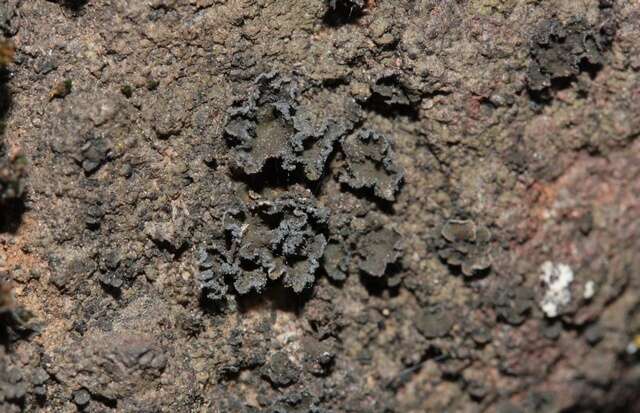
Lichinales
Lichinales is the sole order of ascomycete fungi in the class Lichinomycetes. It contains three families: Gloeoheppiaceae (3 genera), Lichinaceae (43 genera), and Peltulaceae (1 genus). Most species are lichenized. Lichinales was proposed in 1986 by German lichenologists Aino Henssen and Burkhard Büdel. The class Lichinomycetes was created by Valérie Reeb, François Lutzoni and Claude Roux in 2004.

Pyrenulales
The Pyrenulales are an order of ascomycetous fungi within the class Eurotiomycetes and within the subphylum Pezizomycotina.
Corticiales
The Corticiales are an order of fungi in the class Agaricomycetes. The order is composed of corticioid fungi. Species within the order are generally saprotrophic, most of them wood-rotters, but several are parasitic on grasses or lichens. Plant pathogens of economic importance include Erythricium salmonicolor, Laetisaria fuciformis, Waitea circinata, Waitea oryzae, and Waitea zeae.
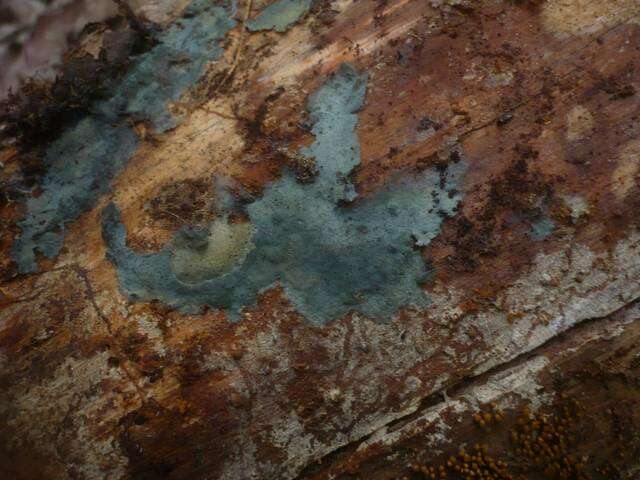
Atheliales
Atheliales is an order of mostly corticioid or athelioid fungi placed under the Agaricomycetidae subclass. It was first described by Walter Jülich in 1981 along with 4 families, Lobuliciaceae, Atheliaceae, Byssocorticiaceae and Pilodermataceae. Another family was discovered in 2020 called Tylosporaceae. It contains roughly 100 described species in 20 genera with varied ecological diversity. Most species have relatively simple gross morphology and do not have a lot of diagnostic characters. They produce crust-like fruiting bodies attached loosely to their substrate.
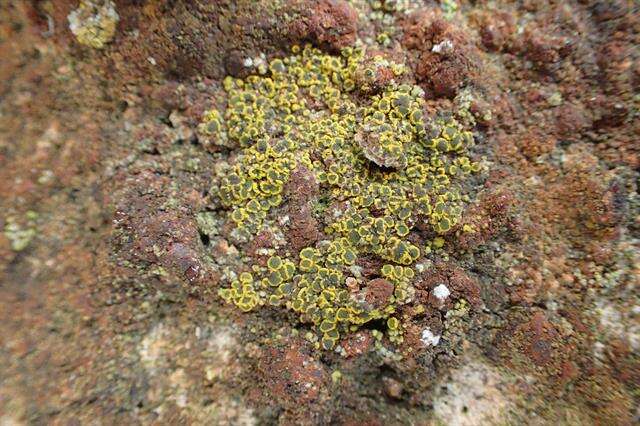
Candelariales
The Candelariales are an order of fungi in the monotypic class Candelariomycetes. It contains the families Candelariaceae and Pycnoraceae. The order was circumscribed by Jolanta Miadlikowska, François Lutzoni, and Helge Thorsten Lumbsch as part of a comprehensive phylogenetic classification of the kingdom Fungi published in 2007. The class Candelariomycetes was proposed in 2018 by Hermann Voglmayr and Walter Jaklitsch.
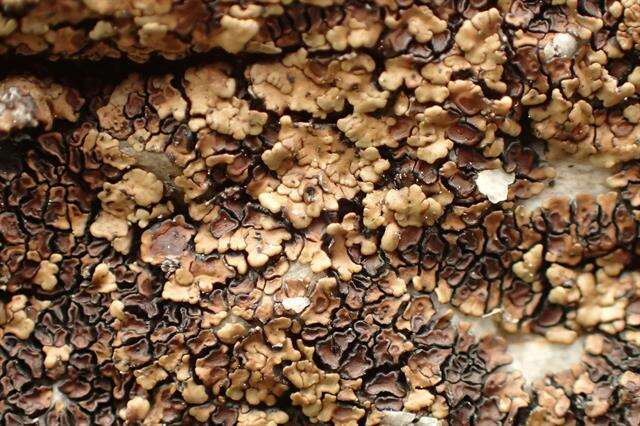
Acarosporales
The Acarosporales are an order of fungi in the class Lecanoromycetes. Phylogenetic analyses conducted using the sequences of both the protein-coding gene RPB2 as well as nuclear ribosomal genes place this order within the subclass Acarosporomycetidae.
Rhizocarpales
The Rhizocarpales are an order of lichen-forming fungi in the subclass Lecanoromycetidae of the class Lecanoromycetes. It has two families, Rhizocarpaceae and Sporastatiaceae, which contain mostly crustose lichens.
Lecideales
The Lecideales are an order of lichenized fungi in the class Lecanoromycetes. The order contains two families: the Lecideaceae, which contains 29 genera and about 260 species, and Lopadiaceae, which contains the single genus Lopadium of 10 species. According to Alan Fryday and colleagues in the Revisions of British and Irish Lichens series, "It seems clear that Lopadiaceae does not belong in Lecideales but its true systematic position is unclear."
Lepidostromatales
Lepidostromatales is an order of fungi in the class Agaricomycetes. It is the only known order of basidiomycete fungi composed entirely of lichenized members. Morphologically, the fruiting bodies of all species are clavarioid. Six species are known, five of which were described within the span of 2007–2013. Due to its morphological similarity to the genus Multiclavula, its isolated phylogenetic position (distinct from all other orders based on molecular data) was not understood until quite recently. The photobionts that have been found in association with members of this group are not known to
Trypetheliales
The Trypetheliales are an order of fungi in the class Dothideomycetes. Most of the species in the order form lichens, although some are lichenicolous fungi. Trypetheliales contains two families, Polycoccaceae and Trypetheliaceae.

Caliciales
Caliciales is an order of mostly lichenized fungi in the class Lecanoromycetes. It consists of two families: Caliciaceae and Physciaceae, which together contain 54 genera and more than 1200 species. The order was circumscribed by American botanist Charles Edwin Bessey in 1907.
Amphisphaeriales
The Amphisphaeriales are an order of fungi within the class Sordariomycetes and subclass Xylariomycetidae.
Venturiales
The Venturiales is an order in the fungal class Dothideomycetes.