Category
page 2Lizard genera
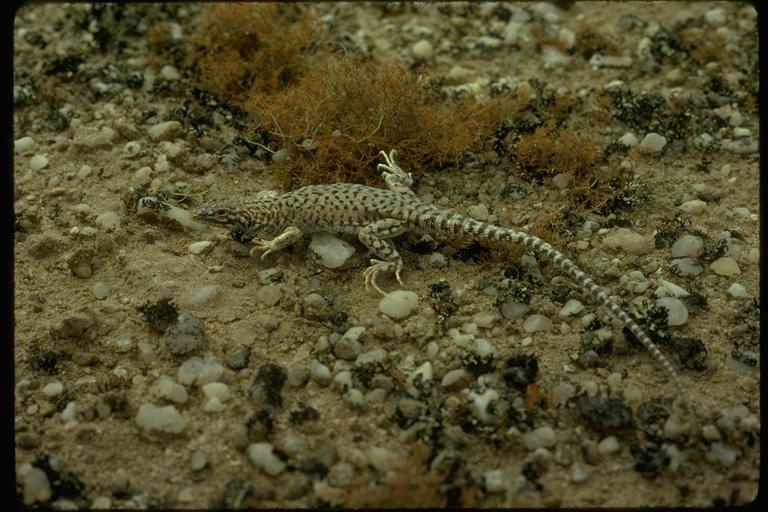
Meroles
Meroles is a genus of lizards, commonly known as desert lizards, in the family Lacertidae. The genus contains eight species, inhabiting southwestern Africa, especially the Namib Desert.

Eumeces
The genus Eumeces (family Scincidae) comprises four African to Middle-Eastern skink species.

Psammodromus
Psammodromus is a small genus of sand lizards of the family Lacertidae. It has six described species, which are found in European and North African countries next to the Mediterranean.

Lygodactylus
Lygodactylus is a genus of diurnal geckos with 82 species. They are commonly referred to as dwarf geckos. They are mainly found in Africa and Madagascar although two species are found in South America. Lygodactylus picturatus, the best known species, is found in Kenya and commonly known as the white-headed dwarf gecko. Recently, illegal importation from Tanzania of brightly colored (and critically-endangered), Lygodactylus williamsi, known as electric blue geckos, has been gaining attention for Lygodactylus geckos in the reptile trade.
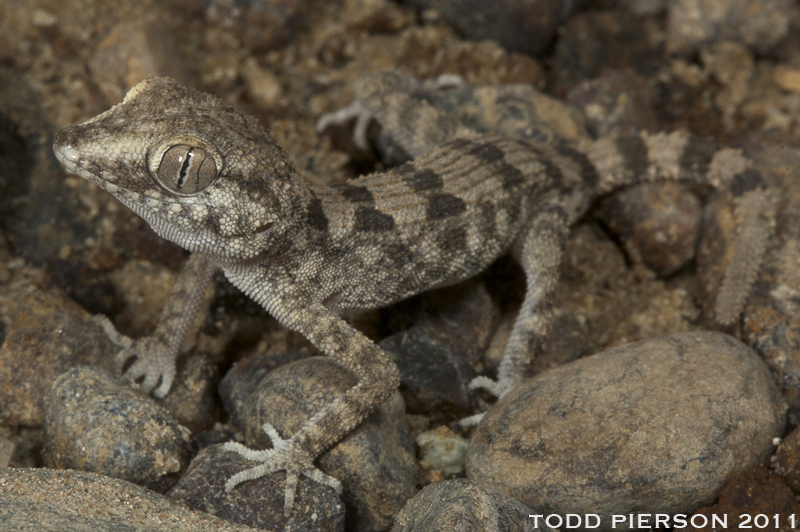
Bunopus
Bunopus is a genus of small geckos, lizards in the family Gekkonidae. The genus is endemic to the Middle East.
Sphenomorphus
The genus Sphenomorphus – vernacularly also known as the common skinks – currently serves as a "wastebin taxon" for numerous skinks. While most or all species presently placed here are probably rather close relatives, the genus as presently delimited is likely not to be monophyletic and needs review. Some species in this genus have been moved to Pinoyscincus.
.jpg)
Microlophus
Microlophus is a genus of tropidurid lizards native to South America. Around 20 species are recognized and 10 of these are endemic to the Galápagos Islands, where they are commonly known as lava lizards (they are sometimes placed in Tropidurus instead). The remaining, which often are called Pacific iguanas, are found in the Andes and along the Pacific coasts of Chile, Peru, and Ecuador.
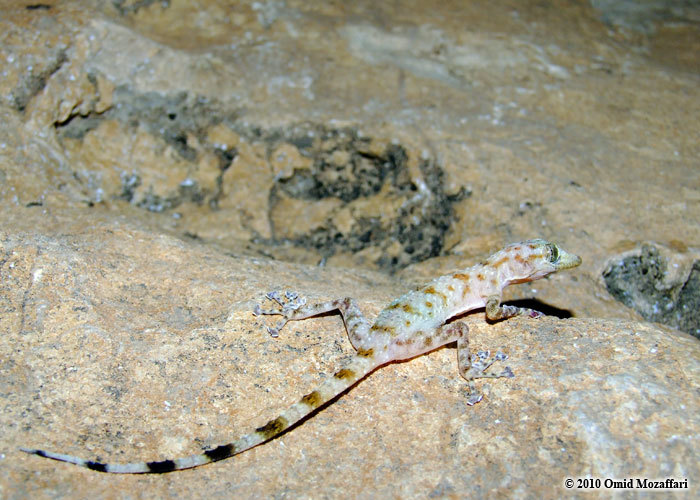
Asaccus
Asaccus is a genus of geckos, commonly known as Southwest Asian leaf-toed geckos, in the family Phyllodactylidae.

Ptychozoon
Ptychozoon was a genus of arboreal geckos, endemic to Southeast Asia, known commonly as flying geckos, gliding geckos, or parachute geckos. They all are now placed in the genus Gekko in the family Gekkonidae. The biogeographic history of the genus Ptychozoon was deeply nested within that of the genus Gekko, the center of diversity of which is within Southeast Asia. Since dispersing into Southeast Asian rainforests, Pytochozoon, like other forest-dwelling vertebrates, adapted to facilitate gliding. All species in the genus Ptychozoon are characterized by cryptic coloration and elaborate webs su

Acanthosaura
Acanthosaura is a genus of lizards, commonly known as mountain horned dragons or pricklenape agamas, in the family Agamidae. The common name "pricklenape" refers to a row of dorsal spines which runs down the back of the neck. They are arboreal lizards found in Southeast Asia. They are medium-sized, their total length (including tail) ranging from about , depending on species and individual. As the common name "mountain horned dragons" implies, they tend to prefer higher elevation areas with dense vegetation.
Stenodactylus
Stenodactylus is a genus of Middle-Eastern and North-African geckos, commonly known as short-fingered geckos.
Oligosoma
Oligosoma is a genus of small to medium-sized skinks (family Scincidae) found only in New Zealand, Norfolk Island and Lord Howe Island. Oligosoma had previously been found to belong to the Eugongylus group of genera in the subfamily Lygosominae; the Australian genus Bassiana appears to be fairly closely related.

Naultinus
Naultinus is a genus of geckos that are endemic to New Zealand. On account of their striking colouration, species in the genus Naultinus are commonly known as green geckos. There are nine described species in the genus. Species in the genus share a number of traits that set them apart as quite different from the rest of the world's two thousand odd gecko species, which are generally brown in colour, ovivaparous, short-lived and nocturnal. In contrast, Naultinus are green (with the exceptions of males in two South Island species which exhibit sexual dimorphism in colouration), ovovivaparous, li
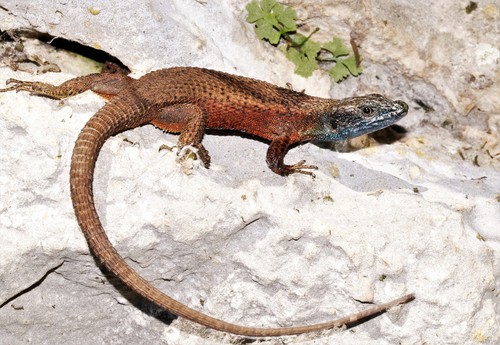
Algyroides
Algyroides is a genus of lizards, commonly called keeled lizards, in the subfamily Lacertinae of the family Lacertidae. Species of the genus Algyroides are native to southern Europe.
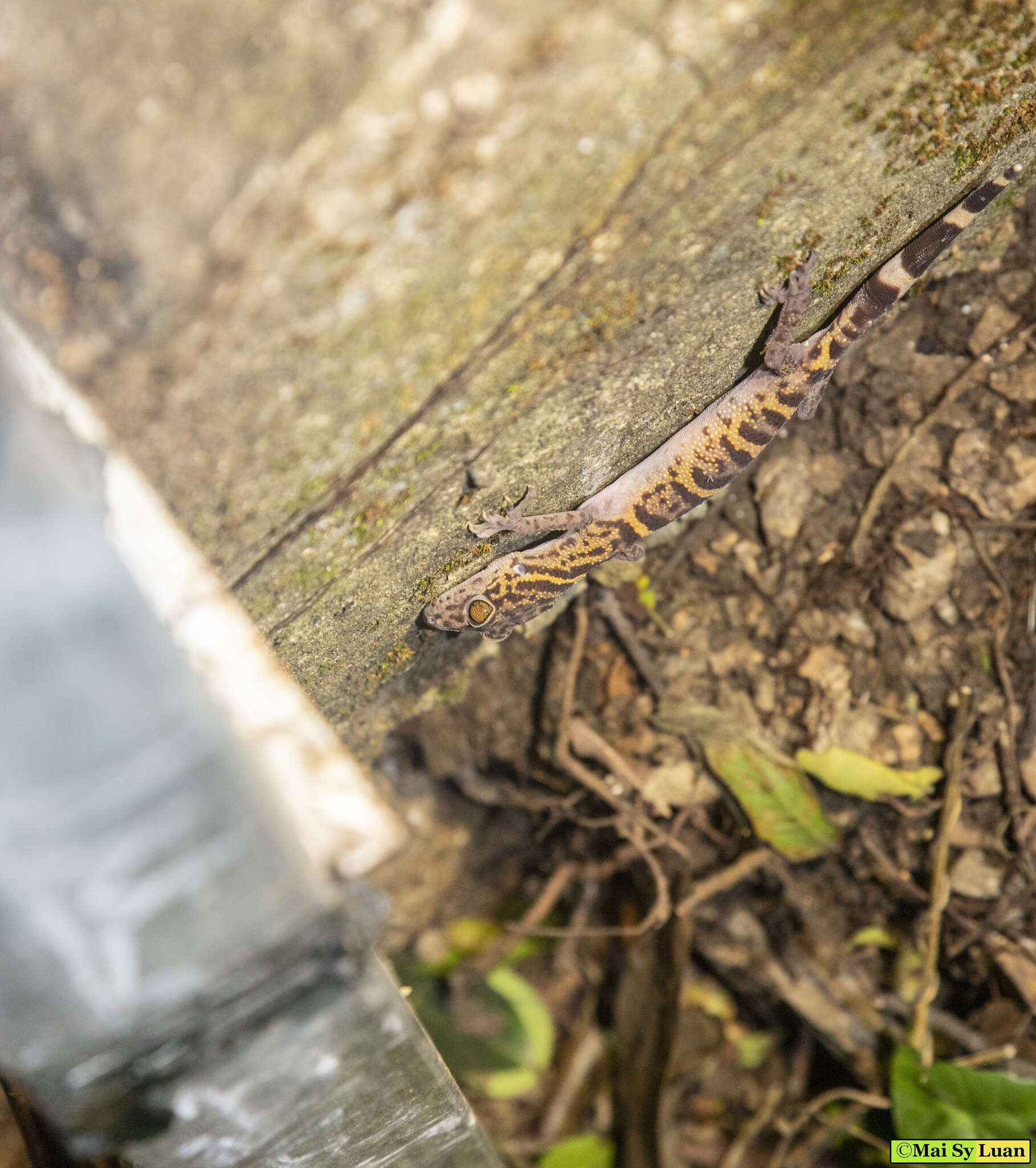
Goniurosaurus
Goniurosaurus is a genus of geckos in the family Eublepharidae. The genus contains 27 species. Members species are known by various common names including cave geckos, ground geckos, leopard geckos, and tiger geckos. Members of this genus are found in China, Japan, and Vietnam. For this reason they are also known commonly as Asian geckos.
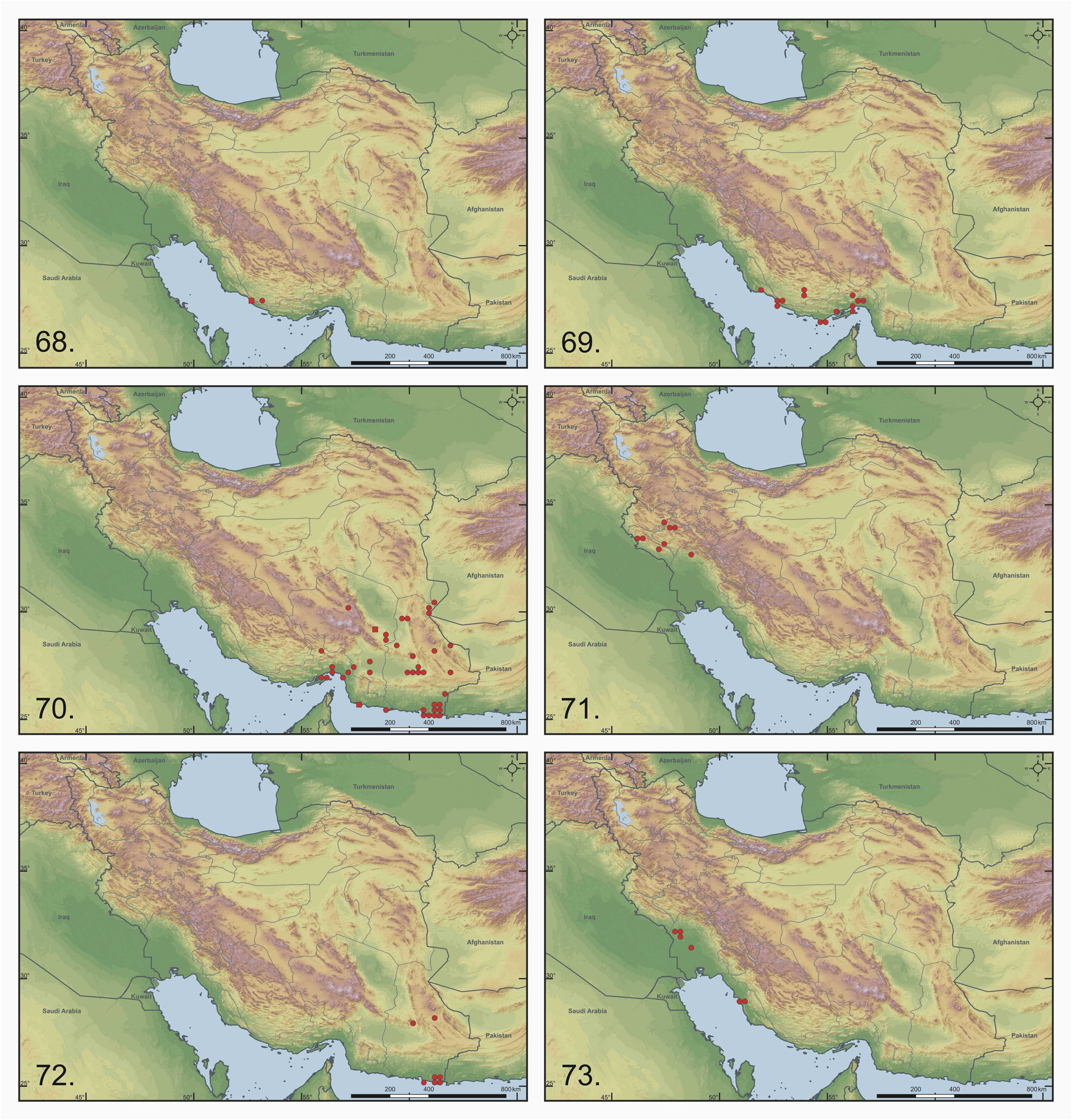
Tropiocolotes
Tropiocolotes is a genus of geckos, lizards in the family Gekkonidae. The genus is native to North Africa and the Middle East. Species in the genus Tropiocolotes grow to a total length (including tail) of about . They are commonly known as dwarf geckos, pygmy geckos, or sand geckos. They have an elongated body and the head is oval and of equal or lesser width than the body.

Timon
genus of wall lizards
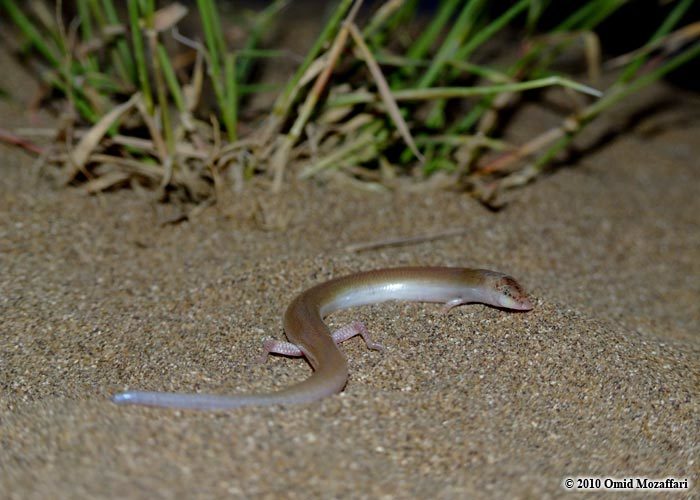
Ophiomorus
Ophiomorus is a genus of Old World skinks. The limbs are either reduced or absent, depending on the species. They are sometimes known as limbless skinks or snake skinks. Members of the genus live under rocks or in burrows.

Cyrtopodion
Cyrtopodion is a genus of lizards in the family Gekkonidae (geckos), with 25 described species.

Eurydactylodes
Eurydactylodes is a small genus of geckos commonly referred to as chameleon geckos from the subfamily Diplodactylidae, endemic to New Caledonia and few adjacent islands. Within the Diplodactylidae, Eurydactylodes resides in the Carphodactylini tribe, and consists of four species. All species share similar morphology as well as lifestyle and habits. The first of the Eurydactylodes species to be classified, E. vieillardi, was discovered in 1869.

Trapelus
Trapelus is a genus of Middle Eastern agamid lizards, which contains 13 species.
Paroedura
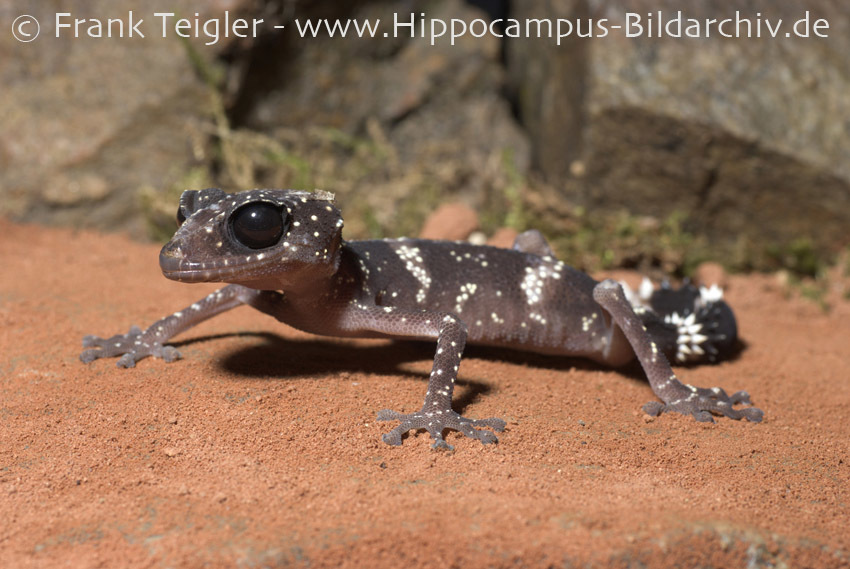
Paroedura (Madagascar ground geckos) is a genus of geckos, endemic to Madagascar and the Comoros. These geckos are typically terrestrial, though the young of most species can climb until they are too heavy for their feet to support.
Phyllodactylus
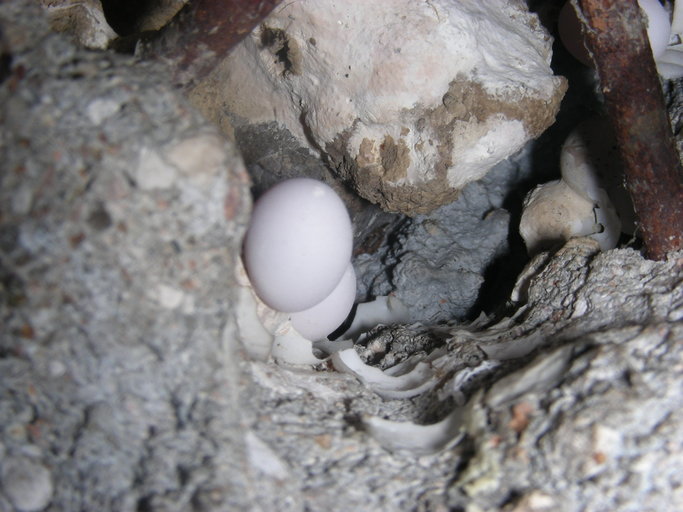
Phyllodactylus is a genus of geckos distributed in South America and Central America, and as far north as the southern United States. They are commonly known as "leaf-toed geckos" in their native range, and otherwise as American leaf-toed geckos to distinguish them from unrelated genera with similar feet.
.jpg)
Dixonius
thumb|right
Dixonius is a genus of Asian geckos, commonly known as leaf-toed geckos.
.jpg)
angle-headed agamas
Gonocephalus is also a synonym of the catfish genus Clarotes.

Gehyra
thumb|Gehyra dubia, dubious dtella
thumb|Gehyra mutilata, stump-toed gecko
.jpg)
Egernia
Egernia is a genus of skinks (family Scincidae) that occurs in Australia. These skinks are ecologically diverse omnivores that inhabit a wide range of habitats. However, in the loose delimitation (which incorporates about 30 species) the genus is not monophyletic but an evolutionary grade, as has long been suspected due to its lack of characteristic apomorphies.

Tribolonotus
Tribolonotus is a genus of lizards, commonly known as crocodile skinks.
Leiolepis
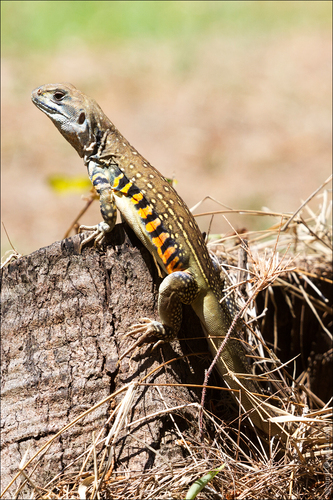
Leiolepis, commonly known as butterfly lizards or butterfly agamas (), are group of agamid lizards. They are native to Peninsular Malaysia, Thailand, Myanmar, Laos, Cambodia, Indonesia, Ryukyu Islands (Japan), Vietnam, and Hainan (China). The genus includes both sexual and asexual species. Leiolepis is the sole genus of subfamily Leiolepidinae.

Tupinambis
Tupinambis is a lizard genus which belongs to the family Teiidae and contains eight described species. These large lizards are commonly referred to as tegus. They are primarily found in South America, although T. teguixin also occurs in Panama.
Mesalina
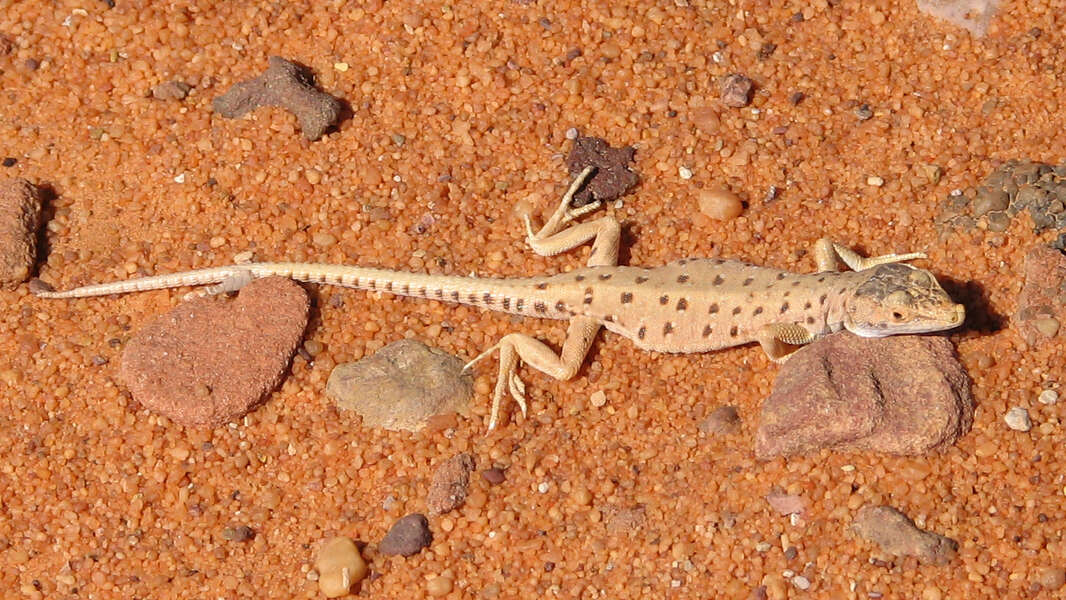
Mesalina is a genus of wall lizards of the family Lacertidae.
%20Figure%201.jpg)
Trioceros
Trioceros is a genus of lizards in the family Chamaeleonidae, the chameleons, native to lowlands and highlands in the African mainland, ranging from Ethiopia south to Mozambique and west as far as Ghana. Trioceros was considered a subgenus of the genus Chamaeleo until 2009, when it was elevated to full genus level.
Dasia
genus of reptiles
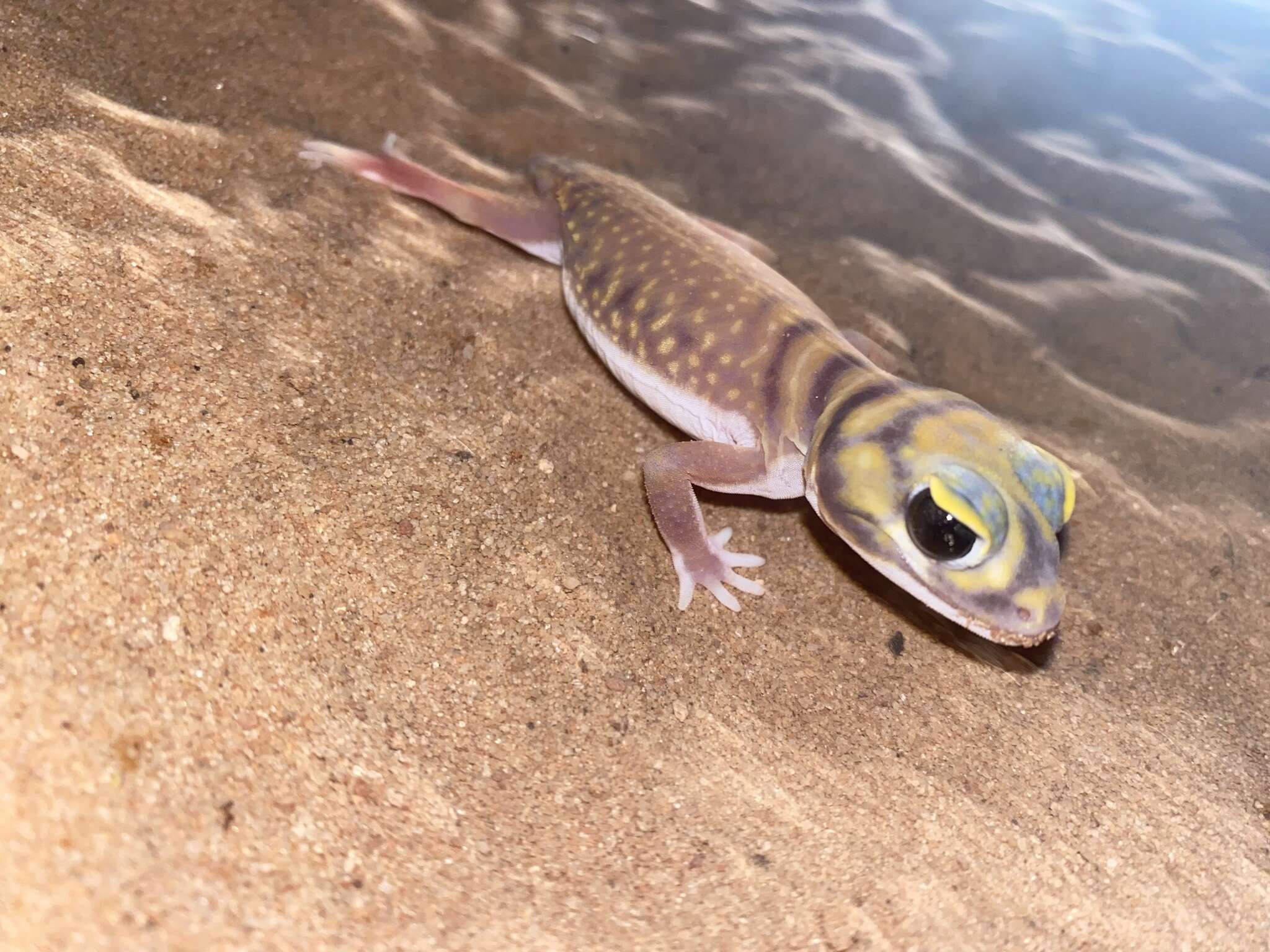
Nephrurus
genus of reptiles

Cnemaspis
Cnemaspis is a genus of diurnal (day) geckos, lizards in the family Gekkonidae. The genus is native to Asia. With over 100 species, it is one of the most diverse genera of geckos. Molecular phylogenies suggest that the two regional groupings may form distinct clades which are not each other's closest relatives.

Carlia
Carlia is a genus of lizards, commonly known as four-fingered skinks or rainbow skinks, in the subfamily Eugongylinae of the family Scincidae. Before being placed in this new subfamily, Carlia was recovered in a clade with the genera Niveoscincus, Lampropholis, and others of the Eugongylus group within Lygosominae.

Oedura
Oedura is a genus of medium to large geckos, lizards in the family Diplodactylidae. The genus is endemic to Australia. Species in the genus are referred to by the common name velvet geckos.
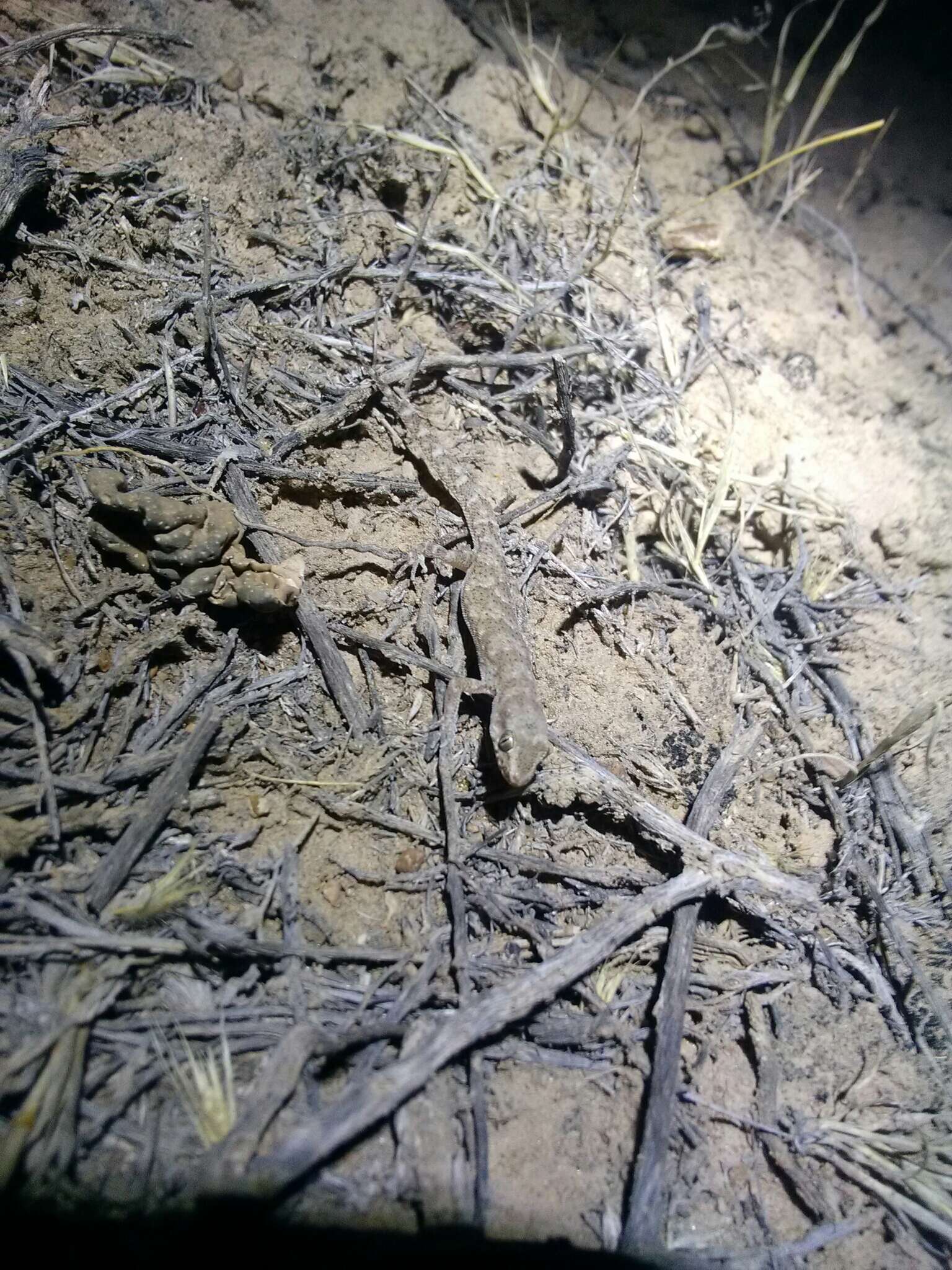
Alsophylax
Alsophylax is a genus of small species of geckos, endemic to Central Asia, commonly known as even-fingered geckos. The snout-vent length of these geckos is normally no more than . Little is known of their ecology or reproductive habits.

Dracaena
genus of reptiles

Latastia
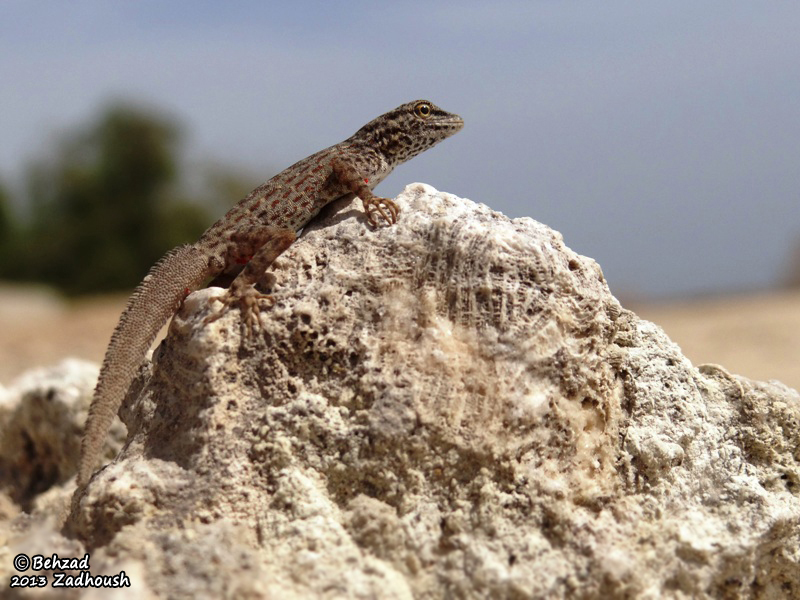
Latastia is a genus of lizards of the family Lacertidae. Species of this genus are distributed in Africa (Egypt, Ethiopia, Djibouti, Eritrea, Guinea-Bissau, Cameroon, Kenya, Malawi, Mali, Mozambique, Niger, Zambia, Senegal, Zimbabwe, Somalia, Sudan, South Sudan, Tanzania) but one subspecies (Latastia longicaudata andersonii) lives in Yemen. Collectively, they are known as long-tailed lizards.
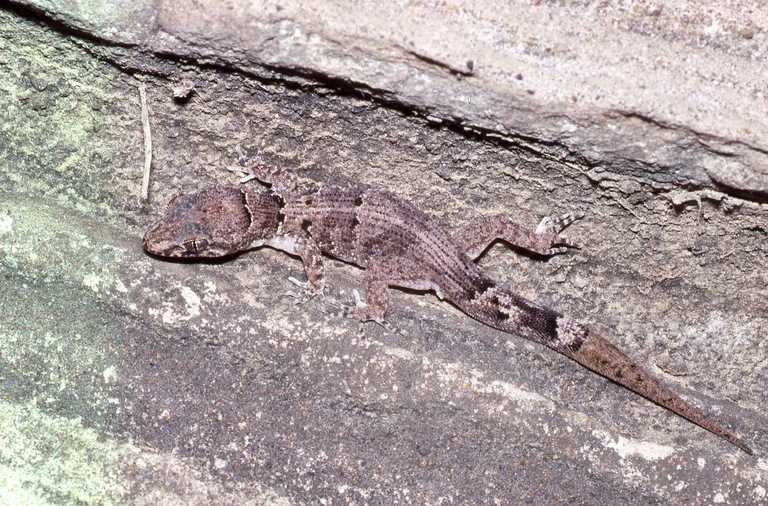
Pristurus
Pristurus is a genus of geckos native to Arabia and Socotra Island as well as the Middle East and the Horn of Africa. Species of Pristurus are commonly known as rock geckos .
Nactus
Nactus is a genus of geckos, lizards in the family Gekkonidae. The genus is endemic to Oceania.
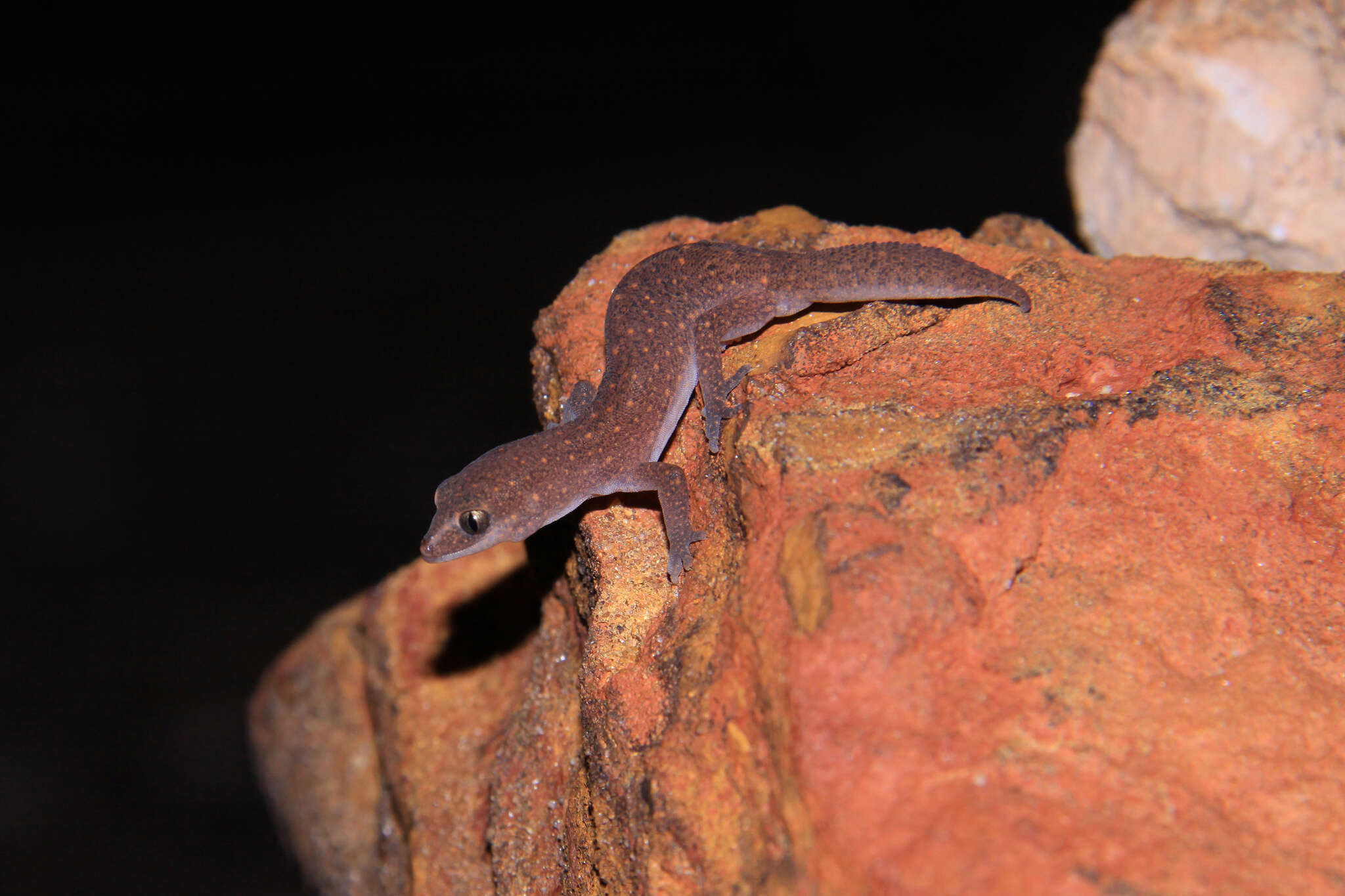
Diplodactylus
Diplodactylus is a genus of geckos of the family Diplodactylidae from Australia. They are sometimes called stone geckos or fat-tailed geckos. Member species are morphologically similar but genetically distinct.
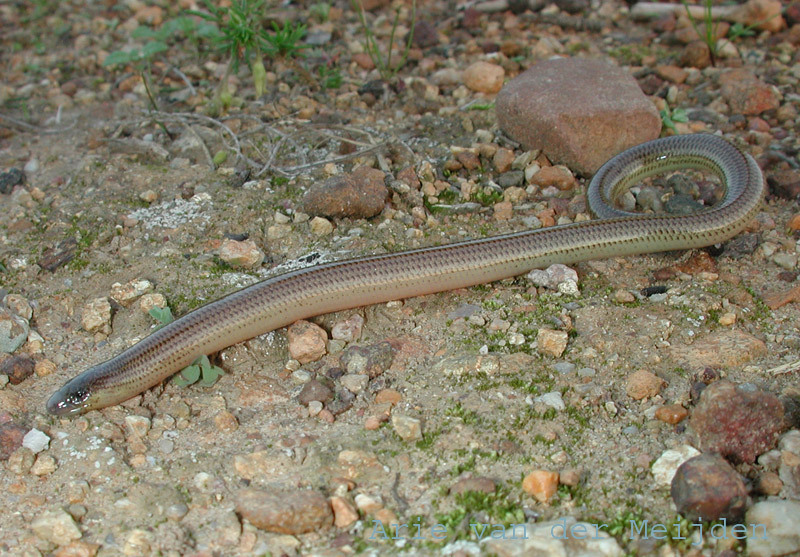
Acontias
Acontias is a genus of limbless skinks, the lance skinks, (family Scincidae) in the African subfamily Acontinae. Most are small animals, but the largest member of the genus is Acontias plumbeus at approximately snout-vent length. All members of this genus are live-bearing sandswimmers, with fused eyelids. A recent review moved species that were formerly placed in the genera Typhlosaurus, Acontophiops, and Microacontias into this genus, as together these form a single branch in the tree of life. This new concept of Acontias is a sister lineage to Typhlosaurus, and these two genera are the only

Abronia
genus of lizards, family of Anguidae

Rhampholeon
Rhampholeon (from Ancient Greek ῥάμφος (rhámphos), meaning "bill", and λέων (léōn), meaning "lion") is a genus of small chameleons, commonly known as pygmy chameleons or African leaf chameleons, found in East Africa and Central Africa. They are found in forests, woodlands, thickets, and savanna, and most species are restricted to highlands. They are brown, grey, or green, and typically seen at low levels in bushes, or on the ground among grasses or leaf litter.
Xenosaurus
Xenosaurus is a genus of lizards; it is the only extant genus in the family Xenosauridae, with 14 species recognized. Also known commonly as knob-scaled lizards, species of Xenosaurus can found in Mexico and Guatemala. These lizards are known to feed on a variety of crawling and flying insects. This genus mostly eats orthopterans, coleopterans (beetles), dipterans, and myriapods.

Amphiglossus
Amphiglossus is a genus of skinks, lizards in the family Scincidae.

Nucras
Nucras is a genus of African lacertid lizards, commonly called sandveld lizards.
Thecadactylus
Thecadactylus is a gekko genus from the tropical Americas. They are known as the turnip-tailed geckos. The genus belongs to the gecko family Phyllodactylidae. Until 2007, it was believed to be monotypic, with T. rapicauda the sole species. Then however, the population from upstream southern Amazon basin was discovered to be very distinct and was named a new species, T. solimoensis. A third species was described in 2011.
.jpg)
Cryptoblepharus
Cryptoblepharus is a genus of skinks, lizards in the family Scincidae. The genus contains at least 53 species.
%20Figure%203.jpg)
Bronchocela
Bronchocela is a genus of Asian lizards, commonly known as bloodsuckers, crested lizards, and forest lizards, in the family Agamidae.
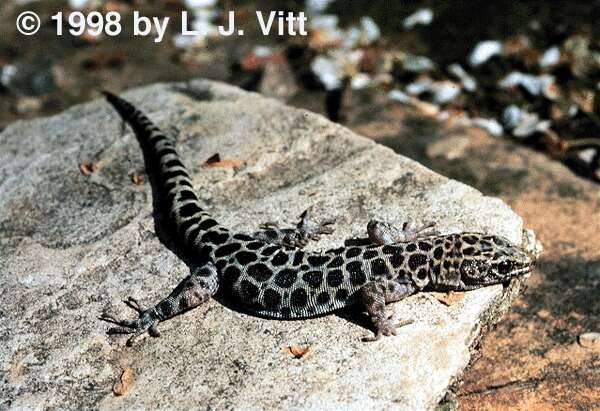
Xantusia
Xantusia () is one of three genera of night lizards (family Xantusiidae). Species of Xantusia are small to medium-sized, viviparous (live-bearing) lizards found in the U.S. Southwest and in northern Mexico.
These lizards display morphological adaptations to specific microhabitats. They occupy rock crevices and decaying plants. Rock dwellers generally have brighter coloration, longer limbs and digits, and larger size than plant dwellers, which are generally duller, smaller, and have shorter limbs.
Species of the genus Xantusia are remarkably disjunct, with populations scattered throughout th
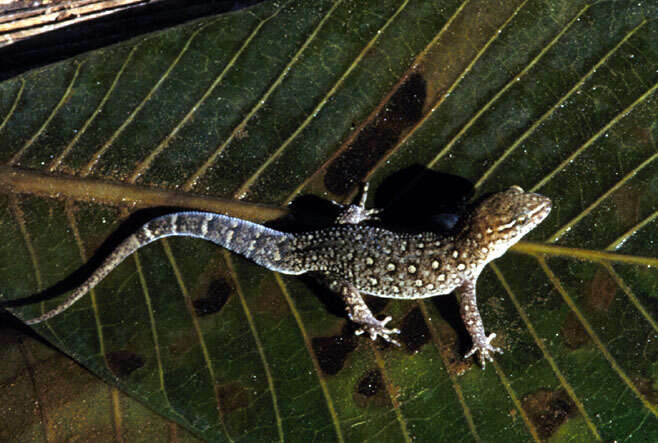
Gymnodactylus
Gymnodactylus is a genus of Brazilian geckos, commonly known as naked-toed geckos, in the family Phyllodactylidae.
Hoplodactylus
Hoplodactylus is a genus of geckos in the family Diplodactylidae. The genus is endemic to New Zealand, one of the seven genera of geckos found only in New Zealand. Hoplodactylus comprises two species of large to gigantic brownish lizards.

Hemiphyllodactylus
Hemiphyllodactylus (from Ancient Greek ἡμι- (hēmi-), meaning 'half', φύλλον (phúllon), meaning 'leaf', and δάκτυλος (dáktulos), meaning 'finger') is a genus of geckos ranging from India and China southward to Southeast Asia and Oceania. Species of Hemiphyllodactylus are commonly known as half leaf-fingered geckos. Many species are known as dwarf geckos or slender geckos.

Ctenotus
Ctenotus is a genus of skinks, lizards in the family Scincidae. The genus is endemic to Australia. The genus Ctenotus belongs to a clade in the Sphenomorphus group which contains such genera as Anomalopus and the close relatives Eulamprus and Gnypetoscincus.
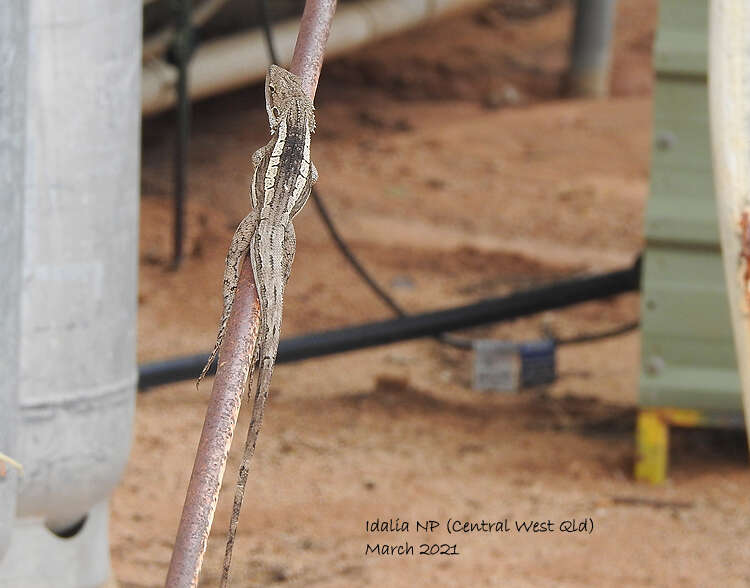
Amphibolurus
Amphibolurus is a genus of lizards in the family Agamidae. The genus is endemic to Australia.

Gonatodes
Gonatodes is a genus of New World dwarf geckos of the family Sphaerodactylidae.
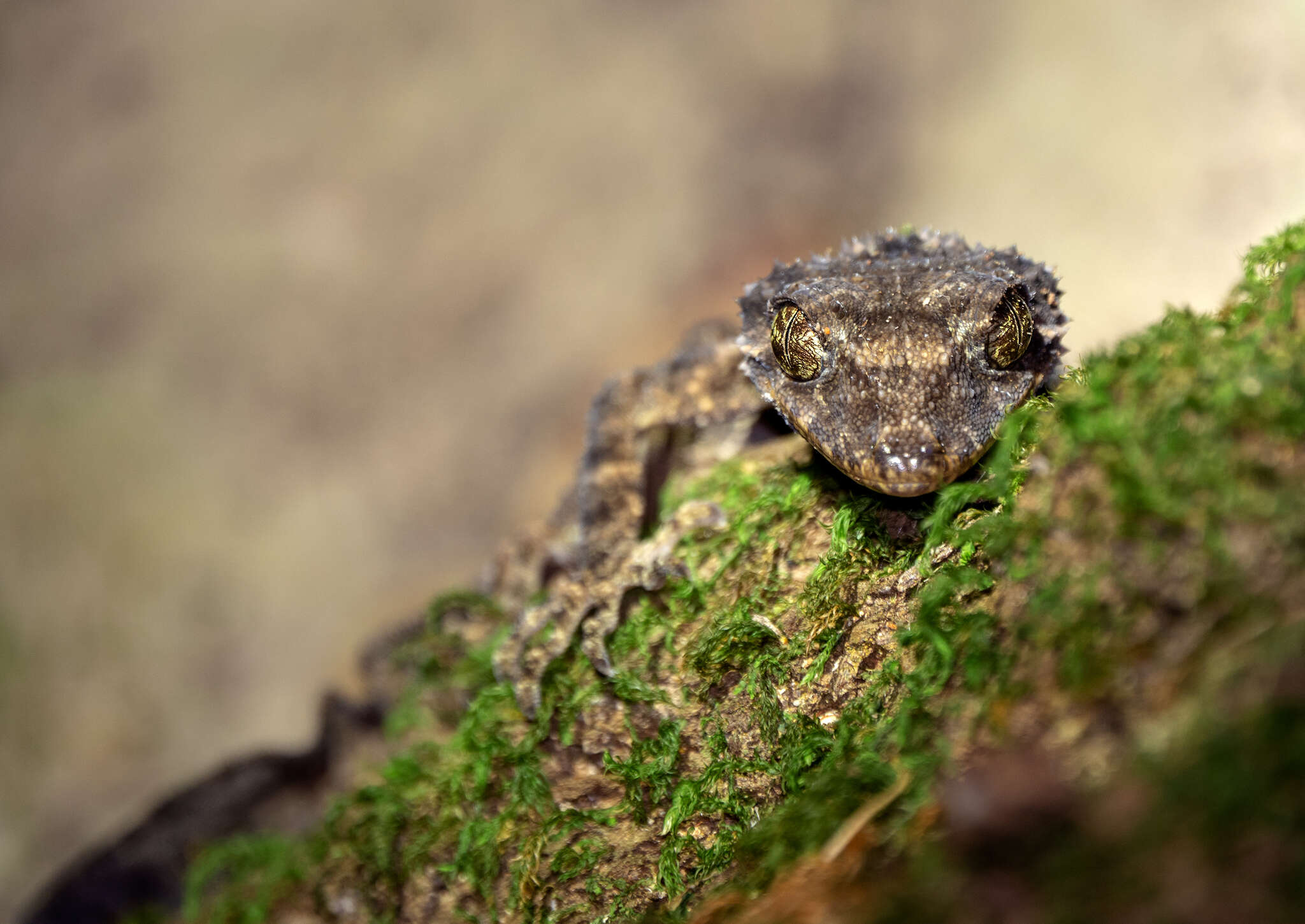
Saltuarius
Saltuarius is a genus of larger Australian geckos, known collectively as leaf-tailed geckos.