Category
page 3Lizard genera

Liolaemus
Liolaemus is a genus of iguanian lizards, containing many species, all of which are endemic to South America.

Tropidurus
Tropidurus is a genus of reptiles. The genus includes many species of Neotropical ground lizards (family Tropiduridae). Tropidurus is the type genus of the family Tropiduridae.

Uta
genus of reptiles
Goggia
Goggia, also known commonly as dwarf leaf-toed geckos or pygmy geckos, is a genus of African geckos, lizards in the family Gekkonidae.

Rieppeleon
Rieppeleon is a genus of small, typically brown chameleons found in forests and savannas in East Africa. Member species are found at low levels in bushes, or on the ground among grass or leaf litter.
Alopoglossus
Alopoglossus is a genus of lizards in the monogeneric family Alopoglossidae. The genus is distributed from Costa Rica in Central America to northern South America.

Prasinohaema
Prasinohaema (Greek: "green blood") is a genus of skinks characterized by having green blood. This condition is caused by an excess buildup of the bile pigment biliverdin.
Prasinohaema species have plasma biliverdin concentrations approximately 1.5-30 times greater than fish species with green blood plasma and 40 times greater than humans with green jaundice. The benefit provided by the high pigment concentration is unknown, but one possibility is that it protects against malaria.
Bavayia
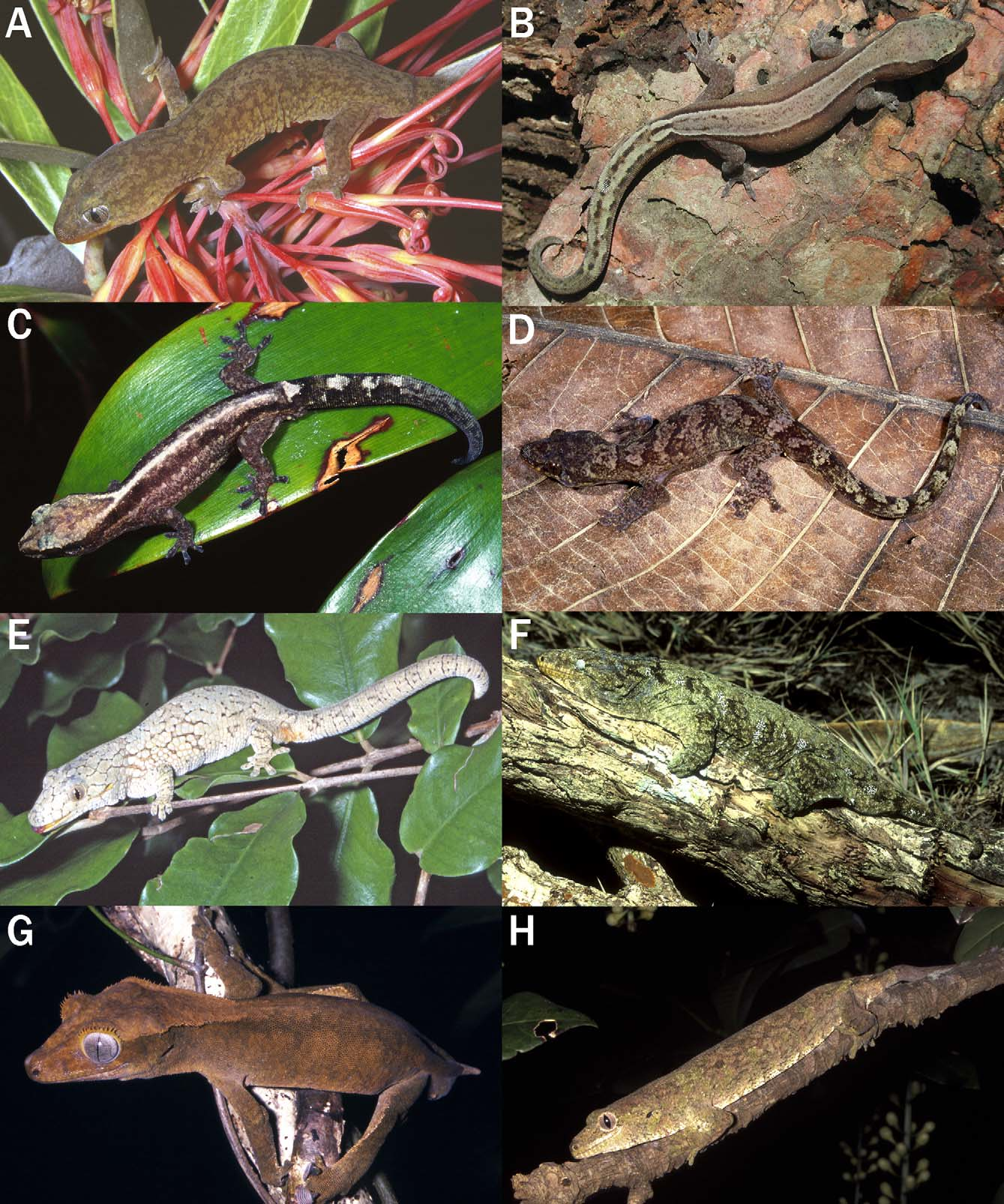
Bavayia is a genus of lizards in the family Diplodactylidae. Species in the genus Bavayia are also known commonly as New Caledonian geckos or bavayias. The genus is native to the remote New Caledonia and Loyalty Islands. The 41 species are moderately small to medium-sized geckos, and are distinguished from other genera by their tail length and the shape of their digits.
Barkudia
Barkudia is a little-known genus of skinks endemic to India. These lizards are thought to be semi-fossorial, and living in coastal areas of the east coast of India. Almost nothing is known about the natural history of this genus, except for classical taxonomic texts.

Smaug
genus of reptiles
Heteronotia
Heteronotia is a genus of geckos, lizards in the family Gekkonidae. The genus is endemic to Australia. Species in the genus Heteronotia are commonly known as prickly geckos.
Chondrodactylus
Chondrodactylus is genus of geckos, lizards in the family Gekkonidae. The genus is commonly known as thick-toed geckos. Little is known of their biology.

Kinyongia
Kinyongia (derived from the group's name in Kiswahili language) is a genus of chameleons found in montane and sub-montane areas in Kenya, Tanzania, Uganda, Rwanda, Burundi, and far eastern DR Congo. They are restricted to forests, woodlands and other wooded habitats, and many species have very small geographic ranges. In most species, at least the males have horns or knobs on their noses. As typical of most chameleons, Kinyongia are oviparous.
Christinus
Christinus is a genus of Gekkonidae geckos found in southern regions of Australia. It contains species and subspecies that are regionally termed as marbled geckos. The contrasted patterns of these geckos, marbling, are found in a variety of reddish-brown, grey, silver, white, black and purplish hues. They are frequently found in old knotted trees and sometimes congregate in large numbers in established urban environments.
Caledoniscincus
Caledoniscincus is a genus of lizards in the family Scincidae (skinks). The genus is endemic to New Caledonia.

Enyalioides
Enyalioides is a genus of lizards in the family Hoplocercidae. The genus is native to the northern part of South America and Panama.
Ophiodes
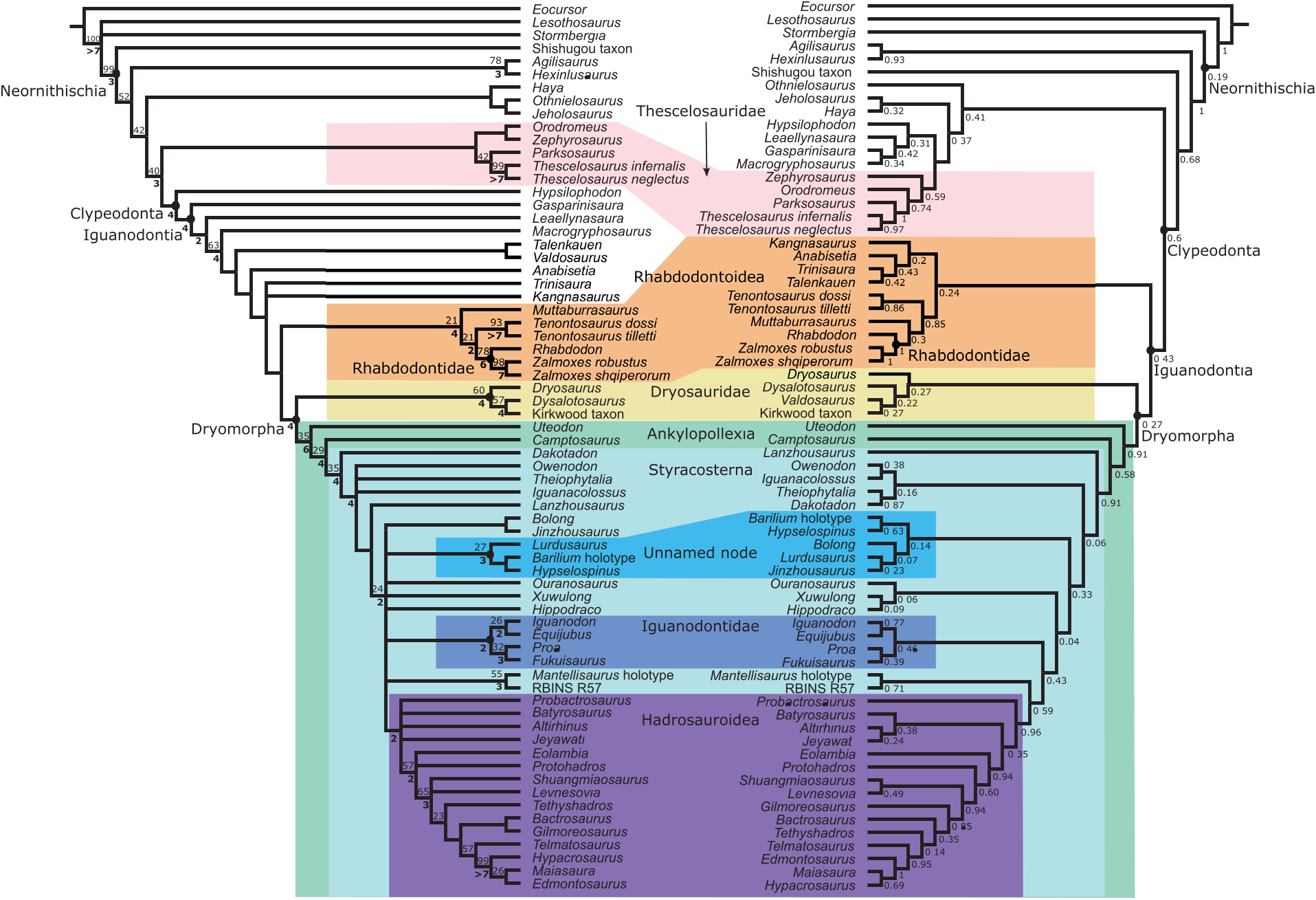
Ophiodes is a genus of South American legless lizards in the family Diploglossidae.
Blaesodactylus
Blaesodactylus is a genus of six species of lizards, endemic to Madagascar, commonly known as velvet geckos, and formerly considered part of the genus Homopholis.

Geckolepis
Geckolepis is a genus of geckos, commonly referred to as fish scale geckos, which are endemic to Madagascar and the Comoro Islands. They are nocturnal, arboreal, insectivorous lizards, found in primary and secondary forest, as well as degraded habitats. They are best known for their ability to lose their skin and scales when grasped by a predator.
Teius
Teius is a genus of lizards in the family Teiidae. The genus is native to South America.
Lepidodactylus
Lepidodactylus is a large genus of geckos, commonly known as scaly-toed geckos and closely related to house geckos or dtellas.
Leiolopisma
Leiolopisma is a genus of skinks. Most species occur in the region of New Caledonia-New Zealand, and they are related to other genera from that general area, such as Emoia; these and others form the Eugongylus group. One living and two extinct taxa represent a clade endemic to the Mascarenes.(Austin & Arnold 2006)
Brachymeles
Brachymeles is a genus of skinks (lizards in the family Scincidae). The majority of the species within the genus are endemic to certain island ecosystems in the Philippines. In 2018, the Zoological Society of London through its EDGE of Existence Program listed the Cebu small worm skink (Brachymeles cebuensis) as the 80th most evolutionarily distinct and globally endangered reptile species in the world, making it the most endangered member of the genus Brachymeles.

Gastropholis
thumb|Gastropholis tropidopholis
thumb|Head of Gastropholis tropidopholis
thumb|Head of Gastropholis echinata
thumb|Gastropholis vittata
Ailuronyx
Ailuronyx is a small genus of geckos from Seychelles, commonly known as skin-sloughing geckos. They have a reputation for delicacy and especially for shedding strips of skin if handled.
Heliobolus
Heliobolus is a genus of lizards of the family Lacertidae. The genus is endemic to Africa.
%20(24209995742).jpg)
Aphaniotis
Aphaniotis is a genus of agamid lizards from Southeast Asia.
Xenagama
Xenagama is a genus of lizards in the family Agamidae. Species of the genus are native to Ethiopia and Somalia.
Scelotes
Scelotes is a genus of small African skinks.

Saurodactylus
thumb | right | alt=Brosset's Lizard-fingered Gecko (Saurodactylus brosseti) | Brosset's Lizard-fingered Gecko (Saurodactylus brosseti)
Saurodactylus is genus of geckos endemic to Northern Africa, better known as lizard-fingered geckos.

Scincella
Scincella is a genus of lizards in the skink family, Scincidae, commonly referred to as ground skinks. The exact number of species in the genus is unclear, as taxonomic reclassification is ongoing, and sources vary widely. Scincella species primarily range throughout the temperate regions of the world and are typically small, fossorial lizards, which consume a wide variety of arthropods. They are a generalized insectivore with well developed chemosensory abilities.

Polychrus
Polychrus is the only extant genus of polychrotid lizards in the world. Commonly called bush anoles, they are found in Central and South America, as well as nearby Trinidad and Tobago.
Celestus
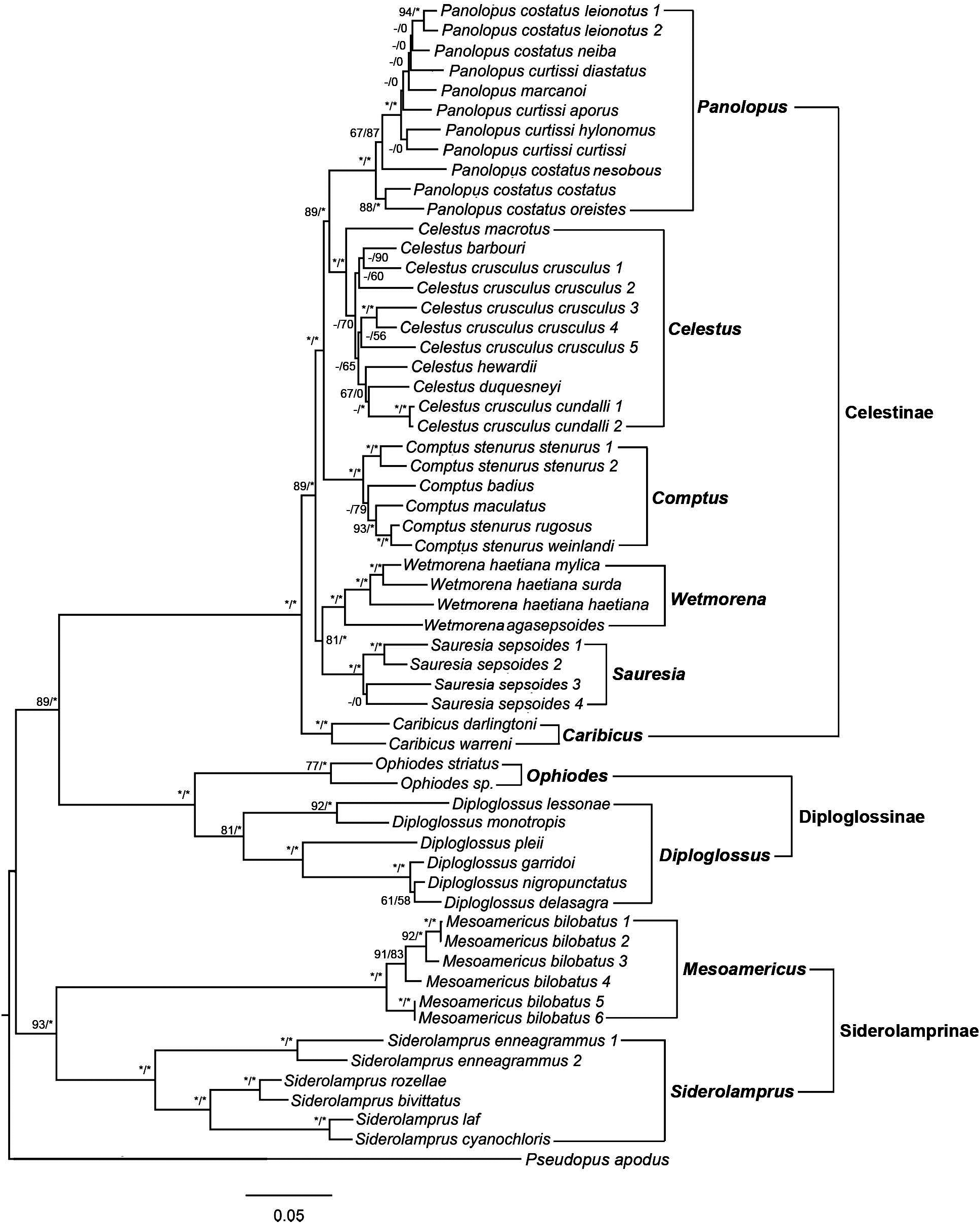
Celestus is a genus of diploglossid lizards mostly endemic to Jamaica (aside from a single species endemic to Haiti) and containing about 11 species, though three of these may be extinct. They are commonly known as galliwasps although the origin of this name is unclear. Formerly, this genus had more than 31 species, but a 2021 phylogenetic study found this classification to be paraphyletic and split those species into their own genera. A more recent study found that several ecomorphs exist on Jamaica including a swamp ecomorph, a tree ecomorph, and a ground ecomorph.
Gerrhonotus
Gerrhonotus is a genus of anguid lizards that are commonly referred to as alligator lizards, due to a vague resemblance to an alligator. Most species are restricted to Mexico, but a few range into Guatemala or Texas, and G. rhombifer is from Costa Rica and Panama. Along with glass lizards (Ophisaurus) and many other lizards, alligator lizards have the ability to regrow their tail.
Homopholis
Homopholis is a genus of geckos in the family Gekkonidae. Species in the genus Homopholis are native to Sub-Saharan Africa. Their diet consists of small insects, and they are oviparous.
Crossobamon
Crossobamon is a genus of lizards of the gecko family Gekkonidae.
Ctenophorus
Ctenophorus, from Ancient Greek κτείς (kteís), meaning "comb", and φόρος (phóros), meaning "bearing", is a genus of lizards, commonly known as comb-bearing dragons, found in Australia. They are in the dragon lizard family, known as Agamidae.
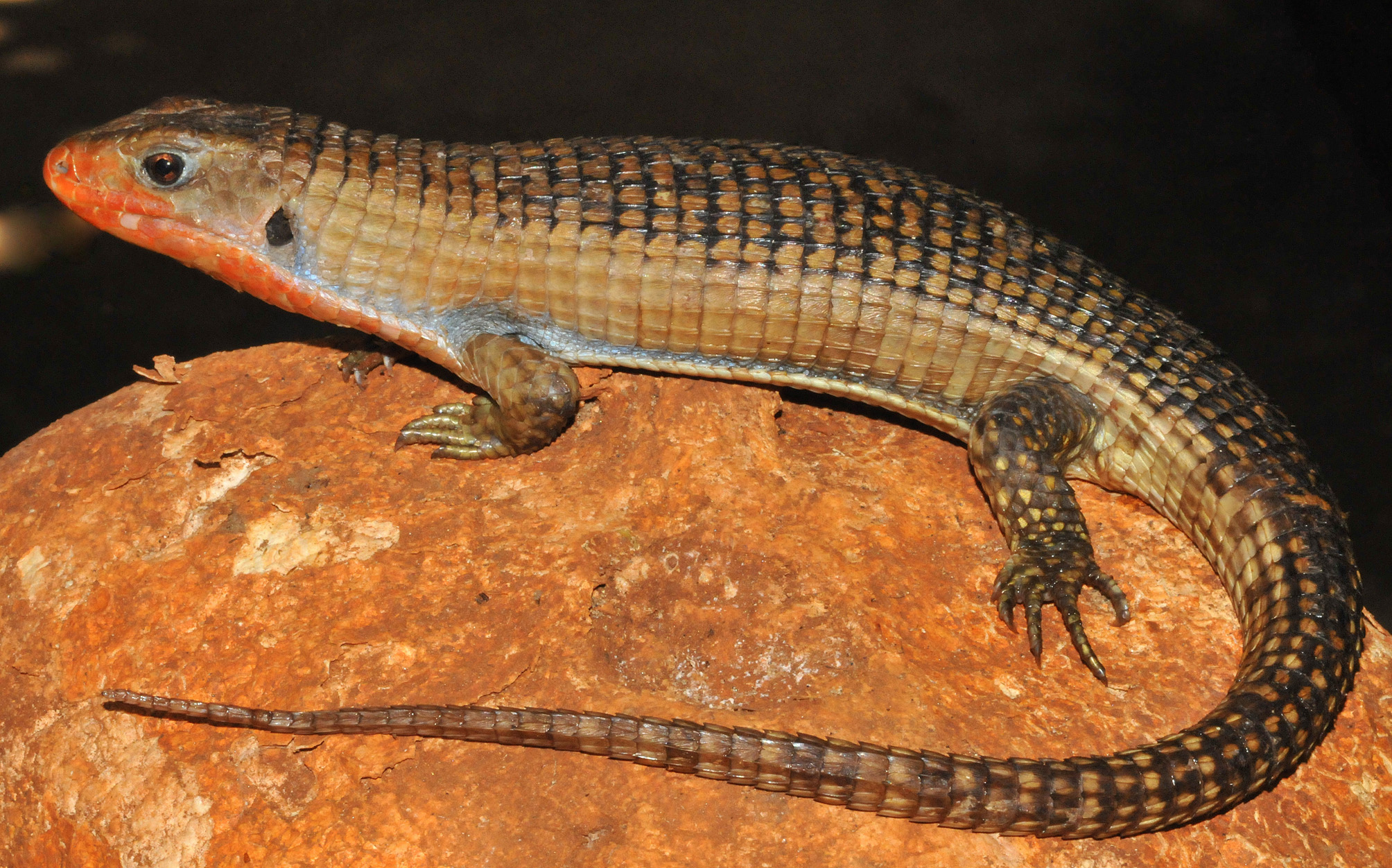
Gerrhosaurus
Gerrhosaurus is a genus of lizards native to southern and eastern Africa.

Aristelliger
Aristelliger is a genus of Caribbean geckos in the family Sphaerodactylidae, commonly known as croaking geckos or Caribbean geckos. The nine named species in the genus are native to various islands in the West Indies, though the species A. georgeensis is also found on mainland Belize. Aristelliger species are nocturnal and mostly arboreal, occupying palm tree trunks and other vertical surfaces. They are among the largest neotropical geckos, with A. lar reaching up to 135 mm (5.3 inches) in snout-vent-length (not including the tail). They are primarily insectivorous, feeding on a variety of art

Lepidophyma
thumb|Madrean tropical night lizard (Lepidophyma sylvaticum) El Cielo Biosphere Reserve, municipality of Gómez Farías, Tamaulipas, Mexico (24 May 2005).
Lepidophyma is a genus of lizards, commonly called tropical night lizards. The genus Lepidophyma (Greek for "warty scales") is one of three genera of night lizards (family Xantusiidae), which are a group of viviparous (live-bearing) lizards. There are 20 species of tropical night lizards in the genus Lepidophyma, making it the most populous night lizard genus. Species of the genus Lepidophyma are distributed throughout Central America, found a

Cyclodomorphus
Cyclodomorphus is a genus of small to medium-sized skinks (family Scincidae). It belongs to the Egernia group which also includes the blue-tongued skinks (Austin & Arnold 2006).
Chamaesaura
The Chamaesaura, also known as grass lizards, are a genus of legless lizards from southern and eastern Africa. The limbs are reduced to small spikes. Chamaesaura propel themselves like snakes, pushing against contact points in the environment, such as rocks, plants and irregularities in the soil. They are viviparous and eat small invertebrates, especially grasshoppers.
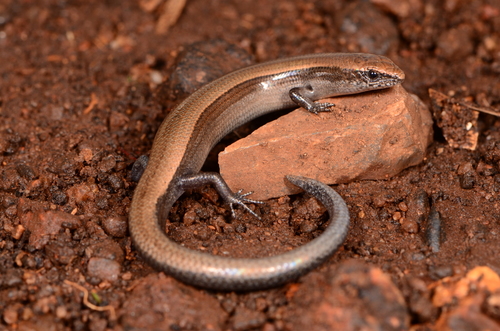
Panaspis
Panaspis is a genus of skinks, commonly called lidless skinks or snake-eyed skinks, endemic to Sub-Saharan Africa.

Philochortus
thumb|Philochortus spinalis and P. phillipsii
Philochortus is a genus of lizards of the family Lacertidae. Species of this genus are distributed in Egypt, Algeria, Libya, Mali, Niger, Ethiopia, Djibouti, Eritrea, Somalia, Kenya, Yemen, and Saudi Arabia.
Enyalius
genus of reptiles

spiny-tailed geckos
Strophurus is a genus of lizards in the family Diplodactylidae. All species of Strophurus are endemic to Australia, and are sometimes given the common names phasmid geckos, spiny-tailed geckos, and striped geckos.
Lampropholis
Lampropholis is a genus of skinks, commonly known as sunskinks, in the lizard subfamily Eugongylinae of the family Scincidae. The genus Lampropholis was previously found to belong to a clade with the genera Niveoscincus, Leiolopisma and others of the Eugongylus group within Lygosominae. All species of Lampropholis are endemic to Australia. For similar skinks see genera Bassiana, Pseudemoia, and Niveoscincus.
Pachydactylus
Pachydactylus is a genus of insectivorous geckos, lizards in the family Gekkonidae. The genus is endemic to Africa, and member species are commonly known as thick-toed geckos. The genus also displays rich speciation, having 58 distinct species identified when compared to other closely related gecko genera like Rhoptropus, most of which have emerged since 35 Ma. It has been suggested that the reason for this rich speciation is not from adaptive radiation nor nonadaptive radiation, but that the genus represents a clade somewhere between the two drivers of speciation. P. bibronii geckos have been
Hemitheconyx
Hemitheconyx is a genus of geckos. Both species are found in Africa. They are known as fat-tailed geckos and often resemble leopard geckos.
In wild populations of Hemitheconyx, females have been observed to select nesting areas with a temperature of 34.2 degrees Celsius near the upper pivotal temperature for its temperature-dependent sex determination system.

Holaspis
thumb|Holaspis laevis F. Werner, 1895
thumb|Holaspis guentheri Gray, 1863
thumb|Hind foot of Holaspis guentheri
Holaspis is a genus of equatorial African lizards in the family Lacertidae. These lizards are capable of gliding flight for distances of 30 meters (98 feet).
Lialis
Lialis is a genus of legless lizards in the family Pygopodidae. The genus is native to Australia and New Guinea.
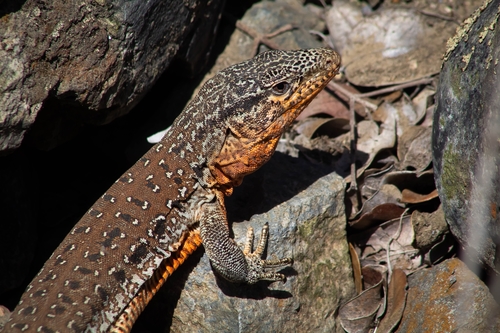
Callopistes
Callopistes is a genus of lizards in the family Teiidae. The genus contains two extant species, which are native to Ecuador, Peru, and Chile, as well as two fossil species found in Argentina.
%20Figure%201.jpg)
Japalura
Japalura is a genus of lizards in the family Agamidae. Species of Japalura are native to Pakistan, India, China, and Myanmar. Many species have been moved to the genus Diploderma.
Calodactylodes
Calodactylodes is a genus of lizards, commonly called golden geckos, in the family Gekkonidae (geckos). The genus is distributed in peninsular India and Sri Lanka. Lizards in the genus Calodactylodes are primarily distinguished from other lizards by their characteristic, paired flower petal-like skin extensions on their fingers and toes.

Saara
genus of reptiles
%20(9253737852).jpg)
Lerista
thumb|Lerista bougainvillii
Voeltzkowia
Voeltzkowia is a genus of skinks.
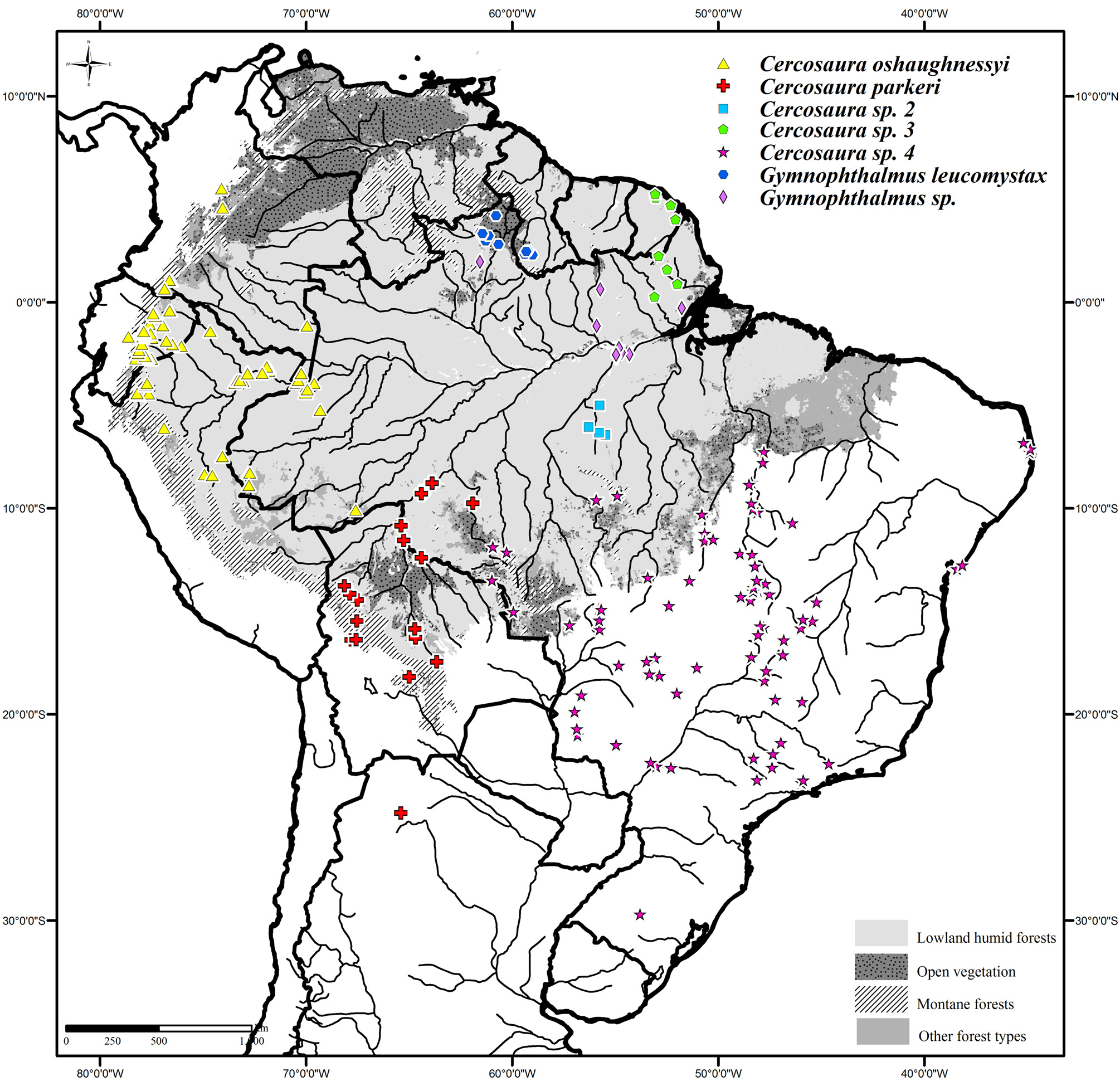
Cercosaura
Cercosaura is a genus of lizards in the family Gymnophthalmidae. The genus is endemic to South America.
Coeranoscincus
Coeranoscincus is a genus of skinks. They are endemic to Australia and found in eastern Queensland and northeastern New South Wales.

Pseuderemias
thumb|Pseuderemias mucronata. Male (1) and female (2)
thumb|Pseuderemias erythrosticta
thumb|Pseuderemias smithii
Pseuderemias is a genus of lizards of the family Lacertidae. Common names for the genus are false sand lizards or racerunners.