Category
page 1Malpighiales families

Euphorbiaceae
thumb|Euphorbia characias flowers
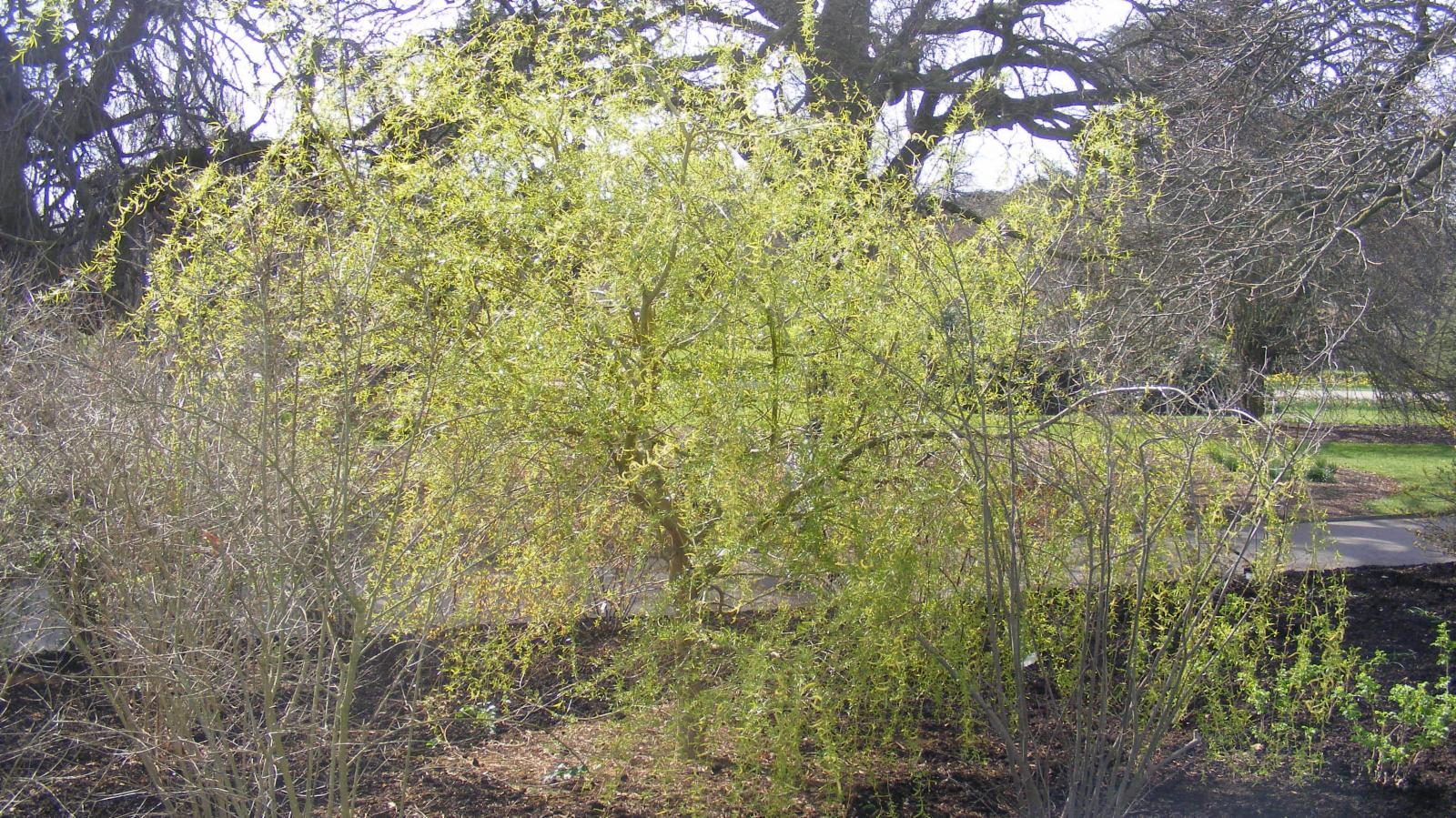
Salicaceae
alt=The image shows a drawing of a small portion of the edge of a leaf bearing a salicoid tooth. Black veins cross the leaf surface, but one vein is marked yellow and widens as it approaches the tooth. At the tip of the tooth is a semicircular protuberance, also drawn as yellow for emphasis.|thumb|Illustration of a typical salicoid tooth, the yellow area showing the expanding leaf vein and glandular seta.
alt=The image is a photograph of the edge of the underside of a leaf. The leaf takes up the upper two-thirds of the image and the leaf margin runs right to left, with a single tooth jutting o

Linaceae
Linaceae is a family of flowering plants. The family is cosmopolitan, and includes about 250 species in 14 genera, classified into two subfamilies: the Linoideae and Hugonioideae.

Violaceae
Violaceae is a family of flowering plants established in 1802, consisting of about 1000 species in about 25 genera. It takes its name from the genus Viola, the violets and pansies.
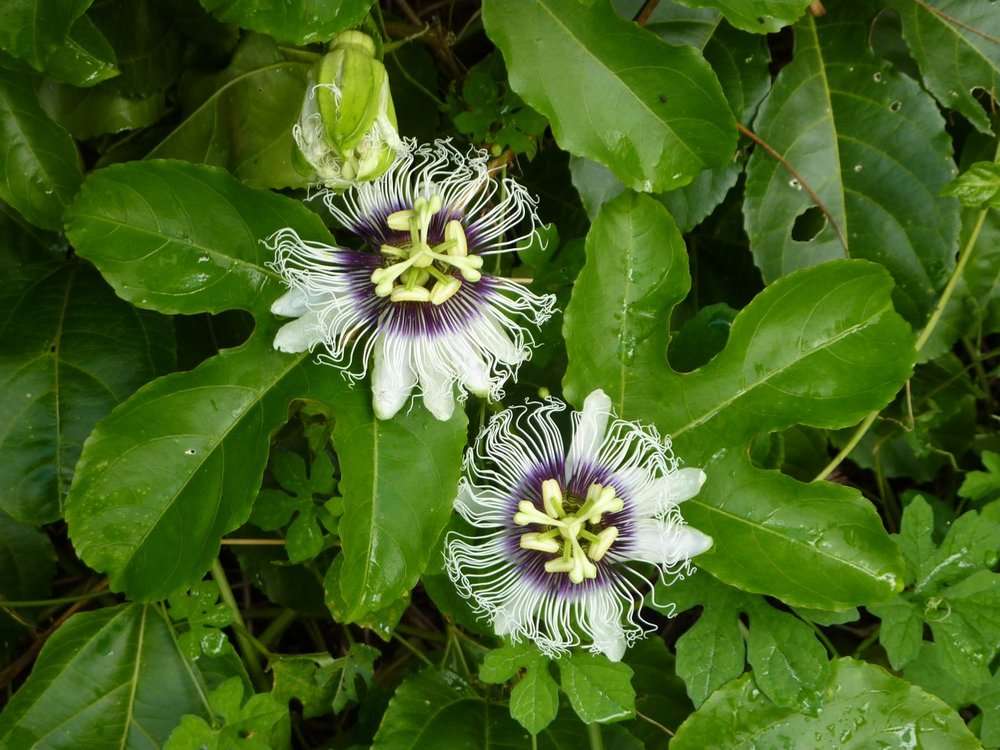
Passifloraceae
The Passifloraceae are a family of flowering plants, containing about 750 species classified in around 27 genera.

Clusiaceae
The Clusiaceae or Guttiferae Juss. (1789) (nom. alt. et cons. = alternative and valid name) are a family of plants including 13 genera and ca 750 species. Several former members of Clusiaceae are now placed in Calophyllaceae and Hypericaceae. They are mostly trees and shrubs, with milky sap and fruits or capsules for seeds. The family is primarily tropical. More so than many plant families, it shows large variation in plant morphology (for example, three to 10 petals, which may be fused or unfused, and many other variable traits). According to the APG III, this family belongs to the order Malp
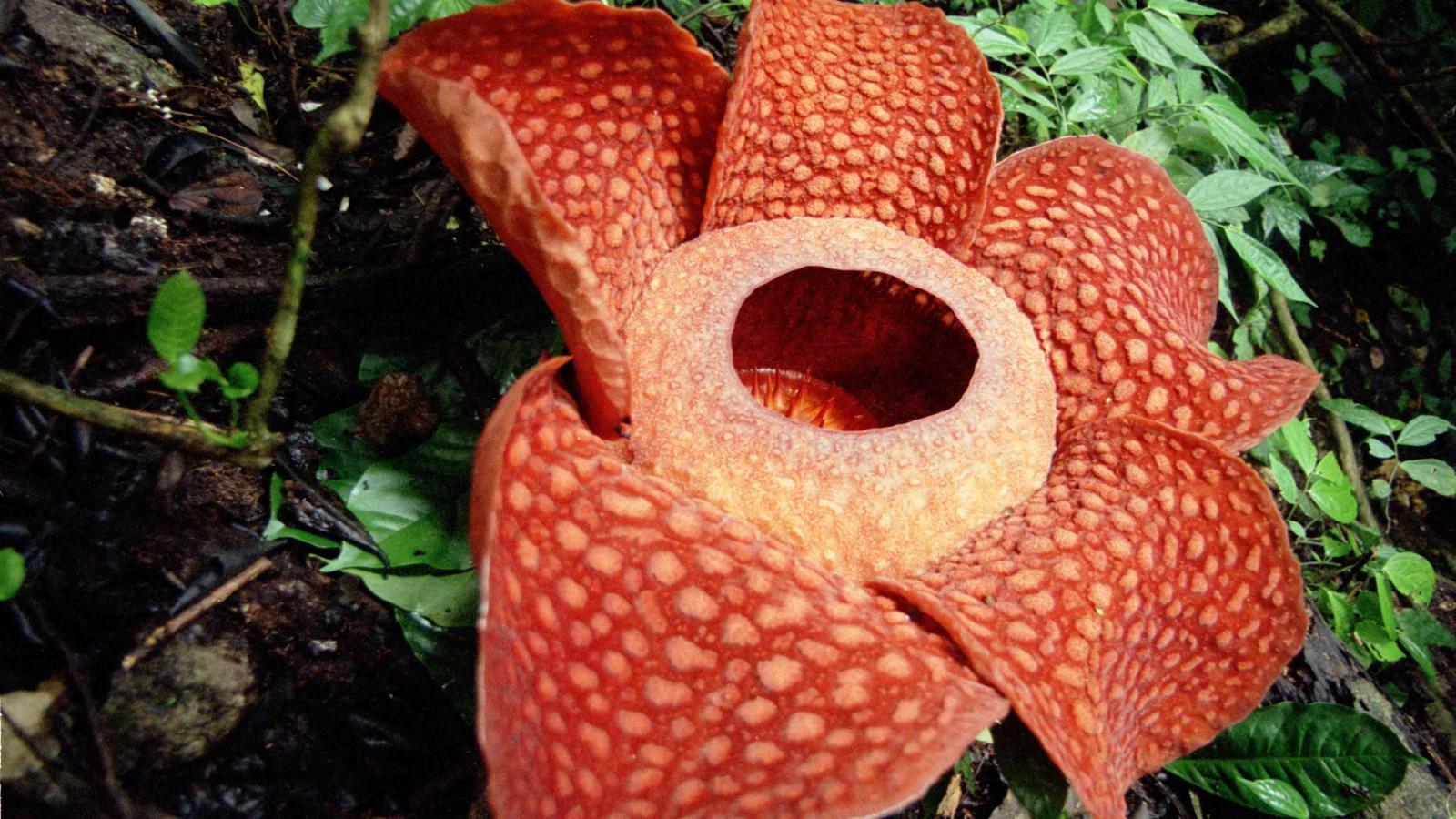
Rafflesiaceae
thumb|Illustration of Rhizanthes (then known as Brugmansia), a Rafflesiaceae species from Der Bau und die Eigenschaften der Pflanzen (1913).
Malpighiaceae
Malpighiaceae is a family of flowering plants in the order Malpighiales. It comprises about 71 genera and 1315 species, all of which are native to the tropics and subtropics. About 80% of the genera and 90% of the species occur in the New World (the Caribbean and the southernmost United States to Argentina) and the rest in the Old World (Africa, Madagascar, and Indomalaya to New Caledonia and the Philippines).

Rhizophoraceae
The Rhizophoraceae is a family of tropical or subtropical flowering plants. It includes around 147 species distributed in 15 genera. Under the family, there are three tribes, Rhizophoreae, Gynotrocheae, and Macarisieae. Even though Rhizophoraceae is known for its mangrove members, only the genera under Rhizophoreae grow in the mangrove habitats and the remaining members live in inland forests.
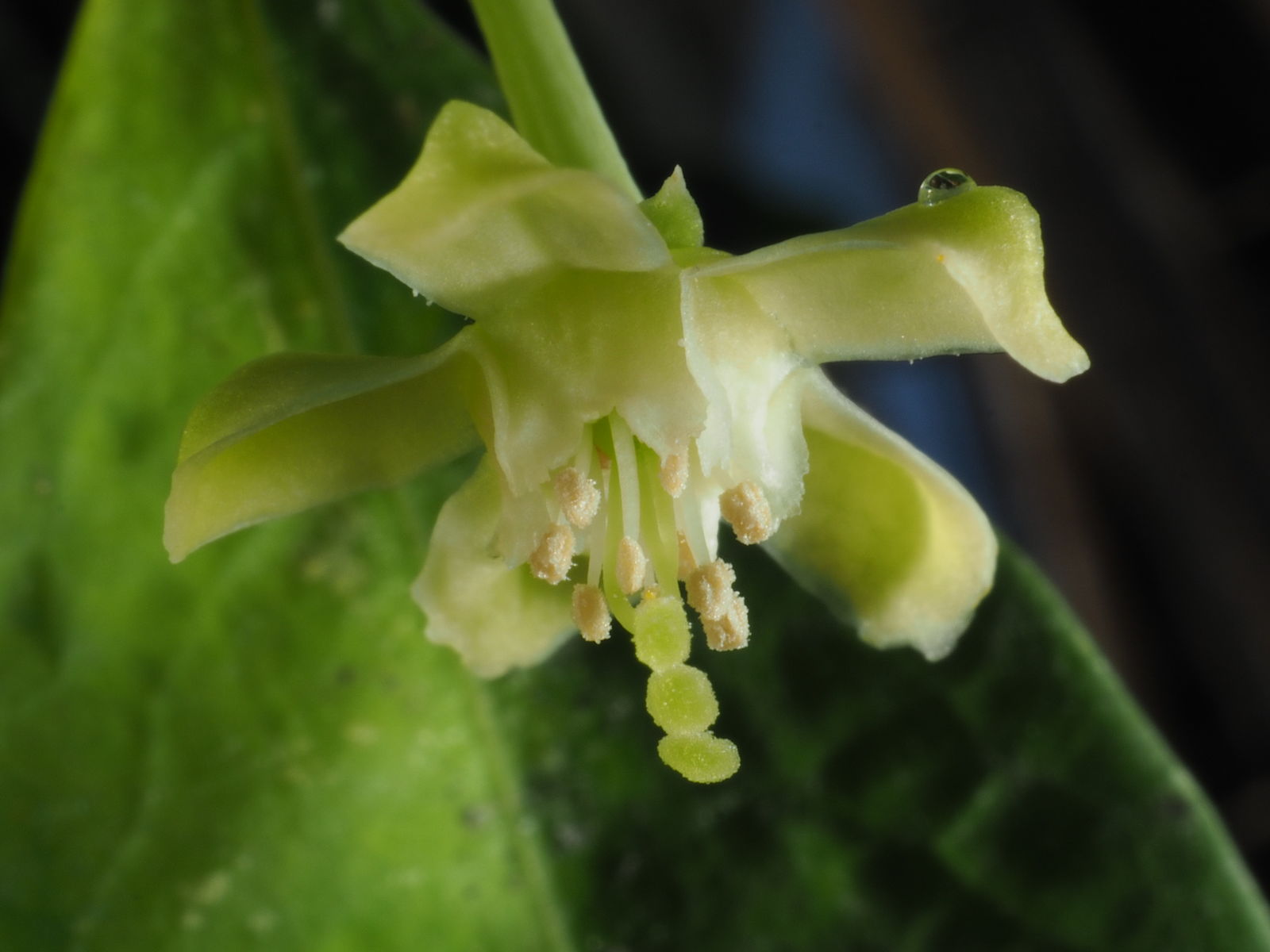
Erythroxylaceae
Erythroxylaceae (the coca family) is a family of flowering trees and shrubs consisting of 4 genera and 271 species, native to Africa and South America. The four genera are Aneulophus Benth., Erythroxylum P.Browne, Nectaropetalum Engl., and Pinacopodium Exell & Mendonça. The best-known species are the coca plants, including the species Erythroxylum coca, the source of the substance coca.

Hypericaceae
Hypericaceae is a plant family in the order Malpighiales, comprising six to nine genera and up to 700 species, and commonly known as the '''St. John's wort family'. Members are found throughout the world apart from extremely cold or dry habitats. Hypericum and Triadenum'' occur in temperate regions but other genera are mostly tropical.
Achariaceae
Achariaceae is a family of flowering plants consisting of 31 genera and about 155 species of tropical herbs, shrubs, and trees. The APG IV system has greatly expanded the scope of the family by including many genera previously classified in Flacourtiaceae. Molecular data strongly support the inclusion of this family in the order Malpighiales.

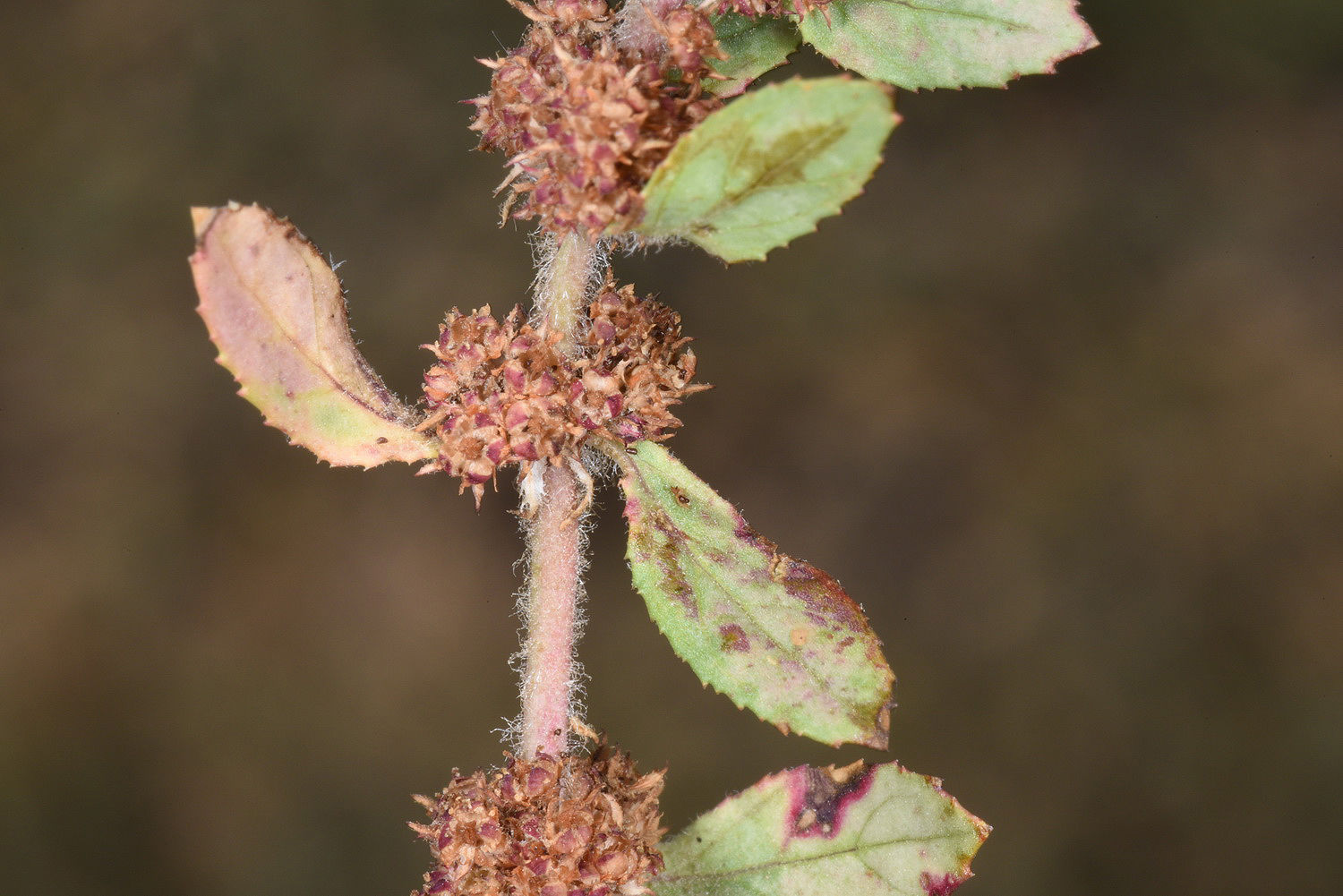
Phyllanthaceae
Phyllanthaceae, commonly known as the leaf-flower family, is a family of flowering plants in the eudicot order Malpighiales. It is most closely related to the family Picrodendraceae.
Elatinaceae
Elatinaceae is a family of flowering plants with ca 35 (to perhaps 50) species in two genera: Elatine and Bergia. The Elatine are mostly aquatic herbs, and the Bergia are subshrubs to shrubs. Elatine species are widely distributed throughout the world from temperate to tropical zones, with its greatest diversity found in temperate zones. Bergia is found in temperate to tropical Eurasia and Africa, with two tropical and one tropical to temperate species in the Americas. The center for biodiversity of Bergia is the Old World tropics, and this is also the center for biodiversity for the family. N

Ochnaceae
Ochnaceae is a family of flowering plants in the order Malpighiales. In the APG III system of classification of flowering plants, Ochnaceae is defined broadly, to include about 550 species, and encompasses what some taxonomists have treated as the separate families Medusagynaceae and Quiinaceae. In a phylogenetic study that was published in 2014, Ochnaceae was recognized in the broad sense, but two works published after APG III have accepted the small families Medusagynaceae and Quiinaceae. These have not been accepted by APG IV (2016).
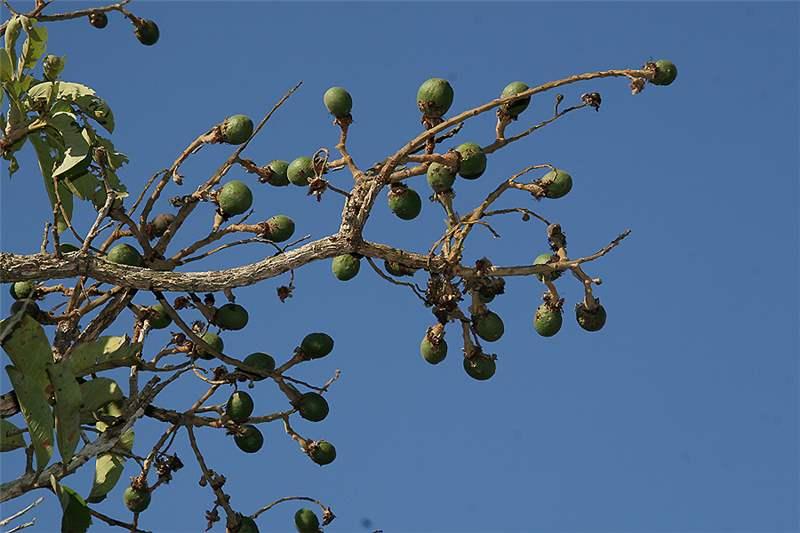
Chrysobalanaceae
Chrysobalanaceae is a family of flowering plants, consisting of trees and shrubs in 27 genera and about 700 species of pantropical distribution with a centre of diversity in the Amazon. Some of the species contain silica in their bodies for rigidity and so the mesophyll often has sclerenchymatous idioblasts. The widespread species Chrysobalanus icaco produces a plum-like fruit and the plant is commonly known as the coco plum.
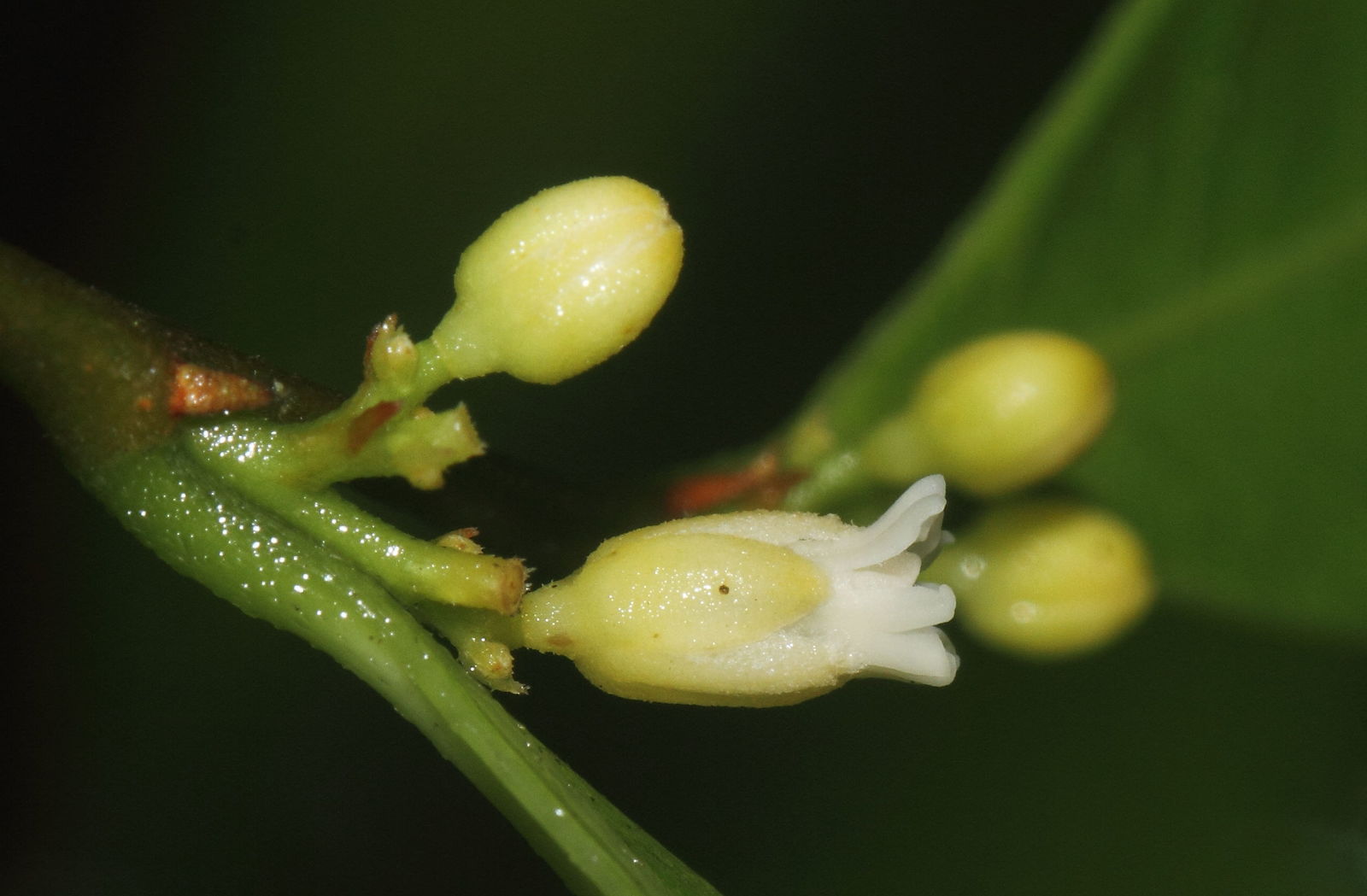
Dichapetalaceae
Dichapetalaceae is a family of flowering plants, consisting of 3 genera and about 170 species. Members of this family are trees, shrubs or lianas found in tropical and subtropical regions of the world.
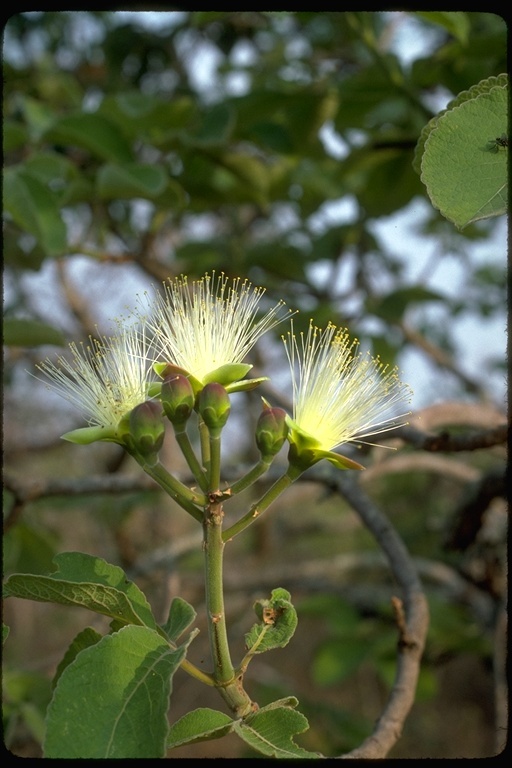
Caryocaraceae
Caryocaraceae (syn. Rhizobolaceae DC.) is a small family of flowering plants consisting of two genera with 26 species. The family is native to tropical regions of Central and South America, as well as the West Indies.
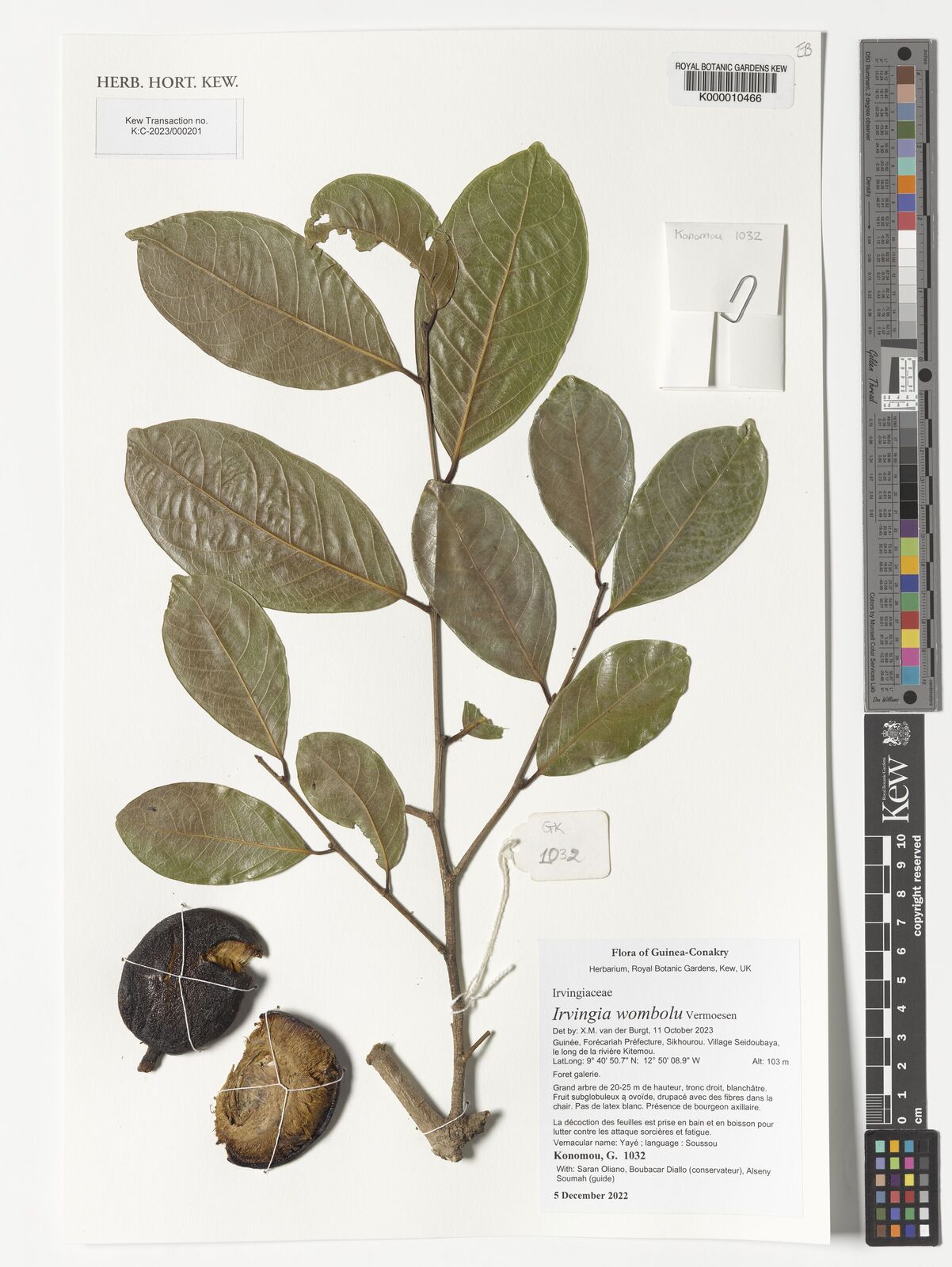
Irvingiaceae
Irvingiaceae is a small family of flowering plants, consisting of about 13 species; it was erected by Exell and Mendonça in 1951.

Podostemaceae
Podostemaceae (riverweed family), a family in the order Malpighiales, comprise about 50 genera and species of more or less thalloid aquatic herbs.
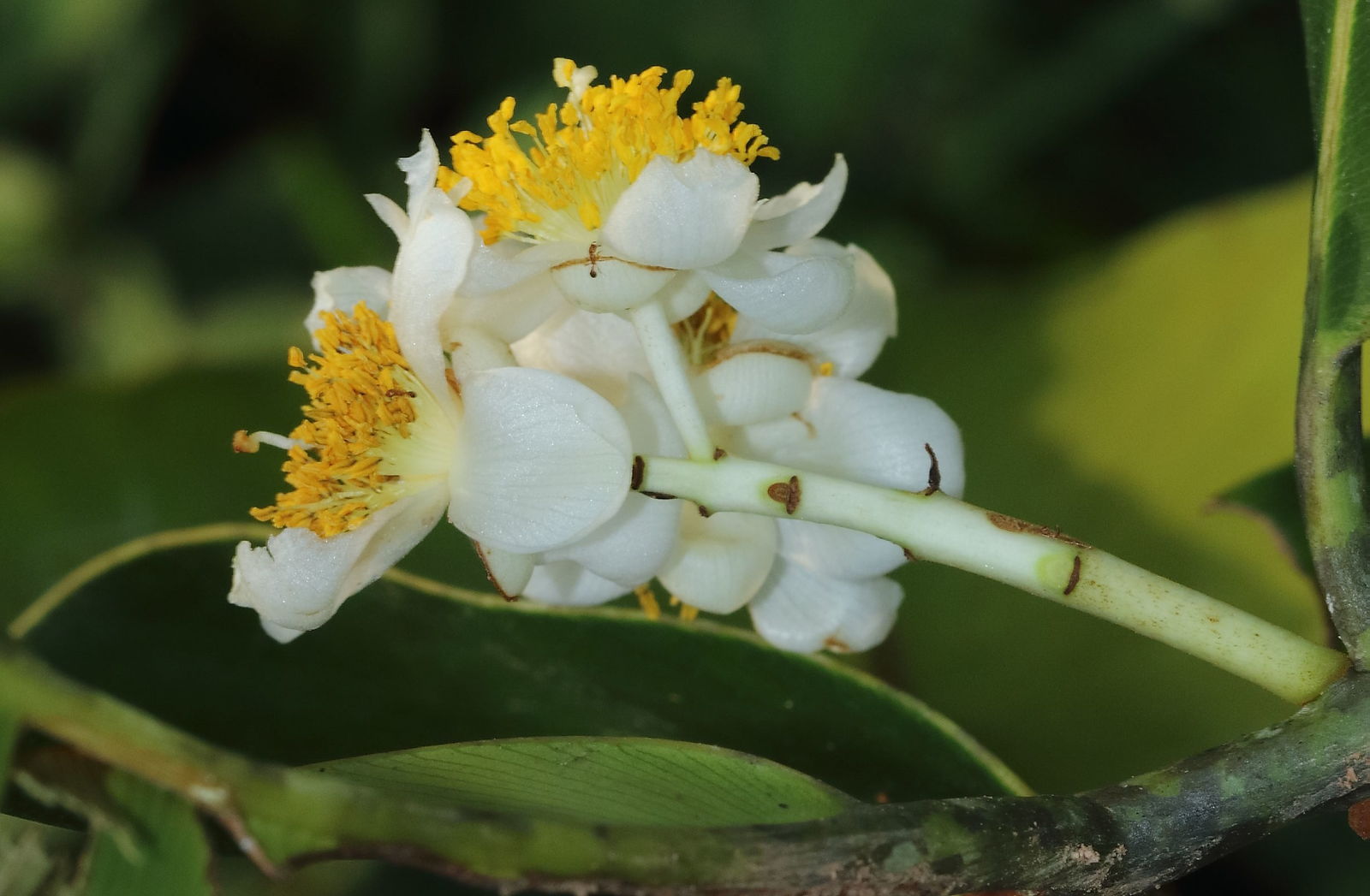
Calophyllaceae
Calophyllaceae is a family of flowering plants in the order Malpighiales and is recognized by the APG III system of classification. Most of the 14 genera and 475 species included in this family were previously recognized in the tribe Calophylleae of the family Clusiaceae. The Angiosperm Phylogeny Group determined that splitting this clade of genera off into their own family was necessary.
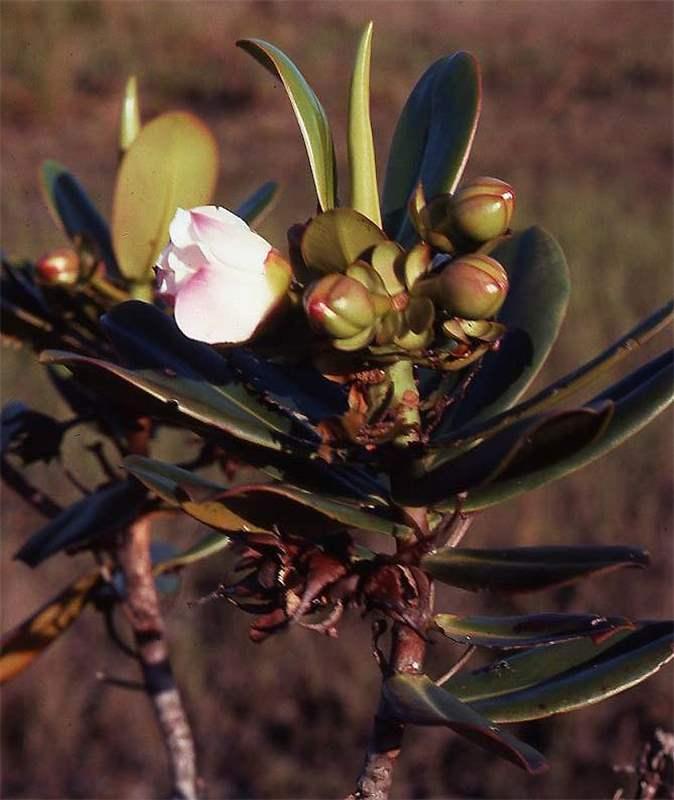
Bonnetiaceae
Bonnetiaceae is a family of flowering plants, consisting of 3 genera and 38 species. The family is Neotropical, with the exception of the genus Ploiarium, which is found in Malesia. It is sister to the family Clusiaceae.
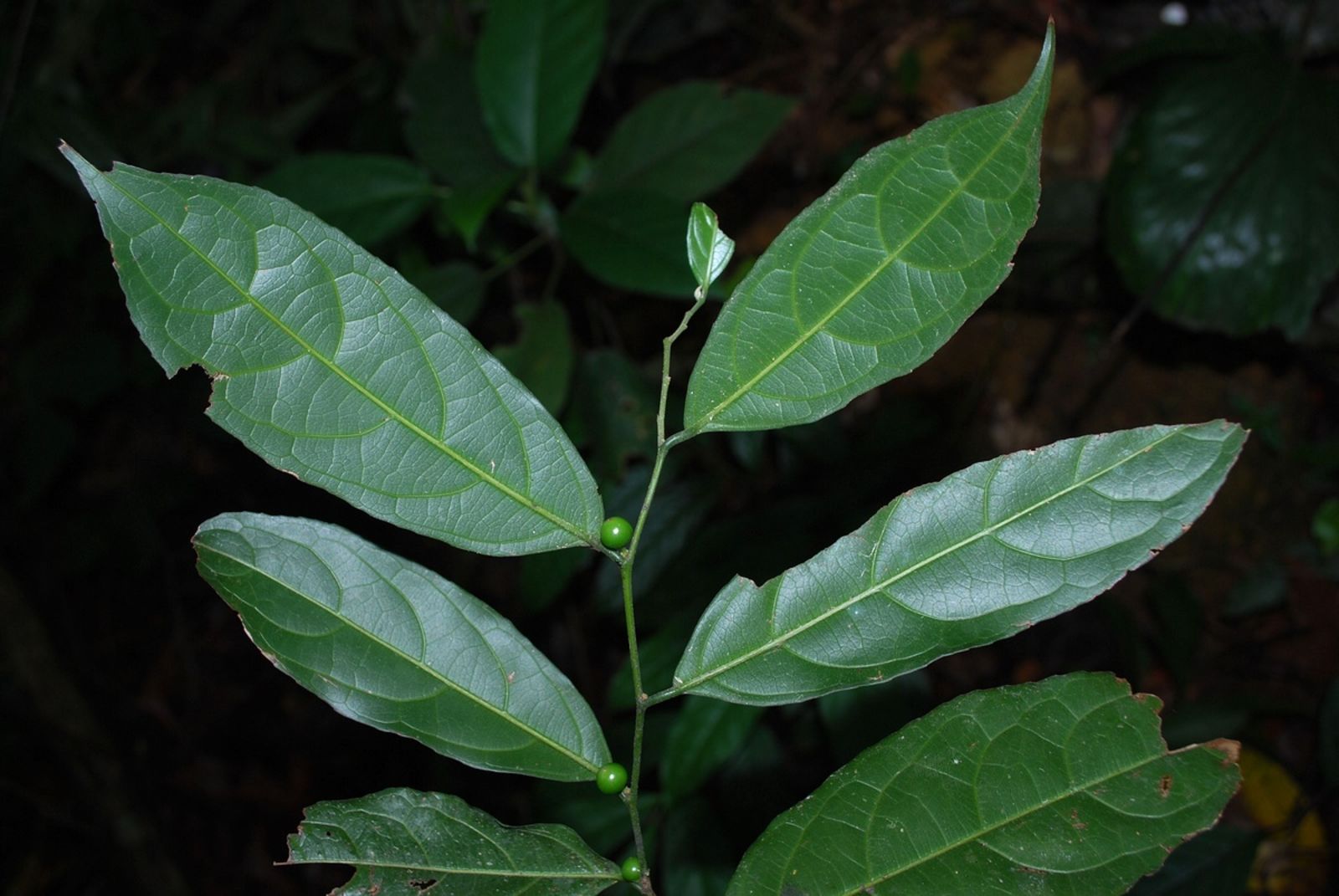
Pandaceae
The family Pandaceae consists of three genera that were formerly classified as the tribe Galearieae in the subfamily Acalyphoideae of family Euphorbiaceae. Those are:
Galearia
Microdesmis
Panda
Ixonanthaceae
Ixonanthaceae is a pantropical flowering plant family of trees or shrubs, consisting of about 30 species in 3 or 4 genera. It is a broadleaf evergreen.

Trigoniaceae
Trigoniaceae is a family of flowering plants, consisting of 28 species in five genera. It is a tropical family found in Madagascar, Southeast Asia, Central and South America.
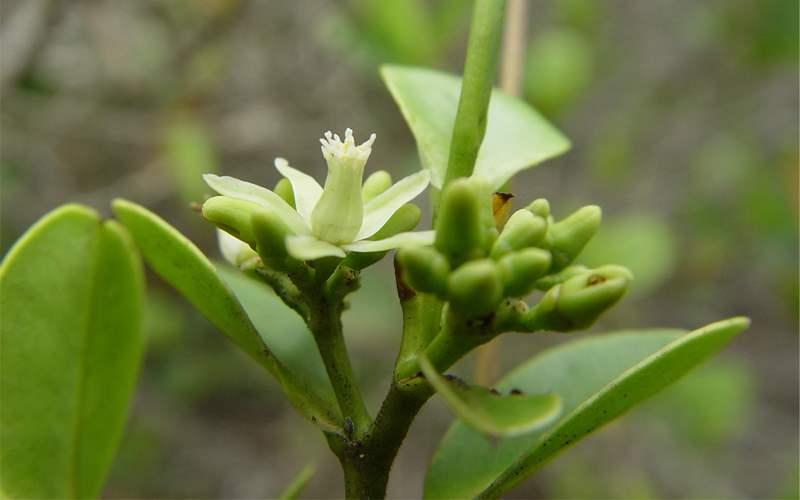
Humiriaceae
Humiriaceae (or, alternatively Houmiriaceae Juss.) is a family of evergreen flowering plants. It comprises 8 genera and 56 known species. The family is exclusively Neotropical, except one species found in tropical West Africa.
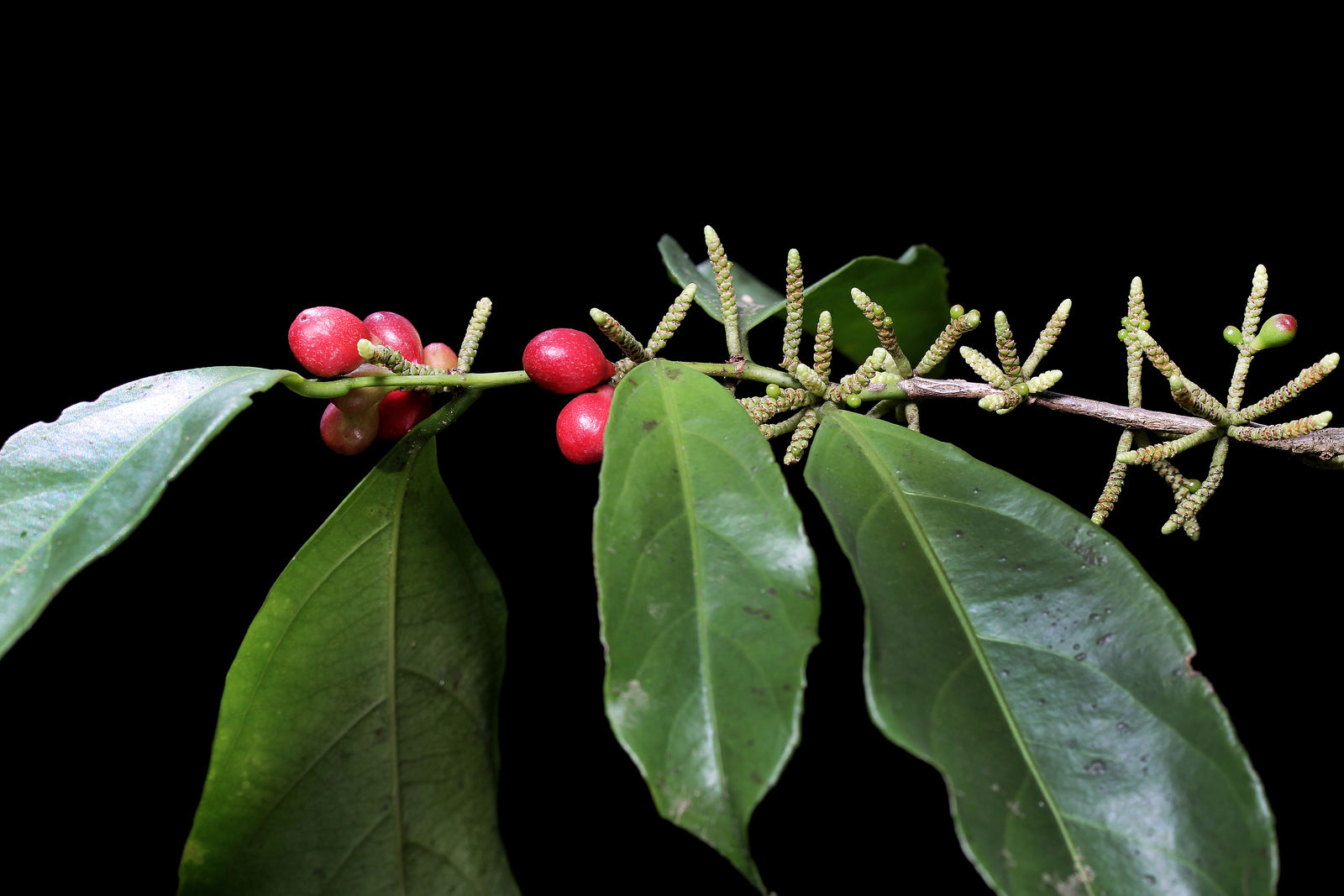
Lacistemataceae
Lacistemataceae is a small flowering plant family. There are two genera:
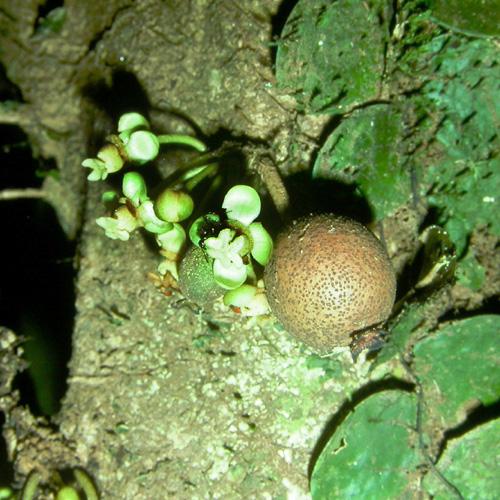
Putranjivaceae
Putranjivaceae is a rosid family that is composed of 218 species in 2 genera of evergreen tropical trees that are found mainly in the Old World tropics, but with a few species in tropical America.
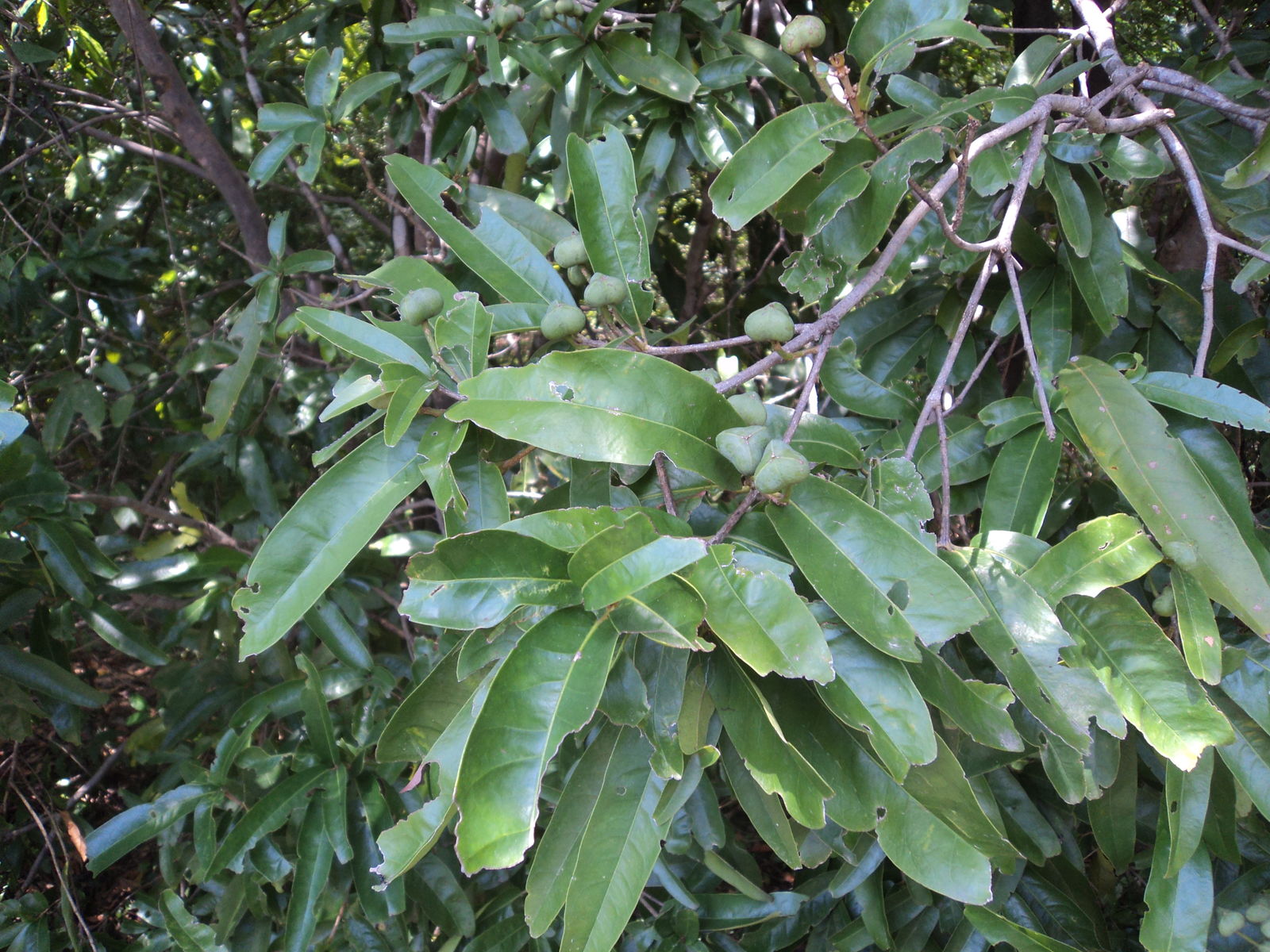
Picrodendraceae
Picrodendraceae is a family of flowering plants, consisting of 80 species in 25 genera. These are subtropical to tropical and found in New Guinea, Australia, New Caledonia, Madagascar, continental Africa, and tropical America. Its closest relatives are Phyllanthaceae.
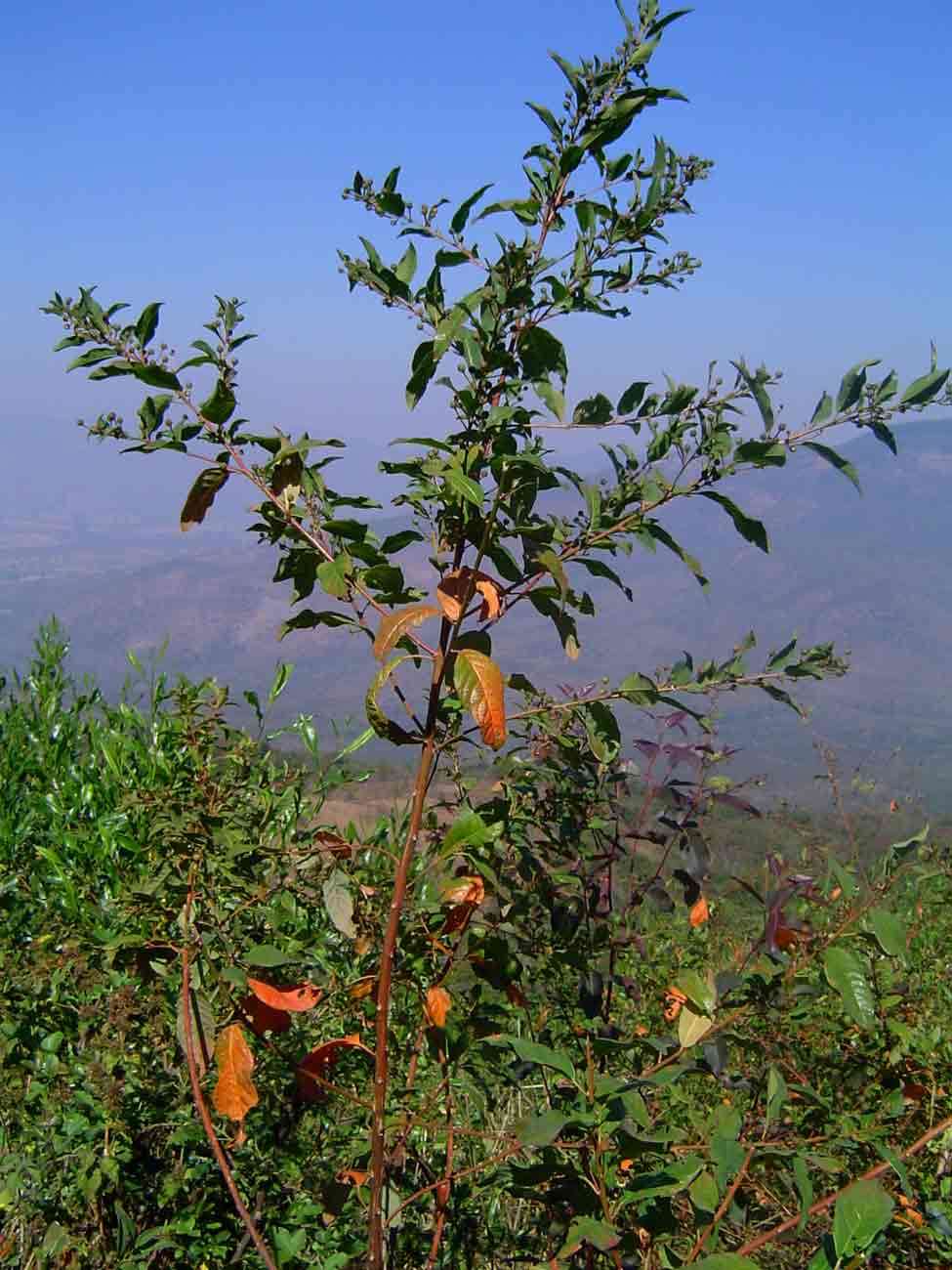
Peraceae
Peraceae Klotzsch is a family of flowering plants in the eudicot order Malpighiales. The family was segregated from the Euphorbiaceae by Johann Friedrich Klotzsch in 1859, and its uniqueness was affirmed by the Royal Botanic Gardens, Kew's Euphorbiaceae expert, Airy Shaw.

Centroplacaceae
Centroplacaceae is a family of flowering plants in the order Malpighiales and is recognized by the APG III system of classification. The family comprises two genera: Bhesa, which was formerly recognized in the Celastraceae, and Centroplacus, which was formerly recognized in the Euphorbiaceae, together comprising six species. The Angiosperm Phylogeny Group determined that based on previous phylogenetic analysis, these two genera formed an isolated clade and recognition of the family was "reasonable."

Turneraceae
thumb|flower of Turnera subulata

Quiinaceae
thumb|Quiina guianensis
Lophopyxidaceae
REDIRECT Lophopyxis