Category
page 1Medical emergencies

Suicide

myocardial infarction
interruption of blood supply to a part of the heart

meningitis
Meningitis () is acute or chronic inflammation of the protective membranes covering the brain and spinal cord, collectively called the meninges. The most common symptoms are fever, intense headache, vomiting, neck stiffness, and occasionally photophobia. Other symptoms include confusion or altered consciousness, nausea, and an inability to tolerate loud noises. Young children often exhibit only nonspecific symptoms, such as irritability, drowsiness, or poor feeding. A non-blanching rash (a rash that does not fade when a glass is rolled over it) may also be present.

wound
A wound is any disruption of or damage to living tissue, such as skin, mucous membranes, or organs. Wounds can either be the sudden result of direct trauma (mechanical, thermal, chemical), or can develop slowly over time due to underlying disease processes such as diabetes mellitus, venous/arterial insufficiency, or immunologic disease. Wounds can vary greatly in their appearance depending on wound location, injury mechanism, depth of injury, timing of onset (acute vs chronic), and wound sterility, among other factors. Treatment strategies for wounds will vary based on the classification of th
appendicitis
Appendicitis is inflammation of the appendix. Symptoms commonly include right lower abdominal pain, nausea, vomiting, fever and decreased appetite. However, approximately 40% of people do not have these typical symptoms. Severe complications of a ruptured appendix include widespread, painful inflammation of the inner lining of the abdominal wall and sepsis.
sepsis
Sepsis is a potentially life-threatening condition that arises when the body's dysregulated response to infection causes injury to its own tissues and organs.

burn

anaphylaxis

shock
medical condition of insufficient blood flow to the tissues of the body
.png)
heart arrhythmia

cardiac arrest
sudden stop in effective blood flow due to the failure of the heart to contract effectively

hypothermia

injury
physiological wound caused by an external source
mania
Mania ( ; also known as manic syndrome) is a psychiatric behavioral syndrome defined as a state of abnormally elevated arousal, affect, and energy level. During a manic episode, an individual will experience rapidly changing emotions and moods, highly influenced by surrounding stimuli. Although mania is often conceived of as a "mirror image" to depression, the heightened mood can be dysphoric as well as euphoric. As the mania intensifies, irritability can be more pronounced and result in anxiety or anger.

pre-eclampsia

Addison's disease
adrenal cortical hypofunction that is characterized by insufficient steroid hormone production by the adrenal glands

ectopic pregnancy
female reproductive system disease characterized by the implantation of the embryo outside the uterine cavity

drowning
Drowning is a type of suffocation induced by the submersion of the mouth and nose in a liquid. Submersion injury refers to both drowning and near-miss incidents. Most instances of fatal drowning occur alone or in situations where others present are either unaware of the victim's situation or unable to offer assistance. After successful resuscitation, drowning victims may experience breathing problems, confusion, or unconsciousness. Occasionally, victims may not begin experiencing these symptoms until several hours after they are rescued. An incident of drowning can also cause further complicat

hypoglycemia
Hypoglycemia (American English), also spelled hypoglycaemia or hypoglycæmia (British English), sometimes called low blood sugar, is a fall in blood sugar to levels below normal, typically below 70 mg/dL (3.9 mmol/L). Whipple's triad is used to properly identify hypoglycemic episodes. It is defined as blood glucose below 70 mg/dL (3.9 mmol/L), symptoms associated with hypoglycemia, and resolution of symptoms when blood sugar returns to normal. Hypoglycemia may result in headache, tiredness, clumsiness, trouble talking, confusion, fast heart rate, sweating, shakiness, nervous

peritonitis

pulmonary embolism
blockage of the main artery of the lung or one of its branches by a substance that has travelled from elsewhere in the body

heat stroke
failure of the body to dissipate heat in an excessively hot environment, or during physical exertion

pneumothorax
A pneumothorax is collection of air in the pleural space between the lung and the chest wall. Symptoms typically include sudden onset of sharp, one-sided chest pain and shortness of breath. In a minority of cases, a one-way valve is formed by an area of damaged tissue, in which case the air pressure in the space between chest wall and lungs can be higher; this has been historically referred to as a tension pneumothorax, although its existence among spontaneous episodes is a matter of debate. This can cause a steadily worsening oxygen shortage and low blood pressure, leading to a potentially-fa

toothache

snakebite

radiation syndrome
health problems caused by exposure to very high levels of ionizing radiation

electrical injury
physiological reaction or injury caused by electric current

hyperthermia
Hyperthermia, also known as overheating, is a condition in which an individual's body temperature is elevated beyond normal due to failed thermoregulation. The person's body produces or absorbs more heat than it dissipates. According to the International Emergency Medicine Education Project, severe hyperthermia (body temperature elevation of beyond ) "becomes a medical emergency requiring immediate treatment to prevent disability or death". Almost half a million deaths are recorded every year from hyperthermia.
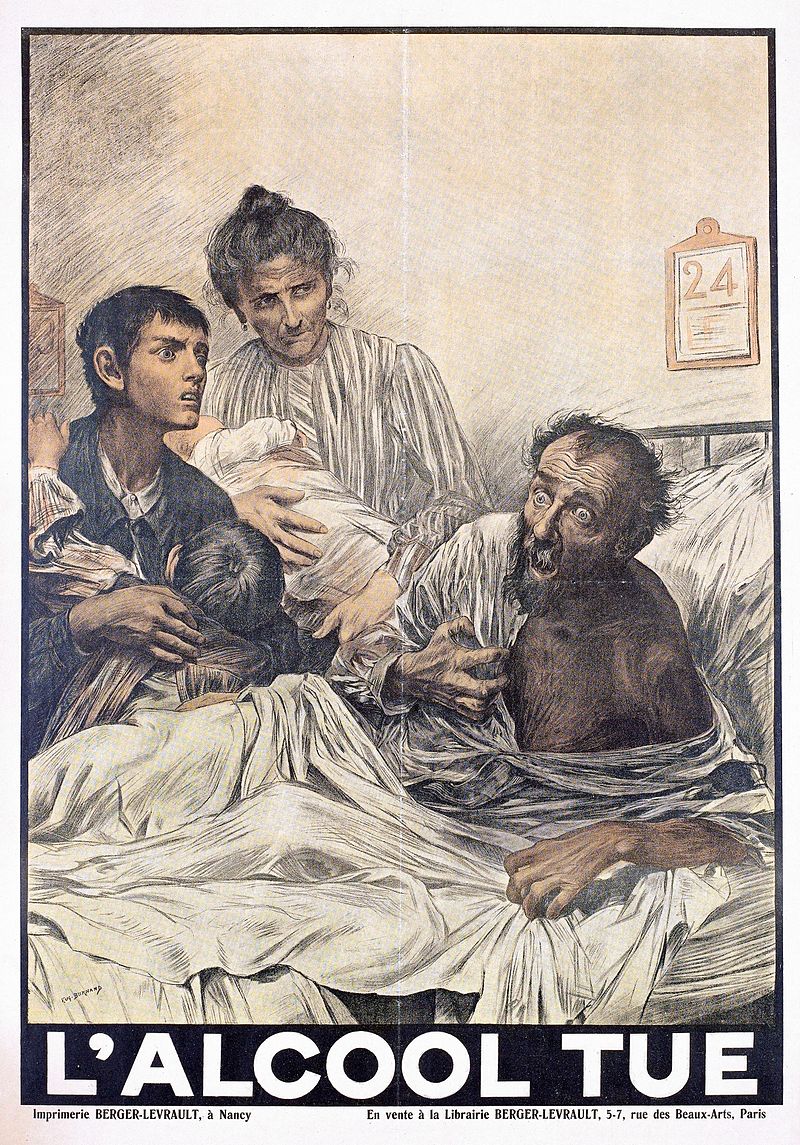
delirium tremens
rapid onset of confusion caused by alcohol withdrawal

carbon monoxide poisoning
toxicity due to exposure to carbon monoxide

pulmonary edema
fluid accumulation in the air spaces and parenchyma of the lungs

sexual assault
act of coercing or physically forcing a person to engage in sexual activity

eclampsia

priapism
Priapism is a condition in which a penis remains erect for hours in the absence of stimulation or after stimulation has ended. There are three types: ischemic (low-flow), nonischemic (high-flow), and recurrent ischemic (intermittent). Most cases are ischemic. Ischemic priapism is generally painful while nonischemic priapism is not. In ischemic priapism, most of the penis is hard; however, the glans penis is not. In nonischemic priapism, the entire penis is only somewhat hard. Very rarely, clitoral priapism occurs in women.

decompression sickness
disorder caused by dissolved gases emerging from solution
drug overdose
ingestion or application of a drug or other substance in quantities greater than recommended amount

ventricular fibrillation
disorganized electrical activity in the ventricles

respiratory failure
inadequate gas exchange by the respiratory system

angioedema
acute kidney injury
abrupt loss of kidney function that develops within 48 hours

acute coronary syndrome
group of symptoms attributed to obstruction of the coronary arteries

choking
Choking, also known as foreign body airway obstruction (FBAO), is a phenomenon that occurs when breathing is impeded by a blockage inside of the respiratory tract. An obstruction that prevents oxygen from entering the lungs results in oxygen deprivation. Although oxygen stored in the blood and lungs can keep a person alive for several minutes after breathing stops, choking often leads to death.

aortic dissection
injury to the innermost layer of the aorta
disseminated intravascular coagulation
pathological process characterized by the widespread activation of the clotting cascade that results in the formation of blood clots in the small blood vessels throughout the body
retinal detachment
human disease
gunshot wound
form of physical trauma sustained from the discharge of arms or munitions
septic shock
medical condition defined as sepsis that has circulatory, cellular and metabolic abnormalities, is associated with clinical severity and greater risk of dying.

hyperkalemia
Hyperkalemia is an elevated level of potassium (K+) in the blood. Normal potassium levels are between 3.5 and 5.0mmol/L (3.5 and 5.0mEq/L) with levels above 5.5mmol/L defined as hyperkalemia. Typically hyperkalemia does not cause symptoms. Occasionally when severe it can cause palpitations, muscle pain, muscle weakness, or numbness. Hyperkalemia can cause an abnormal heart rhythm which can result in cardiac arrest and death.
traumatic brain injury
condition caused by an external force which has traumatically injured the brain
status epilepticus
human disease
giant cell arteritis
human disease
paraphimosis
Paraphimosis is an uncommon medical condition in which the foreskin of a penis becomes trapped behind the glans penis, and cannot be reduced (pulled back to its normal flaccid position covering the glans). If this condition persists for several hours or there is any sign of a lack of blood flow, paraphimosis should be treated as a medical emergency, as it can result in gangrene.
lethal dose
sufficient amount to kill
acute pancreatitis
Human disease
spinal cord injury
injury to the spine on the back side of humans
spermatic cord torsion
spermatic cord (from which the testicle is suspended) twists, cutting off the testicle's blood supply

epiglottitis
Epiglottitis is the inflammation of the epiglottis—the flap at the base of the tongue that prevents food entering the trachea (windpipe). Symptoms are usually rapid in onset and include trouble swallowing which can result in drooling, changes to the voice, fever, and an increased breathing rate. As the epiglottis is in the upper airway, swelling can interfere with breathing. People may lean forward in an effort to open the airway. As the condition worsens, stridor and bluish skin may occur.
diabetic ketoacidosis
potentially life-threatening complication in people with diabetes mellitus
.jpg)
hemothorax
A hemothorax (derived from hemo- [blood] + thorax [chest], plural hemothoraces) is an accumulation of blood within the pleural cavity. The symptoms of a hemothorax may include chest pain and difficulty breathing, while the clinical signs may include reduced breath sounds on the affected side and a rapid heart rate. Hemothoraces are usually caused by an injury, but they may occur spontaneously due to cancer invading the pleural cavity, as a result of a blood clotting disorder, as an unusual manifestation of endometriosis, in response to pneumothorax, or rarely in association with other conditio
.jpg)
barotrauma
Barotrauma is physical damage to body tissues caused by a difference in pressure between a gas space inside, or in contact with, the body and the surrounding gas or liquid. The initial damage is usually due to over-stretching the tissues in tension or shear, either directly by an expansion of the gas in the closed space or by pressure difference hydrostatically transmitted through the tissue. Tissue rupture may be complicated by the introduction of gas into the local tissue or circulation through the initial trauma site, which can cause blockage of circulation at distant sites or interfere wit