Category
page 1Metaphysicians

Karl Marx
German-born philosopher (1818-1883)

Leo Tolstoy
Russian author (1828–1910)

Laozi
Laozi (, ; ), formerly Latinized as Laocius, was a legendary Chinese philosopher considered to be the author of the Tao Te Ching (Pinyin: Dào Dé Jīng), one of the foundational texts of Taoism. Modern scholarship generally regards his biographical details as later inventions and his opus a collaboration of various writers, with the name Laozi, literally meaning 'Old Master', likely intended to portray an archaic anonymity that could converse with Confucianism. Traditional accounts addend him as , born in the 6th-centuryBC state of Chu during China's Spring and Autumn period (). Serving as the r

John Locke
English philosopher and physician (1632-1704)

Thomas Aquinas
Italian Dominican friar, philosopher, Catholic priest, and Doctor of the Church (1225–1274)

Benedictus de Spinoza
Dutch philosopher (1632-1677)
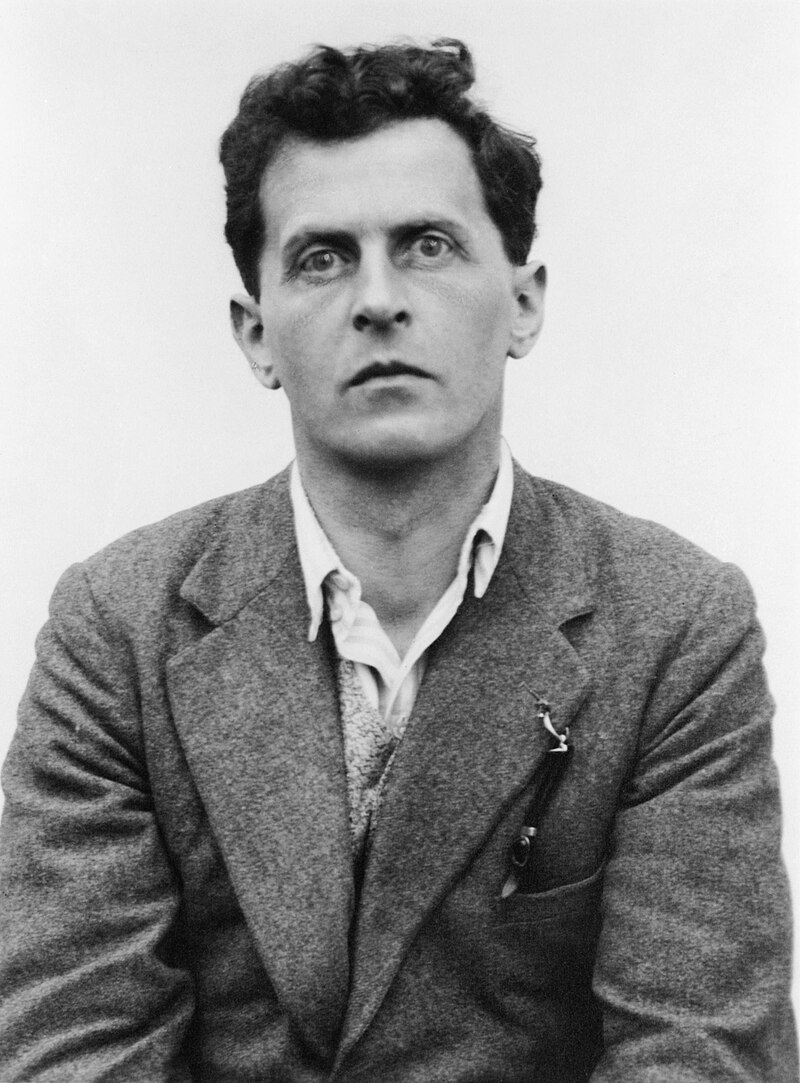
Ludwig Wittgenstein
Austrian philosopher and logician (1889–1951)

Thales
ancient Greek philosopher and mathematician

Thomas Hobbes
English philosopher (1588–1679)

Al-Ghazali
Al-Ghazali, ( ( – 19 December 1111), Latinized as Algazelus, was a Shafi'i Sunni Muslim Iranian scholar and polymath. He is known as one of the most prominent and influential jurisconsults, legal theoreticians, muftis, philosophers, theologians, logicians and mystics in Islamic history.

Karl Popper
Austrian-British philosopher of science and social and política e falsificationism and for criticism of Plato, Hegel and Marx as totalitarian opponents of open society (1902-1994)

Ayn Rand
Russian-born American writer and public philosopher (1905–1982)

Lucretius
Titus Lucretius Carus ( ; ; – October 15, 55 BC) was a Roman poet and philosopher. His only known work is the philosophical poem De rerum natura, a didactic work about the tenets and philosophy of Epicureanism, which usually is translated into English as On the Nature of Things—and somewhat less often as On the Nature of the Universe.
Very little is known about Lucretius's life; the only certainty is that he was either a friend or client of Gaius Memmius, to whom the poem was addressed and dedicated. De rerum natura was a considerable influence on the Augustan poets, particularly Virgil

Edmund Husserl
German philosopher, known as the father of phenomenology (*1859 – †1938)

Alfred North Whitehead
English mathematician and philosopher (1861–1947)

Slavoj Žižek
Slovenian philosopher (born 1949)

Zhuang Zhou
Chinese Taoist philosopher (c. 369–286 BC)

Roger Bacon
English polymath, philosopher and friar (c.1219/20–c.1292)

Emmanuel Swedenborg
Swedish 18th century scientist and theologian (1688-1772)

José Ortega y Gasset
Spanish liberal philosopher and essayist (1883–1955)

Al-Kindi
Abū Yūsuf Yaʻqūb ibn ʼIsḥāq aṣ-Ṣabbāḥ al-Kindī (; ; ; ) was an Arab polymath who was active as a philosopher, mathematician, physician, and music theorist. Al-Kindi was the first of the Islamic peripatetic philosophers, and is hailed as the "father of Arab philosophy".

George Santayana
Spanish-American philosopher

Philo of Alexandria
Philo of Alexandria (; ; ; ), also called '''''', was a Hellenistic Jewish philosopher who lived in Alexandria, in the Roman province of Egypt.

Georg Lukács
Hungarian marxist philosopher and literary critic (1885–1971)

Mozi
Mozi, personal name Mo Di,

Shen Kuo
Chinese scientist and statesman (1031-1095)

Emmanuel Levinas
Jewish-French-Lithuanian philosopher

G. E. Moore
English philosopher (1873–1958)

Melissus of Samos
5th-century BC Greek Eleatic philosopher
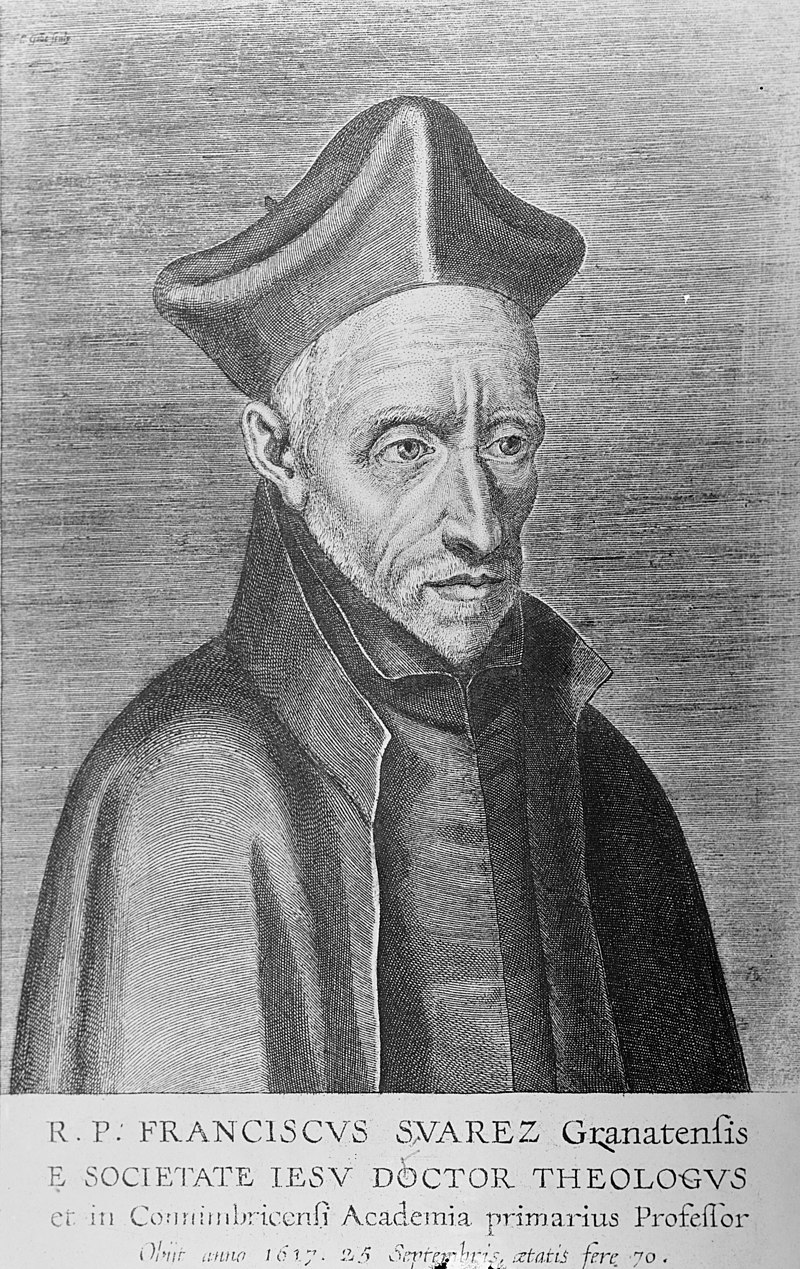
Francisco Suárez
Spanish Jesuit priest, philosopher and theologian (1548-1617)

Kanada
thumb|center|acharya Kaṇāda

Leo Strauss
History of Political Philosophy scholar (1899-1973)

Ananda Coomaraswamy
Sri Lankan Tamil metaphysician (1877–1947)

Mulla Sadra
17th-century Iranian Shia philosopher and theologian
Frithjof Schuon
Swiss philosopher, poet and painter (1907-1998)
Peter Wessel Zapffe
Norwegian philosopher, mountaineer, and author (1899–1990)

P. F. Strawson
British philosopher (1919–2006)

Olavo de Carvalho
Brazilian journalist, writer, astrologer, essayist, polemicist, digital influencer and ideologue (1947-2022)
J. L. Mackie
Australian philosopher (1917-1981)
Arnold Geulincx
Flemish Cartesian philosopher
Ferdinand Canning Scott Schiller
German-born British philosopher
Kazimierz Twardowski
Polish philosopher, psychologist and logician (1866–1938)
Sir William Hamilton, 9th Baronet
Scottish metaphysician (1788-1856)
John McDowell
South African philosopher and academic
C. D. Broad
English philosopher (1887–1971)
Michel Weber
Belgian philosopher
Pietro Sforza Pallavicino
Catholic cardinal (1607-1667)
Thomas Brown
Scottish philosopher and poet, born 1778
Timothy Williamson
British philosopher
Rudolf Eisler
Austrian philosopher (1873-1926)
Frank Cameron Jackson
Australian philosopher
James Frederick Ferrier
Scottish philosopher (1808-1864)
Meher Ali Shah
Sufi scholar and a mystic Punjabi poet (1859–1937)
Raghunatha Siromani
Indian philosopher
Arthur Prior
New Zealand logician and philosopher (1914–1969)

Rodrigo de Arriaga
Spanish philosopher, jesuit, theologian

Wolfgang Smith
mathematician and philosopher of science (1930–2024)
Leszek Nowak
Polish philosopher (1943–2009)
Isvarakrsna
Īśvarakṛṣṇa (, , ) (fl. 350 CE) was an Indian philosopher and sage. He was the author of Samkhyakarika (“Verses on Samkhya”), an account of the universe and its components (tattvas) according to the Samkhya school, one of the six schools of Hindu philosophy. Samkhyakarika is the earliest surviving authoritative text on classical Samkhya philosophy.
Fyodor Stepun
Russian philosopher (1884–1965)