Category
page 1Midway video games
.png)
Pac-Man
Pac-Man, originally titled in Japan, is a 1980 maze video game developed and published by Namco for arcades. It was released in Japan on May 22, 1980 and by Midway Manufacturing in North America in August 1980. The player controls Pac-Man, who must eat all the dots inside an enclosed maze while avoiding four colored ghosts. Eating large flashing dots called "Power Pellets" causes the ghosts to temporarily turn blue and vulnerable, allowing Pac-Man to eat the ghosts for bonus points.
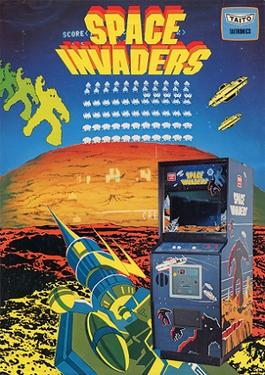
Space Invaders
1978 fixed shooter video game

Myst
Myst is a 1993 adventure video game developed by Cyan and published by Broderbund for Mac OS. In the game, the player travels via a special book to a mysterious island called Myst. The player interacts with objects and traverses the environment by clicking on pre-rendered imagery. Solving puzzles allows the player to travel to other worlds ("Ages"), which reveal the backstory of the game's characters and help the player make the choice of whom to aid.
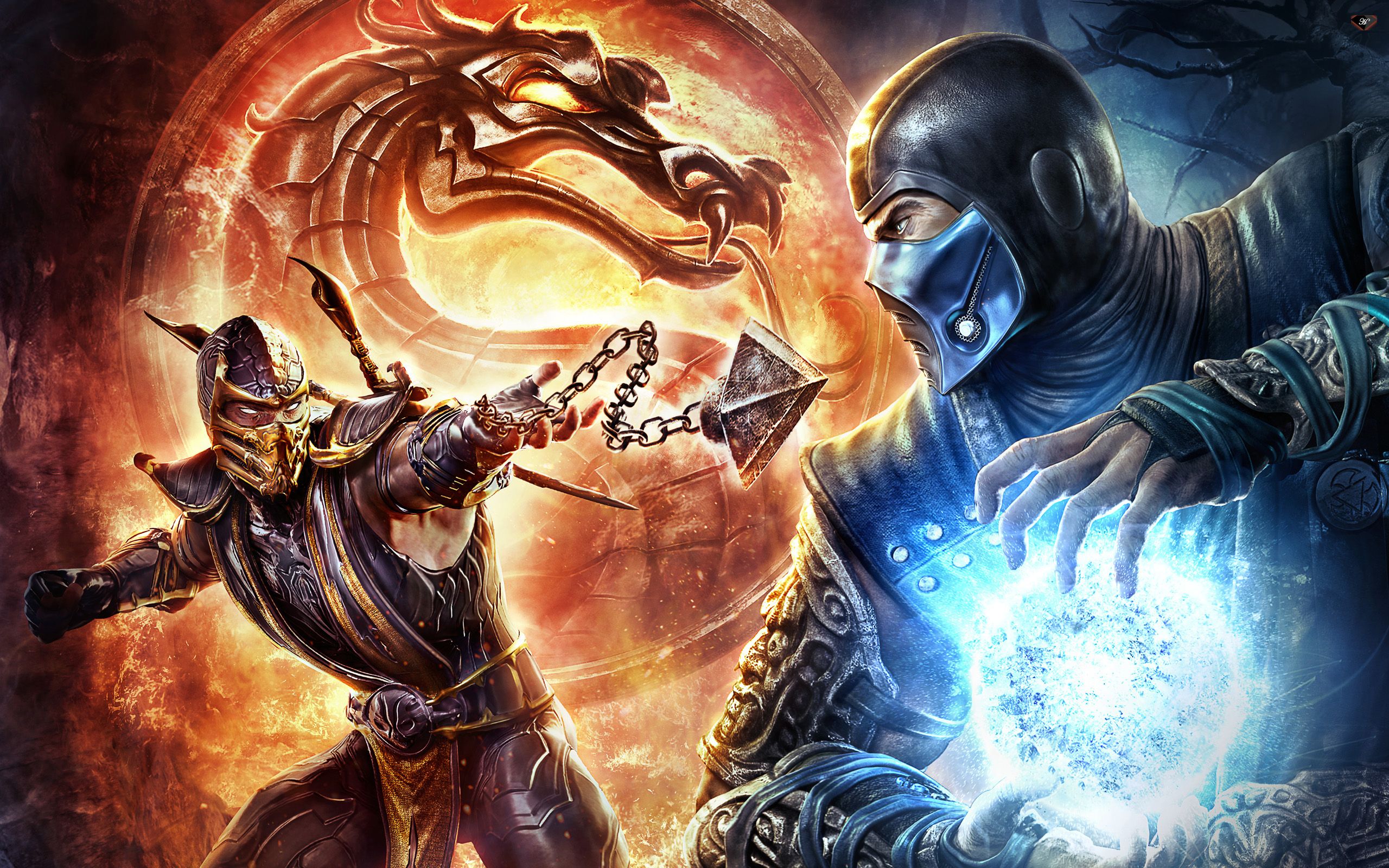
Mortal Kombat
1992 video game

Galaga
is a 1981 fixed shooter video game developed and published by Namco for Japanese and European arcades; it was distributed by Midway Manufacturing in North America. It is the sequel to 1979's Galaxian, and the second game in the Galaxian series. Controlling a starship, the player is tasked with destroying the Galaga forces in each stage while avoiding enemies and projectiles. Some enemies can capture a player's ship via a tractor beam, which can be rescued by another ship to give the player a "dual fighter" with additional firepower.
Mortal Kombat II
1993 competitive fighting game
Ms. Pac-Man
1982 video game

Galaxian
is a 1979 fixed shooter video game developed and published by Namco for arcades. The player assumes control of the Galaxip starfighter in its mission to protect Earth from waves of aliens. Gameplay involves destroying each formation of aliens, who dive down towards the player in an attempt to hit them.
Mortal Kombat: Deception
2004 video game
Mortal Kombat 3
1995 video game
Mortal Kombat 4
1997 video game
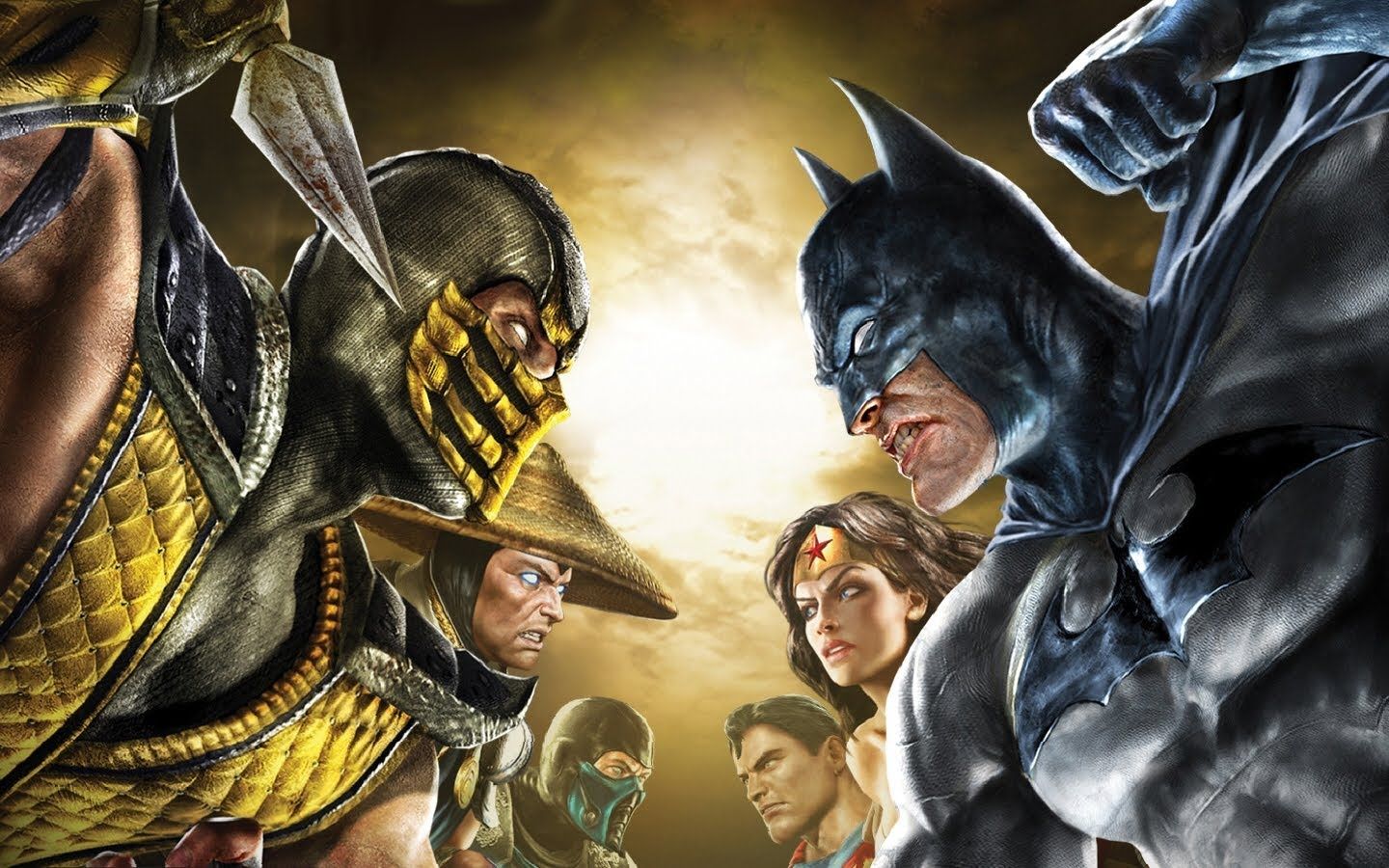
Mortal Kombat vs. DC Universe
2008 video game
Doom 64
1997 first-person shooter horror video game developed by Midway Games
Mortal Kombat: Deadly Alliance
2002 video game
Mortal Kombat: Armageddon
2006 video game
Ultimate Mortal Kombat 3
1996 video game
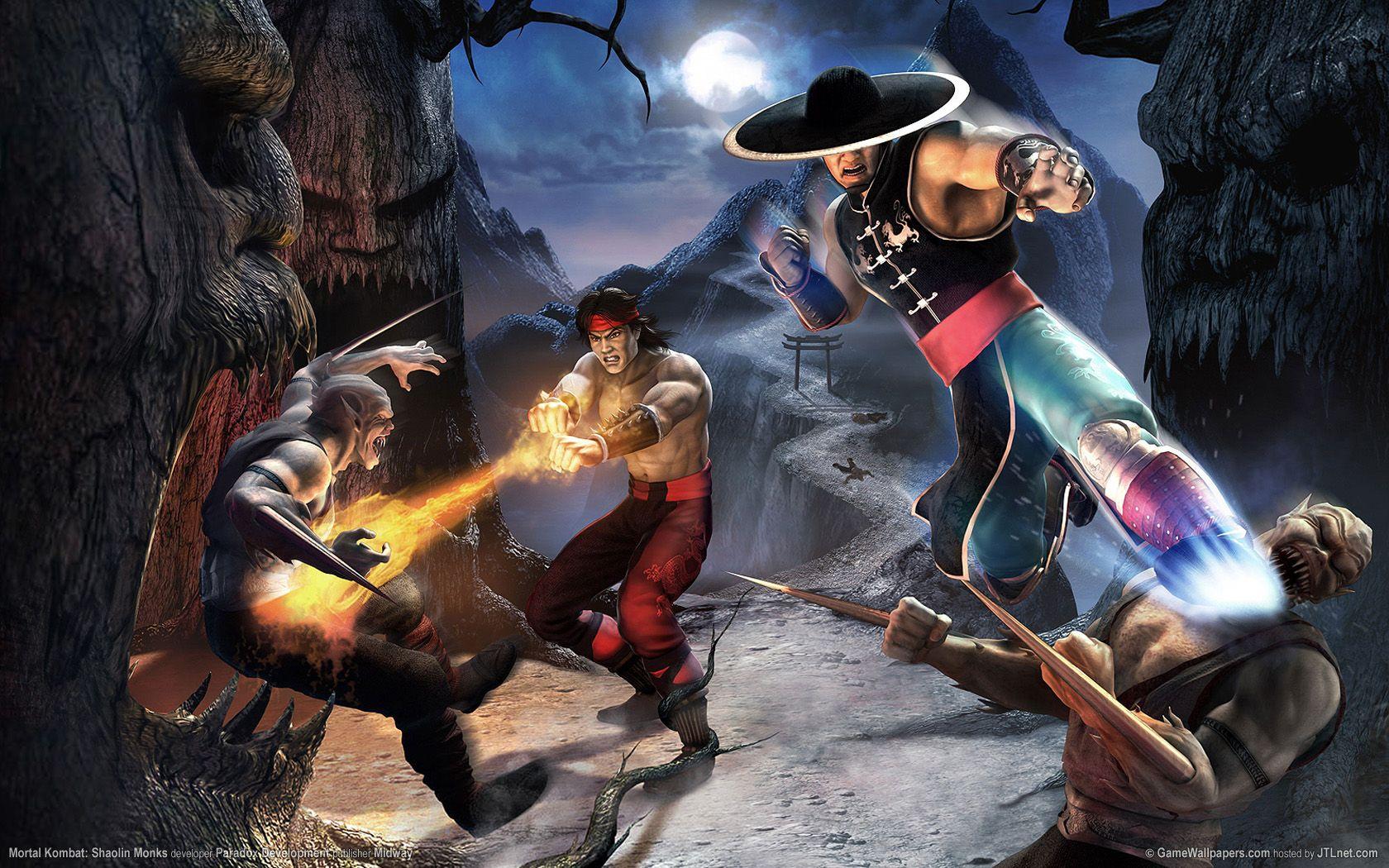
Mortal Kombat: Shaolin Monks
2005 video game
Joust
1982 video game

Mortal Kombat Mythologies: Sub-Zero
1997 video game
Paperboy
1985 arcade game
Marble Madness
1984 arcade video game
Mortal Kombat Trilogy
1996 video game
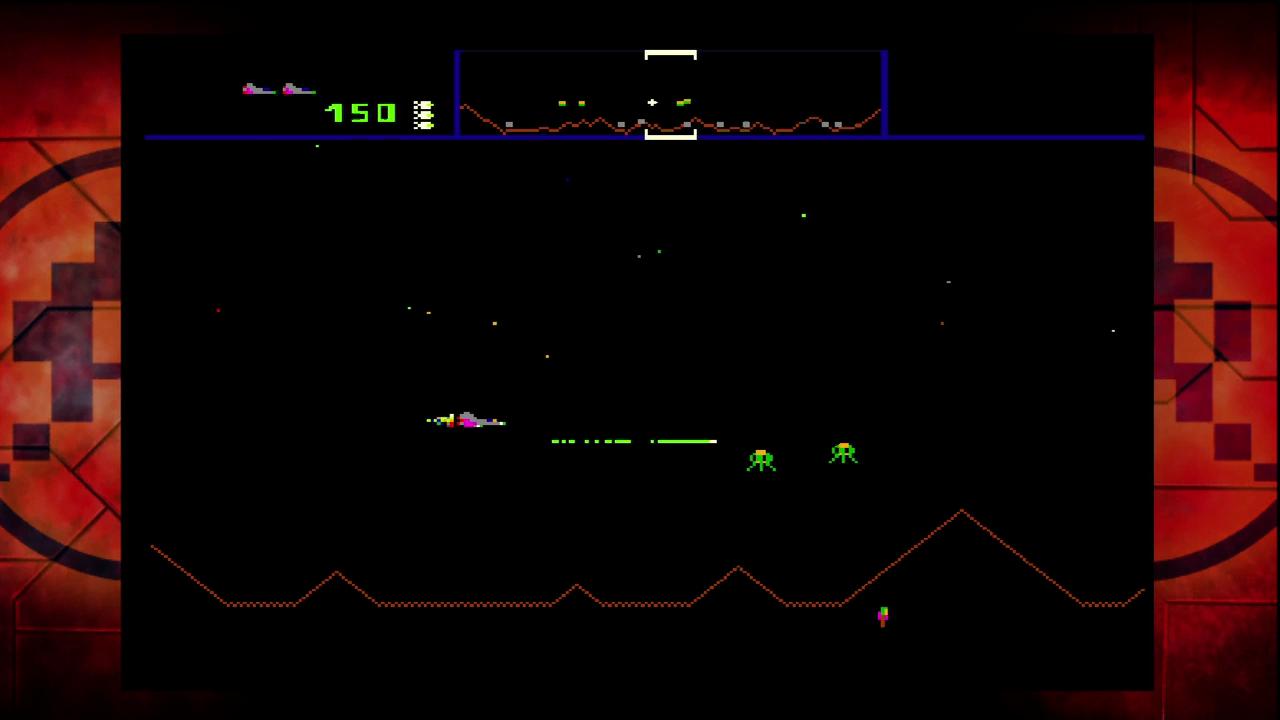
Defender
1981 video game
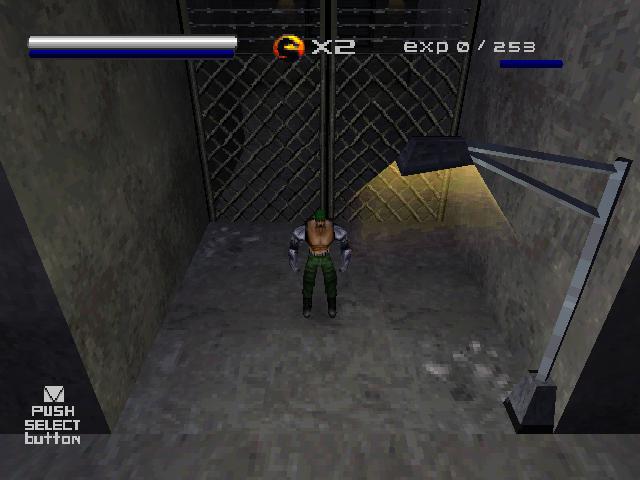
Mortal Kombat: Special Forces
2000 video game

Mappy
is a 1983 platform video game developed and published by Namco for arcades. It was released in Japan in March 1983 and in North America by Bally Midway in April 1983. It runs on Namco's Super Pac-Man hardware modified to support horizontal scrolling. The name "Mappy" is likely derived from , a slightly pejorative Japanese slang term for policeman. The game has been re-released in several Namco arcade compilations. It spawned a handful of sequels and a 2013 animated web series developed by cartoonists Scott Kurtz and Kris Straub.
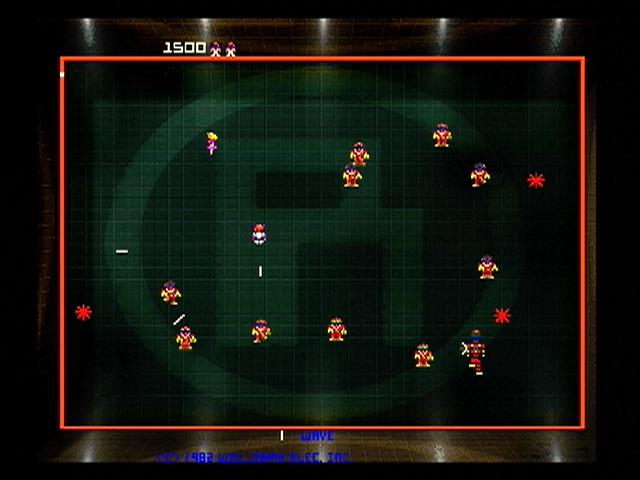
Robotron: 2084
1982 video game
Killer Instinct
1994 video game

Stranglehold
2007 video game
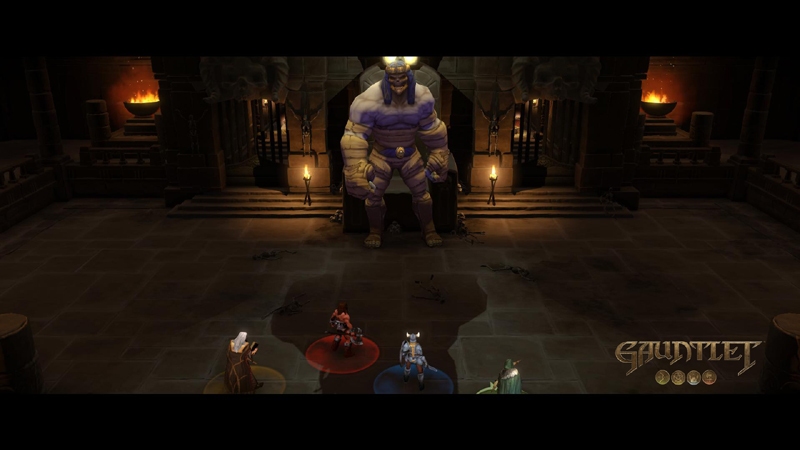
Gauntlet
fantasy-themed hack and slash 1985 arcade game by Atari Games

Pac-Land
is a 1984 platform game developed and published by Namco for arcades. It was released in North America by Bally Midway, and in Europe by Atari Games. Controlling Pac-Man, the player must make it to the end of each stage to return a lost fairy back to its home in Fairyland. Pac-Man will need to avoid obstacles, such as falling logs and water-spewing fire hydrants, alongside his enemies, the Ghost Gang. Eating large flashing Power Pellets will cause the ghosts to turn blue, allowing Pac-Man to eat them for points.

BurgerTime
(or in Japan) is an arcade video game by Data East released in 1982. According to a former Data East programmer, the game was designed in-house but the development itself was outsourced to another company.
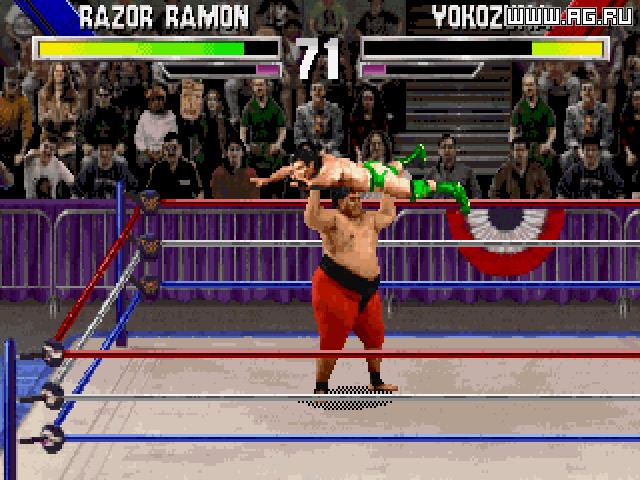
WWF WrestleMania: The Arcade Game
1995 arcade video game
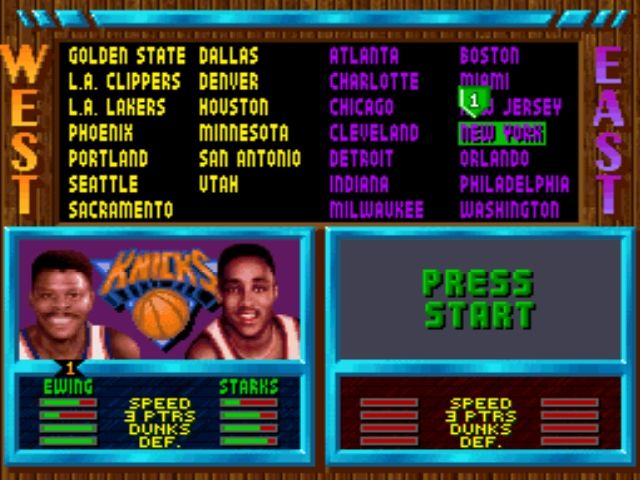
NBA Jam
1993 video game

Rally-X
is a 1980 maze video game developed and published by Namco for arcades. It was released on October 3, 1980 in Japan, by Midway Manufacturing in North America in February 1981 and by Karateco in Europe in 1981. Players drive a blue Formula One race car through a multidirectional scrolling maze to collect yellow flags. Boulders block some paths and must be avoided. Red enemy cars pursue the player in an attempt to collide with them. Red cars can be temporarily stunned by laying down smoke screens at the cost of fuel. Rally-X is one of the first games with bonus stages and continuously playing ba
Super Pac-Man
1982 video game
Area 51
2005 video game

Wheelman
2009 video game
Mortal Kombat Gold
1999 video game
Rampage
1986 video game
The Suffering
2004 video game
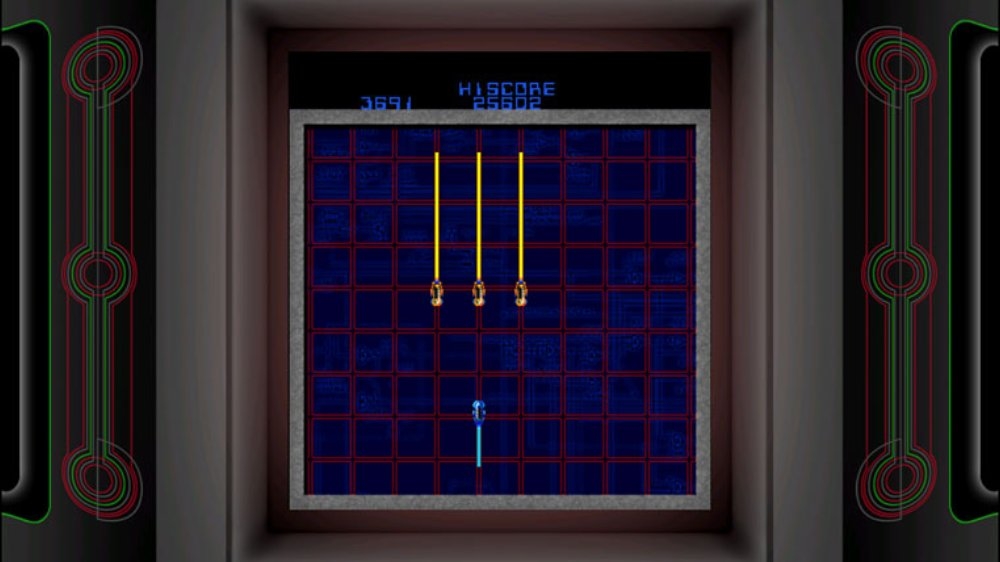
Tron
1982 coin-operated arcade video game
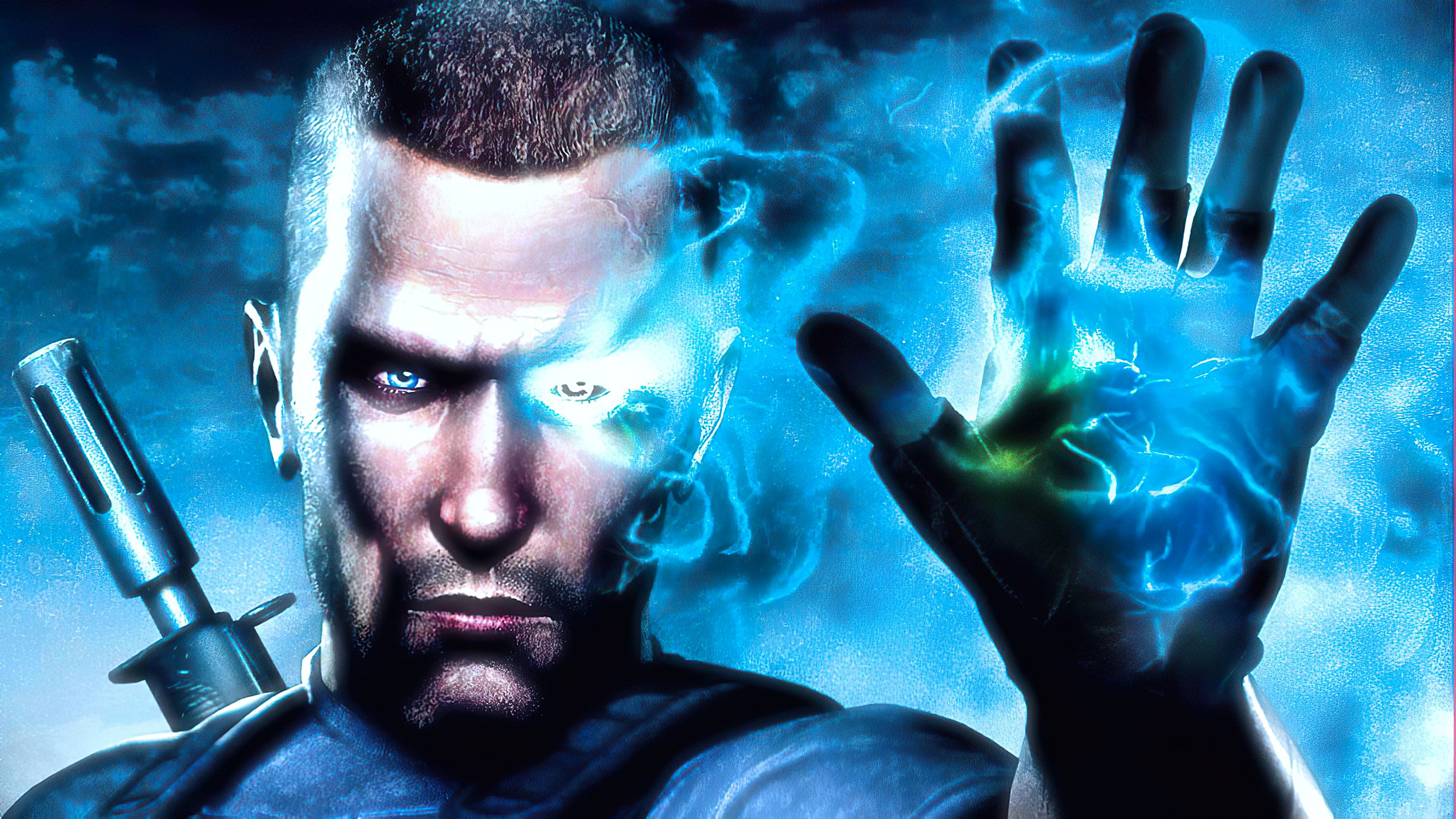
Psi-Ops: The Mindgate Conspiracy
2004 video game
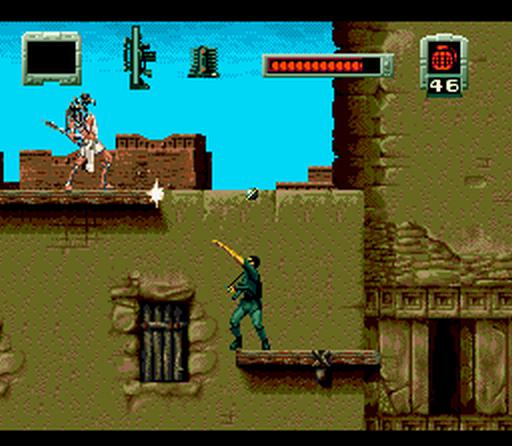
Stargate
1981 arcade game
Gun Fight
1975 arcade game
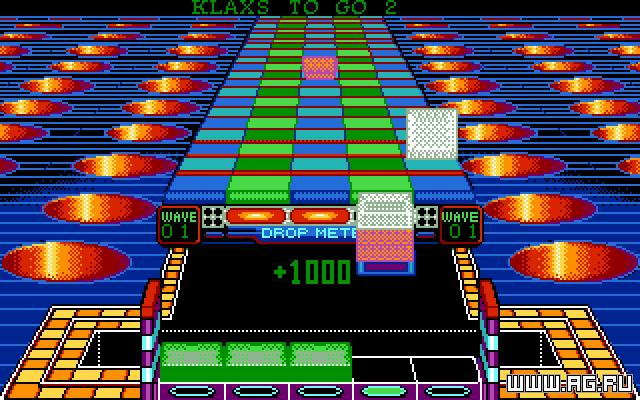
Klax
1989 video game
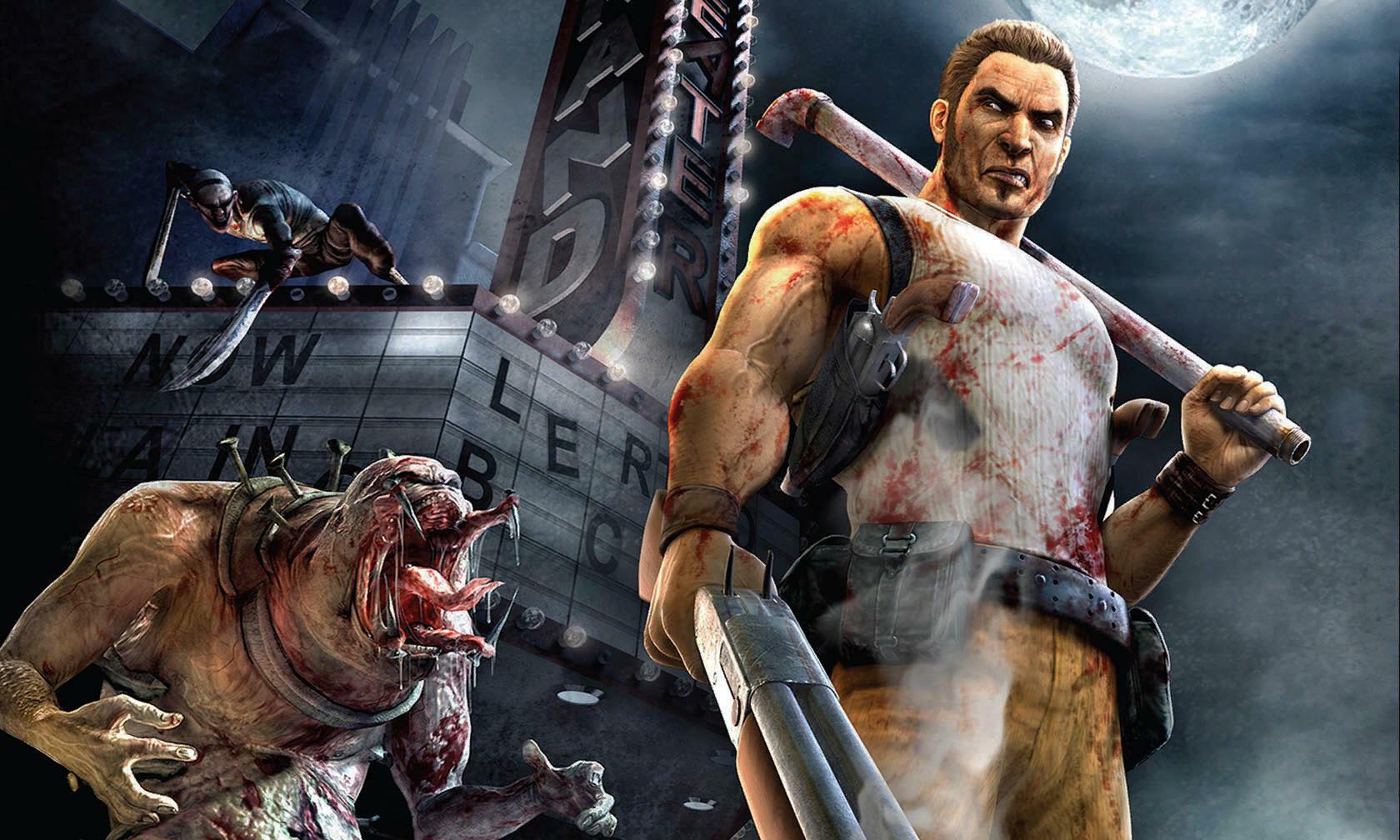
The Suffering: Ties That Bind
2005 video game
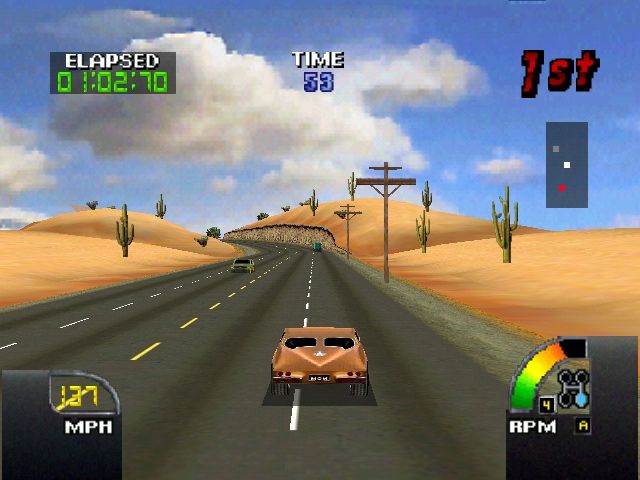
Cruis'n USA
1994 racing video game
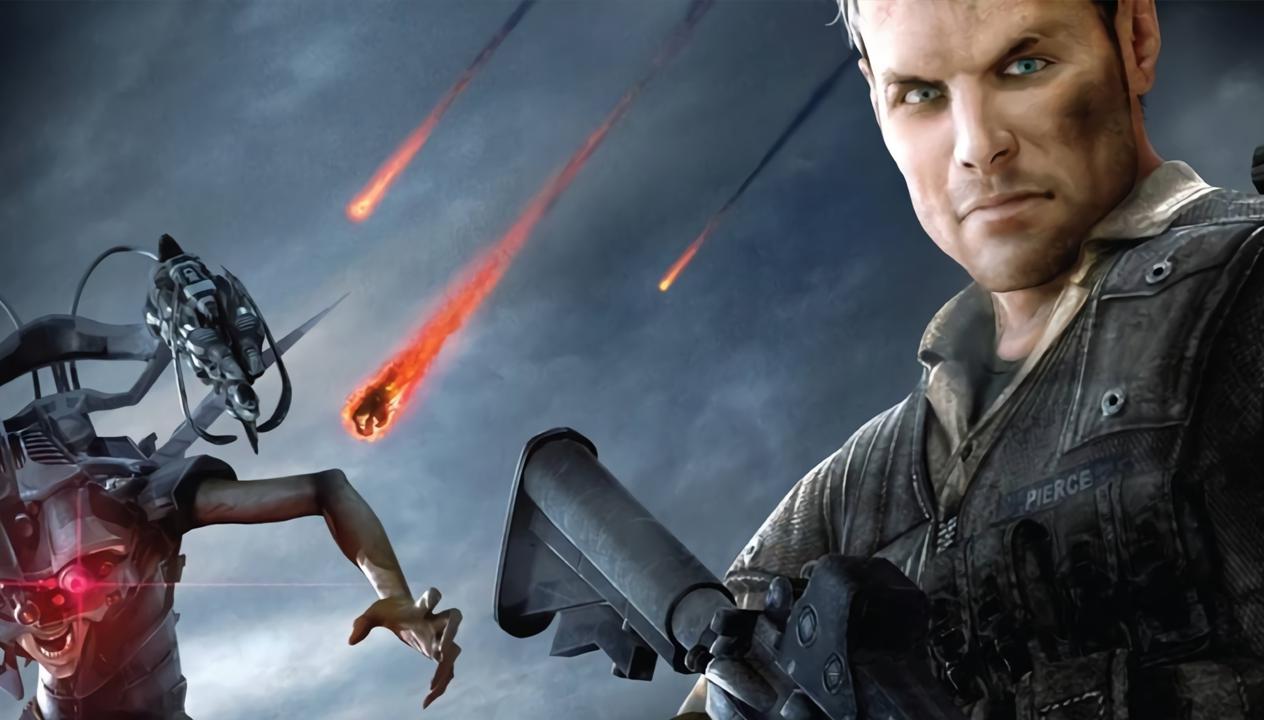
BlackSite: Area 51
2007 video game

Killer Instinct
video game series
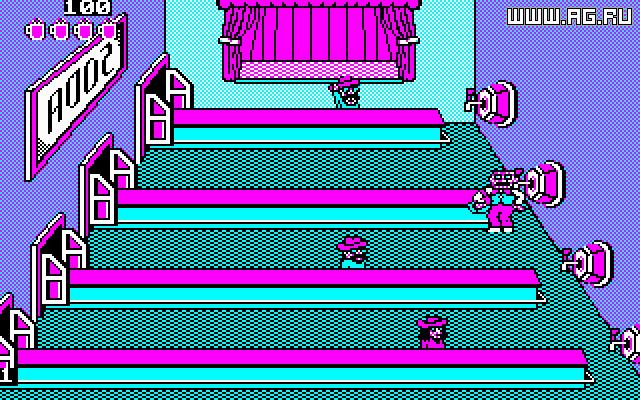
Tapper
1983 video game
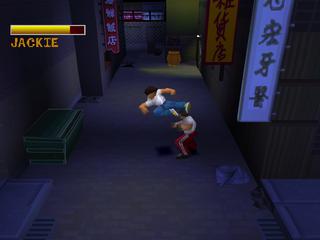
Jackie Chan Stuntmaster
2000 video game
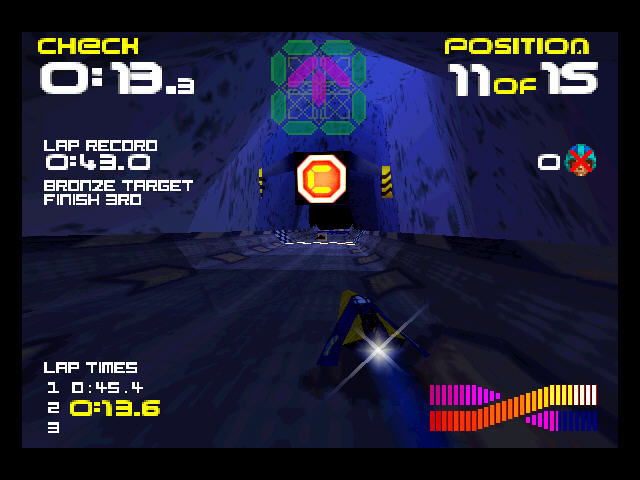
Wipeout 64
1998 racing video game
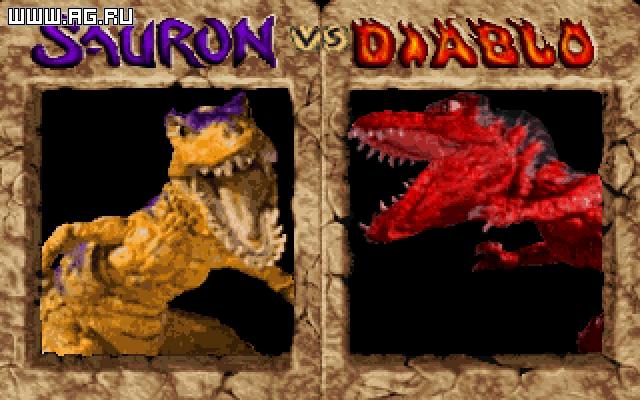
Primal Rage
1994 arcade video game
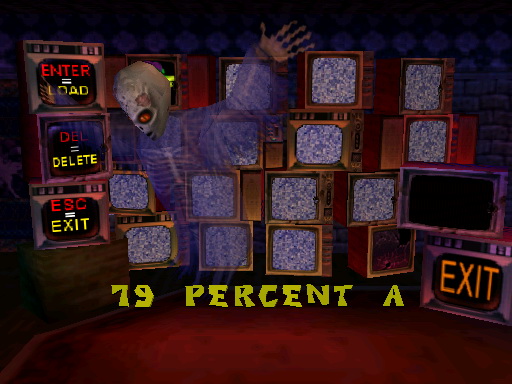
Gex: Enter the Gecko
1998 video game
.png)
Gorf
Gorf is a 1981 fixed shooter video game developed by Dave Nutting Associates and published by Midway Manufacturing for arcades. It features five distinct levels, the first of which is based on Space Invaders and another on Galaxian. The game makes use of synthesized speech for the Gorfian robot which taunts the player, powered by a speech chip. Gorf allows the player to buy two additional lives per quarter before starting the game, for a maximum of seven lives.

Spy Hunter
1983 arcade video game
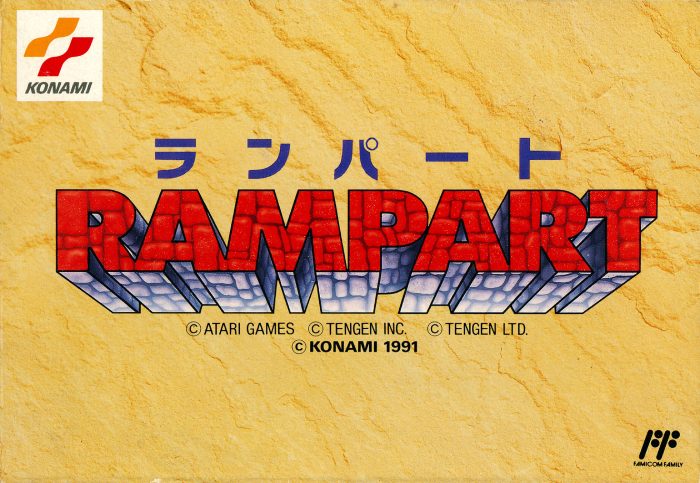
Rampart
1990 video game
.png)
Gaplus
is a 1984 fixed shooter video game developed and published by Namco for arcades. It was released in North America by Bally Midway. It is the third game in the Galaxian series, serving as a direct sequel to Galaga (1981). In North America, a modification kit was later released to change the name to Galaga 3, possibly to reflect its position in the series. It was the only game other than Phozon to run on the Namco Phozon hardware. A contemporary home port for the Commodore 64 was released in 1988. A demake version of the game (in the style of Nintendo Entertainment System games) was included in
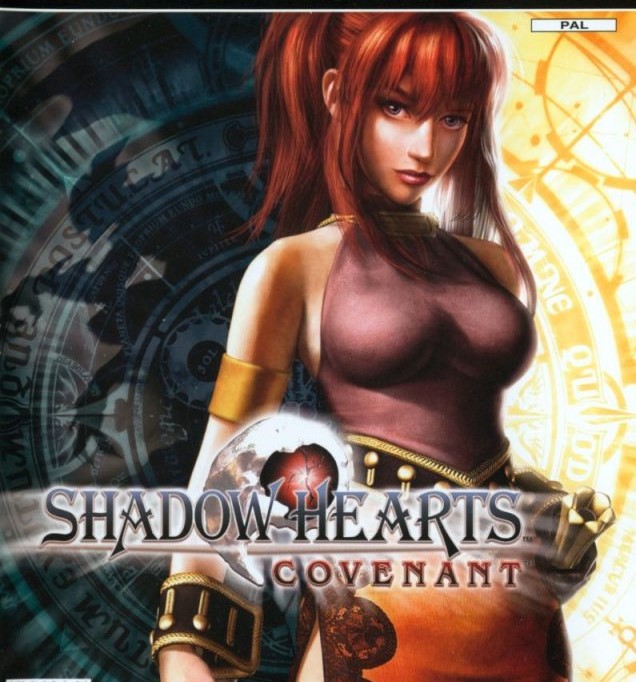
Shadow Hearts: Covenant
2004 video game
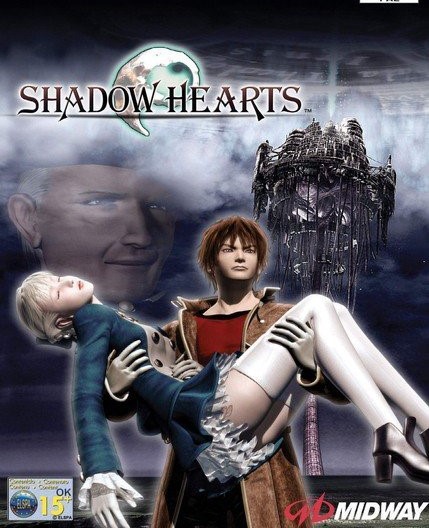
Shadow Hearts
2001 video game