Category
page 1Miracle workers

Jesus

Muhammad
Muhammad (8 June 632 CE) was an Arab religious, military and political leader, as well as the founder of Islam. According to Islam, he was the final prophet of God who was divinely inspired to preach and confirm the monotheistic teachings of Adam, Noah, Abraham, Moses, Jesus, and other prophets in Islam. He is believed by Muslims to be the Seal of the Prophets, and along with the Quran, his teachings and normative examples form the basis for Islamic religious belief.

Moses
In Abrahamic religions, Moses was the Hebrew prophet who led the Israelites out of slavery in the Exodus from Egypt. He is considered the most important prophet in Judaism and Samaritanism, and one of the most important prophets in Christianity, Islam, the Baháʼí Faith, and other Abrahamic religions. According to the Abrahamic scriptures, God dictated the Mosaic Law to Moses, which he wrote down and which formed part of the Torah.
_B.jpg)
Zoroaster
Zarathushtra Spitama, more commonly known as Zoroaster or Zarathustra, was an Iranian religious reformer who challenged the tenets of the contemporary Ancient Iranian religion, becoming the spiritual founder of Zoroastrianism. In the oldest Zoroastrian scriptures, the Gathas, which he is traditionally believed to have authored, he is described as a preacher and a poet-prophet. Some have claimed, with much scholarly controversy, to find his influence in Heraclitus, Plato, Pythagoras, and, perhaps less controversially, in the Abrahamic religions, including Judaism, Christianity, and Islam, parti

Krishna
Krishna (; Sanskrit: कृष्ण, ) is a major deity in Hinduism. He is worshipped as the eighth avatar of Vishnu and also as the Supreme God in his own right. He is the god of protection, compassion, tenderness, and love; and is widely revered among Hindu divinities. Krishna's birthday is celebrated every year by Hindus on Krishna Janmashtami according to the lunisolar Hindu calendar, which falls in late August or early September of the Gregorian calendar.

Empedocles
Empedocles (; ; , 444–443 BC) was a Greek pre-Socratic philosopher and a native citizen of Akragas, a Greek city in Sicily. Empedocles' philosophy is known best for originating the cosmogonic theory of the four classical elements. He also proposed forces he called Love and Strife which would mix and separate the elements, respectively.

Guru Nanak
First Sikh Guru and founder of Sikhism

Saint Nicholas
Saint Nicholas of Myra, also known as Nicholas of Bari, was an early Christian bishop of Greek descent from the maritime city of Patara in Anatolia during the time of the Roman Empire. Because of the many miracles attributed to his intercession, he is also known as Nicholas the Wonderworker. Saint Nicholas is the patron saint of sailors, merchants, archers, repentant thieves, children, brewers, pawnbrokers, toymakers, unmarried people, and students in various cities and countries around Europe. His reputation evolved among the pious, as was common for early Christian saints, and his legendary habit of secret gift-giving gave rise to the folklore of Santa Claus through Sinterklaas.

Elijah
Elijah ( or ; or ) was a prophet and miracle worker who lived in the northern kingdom of Israel during the reign of King Ahab (9th century BC), according to the Books of Kings in the Hebrew Bible.

Ahmad ibn Hanbal
Muslim jurist and theologian (780–855)
.jpg)
Elisha
Elisha (God is my salvation) was, according to the Hebrew Bible, an Israelite prophet and a wonder-worker. His name is commonly transliterated into English as Elisha via Hebrew, Eliseus via Greek and Latin, Ełishe (Yeghishe/Elisha) via Armenian or Alyasa via Arabic, and Elyasa or Elyesa via Turkish. Also mentioned in the New Testament and the Quran, Elisha is venerated as a prophet in Judaism, Christianity and Islam and writings of the Bahá'í Faith refer to him by name.
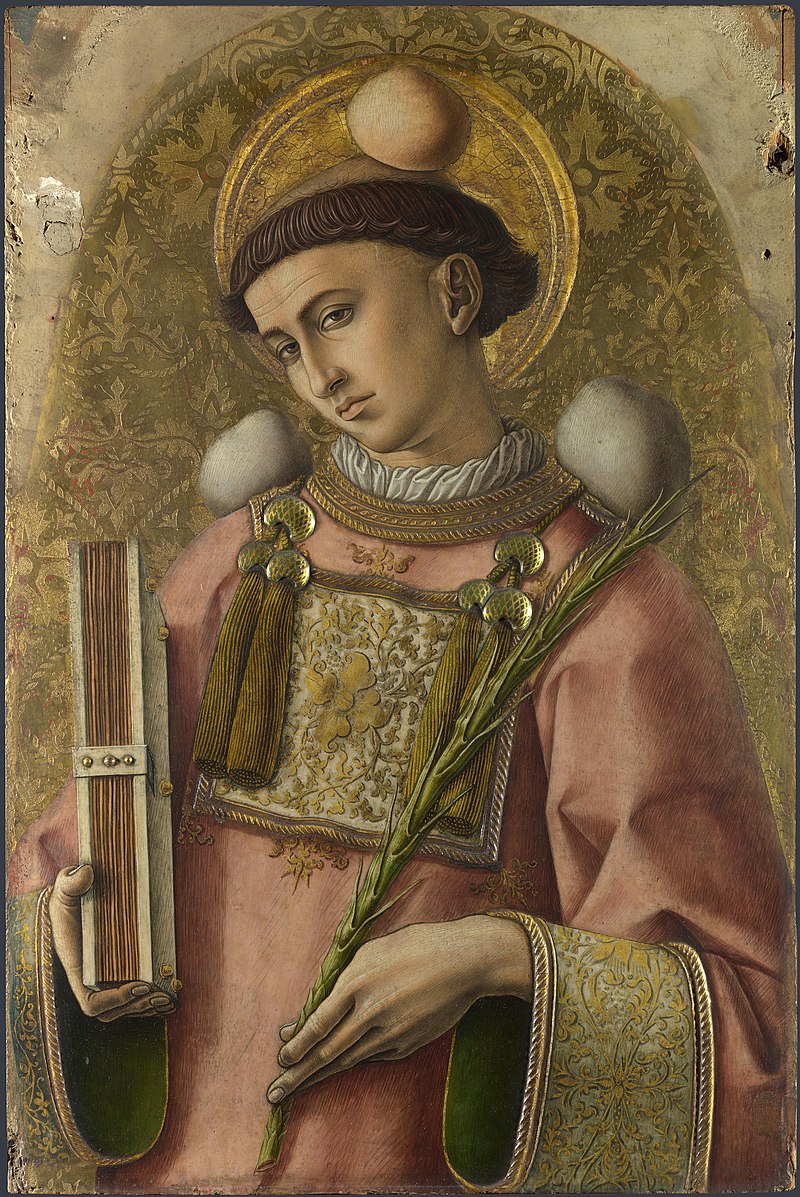
Saint Stephen
Deacon, martyr, and saint

Tulsidas
Rambola (; 11 August 1511 – 30 July 1623), popularly known as Goswami Tulsīdās (), was a Vaishnava (Ramanandi) Hindu saint, devotee (भक्त) and poet, renowned for his devotion to the deity Rama. He wrote several popular works in Sanskrit, Awadhi, and Braj Bhasha, but is best known as the author of the Hanuman Chalisa and of the epic Ramcharitmanas, a retelling of the Sanskrit Ramayana, based on Rama's life, in the vernacular Awadhi language.

Saint Valentine
Saint Valentine was a 3rd-century Roman saint, commemorated in Western Christianity on February 14 and in Eastern Orthodoxy on July 6. From the High Middle Ages, his feast day has been associated with a tradition of courtly love. He is also a patron saint of Terni, epilepsy, and beekeepers. Saint Valentine was a clergyman – either a priest or a bishop – in the Roman Empire who ministered to persecuted Christians. He was martyred and his body buried on the Via Flaminia on February 14, which has been observed as the Feast of Saint Valentine since at least the eighth century.
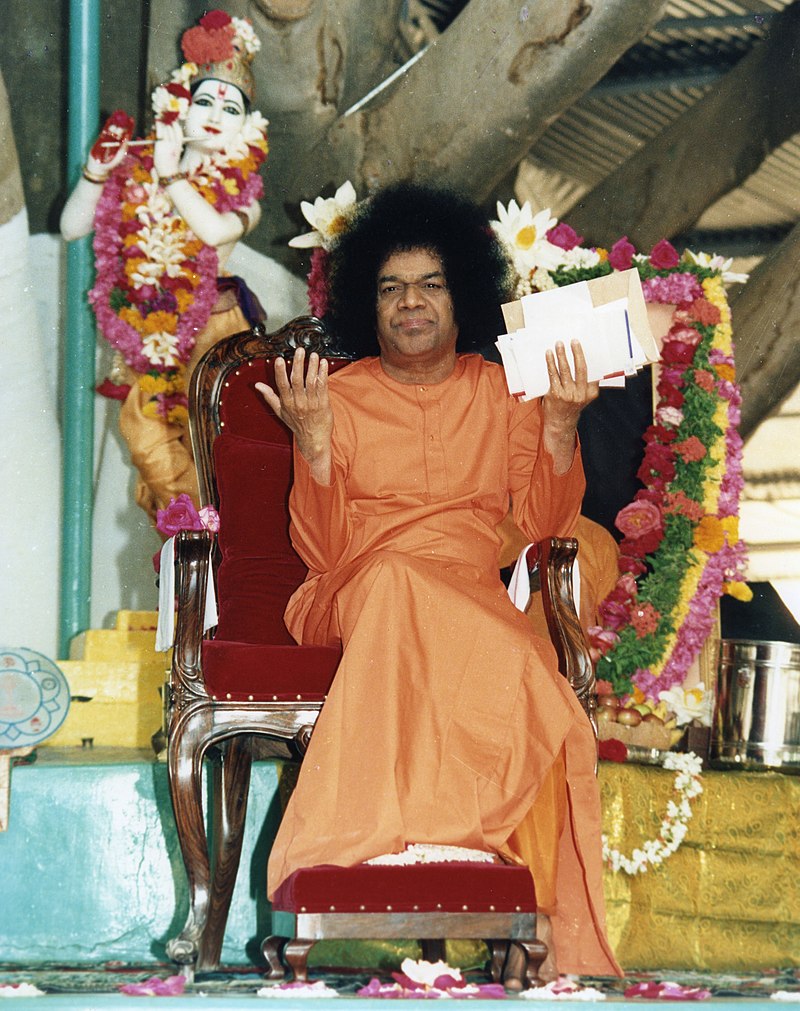
Sathya Sai Baba
Indian spiritual guru (1926–2011)

Enoch
Enoch ( ; Henṓkh) is a biblical figure and patriarch prior to Noah's flood. He is the son of Jared and father of Methuselah.

Robert II of France
king of the Franks from 996 to 1031

Hud
one of the prophets in Islam

Children's Crusade
attempted crusade by European Christians to expel Muslims from the Holy Land
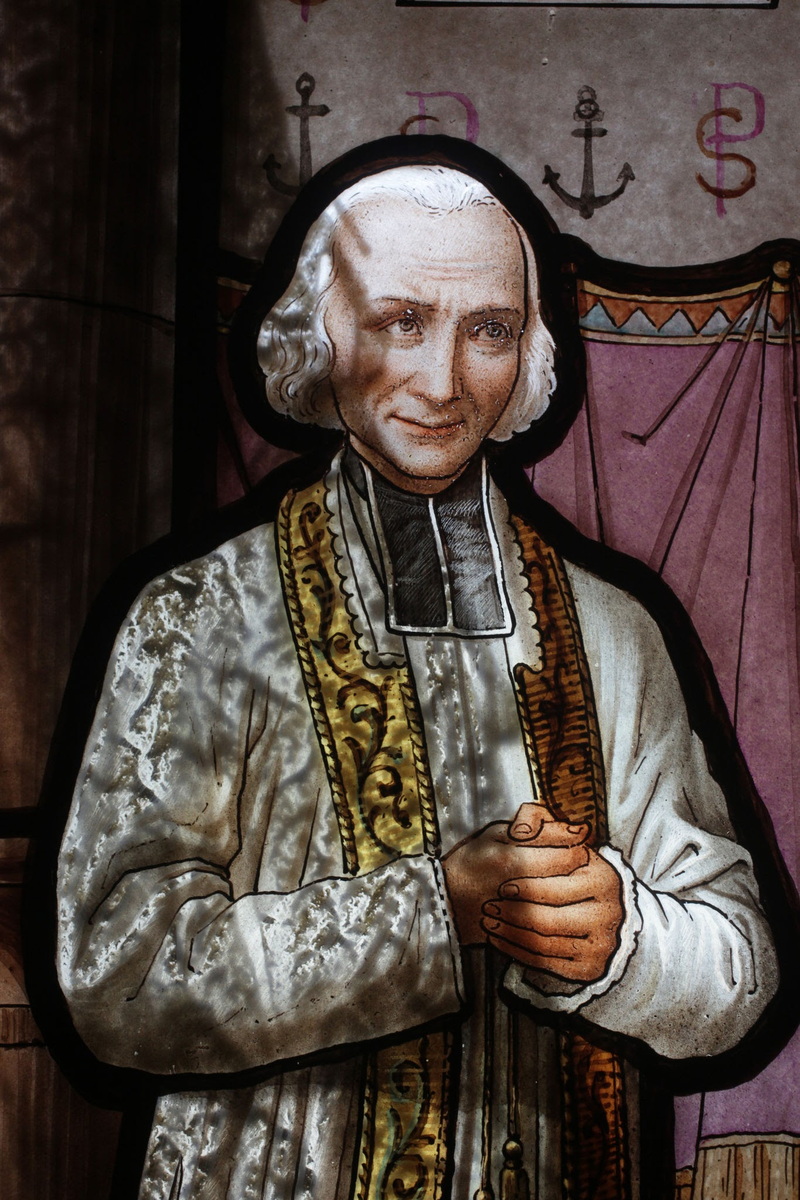
Jean-Marie Vianney
French priest and saint (1786–1859)

Apollonius of Tyana
1st century AD Greek Neopythagorean philosopher
%20(8136618664).jpg)
Salih
Salih or Saleh () is a prophet mentioned in the Qur'an who prophesied to the tribe of Thamud in ancient Arabia, before the lifetime of Muhammad. The story of Salih is linked to that of the she-camel of God, a gift from God to the people of Thamud when they sought a miracle to confirm that Salih was a prophet.
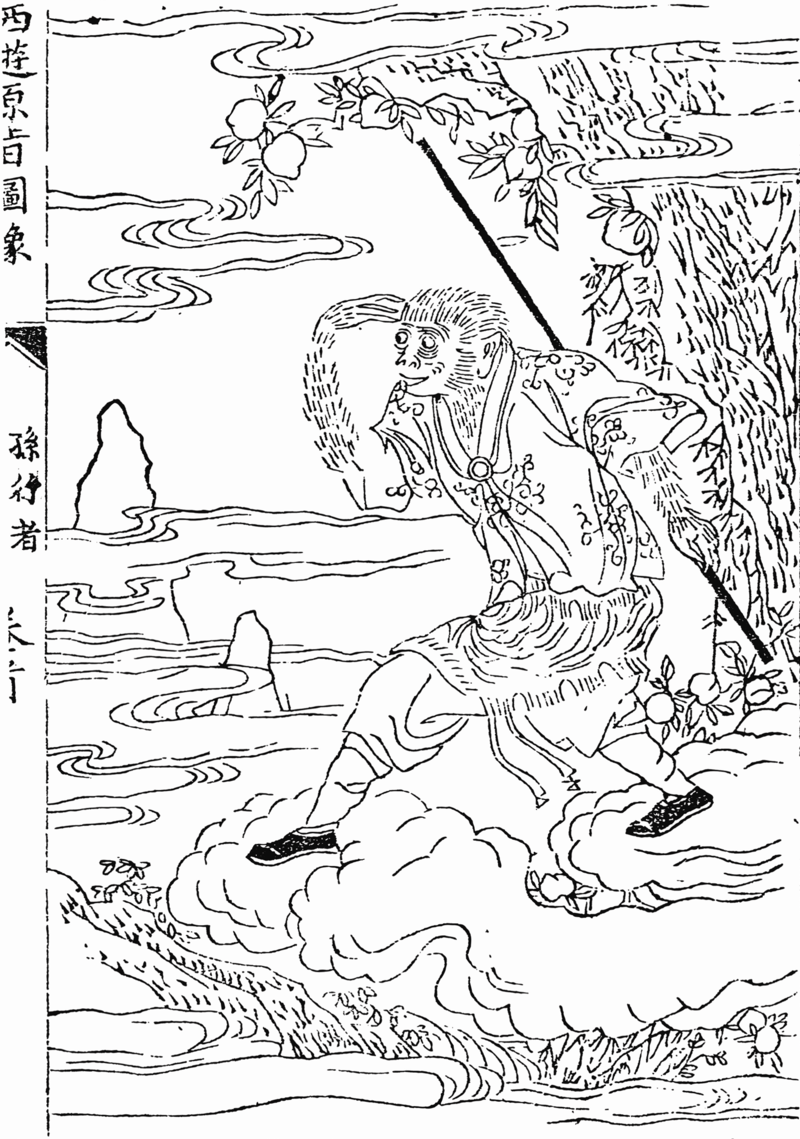
Sun Wukong
mythical character from Journey to the West

Saint Sava
first archbishop of Serbs

Seraphim of Sarov
Russian Saint and Wonderworker

Sai Baba of Shirdi
Indian saint

Pachomius the Great
Egyptian saint

Sergius of Radonezh
Russian saint (1314-1392)

Vincent Ferrer
Spanish Dominican preacher and saint (1350–1419)

Pantaleon
saint

Simon Magus
religious figure who confronted Peter
Saint Nino
Early Christian saint
Kateri Tekakwitha
17th‑century Mohawk Catholic saint, first Indigenous saint of North America (1656–1680)

Vitus
3rd or 4th-century Sicilian saint

Ibn Tumart
Amazigh religious scholar, teacher and politician

Count of St. Germain
18th-century European adventurer and intellectual

Gregory Thaumaturgus
Greek bishop and saint (c. 213 – 270)

Wamba
Visigothic king

Philomena
thumb|Saint Philomena with attributes: palm branch, whip, anchor and arrows. Plaster cast by Johann Dominik Mahlknecht in the Museum Gherdëina in [[Urtijëi, Italy]]
Philomena ( ), also known as Saint Philomena (; ) or Philomena of Rome ( 10 January 291 10 August 304) was a Greek virgin martyr whose remains were discovered on 24–25 May 1802, in the Catacomb of Priscilla. Three tiles enclosing the tomb bore an inscription, (i.e. "Peace be unto you, Philomena"), that was taken to indicate that her name (in the Latin of the inscription) was Filumena (), the English form of which is Philomena. Phil
Saint Naum
Bulgarian writer & missionary

Haji Bektash Veli
Anatolian Muslim mystic (1209–1271)

Saint Spyridon
Cypriot saint (270–348)
Giuseppe Moscati
Italian biochemist and saint (1880–1927)
Dmitry of Uglich
Russian tsarevich (1582–1591)
Apollinaris of Ravenna
Syrian bishop and saint
Severus of Antioch
Patriarch of Antioch
Santa Muerte
Mexican cult image, female deity, and folk saint
Nectarius of Aegina
Metropolitan of Pentapolis (1846–1920)
Menas of Egypt
Egyptian saint, martyr and wonder-worker, said to have lived 285-ca. 309
Paraskeva of the Balkans
ascetic saint
Theodosius the Cenobiarch
Byzantine saint
Birsa Munda
Indian tribal freedom fighter (1875–1900)
Aristeas
Aristeas () was a semi-legendary Greek poet and miracle-worker, a native of Proconnesus in Asia Minor, active ca. 7th century BC. The Suda claims that, whenever he wished, his soul could leave his body and return again. In book IV.13-16 of The Histories, Herodotus reports:
Karni Mata
Hindu folk deitie
Rose of Viterbo
saint of third order of Francis (Franciscan tertiary)
Alexander of Abonoteichus
Greek mystic and oracle (c. 105 – c. 170)
Tikhon of Zadonsk
Russian saint
Saint Procopius of Sázava
Czech abbot (end of 10th century-1053)
Saint Piran
Cornish abbot and saint
Paraskevi of Rome
Christian martyr and saint