Category
page 1Model organisms

Escherichia coli
enteric, rod shaped, gram-negative bacterium

tobacco mosaic virus
species of virus

model organism
organisms used to study biology across species
Mycoplasma genitalium
species of bacterium
lambda phage
bacteriophage
SV40
SV40 is an abbreviation for simian vacuolating virus 40 or simian virus 40, a polyomavirus that is found in both monkeys and humans. Like other polyomaviruses, SV40 is a DNA virus that is found to cause tumors in humans and animals, but most often persists as a dormant infection. SV40 has been widely studied as a model eukaryotic virus, leading to many early discoveries in eukaryotic DNA replication and transcription.
==Human disease==
The hypothesis that SV40 might cause cancer in humans was a particularly controversial area of research, fuelled by the historical contamination of some batches

Tetrahymena
Tetrahymena is a genus of free-living ciliates, examples of unicellular eukaryotes. The genus Tetrahymena is the most widely studied member of its phylum. It can produce, store and react with different types of hormones. Tetrahymena cells can recognize both related and hostile cells.
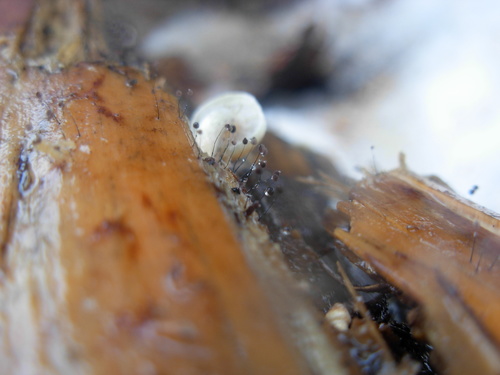
Dictyostelium discoideum
species of slime mould

Cepaea
Cepaea is a genus of large air-breathing land snails, terrestrial pulmonate gastropod molluscs in the family Helicidae. The shells are often brightly coloured and patterned with brown stripes. The two living species in this genus, C. nemoralis and C. hortensis, are widespread and common in Western and Central Europe. In North America, C. hortensis is native on the northeast coast, but both species have been introduced elsewhere, and they are also spreading further east in Europe. Both have been influential model species for ongoing studies of genetics and natural selection. Like many Helicidae

Aliivibrio fischeri
species of bacterium
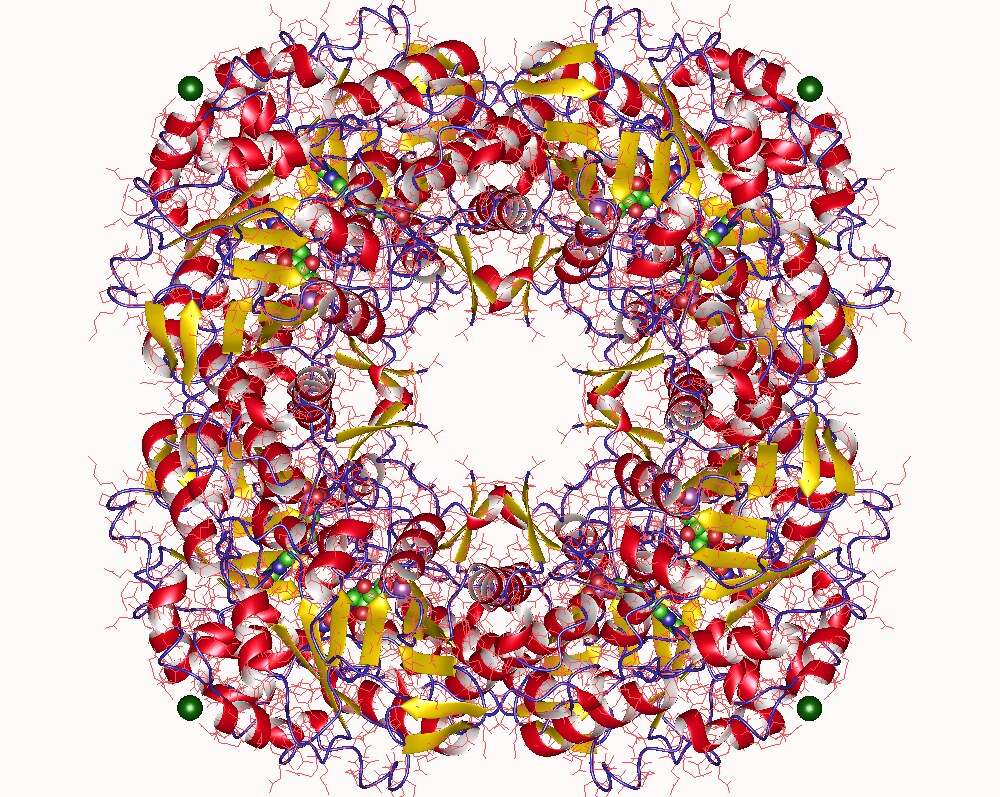
Thermus thermophilus
species of bacterium
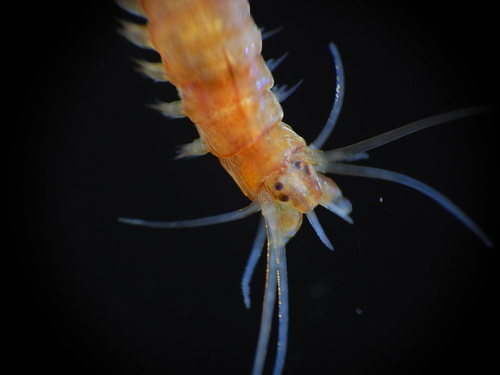
Platynereis dumerilii
species of annelid

Ormia ochracea
species of insect
Bradyrhizobium japonicum
species of bacterium
Naegleria gruberi
species of Heterolobosea
gnotobiosis
Gnotobiosis (from Greek roots gnostos "known" and bios "life") refers to an engineered state of an organism in which all forms of life (i.e., microorganisms) in or on it, including its microbiota, have been identified. The term gnotobiotic organism, or gnotobiote, can refer to a model organism that is colonized with a specific community of known microorganisms (isobiotic or defined flora animal) or that contains no microorganisms (germ-free) often for experimental purposes. The study of gnotobiosis and the generation of various types of gnotobiotic model organisms as tools for studying interac
Bacillus virus phi29
species of virus
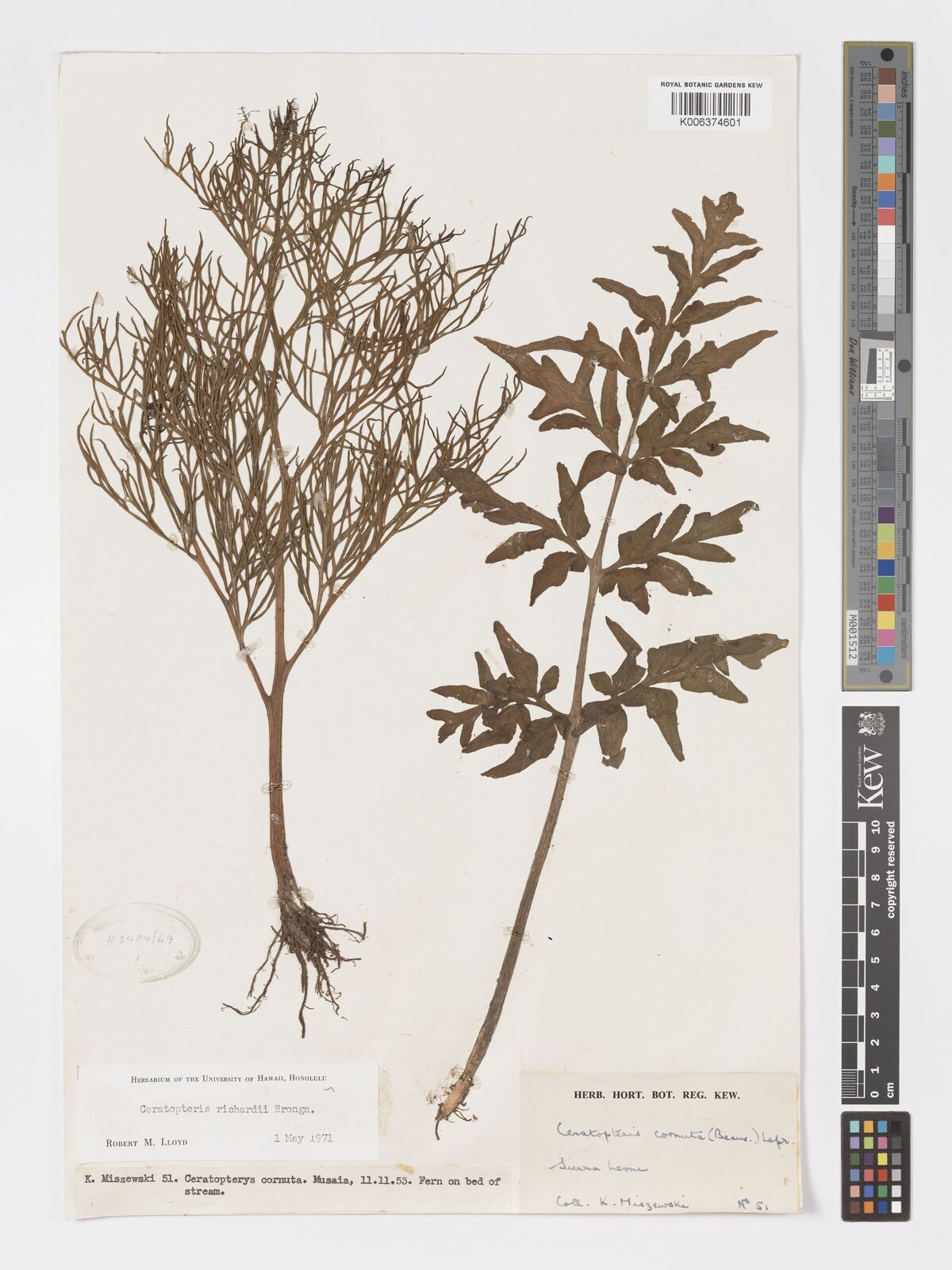
Ceratopteris richardii
species of plant
Crithidia fasciculata
species of Kinetoplastea
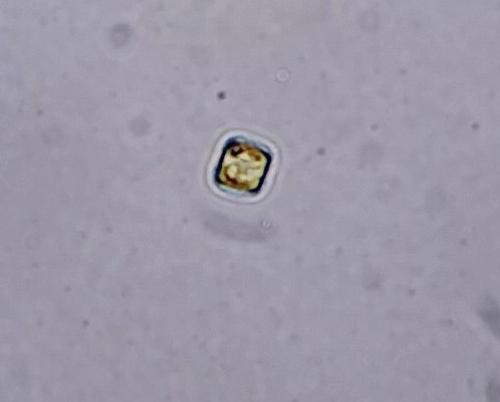
Thalassiosira pseudonana
species of alga

Podospora anserina
species of fungus