Category
page 1Namco arcade games
.png)
Pac-Man
Pac-Man, originally titled in Japan, is a 1980 maze video game developed and published by Namco for arcades. It was released in Japan on May 22, 1980 and by Midway Manufacturing in North America in August 1980. The player controls Pac-Man, who must eat all the dots inside an enclosed maze while avoiding four colored ghosts. Eating large flashing dots called "Power Pellets" causes the ghosts to temporarily turn blue and vulnerable, allowing Pac-Man to eat the ghosts for bonus points.

Tekken 3
1997 fighting video game

Galaga
is a 1981 fixed shooter video game developed and published by Namco for Japanese and European arcades; it was distributed by Midway Manufacturing in North America. It is the sequel to 1979's Galaxian, and the second game in the Galaxian series. Controlling a starship, the player is tasked with destroying the Galaga forces in each stage while avoiding enemies and projectiles. Some enemies can capture a player's ship via a tractor beam, which can be rescued by another ship to give the player a "dual fighter" with additional firepower.
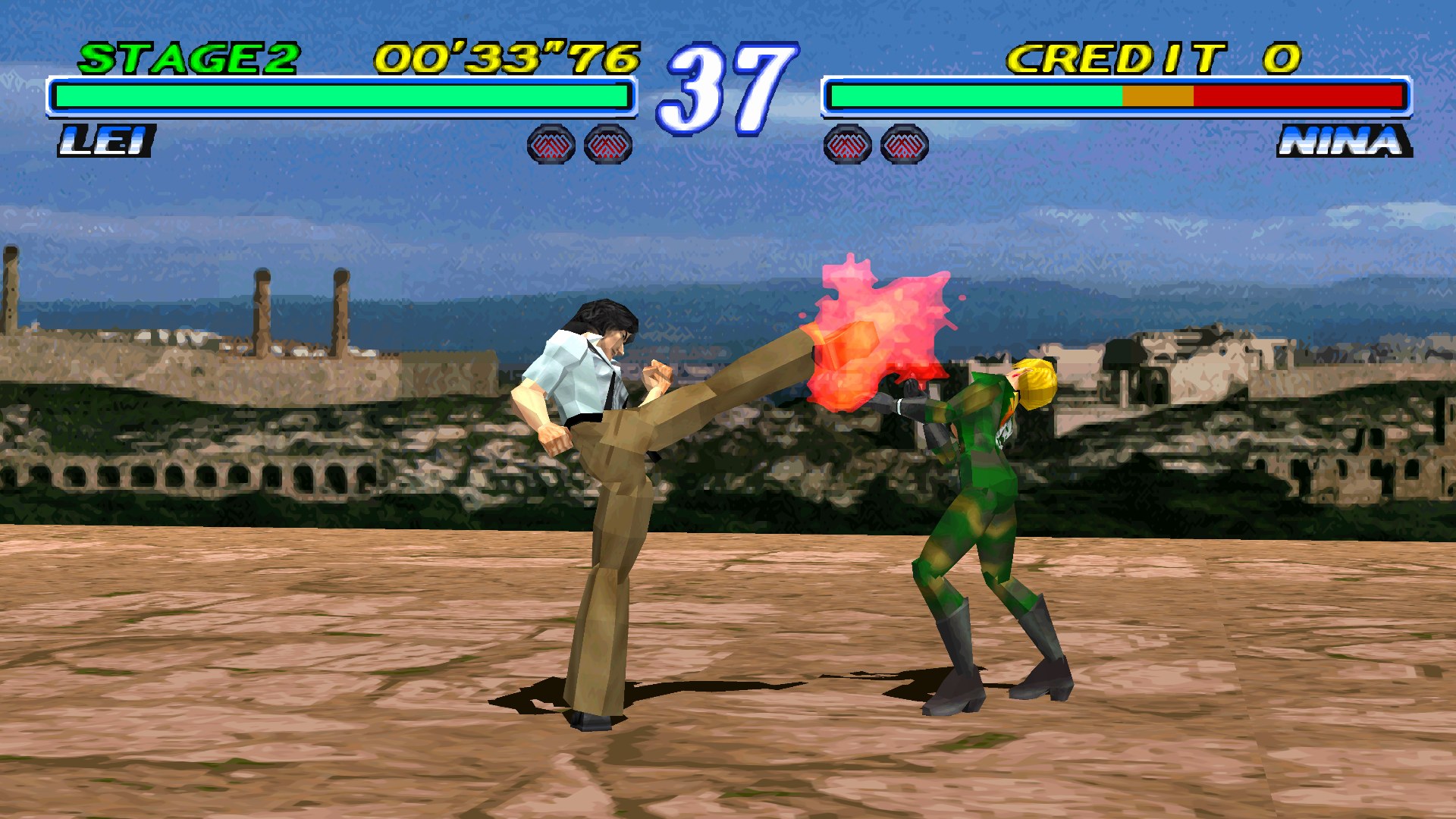
Tekken 2
1995 fighting video game

Galaxian
is a 1979 fixed shooter video game developed and published by Namco for arcades. The player assumes control of the Galaxip starfighter in its mission to protect Earth from waves of aliens. Gameplay involves destroying each formation of aliens, who dive down towards the player in an attempt to hit them.
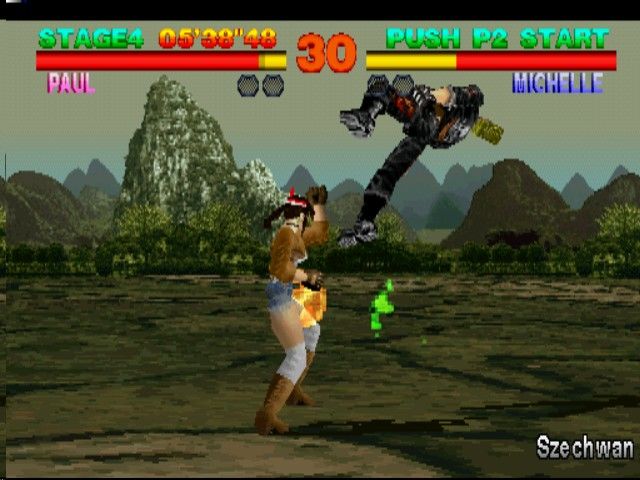
Tekken
1994 video game
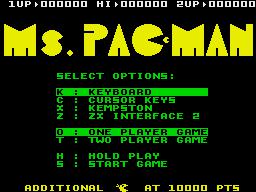
Ms. Pac-Man
1982 video game
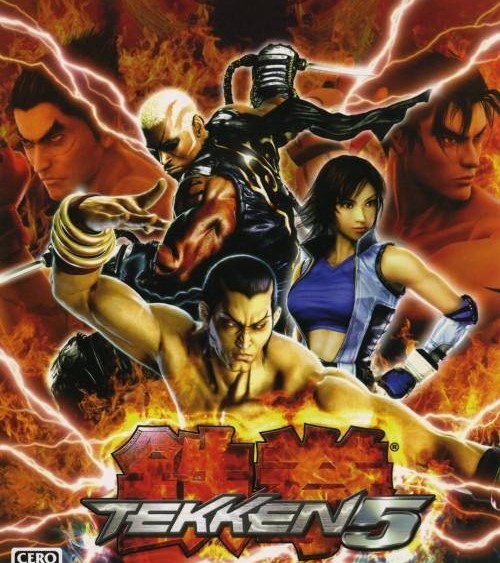
Tekken 5
2004 video game
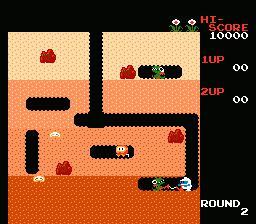
Dig Dug
1982 arcade game created by Namco
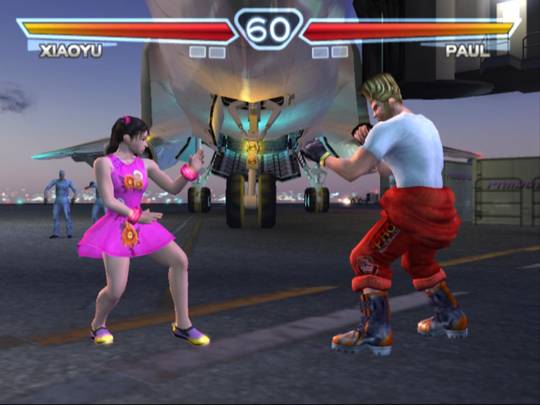
Tekken 4
2001 video game
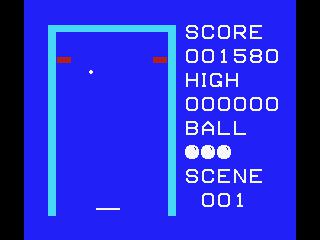
Breakout
1976 Atari arcade game
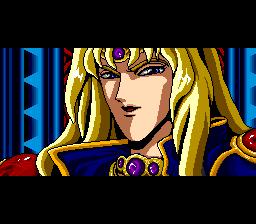
Zero Wing
1989 side-scrolling shoot 'em up arcade game
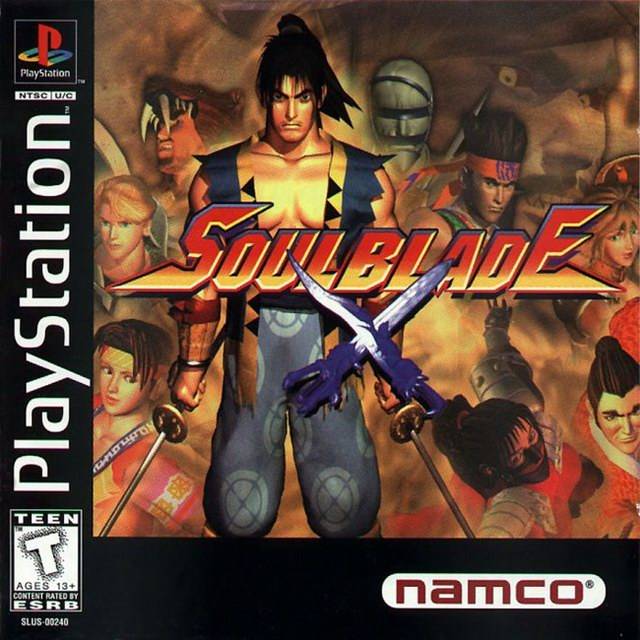
Soul Edge
1995 video game

Xevious
is a 1983 vertically scrolling shooter video game developed and published by Namco for arcades. It was released in Japan and in North America by Atari, Inc. in February 1983. Controlling the Solvalou starship, the player attacks Xevious forces before they destroy all of mankind. The Solvalou has two weapons at its disposal: a zapper to destroy flying craft, and a blaster to bomb ground installations and enemies. It runs on the Namco Galaga arcade system.
Pole Position
1982 Formula 1 racing video game
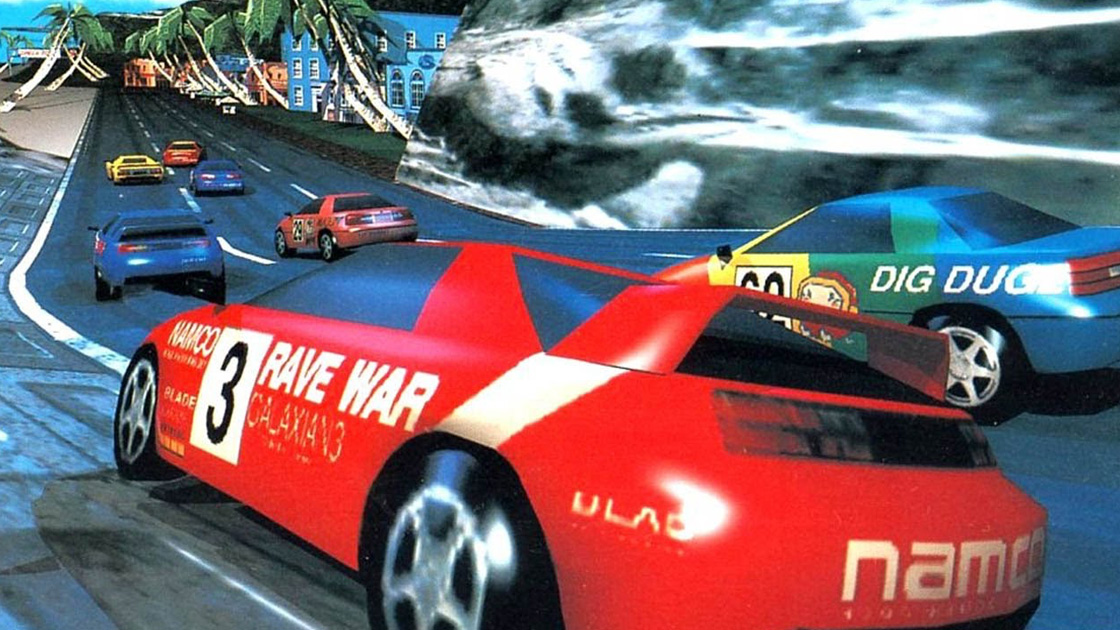
Ridge Racer
1993 racing video game

Mappy
is a 1983 platform video game developed and published by Namco for arcades. It was released in Japan in March 1983 and in North America by Bally Midway in April 1983. It runs on Namco's Super Pac-Man hardware modified to support horizontal scrolling. The name "Mappy" is likely derived from , a slightly pejorative Japanese slang term for policeman. The game has been re-released in several Namco arcade compilations. It spawned a handful of sequels and a 2013 animated web series developed by cartoonists Scott Kurtz and Kris Straub.

Pac-Land
is a 1984 platform game developed and published by Namco for arcades. It was released in North America by Bally Midway, and in Europe by Atari Games. Controlling Pac-Man, the player must make it to the end of each stage to return a lost fairy back to its home in Fairyland. Pac-Man will need to avoid obstacles, such as falling logs and water-spewing fire hydrants, alongside his enemies, the Ghost Gang. Eating large flashing Power Pellets will cause the ghosts to turn blue, allowing Pac-Man to eat them for points.

Rally-X
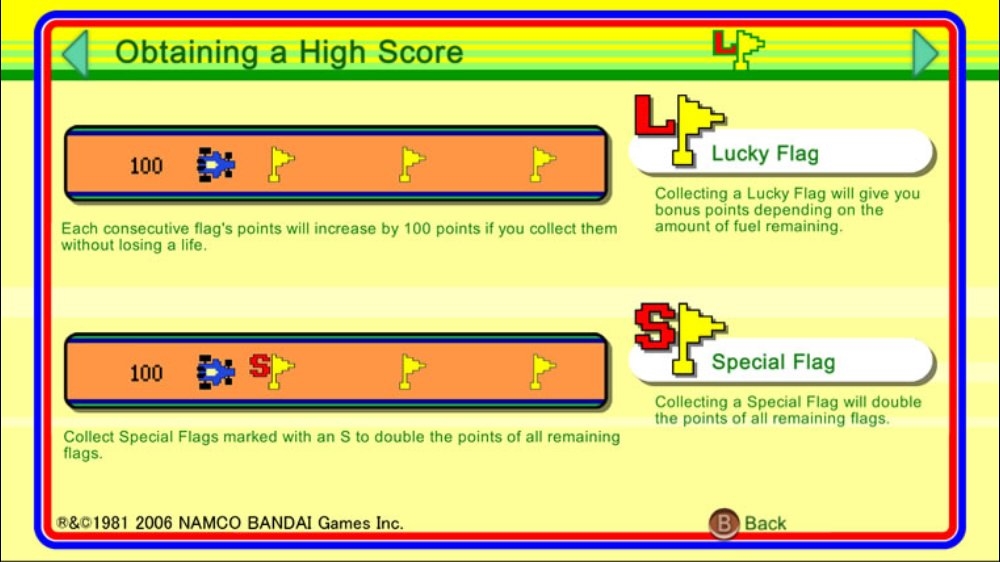
is a 1980 maze video game developed and published by Namco for arcades. It was released on October 3, 1980 in Japan, by Midway Manufacturing in North America in February 1981 and by Karateco in Europe in 1981. Players drive a blue Formula One race car through a multidirectional scrolling maze to collect yellow flags. Boulders block some paths and must be avoided. Red enemy cars pursue the player in an attempt to collide with them. Red cars can be temporarily stunned by laying down smoke screens at the cost of fuel. Rally-X is one of the first games with bonus stages and continuously playing ba
Super Pac-Man
1982 video game
Space Race
1973 arcade video game by Atari
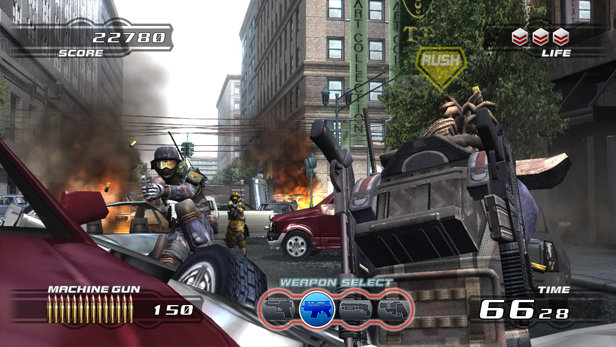
Time Crisis 4
2006 video game
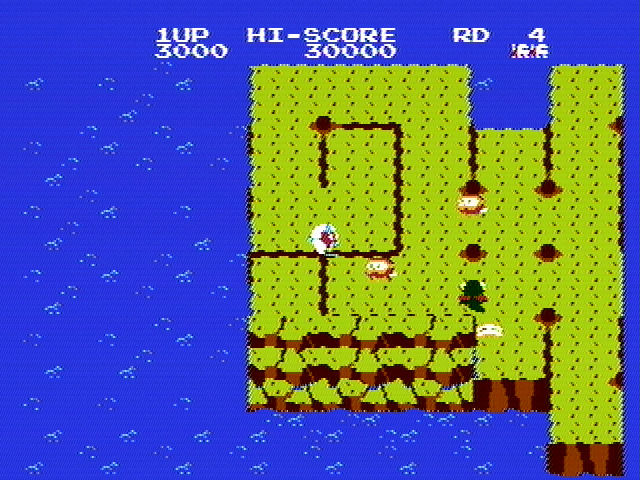
Dig Dug II
1985 video game

The Idolmaster
2005 simulation arcade video game
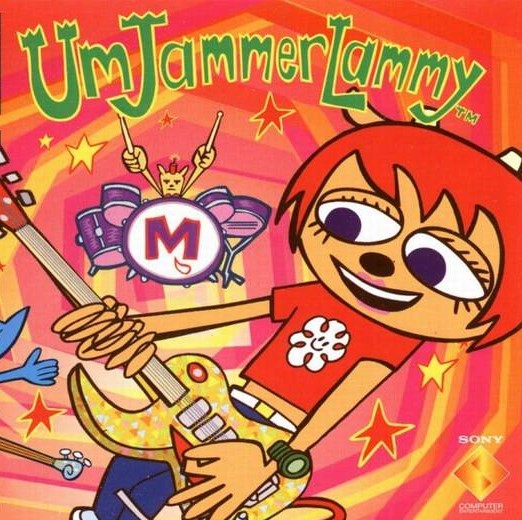
Um Jammer Lammy
1999 video game

Tank
1974 two-player arcade game
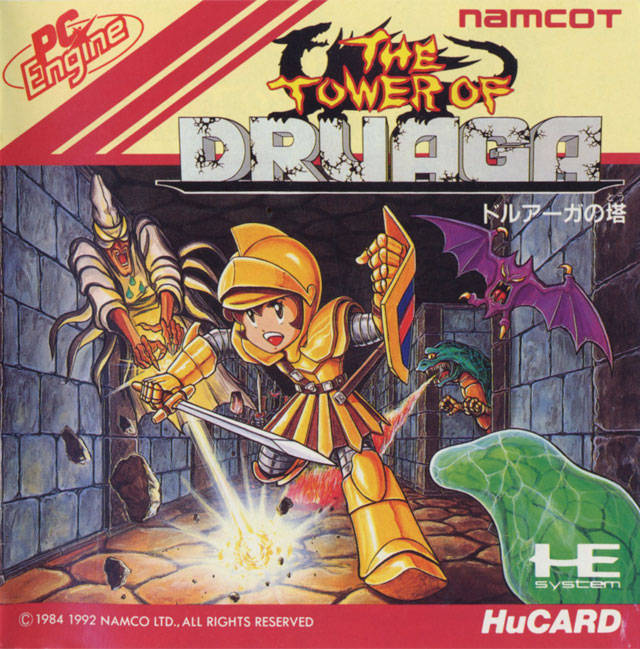
The Tower of Druaga
1984 video game
Gee Bee
1978 video game

Ridge Racer 2
1994 video game

Ridge Racer V
2000 video game

Gran Trak 10
1974 arcade game
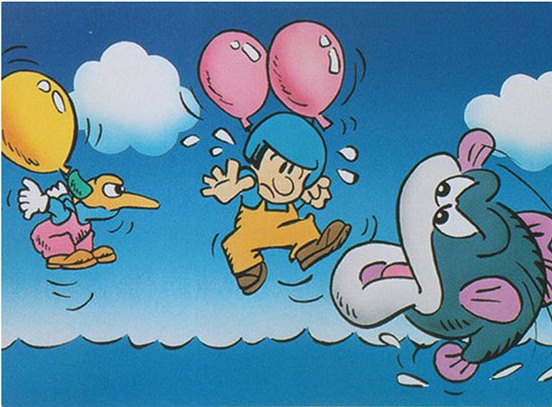
King & Balloon
1980 video game

Air Buster
1990 video game
Rampart
1990 video game
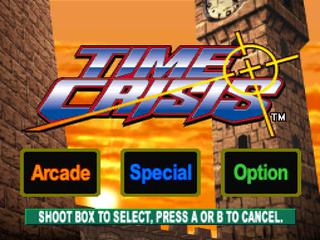
Time Crisis
1995 video game

Yokai Dochuki
arcade game by Namco
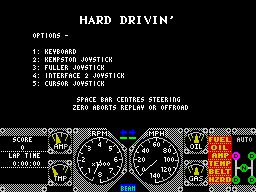
Hard Drivin'
1990 video game

Gotcha
1973 video game

Pac-Mania
is a 1987 maze video game developed and published by Namco for Japanese arcades; it was licensed to Atari Games for release in North America. In the game, the player controls Pac-Man as he must eat all of the dots while avoiding the colored ghosts that chase him in the maze. Eating large flashing "Power Pellets" will allow Pac-Man to eat the ghosts for bonus points, which lasts for a short period of time. A new feature to this game allows Pac-Man to jump over the ghosts to evade capture. It is the ninth title in the Pac-Man video game series and was the last one developed for arcades up until
.png)
Gaplus
is a 1984 fixed shooter video game developed and published by Namco for arcades. It was released in North America by Bally Midway. It is the third game in the Galaxian series, serving as a direct sequel to Galaga (1981). In North America, a modification kit was later released to change the name to Galaga 3, possibly to reflect its position in the series. It was the only game other than Phozon to run on the Namco Phozon hardware. A contemporary home port for the Commodore 64 was released in 1988. A demake version of the game (in the style of Nintendo Entertainment System games) was included in
Rave Racer
1995 video game
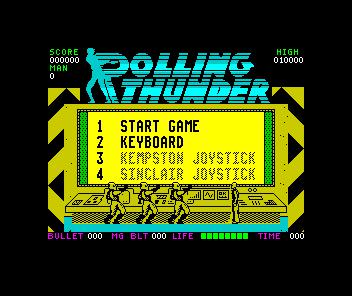
Rolling Thunder
1986 video game
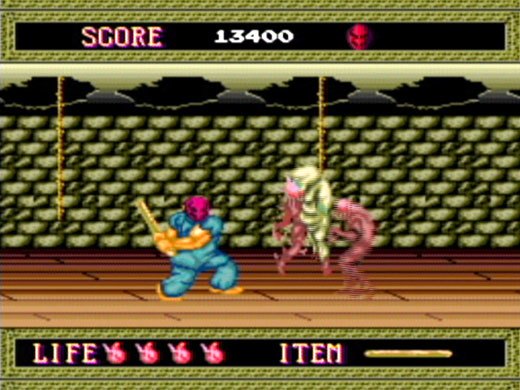
Splatterhouse
is a 1988 beat 'em up video game developed and published by Namco for Japanese arcades. It was the first in a series of games released in home console and personal computer formats. This game would later spawn the parody Splatterhouse: Wanpaku Graffiti, the sequels Splatterhouse 2, Splatterhouse 3, and the 2010 remake Splatterhouse, with the classic games being added to Namco Museum since 2017.
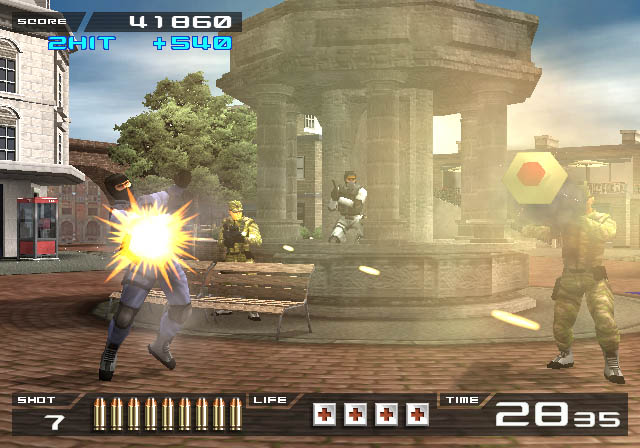
Time Crisis II
2001 video game
Pole Position II
1983 video game
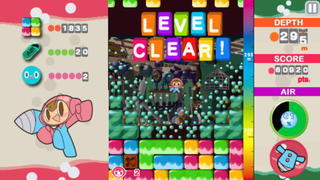
Mr. Driller
2000 video game

Baraduke
renamed Alien Sector in some regions, is a run and gun video game released for arcades by Namco in 1985. A home version was published for the X68000 in 1995.
Time Crisis 3
2003 video game
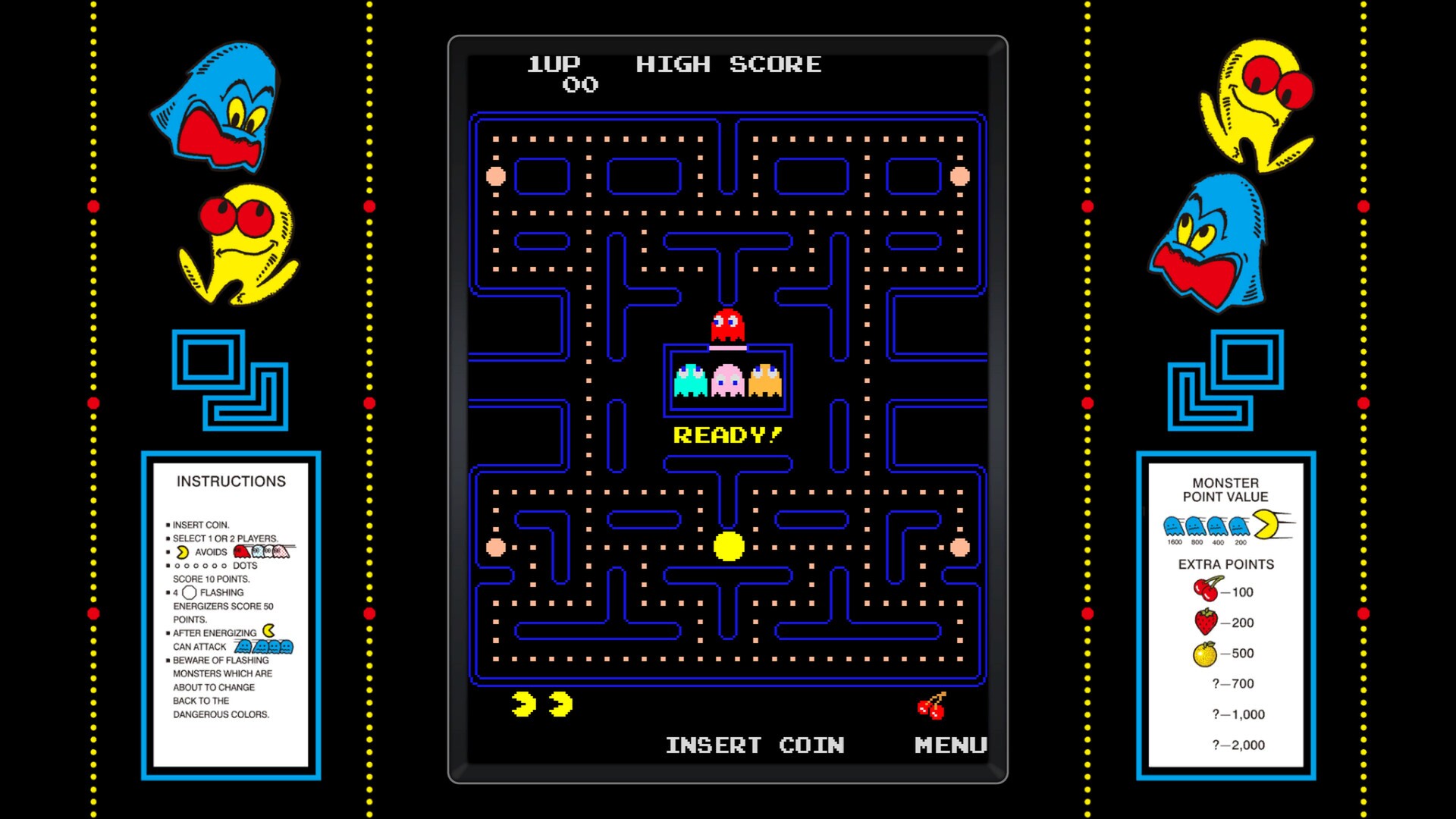
Pac & Pal
1983 video game
New Rally-X
1981 video game
Galaxian3: Project Dragoon
1990 video game
Night Driver
1976 arcade video game by Ted Michon
Galaga '88
1987 video game
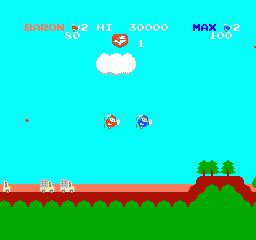
Sky Kid
1985 arcade video game

Grobda
is a 1984 multidirectional shooter video game developed and published by Namco for Japanese arcades. It is a spin-off from Xevious, as the player's tank first appeared in that game as an enemy. It runs on Namco Super Pac-Man hardware but with a video system like that used in Mappy and The Tower of Druaga, and it also uses a DAC for the "Get Ready" speech sample at the start of each round.

Hopping Mappy
1985 video game
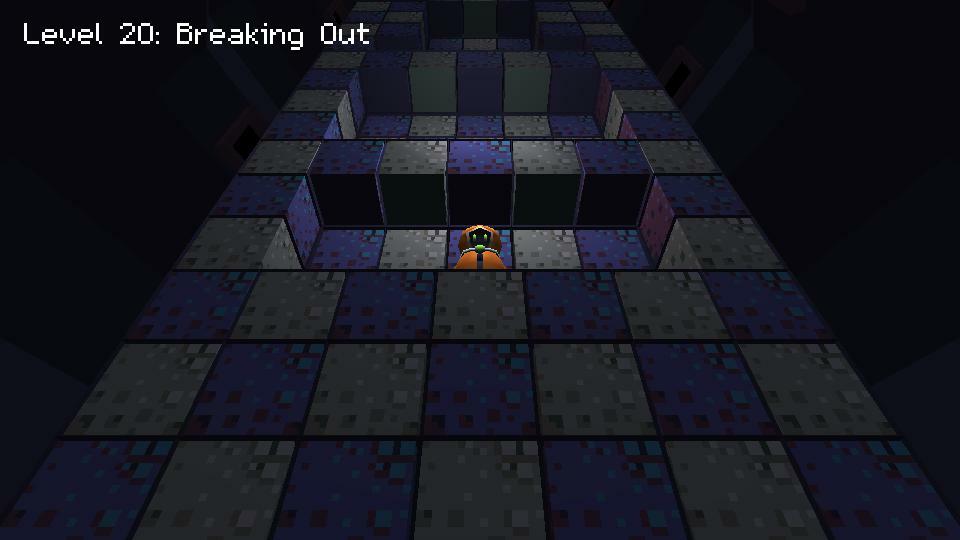
Mystery Tower
1986 video game
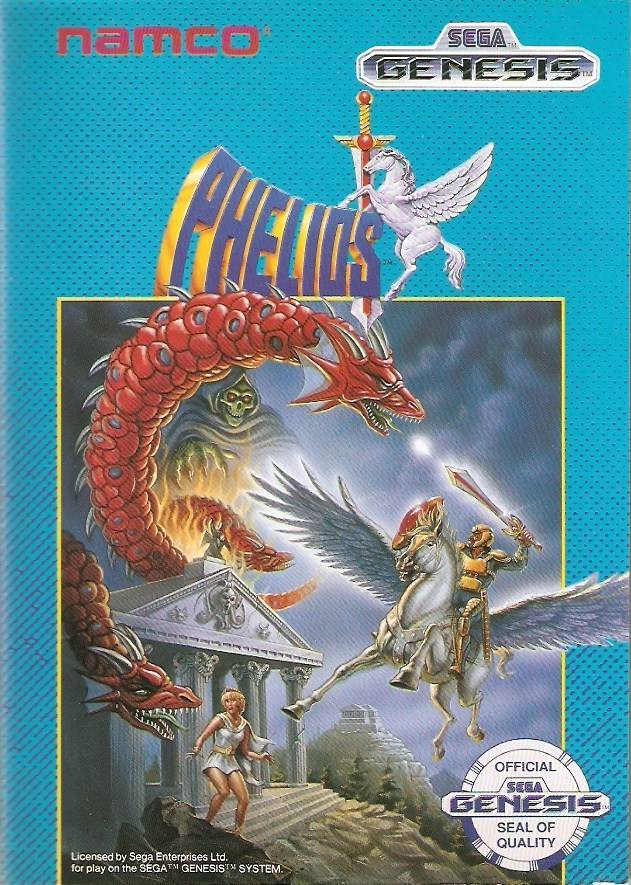
Phelios
is a 1989 arcade scrolling shooter video game developed and published by Namco exclusively in Japan. Loosely based on elements from Greek mythology, it follows the sun god Apollo, mounted atop the winged horse Pegasus, fighting through various locales as they attempt to rescue the moon goddess Artemis from the titan Typhon. The gameplay is based around a series of vertically scrolling levels, which are split up into sections and contain enemies and bosses that must be dealt with in order to progress. Additionally, players can charge up their shots in order to deal more damage to foes.
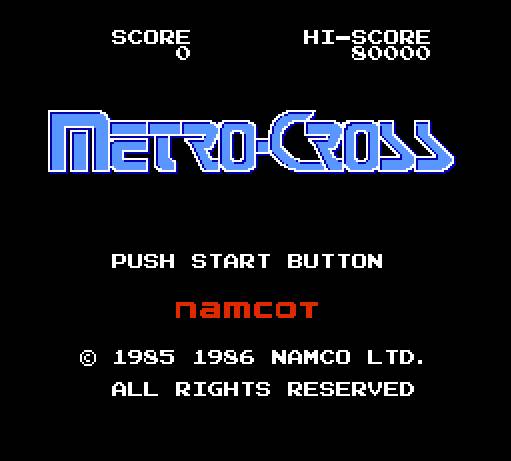
Metro-Cross
is a 1985 platform video game developed and published by Namco for arcades. It was released in Japan in May 1985 and in North America by Kitkorp in November 1985. It was later ported to the Amstrad CPC, Atari ST, Commodore 64, Family Computer, and ZX Spectrum.
Crisis Zone
2004 video game