Category
page 1Natalist politicians

Adolf Hitler
Adolf Hitler was an Austrian-born German politician who was the dictator of Germany during the Nazi era from 1933 until his suicide in 1945. He rose to power as the leader of the Nazi Party, becoming the chancellor of Germany in 1933 and then taking the title of Führer und Reichskanzler in 1934. Germany's invasion of Poland on 1 September 1939 under his leadership marked the outbreak of the Second World War. Throughout the ensuing conflict, Hitler was closely involved in the direction of German military operations and was central to the perpetration of the Holocaust, the genocide of about six million Jews and millions of other victims.

Joseph Stalin
Joseph Vissarionovich Stalin was a Soviet revolutionary and politician who led the Soviet Union from 1924 until his death in 1953. He held office as general secretary of the Communist Party from 1922 to 1952 and as premier from 1941 until his death. Despite initially governing the country as part of a collective leadership, he eventually consolidated power to become a dictator by the 1930s. Stalin codified the Communist Party's official interpretation of Marxism as Marxism–Leninism, and his version of it is referred to as Stalinism.

Augustus
Augustus (born Gaius Octavius; 23 September 63 BC – 19 August AD 14), also known as Octavian (), was the founder of the Roman Empire and the first Roman emperor from 27 BC until his death in AD 14. The reign of Augustus initiated an imperial cult and an era of imperial peace (the or ) in which the Roman world was largely free of armed conflict. The principate, a style of government where the emperor showed nominal deference to the Senate, was established during his reign and lasted until the Crisis of the Third Century.

Mao Zedong
1st chairman of the Chinese Communist Party and founder of the People's Republic of China (1893–1976)

Benito Mussolini
Benito Amilcare Andrea Mussolini was an Italian politician, journalist, and dictator who led Italy as Il Duce from 1922 until his overthrow in 1943. He founded the fascist movement in 1919, with the creation of the Fasci Italiani di Combattimento, which became the National Fascist Party (PNF) in 1921. Mussolini was appointed Prime Minister of Italy after the March on Rome in 1922, establishing a totalitarian dictatorship. He oversaw Italy's participation in World War II as a prominent member of the Axis Powers, and was summarily executed near the end of the war in 1945.

Xi Jinping
Xi Jinping is a Chinese statesman and politician who has served as the general secretary of the Chinese Communist Party (CCP) and chairman of the Party Central Military Commission (CMC) since 2012, and the president of China and chairman of the State Central Military Commission since 2013. Xi has been the leader of the fifth generation of Chinese leadership since 2012.
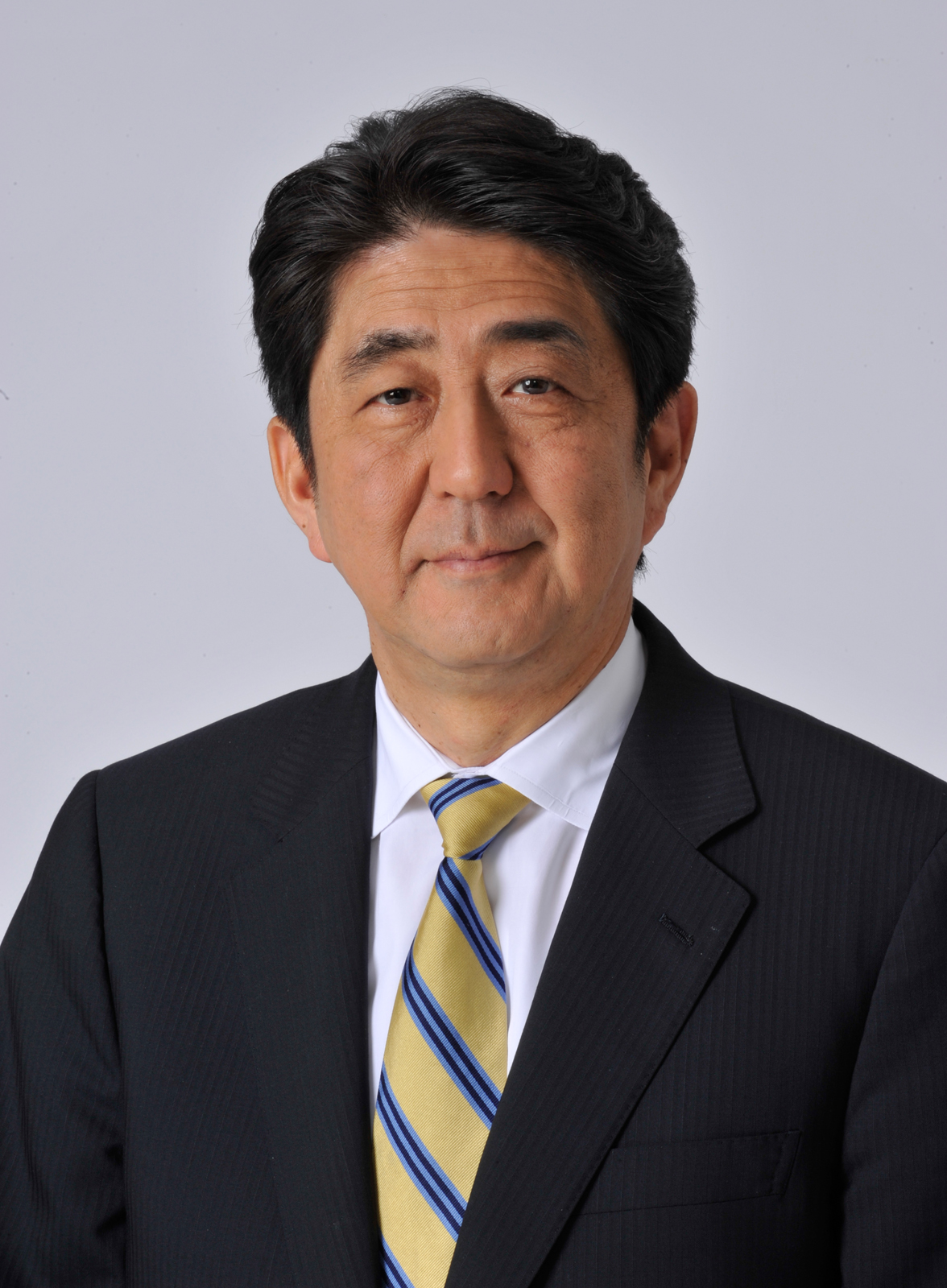
Shinzo Abe
Shinzo Abe was a Japanese statesman and politician who served as Prime Minister of Japan and President of the Liberal Democratic Party (LDP) from 2006 to 2007 and again from 2012 to 2020. He was the longest-serving prime minister in Japanese history, serving for nearly nine years.

Sun Yat-sen
Chinese politician, physician, and revolutionary (1866–1925)
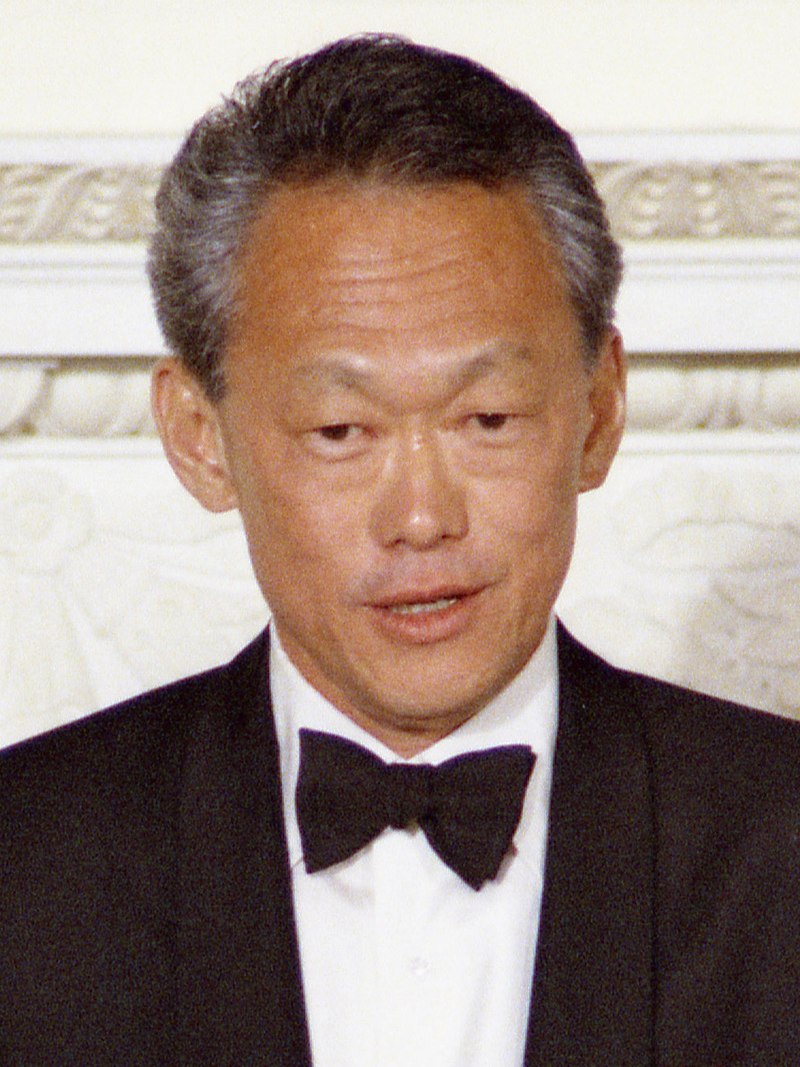
Lee Kuan Yew
1st Prime Minister of the Republic of Singapore (1923–2015)

Nicolae Ceaușescu
dictator of Romania from 1965 to 1989

Viktor Orbán
Viktor Mihály Orbán is a Hungarian lawyer and politician who has served as the prime minister of Hungary since 2010, having previously held the office from 1998 to 2002. He has also been the president of Fidesz, a Christian nationalist and far-right political party, since 2003, and previously from 1993 to 2000.

JD Vance
James David Vance is an American politician and author serving as the 50th vice president of the United States. A member of the Republican Party, he represented Ohio in the United States Senate from 2023 to 2025.

Enver Hoxha
former First Secretary of the Party of Labour of Albania, Prime Minister of Albania
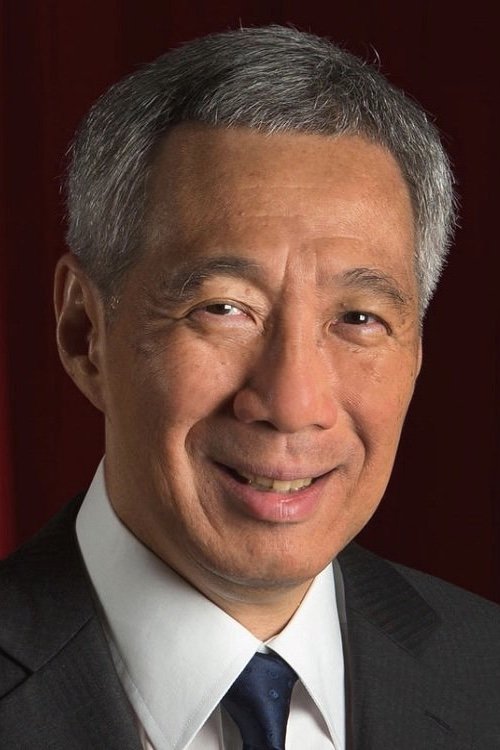
Lee Hsien Loong
3rd Prime Minister of Singapore from 2004 to 2024
%20th%C3%A9odosienne%20de%20la%20villa%20romaine%20de%20Chiragan%20-%20Mus%C3%A9e%20Saint-Raymond%20Ra%2082.jpg)
Majorian
Majorian (; 7 August 461) was Western Roman emperor from 457 to 461. A prominent commander in the Western military, Majorian deposed Avitus in 457 with the aid of his ally Ricimer at the Battle of Placentia. Possessing little more than Italy and Dalmatia, as well as some territory in Hispania and northern Gaul, Majorian campaigned vigorously for three years against the Empire's enemies. In 461, he was murdered at Dertona in a conspiracy, and his successors until the fall of the Empire in 476 were puppets either of barbarian generals or the Eastern Roman court.

Björn Höcke
German right-wing extremist politician
Evgeny Fyodorov
Russian politician
Jules-Louis Breton
French politician (1872–1940)
Gearóid Ó Cuinneagáin
Northern Irish politician (1910-1991)