Category
page 1NEC PC-8001 games
.png)
Pac-Man
Pac-Man, originally titled in Japan, is a 1980 maze video game developed and published by Namco for arcades. It was released in Japan on May 22, 1980 and by Midway Manufacturing in North America in August 1980. The player controls Pac-Man, who must eat all the dots inside an enclosed maze while avoiding four colored ghosts. Eating large flashing dots called "Power Pellets" causes the ghosts to temporarily turn blue and vulnerable, allowing Pac-Man to eat the ghosts for bonus points.
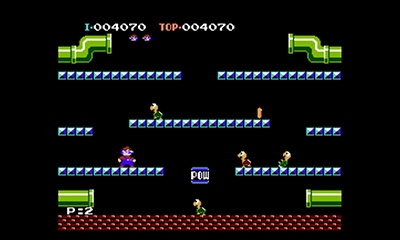
Mario Bros.
1983 arcade game

Sokoban
is a puzzle video game created in 1981 by Hiroyuki Imabayashi. In Sokoban, the player pushes boxes in a warehouse to get them onto storage locations. The game is viewed from a top-down perspective. Boxes can only be pushed, never pulled, and only one box can be pushed at a time. The principal challenge is planning moves correctly to avoid causing a deadlock, a situation where a box or the player becomes permanently trapped, making the puzzle unsolvable.

Galaxian
is a 1979 fixed shooter video game developed and published by Namco for arcades. The player assumes control of the Galaxip starfighter in its mission to protect Earth from waves of aliens. Gameplay involves destroying each formation of aliens, who dive down towards the player in an attempt to hit them.
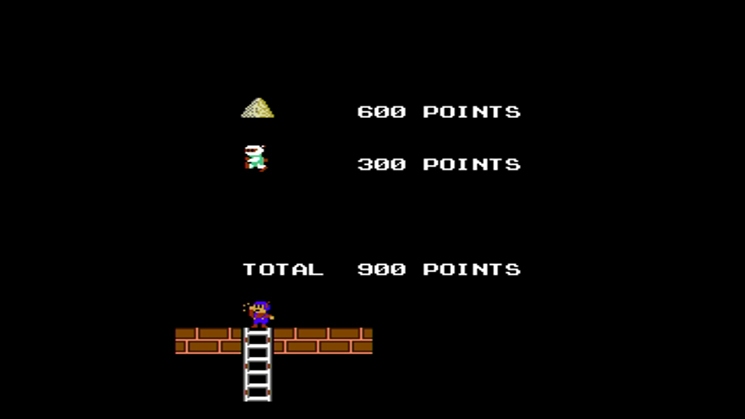
Lode Runner
1983 video game

Mystery House
1980 video game

Qix
( ) is a 1981 puzzle video game developed and published by Taito for arcades. Designed by husband and wife team Randy and Sandy Pfeiffer, Qix is one of a handful of games made by Taito's American division (another is Zoo Keeper). At the start of each level, the playing field is a large, empty rectangle, containing the Qix, an abstract stick-like entity that performs graceful but unpredictable motions within the confines of the rectangle. The objective is to draw lines that close off parts of the rectangle to fill in a set amount of the playfield.
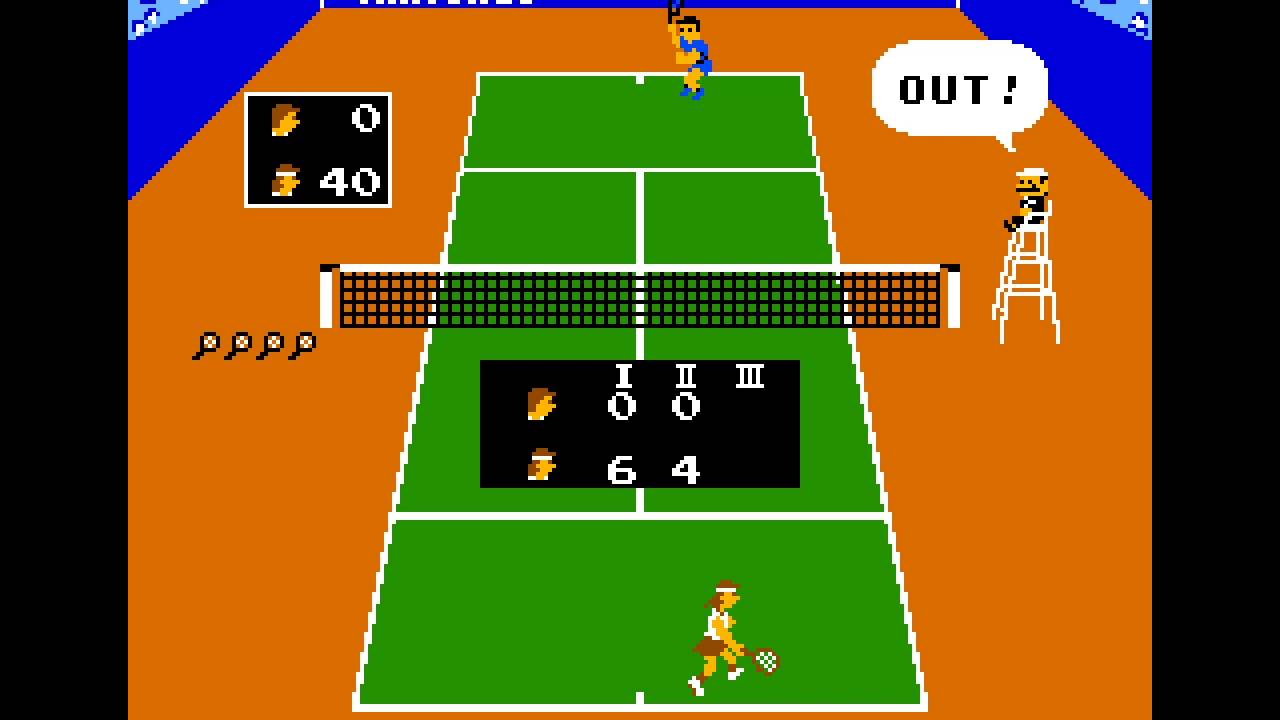
Tennis
1984 sports video game
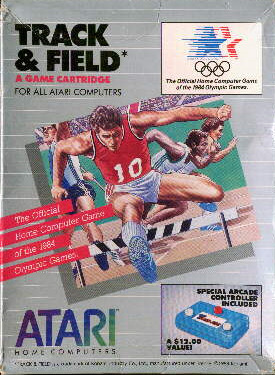
Track & Field
1983 arcade video game

Mappy
is a 1983 platform video game developed and published by Namco for arcades. It was released in Japan in March 1983 and in North America by Bally Midway in April 1983. It runs on Namco's Super Pac-Man hardware modified to support horizontal scrolling. The name "Mappy" is likely derived from , a slightly pejorative Japanese slang term for policeman. The game has been re-released in several Namco arcade compilations. It spawned a handful of sequels and a 2013 animated web series developed by cartoonists Scott Kurtz and Kris Straub.

Pac-Land
is a 1984 platform game developed and published by Namco for arcades. It was released in North America by Bally Midway, and in Europe by Atari Games. Controlling Pac-Man, the player must make it to the end of each stage to return a lost fairy back to its home in Fairyland. Pac-Man will need to avoid obstacles, such as falling logs and water-spewing fire hydrants, alongside his enemies, the Ghost Gang. Eating large flashing Power Pellets will cause the ghosts to turn blue, allowing Pac-Man to eat them for points.

Flicky
is a platform game developed by Sega and released as an arcade video game in May 1984. It was licensed to Bally Midway for distribution in the United States. In Flicky, the player controls the eponymous blue bird and must gather all the small birds called Chirps in each round and bring them safely to the exit. There are cat and lizard enemies which can disperse the Chirps and kill the player, but Flicky can use items on the playing field to protect herself and the Chirps from danger.
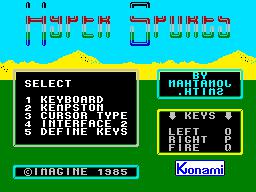
Hyper Sports
1984 video game
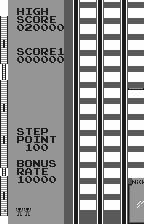
Crazy Climber
1980 video game
Flappy
is a puzzle video game by dB-Soft in the same vein as the Eggerland series and Sokoban that is obscure outside Japan. It stars Flappy, a somewhat mole-like character who must complete each level by pushing a blue stone from its starting place to the blue tile destination.
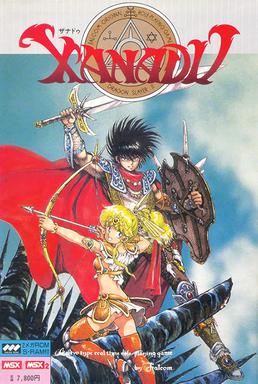
Xanadu
1985 video game
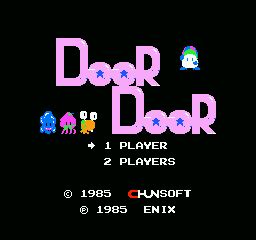
Door Door
1983 video game
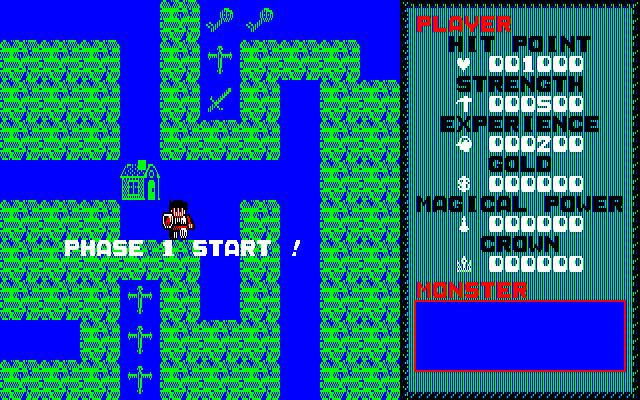
Dragon Slayer
1985 video game

Grobda
is a 1984 multidirectional shooter video game developed and published by Namco for Japanese arcades. It is a spin-off from Xevious, as the player's tank first appeared in that game as an enemy. It runs on Namco Super Pac-Man hardware but with a video system like that used in Mappy and The Tower of Druaga, and it also uses a DAC for the "Get Ready" speech sample at the start of each round.
Moon Cresta
1980 video game
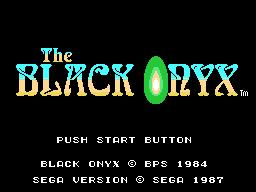
The Black Onyx
1984 video game
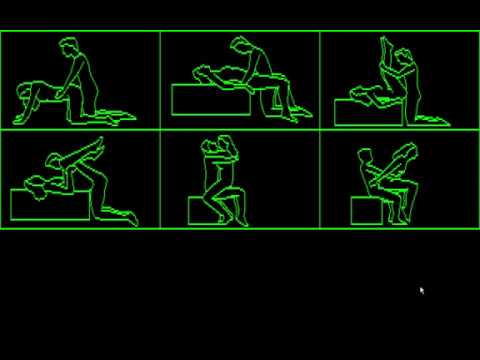
Night Life
1982 erotic simulation game by Kōei

The Portopia Serial Murder Case
1985 video game
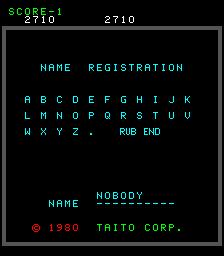
Crazy Balloon
1980 video game