Category
page 1NEC PC-9801 games

Tetris
Tetris () is a puzzle video game created by Alexey Pajitnov, a Soviet software engineer, in the mid-1980s. In Tetris, falling pieces consisting of four connected blocks, known as tetrominoes, must be sorted into a pile. Once a horizontal line of the playfield is filled with blocks, the line disappears, granting points and preventing the pile from reaching the top. This gameplay has been used in approximately 220 versions across at least 70 platforms. Newer versions frequently add game mechanics, some of which have become standard. , Tetris is the second-best-selling video game series, with ove
.png)
Pac-Man
Pac-Man, originally titled in Japan, is a 1980 maze video game developed and published by Namco for arcades. It was released in Japan on May 22, 1980 and by Midway Manufacturing in North America in August 1980. The player controls Pac-Man, who must eat all the dots inside an enclosed maze while avoiding four colored ghosts. Eating large flashing dots called "Power Pellets" causes the ghosts to temporarily turn blue and vulnerable, allowing Pac-Man to eat the ghosts for bonus points.
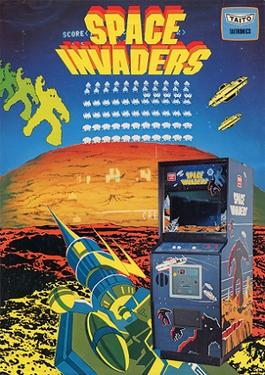
Space Invaders
1978 fixed shooter video game
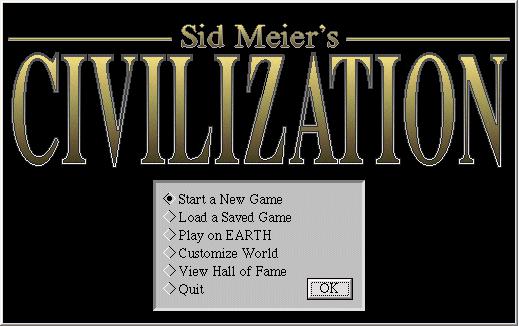
Civilization
1991 strategy video game

Touhou Project
doujin computer game series created by Team Shanghai Alice
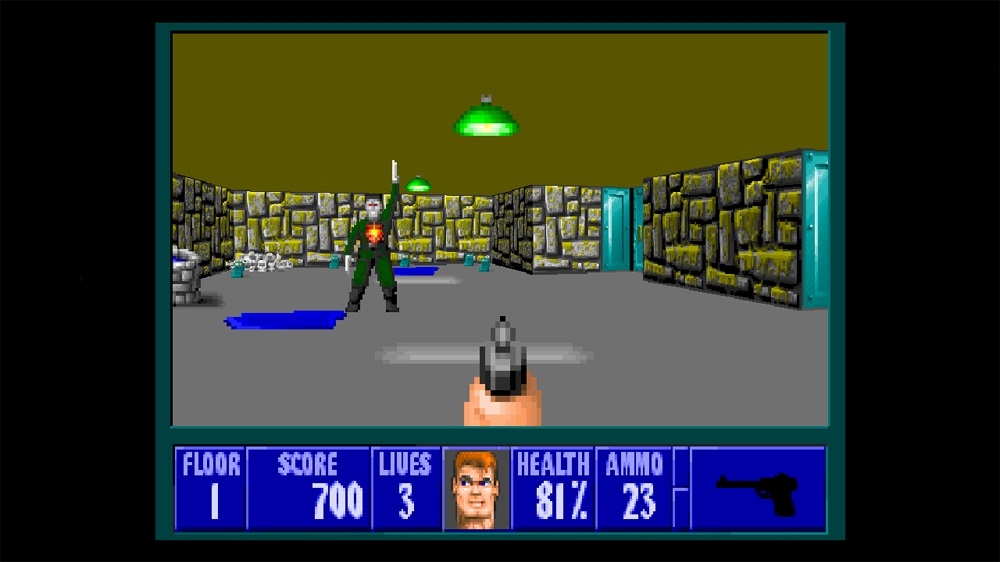
Wolfenstein 3D
1992 first-person shooter video game
Prince of Persia
1989 video game

Sokoban
is a puzzle video game created in 1981 by Hiroyuki Imabayashi. In Sokoban, the player pushes boxes in a warehouse to get them onto storage locations. The game is viewed from a top-down perspective. Boxes can only be pushed, never pulled, and only one box can be pushed at a time. The principal challenge is planning moves correctly to avoid causing a deadlock, a situation where a box or the player becomes permanently trapped, making the puzzle unsolvable.
SimCity
1989 video game
SimCity 2000
1993 city-building simulation video game and the second installment in the SimCity series

Arkanoid
is a 1986 block breaker video game developed and published by Taito for Japanese arcades; in North America, it was published by Romstar. Controlling a paddle-like craft known as the Vaus, the player is tasked with clearing a formation of colorful blocks by deflecting a ball towards it without letting the ball leave the bottom edge of the playfield. Some blocks contain power-ups that have various effects, such as increasing the length of the Vaus, creating several additional balls, or equipping the Vaus with cannons. Other blocks may be indestructible or require multiple hits to break.
Lemmings
1991 puzzle-platformer video game
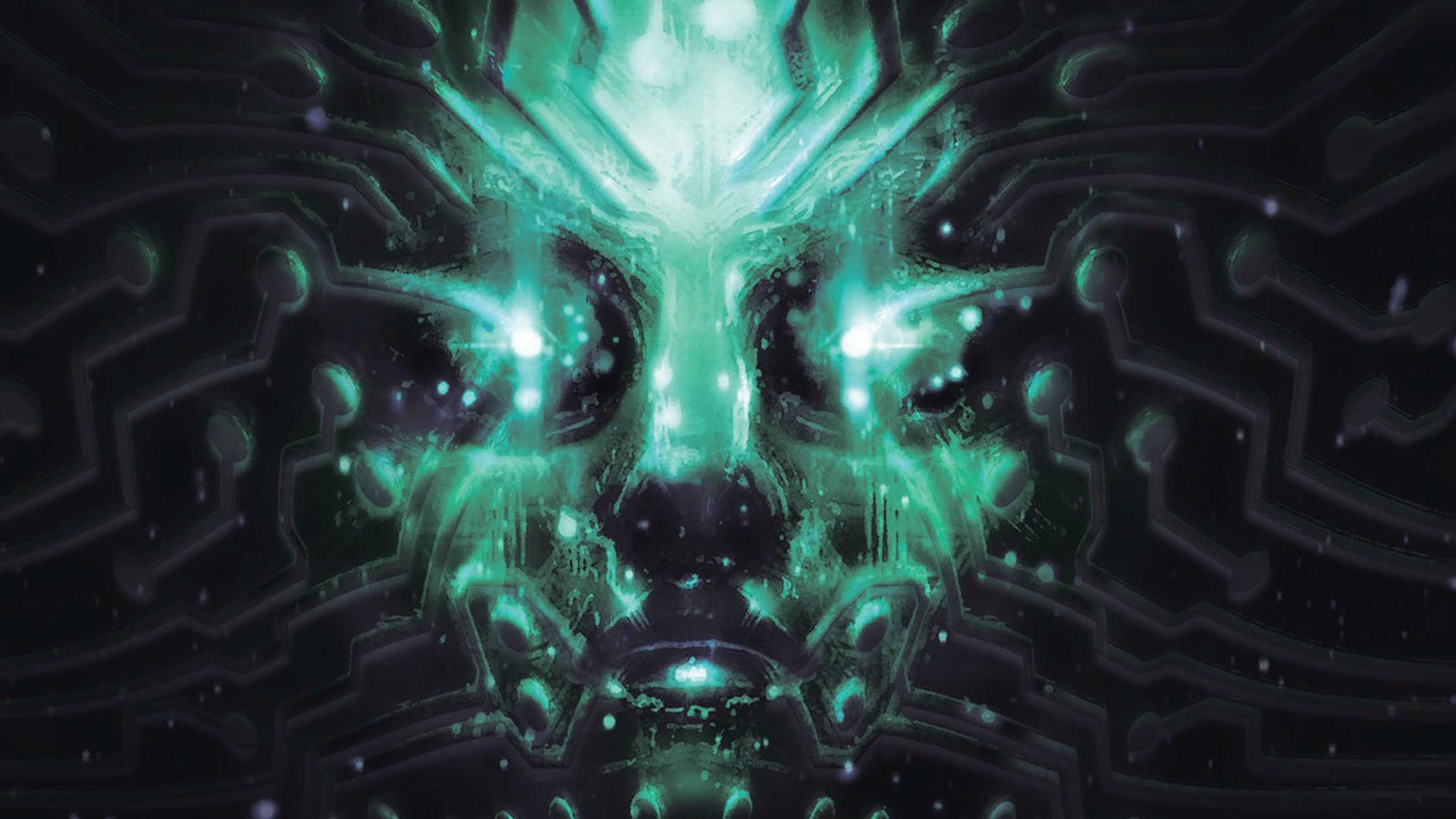
System Shock
1994 video game

Zork
Zork is a text adventure game first released in 1977 by developers Tim Anderson, Marc Blank, Bruce Daniels, and Dave Lebling for the PDP-10 mainframe computer. The original developers and others, as the company Infocom, expanded and split the game into three titlesZorkI: The Great Underground Empire, ZorkII: The Wizard of Frobozz, and ZorkIII: The Dungeon Masterwhich were released commercially for a range of personal computers beginning in 1980. In Zork, the player explores the abandoned Great Underground Empire in search of treasure. The player moves between the game's hundreds of locations a
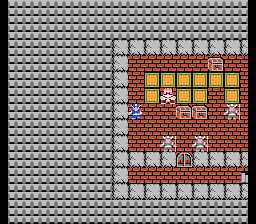
Dragon Quest
1986 role-playing video game
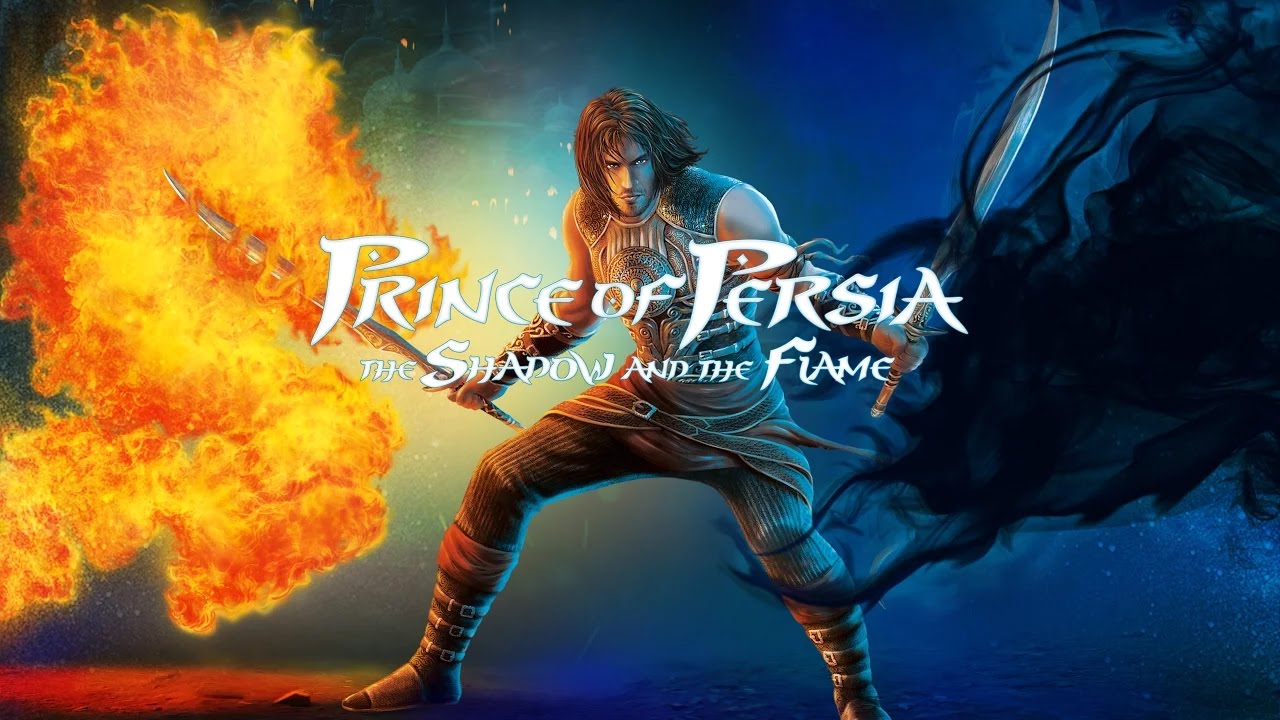
Prince of Persia 2: The Shadow and the Flame
1993 video game

Alone in the Dark
1992 video game

SimEarth
SimEarth: The Living Planet is a life simulation game, the second designed by Will Wright, published in 1990 by Maxis. In SimEarth, the player controls the development of a planet. English scientist James Lovelock served as an advisor and his Gaia hypothesis of planet evolution was incorporated into the game. Versions were made for the Macintosh, Atari ST, Amiga, IBM PC, Super Nintendo Entertainment System, Sega CD, and TurboGrafx-16. It was re-released for the Wii Virtual Console. In 1996, several of Maxis' simulation games were re-released under the Maxis Collector Series with greater compat
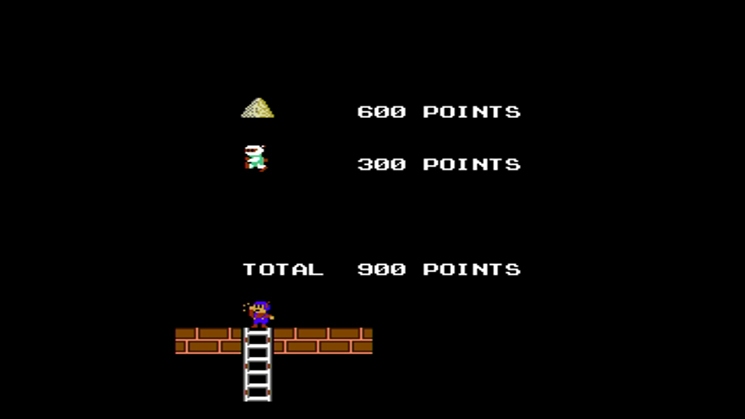
Lode Runner
1983 video game
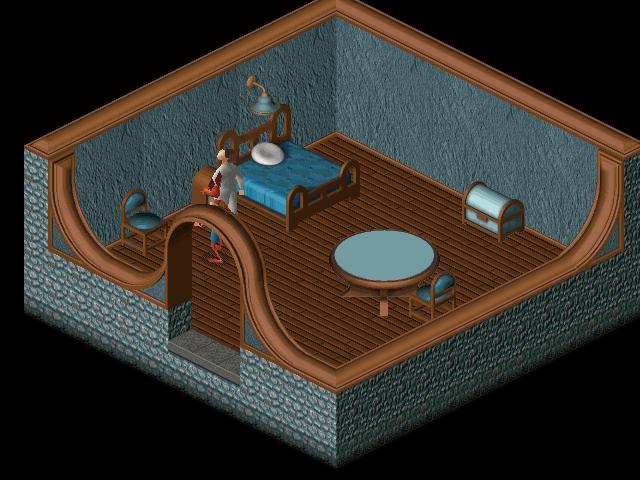
Little Big Adventure
1994 action-adventure game developed by Adeline Software International
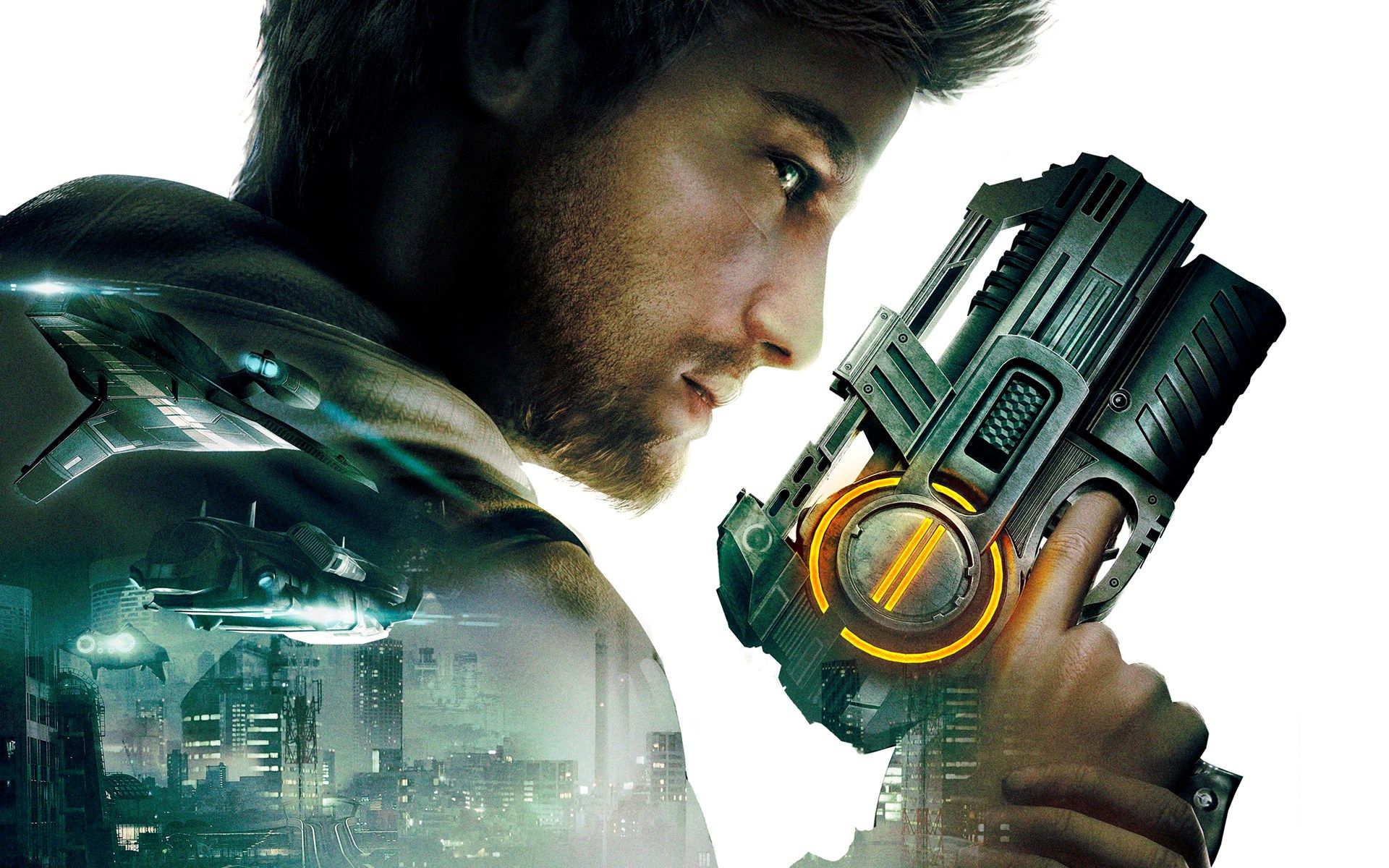
Flashback
1992 video game

SimAnt
SimAnt: The Electronic Ant Colony is a 1991 life simulation video game by Maxis and the company's third product, focusing on the lifecycle of ants. It was designed by Will Wright. In 1992, it was named "Best Simulation Game" at the Software Publishers Association's Codie awards. SimAnt was re-released in 1993 as part of the SimClassics Volume 1 compilation alongside SimCity Classic and SimLife for MS-DOS, Mac and Amiga. In 1996, SimAnt, alongside several of Maxis' simulation games were re-released under the Maxis Collector Series with greater compatibility with Windows 95 and differing box art
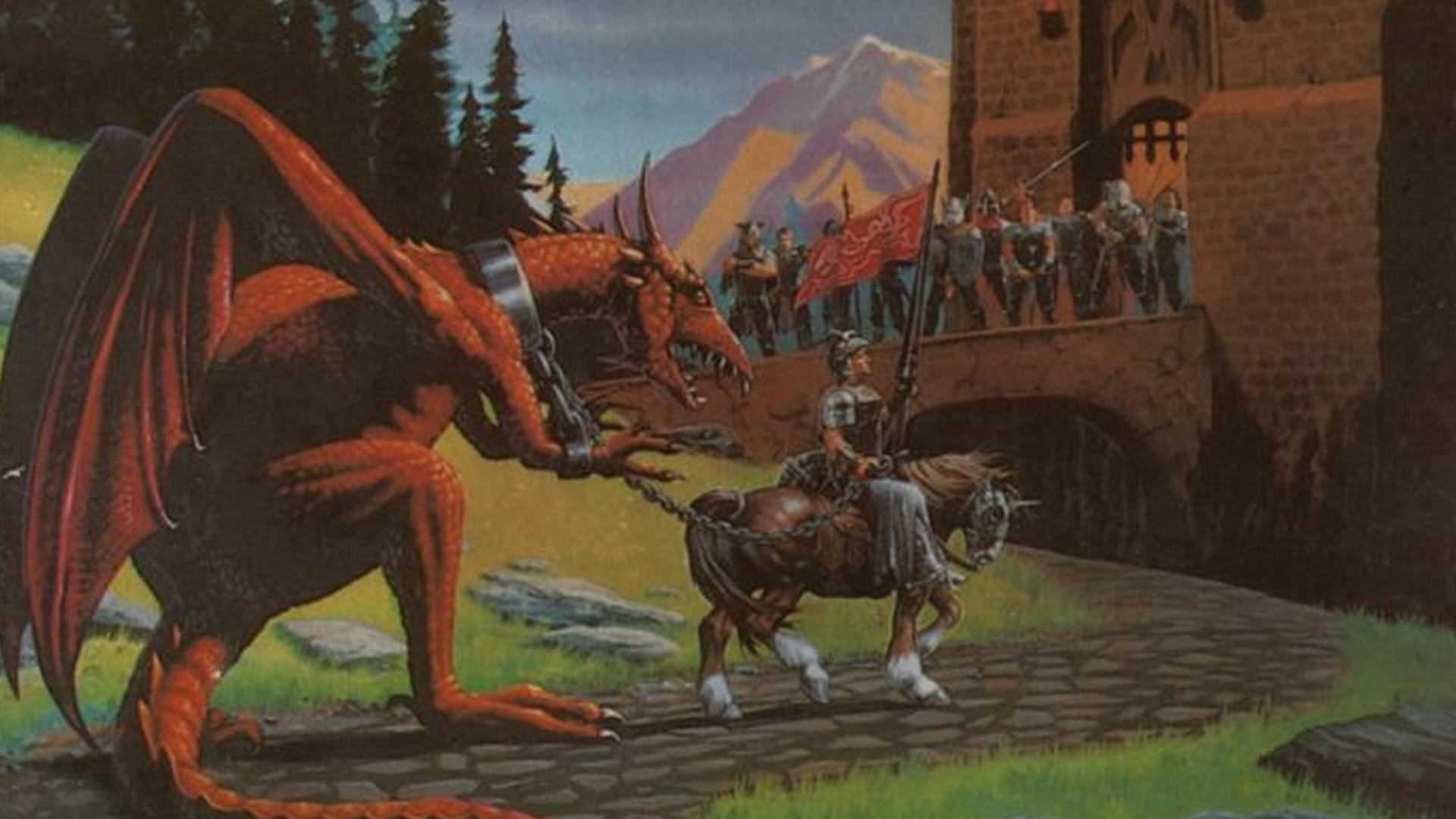
King's Bounty
1991 turn-based fantasy computer and video game
Battle Chess
1988 chess-playing video game
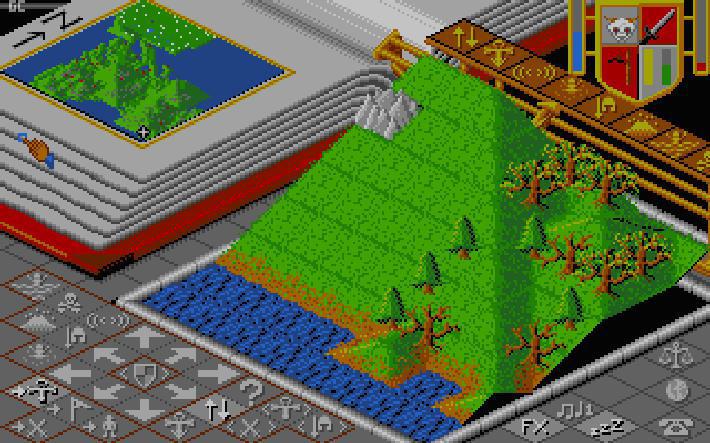
Populous
1989 video game
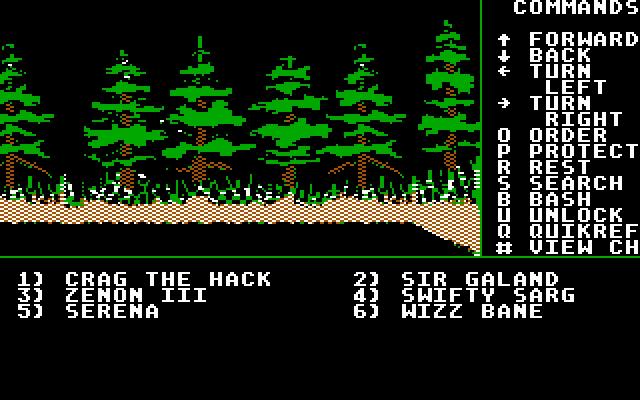
Might and Magic Book One: The Secret of the Inner Sanctum
1986 video game
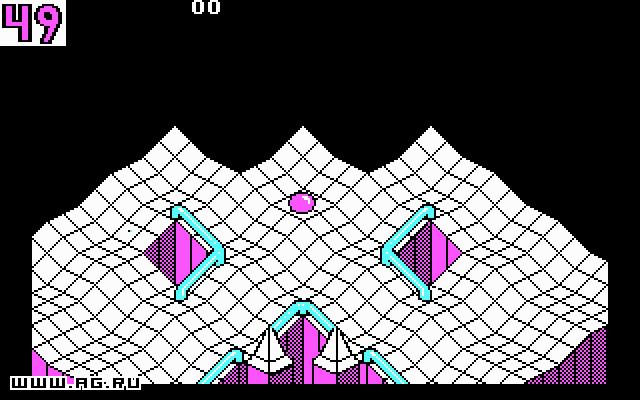
Marble Madness
1984 arcade video game
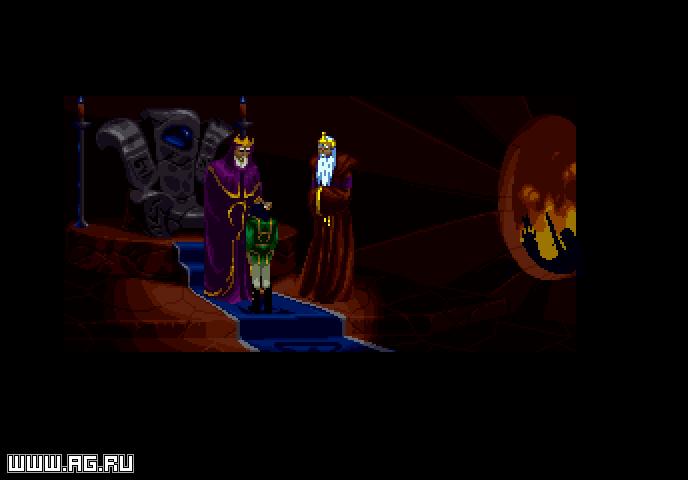
Blackthorne
Blackthorne (released as Blackhawk in some European countries) is a cinematic platform game developed by Blizzard Entertainment. It was released for the Super NES and MS-DOS in 1994. The cover art for the SNES version was drawn by Jim Lee. The following year, Blackthorne was released for the Sega 32X with additional content. In 2013, Blizzard released the game for free on their Battle.net PC client. In celebration of the company's 30th anniversary, Blackthorne was re-released for Nintendo Switch, PlayStation 4, Windows, and Xbox One as part of the Blizzard Arcade Collection in February 2021.
Alone in the Dark 2
1994 video game
Record of Lodoss War
novel series by Ryo Mizuno
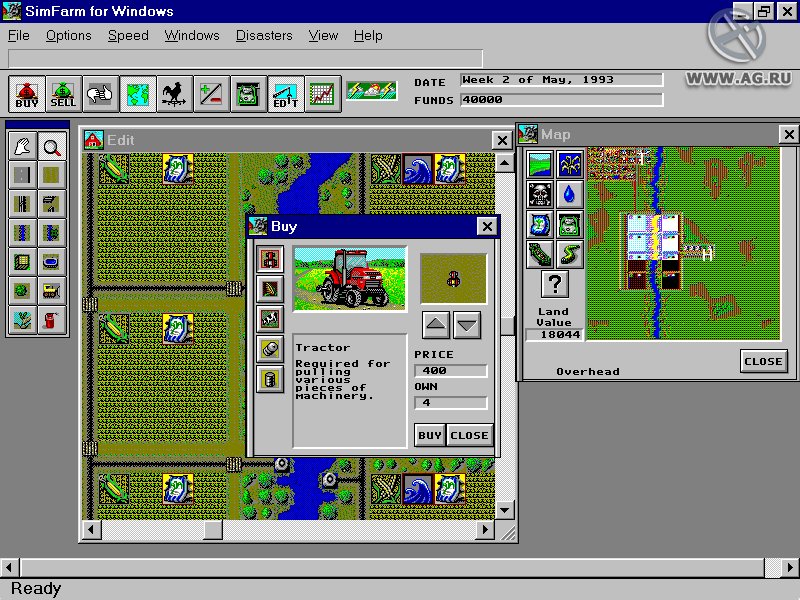
SimFarm
'''''SimFarm: SimCity's Country Cousin''' is a video game in which players build and manage a virtual farm. It was developed by Maxis and released in 1993 as a spin-off of SimCity''. The game included a teacher's guide to teaching with SimFarm with blackline masters to be photocopied for the class and a user manual. In 1996, SimFarm and several other Maxis simulation games were rereleased under the Maxis Collector Series, with greater compatibility with Windows 95 and differing box art, including the addition of Classics beneath the title.
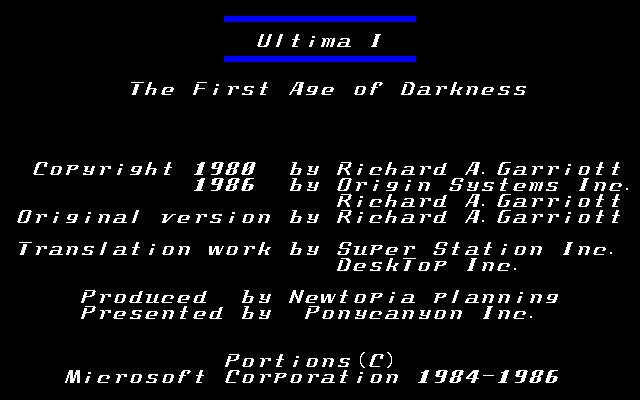
Ultima I: The First Age of Darkness
1981 computer game
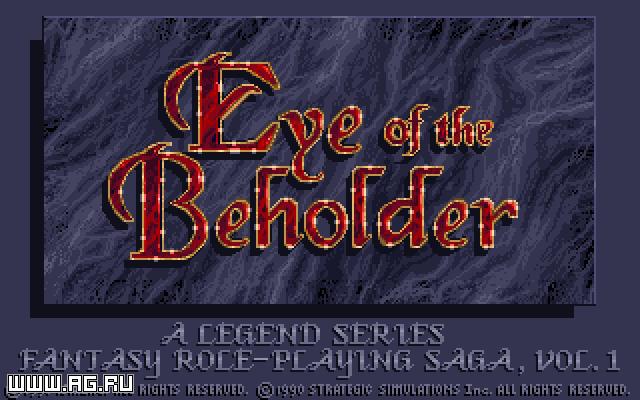
Eye of the Beholder
1991 video game
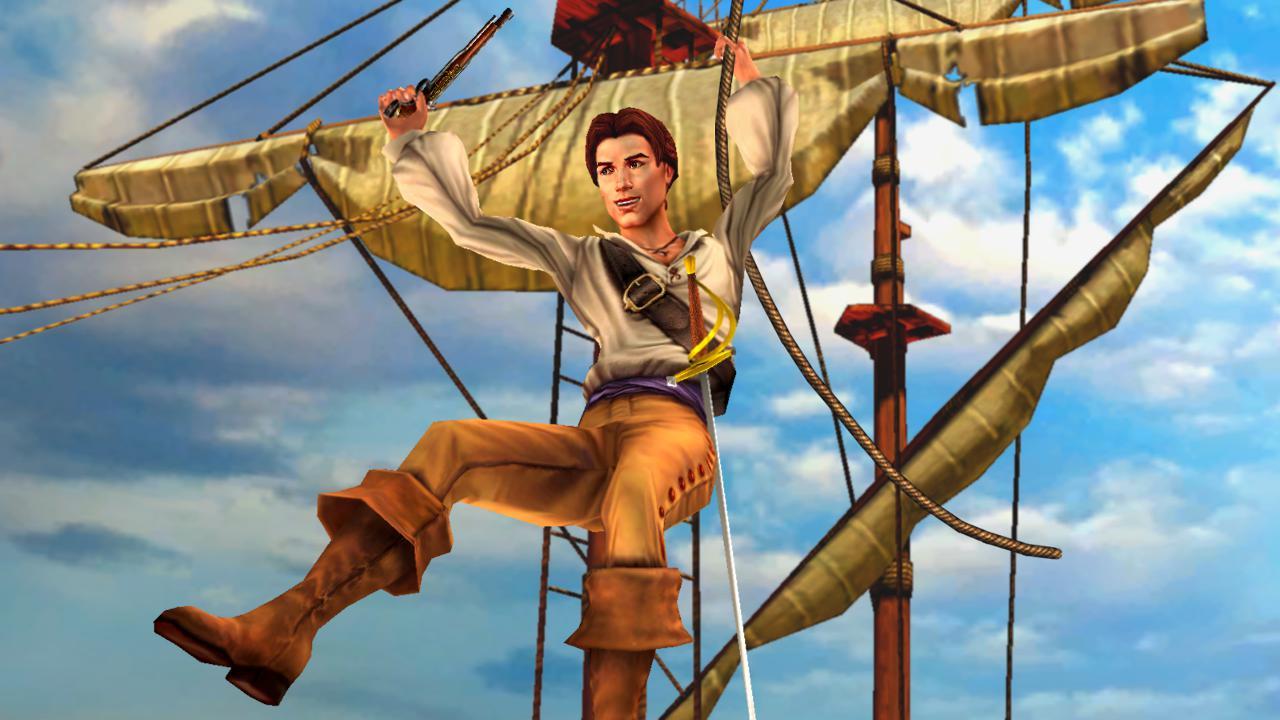
Sid Meier's Pirates!
1987 video game
Archon: The Light and the Dark
1983 video game
Alone in the Dark 3
1995 video game
Ultima II: The Revenge of the Enchantress
1982 video game
Wizardry: Proving Grounds of the Mad Overlord
1981 video game
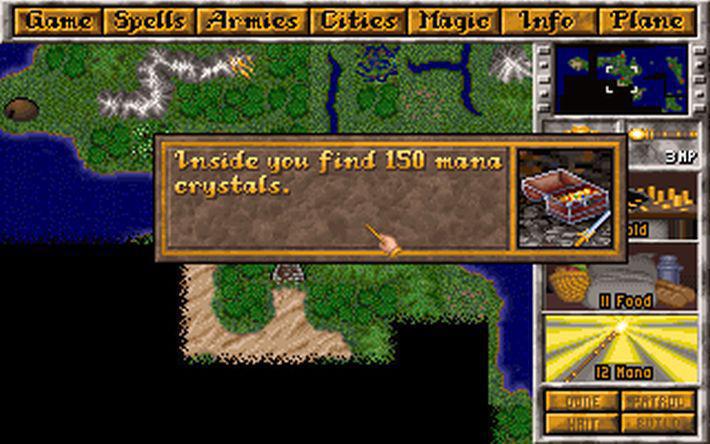
Master of Magic
1994 video game
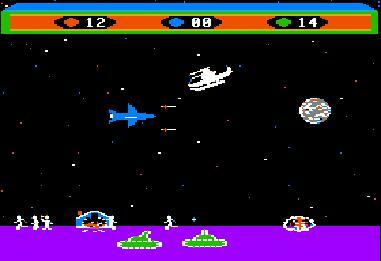
Choplifter
Choplifter (stylized as Choplifter!) is a 1982 horizontally scrolling shooter video game developed by Dan Gorlin and published by Broderbund for the Apple II. It was ported to the Atari 8-bit computers the same year, and later to the VIC-20, Commodore 64, Atari 5200, ColecoVision, MSX, and Thomson computers. In 1985, Sega released a remake for arcades, with subsequent ports published for the Master System and Famicom in 1986. Graphically enhanced versions for the Atari 8-bit computers and the Atari 7800 were also released in 1988 by Atari Corporation.

Syndicate
1993 video game
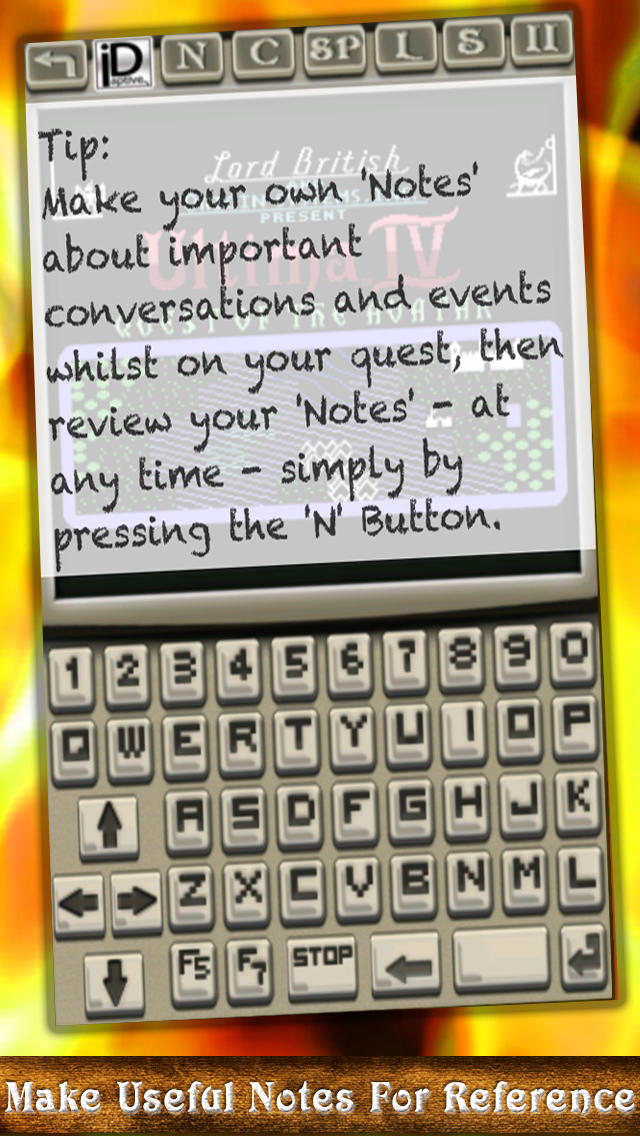
Ultima IV: Quest of the Avatar
1985 video game
Dungeon Master
1987 video game
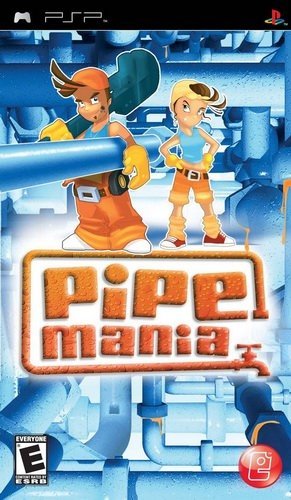
Pipe Mania
1989 video game
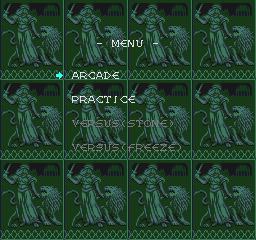
Columns
1990 match-three puzzle video game
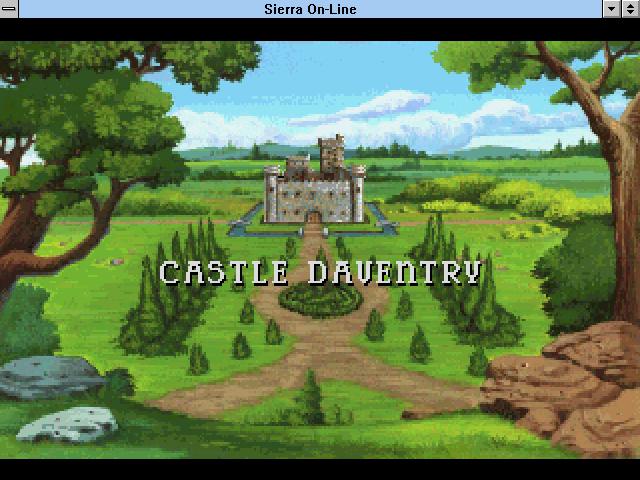
King's Quest V
1990 video game
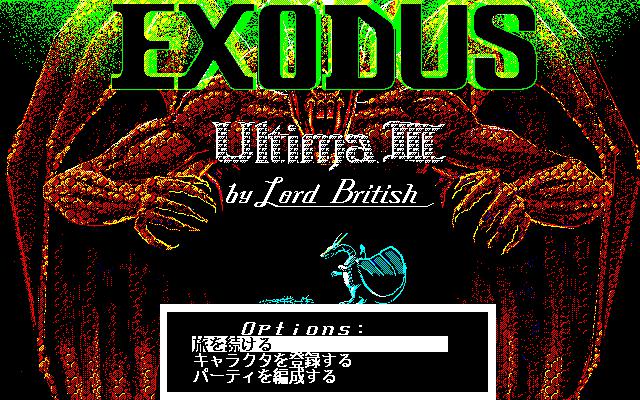
Ultima III: Exodus
1983 video game
Wizardry II: The Knight of Diamonds
1982 video game
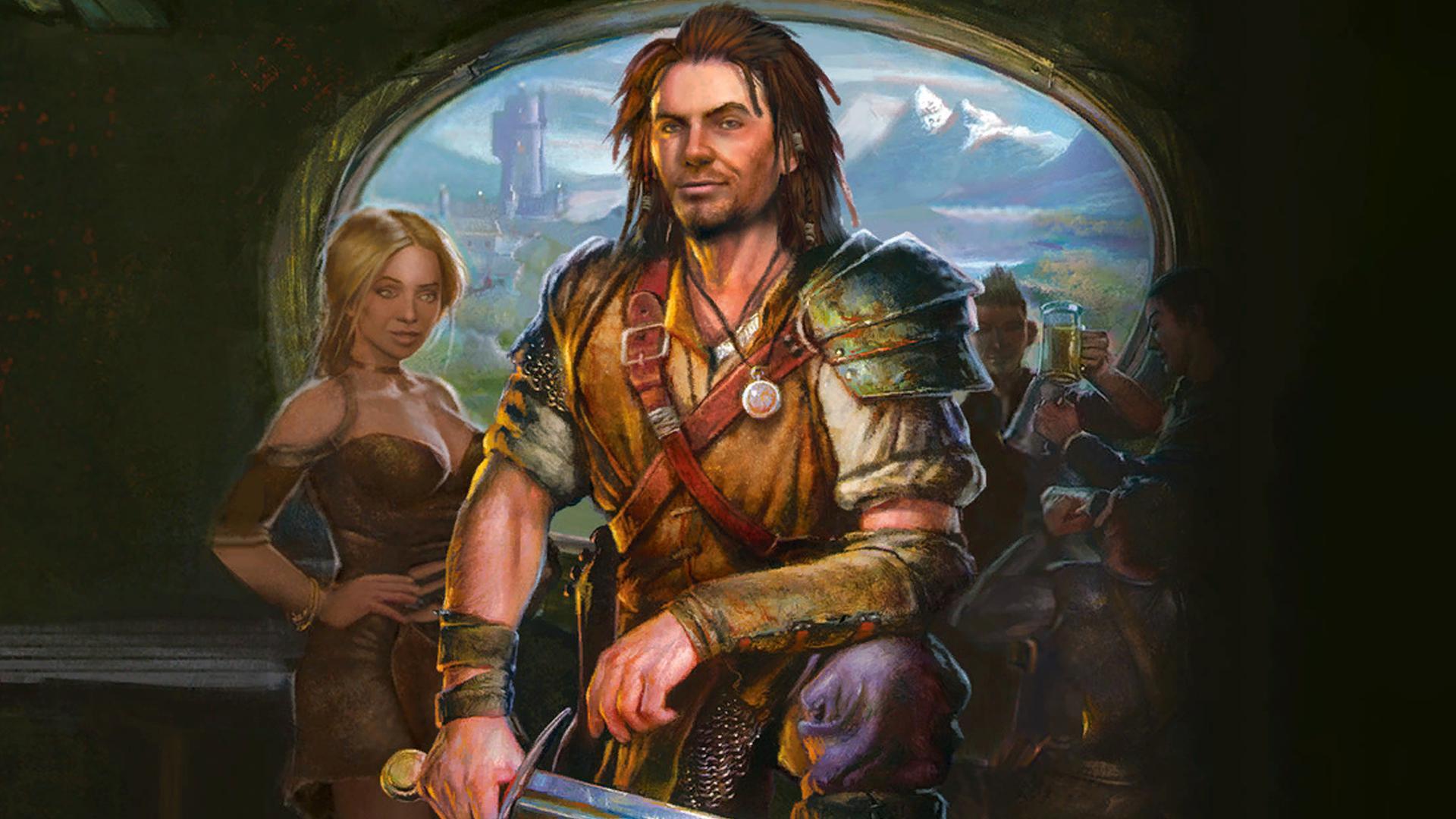
The Bard's Tale
1985 role-playing video game
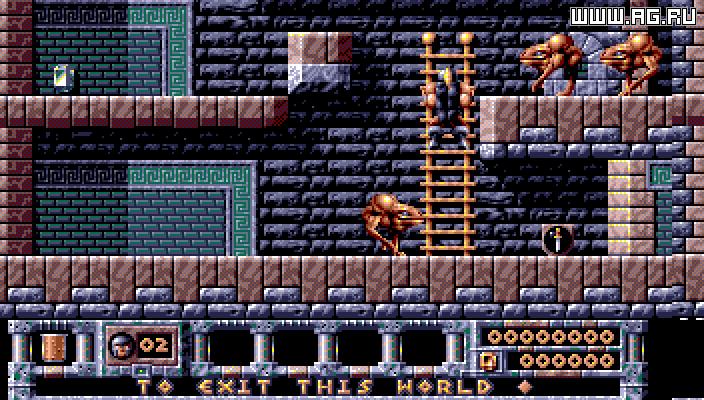
Gods
1991 video game
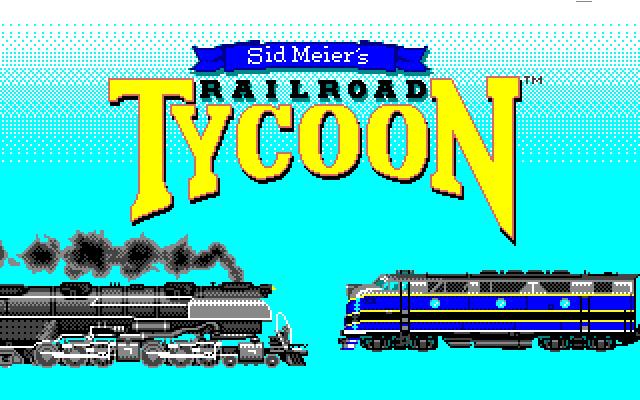
Railroad Tycoon
1990 video game
Ultima Underworld: The Stygian Abyss
1992 video game
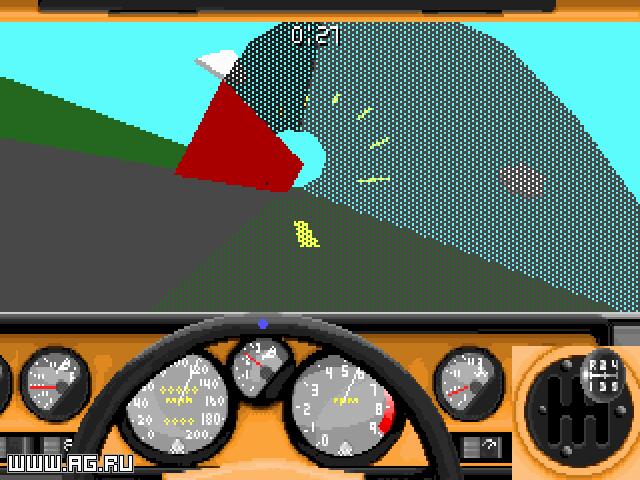
Stunts
3D racing video game from 1990
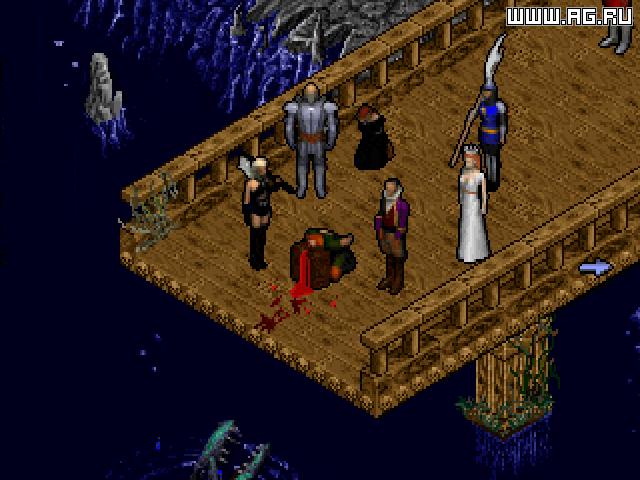
Ultima VIII: Pagan
1994 video game
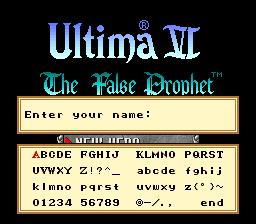
Ultima VI: The False Prophet
1990 video game

Aerobiz
Aerobiz is a business simulation video game for the Super NES and Mega Drive/Genesis game consoles, released in 1992 by Koei. It was also released for the FM Towns, PC-9801 and X68000 computer platforms in Japan.
Test Drive
1987 racing video game
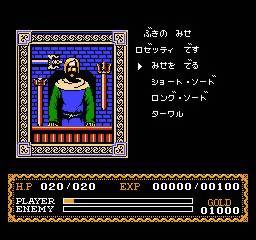
Ys I: Ancient Ys Vanished
1987 video game
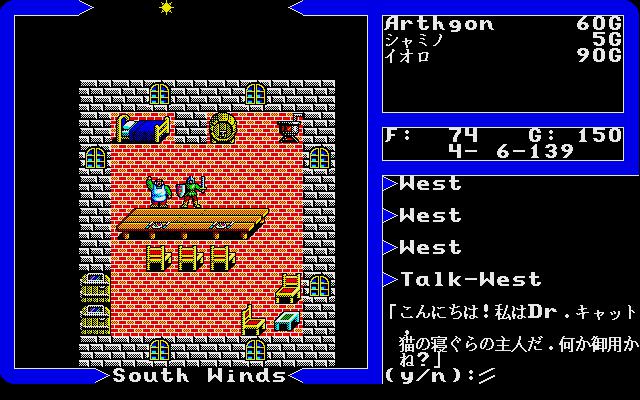
Ultima V: Warriors of Destiny
1988 video game
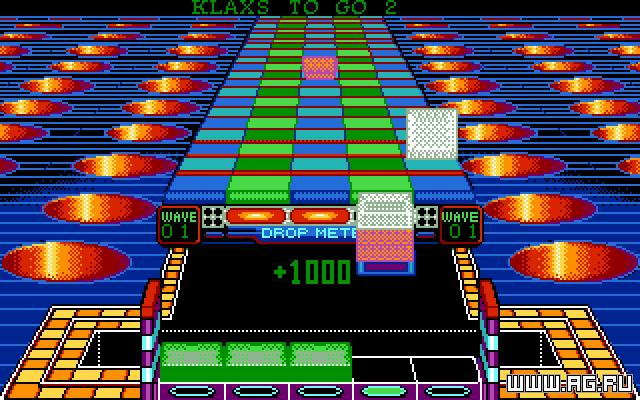
Klax
1989 video game