Category
page 1Nonwoven fabrics
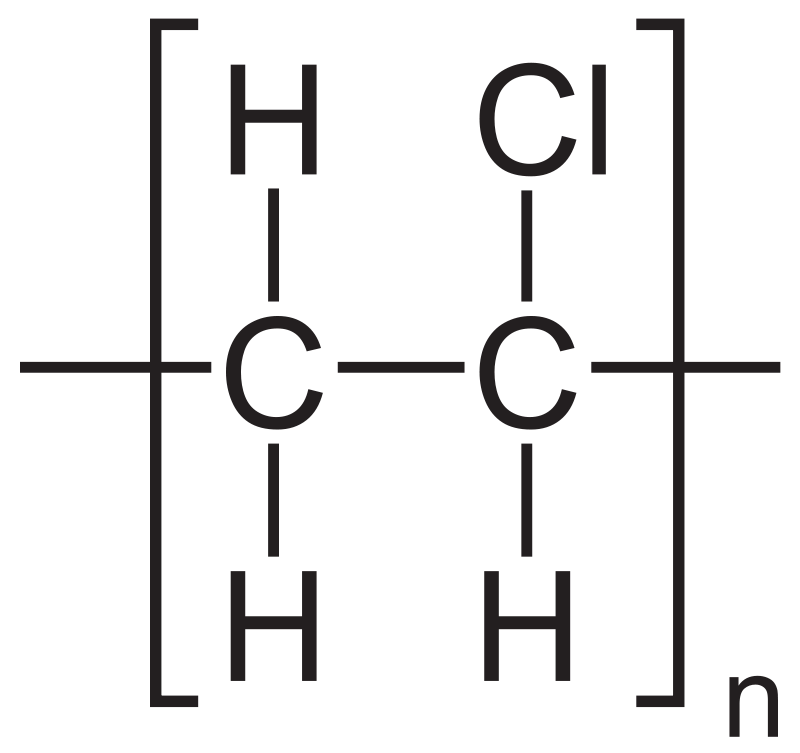
polyvinyl chloride
synthetic plastic polymer - A thermoplastic resin produced by the polymerization of vinyl chloride gas.

felt
thumb|upright=1.35|Samples of felt in different colors
thumb|Kazakhs|Kazakh felt [[yurt]]

carbon fibers
material fibers about 5–10 μm in diameter composed of carbon
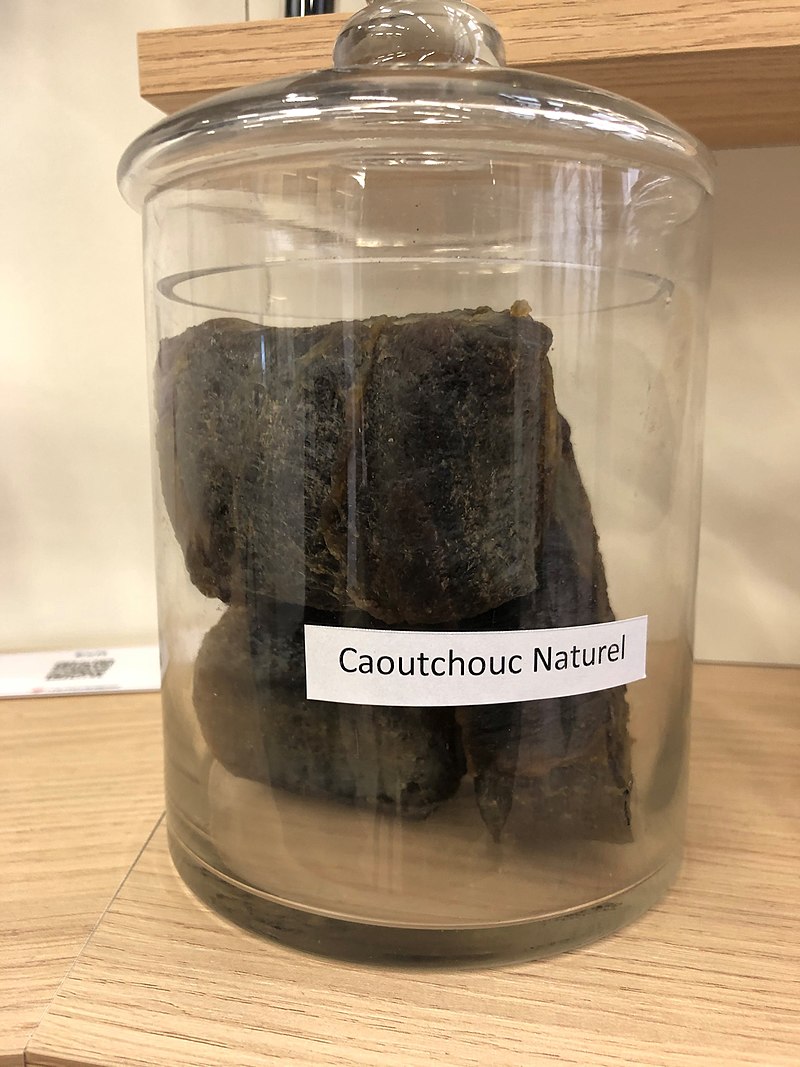
natural rubber
polymers of the organic compound isoprene, with minor impurities of other organic compounds; refined from latex harvested from rubber trees
artificial leather
man-made material that has similar properties and appearance to animal leather
nonwoven fabric
sheet of fibers
hide
animal skin treated for human use

Tyvek
thumb|Tyvek house wrap
Tyvek () is a brand of synthetic flashspun high-density polyethylene fibers. The name Tyvek is a registered trademark of the American multinational chemical company DuPont, which discovered and commercialized Tyvek in the late 1950s and early 1960s.
tapa cloth
barkcloth made in the island cultures of the Pacific Ocean
kapa
thumb|Alphonse Pellion, Îles Sandwich; Maisons de Kraïmokou, Premier Ministre du Roi; Fabrication des Étoffes (c. 1819), Depicting High Chiefess Likelike (wife of Kalanimoku)|Likelike, the wife of [[Kalanimoku beating kapa cloth.]]
Kapa is a fabric made by native Hawaiians from the bast fibres of certain species of trees and shrubs in the orders Rosales and Malvales. The bark is beaten and felted to achieve a soft texture and dye stamped in geometric patterns.
retroreflective sheeting
reflective material
Suominen Corporation
Finnish business
Piñatex
Piñatex () is the trade name for a non-biodegradable leather alternative made from cellulose fibres extracted from pineapple leaves, PLA (polylactic acid), and petroleum-based resin. Piñatex was developed by Carmen Hijosa and first presented at the PhD graduate exhibition at the Royal College of Art, London. Piñatex is manufactured and distributed by Hijosa's company Ananas Anam Ltd.