Category
page 1Parasitic fungi

Claviceps purpurea
species of fungus
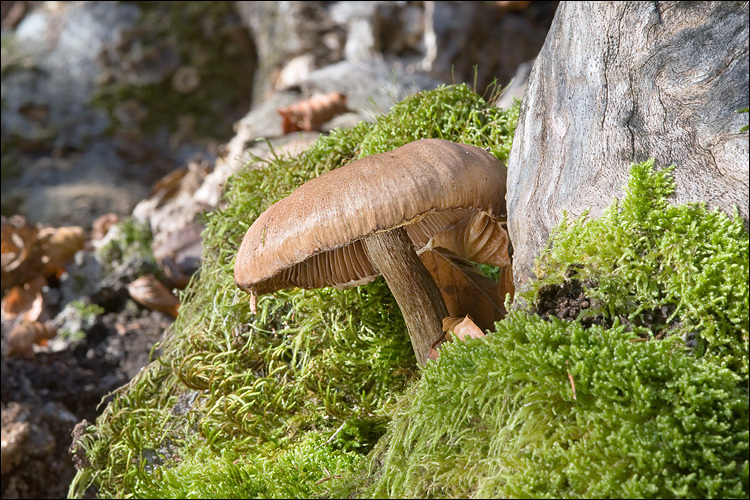
Armillaria mellea
species of fungus
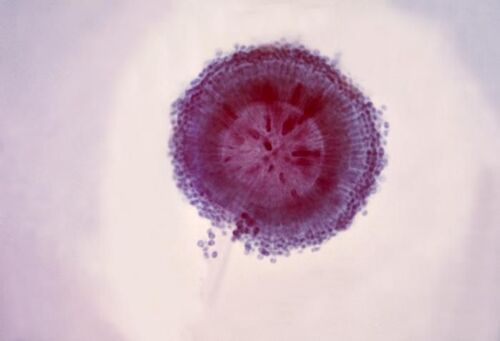
Aspergillus
Aspergillus () is a genus consisting of several hundred mold species found in various climates worldwide.

Ophiocordyceps sinensis
species of fungus

Cordyceps
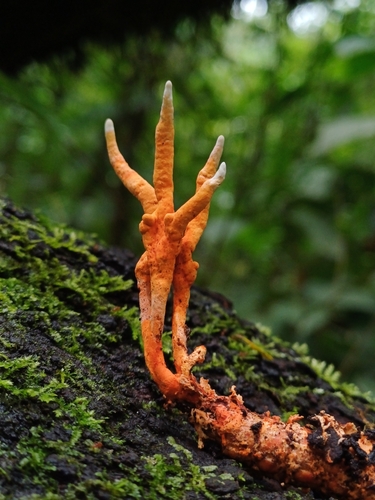
Cordyceps is a genus of ascomycete fungi (sac fungi) that includes over 260 species worldwide, many of which are parasitic. Diverse variants of cordyceps have had more than 1,500 years of use in Chinese medicine. Most Cordyceps species are endoparasitoids, parasitic mainly on insects and other arthropods (they are thus entomopathogenic fungi); a few are parasitic on other fungi.

Pleurotus eryngii
species of fungus

Claviceps
Ergot (), or ergot fungi, is a group of fungi of the genus Claviceps.

Fomitopsis betulina
species of fungus
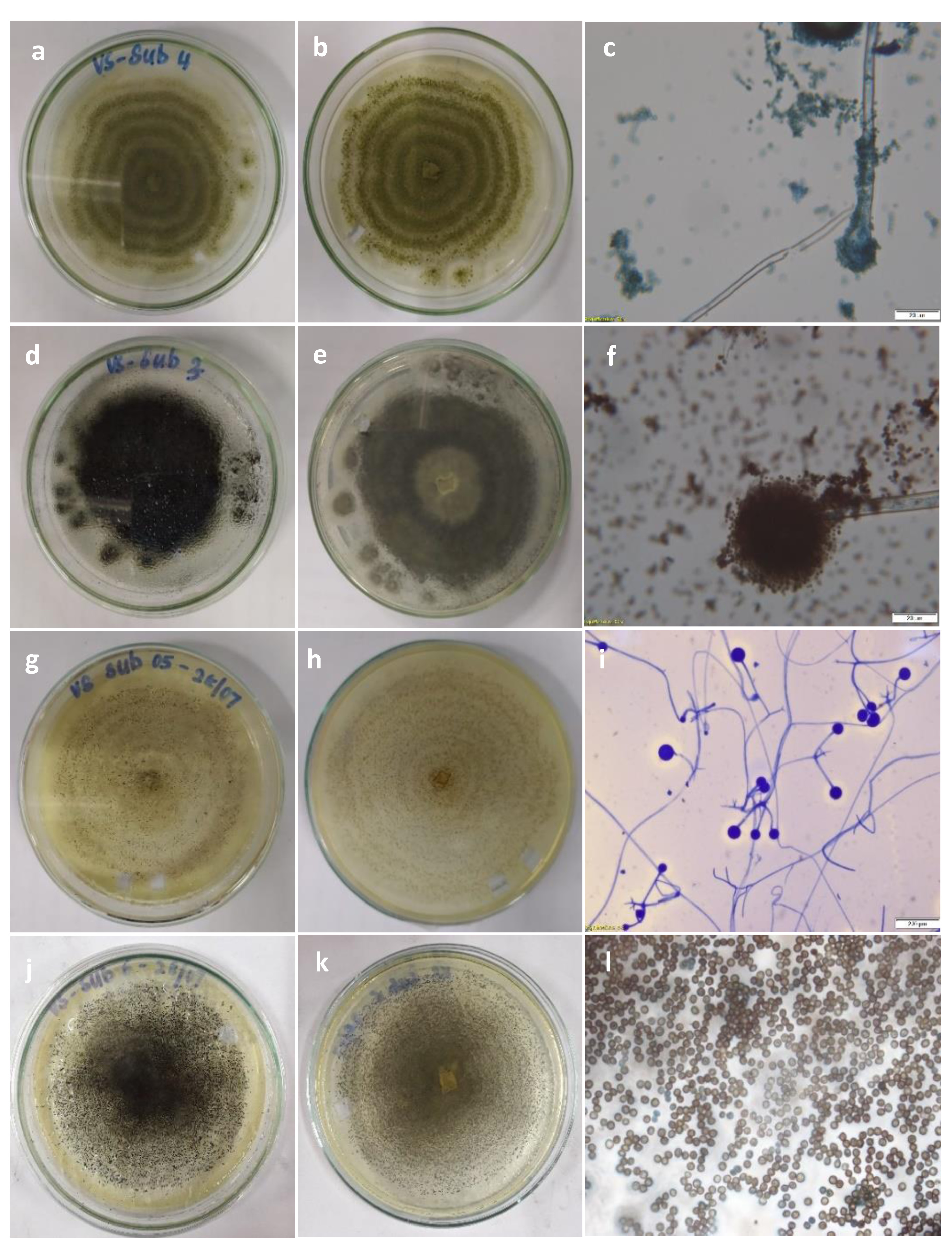
Aspergillus flavus
aspergillus flavus
Ophiocordyceps unilateralis
species of fungus
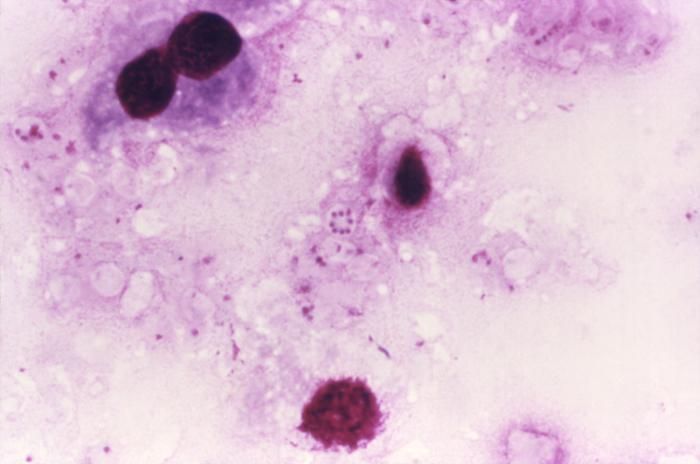
Pneumocystis jirovecii
species of fungus
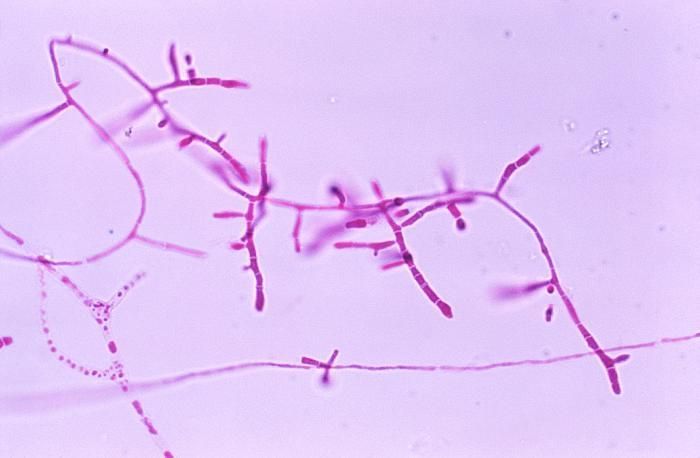
Trichophyton
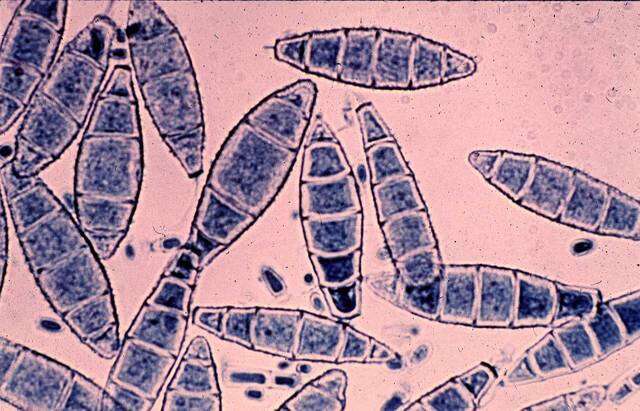
Trichophyton is a genus of fungus, which includes the parasitic varieties that cause tinea, including athlete's foot, ringworm, jock itch, and similar infections of the nail, beard, skin and scalp. Trichophyton fungi are molds characterized by the development of both smooth-walled macro- and microconidia. Macroconidia are mostly borne laterally directly on the hyphae or on short pedicels, and are thin- or thick-walled, clavate to fusiform, and range from 4 to 8 by 8 to 50 μm in size. Macroconidia are few or absent in many species. Microconidia are spherical, pyriform to clavate or of irregular
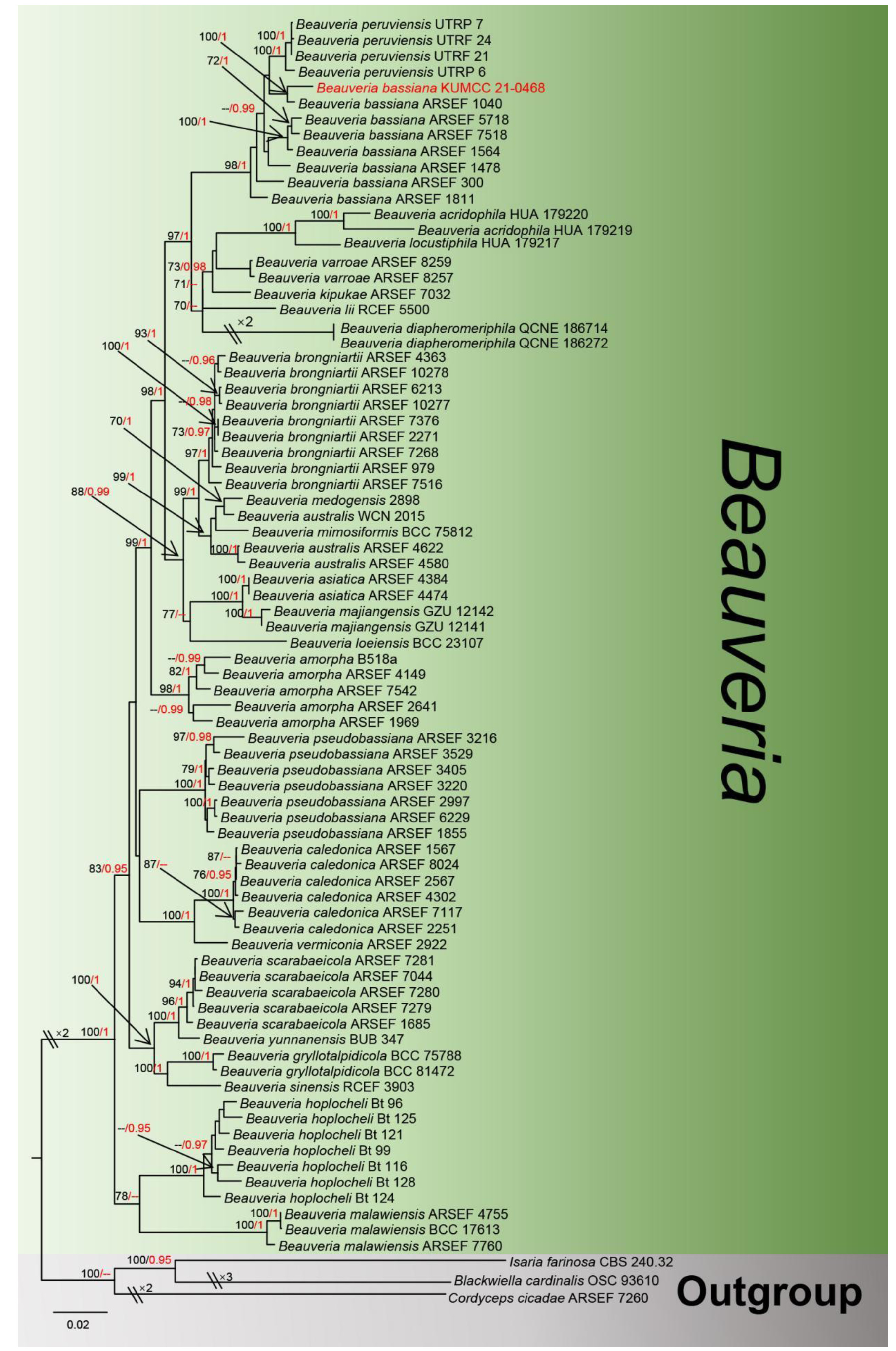
Beauveria bassiana
species of fungus
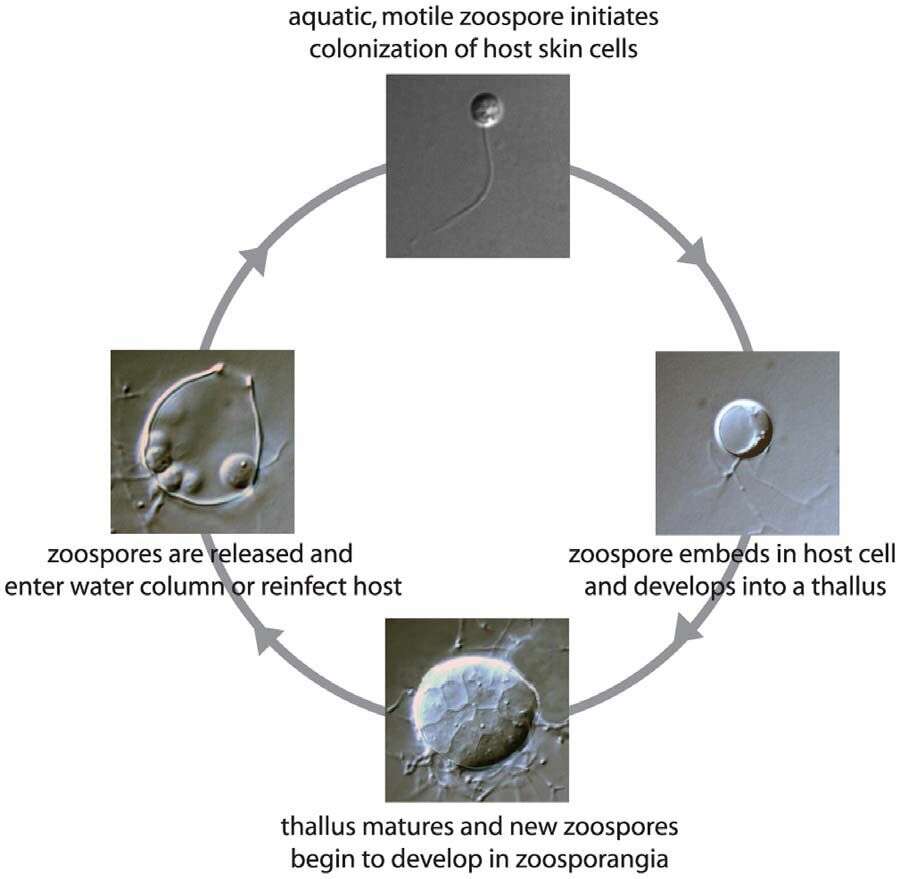
Batrachochytrium dendrobatidis
species of fungus
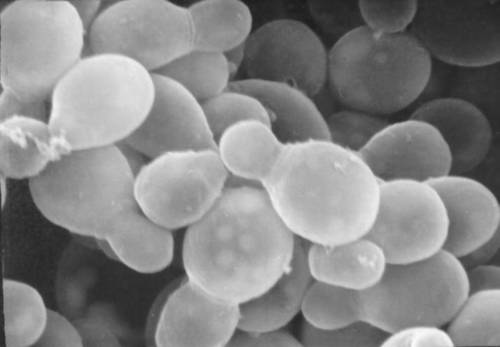
Malassezia furfur
species of fungus
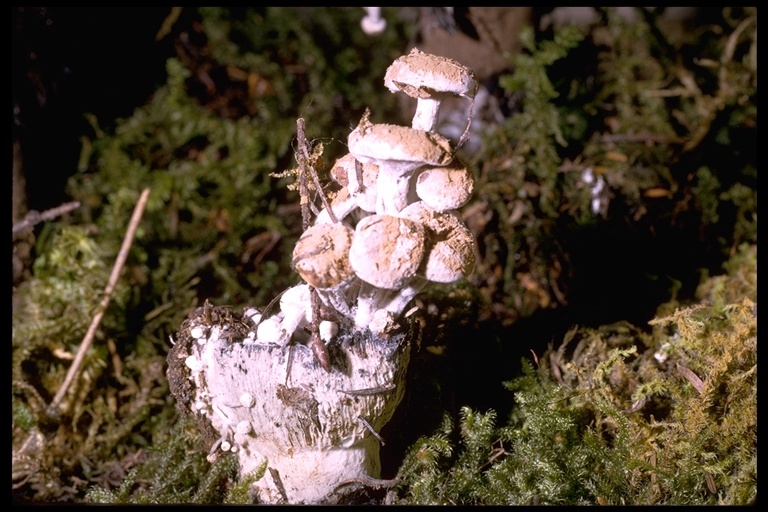
Asterophora lycoperdoides
species of fungus

Chondrostereum purpureum
species of fungus
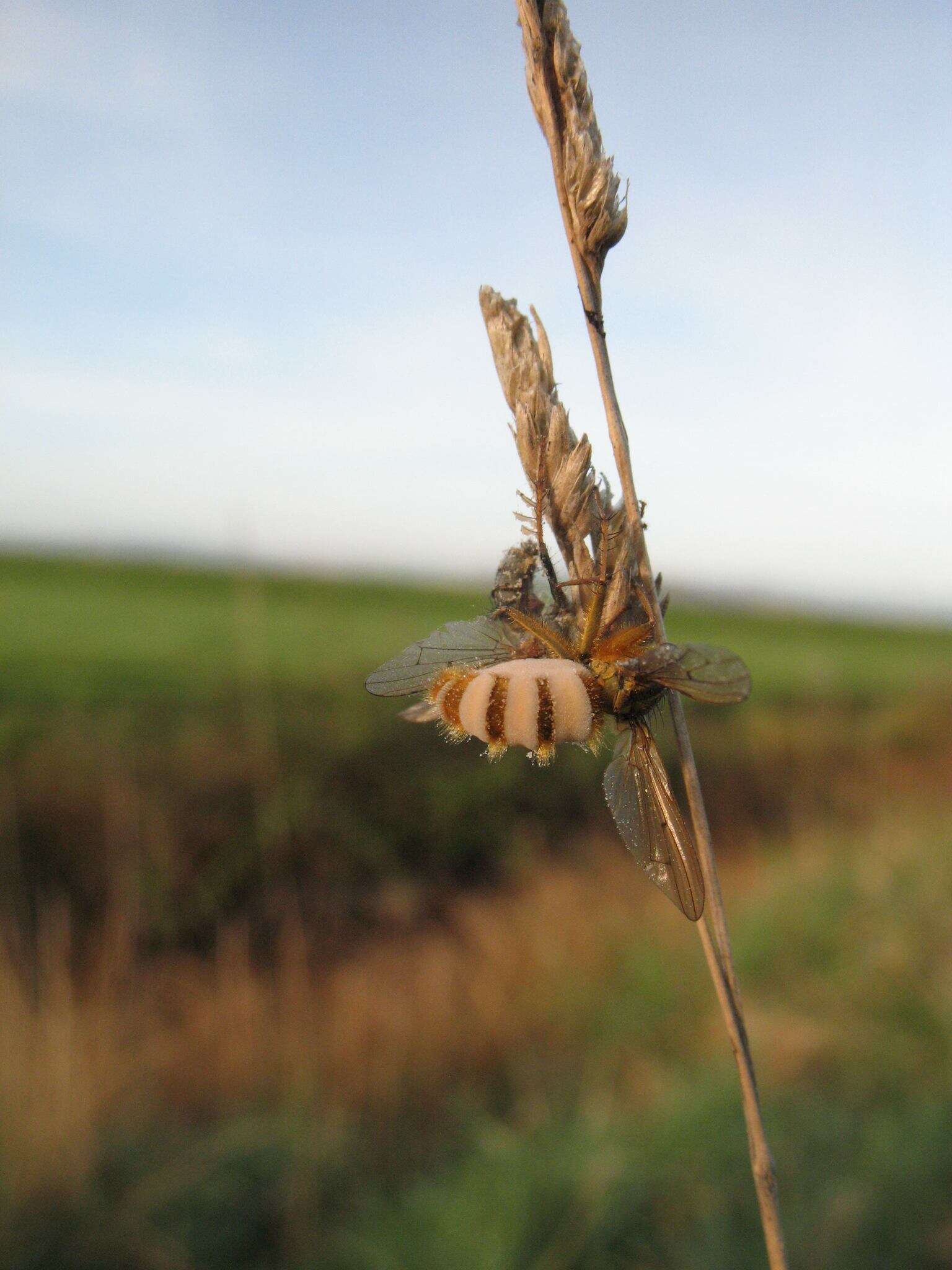
Entomophthora muscae
species of fungus

Trichophyton rubrum
species of fungus
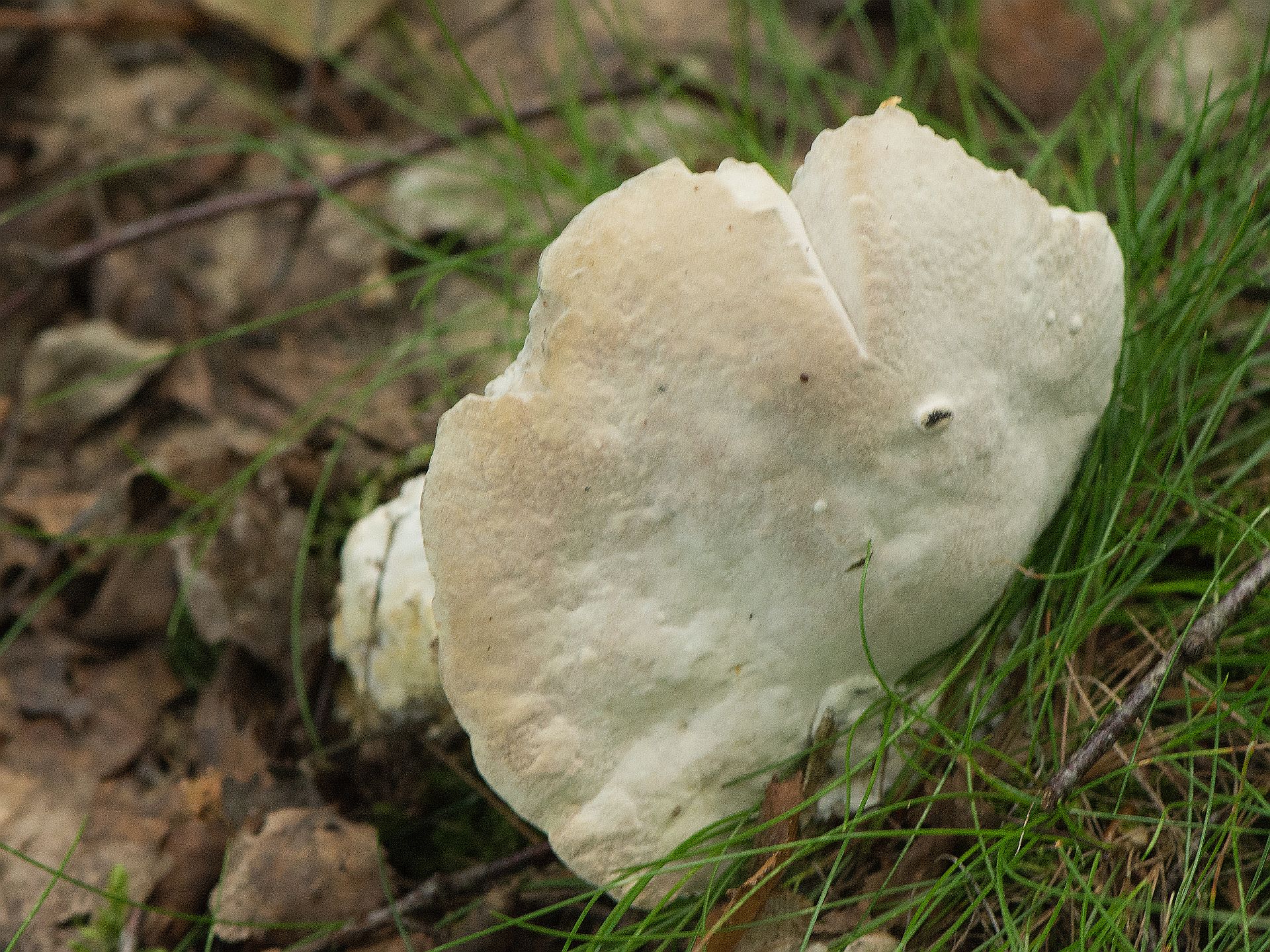
Hypomyces chrysospermus
species of fungus
%20Microculture.jpg)
Microsporum
thumb|Microsporum gypseum
Asterophora
Asterophora is a genus of fungi that grow as parasites on mushrooms. The genus contains four species, which have a widespread distribution, especially in temperate areas. The most recently described species, A. salvaterrensis, was found in Pinus pinaster forests in Galicia (northwest Iberian Peninsula). Asterophora species are characterized by the massive production of chlamydospores in their fruit bodies and by the production of carminophilous lysosomes in their basidia. A frequently used but synonymous genus name is Nyctalis. The chlamydospores have been classified in the genus Ugola, which
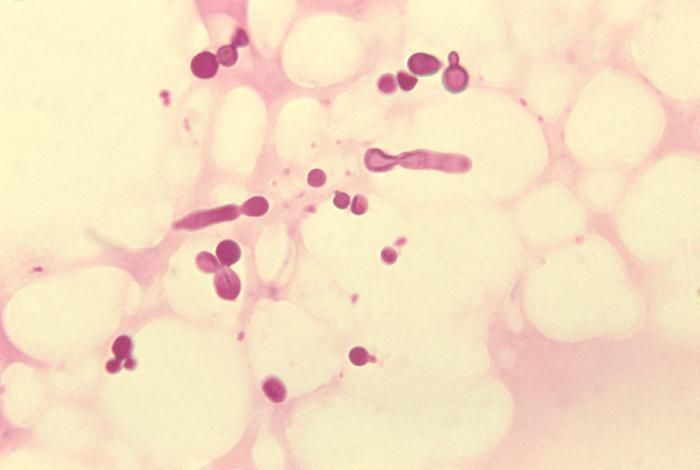
Malassezia
Malassezia is a genus of fungi (specifically, a yeast belonging to the division Basidiomycota).
Epidermophyton
Epidermophyton is a genus of fungus causing superficial and cutaneous mycoses, including E. floccosum, and causes tinea corporis (ringworm), tinea cruris (jock itch), tinea pedis (athlete's foot), and tinea unguium (fungal infection of the nail bed).
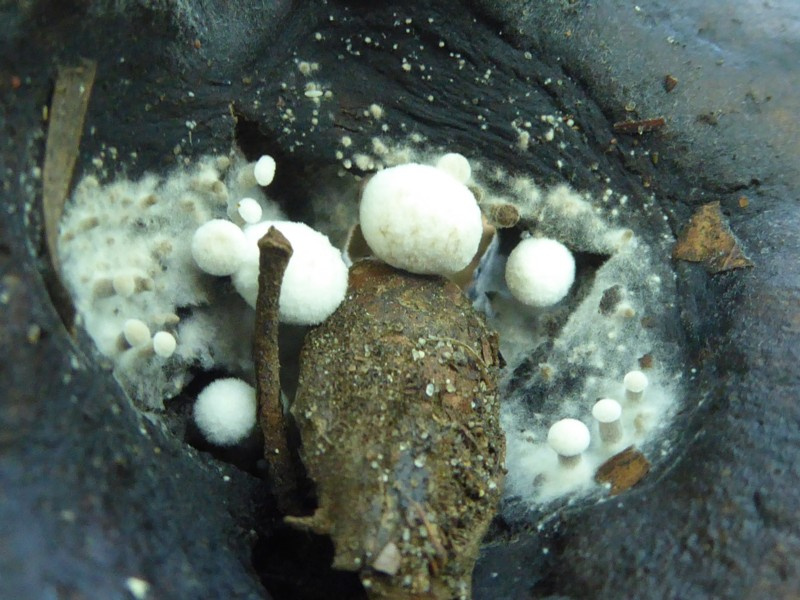
Asterophora parasitica
species of fungus
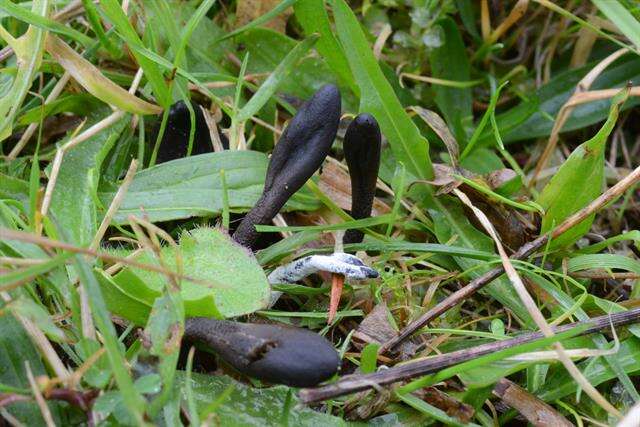
Hypomyces
Hypomyces is a genus of parasitic ascomycete fungi found in Europe, North America, Australia, and parts of China. The genus contains 53 species. Better known species include the lobster mushroom (Hypomyces lactifluorum) and the bolete eater (Hypomyces chrysospermus).
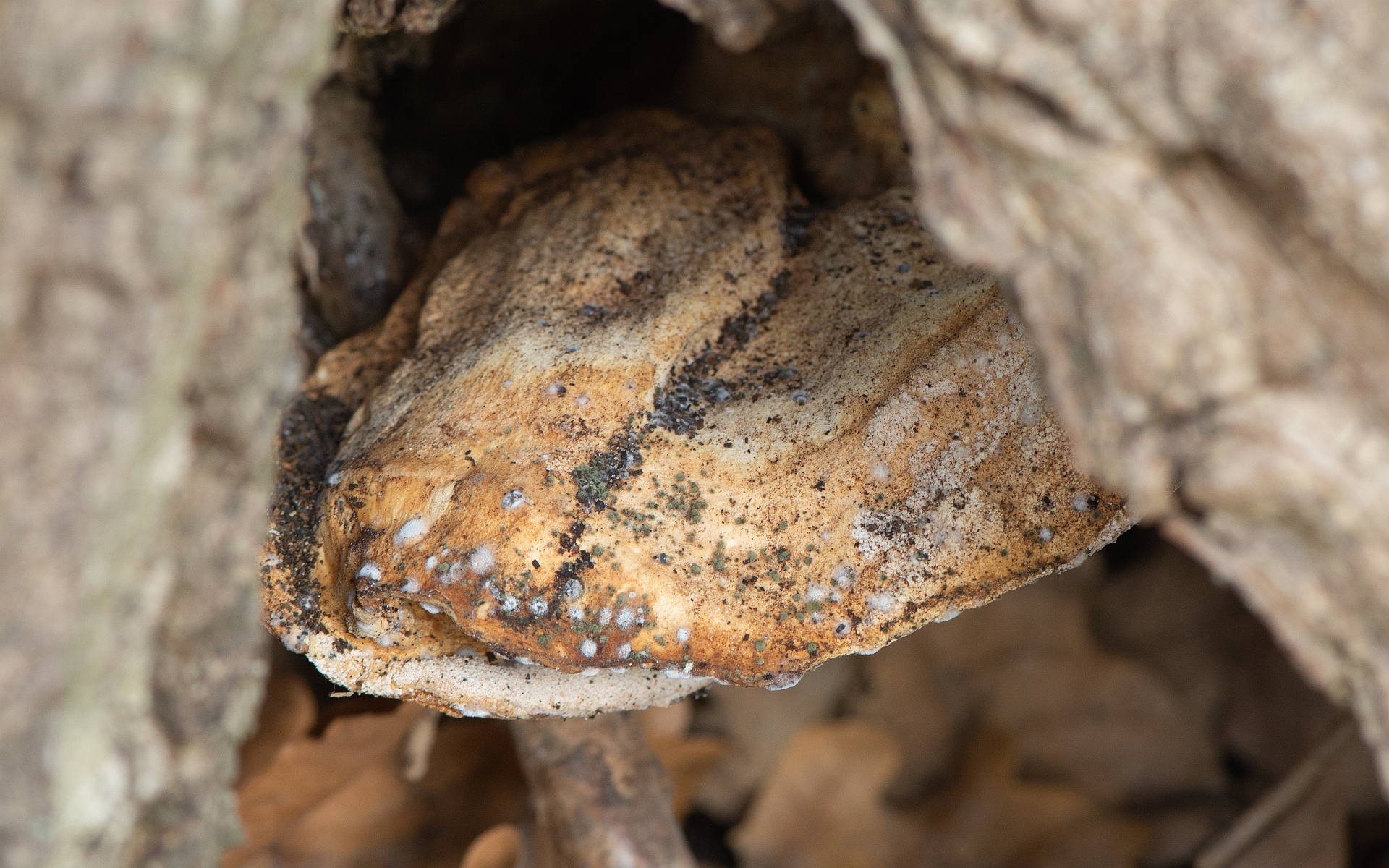
Pseudoinonotus dryadeus
species of fungus
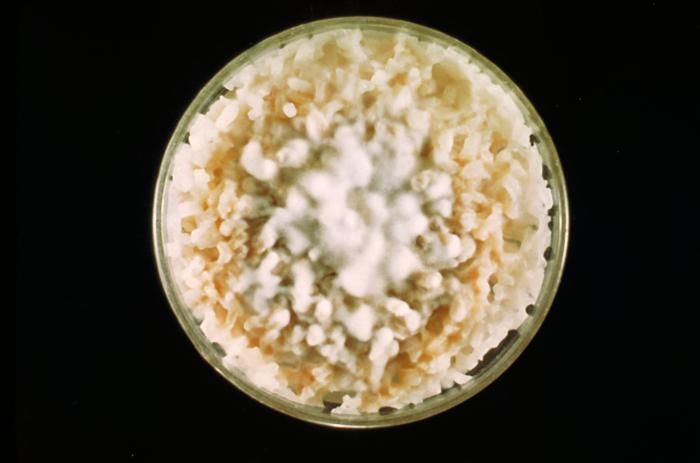
Microsporum canis
species of fungus
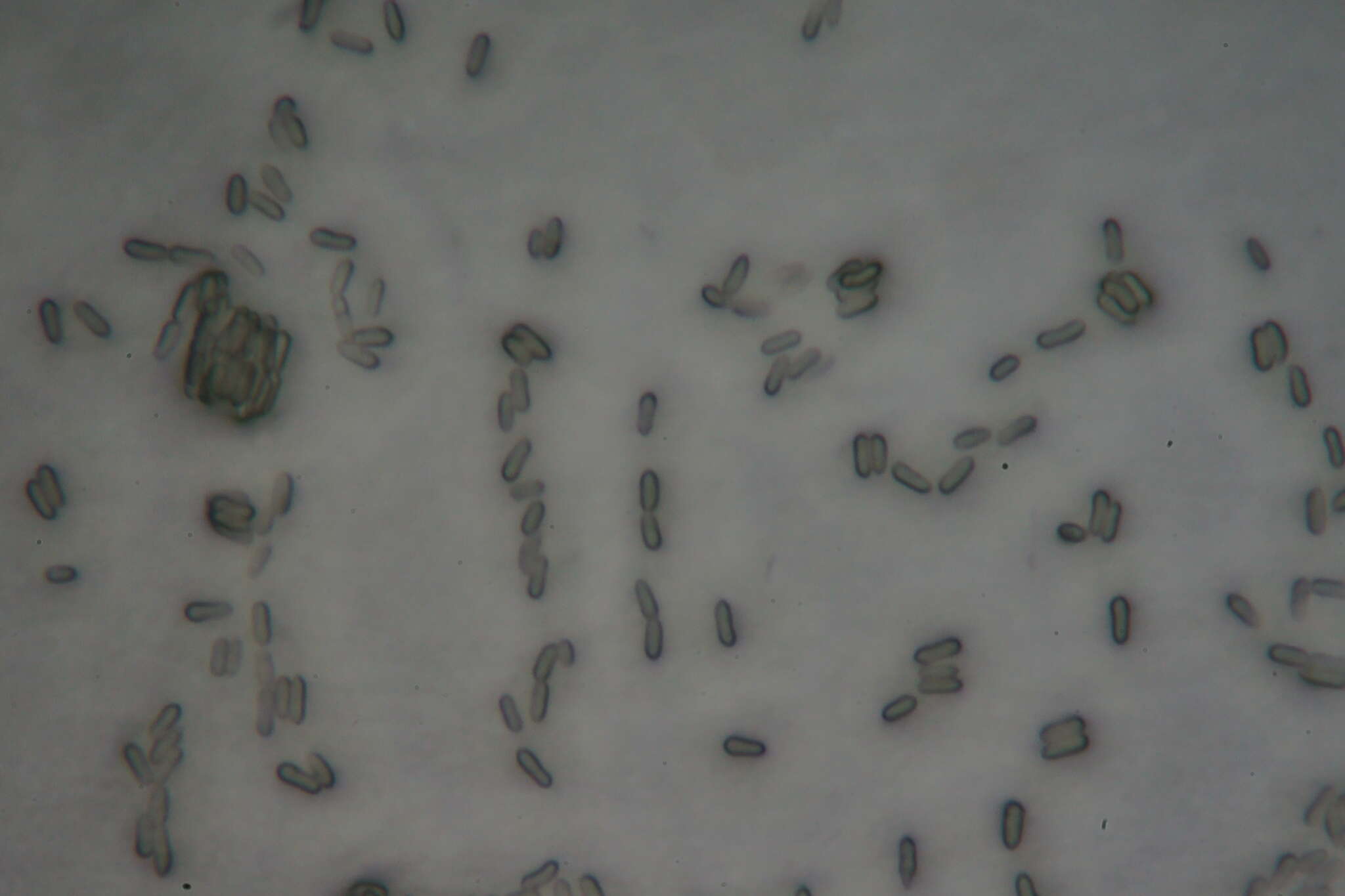
Metarhizium anisopliae
species of fungus
%20Boidin%20203093.jpg)
Amylostereum
Amylostereum is the single genus in the fungal family Amylostereaceae. The genus currently comprises four saprotrophic and parasitic species, which live off living or dead wood. The Amylostereaceae cause white rot in the wood by disintegrating the tissue component lignin. They produce crust-like, partially wavy fruit bodies on the surface of infested trees, which are similar to those produced by Stereum species.
%20Fresen%20204249.jpg)
Entomophthora
Entomophthora is a fungal genus in the family Entomophthoraceae. Species in this genus are parasitic on flies and other two-winged insects. The genus was circumscribed by German physician Johann Baptist Georg Wolfgang Fresenius (1808–1866) in 1856.
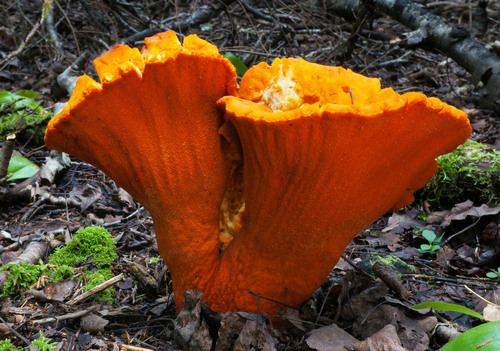
Hypomyces lactifluorum
species of fungus

Hypomyces lateritius
species of fungus
Arthrodermataceae
The Arthrodermataceae are a family of fungi containing nine dermatophyte genera — Epidermophyton, Microsporum, Nannizzia, Trichophyton, Paraphyton, Lophophyton, Guarromyces, Ctenomyces and Arthroderma.

Phycomycetes
thumb|
Phycomycetes or algal fungi is an obsolete polyphyletic taxon for certain fungi with aseptate hyphae. It is used in the Engler system. Asexual reproduction takes place by zoospores (motile) or by Aplanospores (non-motile). These spores are endogenously produced in sporangium. A zygospore is formed by fusion of two gametes. These gametes are similar in morphology (isogamous) or dissimilar (anisogamous or oogamous).
Metarhizium
Metarhizium is a genus of entomopathogenic fungi in the family Clavicipitaceae. With the advent of genetic profiling, placing these fungi in proper taxa has now become possible. Most turn out to be the asexual forms (anamorphs) of fungi in the phylum Ascomycota, including Metacordyceps spp.

Scleroderris canker
species of fungus
Cyttaria hariotii
species of fungus
Sporothrix schenckii
species of fungus
Ophiocordyceps sphecocephala
species of fungus
Encephalitozoon cuniculi
species of microsporidian fungi
Lecanicillium
Lecanicillium is a genus of fungi in the order Hypocreales and is described as anamorphic Cordycipitaceae; 21 species are currently described. Some of these entomopathogenic fungus species were previously widely known as Verticillium lecanii (Zimmerman) Viegas. This genus was first named and introduced by Rasoul Zare (IRIPP) and Walter Gams (CBS).
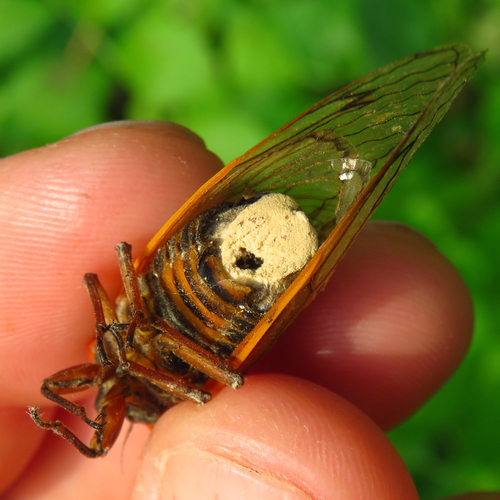
Massospora cicadina
species of fungus
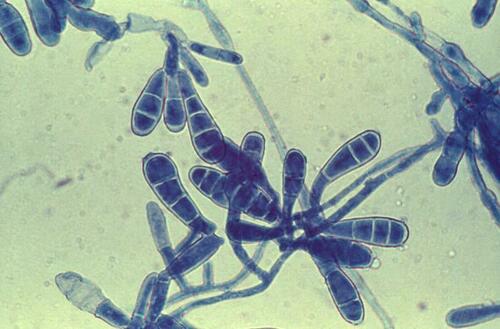
Epidermophyton floccosum
anthropophilic dermatophyte
Ancylistaceae
The Ancylistaceae are a family of fungi in the order Entomophthorales. The family currently contains the genera: Ancylistes, Macrobiotophthora, Conidiobolus. Capillidium was added in 2020, it was once thought to be a sub-genus of Conidiobolus. Microconidiobolus and Neoconidiobolus were also added in 2020.
Microsporum audouinii
species of fungus
Gibellula
Gibellula is a genus of parasitic fungi which attacks arachnids.
Aspergillus candidus
species of fungus
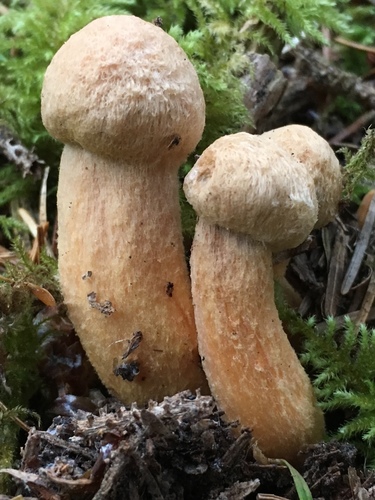
Chroogomphus tomentosus
species of fungus
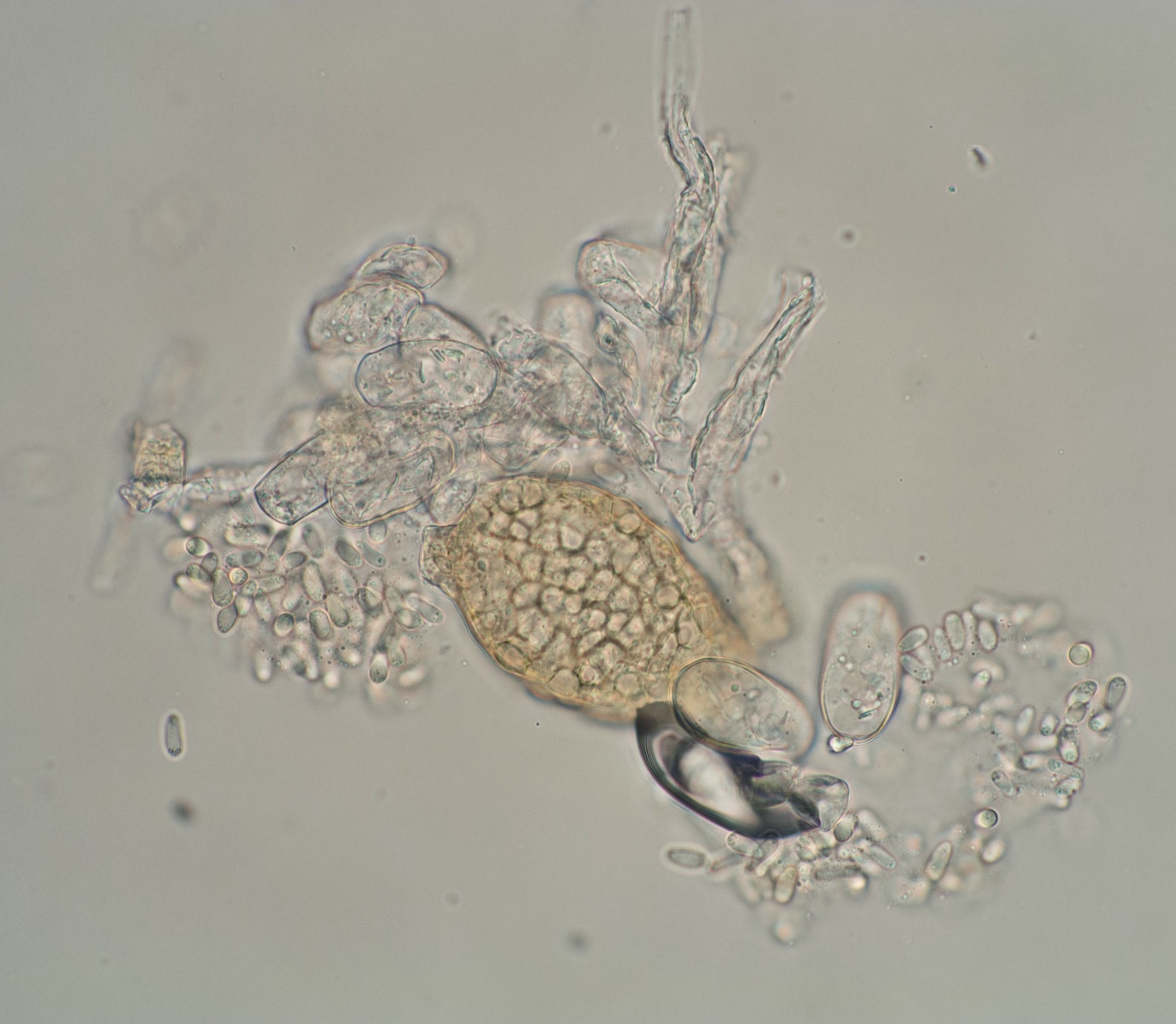
Ampelomyces quisqualis
species of fungus
Batrachochytrium salamandrivorans
species of fungus
Piptocephalidaceae
thumb|left|Piptocephalis
The Piptocephalidaceae are a family of fungi in the Zoopagales order. The family contains 3 genera, and 70 species.
Cyttaria espinosae
species of fungus
zygomycosis
Zygomycosis is the broadest term to refer to infections caused by bread mold fungi of the zygomycota phylum. However, because zygomycota has been identified as polyphyletic, and is not included in modern fungal classification systems, the diseases that zygomycosis can refer to are better called by their specific names: mucormycosis (after Mucorales), phycomycosis (after Phycomycetes) and basidiobolomycosis (after Basidiobolus). These rare yet serious and potentially life-threatening fungal infections usually affect the face or oropharyngeal (nose and mouth) cavity. Zygomycosis type infections
Synchytrium
Synchytrium is a large genus of plant pathogens within the phylum Chytridiomycota. Species are commonly known as false rust or wart disease. Approximately 200 species are described, and all are obligate parasites of angiosperms, ferns, or mosses. Early species were mistakenly classified among the higher fungi (Ascomycota or Basidiomycota) because of their superficial similarity to the rust fungi. Anton de Bary and Mikhail S. Woronin recognized the true nature of these fungi and established the genus to accommodate Synchytrium taraxaci, which grows on dandelions, and S. succisae, which grows on
Paecilomyces fumosoroseus
species of fungus
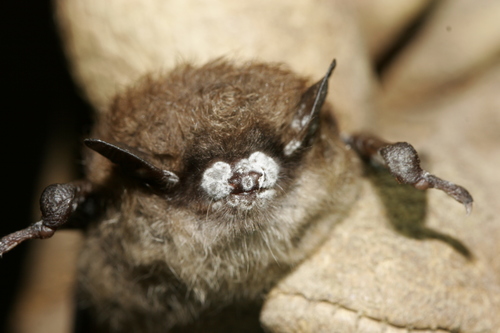
Pseudogymnoascus destructans
species of fungus
list of Aspergillus species
Wikimedia list article

Gibellula pulchra
species of fungus
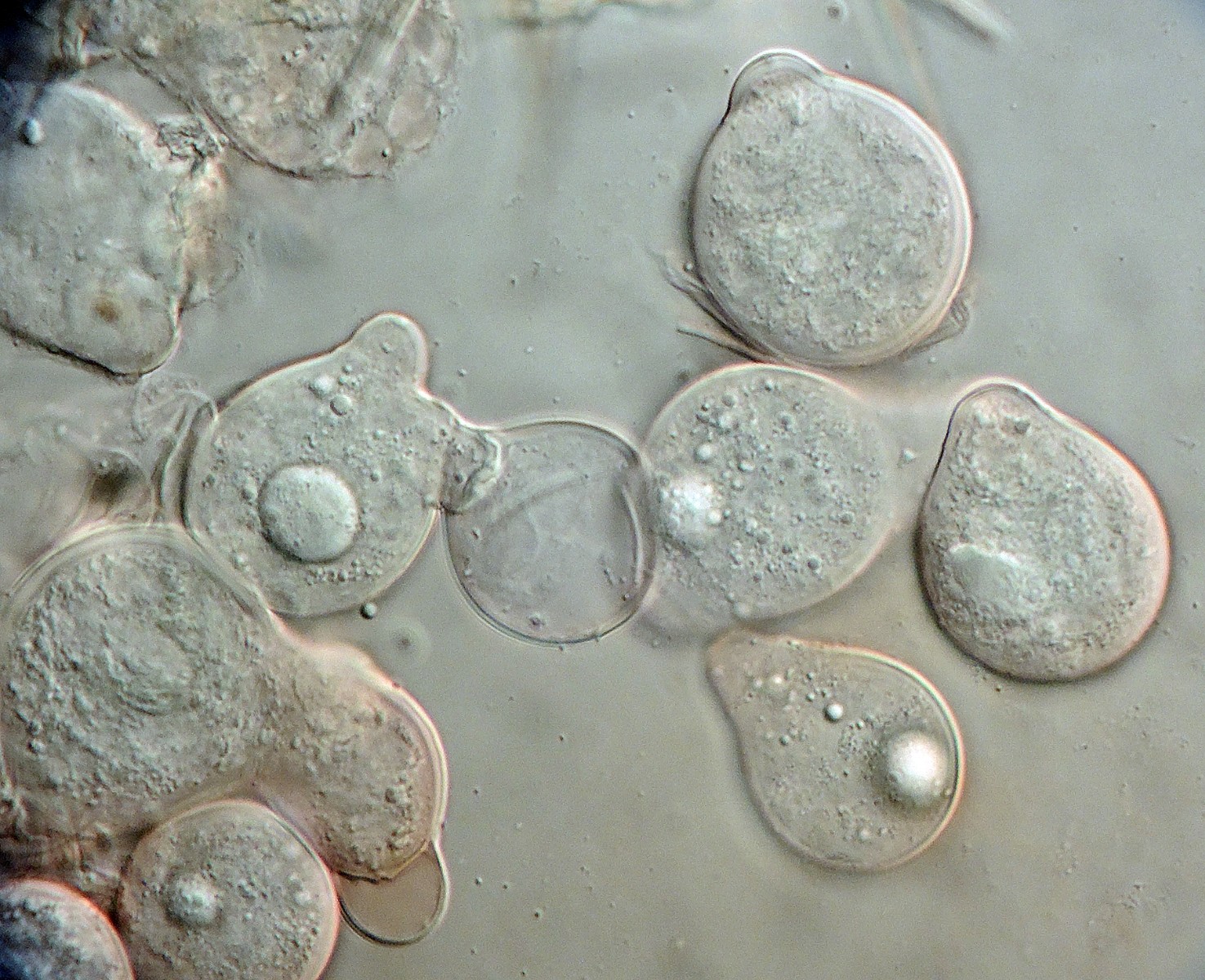
Entomophaga grylli
species of fungus