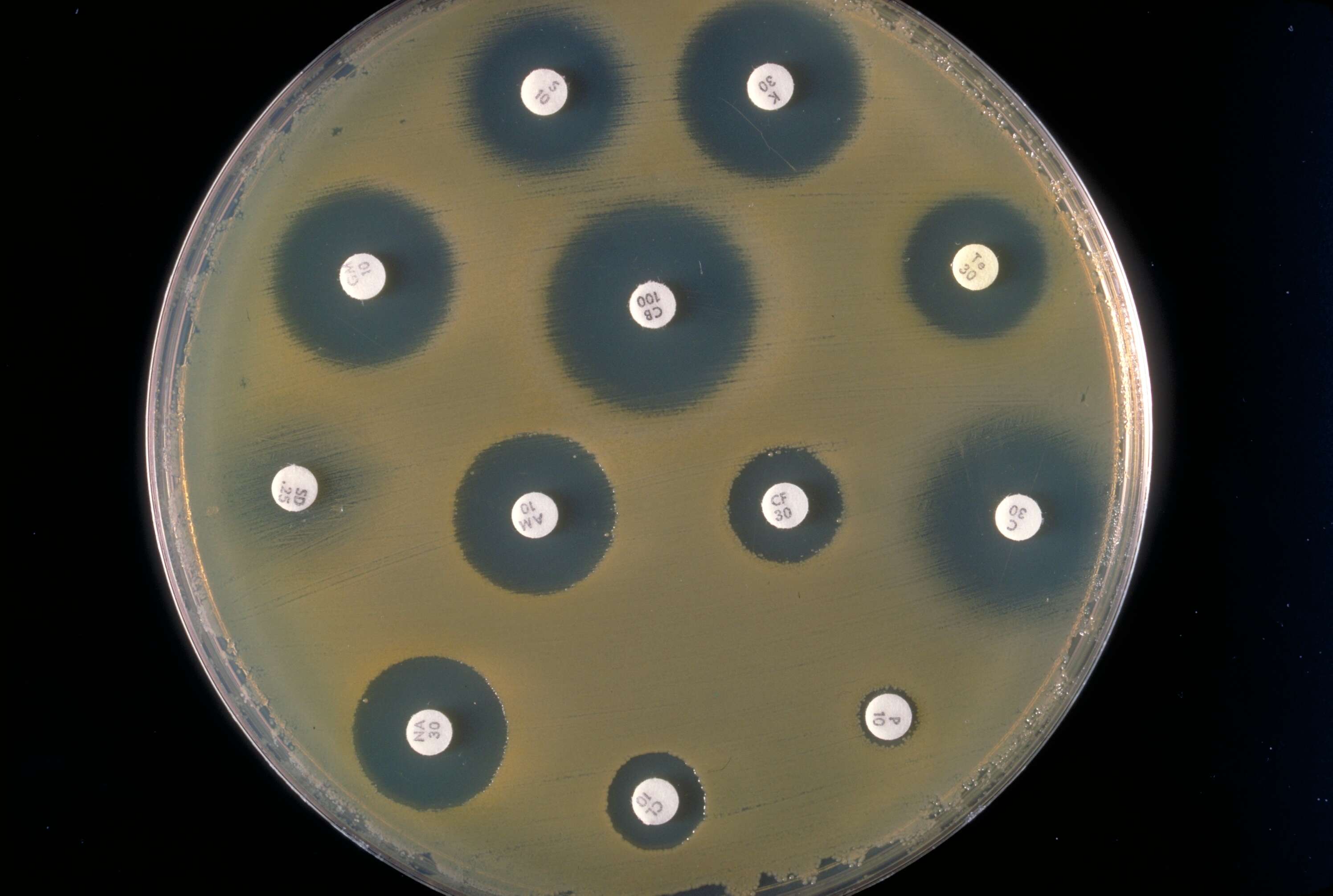
Encyclopedia of Life · EOL (see source)
Cronobacter
Sign in to saveCronobacter is a genus of Gram-negative, facultatively anaerobic, oxidase-negative, catalase-positive, rod-shaped bacteria of the family Enterobacteriaceae. Several Cronobacter species are desiccation resistant and persistent in dry products such as powdered infant formula. They are generally motile, reduce nitrate, use citrate, hydrolyze esculin and arginine, and are positive for L-ornithine decarboxylation. Acid is produced from D-glucose, D-sucrose, D-raffinose, D-melibiose, D-cellobiose, D-mannitol, D-mannose, L-rhamnose, L-arabinose, D-trehalose, galacturonate and D-maltose. Cronobacter
Species
GENUS
- KingdomBacteria
- PhylumProteobacteria
- ClassGammaproteobacteria
- OrderEnterobacterales
- FamilyEnterobacteriaceae
クロノバクター 分類 ドメ イン : 真正細菌 Bacteria 門 : プロテオバクテリア門 Proteobacteria 綱 : ガンマプロテオバクテリア綱 Gammaproteobacteria 目 : 腸内細菌目 Enterobacteriales 科 : 腸内細菌科 Enterobacteriaceae 属 : クロノバクター属 Cronobacter 学名 Cronobacter Iversen et al. 2008 種 C. sakazakii(タイプ種) C. malonaticus C. turicensis C. muytjensii C. dublinensis クロノバクター属(Cronobacter、旧名Enterobacter sakazakii、サカザキ菌)は腸内細菌科のグラム陰性桿菌。 特徴[編集] 寒天培地上で黄色いコロニーを形成する。全ての年代で感染を起こすが、特に新生児や乳児に菌血症や細菌性髄膜炎、壊死性腸炎等のリスクが高い。一方、成人では不顕感染が多く発症はまれ。乳児は発症した際の致死率は 20 - 50%とされている。粉ミルク類で汚染が知られている[1]が、野菜や環境中からの分離報告もあるので広く環境中に分布していると考えられている。 かつては Enterobacter cloacae の黄色いコロニーを形成する株とされていたが、Farmer らが1980年に E. cloacae とは異なる細菌であるということを報告し、グラム陰性細菌の研究に多大な功績があった坂崎利一に献名して Enterobacter sakazakii と命名された。2008年には、Iversen らによって Cronobacter属 が新設され、E. sakazakii は Cronobacter属 の複数の種に分割された[2][3]。 脚注・参考文献[編集] ^ 福田典子、新井のぞみほか、調製乳幼児用食品における保存温度がCronobacter sakazakii の増殖に及ぼす影響 日本食品微生物学会雑誌 Vol.31 (2014) No.4 p.204-208, doi:10.5803/jsfm.31.204 ^ Iversen C, Lehner A, Mullane N, et al (2007). “The taxonomy of Enterobacter sakazakii: proposal of a new genus Cronobacter gen. nov. and descriptions of Cronobacter sakazakii comb. nov. Cronobacter sakazakii subsp. sakazakii, comb. nov., Cronobacter sakazakii subsp
via GBIF
Wikidata facts
- Instance of
- taxon
- Parent taxon
- Enterobacteriaceae
- Image
- Bacillus subtilis Gram.jpg
Show 6 more facts
- taxon rank
- genus
- taxon name
- Cronobacter
- Gram staining
- gram-negative bacteria
- taxonomic type
- Cronobacter sakazakii
- Commons category
- Cronobacter
Sources (3)
via Wikidata · CC0
~5 min read
Encyclopedic overview
5 sectionsContents
- Clinical significance
- Taxonomy
- Etymology
- See also
- References
Cronobacter is a genus of Gram-negative, facultatively anaerobic, oxidase-negative, catalase-positive, rod-shaped bacteria of the family Enterobacteriaceae. Several Cronobacter species are desiccation resistant and persistent in dry products such as powdered infant formula. They are generally motile, reduce nitrate, use citrate, hydrolyze esculin and arginine, and are positive for L-ornithine decarboxylation. Acid is produced from D-glucose, D-sucrose, D-raffinose, D-melibiose, D-cellobiose, D-mannitol, D-mannose, L-rhamnose, L-arabinose, D-trehalose, galacturonate and D-maltose. Cronobacter spp. are also generally positive for acetoin production (Voges–Proskauer test) and negative for the methyl red test, indicating 2,3-butanediol rather than mixed acid fermentation. The type species of the genus Cronobacter is Cronobacter sakazakii comb. nov.
==Clinical significance==
Excerpted from Wikipedia’s “Cronobacter” article, available under the CC BY-SA 4.0 licence.