Category
page 1Plantaginaceae genera

Plantago
Plantago is a genus of about 200 species of flowering plants in the family Plantaginaceae, commonly called plantains or fleaworts. The common name plantain is shared with the unrelated cooking plantain. Most are herbaceous plants, though a few are subshrubs growing to tall.

Digitalis
thumb|right|upright|Digitalis lutea
thumb|middle|Pink common foxglove with bumblebee
thumb|Digitalis blossoms and immature flowers

Veronica
genus of plants
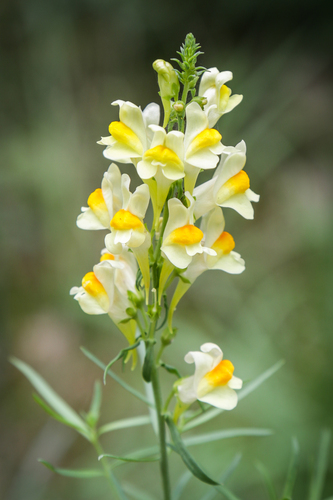
Antirrhinum
Antirrhinum is a genus of plants in the Plantaginaceae family, commonly known as dragon flowers or snapdragons because of the flowers' fancied resemblance to the face of a dragon that opens and closes its mouth when laterally squeezed. They are also sometimes called toadflax or dog flower. They are native to rocky areas of Europe, the United States, Canada, and North Africa. Antirrhinum species are widely used as ornamental plants in borders and as cut flowers.
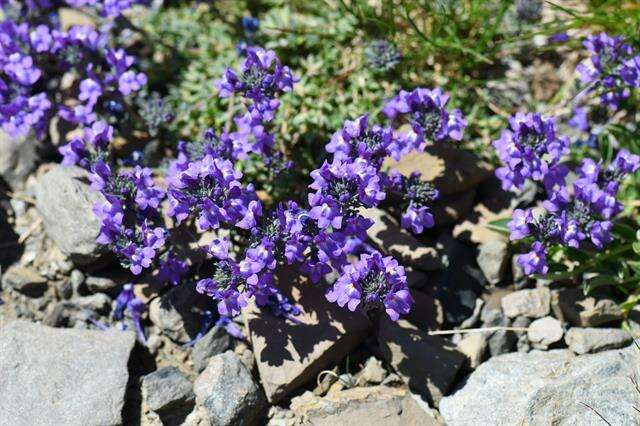
Linaria
Linaria is a genus of almost 200 species of flowering plants, one of several related groups commonly called toadflax. They are annuals and herbaceous perennials, and the largest genus in the Antirrhineae tribe of the plantain family Plantaginaceae.
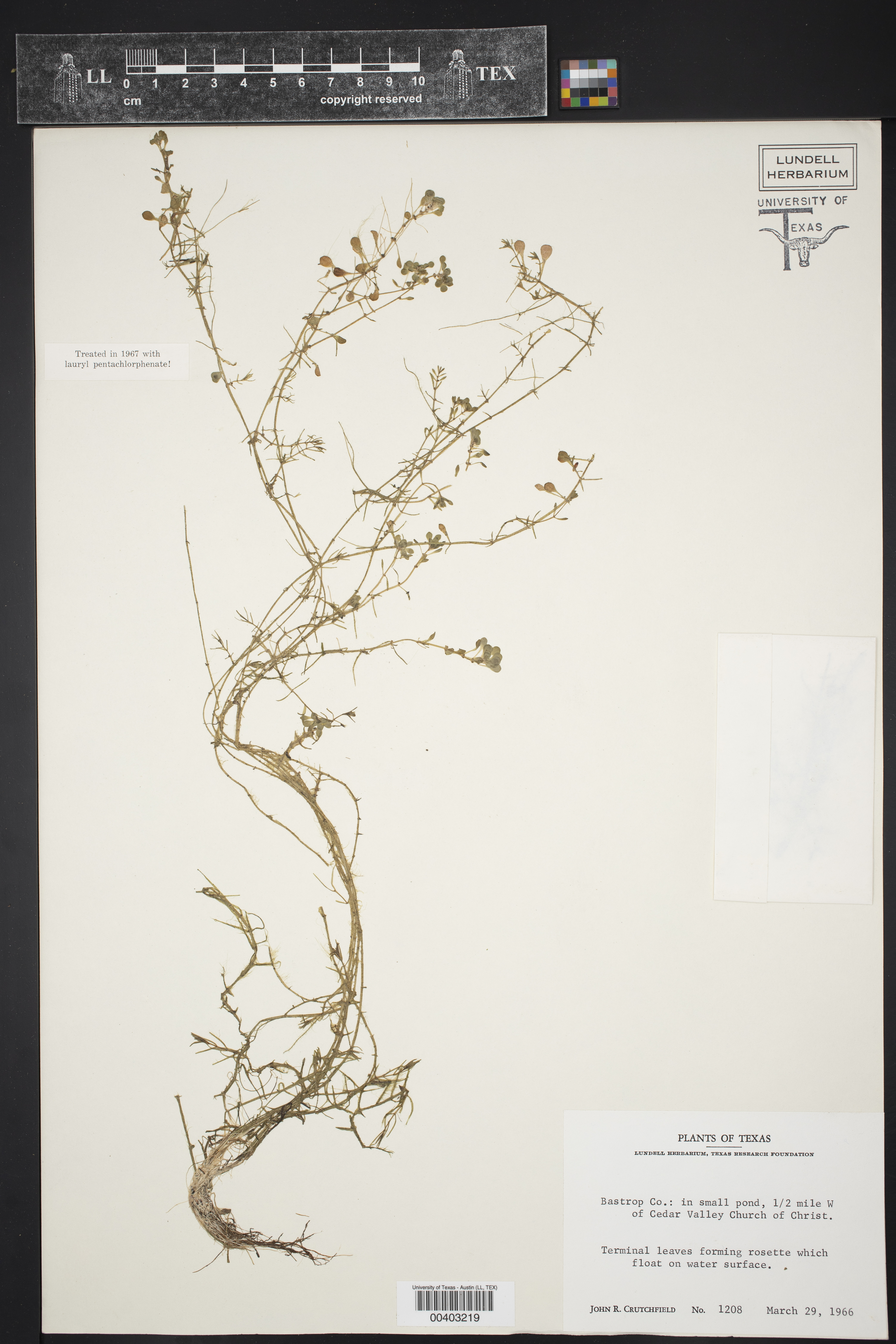
Callitriche
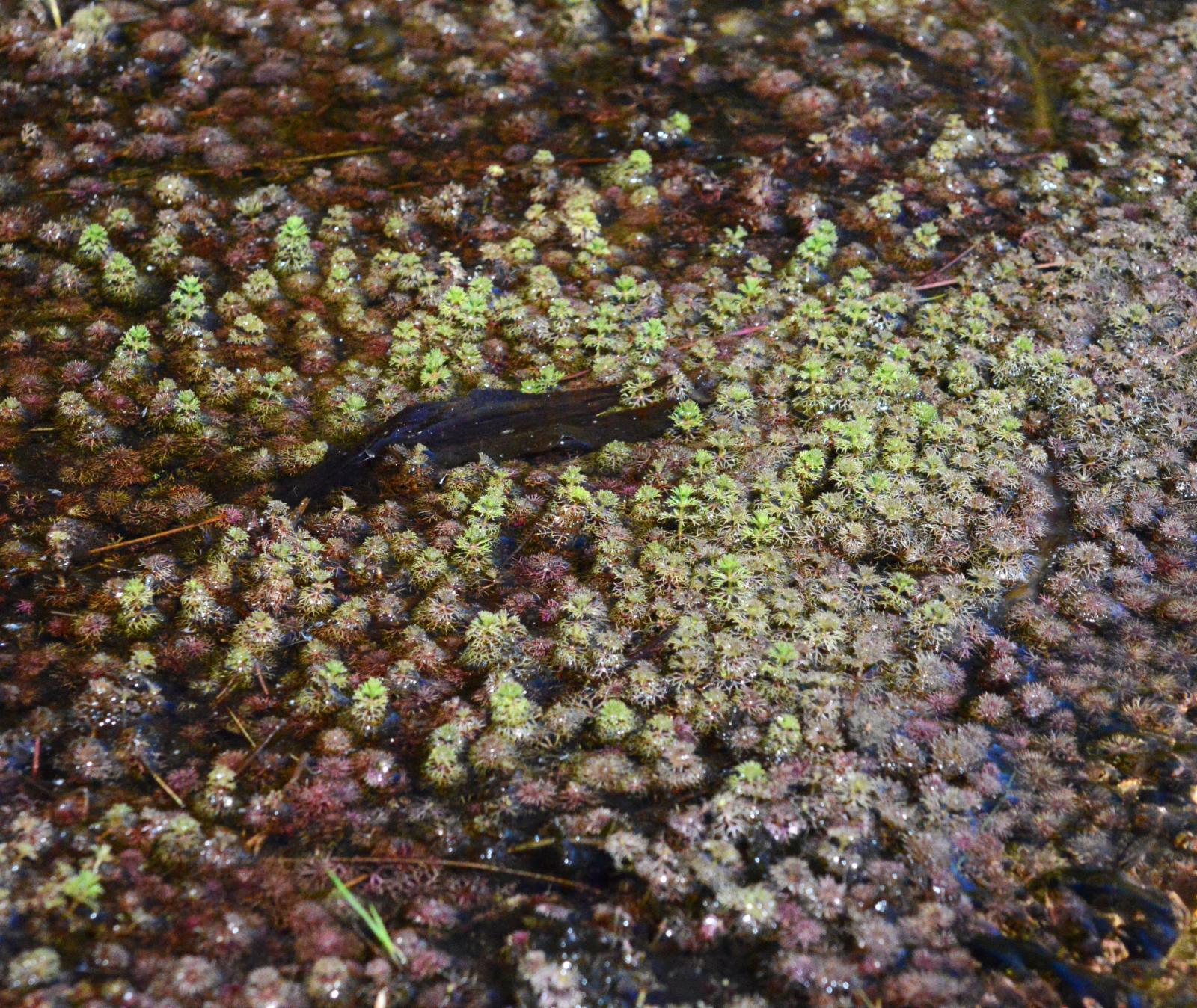
Callitriche is a genus of largely aquatic plants known as water-starwort. Previously, it was the only genus in the family Callitrichaceae. However, according to the APG II system this family is now included in the Plantaginaceae (plantain family). The family name Callitrichaceae retains its status as nomen conservandum (name to be retained).
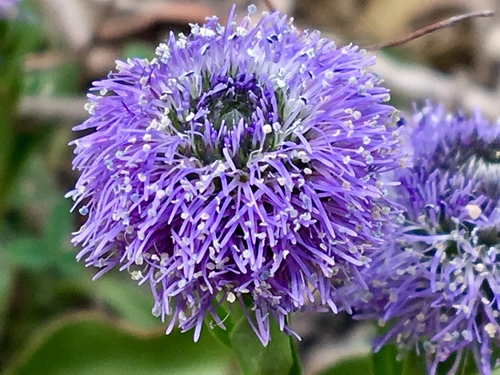
Globularia
Globularia is a genus of about 22 species of flowering plants in the family Plantaginaceae, native to central and southern Europe, Macaronesia, northwest Africa and southwest Asia. They are dense low evergreen mat-forming perennials or subshrubs, with leathery oval leaves 1–10 cm long. The flowers are produced in dense inflorescences (capitula) held above the plant on a 1–30 cm tall stem; the capitula is 1–3 cm in diameter, with numerous tightly packed purple, violet, pink or white flowers.
Gratiola
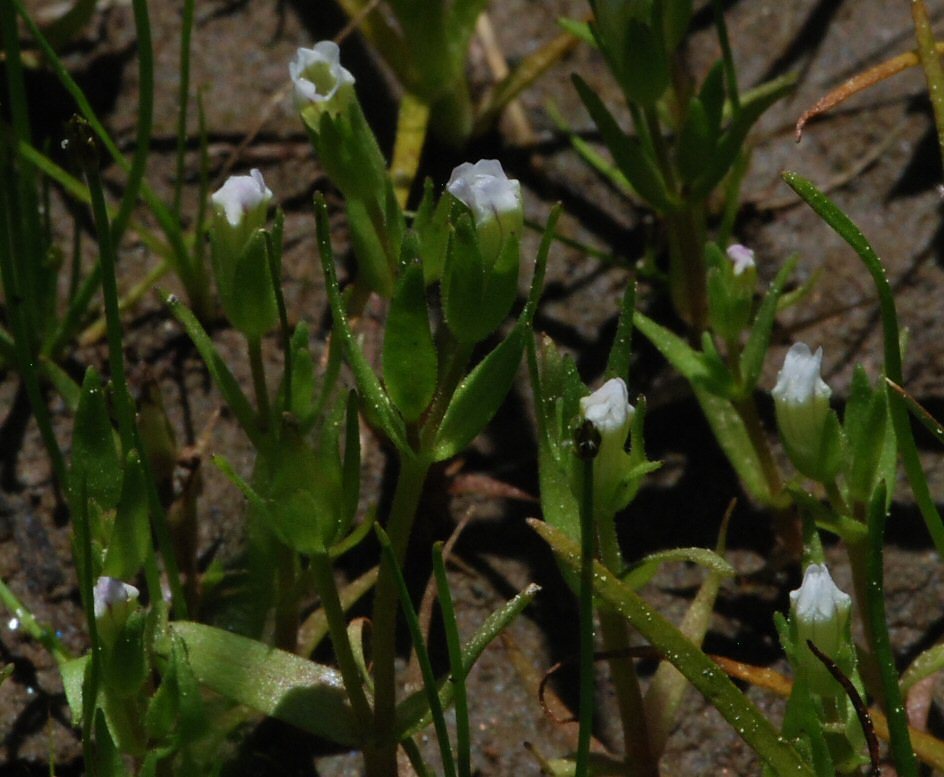
Gratiola is a genus of plants in the family Plantaginaceae. Most species are known generally as hedgehyssops. It includes 29 species native to temperate North America and Eurasia, and to Morocco, South America, Australia, and New Zealand. The genus was previously included in the family Scrophulariaceae.

Cymbalaria
Cymbalaria is a genus of about 10 species of herbaceous perennial plants previously placed in the family Scrophulariaceae, but recently shown by genetic research to be in the much enlarged family Plantaginaceae.

Bacopa
Bacopa is a genus of 60 aquatic plants belonging to the family Plantaginaceae. It is commonly known as waterhyssop (or water hyssop, though this is more misleading as Bacopa is not very closely related to hyssop but simply has a somewhat similar appearance).

Penstemon
Penstemon , the beardtongues, is a large genus of roughly 280 species of flowering plants native to North America from northern Canada to Central America. It is the largest genus of flowering plants endemic to North America. As well as being the scientific name, penstemon is also widely used as a common name for all Penstemon species alongside beardtongues.

Hippuris
Hippuris, the '''mare's tail, was previously the sole genus in the family Hippuridaceae'''. Following genetic research by the Angiosperm Phylogeny Group, it has now been transferred to the family Plantaginaceae, with Hippuridaceae being reduced to a synonym of Plantaginaceae.
Kickxia
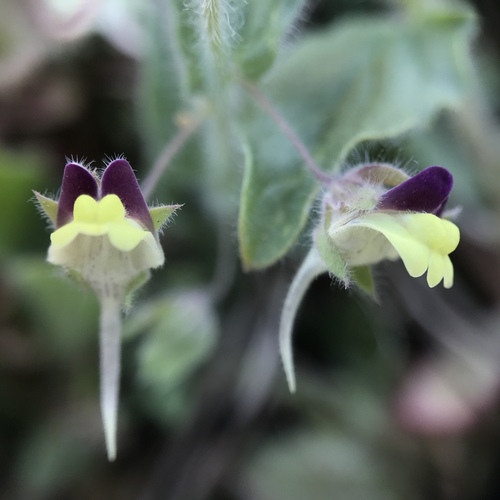
Kickxia is a genus of plants in the plantain family (Plantaginaceae). It includes several species known commonly as cancerworts or fluellins. Species are mostly native to Europe, Central Asia, and Africa, with two, K. elatine and K. spuria, well-established as invasive elsewhere.

Chelone
genus of plants

Angelonia
Angelonia is a genus of flowering plants in the family Plantaginaceae. It comprises about 30 species which occur from Mexico to Argentina. Species of the genus Angelonia are herbaceous plants occurring mainly in arid and semi-arid habitats. Most species can be found in north-eastern Brazil in the seasonally-dry tropical forest Caatinga. The flowers of Angelonia species are highly specialized for pollination because they have hairs in the inner corolla, which produces oils collected by oil bee pollinators, especially of the genus Centris.

Russelia
Russelia is a genus of flowering plants in the plantain family, Plantaginaceae. It is sometimes placed in the families Scrophulariaceae or Veronicaceae. The name honours Scottish naturalist Alexander Russell (1715–1768). Members of the genus are commonly known as firecracker plants or coralblows. Russelia species grow in many parts of the world and are mildly drought resistant.
Chaenorhinum
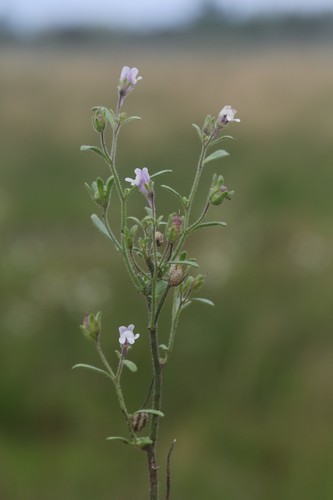
Chaenorhinum is a genus of flowering plants. It includes 27 species of annual and perennial herbs native to the Mediterranean Basin, Europe, and western Asia to the western Himalayas. They thrive in dry stony areas and scree. They are closely related to snapdragons. The leaves are linear to oblong or rounded, opposite at the base. The flowers resemble snapdragons, being typically zygomorphic, hooded, lobed and spurred. They are borne in terminal racemes or singly in the leaf axils of the branching stems.
Hebe
genus of plants

Erinus
Erinus is a genus of flowering plants in the family Plantaginaceae (previously in the family Scrophulariaceae), native to stony mountainous sites in North Africa and southern Europe. Some members of the genus have been cultivated as ornamental plants, particularly Erinus alpinus, for which a number of different cultivars are available.
Limnophila
genus of plants

Misopates
Misopates is a genus of the family Plantaginaceae, and is one of the groups of plants commonly known as 'snapdragons'. It has eight accepted species:
Misopates calycinum (Lange) Rothm.
Misopates chrysothales (Font Quer) Rothm.
Misopates font-queri (Emb.) Ibn Tattou
Misopates marraicum D.A.Sutton
Misopates microcarpum (Pomel) D.A.Sutton
Misopates oranense (Faure) D.A.Sutton
Misopates orontium (L.) Raf.
Misopates salvagense D.A.Sutton

Littorella
Littorella is a genus of two to three species of aquatic plants. Many plants live their entire lives submersed, and reproduce by stolons, but some are only underwater for part of the year, and flower when they are not underwater.
Adenosma
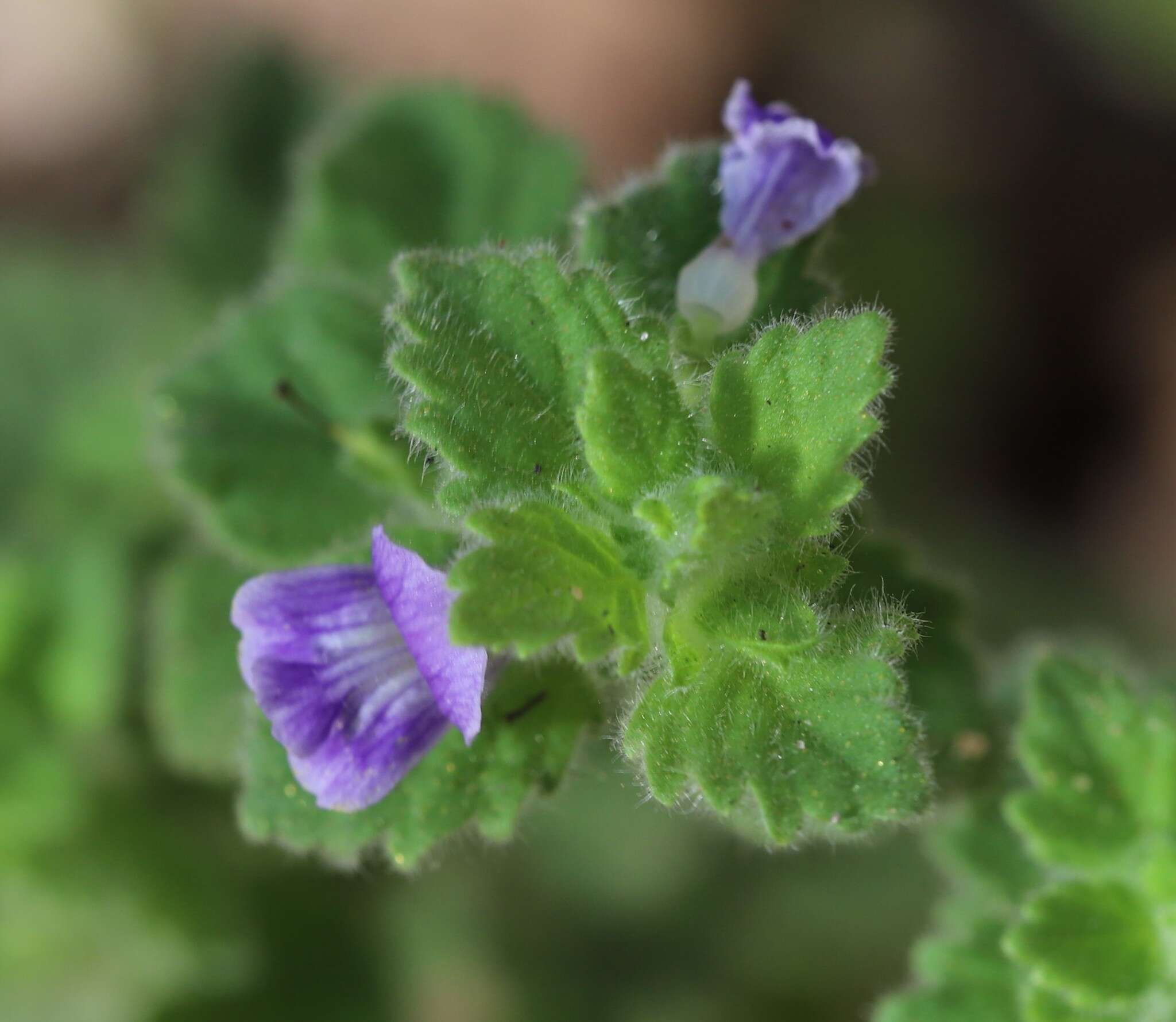
Adenosma is a genus of flowering plants belonging to the family Plantaginaceae.

Maurandya
Maurandya is a genus of flowering plants in the family Plantaginaceae, native to Mexico and the south west United States (from California to central Texas). They sprawl or climb by means of twining leaf stalks. One of the four species, Maurandya barclayana, is widely cultivated as an ornamental plant.

Scoparia
genus of plants

Anarrhinum
Anarrhinum is a genus of flowering plants belonging to the family Plantaginaceae.
Ourisia
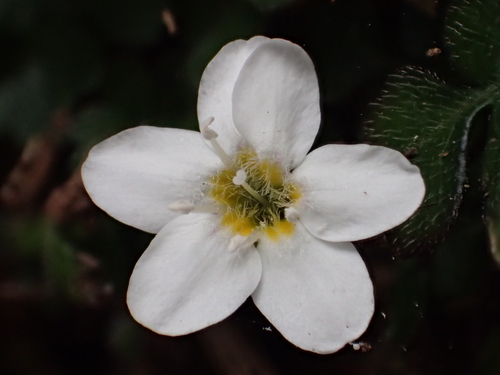
Ourisia is a genus of flowering plants of the family Plantaginaceae, native to Andean South America, Tasmania or New Zealand.
Veronicastrum
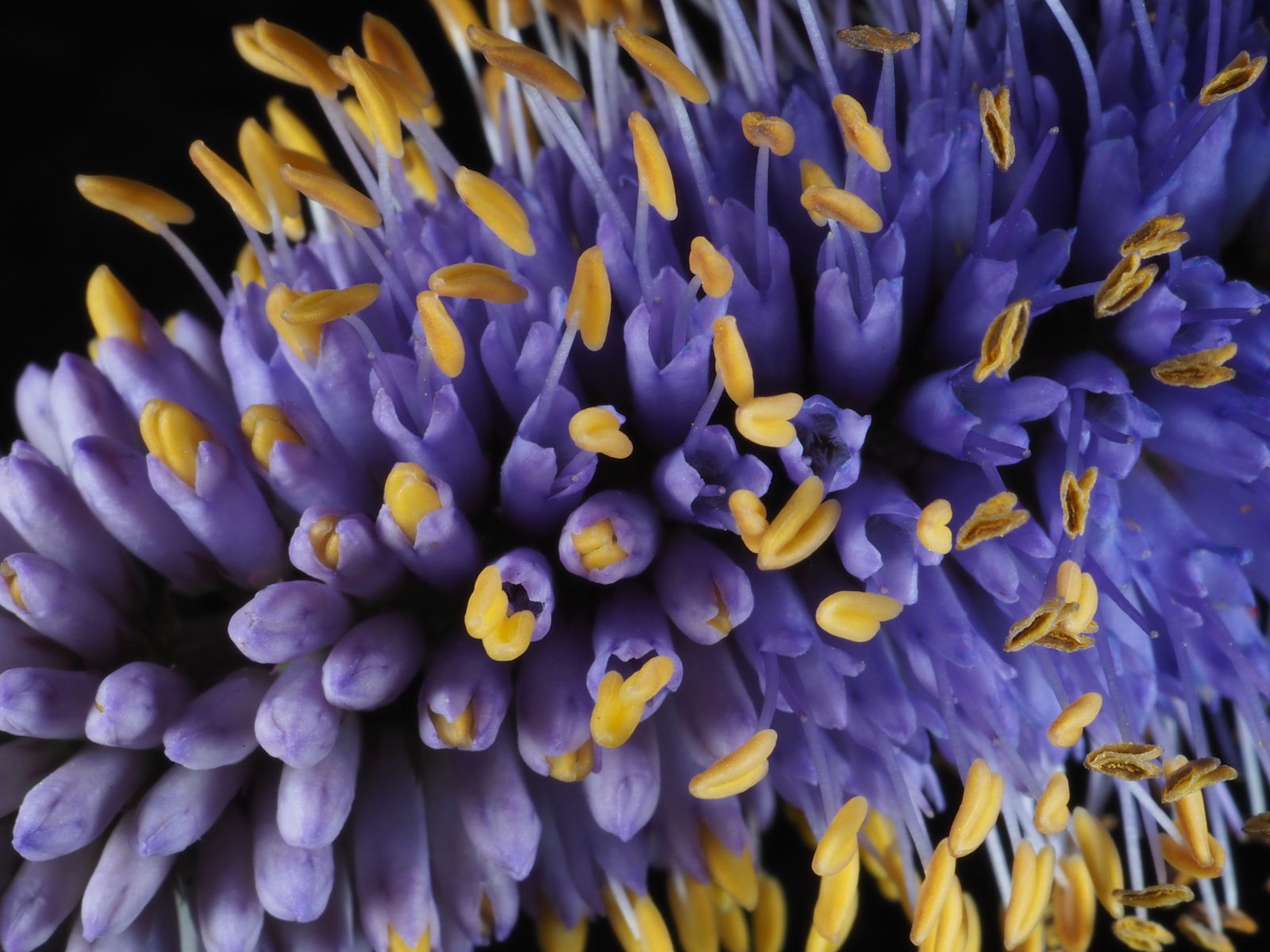
Veronicastrum is a genus of flowering plants in the family Plantaginaceae. In some taxonomy systems, Veronicastrum species have been placed within the genus Veronica. The most commonly cultivated species is Veronicastrum virginicum, which is native to the Eastern parts of North America. Veronicastrum has previously been part of the family Scrophulariaceae. However, following recent genetic studies, several genera were transferred to other families including Veronicastrum, transferred to Plantaginaceae.

Wulfenia
Wulfenia is a plant genus in the family Plantaginaceae. The genus was named after Franz Xaver von Wulfen (1728–1805), an Austrian botanist, zoologist, mineralogist, alpinist, and Jesuit priest. It was first described in 1781 by Nikolaus Joseph von Jacquin in . It is also in Tribe Veroniceae.
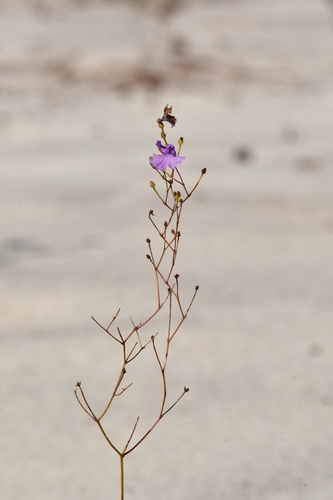
Philcoxia
Philcoxia is a genus of seven rare plant species in the Plantaginaceae that are endemic to Brazil and resemble terrestrial species of the genus Utricularia. The genus, formally described in 2000, consists of the species P. bahiensis, P. goiasensis, P. minensis, P. tuberosa, P. rhizomatosa, P. maranhensis and P. courensis, each of the first three named for the Brazilian state to which it is endemic. The species are characterized by subterranean stems, peltate leaves at or below the soil surface, and five-lobed calyces. Their habitat has been reported as areas of white sand in the midst of cerra

Collinsia
Collinsia is a genus of about 20 species of annual flowering plants, consisting of the blue eyed Marys and the Chinese houses. It was traditionally placed in the snapdragon family Scrophulariaceae, but following recent research in molecular genetics, it has now been placed in a much enlarged family Plantaginaceae.

Lagotis
genus of plants

Rhodochiton
Rhodochiton is a genus of flowering plants within the family Plantaginaceae, native to southern Mexico and neighbouring Guatemala. They climb by means of twining leaf stalks. One of the three species, Rhodochiton atrosanguineus, the purple bell vine, is grown as an ornamental plant. All three species are sometimes included in Lophospermum.

Paederota
Paederota is a genus of flowering plants in the family Plantaginaceae. It includes two species native to the eastern Alps of Austria, Italy, and Slovenia.
Paederota bonarota
Paederota lutea

Matourea
thumb|right
Matourea is a genus in the family Plantaginaceae. It includes nine species native to tropical South America and Nicaragua. The name Matourea refers to the town of Matoury (French Guiana).
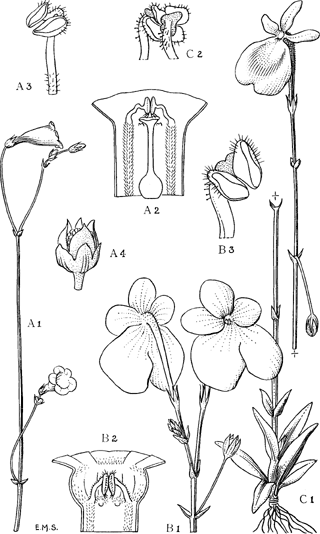
Dopatrium
Dopatrium is a genus of flowering plants belonging to the family Plantaginaceae.
%20(6303367471).jpg)
Mecardonia
thumb|Mecardonia acuminata subsp. peninsularis

Stemodia
Stemodia is a genus of flowering plants in the family Plantaginaceae. The genus comprises approximately 45 species of annual and perennial herbs and shrubs which are distributed through tropical and temperate regions of the Americas, sub-Saharan Africa, the Indian subcontinent, and Australia. This genus is sometimes placed in the families Scrophulariaceae or Gratiolaceae. The generic name is derived from the Latin word stemodiacra, which means "stamens with two tips." Twintip is a common name for several species.
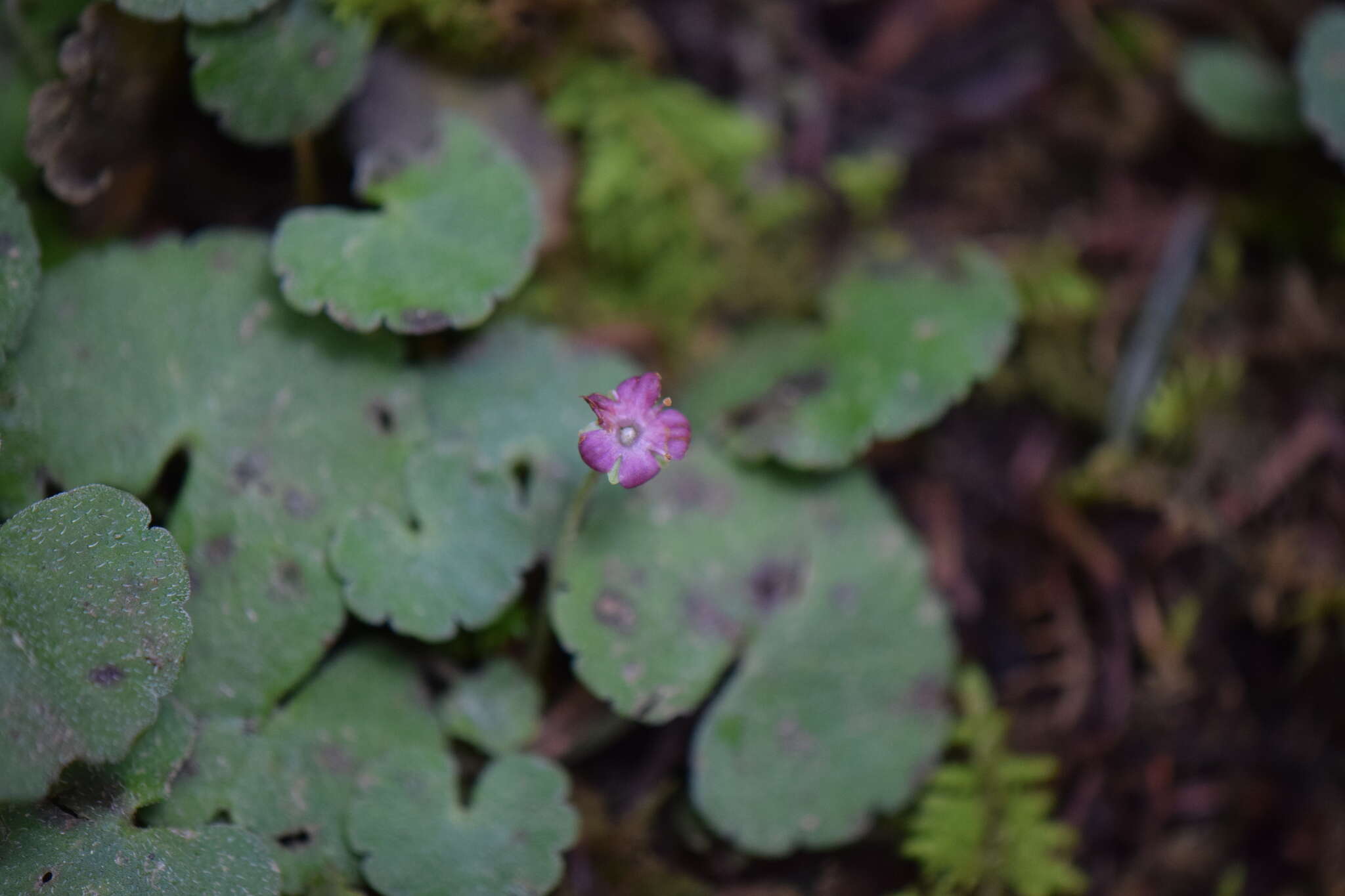
Sibthorpia
Sibthorpia is a genus of flowering plants in the family Plantaginaceae, with a peculiar distribution in the mountains of North America, South America and Africa, and the coasts of Europe.
Neogaerrhinum
Neogaerrhinum is a genus of the family Plantaginaceae, and is one of a group of plants commonly known as 'snapdragons'. It has two accepted species and includes species formerly considered as New World members of Antirrhinum.
Sairocarpus
Sairocarpus is a genus of the family Plantaginaceae, and is one of a group of plants commonly known as 'snapdragons'. It has ten accepted species and is being considered to include many species formerly considered as New World species of Antirrhinum.
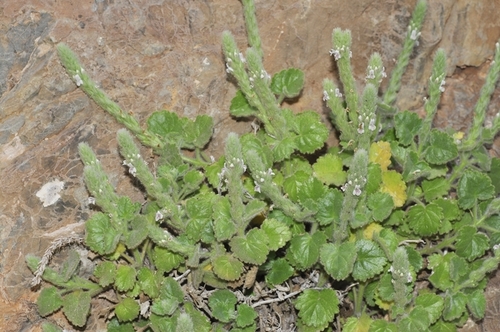
Lafuentea
Lafuentea is a genus of flowering plants belonging to the family Plantaginaceae.
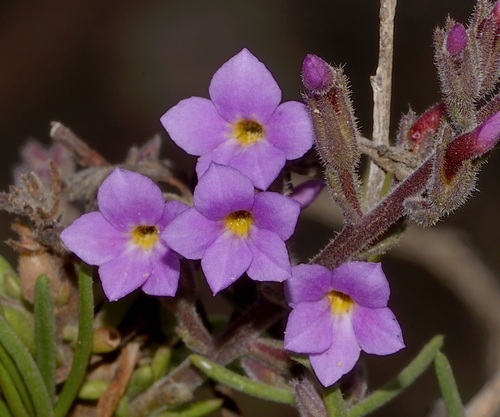
Campylanthus
Campylanthus is a genus of flowering plants belonging to the family Plantaginaceae.
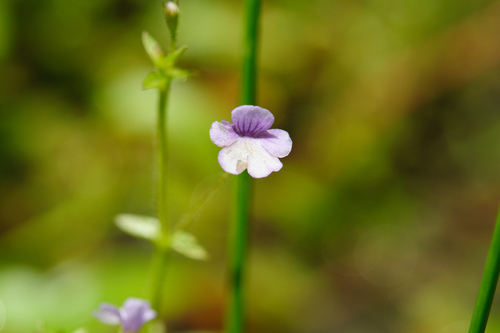
Deinostema
Deinostema is a genus of flowering plants belonging to the family Plantaginaceae.

Albraunia
Albraunia is a genus of flowering plants belonging to the family Plantaginaceae.

Monttea
Monttea is a genus of flowering plants belonging to the family Plantaginaceae.

Tonella
Tonella is a genus of flowering plants belonging to the family Plantaginaceae.
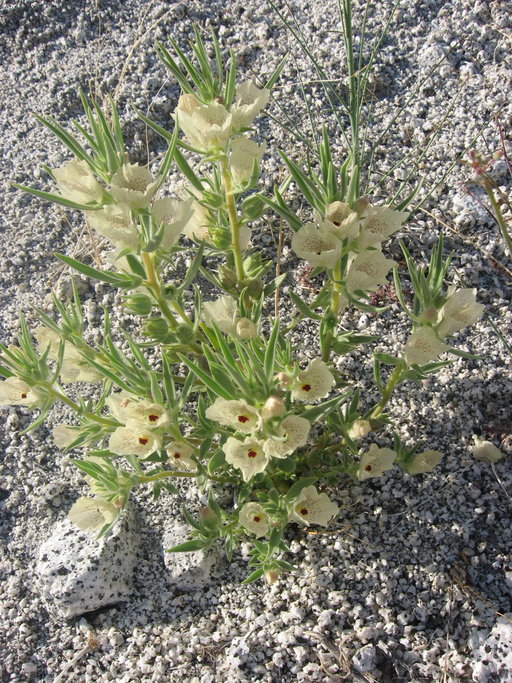
Mohavea
Mohavea is a plant genus consisting of two species native to the deserts of the southwestern United States and northern Mexico. This genus is often included in the closely related snapdragon genus Antirrhinum.

Tetranema
Tetranema is a genus of flowering plants in the family Plantaginaceae, native to Mexico and Central America. There has been some taxonomic debate over its family placement, with Gesneriaceae and Scrophulariaceae having been proposed.
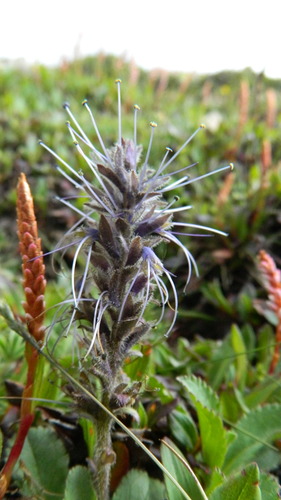
Picrorhiza
Picrorhiza is a genus of flowering plants belonging to the family Plantaginaceae.
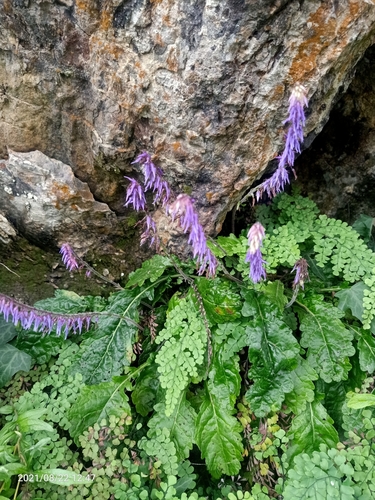
Wulfeniopsis
Wulfeniopsis is a genus of flowering plants belonging to the family Plantaginaceae. It is also in tribe Veroniceae.
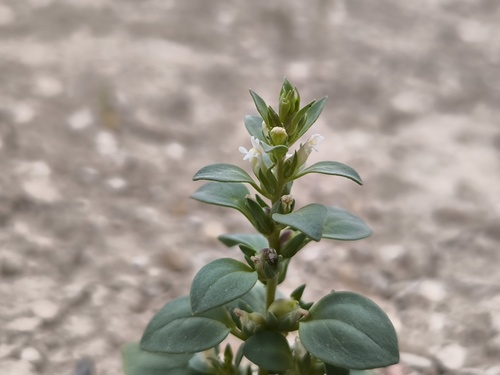
Holzneria
Holzneria is a genus of flowering plants belonging to the family Plantaginaceae.

Poskea
Poskea is a genus of flowering plants belonging to the family Plantaginaceae.

Basistemon
Basistemon is a genus of flowering plants belonging to the family Plantaginaceae. It includes eight species native to South America, ranging from Colombia and Venezuela to northern Argentina.
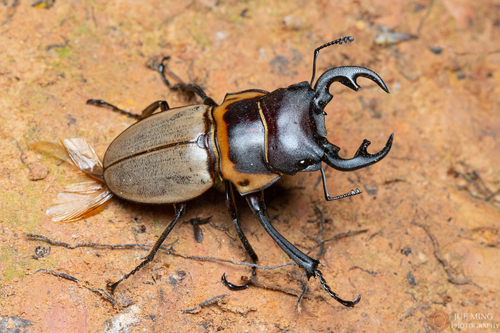
Brookea
Brookea is a genus of flowering plant belonging to the family Plantaginaceae.

Chionophila
Chionophila, also known as snowlover, is a genus of plants in the veronica family. They are most similar to the penstemons, though a distinct group.

Gambelia
genus of plants
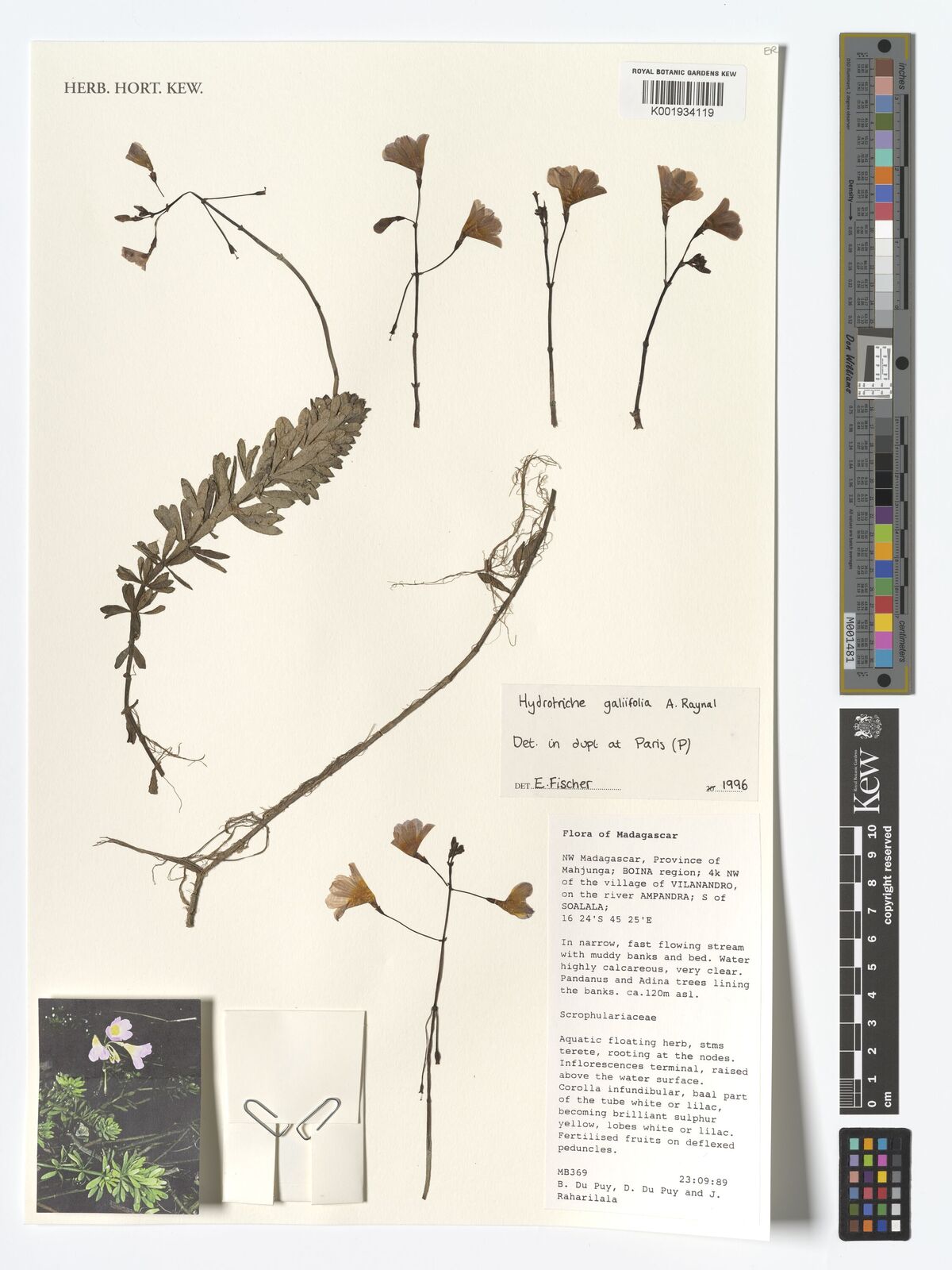
Hydrotriche
Hydrotriche is a genus of flowering plants belonging to the family Plantaginaceae.
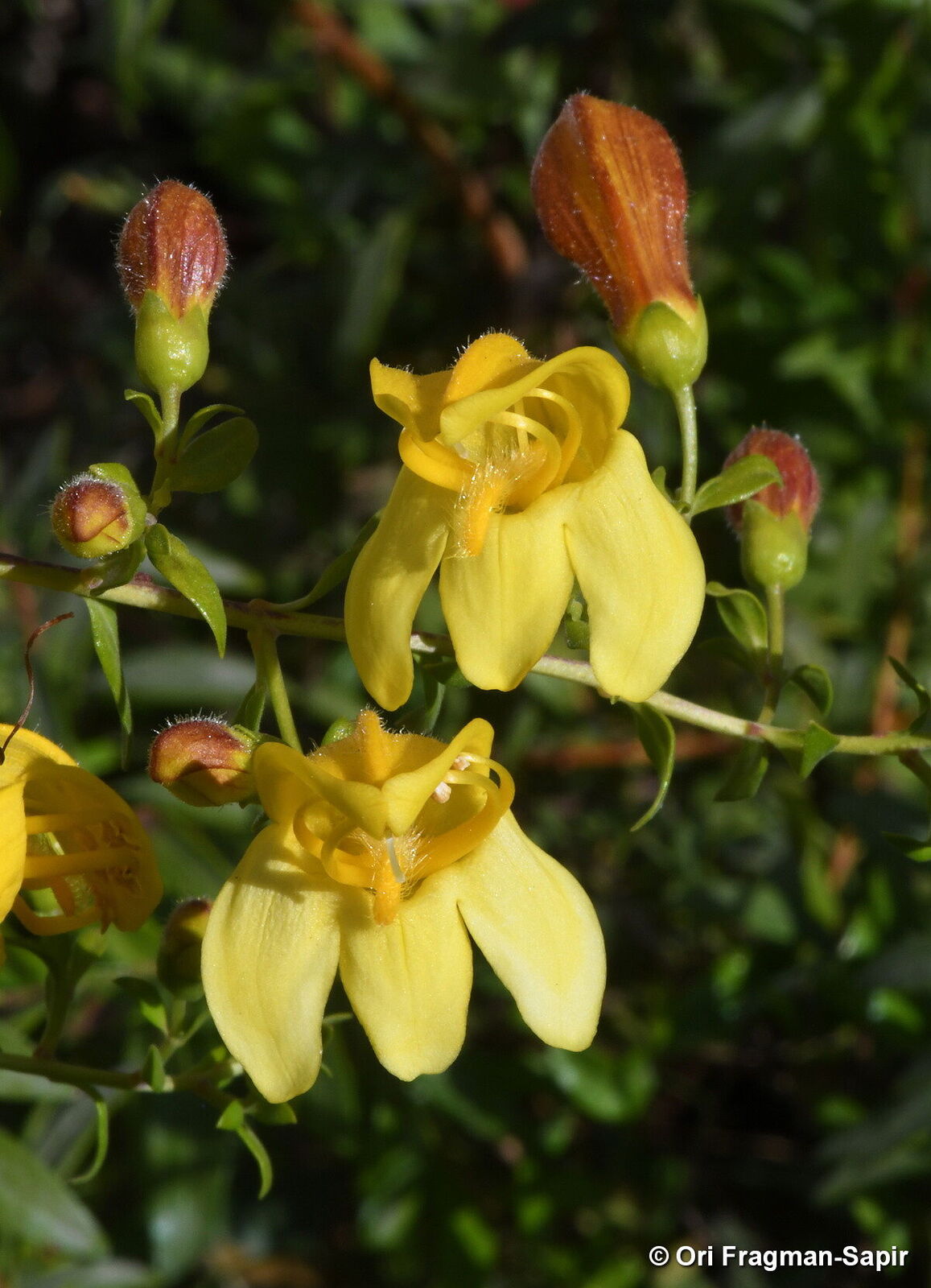
Keckiella
Keckiella is a genus of plants in the plantain family. It includes several species of plants known commonly as keckiellas. A few species may be called beardtongues or penstemons because all keckiellas once belonged to genus Penstemon as the section Hesperothamnus. Keckiellas are native to the American southwest, especially California. They bloom in attractive snapdragon-like flowers. Genus Keckiella was named after the American botanist David D. Keck.

Lophospermum
Lophospermum is a genus of herbaceous perennial climbers or scramblers, native to mountainous regions of Mexico and Guatemala. Those that climb use twining leaf stalks. Their flowers are tubular, in shades of red, violet and purple, the larger flowers being pollinated by hummingbirds. Now placed in the greatly expanded family Plantaginaceae, the genus was traditionally placed in the Scrophulariaceae. The close relationship with some other genera, particularly Maurandya and Rhodochiton, has led to confusion over the names of some species.