Category
page 1Politicide perpetrators

Mao Zedong
1st chairman of the Chinese Communist Party and founder of the People's Republic of China (1893–1976)

Fidel Castro
Fidel Alejandro Castro Ruz was a Cuban politician and revolutionary who was the leader of Cuba from 1959 to 2008, serving as prime minister from 1959 to 1976 and president from 1976 to 2008. Ideologically a Marxist–Leninist and Cuban nationalist, he also served as the first secretary of the Communist Party of Cuba from 1965 until 2011. Under his administration, Cuba became a one-party communist state; industry and business were nationalized, and socialist reforms were implemented throughout society.

Benito Mussolini
Benito Amilcare Andrea Mussolini was an Italian politician, journalist, and dictator who led Italy as Il Duce from 1922 until his overthrow in 1943. He founded the fascist movement in 1919, with the creation of the Fasci Italiani di Combattimento, which became the National Fascist Party (PNF) in 1921. Mussolini was appointed Prime Minister of Italy after the March on Rome in 1922, establishing a totalitarian dictatorship. He oversaw Italy's participation in World War II as a prominent member of the Axis Powers, and was summarily executed near the end of the war in 1945.

Muammar Gaddafi
Muammar Muhammad Abu Minyar al-Gaddafi was a Libyan military officer, revolutionary, politician, and political theorist who ruled Libya from 1969 until his overthrow by Libyan rebel forces in 2011 during the First Libyan Civil War. He came to power through a bloodless military coup, first becoming Revolutionary Chairman of the Libyan Arab Republic from 1969 to 1977, Secretary General of the General People's Congress from 1977 to 1979, and then the Brotherly Leader of the Great Socialist People's Libyan Arab Jamahiriya from 1979 to 2011. Initially ideologically committed to Arab nationalism and Arab socialism, Gaddafi later ruled according to his own Third International Theory.

Saddam Hussein
Saddam Hussein was an Iraqi politician and revolutionary who served as the fifth president of Iraq from 1979 until his overthrow in 2003 during the United States-led invasion of Iraq. He previously served as the vice president from 1968 to 1979 and also as the prime minister from 1979 to 1991 and later from 1994 to 2003. A leading member of the Ba'ath Party, he was a proponent of Ba'athism, a mix of Arab nationalism and Arab socialism. The policies and ideologies he championed are collectively known as Saddamism, a right-wing variant of Ba'athism.
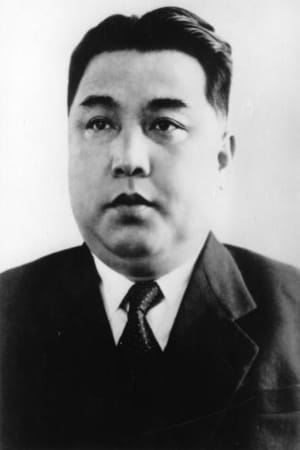
Kim Il-sung
Supreme Leader of North Korea from 1948 to 1994

Ali Khamenei
Ali Hosseini Khamenei was an Iranian politician and Shia cleric who served as the second supreme leader of Iran from 1989 until his assassination in the 2026 Iran war. A member of the Khamenei family, he previously served as the third president of Iran from 1981 to 1989. He held the title Grand Ayatollah, and his tenure as supreme leader, spanning 36 years and six months, made him the longest-serving head of state in West Asia at the time of his death.

Bashar al-Assad
President of Syrian Arab Republic from 2000 to 2024

Robert Mugabe
2nd President of Zimbabwe from 1987 to 2017

Nicolás Maduro
Nicolás Maduro Moros is a Venezuelan politician and former union leader who became President of Venezuela in 2013. On 3 January 2026, US forces captured Maduro and his wife, Cilia Flores; they were transported to the US and charged with drug trafficking to which they pleaded not guilty. Although he was de facto removed from power, according to the Venezuelan government and interim president Delcy Rodríguez, he is still the de jure president of Venezuela. Prior to his presidency, he served as the vice president of Venezuela under President Hugo Chávez from 2012 to 2013 and as minister of foreign affairs from 2006 to 2012.

Chiang Kai-shek
Chinese politician, military leader, and President of the ROC (1887–1975)

Hosni Mubarak
President of Egypt from 1981 to 2011

Kim Jong-il
Supreme Leader of North Korea from 1994 to 2011
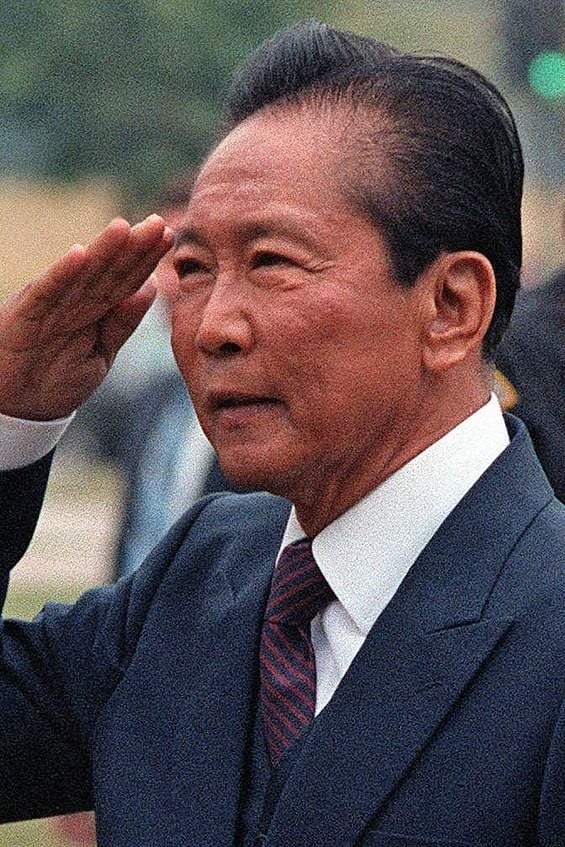
Ferdinand Marcos
President of the Philippines from 1965 to 1986

Nero
Nero Claudius Caesar Augustus Germanicus ( ; born Lucius Domitius Ahenobarbus; 15 December AD 37 – 9 June AD 68) was a Roman emperor and the final emperor of the Julio-Claudian dynasty, reigning from AD 54 until his suicide in AD 68.

Ruhollah Khomeini
Ruhollah Mostafavi Musavi Khomeini was an Iranian political revolutionary and Shia cleric who served as the first supreme leader of Iran from 1979 until his death in 1989. He was the leader of the Iranian Revolution, which overthrew Mohammad Reza Pahlavi, ended the Pahlavi era, and transformed the country into an Islamic republic. As supreme leader, he implemented policies that came to be known as Khomeinism.
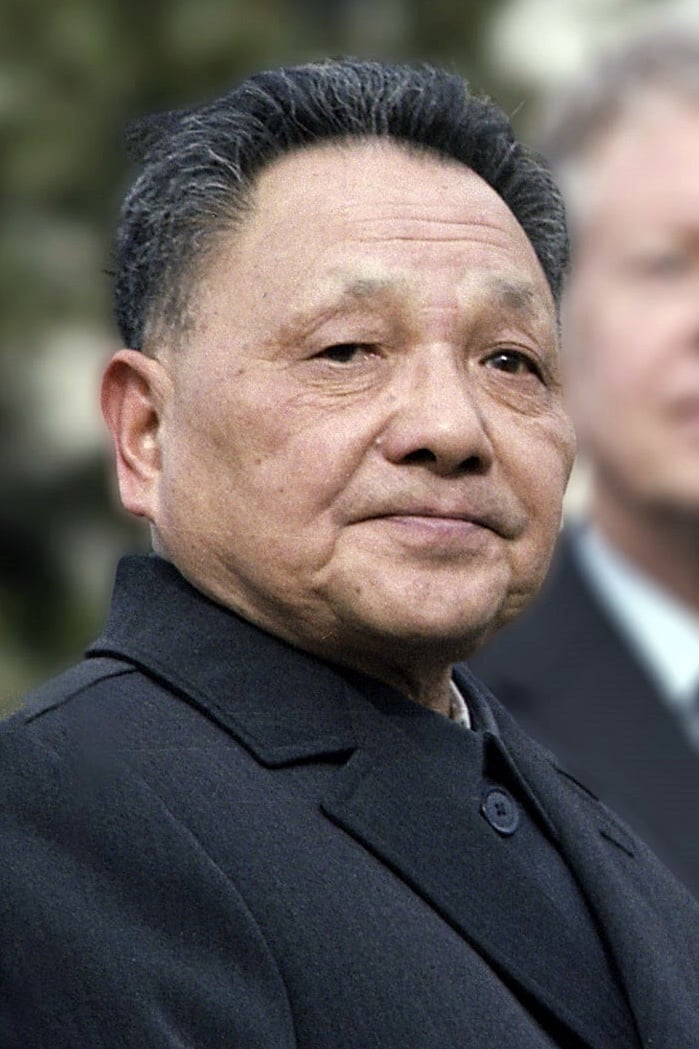
Deng Xiaoping
Chinese politician and paramount leader from 1978 to 1989
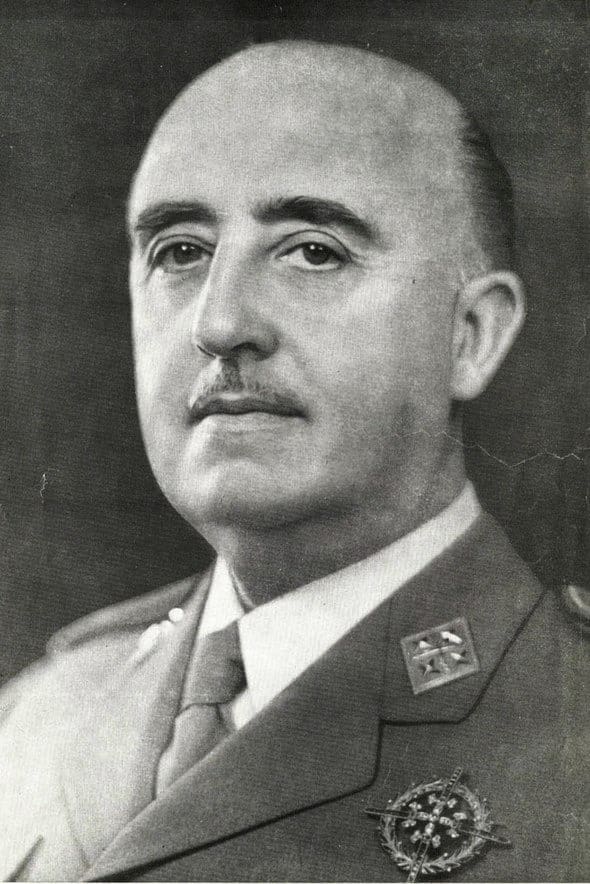
Francisco Franco
Spanish general and dictator (1892-1975)
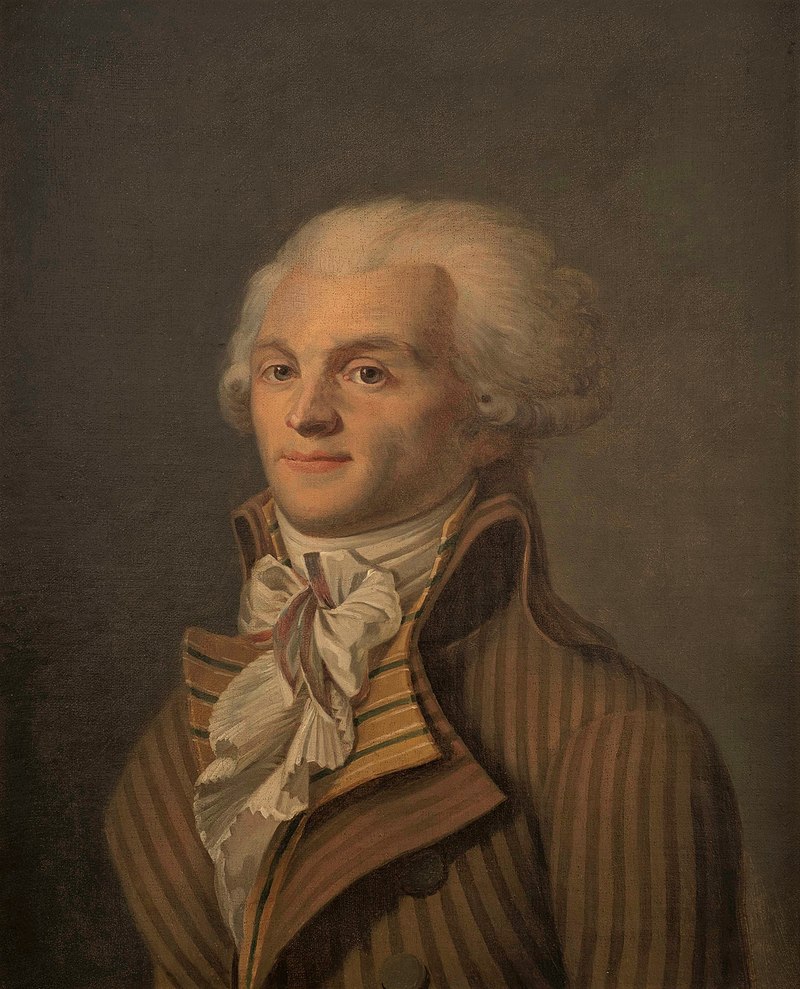
Maximilien Robespierre
French revolutionary lawyer and politician (1758–1794)

Pol Pot
former General Secretary of the Communist Party of Kampuchea (1925–1998)
Caligula
Gaius Julius Caesar Augustus Germanicus (31 August AD 12 – 24 January AD 41), also called Gaius and Caligula (), was Roman emperor from AD 37 until his assassination in AD 41. He was the son of the Roman general Germanicus and Augustus' granddaughter Agrippina the Elder, members of the first ruling family of the Roman Empire. He was born two years before Tiberius became emperor. Gaius accompanied his father, mother and siblings on campaign in Germania, at little more than four or five years old. He had been named after Gaius Julius Caesar, but his father's soldiers affectionately nicknamed him

Anwar Sadat
President of Egypt from 1970 to 1981

Augusto Pinochet
dictator of Chile from 1973 to 1990

Suharto
Suharto (8 June 1921 – 27 January 2008) was an Indonesian military officer and politician who served as the second and longest-serving president of Indonesia from 1967 to 1998. Widely regarded as a military dictator by international observers, Suharto led Indonesia as an authoritarian regime from 1967 until his resignation in 1998 following nationwide unrest. His 31-year dictatorship is considered one of the most brutal and corrupt of the 20th century: he was central to the perpetration of mass killings against alleged communists and subsequent persecution of ethnic Chinese, Islamists, irrelig

Nicolae Ceaușescu
dictator of Romania from 1965 to 1989

Idi Amin
President of Uganda (1971-1979)

Sheikh Hasina
Sheikh Hasina Wazed is a Bangladeshi politician who served as Prime Minister of Bangladesh from 1996 to 2001 and again from 2009 to 2024. A daughter of Sheikh Mujibur Rahman, the first president of Bangladesh, she is Bangladesh's longest-serving prime minister and one of the longest-serving female heads of government globally. She has also served as president of the Awami League since 1981.

Mohammad Reza Pahlavi
Mohammad Reza Pahlavi was the last Shah of Iran from 1941 to 1979. He succeeded his father Reza Shah and ruled the Imperial State of Iran until he was overthrown in the Islamic Revolution led by Ruhollah Khomeini, which abolished the Iranian monarchy to establish the Islamic Republic of Iran. In 1967, he took the title Shahanshah, and held several others, including Aryamehr and Bozorg Arteshtaran. He was the second and last ruling monarch of the Pahlavi dynasty.

Slobodan Milošević
Yugoslav–Serbian politician

Enver Hoxha
former First Secretary of the Party of Labour of Albania, Prime Minister of Albania

Ebrahim Raisi
Ebrahim Raisolsadati, better known as Ebrahim Raisi, was an Iranian cleric and politician who served as the eighth president of Iran from 2021 until his death in a helicopter crash in 2024. A protégé of supreme leader Ali Khamenei and a Principlist, Raisi was the second and most recent Iranian president to die in office after Mohammad-Ali Rajai.

Islam Karimov
1st President of the Republic of Uzbekistan (1938–2016)

Hafez al-Assad
President of Syria from 1971 to 2000

Omar al-Bashir
President of Sudan from 1989 to 2019

Mobutu Sese Seko
Congolese politician and military officer, the first and only president of Zaire from 1971 to 1997 (1930 – 1997)

Caracalla
Marcus Aurelius Antoninus (born Lucius Septimius Bassianus, 4 April 188 – 8 April 217), better known by his nickname Caracalla (; ), was Roman emperor from 198 to 217 AD, first serving as nominal co-emperor under his father and then ruling alone after 211 AD. He was a member of the Severan dynasty, the elder son of Emperor Septimius Severus and Empress Julia Domna. Severus proclaimed Caracalla co-ruler in 198, doing the same with his other son Geta in 209. The two brothers briefly shared power after their father's death in 211, but Caracalla soon had Geta murdered by the Praetorian Guard

Fulgencio Batista
President of Cuba, 1940–1944; dictator, 1952-1959 (1901-1973)

Syngman Rhee
President of South Korea from 1948 to 1960

Zine El Abidine Ben Ali
Tunisian politician

Catherine de' Medici
queen-consort and regent of France (1519–1589)
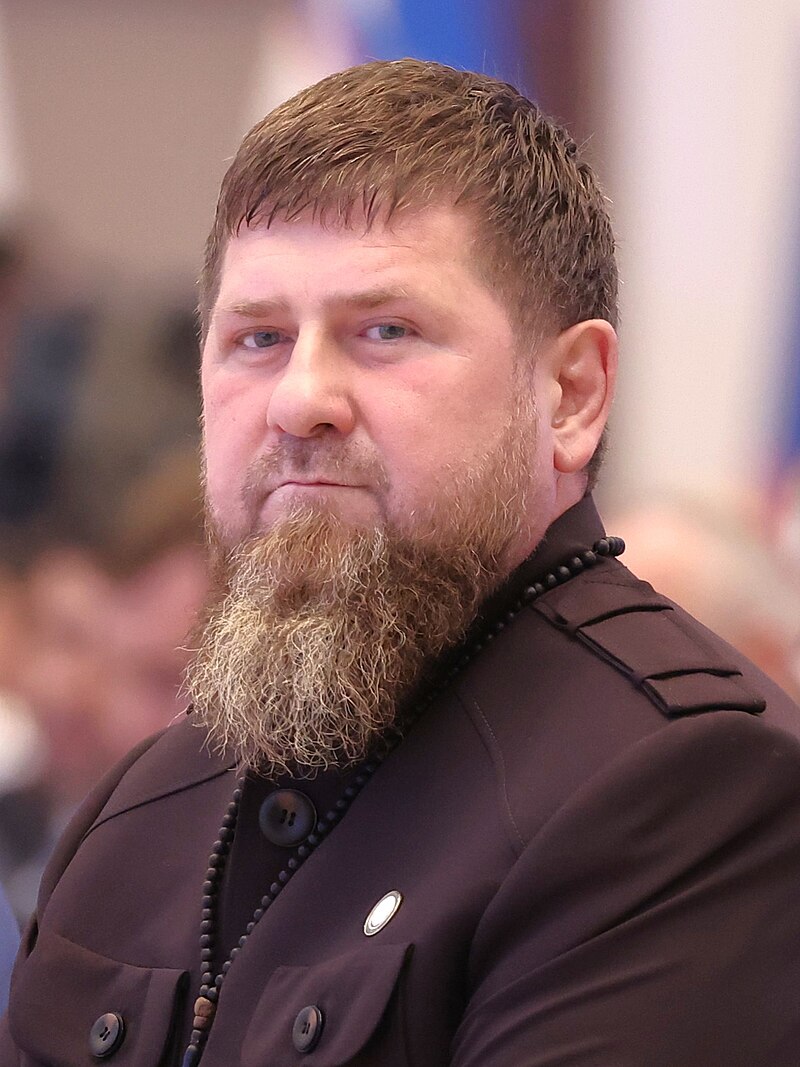
Ramzan Kadyrov
Russian politician and head of the Chechen Republic

Ali Abdullah Saleh
President of North Yemen (1978–1990) and Yemen (1990–2012)
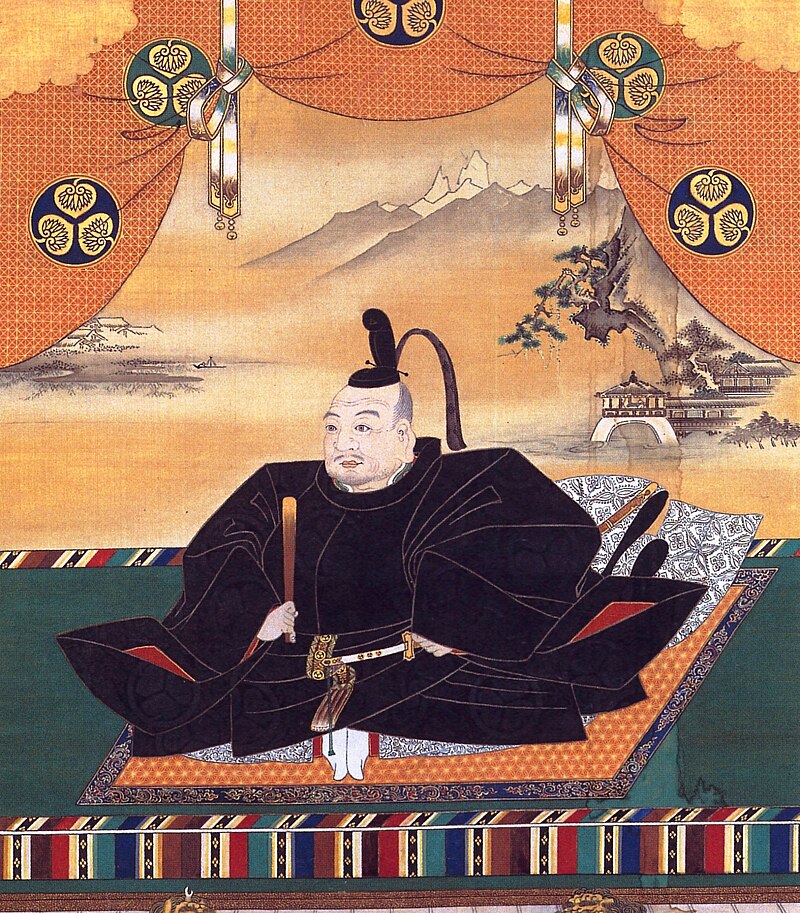
Tokugawa Ieyasu
founder and first shogun of the Tokugawa shogunate of Japan (1543–1616)

Alberto Fujimori
President of Peru from 1990 to 2000

José Eduardo dos Santos
President of Angola from 1979 to 2017

Getúlio Vargas
President of Brazil (1930–1945; 1951–1954)

Lavrentiy Beria
Soviet politician and NKVD police chief
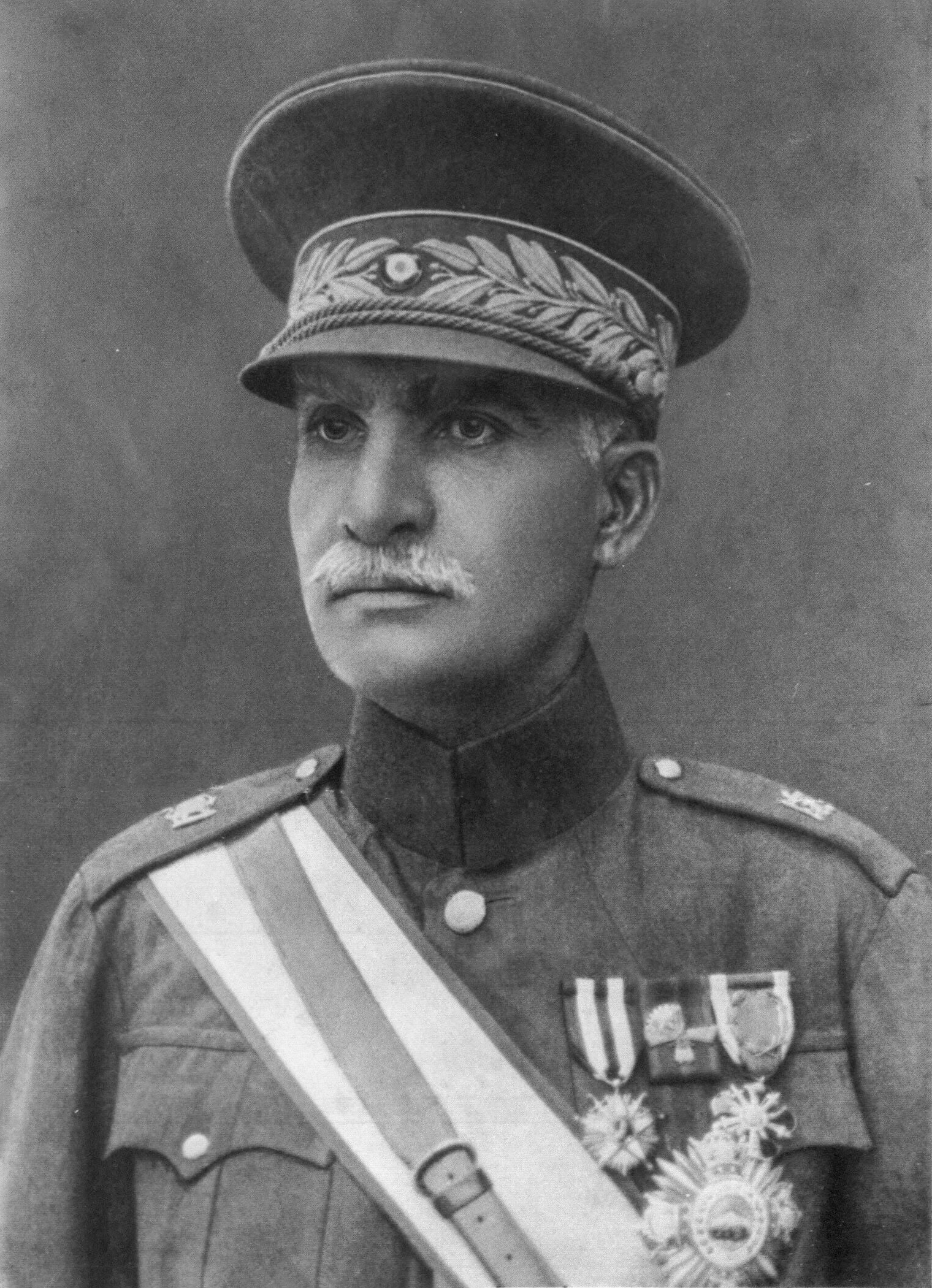
Reza Shah
Reza Shah Pahlavi was Shah of Iran from 1925 to 1941 and founder of the Pahlavi dynasty. Originally an army officer, he became a politician, serving as minister of war and prime minister of Iran, and was elected shah following the deposition of Ahmad Shah, the last monarch of the Qajar dynasty.
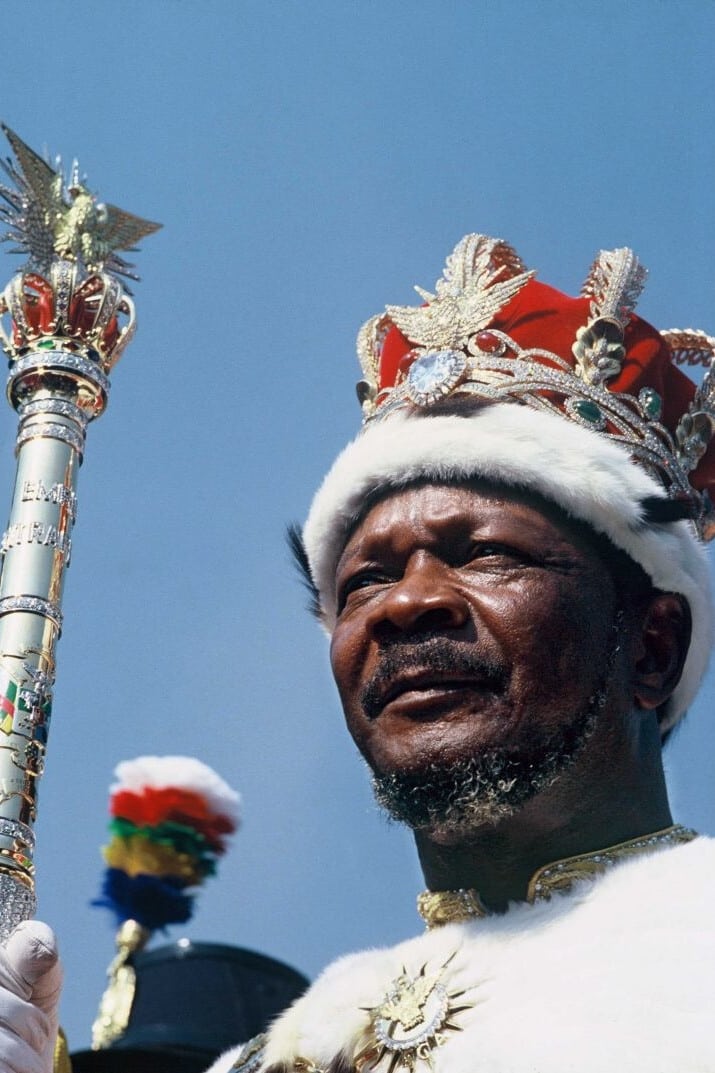
Jean-Bedel Bokassa
2nd president (1966–76) and emperor (r. 1976–79) of the Central African Republic

Teodoro Obiang
Equatoguinean politician, President of Equatorial Guinea since 1979

Hamad II of Bahrain
King of Bahrain since 2002 and Emir from 1999 to 2002

Isabel Martínez de Perón
first female president of Argentina from 1974 to 1976

Jorge Rafael Videla
Argentine dictator (1925–2013)

Sulla
Lucius Cornelius Sulla Felix (, ; 138–78 BC), commonly known as Sulla, was a Roman general and statesman of the late Roman Republic. Coming to fame for his military exploits, he was the first general during the late republic to march on Rome and win a civil war. After purging his opponents, he assumed the dictatorship, sought to strengthen the republican system by means of reforms to the constitution, and resigned his plenary powers after their enactment.

Hastings Banda
First president of Malawi
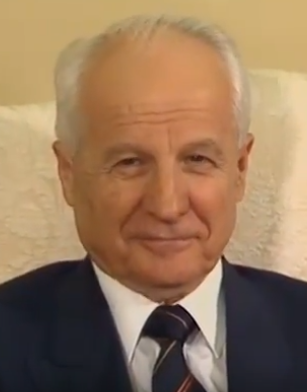
Kenan Evren
President of Turkey (1917–2015)
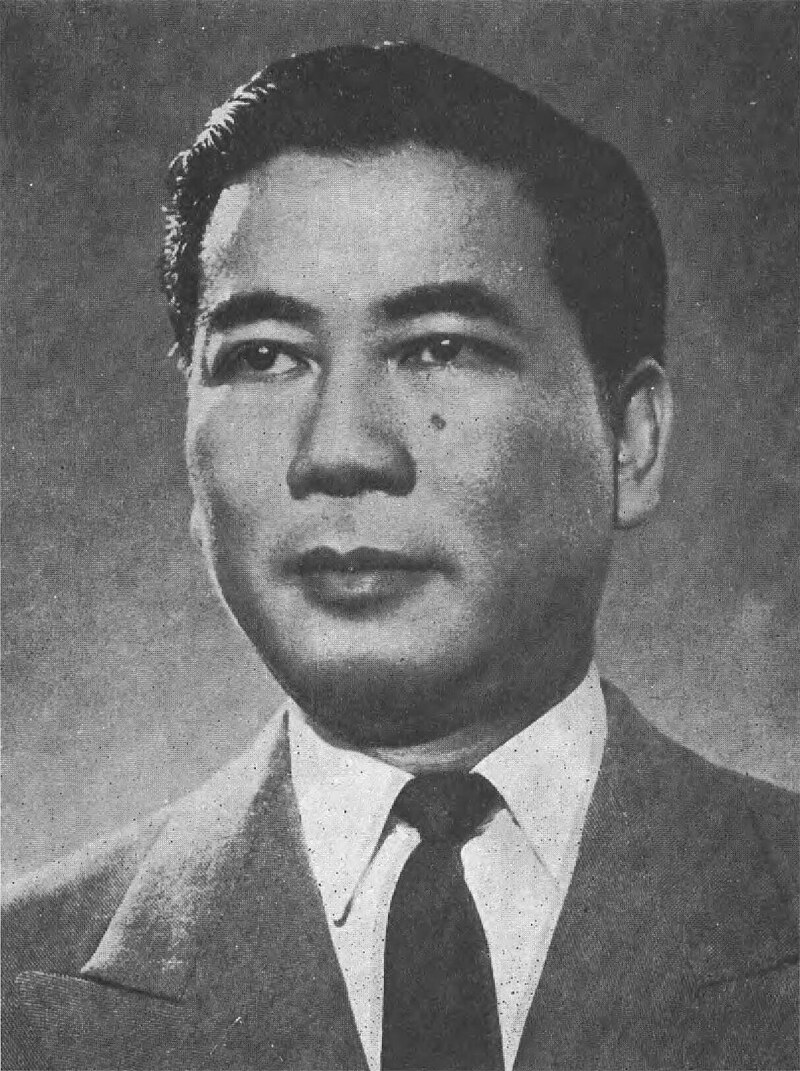
Ngô Đình Diệm
South Vietnamese politician; President of South Vietnam from 1955 to 1963

Georgi Dimitrov
Bulgarian politician (1882-1949)

Mengistu Haile Mariam
former General Secretary of the Workers' Party of Ethiopia
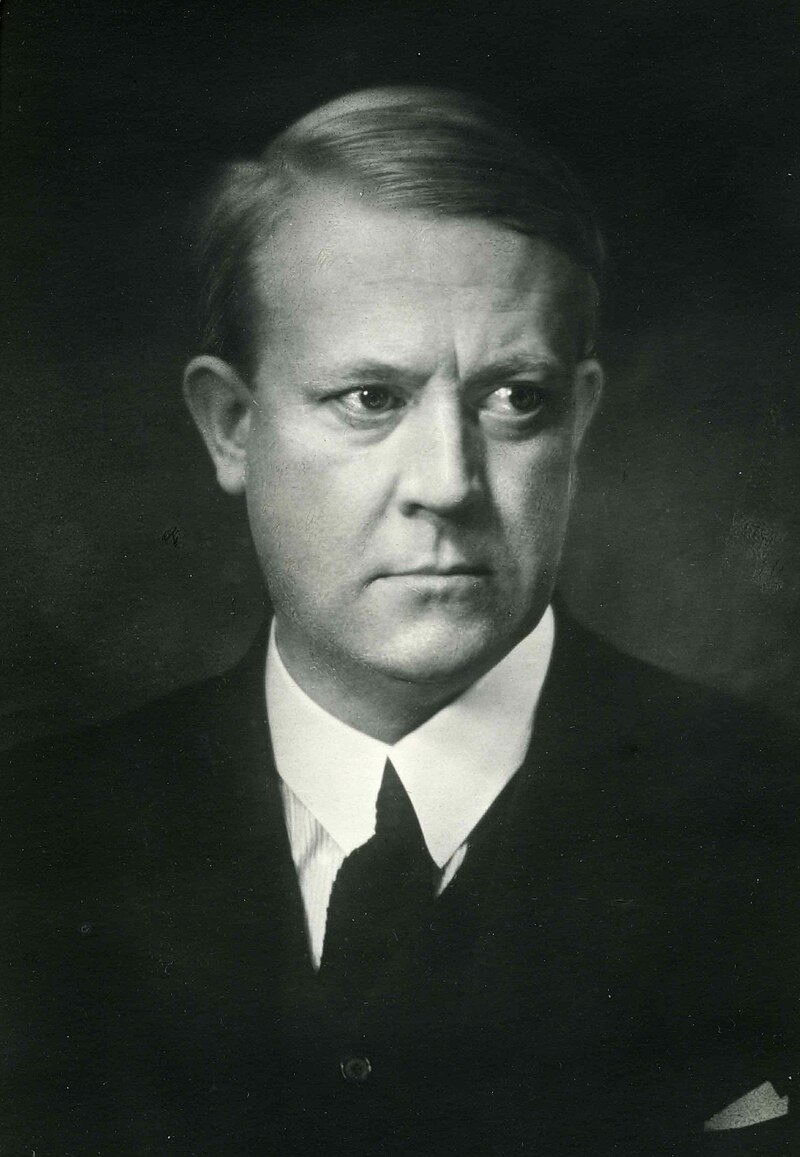
Vidkun Quisling
Norwegian politician and Nazi collaborator (1887–1945)