Category
page 1Polydesmida
.jpg)
Polydesmida
Polydesmida (from the Greek poly "many" and desmos "bond") is the largest order of millipedes, with more than 5,000 species, including all the millipedes reported to produce hydrogen cyanide (HCN). This order is also the most diverse of the millipede orders in terms of morphology. Millipedes in this order are found in all regions of the world other than Antarctica.

Polydesmidae
Polydesmidae is a family of millipedes in the order Polydesmida. This family includes more than 240 species in more than 30 genera. These millipedes have a mostly Holarctic distribution that extends south not only to Mexico and North Africa but also as far as Java. Most species are found in the Mediterranean region.

Paradoxosomatidae
Paradoxosomatidae, the only family in the suborder Paradoxosomatidea (also known as Strongylosomatidea), is a family of flat-backed millipedes in the order Polydesmida. Containing nearly 200 genera and 975 species , it is one of the largest families of millipedes. Paradoxosomatids occur on all continents except Antarctica, and can generally be distinguished by dorsal grooves on most body segments and a dumb-bell shaped gonopod aperture. Notable groups within the Paradoxosomatidae include the dragon millipedes of Southeast Asia, and the widely introduced greenhouse millipede Oxidus gracilis.
Desmoxytes
Desmoxytes, whose species are commonly known as the dragon millipedes, is a genus of millipedes of the family Paradoxosomatidae found in Southeast Asia. The genus was described by Ralph Vary Chamberlin in 1923, and reviewed by Sergei Golovatch and Henrik Enghoff in 1994. At least 18 species are known from to Malaysia, Myanmar, and Thailand. One species, D. planata, has also been observed in Sri Lanka, the Andaman Islands, Seychelles, Java, Great Coco Island, and Fiji; however, this species has expanded its range by being transported through human activity. Several species have only recently be

Oxidus gracilis
species of millipede
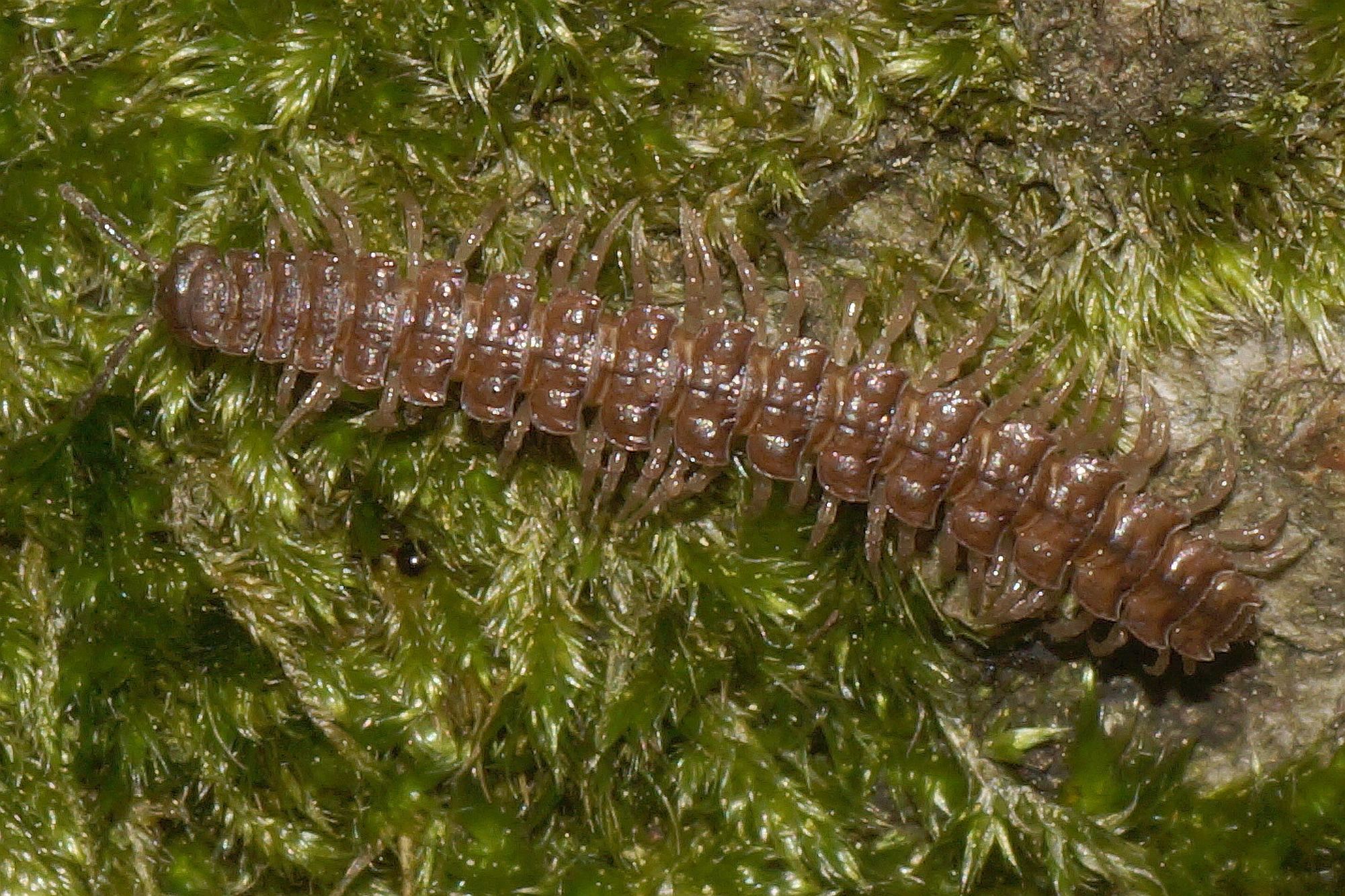
Polydesmus angustus
species of myriapod

Harpaphe haydeniana
species of myriapod

Motyxia
Motyxia is a genus of cyanide-producing millipedes (collectively known as Sierra luminous millipedes or motyxias) that are endemic to the southern Sierra Nevada, Tehachapi, and Santa Monica mountain ranges of California. Motyxias are blind and produce the poison cyanide, like all members of the Polydesmida. All species have the ability to glow brightly: some of the few known instances of bioluminescence in millipedes.
Nannaria
The genus '''Nannaria, commonly known as twisted-claw millipedes', is a genus of millipedes in the family Xystodesmidae first described by Ralph Chamberlin in 1918. In 2022, entomologists Derek Hennen, Jackson Means and Paul Marek discovered and described 17 new species, which expanded the size of Nannaria'' to 78, making it the largest genus of Xystodesmidae.
Holistophallidae
Holistophallidae is a family of millipedes belonging to the order Polydesmida.
Polydesmus complanatus
species of myriapod
Pyrgodesmidae
Pyrgodesmidae is a family of flat-backed millipedes in the order Polydesmida. This family is one of the largest families of millipedes, with more than 170 genera, including about 120 monotypic genera. These genera include almost 400 species.

Oniscodesmidae
Oniscodesmidae is a family of millipedes belonging to the order Polydesmida.
Platyrhacidae
Platyrhacidae is a family of polydesmidan millipedes distributed in Southeast Asia and tropical Central and South America.
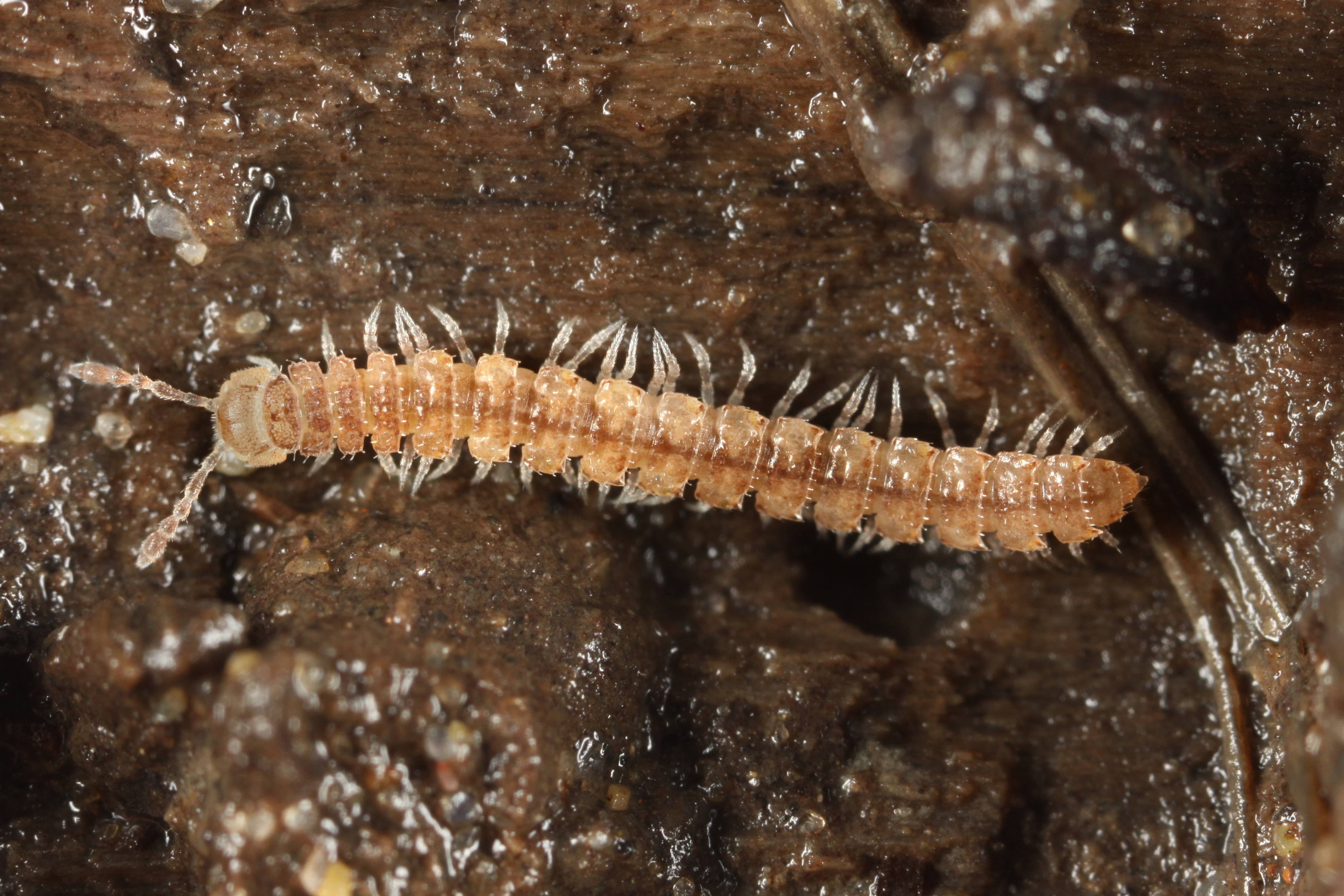
Brachydesmus superus
species of true bug
Orthomorpha
Orthomorpha is a genus of millipedes in the family Paradoxosomatidae containing approximately 50 species distributed in Southeast Asia.
Vaalogonopodidae
Vaalogonopodidae is a family of millipedes belonging to the order Polydesmida.

Campodesmidae
Campodesmidae is a family of millipedes belonging to the order Polydesmida.
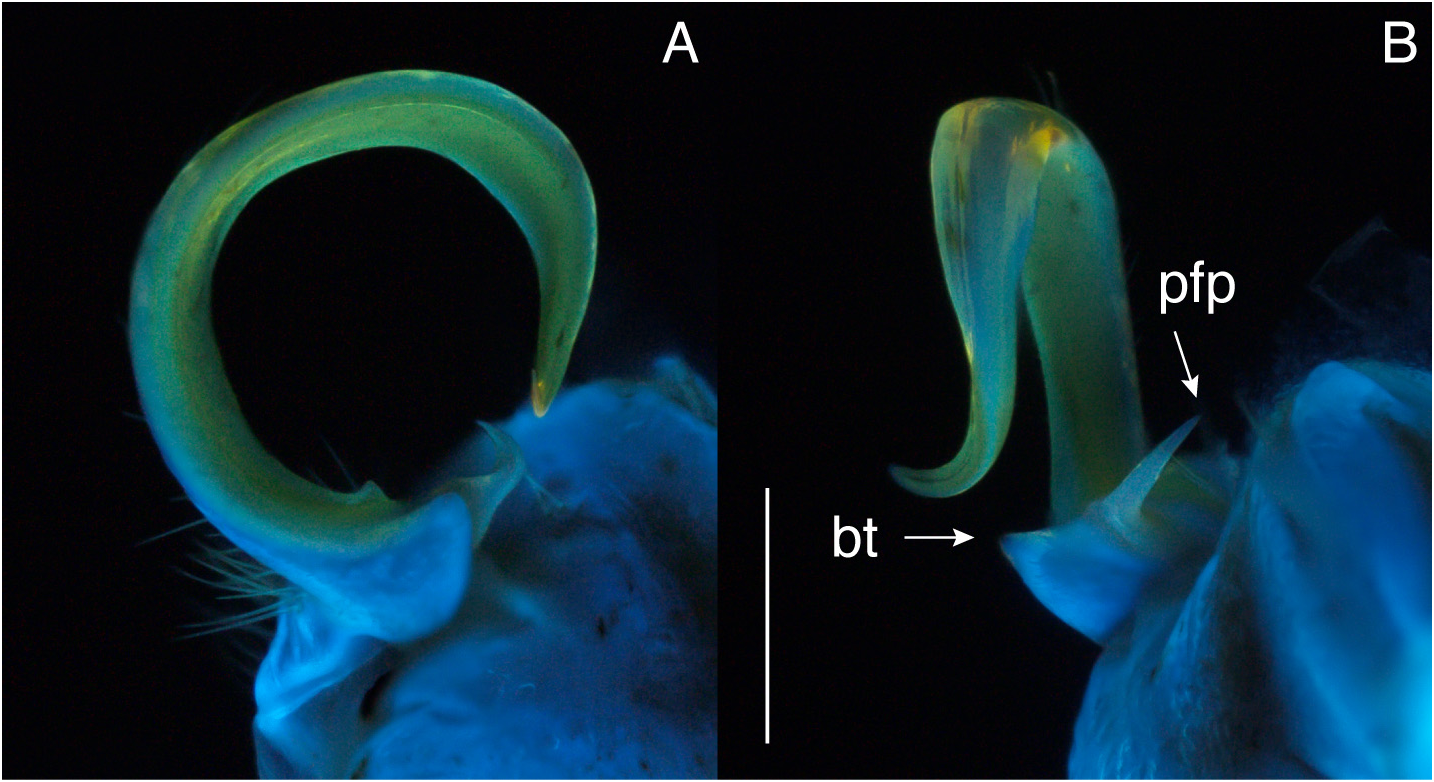
Apheloria
Apheloria is a genus of flat-backed millipedes in the tribe Apheloriini within the family Xystodesmidae. These millipedes are found in the central and northeastern regions of the United States, but the distribution of this genus extends as far north as southern Quebec in Canada. Like all millipedes in the tribe Apheloriini, all species of Apheloria produce cyanide, which they emit through their ozopores as a defense against predators. Species of Apheloria are also known as cherry millipedes, because the production of cyanide also generates benzaldehyde, which smells like cherries or almonds.

Chelodesmidae
Chelodesmidae is a millipede family of order Polydesmida. The family includes 219 genera. Two new genera were described in 2012.
Xystodesmidae
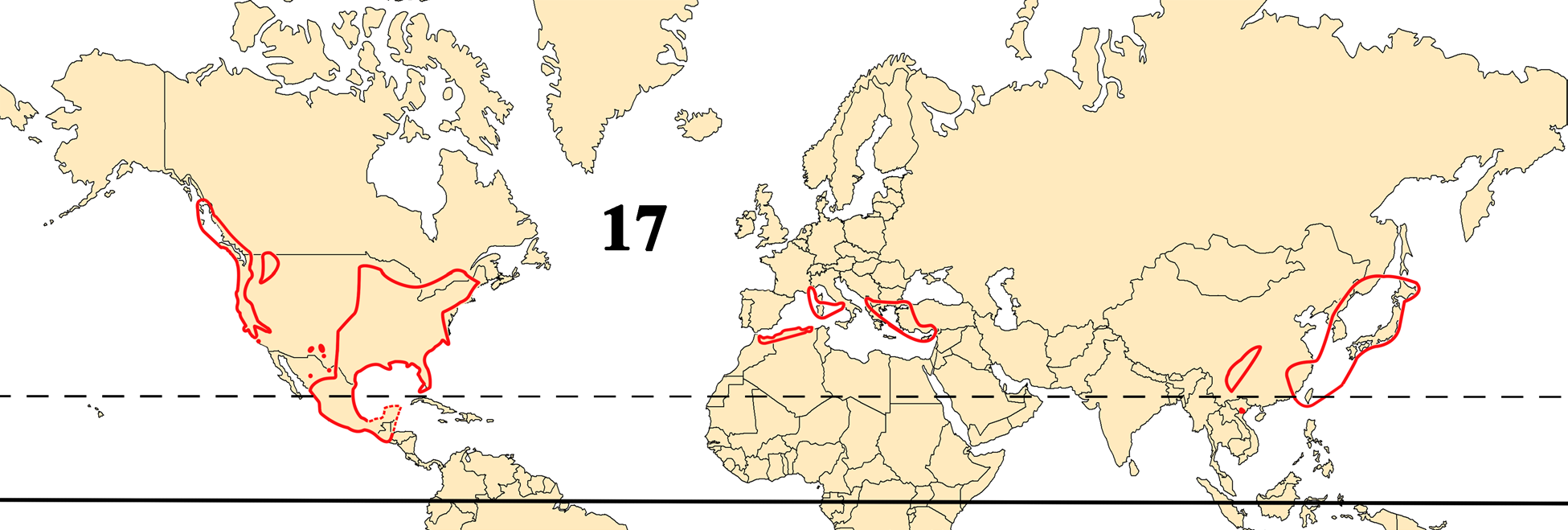
Xystodesmidae is a family of millipedes in the suborder Leptodesmidea within the order Polydesmida (the "flat-backed" or "keeled" millipedes). The family Xystodesmidae was created by the American biologist Orator F. Cook in 1895 and named after the genus Xystodesmus. This family includes more than 390 known species distributed among 62 genera. Many species, however, remain undescribed: for example, it is estimated that the genus Nannaria contains over 200 species, but only 25 were described as of 2006. By 2022, 78 species in Nannaria have been described.
Trichopolydesmidae
Trichopolydesmidae is a family of millipedes in the order Polydesmida. Some authorities deem this family to include Fuhrmannodesmidae, Mastigonodesmidae, Macrosternodesmidae, and Nearctodesmidae as junior synonyms. Others adopt narrower definitions of this family, for example, including only Fuhrmannodesmidae and Mastigonodesmidae as synonyms.
Polydesmus
Polydesmus is a genus of millipedes in the family Polydesmidae. With more than 200 species and subspecies, this genus is the largest in this family. This genus has a Palearctic distribution, with species found mainly in the Mediterranean region and in Europe west of the central Caucasus. This genus includes the notable species Polydesmus progressus, which exhibits sexual dimorphism in segment number: Whereas adult females of this species feature the 20 segments (counting the collum as the first segment and the telson as the last) usually observed on the order Polydesmida, the adult males featu
Anoplodesmus
Anoplodesmus is a genus of millipedes. It is one of the most species rich genera in the family Paradoxosomatidae, with over 40 described species distributed from India and Nepal to China and Southeast Asia, as well as the Mascarene Islands and Fiji.
Oxydesmidae
Oxydesmidae is a family of millipedes belonging to the order Polydesmida.
Haplodesmidae
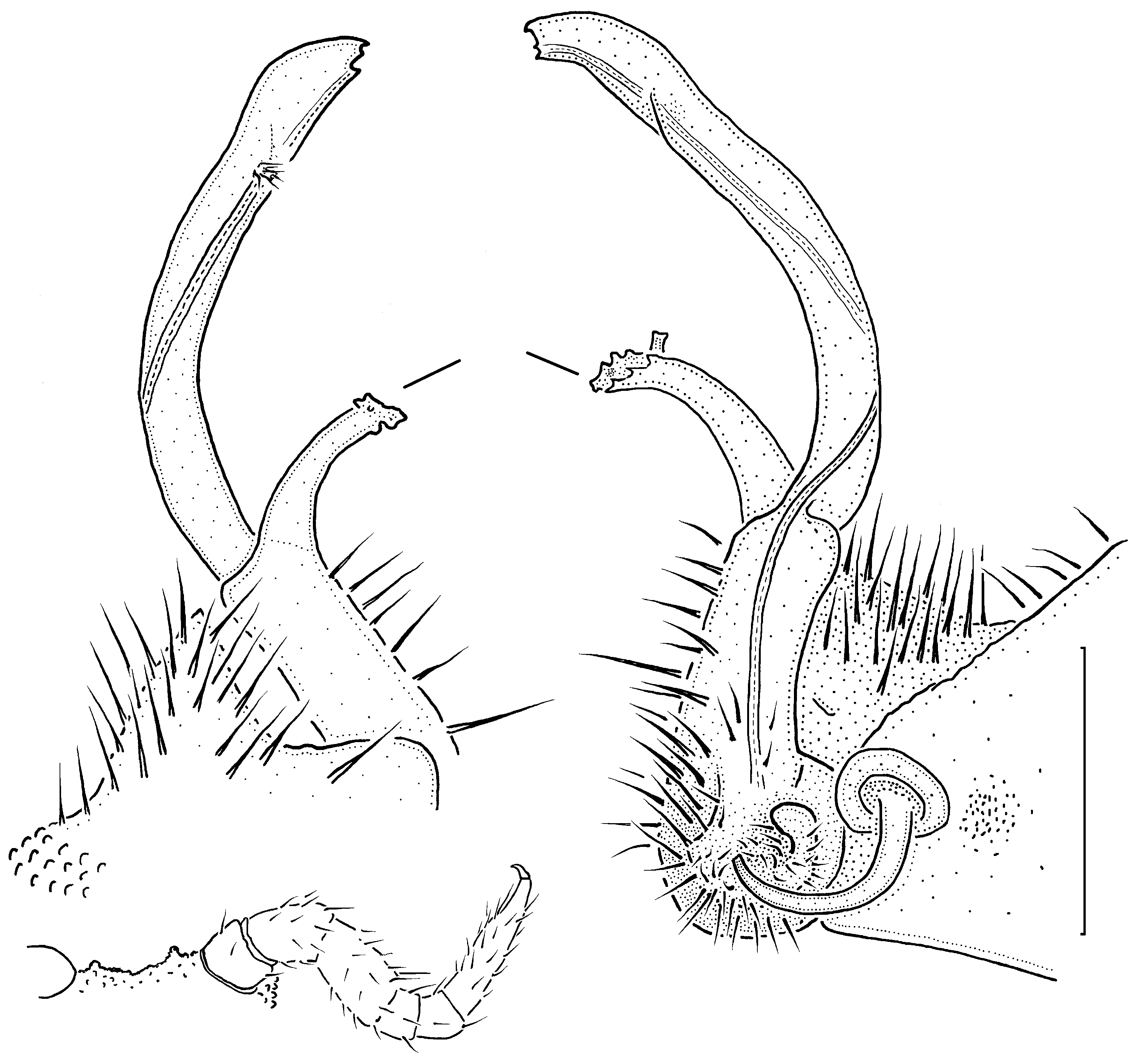
Haplodesmidae is a family of millipedes in the order Polydesmida. This family includes more than 70 species. Species occur in East Asia, Southeast Asia, and Oceania, although some species have been introduced to the New world tropics.
Boraria
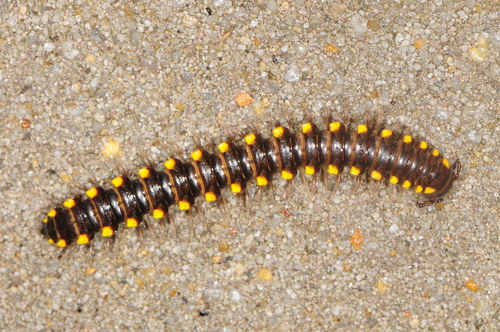
Boraria is a genus of flat-backed millipedes in the family Xystodesmidae. There is one described species in Boraria.
Pleuroloma
Pleuroloma is a genus of flat-backed millipedes in the family Xystodesmidae. There are at least 4 described species in Pleuroloma.

Boraria stricta
species of myriapod

Akamptogonus
Akamptogonus is a genus of flat-backed millipedes in the family Paradoxosomatidae. There are about 11 described species in Akamptogonus.
Opisotretidae
Opisotretidae is a family of millipedes belonging to the order Polydesmida.
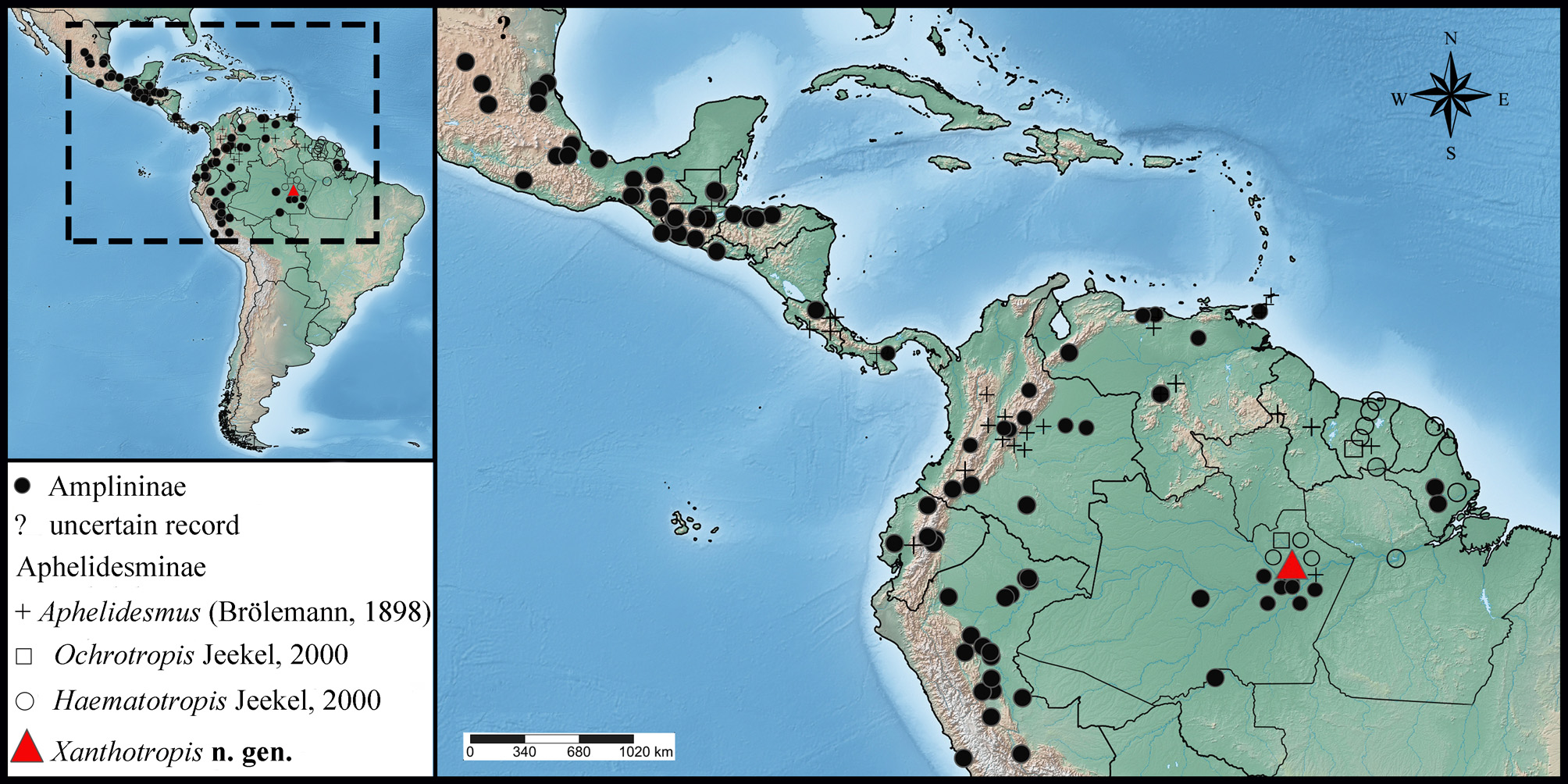
Aphelidesmidae
Aphelidesmidae is a family of polydesmidan millipedes distributed in Central America, the Caribbean and northern South America.
Tridontomidae
Tridontomidae is a small family of millipedes. Its members are endemic to Guatemala. These millipedes range from 22 mm to 28 mm in length and are uniformly grayish in color; their legs and antennae are unusually long and slender. This family includes the remarkable species Aenigmopus alatus, in which adult males feature no gonopods. This millipede is the only species in the infraclass Helminthomorpha without gonopods.
Dalodesmidae
Dalodesmidae is a family of millipedes in the order Polydesmida, containing at least 250 species found in the Southern Hemisphere.
Furcillaria
Furcillaria is listed a genus of flat-backed millipedes in the family Xystodesmidae by several references. In 2021, however, authorities deemed Furcillaria to be a junior synonym of Sigmoria. Accordingly, other references reject Furcillaria as a valid genus.

Selenocheir
Selenocheir is a genus of flat-backed millipedes in the family Xystodesmidae. There are at least three described species in Selenocheir.
Cryptodesmidae
Cryptodesmidae is a millipede family of the order Polydesmida. The family includes 18 species belonging to seven genera.
Oxidus
Oxidus is a genus of flat-backed millipedes in the family Paradoxosomatidae. There are about nine described species in Oxidus.
thumb|Oxidus gracilis
Montaphe
Montaphe is a genus of flat-backed millipedes in the family Xystodesmidae. There are at least two described species in Montaphe.
Polydesmus python
species of myriapod
Dorsoporidae
Dorsoporidae is a family of millipedes belonging to the order Polydesmida.
Xystocheir
Xystocheir is a genus of millipedes in the family Xystodesmidae. The genus is endemic to California in the United States, where it is distributed in the Coast Ranges and the Sierra Nevada.
Cyrtodesmidae
Cyrtodesmidae is a family of millipedes. Shear (2011) recognised the group as containing 30 species in 3 genera, probably Agnurodesmus Silvestri, 1910, Cyrtodesmus Gervais in Walckenaer, 1847, and Oncodesmella Kraus, 1959, although other authors recognise different components.
Fuhrmannodesmidae
Fuhrmannodesmidae is a family of millipedes belonging to the order Polydesmida. Many authorities now deem Fuhrmannodesmidae to be a junior synonym for Trichopolydesmidae, but some still accept Fuhrmannodesmidae as a valid family. The family Fuhrmannodesmidae includes over 50 genera.

Rudiloria
Rudiloria is a genus of millipedes in the family Xystodesmidae, found in eastern North America.
Rhachodesmidae
Rhachodesmidae is a family of flat-backed millipedes in the order Polydesmida. There are more than 20 genera and at least 80 described species in Rhachodesmidae.
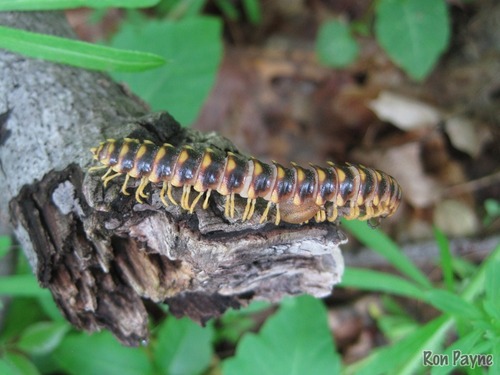
Sigmoria
Sigmoria is a genus of flat-backed millipedes in the family Xystodesmidae. There are more than 60 described species in Sigmoria, found in the eastern United States.
thumb|Sigmoria australis, Georgia
thumb|Sigmoria latior munda, North Carolina
thumb|Sigmoria nantahalae, North Carolina
thumb|Sigmoria trimaculata, Pennsylvania
Nyssodesmus
Nyssodesmus is a genus of flat-backed millipedes in the family Platyrhacidae. About a dozen species have been described, all native to Central America, occurring from Nicaragua to Panama.

Brachoria
Brachoria is a genus of polydesmidan millipedes in the family Xystodesmidae inhabiting the Eastern United States. Also known as the Appalachian mimic millipedes, at least 30 species are known, with highest diversity in the Appalachian Mountains, especially the Cumberland Plateau and Ridge and Valley Province.
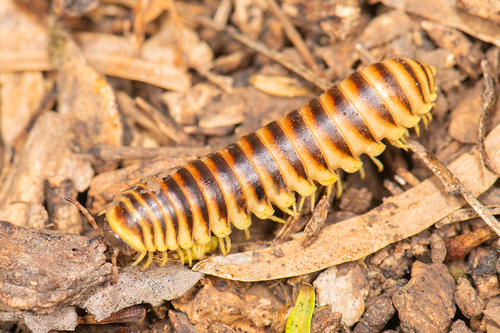
Rhysodesmus
Rhysodesmus is a genus of flat-backed millipedes in the family Xystodesmidae. There are at least 90 described species in Rhysodesmus., ranging from El Salvador to the Southern United States.

Pleuroloma flavipes
species of myriapod
Scytonotus granulatus
species of myriapod
Nearctodesmidae
Nearctodesmidae is a family of flat-backed millipedes in the order Polydesmida.
Eurymerodesmidae
Eurymerodesmidae is a family of flat-backed millipedes in the order Polydesmida. There are at least 2 genera and 30 described species in Eurymerodesmidae.

Dicellarius
Dicellarius is a genus of flat-backed millipedes in the family Xystodesmidae. There are at least 11 described species in Dicellarius.
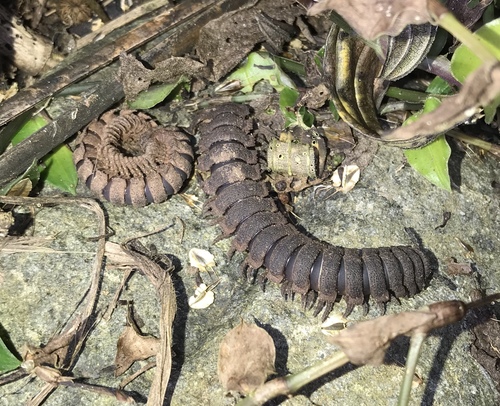
Psammodesmus
Psammodesmus is a genus of platyrhacid millipedes found from Panama to Peru. The 11 species constitute the platyrhacid subfamily Psammodesminae (formerly the tribe Psammodesmini).
Sphaeriodesmidae
Sphaeriodesmidae is a family of flat-backed millipedes in the order Polydesmida. There are about 15 genera and at least 90 described species in Sphaeriodesmidae.

Semionellus placidus
species of myriapod
Macrosternodesmidae
Macrosternodesmidae is a family of flat-backed millipedes in the order Polydesmida.

Ammodesmidae
Ammodesmidae is a family of small millipedes endemic to Africa, containing seven species in two genera. Ammodesmids range from
long with 18 or 19 body segments (including the telson) in both sexes, and are capable of rolling into a tight sphere.