Category
page 1Population genetics

biodiversity
thumb|An example of the biodiversity of fungi in a forest in North Saskatchewan (in this photo, there are also leaf [[lichens and mosses).]]

axolotl
The axolotl (; from ; Ambystoma mexicanum) is a species of paedomorphic mole salamander. They mature into their terrestrial adult form without undergoing metamorphosis; the adults remain fully aquatic with obvious external gills. This trait, although somewhat unusual among the majority of amphibians, is not unique. Axolotls may be difficult to distinguish from the larval stage of other neotenic adult mole salamanders, such as mudpuppies (Necturus spp.) or the occasionally paedomorphic tiger salamander (A. tigrinum).

hybrid
offspring of cross-species reproduction

genetic drift
variation in the relative frequency of different genotypes in a small population
artificial selection
process by which humans use animal and plant breeding to selectively develop particular phenotypic traits
population genetics
subfield of genetics that deals with genetic differences of populations, part of evolutionary biology
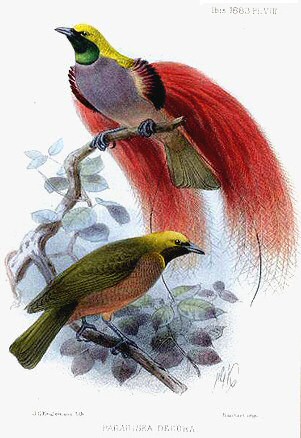
sexual selection
mode of natural selection
gene pool
set of all genes in a population

gene flow
transfer of genetic variation from one population to another

haplogroup
A haplotype is a group of alleles in an organism that are inherited together from a single parent, and a haplogroup (haploid from the , haploûs, "onefold, simple" and ) is a group of similar haplotypes that share a common ancestor with a single-nucleotide polymorphism mutation. More specifically, a haplotype is a combination of alleles at different chromosomal regions that are closely linked and tend to be inherited together. As a haplogroup consists of similar haplotypes, it is usually possible to predict a haplogroup from haplotypes. Haplogroups pertain to a single line of descent. Such as t
range
geographical area in which a taxon can be found
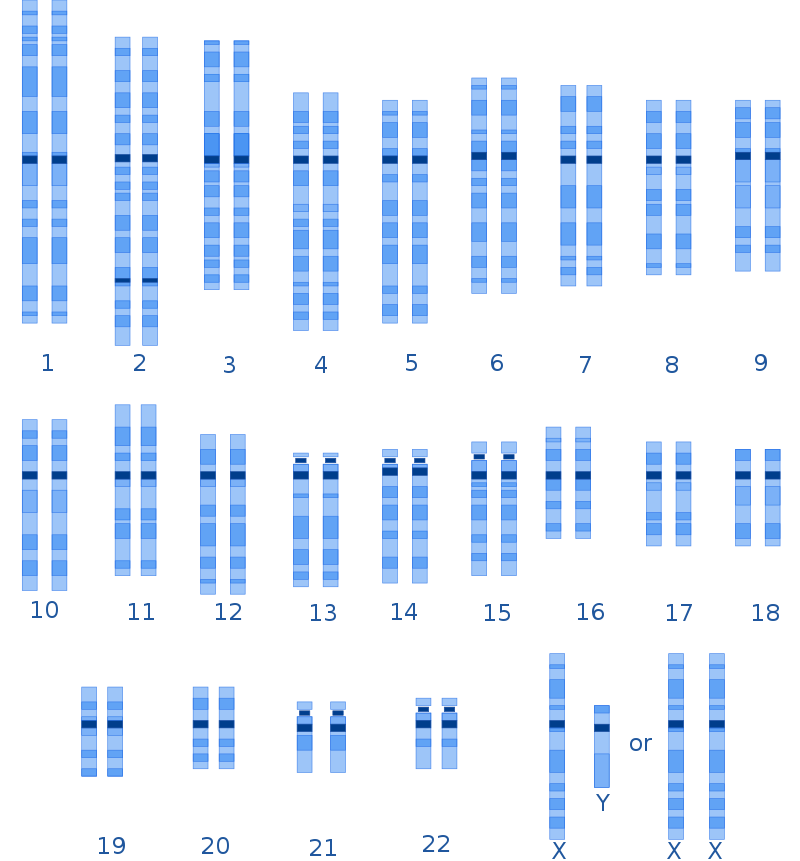
genetic diversity
total number of genetic characteristics in the genetic makeup of a species

Hardy–Weinberg principle
principle that allele and genotype frequencies in a population will remain constant over generations in the absence of other evolutionary influences
exogamy
Exogamy is the social norm of mating or marrying outside one's social group. The group defines the scope and extent of exogamy, and the rules and enforcement mechanisms that ensure its continuity. One form of exogamy is dual exogamy, in which two groups continually intermarry with each other.

inbreeding
thumb|right|The passage of homozygous alleles through an inbred pedigree
fitness
quantitative representation of natural and sexual selection within evolutionary biology
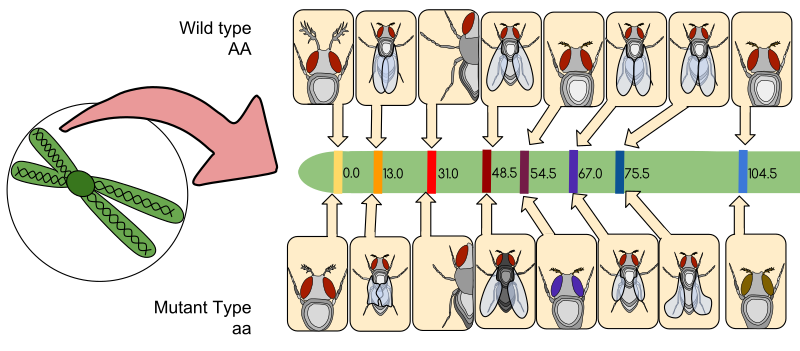
genetic linkage
tendency of DNA sequences that are close together on a chromosome to be inherited together
population bottleneck
event that reduces size and genetic variation of a population, followed by a size recovery

microevolution
Microevolution is the change in allele frequencies that occurs over time within a population. This change is due to four different processes: mutation, selection (natural and artificial), gene flow and genetic drift. This change happens over a relatively short (in evolutionary terms) amount of time compared to the changes termed macroevolution.

haplotype
thumb|363px|DNA molecule 1 differs from DNA molecule 2 at a single base-pair location (a C/A polymorphism).
A haplotype (haploid genotype) is a group of alleles in an organism that are inherited together from a single parent.
founder effect
loss of genetic variation that occurs when a new population is established by a very small number of individuals
most recent common ancestor
most recent individual from which all organisms in a group are directly descended

heritability
thumb|right|160px|Studies of heritability ask questions such as to what extent do genetic factors influence differences in height between people. This is not the same as asking to what extent do genetic factors influence height in any one person.
Heritability is a statistic used in the fields of breeding and genetics that estimates the degree of variation in a phenotypic trait in a population that is due to genetic variation between individuals in that population. The concept of heritability can be expressed in the form of the following question: "What is the proportion of the variation in a g
allele frequency
relative frequency of a variant of a gene at a particular locus in a population
genetic variation
variation in the genome
group selection
proposed mechanism of evolution
neutral theory of molecular evolution
thesis that most evolutionary changes occur at the molecular level, and that most of the variation within and between species are due to random genetic drift of mutant alleles that are selectively neutral
cline
gradual variation of the characteristics of a species along its territory
inbreeding depression
reduced fitness as a result of inbreeding
effective population size
ecological concept

panmixia
Panmixia (or panmixis) means uniform random fertilization, which means individuals do not select a mate based on physical traits. A panmictic population is one where all potential parents may contribute equally to the gamete pool, and that these gametes are uniformly distributed within the gamete population (gamodeme). This assumes that there are no hybridising restrictions within the parental population: neither genetics, cytogenetics nor behavioural; and neither spatial nor temporal (see also Quantitative genetics for further discussion). True panmixia is rarely, if ever, observed in natural
self-incompatibility in plants
Self-incompatibility (SI) is a general name for any genetic mechanism that prevents self-fertilization in fertile hermaphroditic organisms, and thus encourages outcrossing and allogamy. It is contrasted with separation of sexes among individuals (dioecy), and their various modes of spatial (herkogamy) and temporal (dichogamy) separation.
gene family
set of several similar genes

biopiracy
Biopiracy is the unauthorized appropriation of knowledge and genetic resources of farming and indigenous communities by individuals or institutions seeking exclusive monopoly control through patents or intellectual property. While bioprospecting is the act of exploring natural resources for undiscovered chemical compounds with medicinal or anti-microbial properties, commercial success from bioprospecting leads to the company's attempt at protecting their intellectual property rights on indigenous medicinal plants, seeds, genetic resources, and traditional medicines.
number of individuals
number of inhabitants of a given place
linkage disequilibrium
The non-random association of alleles at two or more genetic loci
Dual inheritance theory
explanation of human behaviour in terms of genetic and cultural evolution
conserved sequence
similar DNA, RNA or protein sequences within genomes or among species
genetic pollution
controversial term for uncontrolled dispersal of contaminated altered genes from genetically engineered organisms to natural organisms
philopatry
Philopatry is the tendency of an organism to stay in or habitually return to a particular area. The causes of philopatry are numerous, but natal philopatry, where animals return to their birthplace to breed, may be the most common. The term derives from the Greek roots philo, "liking, loving" and patra, "fatherland", although in recent years the term has been applied to more than just the animal's birthplace. Recent usage refers to animals returning to the same area to breed despite not being born there, and migratory species that demonstrate site fidelity: reusing stopovers, staging points, a
pedigree collapse
concept in genealogy
Muller's ratchet
irreversible accumulation of deleterious mutations in the absence of genetic recombination
genetic erosion
process where the limited gene pool of an endangered species diminishes even more when reproductive individuals die off before reproducing with others in their endangered low population
genetic divergence
evolutionary concept regarding the process between populations in the occupation of the same geographic range that leads to distinct species
latent Dirichlet allocation
generative statistical model that allows sets of observations to be explained by unobserved groups that explain why some parts of the data are similar
expressivity
the degree to which a phenotype is expressed by individuals having a particular genotype
inbred strain
individuals of a particular species which are nearly identical to each other in genotype due to long inbreeding
Khazar theory of Ashkenazi ancestry
theory that Ashkenazi Jews descended from Turkic Khazars
fixation
gene pool change in which one allele spreads to the whole population and all others die out

klepton
thumb|right|Klepton genetic inheritance in frogs
In biology, a klepton (abbreviated kl.) and synklepton (abbreviated sk.) is a species that requires input from another biological taxon (normally from a species which is closely related to the kleptonic species) to complete its reproductive cycle. Specific types of kleptons are zygokleptons, which reproduce by zygogenesis; gynokleptons which reproduce by gynogenesis, and tychokleptons, which reproduce by a combination of both systems.

genetic admixture
result of interbreeding between two or more previously isolated populations within a species

Coastal migration
model of early human migration

purifying selection
selective removal of alleles that are deleterious
Template:Human genetics
Wikimedia navigational template
coefficient of inbreeding
mathematical estimate of inbreeding
fitness landscape
model used to visualise relationship between genotypes and reproductive success
canalisation
concept in genetics

coefficient of relationship
measure of the degree of consanguinity (or biological relationship) between two individuals
coalescent theory
model for tracing the history of genetic variation
conservation genetics
subfield of population genetics that aims to understand the dynamics of genes in populations principally to avoid extinction