Category
page 1Primate taxonomy
%20(white%20background)%20(1).jpg)
Simiiformes
The simians, anthropoids, or higher primates are primates of the infraorder Simiiformes () containing all animals traditionally called monkeys and apes. More precisely, they consist of the parvorders Platyrrhini (New World monkeys) and Catarrhini, the latter of which consists of the family Cercopithecidae (Old World monkeys in the stricter sense) and the superfamily Hominoidea (apesincluding humans).

Strepsirrhini
Strepsirrhini or Strepsirhini (; ) is a suborder of primates that includes the lemuriform primates, which consist of the lemurs of Madagascar, galagos ("bushbabies") and pottos from Africa, and the lorises from India and Southeast Asia. Collectively they are referred to as strepsirrhines.
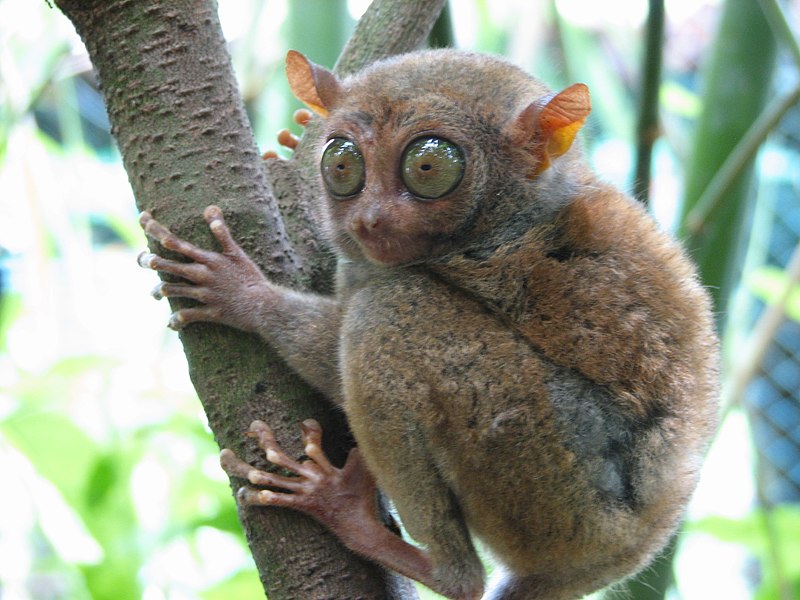
Haplorhini
Haplorhini (), the haplorhines (Greek for "simple-nosed") or the "dry-nosed" primates is a suborder of primates containing the tarsiers and the simians (Simiiformes or anthropoids), as sister of the Strepsirrhini ("moist-nosed"). The name is sometimes spelled Haplorrhini. The simians include catarrhines (Old World monkeys and apes, including humans), and the platyrrhines (New World monkeys).

Lemuriformes
Lemuriformes is the sole extant infraorder of primate that falls under the suborder Strepsirrhini. It includes the lemurs of Madagascar, as well as the galagos and lorisids of Africa and Asia, although a popular alternative taxonomy places the lorisoids in their own infraorder, Lorisiformes.
taxonomy of lemurs
science of describing species and defining the evolutionary relationships between taxa of lemurs