Category
page 1Psychrophiles

tardigrade
Tardigrades (), also known as water bears or moss piglets, are a phylum of eight-legged segmented micro-animals. They were first described by the German zoologist Johann August Ephraim Goeze in 1773, who called them ' . In 1776, the Italian biologist Lazzaro Spallanzani named them Tardigrada', which means 'slow walkers'.
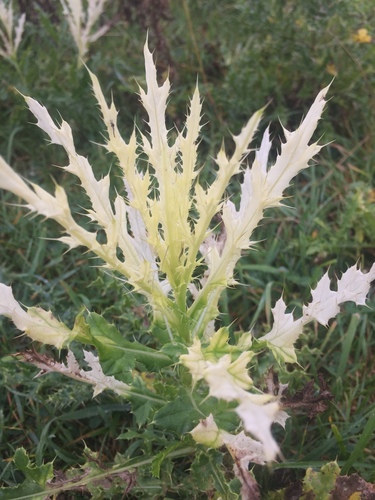
Pseudomonas
Pseudomonas is a genus of Gram-negative bacteria belonging to the family Pseudomonadaceae in the class Gammaproteobacteria. The 348 members of the genus demonstrate a great deal of metabolic diversity and consequently are able to colonize a wide range of niches and hosts. Their ease of culture in vitro and availability of an increasing number of Pseudomonas strain genome sequences has made the genus an excellent focus for scientific research; the best studied species include P. aeruginosa in its role as an opportunistic human pathogen, the plant pathogen P. syringae, the soil bacterium P. puti

psychrophile
thumb|The lichen [[Xanthoria elegans can continue to photosynthesize at .]]
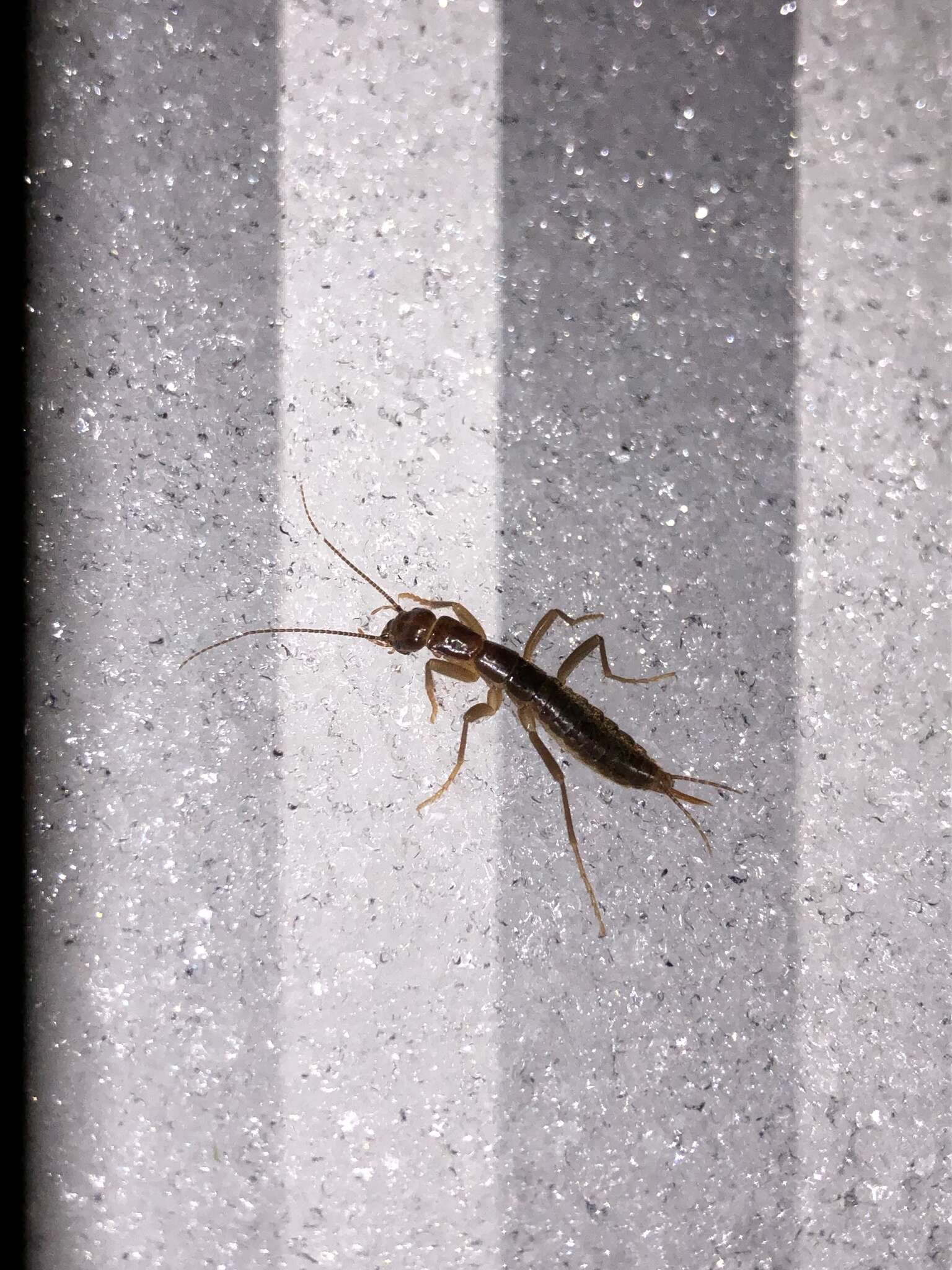
Grylloblattidae
Grylloblattidae, commonly known as the icebugs or ice crawlers, is a family of extremophile (psychrophile) and wingless insects that live in the cold on top of mountains and the edges of glaciers. They are the only living members of Grylloblattodea, which is generally considered an order. Alternatively, Grylloblattodea, along with Mantophasmatodea (rock crawlers), have been ranked as suborders of the order Notoptera. Grylloblattids are wingless insects mostly less than 3 cm long, with a head resembling that of a cockroach, with long antennae and having elongated cerci arising from the tip

Arthrobacter
Arthrobacter (from the Greek, "jointed small stick”) is a genus of bacteria that is commonly found in soil. Members of the genus have also been reported from insect-associated environments, suggesting ecological roles beyond soil habitats. All species in this genus are Gram-positive obligate aerobes that are rods during exponential growth and cocci in their stationary phase. Arthrobacter have a distinctive method of cell division called "snapping division" or reversion in which the outer bacterial cell wall ruptures at a joint.

Grylloblatta
thumb|Grylloblatta oregonensis
Herminiimonas glaciei
species of bacterium
Halomonas
Halomonas is a genus of halophilic (salt-tolerating) bacteria. It grows over the range of 5 to 25% NaCl.

Grylloblatta campodeiformis
species of insect
Sphingomonas
Sphingomonas was defined in 1990 as a group of Gram-negative, rod-shaped, chemoheterotrophic, strictly aerobic bacteria. They possess ubiquinone 10 as their major respiratory quinone, contain glycosphingolipids (GSLs), specifically ceramide, instead of lipopolysaccharide (LPS) in their cell envelopes, and typically produce yellow-pigmented colonies. The GSL serves to protect the bacteria from antibacterial substances. Unlike most Gram-negative bacteria, Sphingomonas cannot carry endotoxins due to the lack of lipopolysaccharides, and has a hydrophobic surface characterized by the short nature o
Psychrobacter
Psychrobacter is a genus of Gram-negative, osmotolerant, oxidase-positive, psychrophilic or psychrotolerant, aerobic bacteria which belong to the family Moraxellaceae and the class Gammaproteobacteria. The shape is typically cocci or coccobacilli. Some of those bacteria were isolated from humans and can cause humans infections such as endocarditis and peritonitis. This genus of bacteria is able to grow at temperatures between −10 and 42 °C. Rudi Rossau found through DNA-rRNA hybridization analysis that Psychrobacter belongs to the Moraxellaceae. The first species (Psychrobacter immobilis)
Polaribacter
Polaribacter is a genus in the family Flavobacteriaceae. They are gram-negative, aerobic bacteria that can be heterotrophic, psychrophilic or mesophilic. Most species are non-motile and species range from ovoid to rod-shaped. Polaribacter forms yellow- to orange-pigmented colonies. They have been mostly adapted to cool marine ecosystems, and their optimal growth range is at a temperature between 10 and 32 °C and at a pH of 7.0 to 8.0. They are oxidase and catalase-positive and are able to grow using carbohydrates, amino acids, and organic acids.
Colwellia
Colwellia is a genus of deep-sea psychrophilic, piezophilic, and facultative anaerobic bacteria from the family Colwelliaceae. Colwellia can survive at subzero temperatures by producing cryoprotective polymeric substances.
Psychroflexus
Psychroflexus is a psychrophilic bacteria genus from the family of Flavobacteriaceae.
Flavobacterium psychrophilum
species of bacterium