Category
page 1Public holidays in Canada

Good Friday
Good Friday, also known as Holy Friday, Great Friday, Great and Holy Friday, or Friday of the Passion of the Lord, is a solemn Christian holy day commemorating the crucifixion of Jesus and his death at Calvary (Golgotha). It is observed during Holy Week as part of the Paschal Triduum.
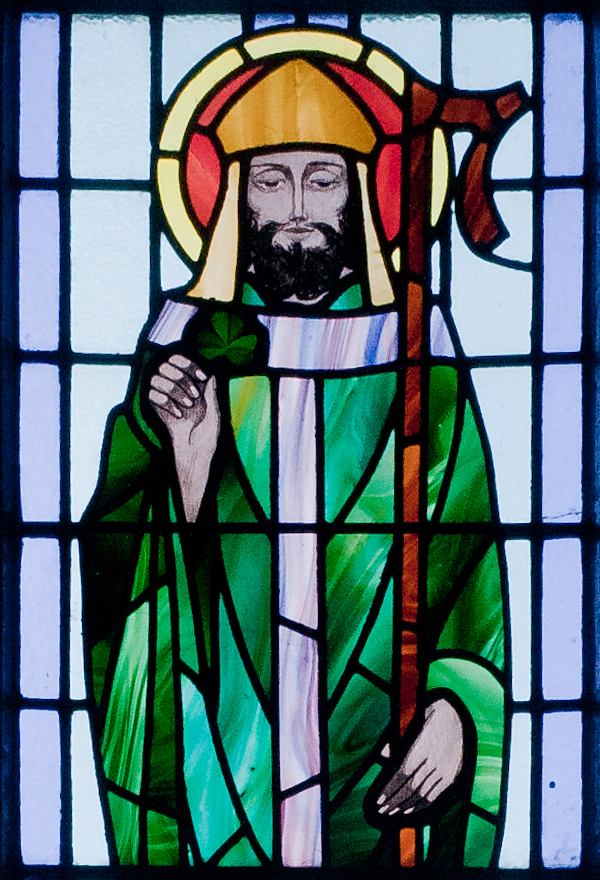
Saint Patrick's Day
Saint Patrick's Day, or the Feast of Saint Patrick, is a religious and cultural holiday held on 17 March, the traditional death date of Saint Patrick, the foremost patron saint of Ireland.
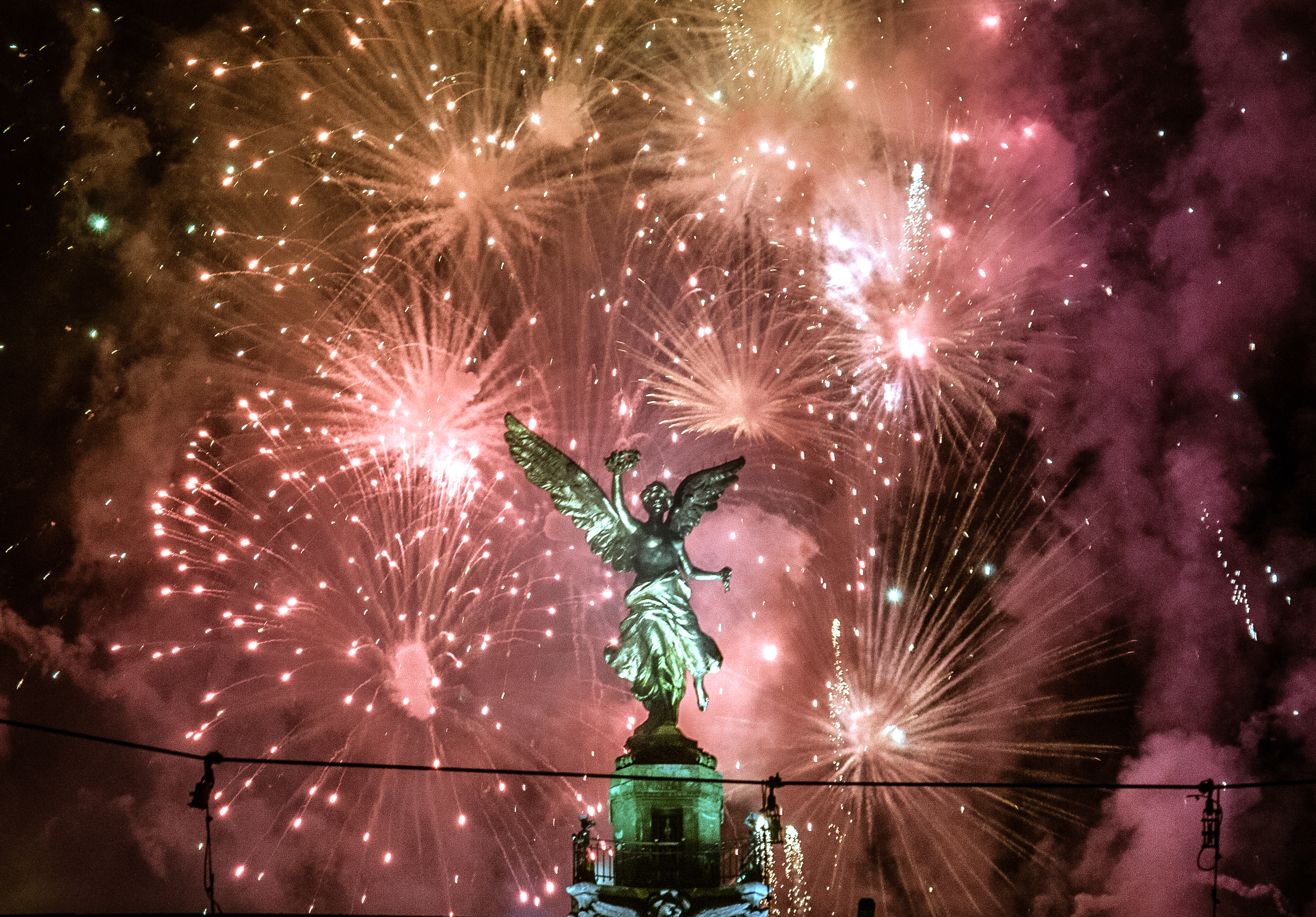
New Year's Day
In the Gregorian calendar, New Year's Day is the first day of the calendar year, 1 January. Most solar calendars, such as the Gregorian and Julian calendars, begin the year regularly at or near the northern winter solstice. In contrast, cultures and religions that observe a lunisolar or lunar calendar celebrate their Lunar New Year at varying points relative to the solar year.

Boxing Day
Boxing Day, also known as Offering Day, is a holiday celebrated on 26 December, the day after Christmas Day. Boxing Day was once a day to donate gifts to those in need, but it has evolved to become a part of Christmas festivities. It originated in the United Kingdom and is celebrated in several Commonwealth nations. The attached bank holiday or public holiday may take place on 27 or 28 December if necessary to ensure it falls on a weekday. Boxing Day is usually concurrent with the Christian festival Saint Stephen's Day.

European Day of Remembrance for Victims of Stalinism and Nazism
international day of remembrance
Canada Day
Canadian national holiday on July 1

Groundhog Day
Groundhog Day is a tradition observed regionally in the United States and Canada on February 2 of every year. It derives from the Pennsylvania Dutch superstition that if a groundhog emerges from its burrow on this day and sees its shadow, it will retreat to its den and winter will go on for six more weeks; if it does not see its shadow, spring will arrive early. In 2026, the shadow was seen by Punxsutawney Phil, auguring six more weeks of winter.

Remembrance Day
Remembrance Day is a memorial day observed in former countries of the British Empire, and current Commonwealth member states since the end of the First World War to honour armed forces members who have died in the line of duty. The day is also marked by war remembrances in several other non-Commonwealth countries. In most countries, Remembrance Day is observed on 11 November to recall the end of First World War hostilities. Hostilities ended "at the 11th hour of the 11th day of the 11th month" of 1918, in accordance with the armistice signed by representatives of Germany and the Entente between 5:12 and 5:20 that morning. The First World War formally ended with the signing of the Treaty of Versailles on 28 June 1919.
National Grandparents Day
celebration honoring grandparents
Commonwealth Day
holiday in the Commonwealth of Nations
King's Official Birthday
public holiday in Commonwealth realms
Victoria Day
Canadian public holiday
National Flag of Canada Day
Canadian holiday
Anti-Bullying Day
day celebrated on various dates across the world. The event originated in Canada
Tartan Day
celebration of Scottish heritage
public holidays in Canada
Wikimedia list article
Thanksgiving
holiday in Canada, held on the second Monday in October
Orange Shirt Day
Canadian holiday - National day of remembrance on September 30th for the victims of the Canadian Indian residential school system
National Aboriginal Day
recognizing Indigenous peoples in Canada
International Day of Pink
organization

Emancipation Day
commemoration and public holiday to mark emancipation of enslaved people
Dominion Day
former name of national holidays in Canada and New Zealand